If you’ve never been to Texas, you might picture tumbleweeds rolling through empty deserts while cowboys tip their ten-gallon hats at high noon. Maybe you imagine everyone riding horses to work or eating nothing but barbecue three meals a day. The truth is, Texas is way more complex, diverse, and surprising than the stereotypes suggest, and the only way to really understand that is to experience it yourself.
1. Barbecue And Tex-Mex Are The Only Food Options
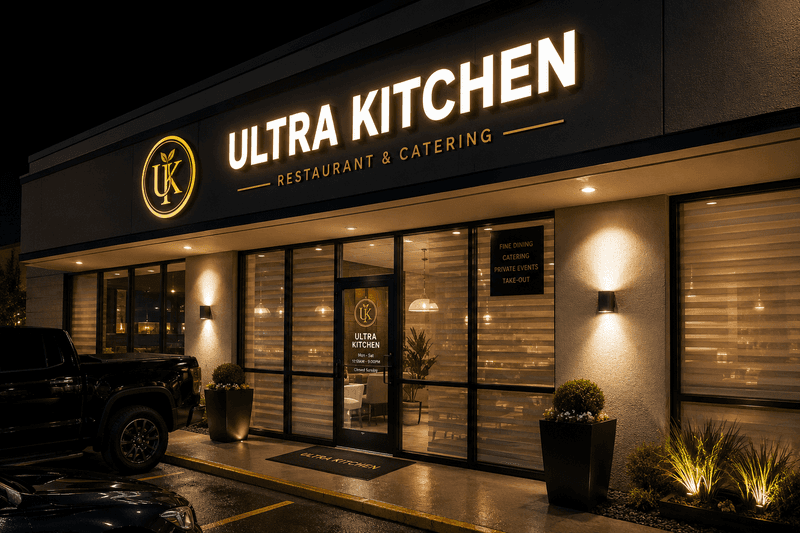
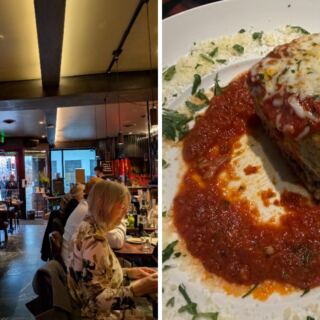
Walk into any major Texas city and you’ll quickly realize the food scene rivals New York or Los Angeles in variety and quality. Houston alone has more than 10,000 restaurants representing cuisines from over 70 countries. You can find authentic Ethiopian injera, perfectly crafted Japanese omakase, regional Vietnamese cuisine that rivals what you’d get in Saigon, and Italian trattorias run by chefs trained in Rome.
Sure, barbecue and Tex-Mex are absolutely part of the culinary landscape, and they’re done exceptionally well here. But limiting Texas food to just those two categories ignores the incredible diversity that immigration and urban growth have brought to the state. Austin’s food truck scene includes Korean-Mexican fusion, gourmet vegan offerings, and Mediterranean street food that draws lines around the block.
Dallas has a thriving fine dining scene with multiple Michelin-quality restaurants, while San Antonio’s Pearl District showcases farm-to-table cuisine that changes with the seasons. Even smaller cities surprise visitors with unexpected culinary gems. College Station has fantastic Thai restaurants thanks to its university population, and El Paso serves border cuisine that’s distinct from typical Tex-Mex, reflecting its unique cultural position.
The stereotype probably exists because barbecue and Tex-Mex are what Texas does better than almost anywhere else, so they get the spotlight. But ask any local where to eat and you’ll get recommendations spanning every continent. The Texas food scene reflects the state’s actual population: incredibly diverse, constantly evolving, and full of immigrants and their descendants who brought their culinary traditions with them.
Next time someone tells you Texas only has two types of food, they’re basically admitting they’ve never actually explored the state beyond the highway billboards advertising brisket.
2. The Entire State Is Just Desert Wasteland
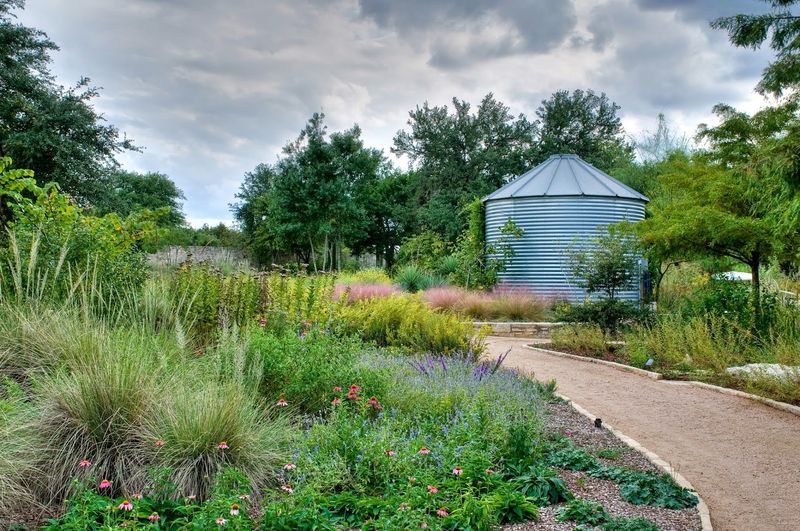
Big Bend National Park gets all the desert glory, and yes, West Texas absolutely has stunning arid landscapes. But thinking that represents the entire state shows a serious misunderstanding of Texas geography. The state covers 268,000 square miles and includes ten distinct ecological regions, from piney woods to coastal prairies to actual mountains.
East Texas looks nothing like what most people picture when they think of the state. Dense pine forests, cypress swamps, and humidity that rivals Louisiana create an environment that feels more Southern than Western. Caddo Lake, with its maze of bayous draped in Spanish moss, could easily be mistaken for the Deep South.
The Hill Country around Austin and San Antonio features rolling terrain covered in juniper and oak trees, with rivers carving through limestone formations. Spring brings carpets of bluebonnets and other wildflowers that transform the landscape into something that looks more like a painting than a desert. These hills aren’t dramatic mountain peaks, but they’re definitely not flat or barren.
South Texas has its own distinct character with coastal plains, palm trees, and subtropical vegetation near the Rio Grande Valley. The Gulf Coast stretches for hundreds of miles with beaches, marshlands, and barrier islands that support completely different ecosystems than anything in West Texas. Galveston, Corpus Christi, and South Padre Island offer beach experiences that surprise people who assumed Texas was landlocked.
Even the Panhandle, often dismissed as boring, has Palo Duro Canyon, the second-largest canyon system in the United States. The red rock formations and dramatic elevation changes look nothing like desert wasteland. The stereotype exists because Western movies and TV shows focused on the arid parts, but that’s maybe a quarter of the state’s actual landscape at most.
3. Everyone Wears Cowboy Hats And Boots Daily
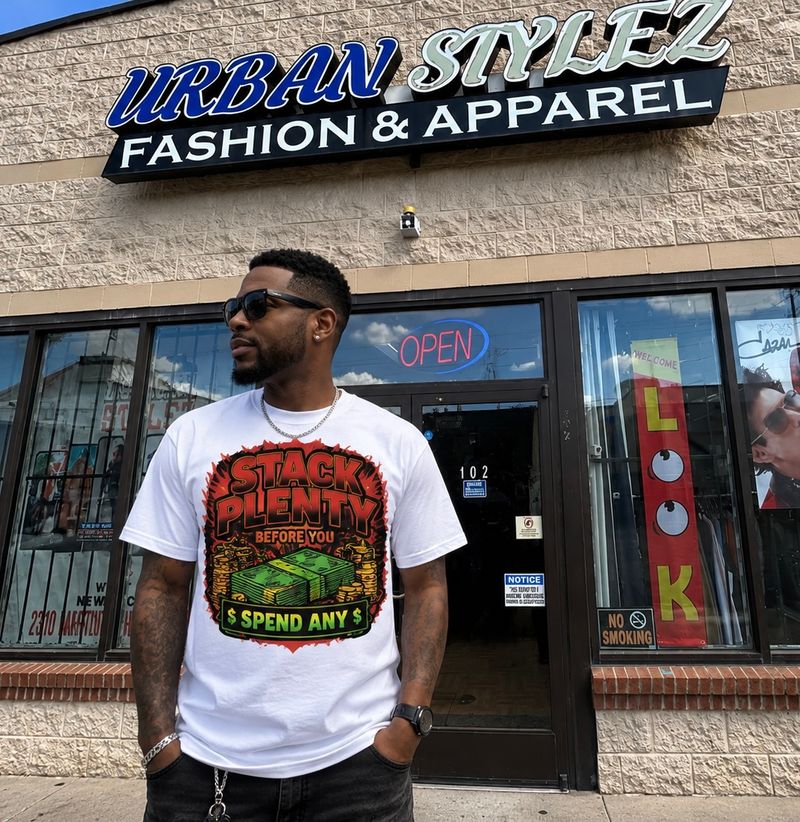
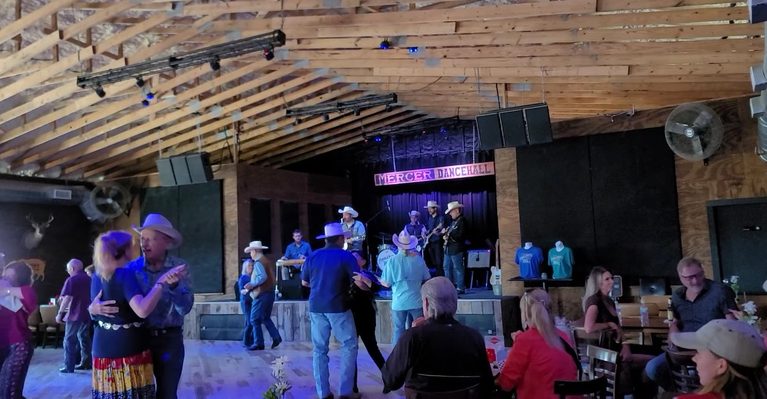
Spend a day in Houston’s business district and count how many cowboy hats you see. You might spot one or two, but you’ll see hundreds of people in regular business suits, casual wear, and athletic clothes that wouldn’t look out of place in Seattle or Boston. The cowboy aesthetic exists, but it’s more of a special occasion thing than everyday reality for most Texans.
Rodeos, country concerts, and certain social events definitely bring out the boots and hats. Some people in rural areas and ranching communities do wear them regularly because they’re actually functional work gear. But in cities where most Texans actually live, you’re far more likely to see someone in sneakers and a graphic tee than full Western wear.
The younger generation especially has moved away from this stereotype. Walk around any Texas college campus and the students look basically identical to students anywhere else in the country. They’re wearing the same brands, following the same fashion trends, and shopping at the same stores as their peers in California or New York.
That said, boots do have staying power as a fashion choice even among people who’ve never been near a horse. You’ll see them paired with sundresses, jeans, or even business casual outfits. But these are often fashion boots, not working ranch boots, and they’re just one option in a diverse wardrobe.
The tech industry boom in Austin has brought thousands of workers who’ve never owned a cowboy hat in their lives. Same with the medical center in Houston, the corporate headquarters in Dallas, and the military communities around San Antonio. These people represent modern Texas just as much as anyone in Western wear, but they don’t fit the visual stereotype that movies and TV have burned into the national consciousness.
4. Texas Culture Is Monolithic And Unchanging
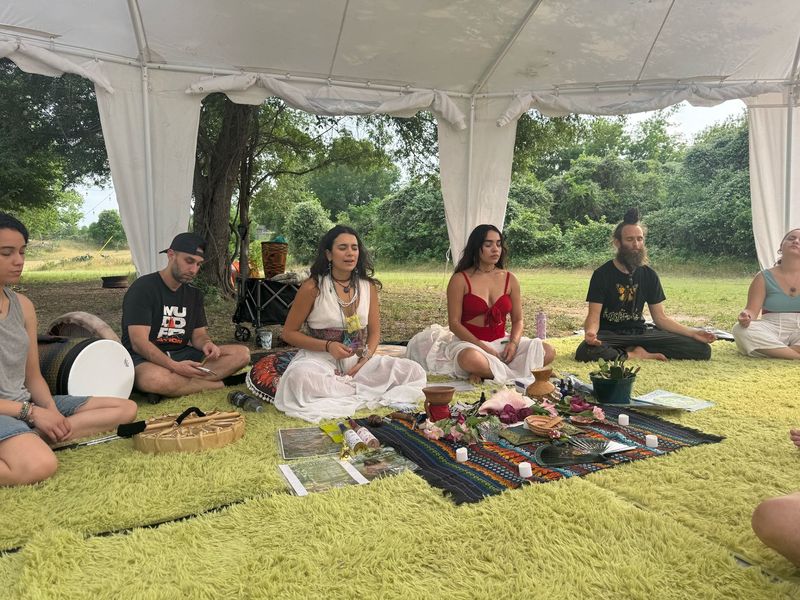
Texas culture changes constantly because the population keeps growing and diversifying. Between 2010 and 2020, Texas added nearly four million people, many from other states and countries. Each wave of newcomers brings different perspectives, traditions, and ideas that blend into the existing culture and create something new.
Houston is the most diverse city in America, surpassing even New York by some measurements. Over 145 languages are spoken in the city, and entire neighborhoods reflect specific cultural communities. The Vietnamese population in Houston is one of the largest in the country, and their influence shows up everywhere from restaurant menus to local politics.
The music scene alone proves how dynamic Texas culture really is. Sure, country music has deep roots here, but so does blues, conjunto, hip-hop, electronic music, and indie rock. Austin’s reputation as the Live Music Capital reflects genuine diversity in musical styles, not just one genre on repeat.
Houston has produced legendary hip-hop artists who’ve shaped the national sound.
Even traditional Texas activities evolve with the times. Rodeos now feature EDM concerts alongside bull riding. Barbecue joints experiment with fusion flavors and vegan options.
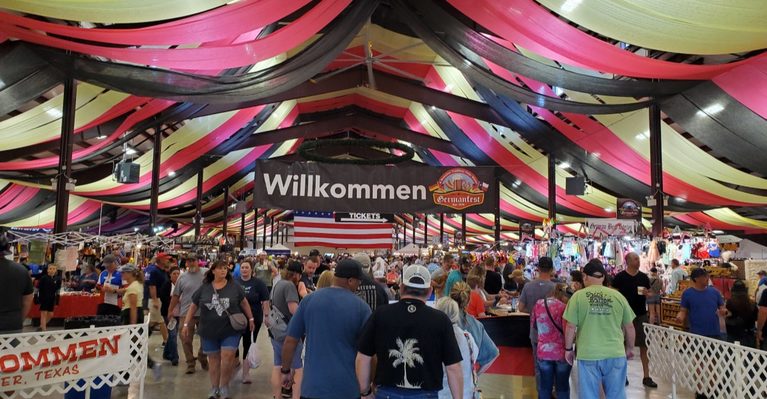
The State Fair of Texas adds new foods and attractions every year while keeping some classic elements.
Politically and socially, Texas cities lean more progressive than the state’s overall reputation suggests, creating internal cultural tensions that drive constant change. Urban areas are experiencing rapid demographic shifts that influence everything from food to fashion to local governance. The idea that Texas culture is stuck in some 1950s cowboy fantasy ignores the reality of a state that’s actively transforming itself year by year, sometimes uncomfortably, but definitely not standing still.
5. The Landscape Is Completely Flat And Boring
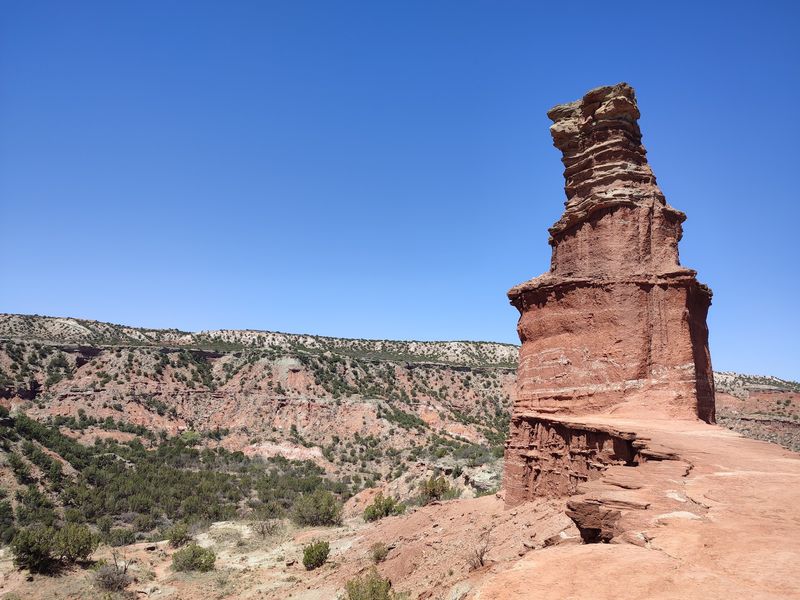
Guadalupe Peak rises 8,749 feet above sea level, making it the highest point in Texas. The surrounding Guadalupe Mountains National Park features dramatic cliff faces, canyons, and terrain that challenges experienced hikers. Nobody who’s climbed that peak would describe Texas as completely flat.
Palo Duro Canyon drops 800 feet deep in places, with colorful rock layers revealing millions of years of geological history. The canyon stretches for 120 miles and offers hiking, biking, and horseback riding through landscapes that look like they belong in Arizona or Utah. The formations change color throughout the day as sunlight hits different angles.
The Edwards Plateau in Central Texas creates the Hill Country, where elevation changes of several hundred feet within short distances make for genuinely hilly terrain. Rivers have carved through limestone for millennia, creating caves, springs, and valleys that add vertical dimension to the landscape. Enchanted Rock, a massive pink granite dome, rises 425 feet above the surrounding terrain and offers panoramic views that prove Texas has plenty of topographical variety.
Even parts of the state that are relatively flat have their own beauty that goes beyond boring. The Panhandle’s high plains have a stark, expansive quality with huge skies and endless horizons that some people find meditative. The coastal areas feature barrier islands, dunes, and wetlands with their own distinctive character.
The stereotype probably comes from the fact that major highways often run through flatter sections because that’s easier for construction. Driving I-10 or I-20 across West Texas can feel monotonous, but that’s highway engineering, not representative geography. Get off the interstate and explore the state parks, and you’ll find Texas has mountains, canyons, hills, caves, and varied terrain that surprises people who expected nothing but flatness.
6. All Texans Are Outgoing And Greet Everyone With “Howdy”
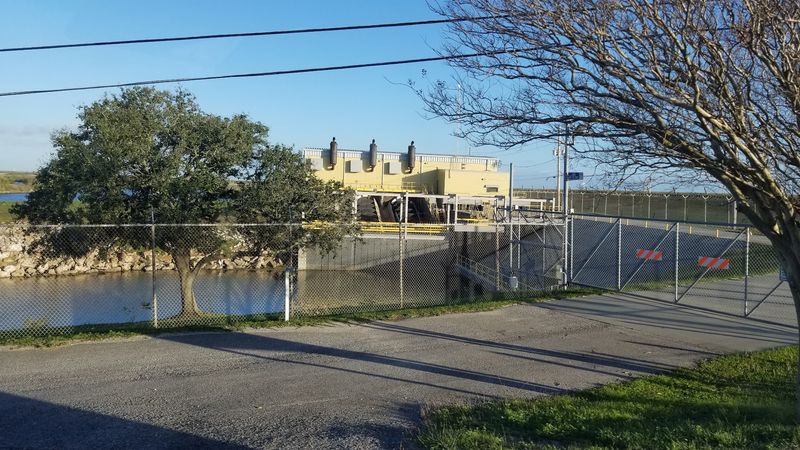
Personality types distribute pretty evenly across geography, meaning Texas has just as many introverts, shy people, and folks who prefer to keep to themselves as anywhere else. The friendly Texan stereotype has some basis in Southern hospitality traditions, but it’s not a universal trait that every single person in the state shares.
City culture varies significantly from rural culture, just like in other states. In Houston or Dallas, people rushing to work during morning commute aren’t stopping to chat with strangers any more than New Yorkers are. The pace of urban life creates the same social dynamics here as elsewhere, where people mind their own business and maintain typical city boundaries.
“Howdy” is recognized as a Texas word, but actual usage is way less common than pop culture suggests. Most people say “hey,” “hi,” or “hello” like everywhere else in America. You might hear “howdy” at tourist spots, from older folks in rural areas, or as a joking reference to the stereotype, but it’s not the standard greeting for millions of Texans.
The state’s growing population includes people from all over the world who bring their own cultural communication styles. Someone who moved to Austin from Seattle might be just as reserved as they were in the Pacific Northwest. Immigrants from cultures with different social norms around greeting strangers aren’t suddenly becoming backslapping extroverts just because they live in Texas now.
That said, certain contexts do encourage friendliness. Small towns often have stronger community bonds where people do greet neighbors and strangers more readily. Service industry workers tend toward warmth and chattiness.
But painting all Texans with the outgoing stereotype ignores individual personality differences and the reality that millions of people here are perfectly happy keeping interactions brief and professional, just like anywhere else.
7. Everything Is Bigger In Texas, Including Egos

The “everything’s bigger” slogan started as marketing and tourism promotion, not an accurate description of every Texan’s personality. Like any large population, Texas has its share of boastful people and humble folks, with most falling somewhere in the middle of that spectrum. Assuming everyone here walks around with an inflated sense of self ignores basic human diversity.
State pride does run strong, which visitors sometimes interpret as ego. Texans often display flags, wear Texas-shaped jewelry, and reference their home state frequently. But this reflects genuine affection for the place rather than personal arrogance.
The same way someone might love their hometown or alma mater, Texans tend to feel strong connections to their state’s identity.
Plenty of Texans are actually quite modest and self-deprecating in personal interactions. The stereotype of the loud, bragging Texan exists because those people are memorable and fit the narrative, but they don’t represent everyone. Teachers, nurses, small business owners, and millions of regular folks go about their lives without any particular ego or need to prove Texas superiority.
The size thing is somewhat true for certain specific items. The State Fair of Texas does feature comically large food items. Some ranches and properties are genuinely massive.
Certain buildings and infrastructure projects embrace grand scale. But your average Texas house, car, or portion size isn’t dramatically different from other states, despite what the slogan suggests.
Visitors sometimes mistake confidence for arrogance. Many Texans do speak directly and carry themselves with assurance, which can read as ego to people from cultures with different communication styles. But confidence isn’t the same as thinking you’re better than everyone else.
The state’s economic success and growth do create some swagger, but most individuals are just living their lives without constantly comparing themselves to people from other places or demanding recognition for being from Texas.
8. Horseback Riding Is A Common Mode Of Transportation
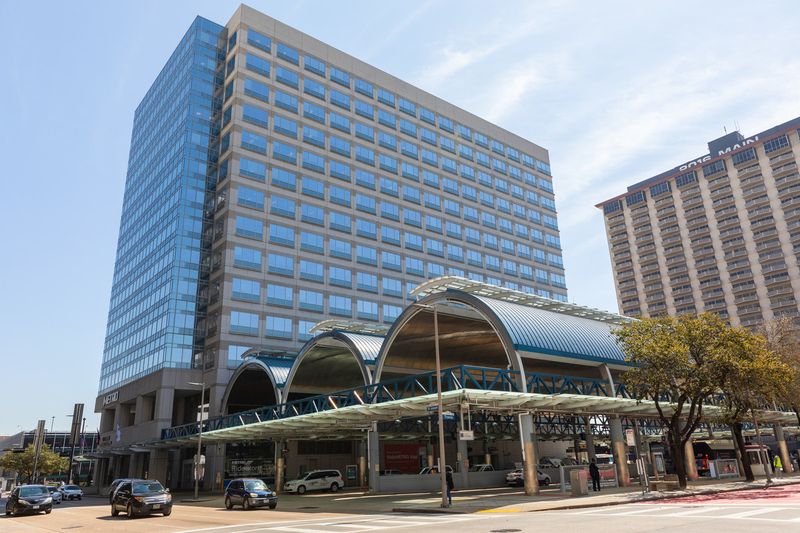
Cars dominate Texas transportation just like everywhere else in America, maybe even more so given the state’s size and sprawl. Cities have traffic jams, highway systems, and parking problems that wouldn’t exist if everyone was riding horses to work. The number of Texans who regularly use horses for actual transportation probably rounds to zero percent of the population.
Horses exist in Texas, certainly more than in some states, but they’re recreational animals or working ranch animals, not transportation. People who own horses usually trailer them to riding locations rather than riding them through neighborhoods. Urban and suburban zoning laws don’t even allow horses in most residential areas.
The cities have been investing heavily in modern transportation infrastructure. Austin has a light rail system. Dallas has DART trains and buses.
Houston has the METRORail. San Antonio has VIA Metropolitan Transit. These are the actual ways people get around besides personal vehicles.
The idea that horses factor into daily commutes is completely disconnected from reality.
Even in rural areas where horses are more common, people still drive trucks and cars for everyday transportation. A rancher might use a horse for checking fences or moving cattle, but they’re driving to town for groceries, taking their truck to the feed store, and using normal vehicles for normal activities. The horse is a tool for specific ranch work, not general transportation.
This stereotype probably stems from Western movies and the state’s ranching heritage. Texas did have a cowboy era when horses were primary transportation, but that was over a century ago. The state has moved through the same modernization as everywhere else.
You’re far more likely to see someone on an electric scooter in downtown Austin than on a horse. The only places you’ll reliably see horses in urban Texas are mounted police units and the occasional parade, both of which are special circumstances, not everyday transportation.
9. Everyone In Texas Is Politically Conservative
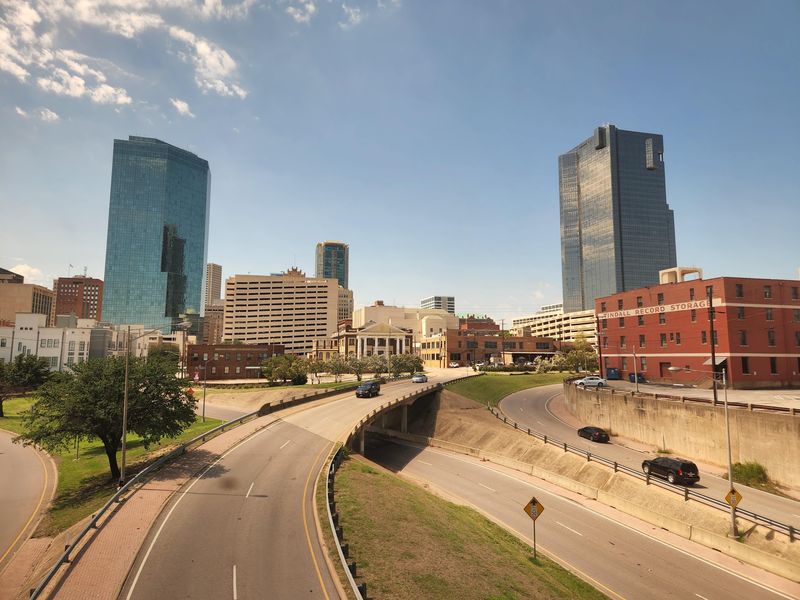
Texas cities consistently vote blue in elections, creating a political map that shows clear urban-rural divides rather than monolithic conservatism. Austin, Houston, Dallas, San Antonio, and El Paso all lean Democratic, and these cities contain millions of residents whose politics don’t match the state’s overall reputation. The urban areas are growing faster than rural ones, gradually shifting the state’s political center.
The 2020 presidential election saw Texas decided by only about five and a half percentage points, much closer than traditional landslide margins. Certain congressional districts have flipped or become competitive in recent years. The idea that every Texan shares the same conservative politics ignores actual voting data and demographic trends that show increasing political diversity.
Young Texans, particularly in cities, skew more progressive than older generations. College towns like Austin, College Station, and Denton have vibrant progressive communities. The state’s growing Hispanic population includes voters across the political spectrum, not uniformly conservative.
Asian American and Black communities in Texas cities add further political diversity that the stereotype completely overlooks.
Even among conservatives, there’s significant variation in beliefs and priorities. Libertarian-leaning conservatives who prioritize individual freedom differ from social conservatives focused on traditional values. Business conservatives care about different issues than rural agricultural conservatives.
Painting all these groups with one broad brush oversimplifies the actual political landscape.
The stereotype persists because Texas has voted Republican in presidential elections since 1980 and the state government is controlled by Republicans. But state-level results don’t reflect individual beliefs or the political diversity within communities. Plenty of Texans are liberal, progressive, moderate, or politically unaffiliated.
The state contains multitudes, and assuming everyone’s politics based on the stereotype means missing the complex reality of a state with nearly 30 million people who hold widely varying political views.
10. Every Single Texan Owns Multiple Guns
Gun ownership rates in Texas are actually lower than many people assume. Surveys suggest somewhere between 35-45% of Texas households have firearms, which means the majority of Texas households don’t own guns at all. The idea that literally every Texan is armed ignores millions of residents who’ve never purchased a firearm.
Urban residents, particularly younger people in cities, often have no interest in gun ownership. Apartment dwellers in Dallas or Houston face the same practical considerations as apartment dwellers anywhere: limited space, security concerns about keeping weapons in multi-unit buildings, and lifestyles that don’t include hunting or shooting sports. These folks represent a huge portion of the state’s population.
Immigrant communities from countries with different gun cultures don’t automatically adopt American gun ownership patterns just because they live in Texas. College students, young professionals, and families focused on other priorities might never get around to purchasing firearms even if they’re not opposed to them. The assumption that gun ownership is universal in Texas ignores how diverse motivations and interests actually are.
Among people who do own guns, the “multiple guns” part is sometimes true but not always. Someone might have a single handgun for home protection and nothing else. Hunters might have a rifle or shotgun for specific game without building huge collections.
The stereotype of Texas gun owners as people with entire arsenals applies to some enthusiasts but not everyone who owns firearms.
Texas does have strong gun culture in certain communities, and gun laws are relatively permissive compared to some states. Gun shows, shooting ranges, and hunting are definitely part of the landscape. But extrapolating from that to assume every single person is armed misses the reality that millions of Texans have zero guns, no plans to buy guns, and lifestyles completely disconnected from gun culture despite living in a state famous for it.
Share this story