Texas is famous for cowboys, barbecue, and wide-open ranches, but some towns in the Lone Star State feel like they belong somewhere else entirely. These quirky communities offer surprising landscapes, unusual cultures, and unexpected vibes that challenge everything you thought you knew about Texas. From German villages tucked into rolling hills to ghost towns brought back to life by artists, these destinations prove that Texas is far more diverse and interesting than most people realize.
1. Marfa (Desert Art Colony)
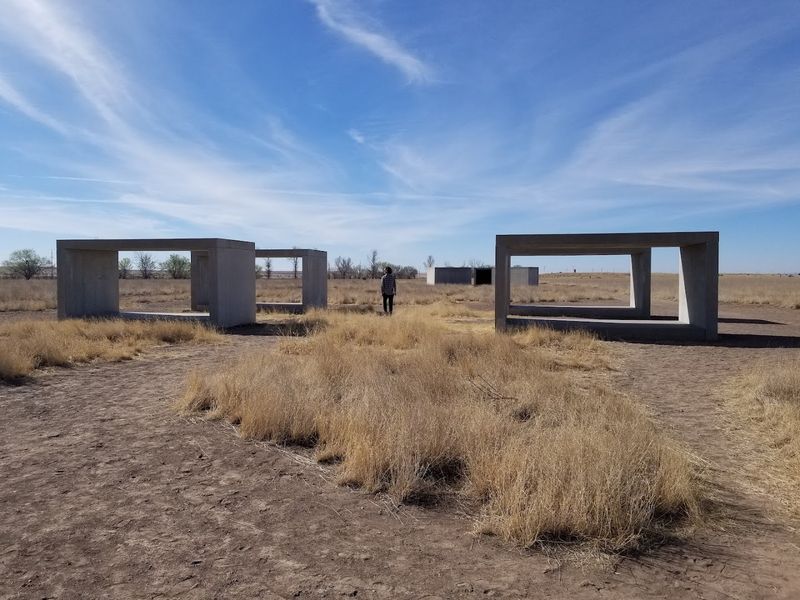
Way out in the middle of nowhere, Marfa sits like a mirage in the West Texas desert. This tiny town of fewer than 2,000 people has become one of the most important contemporary art destinations in America. Giant concrete boxes scattered across the desert, neon installations glowing at night, and cutting-edge galleries fill this remote outpost with creative energy.
The transformation started in the 1970s when minimalist artist Donald Judd moved here and converted old military buildings into art spaces. Today, his Chinati Foundation attracts art lovers from around the world. You’ll see more people discussing abstract sculpture than discussing cattle prices, which feels pretty un-Texan.
Marfa’s downtown looks more like Brooklyn than Big Bend country. Hipster coffee shops serve pour-over lattes, boutique hotels offer designer accommodations, and restaurants plate up creative cuisine alongside classic Tex-Mex. The local crowd includes artists, writers, filmmakers, and musicians who’ve traded city life for desert inspiration.
The mysterious Marfa Lights add to the town’s otherworldly atmosphere. These unexplained glowing orbs appear in the desert at night, drawing curious visitors year-round. Some blame car headlights or atmospheric conditions, but locals prefer to keep the mystery alive.
Weekend visitors fill the tiny town, browsing galleries, attending film screenings, and soaking up the creative vibe. Food trucks park alongside art installations, and conversations about installation art happen over breakfast tacos. The surrounding desert landscape provides endless inspiration, with stark mountains and vast skies that seem to stretch forever.
Marfa proves that Texas can be sophisticated, artistic, and utterly unexpected. This desert art colony challenges every stereotype about the state while remaining distinctly Texan in its independent spirit and refusal to follow anyone else’s rules.
2. Fredericksburg (Hill Country Germany)
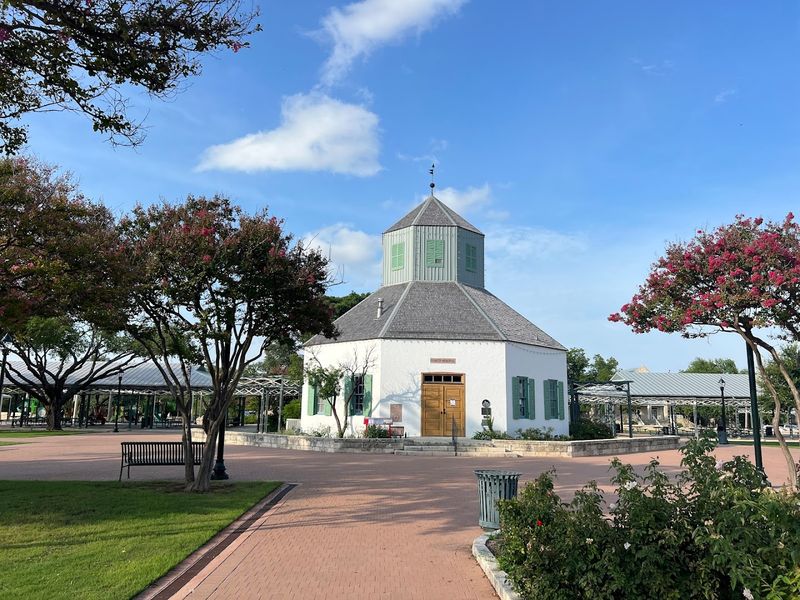
Walking down Main Street in Fredericksburg feels like stepping into a Bavarian village that somehow landed in the Texas Hill Country. German bakeries sell fresh strudel, breweries pour authentic German beer, and half-timbered buildings line the streets. The town’s German heritage runs so deep that some older residents still speak Texas German, a unique dialect preserved nowhere else on earth.
Founded in 1846 by German immigrants, Fredericksburg has maintained its European character for nearly 180 years. Traditional Sunday houses dot the historic district—tiny homes that farming families built for weekend trips to town. Today, these charming structures house shops selling cuckoo clocks, Christmas ornaments, and imported German goods.
The food scene celebrates German traditions with Texas twists. Schnitzel appears alongside brisket on menus, and local wineries blend Old World techniques with Hill Country grapes. During Oktoberfest, the entire town transforms into one giant celebration with polka bands, dirndls, and enough bratwurst to feed an army.
Peach orchards surround the town, creating pink clouds of blossoms each spring. Local farms offer pick-your-own fruit experiences, and roadside stands sell peach everything—ice cream, preserves, salsa, and wine. The annual Peach JAMboree celebrates this sweet harvest with music and tastings.
Beyond the German theme, Fredericksburg serves as gateway to Texas wine country. Dozens of wineries operate within a short drive, offering tastings with Hill Country views. Lavender farms add purple splashes to the landscape, and the nearby Enchanted Rock provides hiking adventures.
Boutique shopping rivals any big city, with stores selling everything from Western wear to European antiques. Bed and breakfasts fill historic homes, offering cozy accommodations with German hospitality. This Hill Country town proves that Texas embraced immigrants who brought their own culture and made it beautifully their own.
3. Terlingua (Ghost Town Revival)
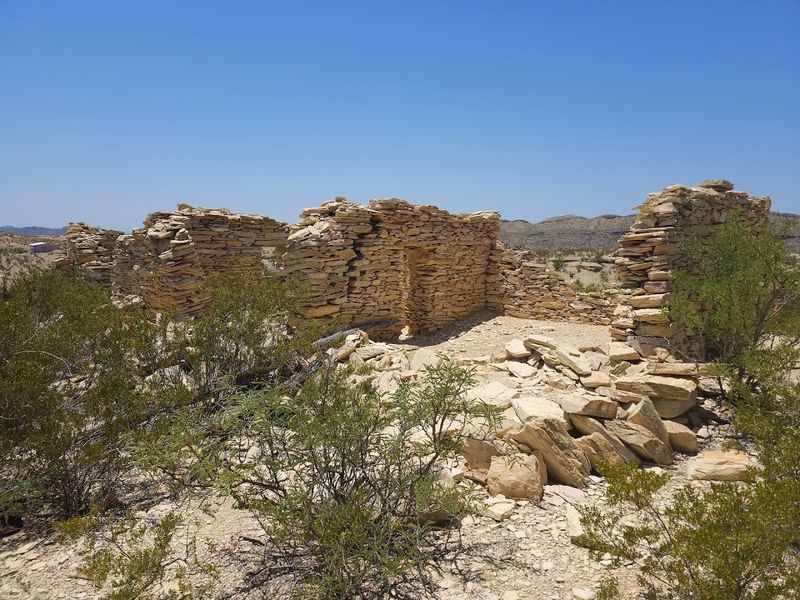
Most ghost towns stay dead, but Terlingua came back to life with an attitude. This former mercury mining town in the Chihuahuan Desert died in the 1940s when the mines closed, leaving behind crumbling ruins and empty buildings. Then artists, free spirits, and adventurers discovered the haunting beauty of these desert ruins and decided to stick around.
Today, Terlingua exists in a strange limbo between ghost town and living community. Stone ruins stand alongside operating businesses, and people actually live in some of the old mining structures. The Starlight Theatre, built from salvaged materials, serves as the town’s social center, offering cold beer, live music, and surprisingly good food in a building that looks ready to collapse.
The annual Terlingua International Chili Championship draws thousands to this remote outpost each November. What started as a publicity stunt in 1967 has grown into a legendary event where chili obsessives compete for bragging rights. The town’s population temporarily explodes from about 60 to several thousand during this spicy celebration.
Big Bend National Park sits just down the road, making Terlingua a base camp for desert explorers. River runners, hikers, and nature lovers gather here to swap stories and plan adventures. The night sky puts on a spectacular show, with zero light pollution revealing millions of stars.
Local characters add flavor to the town’s personality. Artists sell their work from makeshift studios, musicians perform impromptu concerts, and everyone seems to have an interesting backstory about how they ended up here. The cemetery on the hill overlooks the ruins, its weathered headstones telling stories of miners and their families.
Terlingua embraces its weirdness completely. There’s no traditional downtown, few rules, and an attitude that anything goes. This resurrection of a dead town creates something uniquely Texan yet utterly unlike anywhere else in the state.
4. Port Aransas (Island Beach Culture)
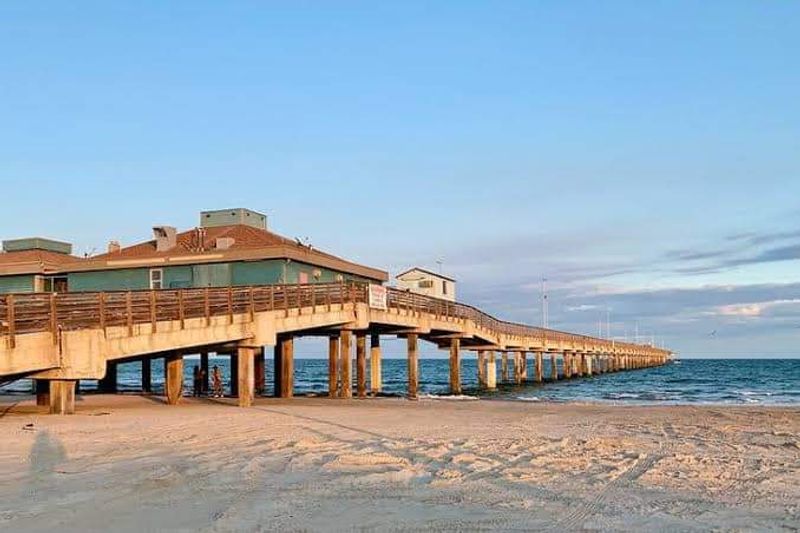
This barrier island town trades cowboy boots for flip-flops and replaces pickup trucks with golf carts. Saltwater spray fills the air, and the dress code maxes out at board shorts and a t-shirt. You’re more likely to hear Jimmy Buffett than George Strait coming from the beach bars.
The town stretches along Mustang Island, accessible by ferry or causeway. Golf carts rule the roads, creating a laid-back vibe that feels more Caribbean than Texan. Locals cruise around in these open-air vehicles, hauling fishing gear, surfboards, and beach supplies.
Visitors quickly adopt this casual transportation method, discovering that everything worth visiting sits within a short golf cart ride.
Fishing defines Port Aransas culture. Charter boats leave daily for deep-sea adventures, piers extend into the Gulf for surf fishing, and the jetties attract serious anglers chasing big catches. Fish cleaning stations dot the marinas, and restaurants will cook your catch for dinner.
The annual Deep Sea Roundup fishing tournament has run for over 70 years, drawing competitors from across the state.
Beach access comes easy here, with miles of sandy shoreline open to the public. Families build sandcastles, surfers catch waves, and beachcombers search for shells. The vibe stays relaxed and unpretentious, without the high-rise hotels and crowds that overwhelm other coastal destinations.
Hurricane Harvey devastated Port Aransas in 2017, but the town rebuilt with characteristic resilience. New restaurants and shops opened alongside restored favorites, maintaining the casual beach atmosphere. The community’s determination to preserve its island character shows in every colorful beach house and weathered fishing shack.
Port Aransas proves that Texas has a beach culture that rivals any coastal state. This island town trades cowboy culture for beach culture, creating a salty, sun-soaked lifestyle that feels worlds away from stereotypical Texas.
5. Wimberley (Artist Haven in the Hills)
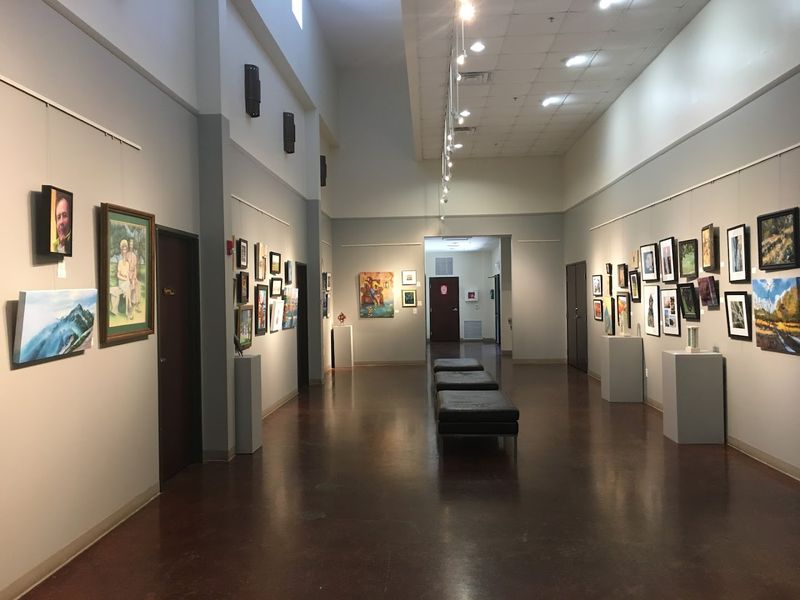
Wimberley hides in the Hill Country like a well-kept secret, drawing artists and creatives who crave inspiration without big-city chaos. This small town of about 3,000 residents punches way above its weight in artistic output. Galleries line the square, studios hide along winding roads, and the creative energy flows as freely as Cypress Creek through town.
The natural beauty surrounding Wimberley provides endless inspiration. Massive cypress trees shade crystal-clear swimming holes, limestone cliffs create dramatic backdrops, and the rolling hills glow golden in the right light. Artists capture these scenes in paintings, photographs, sculptures, and crafts that fill dozens of local galleries.
Market Days on the first Saturday of each month from March through December transform the town into a massive outdoor shopping experience. Hundreds of vendors sell handmade jewelry, pottery, paintings, furniture, and crafts. Shoppers wander through shaded groves, discovering one-of-a-kind treasures while live music plays in the background.
Blue Hole Regional Park offers a stunning swimming spot where Cypress Creek forms a deep, clear pool. Ancient cypress trees provide shade, and rope swings dangle over the water. This natural gathering place feels more like a tropical oasis than a Texas swimming hole, with its turquoise water and lush vegetation.
The town maintains a deliberately slow pace. No chain restaurants or big-box stores interrupt the local character. Instead, family-owned cafes serve homemade pie, boutiques offer curated collections, and everything closes early because there’s no reason to rush.
Weekends bring visitors from Austin and San Antonio seeking this peaceful escape.
Live oaks draped with Spanish moss create a Southern Gothic atmosphere that feels transported from Louisiana. Historic buildings house modern businesses, and the town square serves as a genuine community gathering place. Wimberley’s artistic soul and natural beauty combine to create something special—a Hill Country haven where creativity thrives and Texas stereotypes fade away completely.
6. El Paso (Border City Fusion)
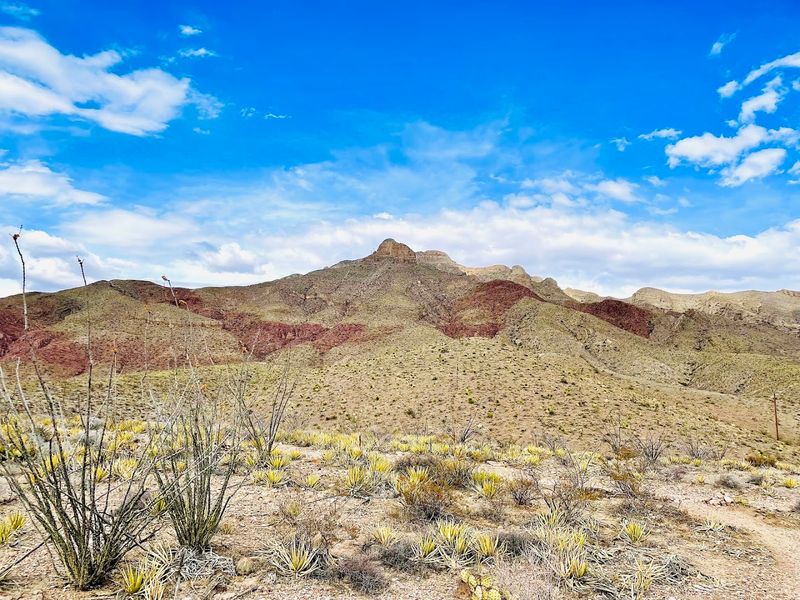
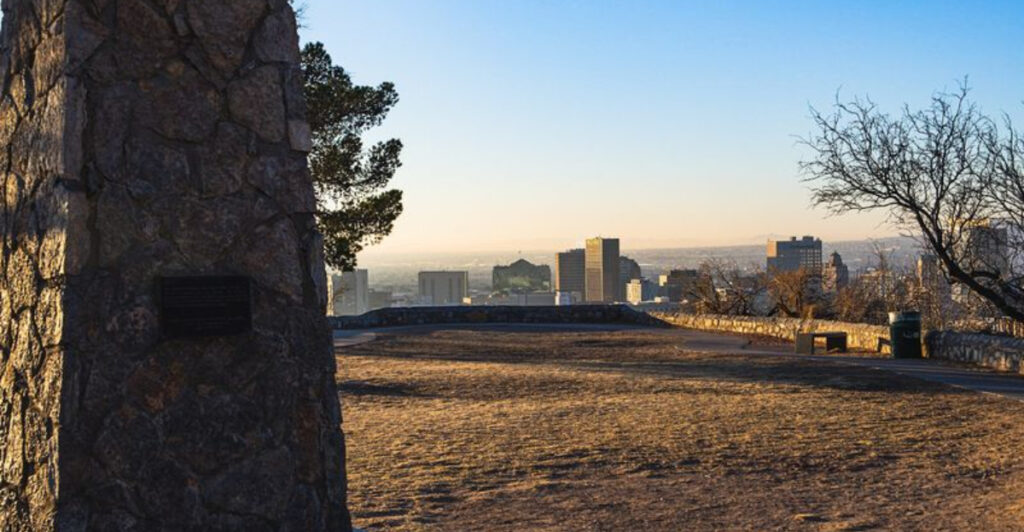
Sitting at the edge of Texas, El Paso feels like a place where cultures naturally blend into one. With the Rio Grande running alongside the city, Ciudad Juárez just across the border, and the Franklin Mountains towering nearby, the setting alone sets it apart. Spanish and English are spoken interchangeably, and Mexican and American influences come together in a way that feels seamless and authentic.
Geography sets El Paso apart from the rest of Texas. This westernmost Texas city sits closer to San Diego, California, than to Houston. The desert landscape, mountain backdrop, and proximity to New Mexico and Mexico create an environment that feels distinctly Southwestern rather than traditionally Texan.
Saguaro cacti and desert sunsets replace the pine trees and humidity found in East Texas.
The food scene celebrates authentic Mexican cuisine alongside Southwestern specialties. Family-run restaurants serve recipes passed down for generations, and the breakfast burrito reaches art-form status. Green chile appears on everything, New Mexico style, while street tacos maintain their Mexican authenticity.
This isn’t Tex-Mex—it’s border cuisine at its finest.
Historic missions dot the landscape, with some dating back to the 1600s. The Ysleta Mission, established in 1682, stands as one of the oldest continuously active parishes in the United States. These Spanish colonial structures remind visitors that European presence here predates most American cities.
Downtown El Paso showcases beautiful architecture that blends Spanish, Mexican, and American influences. Art deco buildings stand alongside adobe structures, and colorful murals celebrate border culture. The revitalized downtown attracts young professionals and artists, creating an urban energy that challenges rural Texas stereotypes.
The Franklin Mountains State Park sits entirely within city limits, offering hiking trails with panoramic views of two countries. Desert flora and fauna thrive here, and the rocky peaks provide a dramatic backdrop to city life. El Paso’s unique position as a border city creates a cultural identity that sets it apart from the rest of Texas completely.
7. Rockport (Coastal Art Colony)

Rockport traded commercial fishing for canvas and clay, transforming itself into a thriving art colony on the Texas coast. This quiet town on Aransas Bay attracts artists drawn to the quality of coastal light, the abundance of natural subjects, and a community that values creativity. Galleries outnumber tackle shops, and residents discuss color theory as often as fish counts.
The transformation began decades ago when artists discovered Rockport’s natural beauty and affordable real estate. They established studios, opened galleries, and created an arts district that now defines the town’s identity. First Saturday Art Walk brings hundreds of visitors who browse galleries, meet artists, and purchase original works ranging from seascapes to abstract sculptures.
Rockport’s harbor provides endless inspiration. Shrimp boats still work these waters, their weathered hulls and colorful nets creating perfect subjects for painters and photographers. Pelicans dive for fish, dolphins surface in the bay, and sunsets paint the sky in spectacular colors.
Artists set up easels along the waterfront, capturing scenes that change with the tides and light.
The famous Rockport oak trees add character to the landscape. These massive live oaks, twisted by constant coastal winds, grow nearly horizontal in places. The Big Tree, estimated at over 1,000 years old, stands as a local landmark and frequent subject for artists.
These windswept trees create a distinctive coastal profile found nowhere else.
Whooping cranes winter in nearby Aransas National Wildlife Refuge, bringing birdwatchers and nature enthusiasts to town. These endangered birds, standing five feet tall, represent conservation success stories. Boat tours take visitors to view the cranes in their natural habitat, adding wildlife appreciation to the town’s artistic focus.
Rockport maintains a relaxed coastal vibe without the spring break crowds that overwhelm other beach towns. Families fish from piers, kayakers explore quiet coves, and everyone moves at a slower pace. The combination of serious art culture and genuine fishing village atmosphere creates something special—a Texas coastal town that feels more like Cape Cod than the Gulf Coast.
8. Jefferson (Victorian River Town)
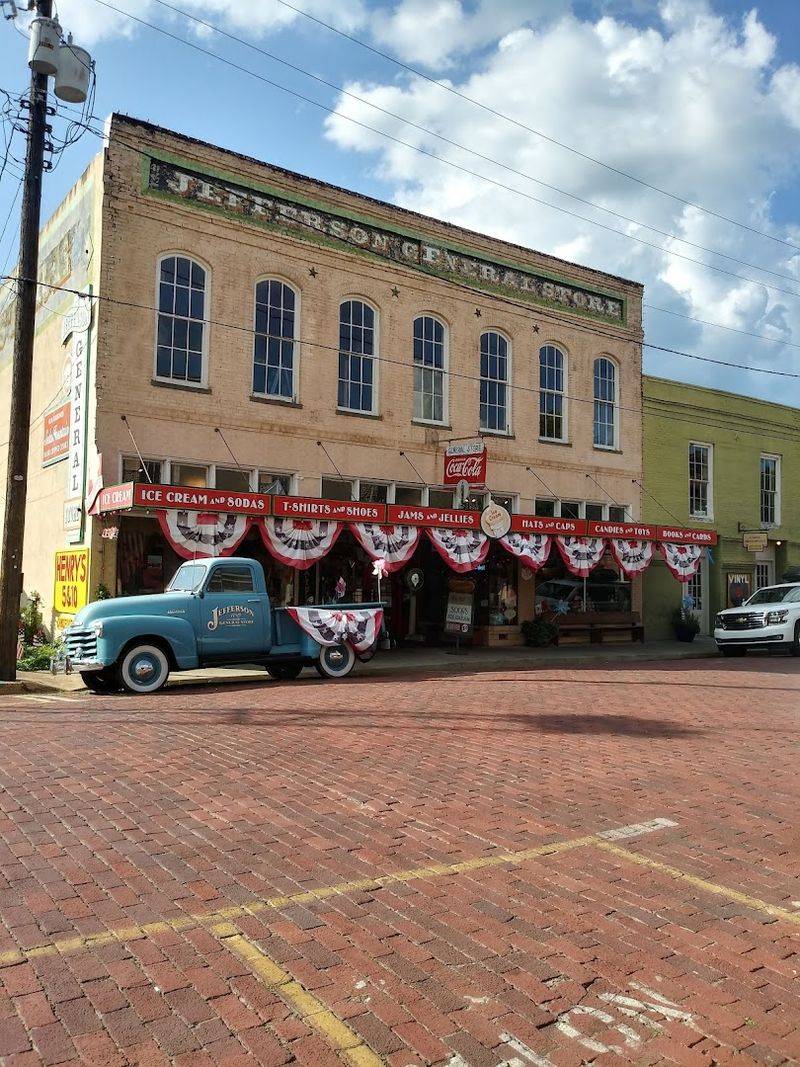
This town froze in time around 1870, preserving a Victorian river town that feels transported from the Deep South. Ornate mansions line brick streets, horse-drawn carriages clip-clop past antique shops, and Spanish moss drapes from ancient trees. This East Texas town looks nothing like the wide-open spaces most people associate with the state.
Instead, it resembles a Southern belle from Louisiana or Mississippi.
The town’s golden age came when it served as a major river port on Cypress Bayou. Steamboats carried cotton, timber, and goods, making Jefferson the second-busiest inland port in Texas. Wealthy merchants built elaborate Victorian homes showcasing their prosperity.
Then the railroad bypassed Jefferson, and the town’s commercial importance collapsed virtually overnight.
That commercial failure became a preservation blessing. Without money for modernization, historic buildings survived intact. Today, dozens of restored Victorian homes operate as bed and breakfasts, museums, and event venues.
The Excelsior House Hotel, operating since 1858, claims guests including Ulysses S. Grant, Rutherford B. Hayes, and Oscar Wilde.
Walking through these preserved spaces feels like stepping into a time machine.
Ghost stories permeate Jefferson’s history, earning it recognition as one of the most haunted towns in Texas. The Grove, a beautifully restored mansion, offers ghost tours alongside regular historical tours. The Jefferson Hotel’s rooms come with paranormal stories, and numerous buildings report supernatural activity.
Believers and skeptics alike enjoy the spooky atmosphere that adds mystery to the town’s Victorian charm.
Antique shopping reaches obsessive levels here. Dozens of shops fill historic buildings with treasures ranging from Victorian furniture to vintage jewelry. Serious collectors make regular pilgrimages, hunting for specific pieces among the carefully curated collections.
Caddo Lake State Park sits nearby, offering cypress swamp scenery that belongs in Louisiana more than Texas. Paddlers navigate through ancient cypress trees rising from dark water, creating an atmospheric landscape perfect for photography. Jefferson embraces its Southern identity completely, proving that Texas contains multitudes beyond cowboy culture.
9. Brownsville (Tropical Border Town)
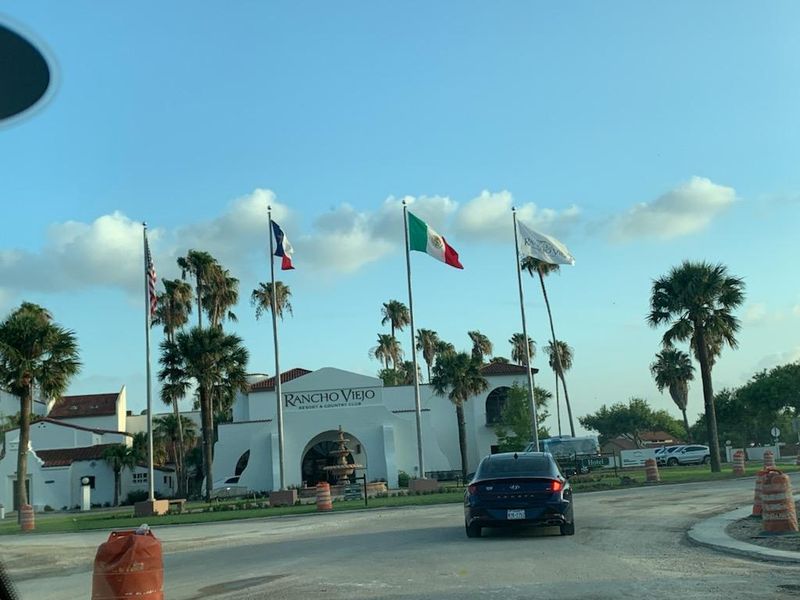
At the very southern edge of Texas, Brownsville feels like a completely different world. Palm trees line the streets, warm breezes roll in, and the atmosphere leans more tropical than traditional Texas. Bordering Matamoros across the Rio Grande, the city blends cultures effortlessly, creating a laid-back, vibrant setting that surprises first-time visitors.
The weather here stays warm year-round, with temperatures rarely dropping below 50 degrees even in winter. Palm trees line the streets, bougainvillea blooms in vibrant colors, and tropical birds call from backyard gardens. Humidity hangs thick in the air, and afternoon thunderstorms roll in regularly during summer months.
This feels more like Florida than the Lone Star State.
Mexican influence permeates every aspect of life. Spanish dominates many conversations, authentic Mexican restaurants outnumber American chains, and traditional Mexican holidays receive enthusiastic celebrations. The Brownsville-Matamoros area functions as one cultural region despite the international border running through its center.
Residents cross back and forth regularly for work, shopping, and family visits.
Historic downtown Brownsville showcases beautiful architecture from the late 1800s and early 1900s. The Market Square area maintains its Mexican mercado atmosphere, with vendors selling traditional goods, fresh produce, and handmade crafts. The Stillman House Museum preserves a 19th-century merchant’s home, offering glimpses into the area’s complex history.
The Sabal Palm Sanctuary protects the last remaining grove of native Texas sabal palms. These towering palms once covered the Rio Grande floodplain, but development destroyed most of them. Walking through the sanctuary feels like entering a tropical jungle, with exotic birds, butterflies, and wildlife thriving in the dense vegetation.
South Padre Island sits just up the coast, but Brownsville maintains its own distinct identity separate from the beach resort atmosphere. This border city embraces its tropical character and bicultural identity, creating a uniquely Texan place that doesn’t fit typical Texas stereotypes at all.
10. Luckenbach (Musical Heart of Texas)
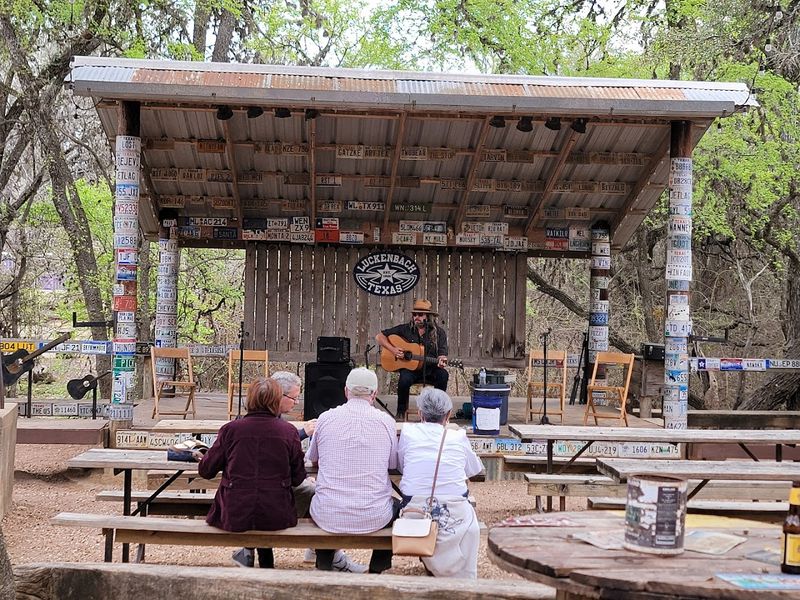
Luckenbach consists of little more than a dance hall, a general store, and a post office, yet this tiny Hill Country community represents something essential about Texas music and culture. Waylon Jennings immortalized the town in his 1977 hit song, and musicians have gathered here ever since to play under ancient oak trees and inside the weathered dance hall. The population officially sits at three, but the spirit of the place attracts thousands.
The general store serves as Luckenbach’s heart and soul. Built in 1849, this rustic building functions as post office, bar, gift shop, and community center. Visitors sign their names on every available surface, creating layers of graffiti that document decades of pilgrims seeking authentic Texas music culture.
Cold beer flows freely, and someone’s always picking a guitar on the front porch.
Live music happens almost constantly, from scheduled concerts to impromptu jam sessions. Famous musicians drop by unannounced to play alongside local pickers, creating magical moments where barriers between performers and audience dissolve completely. The outdoor stage hosts major acts during special events, but the informal porch picking sessions capture Luckenbach’s true spirit.
Willie Nelson’s annual Fourth of July Picnic sometimes happens here, drawing massive crowds to this tiny community. When major events aren’t scheduled, Luckenbach maintains a peaceful, almost meditative quality. People gather under the oaks, share stories, play music, and embrace the simple pleasures of cold beer and good company.
The dance hall, built in 1886, hosts weekend dances where couples two-step across worn wooden floors. No fancy light shows or sound systems here—just a band on stage and dancers moving to traditional Texas rhythms. The building’s weathered exterior and basic interior preserve an authenticity that modern venues can’t replicate.
Luckenbach proves that Texas isn’t all about big cities and bigger attitudes. This tiny community celebrates the state’s musical heritage and independent spirit, creating a gathering place for people seeking something real in an increasingly manufactured world. It’s uniquely Texan while being unlike anywhere else in the state.
Share this story