Texas operates on its own cultural wavelength, and if you’ve lived here long enough, you stop questioning why certain things just are the way they are. Outsiders often scratch their heads at our devotion to gas stations, our fierce loyalty to fast food chains, and our unwavering commitment to saying “ma’am” to total strangers. But for Texans, these traditions aren’t quirky—they’re fundamental.
Here are ten Texas customs that make perfect sense if you’re from here and absolutely baffle everyone else.
1. Buc-ee’s Is More Than a Gas Station
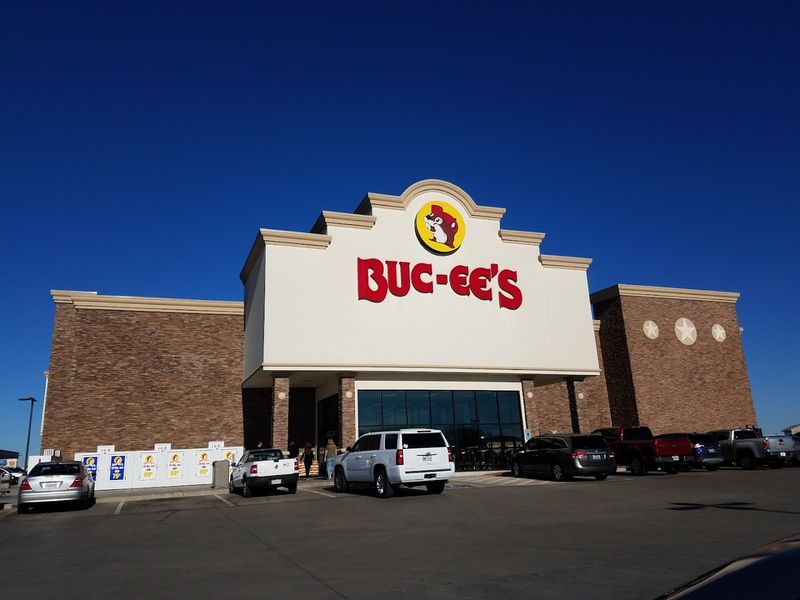
Pull off any major highway in Texas and mention you’re stopping at Buc-ee’s, and watch every passenger in your car perk up like you just announced a theme park visit. Non-Texans expect a quick bathroom break and maybe some chips. What they get instead is 50,000 square feet of retail wonderland that somehow makes buying jerky feel like a legitimate shopping experience.
The bathrooms alone have won awards, which sounds ridiculous until you’ve experienced the pristine, nearly hospital-grade cleanliness of a Buc-ee’s restroom after hours on the road. There are attendants whose sole job is keeping those facilities spotless. You’ll never wait in line, and you’ll never encounter anything that makes you question your life choices.
Then there’s the food situation. Fresh brisket sandwiches, kolaches in every variety imaginable, and those addictive Beaver Nuggets that taste like sweet corn puff crack. People plan road trips around Buc-ee’s stops.
They buy shirts, hats, and an unreasonable amount of merchandise featuring a cartoon beaver.
The wall of jerky deserves its own paragraph. Dozens of flavors, all made in-house, from traditional peppered to bizarre experimental varieties. You can spend twenty minutes just sampling and deciding.
This is not a quick decision.
Out-of-state friends think Texans are exaggerating about a gas station until they experience it themselves. Then they’re texting photos of their haul and asking if Buc-ee’s ships nationwide. The answer is yes, but it’s not the same as the pilgrimage.
Buc-ee’s isn’t just convenient—it’s become a cultural touchstone. Families stop there on every road trip. College students grab snacks before heading back to school.
It’s where Texas hospitality meets capitalist excess, and somehow it works perfectly.
Try explaining to someone from New Jersey why you drove fifteen minutes out of your way for a specific gas station, and they’ll look at you like you’ve lost your mind. But Texans get it. Buc-ee’s isn’t about the gas.
It’s about the experience, the cleanliness, the snacks, and the weird pride that comes with having the best rest stop in America.
2. Friday Night High School Football Is Practically Sacred
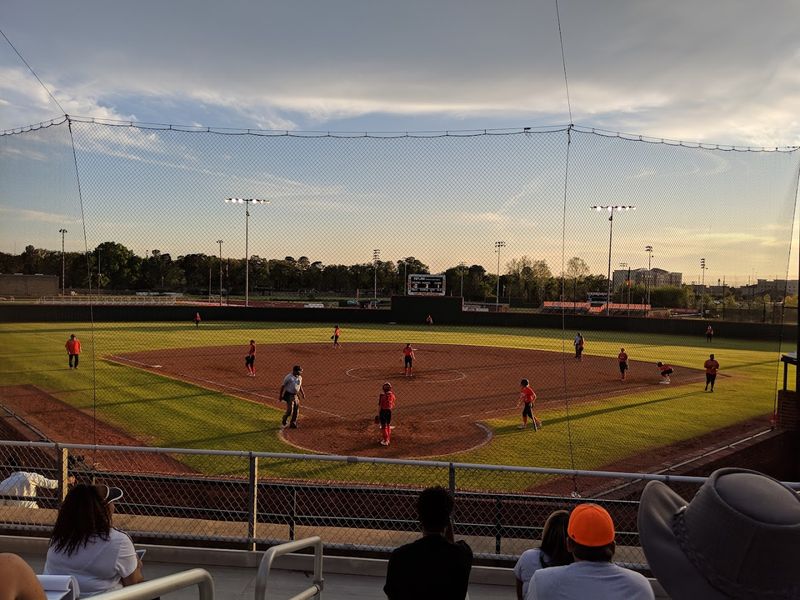
Mention Friday Night Lights to a Texan, and they won’t think of the TV show first—they’ll think of actual Friday nights spent in bleachers, surrounded by an entire town that’s shut down everything else to be there. High school football in Texas isn’t just a sport. It’s a social institution, a community gathering, and for many small towns, the biggest event of the week.
Schools build stadiums that rival small college facilities, sometimes costing tens of millions of dollars. Allen High School’s stadium cost $60 million. For a high school.
People from other states hear that number and assume it’s a typo.
But if you grow up here, you understand. Football games are where you see neighbors, catch up with friends, and watch the entire community come together. The marching band performs elaborate halftime shows.
The cheerleaders and drill team have routines choreographed months in advance. Local businesses close early so employees can attend.
Players aren’t just athletes—they’re hometown heroes. Their names are known by everyone, from the elementary school kids who idolize them to the grandparents who remember their parents playing on the same field. Winning teams get parades.
Star quarterbacks get recognized at the grocery store. This level of attention would seem absurd anywhere else.
The rivalries run deep, sometimes spanning generations. Families have rooted for the same team for decades. Alumni travel back to town specifically for rivalry games.
The parking lots fill up hours before kickoff, with tailgaters grilling and socializing like it’s a festival.
Coaches are paid serious money—sometimes more than teachers—and the pressure to win is intense. Entire communities rise and fall with the team’s performance. A championship season can define a town’s identity for years.
Outsiders wonder why high school sports get this much attention and investment. But in Texas, especially in smaller towns, football is more than entertainment. It’s tradition, pride, and a shared experience that connects everyone.
It’s the heartbeat of the community, and Friday nights are when that heart beats loudest.
3. Chili Without Beans Is Non-Negotiable
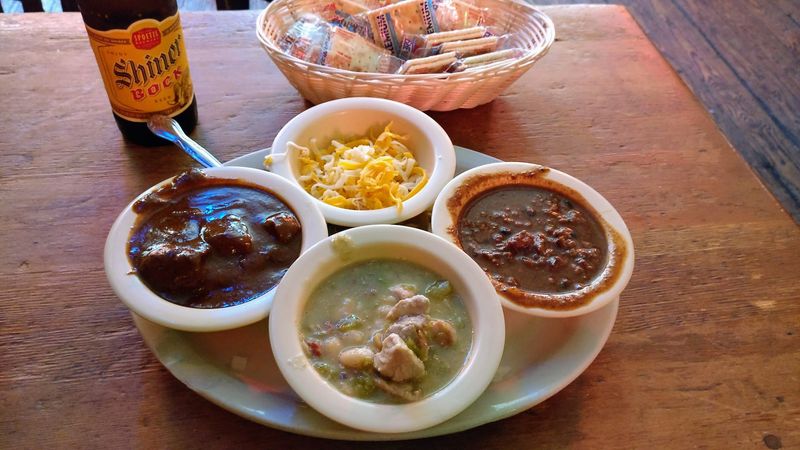
Walk into a chili cook-off anywhere in Texas and suggest adding beans to the recipe, and you’ll hear a collective gasp followed by very polite but firm corrections. Texas chili—real chili, as locals call it—contains meat, chili peppers, spices, and absolutely nothing else that resembles a legume. This isn’t snobbery.
It’s a culinary line in the sand.
The official state dish is chili, and the official stance is that beans are a filler ingredient used by people who either don’t have enough meat or don’t understand what chili is supposed to be. Texans view bean-filled chili the way Italians view pineapple on pizza—technically possible, but morally questionable.
This tradition goes back to the original chili queens of San Antonio, who sold bowls of spicy meat stew from outdoor stands in the 1800s. Their recipes focused on beef, chilies, and spices. Beans were never part of the equation.
That’s the authentic version, and Texans have defended it fiercely ever since.
At the annual Terlingua International Chili Championship, beans are grounds for disqualification. Competitors spend months perfecting their recipes, experimenting with different cuts of meat, chili varieties, and secret spice blends. But add beans, and you’re out.
No discussion, no exceptions.
When Texans travel and order chili elsewhere, they brace themselves for disappointment. Too often, they’re served a tomato-heavy stew loaded with kidney beans, corn, and other ingredients that have no business being there. It’s not that bean chili tastes bad—it’s just not chili.
The meat itself is sacred. Most traditional recipes call for chunks of beef chuck, cooked low and slow until tender. Some people use venison.
A few rebels use pork. But the meat is the star, supported by the heat and complexity of the chilies.
Explaining this to non-Texans is exhausting. They argue that beans add protein and texture. Texans counter that proper chili already has plenty of both.
The debate never ends, but in Texas, the rules are clear. Chili means meat and chilies. Everything else is just stew with an identity crisis.
4. The State Fair Is a Monument to Fried Everything
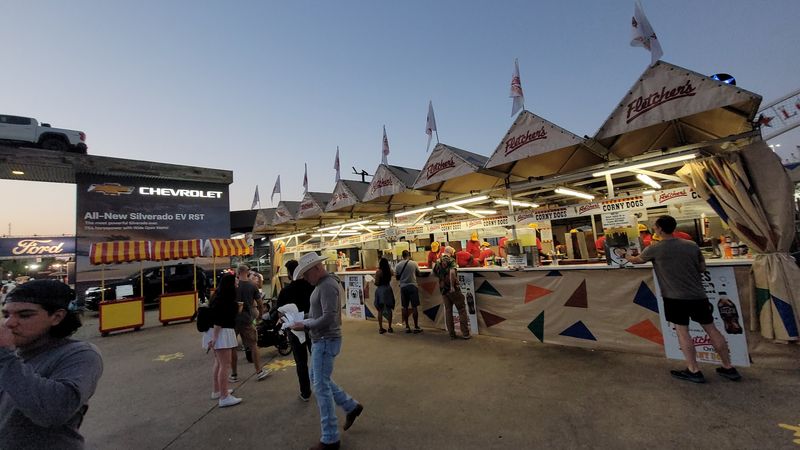
Every fall, the State Fair of Texas opens its gates in Dallas, and for 24 days, all nutritional common sense gets checked at the entrance. This isn’t just a fair with some fried food options. This is a competitive arena where vendors try to out-fry each other with increasingly absurd creations, and fairgoers line up eagerly to try them all.
Fried butter. Fried Oreos. Fried cheesecake.
Fried Coca-Cola, which sounds physically impossible until you watch someone make it. Every year, there’s a contest for the most creative fried food, and every year, the entries get more ridiculous. Someone once fried a margarita.
Another person fried bubble gum.
Big Tex, the 55-foot-tall cowboy statue, watches over this deep-fried carnival with his permanent smile, greeting visitors with his booming recorded voice. He’s been the fair’s mascot since 1952, and he’s witnessed decades of Texans embracing their love of anything that can be battered and dropped in hot oil.
The Fletcher’s Corny Dogs booth has been a staple since 1942, and the line stretches forever because people refuse to get their corn dog anywhere else. It’s tradition. You don’t question it.
You wait, you order, and you enjoy your perfectly fried hot dog on a stick.
But the fair isn’t just about food. There’s livestock shows, car shows, live music, and enough carnival rides to make you regret eating all that fried food. The auto show is one of the largest in the Southwest.
The midway is packed with games that are definitely rigged but somehow still fun.
Visitors from other states are genuinely shocked by the scale and the shamelessness of it all. They take pictures of the fried food menu like it’s a museum exhibit of American excess. Texans just shrug and order another round of fried cookie dough.
The State Fair is a celebration of indulgence, nostalgia, and the Texas belief that if something tastes good, it’ll taste even better fried. It’s loud, crowded, overpriced, and absolutely worth going to every single year. Because nowhere else will you find this level of commitment to deep-frying the impossible.
5. Brisket Is a Culinary Religion
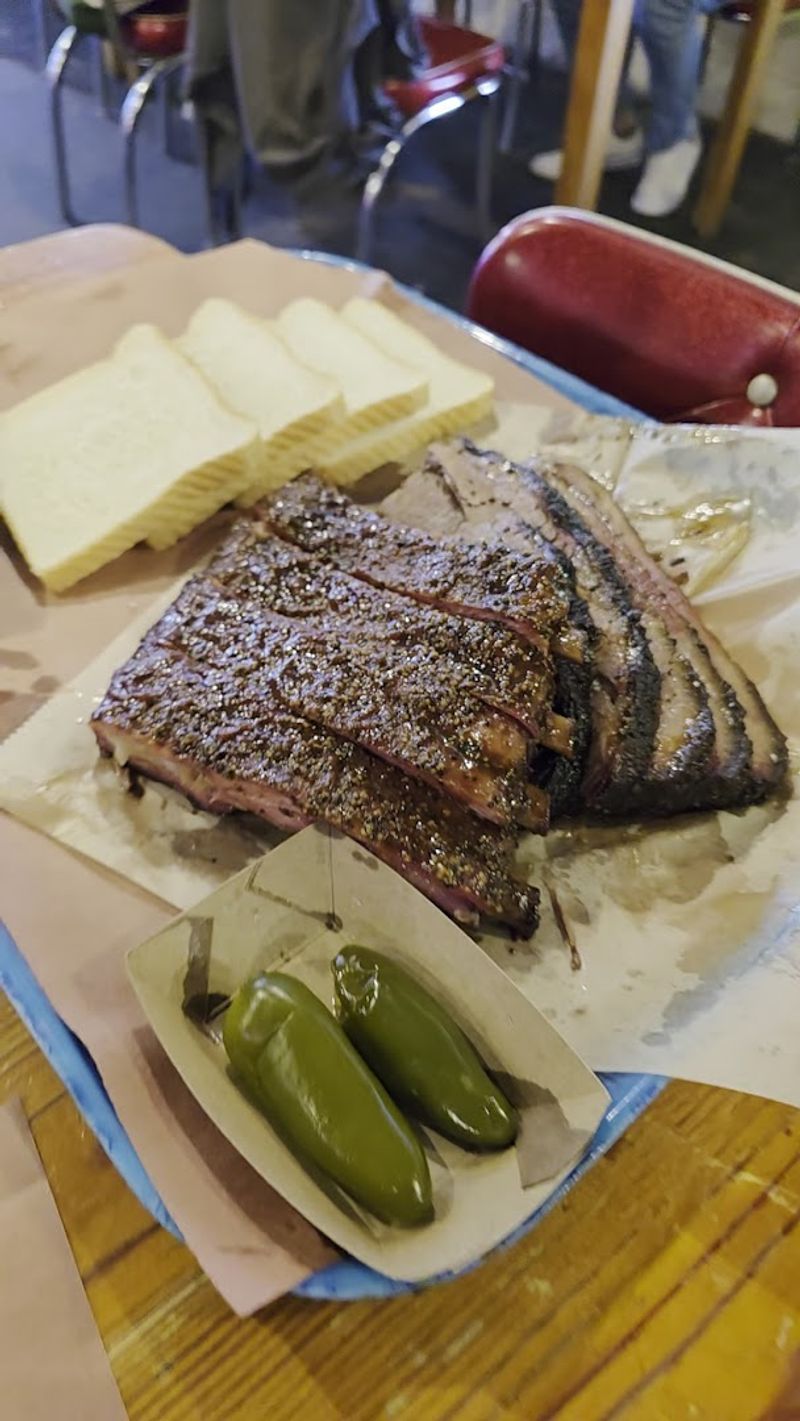
Ask a Texan about brisket, and you’re not starting a casual conversation—you’re opening a theological discussion. Brisket isn’t just meat here. It’s a craft, a tradition, and a point of pride that people will defend with the kind of passion usually reserved for sports teams or political beliefs.
The process is sacred. You start with a whole packer brisket, season it simply with salt and pepper (maybe garlic, but purists will debate that), and smoke it low and slow for 12 to 16 hours over oak or mesquite. The goal is a dark, crispy bark on the outside and tender, juicy meat inside with that perfect pink smoke ring.
Barbecue joints across Texas have built empires on brisket alone. Franklin Barbecue in Austin has lines that start before dawn, with people waiting four hours or more for a chance to order. When the brisket sells out—and it always sells out—people who waited get turned away.
They come back and try again another day.
Pit masters are treated like artists. Their techniques are studied, debated, and sometimes kept secret. The type of wood, the temperature control, the timing of the wrap—every detail matters.
Some places use butcher paper. Others swear by foil. The arguments get heated.
At family gatherings and holidays, someone always smokes a brisket. It’s expected. Showing up with store-bought barbecue is a minor scandal.
Even if your brisket isn’t perfect, the effort is respected. You tried, you spent half a day tending the smoker, and that means something.
Outsiders think Texans are exaggerating about brisket until they try a properly smoked one. Then they understand. The beef melts in your mouth.
The smoke flavor is rich but not overwhelming. The bark adds texture and intensity. It’s a complete sensory experience.
Competitions are serious business. Teams spend thousands of dollars on equipment and travel. Judges score based on appearance, tenderness, and taste.
Winning a major brisket competition can launch a barbecue career.
This devotion confuses people from other regions. But in Texas, brisket represents patience, skill, and respect for tradition. It’s not fast food.
It’s not something you rush. It’s a labor of love, and that’s exactly why it matters.
6. Whataburger Loyalty Is Fierce
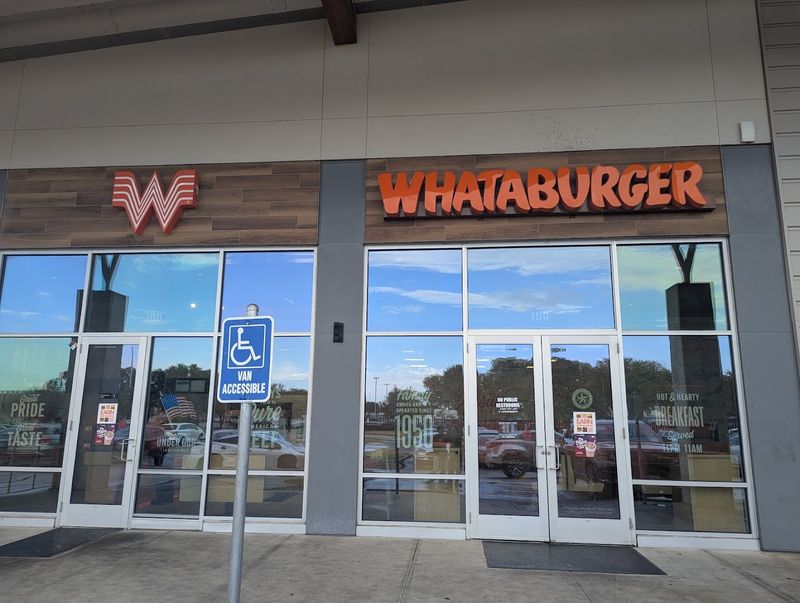
Suggest to a Texan that In-N-Out Burger is better than Whataburger, and prepare for a passionate defense that rivals any political debate. Whataburger isn’t just a fast food chain here—it’s a cultural institution with a loyal following that borders on fanatical. The orange and white stripes are as recognizable as the state flag.
Open 24 hours, Whataburger is where you go after high school football games, late-night study sessions, or any time you need food and it’s past midnight. The late-night crowd is its own ecosystem—tired nurses, college students, families with crying babies, and groups of friends making questionable decisions. Everyone’s welcome, and nobody judges.
The menu is massive compared to other fast food places. You can customize your burger with dozens of topping combinations. The patty melt is legendary.
The honey butter chicken biscuit has its own cult following. People have genuine emotional attachments to specific menu items.
When Whataburger was sold to a Chicago-based investment firm in 2019, Texans reacted like a beloved family member had been kidnapped. Social media exploded with worry that the new owners would change the recipes or close locations. Lawmakers issued statements.
News outlets covered it like a major story. That’s how seriously people take their Whataburger.
The fancy ketchup deserves special mention. It’s tangy, slightly spicy, and so popular that Whataburger started selling bottles in grocery stores. People hoard the little ketchup packets.
Some claim it makes everything taste better, not just fries.
Texas expats talk about missing Whataburger the way other people talk about missing family. They plan trips home around making sure they can stop at Whataburger. Some have been known to pack Whataburger in their luggage when flying back to wherever they live now.
The brand knows its audience. They sell merchandise—shirts, hats, even Christmas ornaments. People actually buy and wear Whataburger gear unironically.
It’s not ironic hipster fashion. It’s genuine pride.
Non-Texans try Whataburger and often think it’s fine but don’t understand the hype. That’s because they’re missing the context—the memories, the late nights, the tradition. Whataburger isn’t just about the burger.
It’s about belonging to something uniquely Texas.
7. The Rodeo Is a Major Social Season
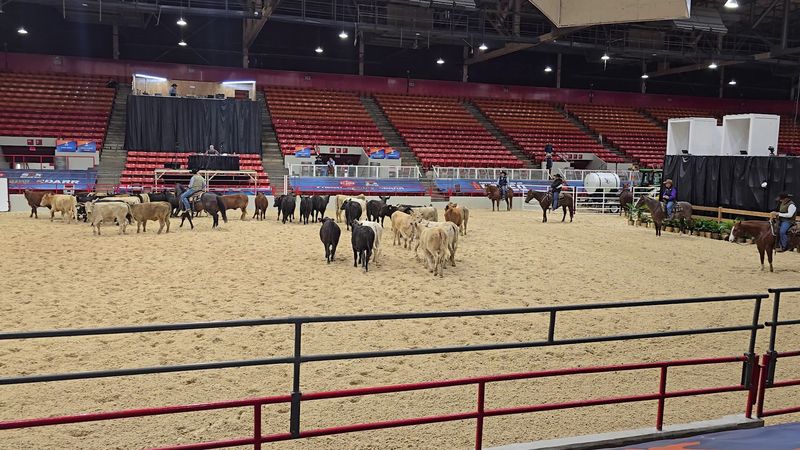
When rodeo season starts, Texans don’t just attend an event—they plan their entire social calendar around it. The Houston Livestock Show and Rodeo lasts three weeks and attracts over two million visitors. That’s not a typo.
Two million people show up to watch bull riding, eat carnival food, and attend concerts by major artists who perform in an actual rodeo arena.
Schools give students tickets. Companies buy corporate packages. Families make it an annual tradition, dressing up in their best Western wear and spending entire days at the fairgrounds.
It’s not unusual to see people in full cowboy getup—boots, hats, belt buckles—walking through the livestock barns like they’re at a fashion show.
The rodeo itself features professional cowboys competing in events like bull riding, barrel racing, and steer wrestling. These aren’t amateurs. They’re athletes who travel the country competing for prize money.
The skill level is impressive, and the danger is very real. Bulls weigh over a thousand pounds and have no interest in cooperating.
But the rodeo is also about the livestock show, where kids from across Texas bring animals they’ve raised—cattle, pigs, sheep, chickens—to compete for prizes and scholarship money. These kids have spent months caring for their animals, and the competition is serious. Winning can mean thousands of dollars in scholarship funds.
Then there’s the concerts. Major artists—country stars, rock bands, pop singers—perform after the rodeo events. The stage setup is elaborate, and the performances are full-scale arena shows.
It’s bizarre and amazing to watch someone like Cardi B or Garth Brooks perform in a space that smells like livestock.
The carnival midway has rides, games, and food vendors selling everything from turkey legs to funnel cakes. People spend hours just walking around, people-watching, and soaking in the atmosphere. The energy is electric, especially on weekends.
For many Texans, rodeo season marks the transition from winter to spring. It’s a celebration of agriculture, Western heritage, and community. Outsiders see it as a quirky regional event.
Texans see it as an essential part of the year, as important as any major holiday.
8. Cowboy Boots Are Everyday Footwear
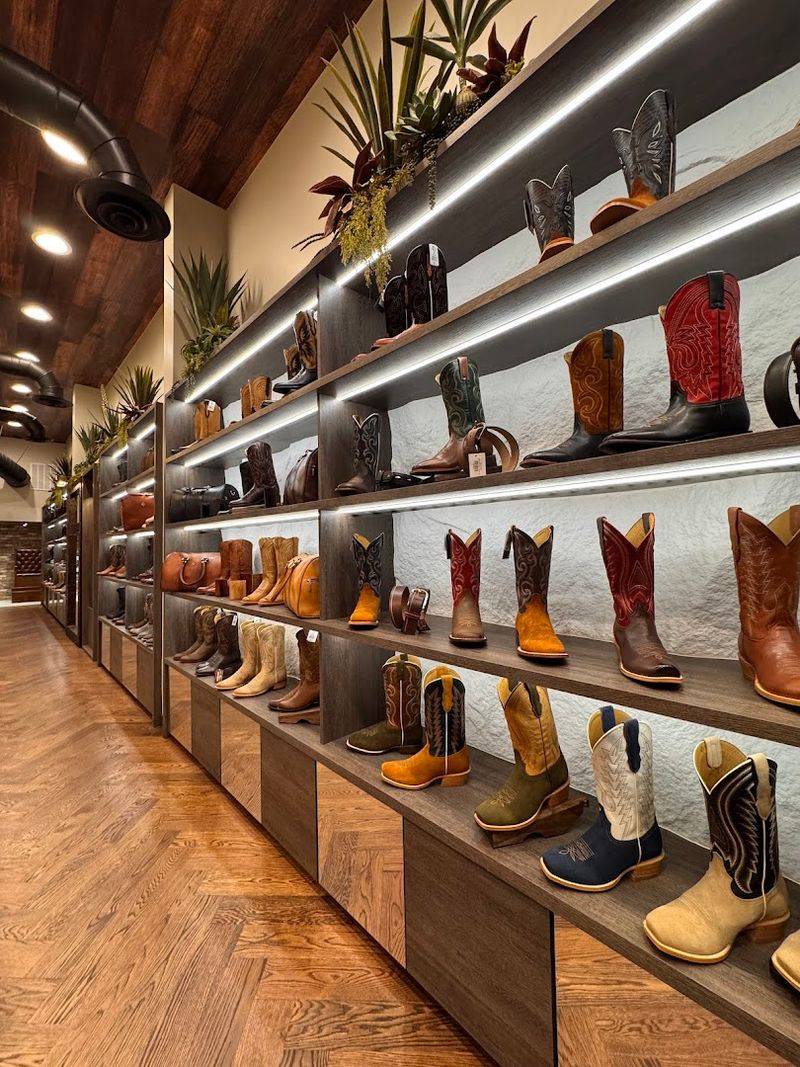
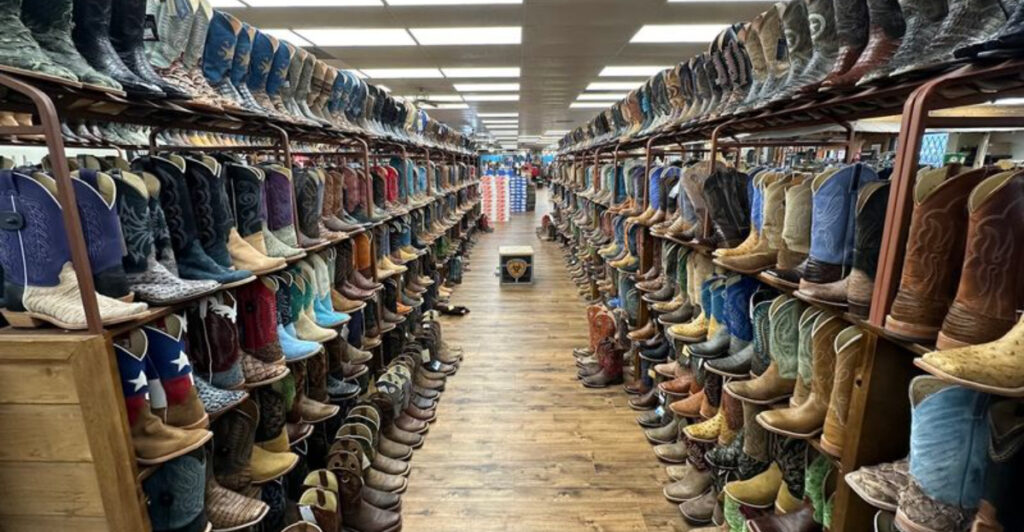
Spot someone wearing cowboy boots with a business suit in downtown Houston or Dallas, and you’ve just witnessed standard Texas fashion. Boots aren’t costume pieces here—they’re legitimate everyday footwear that people wear to work, church, weddings, and pretty much anywhere that doesn’t require athletic shoes. This baffles outsiders who assume boots are only for ranches or honky-tonks.
The variety is staggering. You’ve got working boots made from basic leather, designed for actual ranch work and built to last through mud, manure, and hard labor. Then there’s dress boots made from exotic skins—ostrich, alligator, python—with intricate stitching and designs that cost hundreds or even thousands of dollars.
These are statement pieces, and people take them seriously.
Walk through any Texas office building, and you’ll see boots under desks, paired with slacks or skirts. Lawyers wear them to court. Teachers wear them to school.
Doctors wear them to hospitals. It’s not making a statement or trying to look country. It’s just what people wear.
Boot stores are everywhere, and they’re not small boutiques. Places like Cavender’s and Boot Barn are massive retail spaces with hundreds of styles. Families shop for boots the way other people shop for sneakers.
Kids get their first pair young and grow up learning how to break them in properly.
Breaking in new boots is a rite of passage. They’re stiff and uncomfortable at first, causing blisters and sore feet until the leather molds to your foot shape. People have techniques—wearing thick socks, using leather conditioner, walking around the house for hours.
Once they’re broken in, though, boots become the most comfortable footwear you own.
The heel serves a practical purpose. It was designed to keep your foot secure in a stirrup while riding horses. Most Texans aren’t riding horses daily anymore, but the style stuck.
The heel changes your posture slightly, and after wearing boots regularly, regular shoes feel wrong.
Visitors always comment on the boots. They ask if people actually ride horses or if it’s just for show. The answer is usually neither—it’s just what you wear.
Boots are comfortable, durable, and part of Texas identity. Explaining that you wear them for no particular reason other than preferring them confuses people, but that’s the truth.
9. Saying Yes, Ma’am and Yes, Sir to Everyone
Children in Texas learn two phrases before they’re out of diapers: “yes, ma’am” and “yes, sir.” This isn’t optional Southern charm—it’s mandatory manners drilled into kids from birth. You say it to teachers, store clerks, strangers, and definitely to your parents. Forget to use it, and you’ll get corrected immediately, sometimes by people who aren’t even related to you.
The habit sticks for life. Adults in their thirties and forties still automatically say “yes, ma’am” to anyone they’re speaking with, regardless of age. You’ll hear a 50-year-old man call a 25-year-old waitress “ma’am” without thinking twice.
It’s not condescending or old-fashioned. It’s just how you show respect.
Outsiders find this confusing, especially younger people who associate “ma’am” with being old. A woman from New York might get offended when a Texas cashier calls her “ma’am,” thinking it’s a comment on her age. It’s not.
It’s just politeness. The cashier would call a teenager “ma’am” too.
The military connection is strong. Texas has a huge military presence, and the “sir” and “ma’am” tradition aligns perfectly with military culture. Service members from Texas adapt to military protocol easily because they’ve been using those terms their whole lives.
For everyone else, basic training is an adjustment.
In professional settings, this can create interesting dynamics. A young employee will naturally call their boss “sir” or “ma’am,” which can seem overly formal in casual work environments. But in Texas companies, it’s completely normal.
Nobody thinks twice about it.
Teachers expect it in schools. Students who don’t use “yes, ma’am” or “yes, sir” are considered rude, and their parents will hear about it. This isn’t limited to private or religious schools—public schools enforce it too.
It’s part of the basic respect structure that Texas education is built on.
The phrase works as a complete sentence. Someone asks if you need anything, and “No, ma’am” is a perfectly acceptable response. It’s efficient and polite simultaneously.
You can have entire conversations using just “yes, sir” and “no, ma’am” with appropriate tone variations.
Transplants from other states struggle with this initially. It feels unnatural, almost servile. But after living in Texas for a while, most people start using it without realizing.
It’s contagious politeness, and honestly, it makes daily interactions a little smoother when everyone’s being respectful by default.
10. The Alamo Is Treated With Reverence
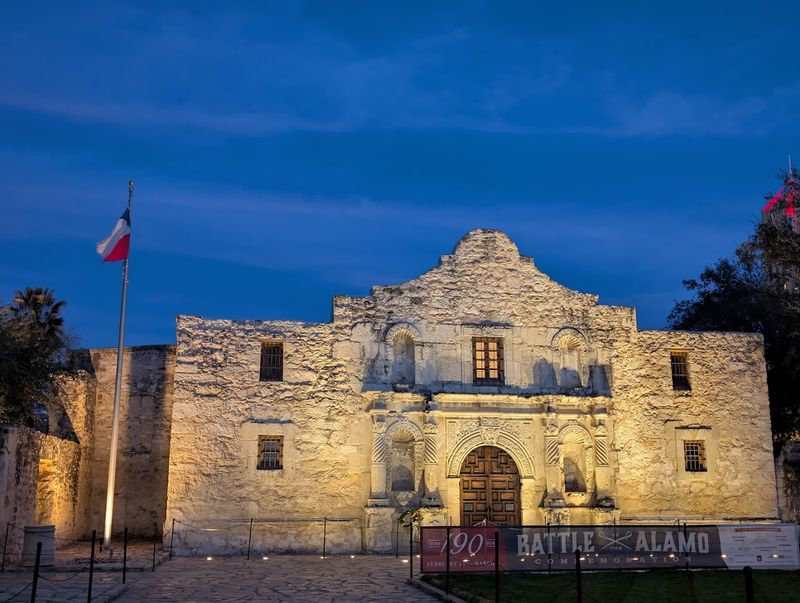
Visit the Alamo in San Antonio, and you’ll notice something immediately—everyone’s quiet. Not library quiet, but respectfully subdued, like you’re entering a memorial rather than a tourist attraction. Signs remind visitors to remove their hats and speak softly.
This isn’t a suggestion. People will absolutely give you dirty looks if you’re being loud or disrespectful.
For Texans, the Alamo isn’t just a historical site—it’s hallowed ground. The 1836 battle where roughly 200 defenders held off thousands of Mexican troops for 13 days before being overrun is taught in schools as a defining moment in Texas history. Every Texas student learns the names: Travis, Bowie, Crockett.
The phrase “Remember the Alamo” isn’t just a slogan; it’s a cultural touchstone.
The reverence can seem excessive to outsiders. It’s a relatively small mission building surrounded by modern San Antonio. You can tour it in 30 minutes.
But Texans treat it like visiting a war memorial, because that’s essentially what it is. People died defending this place, and that sacrifice is honored seriously.
School field trips to the Alamo are mandatory for most Texas students. Kids learn the history beforehand, take the trip, and usually come away with a deeper appreciation for Texas independence. Teachers use it as a teaching moment about courage, sacrifice, and fighting for what you believe in, even against impossible odds.
The gift shop is strange juxtaposition—you can buy Alamo snow globes and shot glasses just steps away from where men died. This bothers some people, but it’s also how the site funds its preservation. The Alamo doesn’t charge admission, relying instead on donations and merchandise sales.
When plans were announced to redesign the Alamo plaza, Texans had strong opinions. Everyone became an amateur historian with ideas about how it should be done. The debate got heated because people genuinely care about preserving the site’s dignity and historical accuracy.
Non-Texans sometimes make jokes about the Alamo, which doesn’t go over well. The battle was a loss, technically, but it’s remembered as a heroic last stand that inspired the Texas army to eventually win independence. The context matters deeply to locals.
Visiting the Alamo is considered essential for understanding Texas identity. It represents independence, defiance, and the willingness to fight against overwhelming odds. That story resonates with how Texans see themselves—stubborn, proud, and unwilling to back down.
Share this story