Texas is home to some of the most stunning natural landscapes in the country, and its state parks offer a front-row seat to all that beauty. From dramatic canyons carved over millions of years to serene lakes draped in Spanish moss, these protected spaces let you experience the wild heart of the Lone Star State up close. Whether you’re craving a challenging hike, a peaceful paddle, or just a weekend under the stars, these ten parks deliver unforgettable adventures that’ll stick with you long after you’ve packed up your tent.
1. Lost Maples State Natural Area (Vanderpool)
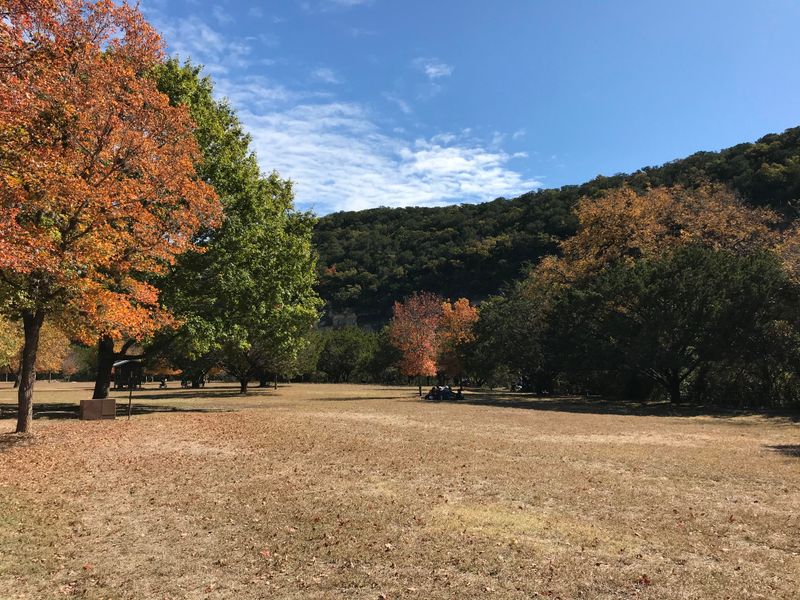
Tucked into the rugged hills west of San Antonio, this park earns its name from the isolated stands of bigtooth maples that somehow survived the last ice age. Come autumn, those trees put on a show that rivals anything you’d see in New England, turning the canyon walls into a patchwork of crimson, gold, and orange. The color usually peaks in late October or early November, but Mother Nature doesn’t follow a strict schedule, so checking the park’s foliage reports before you go is always smart.
The hiking here is no joke. The East Trail climbs about 1,700 feet over four miles, rewarding your effort with sweeping views of the Sabinal River valley and those famous maples glowing in the sun. If you’re not up for that kind of workout, the West Trail offers a gentler path along the creek, where you can still catch plenty of fall color without gasping for air.
Just remember to bring water—lots of it—because the Texas sun doesn’t take a day off, even in autumn.
Beyond the fall foliage frenzy, Lost Maples stays beautiful year-round. Spring wildflowers carpet the hillsides, and summer brings butterflies by the thousands. The park’s relatively small size means it can fill up fast, especially on weekends during peak season, so arriving early or booking a campsite in advance will save you disappointment.
Cell service is spotty at best, which honestly makes the whole experience even better. You’re here to unplug and soak in one of Texas’s most unique natural treasures, not scroll through your phone.
2. Brazos Bend State Park (Needville)
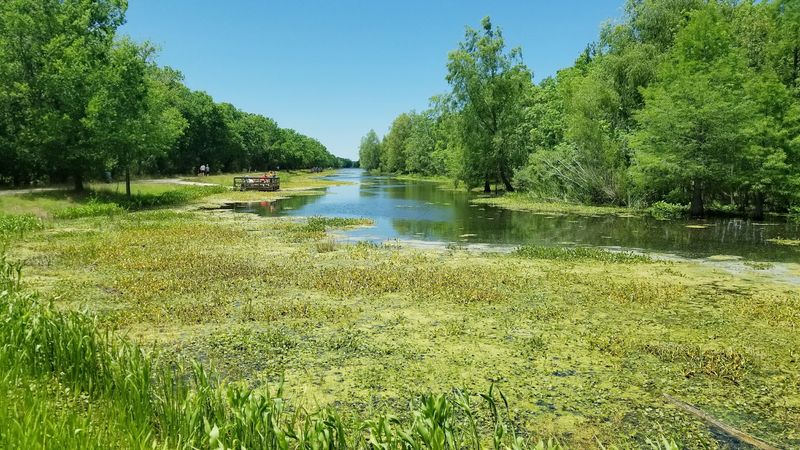
Alligators. Everywhere. That’s the first thing you need to know about Brazos Bend, and honestly, it’s the main reason most people come.
This sprawling park just southwest of Houston is home to hundreds of gators, and they’re not shy about showing themselves. You’ll spot them sunbathing on the banks, floating like logs in the ponds, or occasionally strolling across the trails like they own the place—which, let’s be honest, they kind of do. The park’s famous “Be Gator Safe” signs aren’t just for show, so keep your distance and never feed them.
But there’s more to Brazos Bend than prehistoric reptiles. The park’s 5,000 acres wrap around several lakes connected by easy, flat trails perfect for families or anyone who just wants a peaceful walk through the woods. Birders go nuts here, especially during migration season when the marshes fill with herons, egrets, spoonbills, and ibises.
The George Observatory sits right inside the park, offering public stargazing sessions on Saturday nights where you can peer through massive telescopes at planets, nebulae, and distant galaxies. It’s a rare combo of daytime wildlife watching and nighttime cosmic exploration.
The park stays open year-round, and each season brings something different. Summer can be brutally hot and buggy, so spring and fall are ideal for hiking and biking. Winter mornings often wrap the lakes in fog, creating an eerie, beautiful atmosphere that makes you feel like you’ve stepped into a nature documentary.
Camping here puts you right in the middle of all the action, with screened shelters available if you’d rather not pitch a tent. Just remember to zip everything up tight at night—raccoons are almost as bold as the gators.
3. Colorado Bend State Park (Bend)
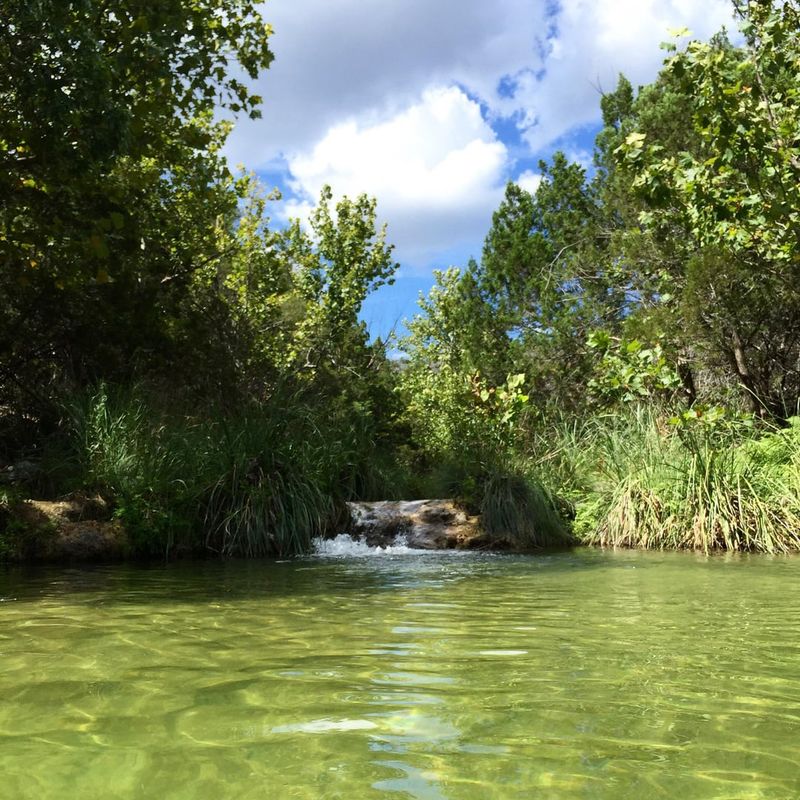
Hidden away in the Hill Country backcountry, Colorado Bend feels like Texas’s best-kept secret. The park wraps around a gorgeous bend in the Colorado River, offering miles of rugged trails, limestone caves, and one of the state’s most beautiful waterfalls. Getting here requires driving down several miles of unpaved road, which keeps the crowds away and preserves that remote, wild feeling you won’t find at more popular parks.
Cell service is nonexistent, so download your maps ahead of time and plan to disconnect completely.
Gorman Falls is the park’s crown jewel—a 60-foot cascade spilling over a travertine cliff draped in emerald moss and ferns. Reaching it means hiking about three miles round-trip on a rocky, sometimes steep trail, but the payoff is absolutely worth the effort. The falls flow year-round thanks to underground springs, creating a cool, shaded oasis even in the middle of summer.
Photography enthusiasts should bring a tripod and plan for midday light when the sun illuminates the moss and creates that magical glow. The park limits access to the falls during busy times, so arriving early is your best bet.
Beyond Gorman Falls, the park offers cave tours that take you deep into Gorman Cave, where you’ll see formations, bats, and underground pools. The tours require reservations and fill up fast, especially during spring and fall when the weather is perfect. If you’re into mountain biking, the Spicewood Springs Trail delivers a challenging ride through cedar brakes and rocky terrain.
Primitive camping is the only option here, which means no hookups or fancy amenities—just you, your tent, and the sounds of the river. It’s raw, rugged, and absolutely unforgettable.
4. Palo Duro Canyon State Park (Canyon)
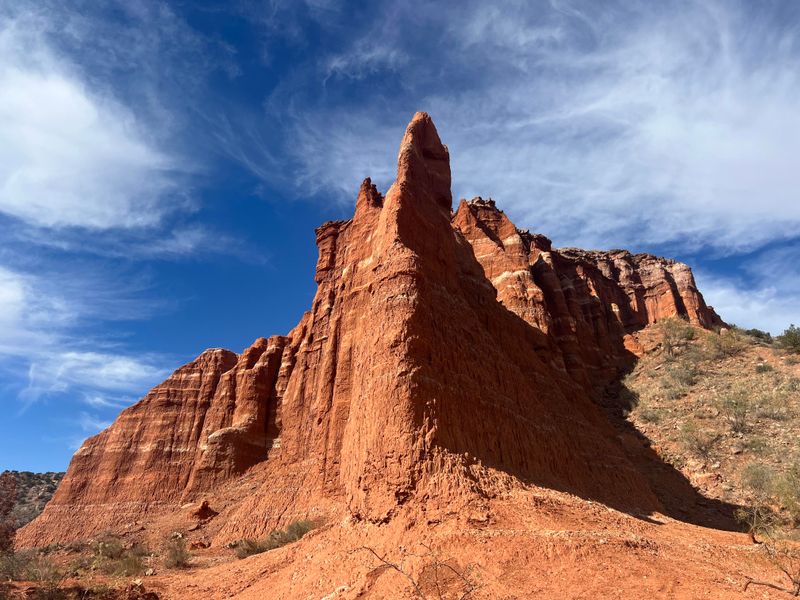
Texas has a Grand Canyon, and most people don’t even know it exists. Palo Duro stretches 120 miles long and plunges 800 feet deep, making it the second-largest canyon system in the United States. The moment you crest the rim and see that explosion of red, orange, and yellow rock layers spread out below, your jaw will drop.
Millions of years of wind and water carved these formations, exposing ancient geological history in every cliff face and butte. It’s a landscape that feels more like Arizona or Utah than the Lone Star State.
The park’s most famous feature, the Lighthouse rock formation, sits at the end of a six-mile round-trip hike that’s moderately challenging but totally doable for most visitors. The trail crosses the canyon floor, climbs through juniper groves, and eventually delivers you to the base of this iconic 310-foot tower of rock. Early morning is the best time to tackle this hike—you’ll beat the heat and catch the sunrise painting the canyon walls in brilliant shades of gold and crimson.
Bring plenty of water, because the Panhandle sun is relentless, and shade is scarce once you leave the canyon bottom.
Mountain bikers love Palo Duro for its challenging trails that wind through the canyon, offering technical climbs and fast descents with stunning views around every bend. The park also hosts the outdoor musical drama “TEXAS” during summer months, a spectacular show performed in a natural amphitheater carved right into the canyon wall. Camping options range from primitive sites to cabins with air conditioning, which you’ll definitely appreciate after a long day of hiking.
Wildlife sightings include roadrunners, wild turkeys, and the occasional aoudad sheep clinging to impossible cliffs.
5. Caddo Lake State Park (Karnack)
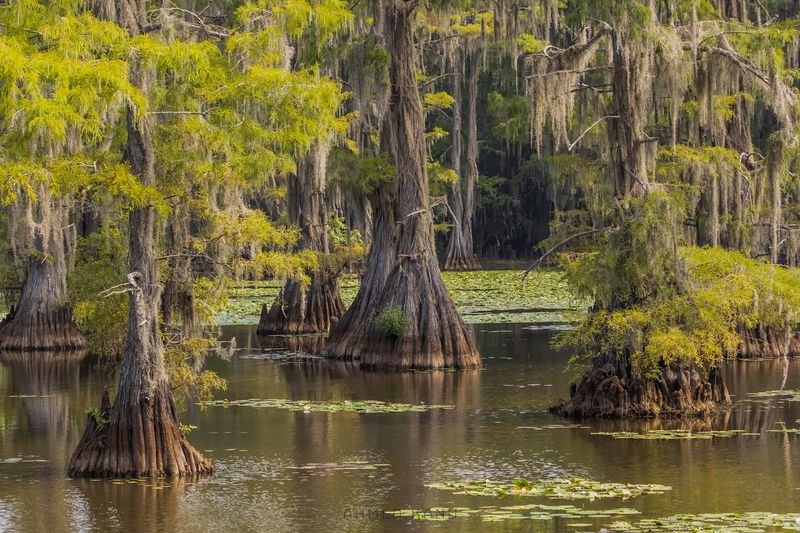
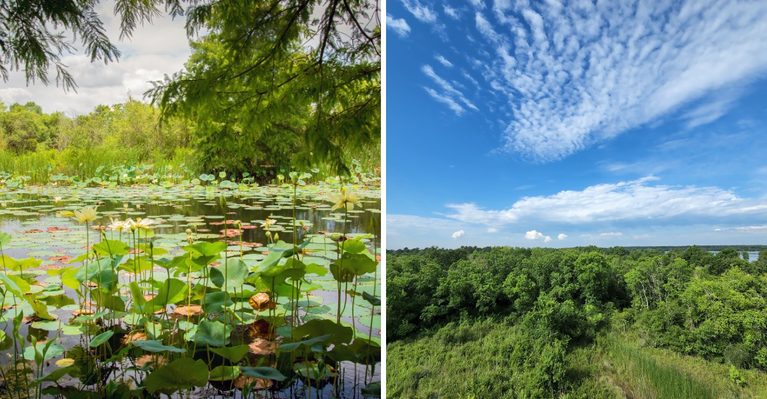
Paddle into Caddo Lake and you’ll swear you’ve been transported to Louisiana bayou country. This is Texas’s only natural lake, a mysterious maze of channels, sloughs, and open water draped in Spanish moss and filled with ancient bald cypress trees. The atmosphere here is unlike anywhere else in the state—quiet, moody, and almost haunted in the best possible way.
Early morning mists rising off the water create an otherworldly scene that photographers and nature lovers dream about.
Kayaking or canoeing is the only real way to experience Caddo Lake properly. You can rent boats at the park or bring your own, then spend hours weaving through the cypress forest, exploring hidden channels, and trying not to get completely lost in the labyrinth. Don’t worry too much about getting turned around—most paddlers eventually find their way back, and the journey is half the fun.
Keep your eyes peeled for alligators, river otters, beavers, and over 200 species of birds that call this wetland home. The lake’s ecosystem is incredibly rich and fragile, so staying on marked routes helps protect the habitat.
Fishing here is legendary, with largemouth bass, catfish, and crappie drawing anglers from across the region. The park offers screened shelters and campsites tucked into the pines, giving you a comfortable base for exploring the lake over multiple days. Spring and fall are ideal times to visit when temperatures are mild and the cypress trees show off their seasonal colors—bright green needles in spring, rusty orange in autumn.
The lake’s history runs deep too, with Native American artifacts and old steamboat routes reminding you that people have been drawn to this magical place for thousands of years.
6. Garner State Park (Concan)
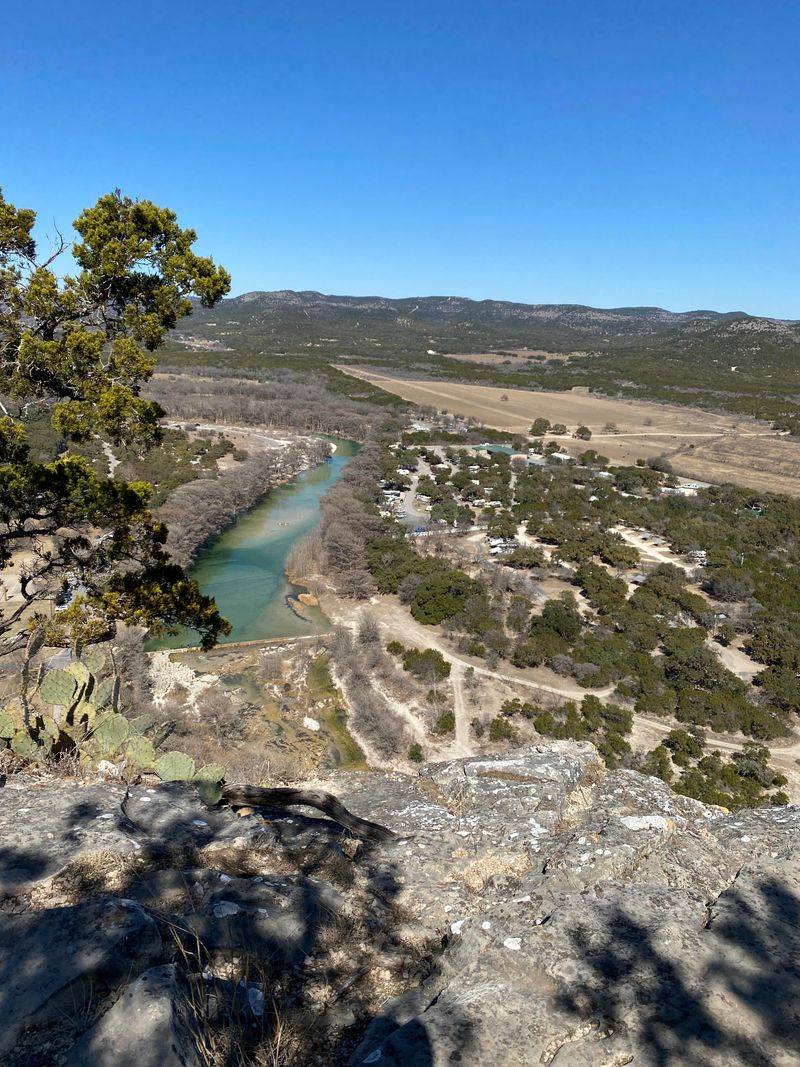
When Texans need to cool off, they head to the Frio River, and Garner is where that river flows coldest and clearest. This park has been a summer escape since the 1940s, and it still packs in families, college kids, and anyone else desperate to beat the heat. The Frio’s crystal-clear water stays refreshingly chilly even in July and August, fed by underground springs that keep temperatures in the 60s and 70s year-round.
Tubing down the river is practically a state tradition, and you’ll see hundreds of colorful floats bobbing downstream on busy weekends.
Old Baldy, the park’s signature limestone hill, offers a steep but short climb that rewards you with panoramic views of the surrounding Hill Country. The hike takes about 30 minutes up, and you’ll definitely feel it in your legs, but watching the sunset from the top while the valley below turns golden is an experience you won’t forget. The park also features a miniature golf course, paddle boat rentals, and nightly dances during summer where families gather in the pavilion for old-fashioned fun.
It’s wholesome, nostalgic, and genuinely enjoyable even if you’re not usually into that sort of thing.
Camping at Garner requires advance planning because sites book up months ahead, especially for summer weekends. The park offers everything from tent sites to screened shelters and even a few cabins with air conditioning. If you can’t snag a campsite, plenty of lodging options exist in nearby Concan and Leakey.
The park’s popularity means it can feel crowded during peak season, so visiting on weekdays or during shoulder seasons gives you more elbow room. Winter transforms Garner into a peaceful retreat where you can hike without the crowds and still enjoy mild weather perfect for exploring.
7. Seminole Canyon State Park & Historic Site (Comstock)
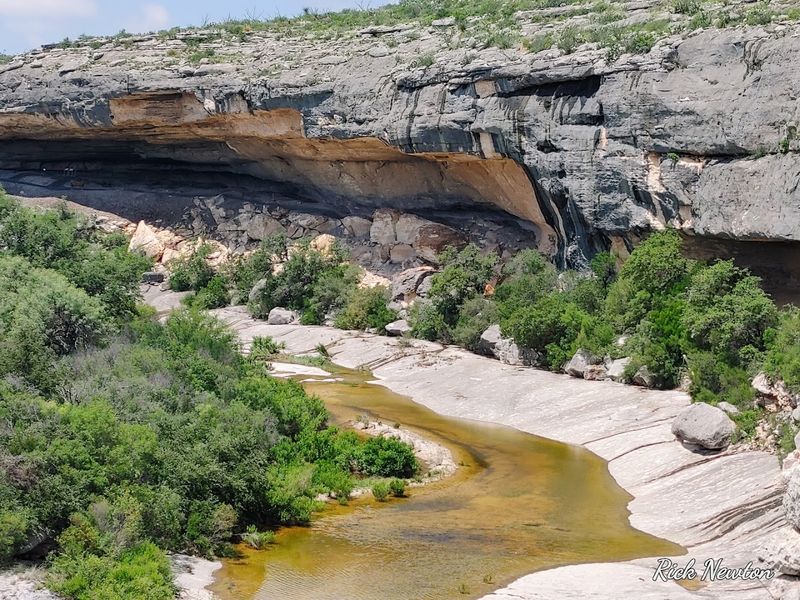
Four thousand years ago, people stood in these canyons and painted their stories on the rock walls. Those paintings—called pictographs—still survive today, protected under limestone overhangs where they’ve remained hidden from weather and time. Seminole Canyon preserves some of the oldest and most significant rock art in North America, offering a direct connection to the people who lived here long before recorded history.
The images show humans, animals, and mysterious symbols painted with pigments made from minerals, plants, and animal fat. Standing in front of them feels like touching something sacred and eternal.
The only way to see the most famous pictographs is through a guided tour led by park rangers. The Fate Bell Shelter tour descends 200 feet into the canyon via steep stairs and a rocky trail, bringing you face-to-face with elaborate murals that cover the rock wall. The rangers share what’s known about the ancient artists and the theories about what these images might mean, though much remains mystery.
Tours run Wednesday through Sunday, and you’ll want to book ahead during cooler months when the park sees more visitors. Wear sturdy shoes and bring water—the hike is short but challenging.
Beyond the rock art, the park offers hiking trails that wind along the canyon rim, providing sweeping views of the Pecos River valley below. The landscape here is harsh and beautiful—classic West Texas desert with prickly pear, ocotillo, and endless sky. Wildlife includes roadrunners, javelinas, and occasionally mountain lions, though you’re unlikely to spot the latter.
Camping is available with both RV sites and primitive tent areas, and the night skies are absolutely stunning thanks to minimal light pollution. The park sits far off the beaten path, which means you’ll share it with just a handful of other visitors, making the experience feel intimate and special.
8. Enchanted Rock State Natural Area (Fredericksburg)
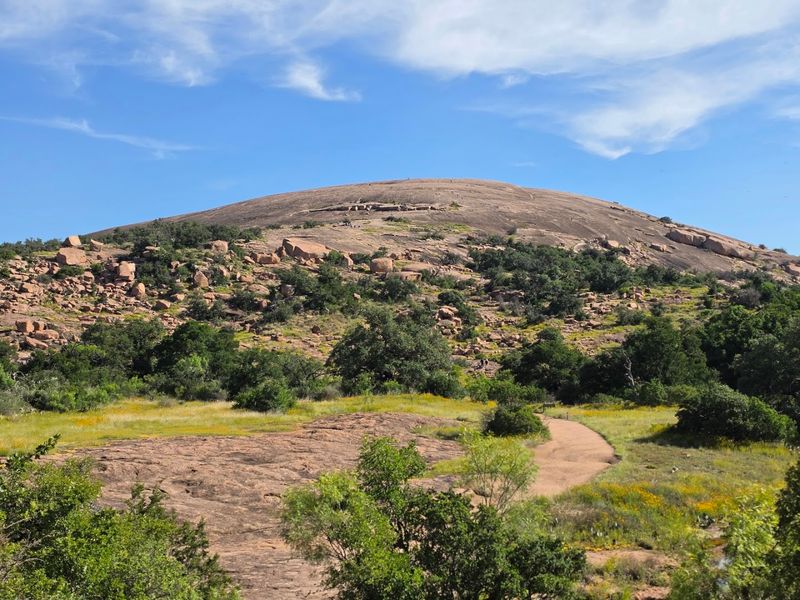
A massive pink granite dome rises 425 feet above the surrounding Hill Country, and climbing it has become a Texas rite of passage. Enchanted Rock formed over a billion years ago, making it one of the oldest exposed rock formations in North America. The Tonkawa people believed the rock was haunted, hearing strange creaking and groaning sounds at night—turns out that’s just the granite contracting as it cools after sunset, but the eerie noises definitely add to the mystique.
On busy weekends, the park reaches capacity by mid-morning, so arriving at opening time or visiting on weekdays is essential if you want to avoid being turned away at the gate.
The Summit Trail is the main attraction, a steep but straightforward climb up the dome’s face. The granite can be slippery, especially after rain, so watch your footing and take your time. Once you reach the top, you’re rewarded with 360-degree views that stretch for miles across the Hill Country.
On clear days, you can see all the way to the surrounding towns, and the sense of accomplishment from making the climb makes it even sweeter. The rock’s surface is surprisingly varied, with vernal pools that fill with rainwater and support unique ecosystems of fairy shrimp and other tiny creatures.
Rock climbers come here for the challenging routes that scale the dome’s various faces and nearby formations. If you’re not into climbing, the Loop Trail circles the base of the rock through oak groves and offers a gentler alternative with its own rewards. Primitive camping is available in designated backcountry sites, letting you watch the stars from your sleeping bag and wake up to sunrise over the granite.
The park sits in a designated International Dark Sky Park, making it one of the best places in Texas for stargazing. Bring layers—temperatures can drop significantly at night, even in summer.
9. Big Bend Ranch State Park (Presidio/Terlingua)
Bigger, wilder, and more remote than its famous national park neighbor, Big Bend Ranch sprawls across 300,000 acres of Chihuahuan Desert wilderness. This is Texas at its most raw and untamed—volcanic peaks, desert canyons, the Rio Grande carving through sheer rock walls, and absolutely nothing resembling civilization for miles in every direction. The park requires serious preparation because help is far away, cell service doesn’t exist, and the desert doesn’t forgive mistakes.
But if you’re ready for that level of adventure, the rewards are extraordinary.
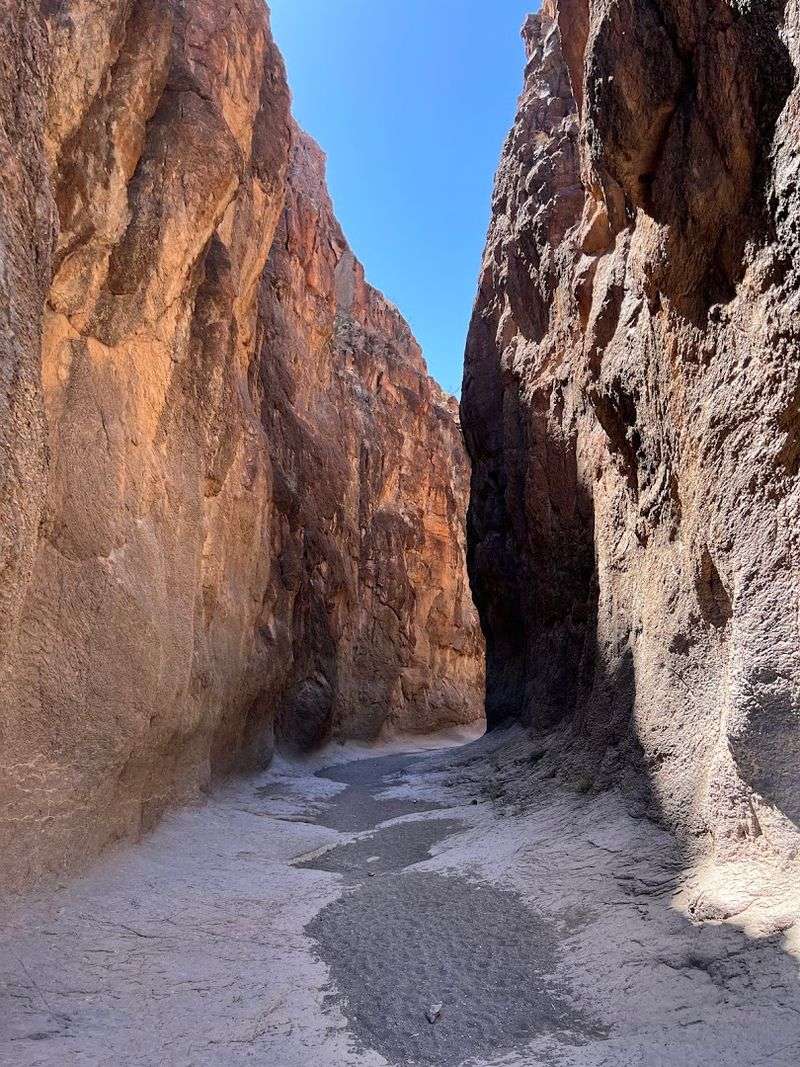
The Closed Canyon hike leads you into a narrow slot canyon where you can touch both walls at once. Flash floods carved this passage through limestone, creating a cool, shaded corridor that feels like stepping into another world. The trail requires some scrambling over boulders, and you’ll need to check weather conditions before entering because rain anywhere upstream can send a wall of water through the canyon with little warning.
It’s thrilling, beautiful, and just dangerous enough to get your adrenaline pumping. Other trails climb to volcanic peaks, explore abandoned mining camps, and follow the river through some of the most spectacular scenery in the state.
Multi-day backpacking trips let you experience the park’s true isolation, camping under stars so bright they cast shadows. The park offers primitive campsites scattered throughout, plus a few developed areas with basic amenities. River rafting through Colorado Canyon provides another way to explore, with Class II and III rapids that are exciting but manageable for intermediate paddlers.
Wildlife includes mountain lions, black bears, javelinas, and over 300 bird species. Spring brings wildflowers that transform the desert into a carpet of color, while fall offers perfect temperatures for hiking. This park isn’t for everyone, but for those who crave genuine wilderness, it’s absolutely perfect.
10. Caprock Canyons State Park & Trailway (Quitaque)
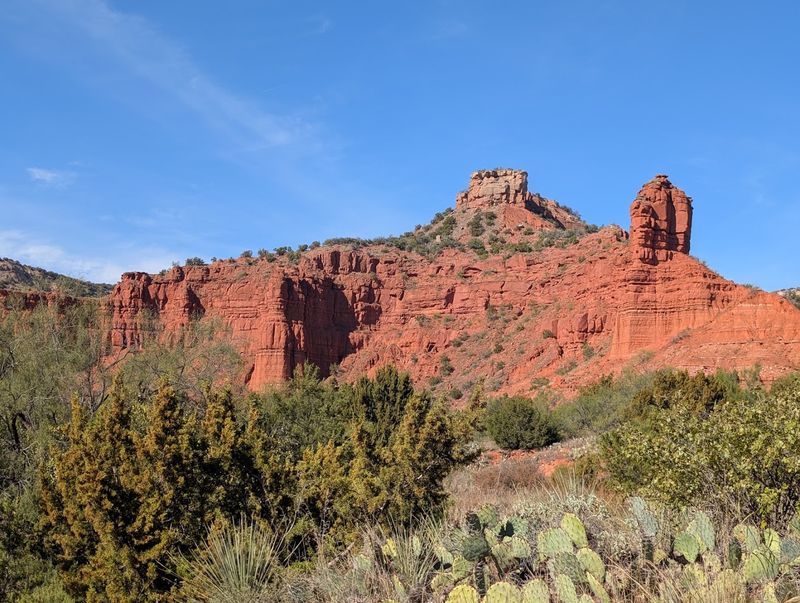
Bison once thundered across the Great Plains by the millions, and at Caprock Canyons, you can still see them roaming free. The park maintains the official Texas State Bison Herd, descended from the last survivors of the Southern Plains herd that once dominated this region. Spotting these massive animals grazing against the backdrop of red rock canyons is genuinely moving—a glimpse of what this landscape looked like before fences and highways carved it up.
The bison are wild animals, not attractions, so keeping a respectful distance is crucial for both your safety and theirs.
The park’s canyons were carved by the Little Red River, creating dramatic formations of red mudstone and sandstone layered like a geological birthday cake. Hiking trails range from easy walks along the canyon floor to challenging climbs up to the rim, where you can see for miles across the Caprock escarpment. The Upper Canyon Trail follows the river through cottonwood groves and past towering cliffs, offering shade and scenery that changes with every bend.
Wildlife beyond the bison includes pronghorn antelope, wild turkeys, and prairie dogs whose towns create entire neighborhoods underground.
The Caprock Canyons Trailway extends 64 miles from the park to the town of South Plains, following an abandoned railroad bed that’s now perfect for mountain biking and horseback riding. The trail crosses the dramatic Clarity Tunnel, a 742-foot passage blasted through solid rock in 1928. Riding or hiking through the tunnel is an experience in itself—cool, dark, and echoing with history.
Camping at Caprock ranges from developed sites with water and electricity to primitive backcountry spots where you’re completely alone with the stars. Fall colors here surprise people who think Texas doesn’t do autumn—cottonwoods turn brilliant gold, creating stunning contrasts against the red canyon walls.
Share this story