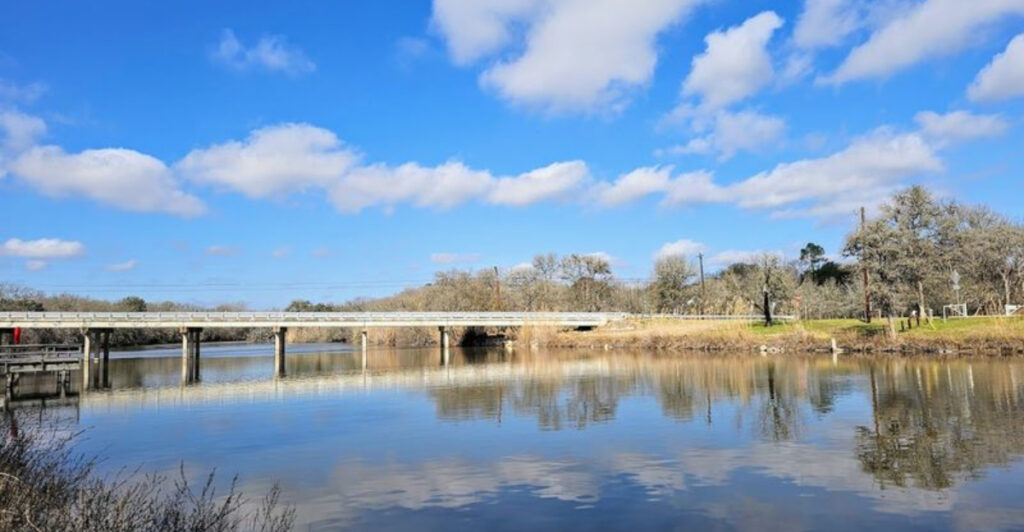
Texas is huge, and most folks stick to the same handful of cities and attractions. But hidden across the state are places that feel completely untouched by tourist crowds—spots where you can explore cypress swamps, hike through red-rock canyons, or watch thousands of bats pour out of a cave at sunset. These aren’t the polished, Instagram-famous destinations you see everywhere.
They’re the real Texas, waiting just off the beaten path for anyone curious enough to go looking.
1. Caddo Lake State Park
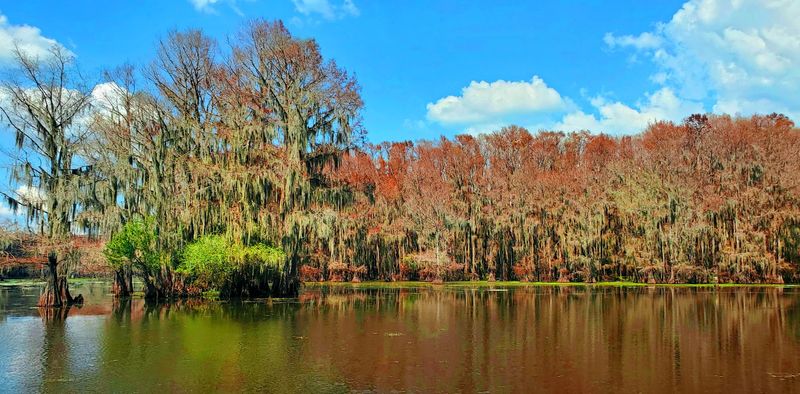
Caddo Lake feels like you’ve accidentally driven into Louisiana. Towering bald cypress trees rise from dark, mysterious water, their trunks draped in Spanish moss that sways with every breeze. The whole place has this swampy, otherworldly vibe that’s nothing like the dry plains most people picture when they think of Texas.
You can rent a canoe or kayak and paddle through the maze of waterways, weaving between cypress knees and under low-hanging branches. The lake covers over 26,000 acres, so there’s plenty of room to explore without running into crowds. Early morning is magical here—the mist rises off the water, and you might spot herons, alligators, or turtles sunning themselves on logs.
The park also has hiking trails if you want to stay on dry land. The terrain is surprisingly hilly and forested, with pine and hardwood trees creating plenty of shade. It’s a nice change from the open spaces you find in much of the state.
Fishing is popular too, especially for bass and catfish. Locals will tell you the lake has some of the best crappie fishing around. Even if you’re not into fishing, just being out on the water feels like an adventure.
There’s camping available if you want to stay overnight, with both tent sites and cabins. Watching the sunset through the cypress trees is worth the trip alone. The whole area feels like stepping back in time, quiet and untouched in a way that’s rare to find anymore.
2. Monahans Sandhills State Park
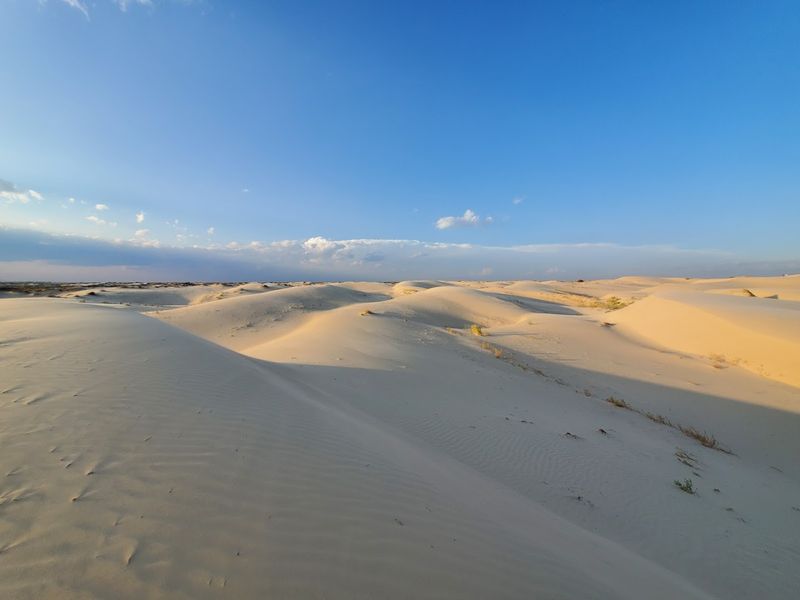
Picture massive sand dunes stretching as far as you can see, some reaching 70 feet high. That’s Monahans Sandhills, and it feels more like a desert in the Middle East than West Texas. The sand is fine and pale, almost white under the blazing sun, and it shifts constantly with the wind.
The coolest part? You can sled down the dunes. The park actually rents sand discs at the entrance, and people of all ages spend hours climbing up and sliding back down.
It’s harder work than it looks—trudging up a sand dune in the heat will wear you out fast—but the ride down makes it worthwhile.
The landscape here is surprisingly alive despite looking barren at first glance. Hardy shin oak trees manage to survive in the sand, their roots reaching deep for water. You might spot lizards darting across the dunes or birds circling overhead.
At sunset, the sand glows orange and pink, creating shadows that make the dunes look even more dramatic.
There’s a small interpretive center where you can learn about how these dunes formed thousands of years ago. The sand is actually ancient seabed that got exposed and shaped by wind over millennia. It’s pretty wild to think about standing on what used to be underwater.
Bring plenty of water and sunscreen—there’s zero shade out on the dunes. The heat can be intense, especially in summer. But if you go in the cooler months, it’s an incredible place to experience a landscape totally different from anywhere else in Texas.
3. Caprock Canyons State Park and Trailway
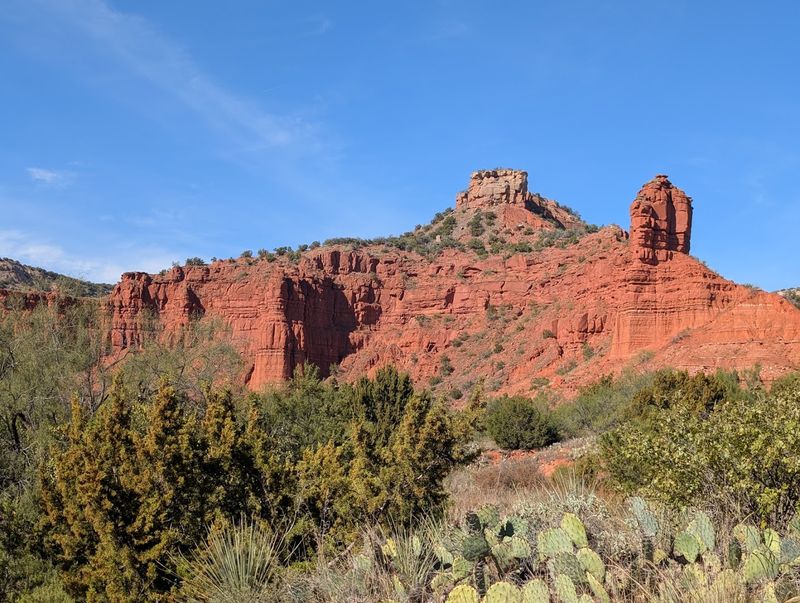
Red rock walls rise dramatically from the prairie, carved by wind and water into shapes that look almost sculpted. The colors shift throughout the day—burnt orange in morning light, deep crimson at sunset—making every visit feel different.
The park is home to the official Texas State Bison Herd, one of the few places in the state where you can see these massive animals roaming free. Spotting a bison is never guaranteed, but when you do, it’s unforgettable. They’re huge and powerful, and watching them graze against the backdrop of red cliffs feels like witnessing something from another era.
Hiking trails wind through canyons and across mesas, offering views that go on forever. The terrain is rugged and rocky, so wear good shoes. Some trails are easy, others more challenging, but all of them show off the park’s stunning geology.
The Caprock Canyons Trailway runs for 64 miles, following an old railroad line. It’s perfect for mountain biking or horseback riding if you want a longer adventure. The trail crosses historic railroad bridges and tunnels, adding a cool historical element to the natural beauty.
Spring brings wildflowers that carpet the canyon floors in purple, yellow, and red. Fall offers cooler temperatures and clearer skies. Summer can be scorching, but early morning hikes are manageable.
The park stays pretty quiet most of the year, so you can explore without feeling crowded.
4. Old Tunnel State Park (Bat Tunnel)
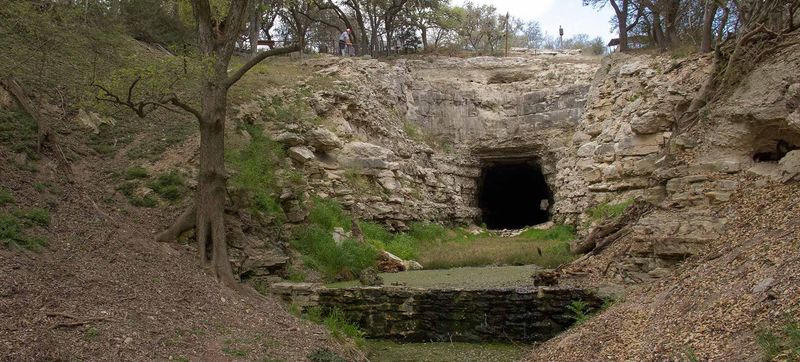
Every evening from May through October, millions of Mexican free-tailed bats pour out of an abandoned railroad tunnel near Fredericksburg. It’s one of nature’s most spectacular shows, and it happens in a tiny state park most people have never heard of. The tunnel itself looks unremarkable during the day—just a dark opening in a hillside—but at dusk, it comes alive.
The bats emerge in swirling clouds, spiraling upward before heading out to hunt insects. The sound is incredible—a rushing, fluttering roar as wave after wave of bats leave the tunnel. Some evenings, the exodus lasts for hours.
You stand on a viewing platform just yards from the tunnel entrance, close enough to feel the air move as they fly past.
The park is small and doesn’t have much else besides the bat viewing area, but that’s the point. You’re here for the bats, and they deliver. Park rangers give talks before the emergence, explaining the bats’ migration patterns and ecology.
It’s fascinating to learn how these tiny creatures travel thousands of miles between Texas and Mexico every year.
Thursday through Sunday evenings, you can watch from the upper viewing area for free. For a closer experience, guided tours take you right to the tunnel entrance. The lower viewing area puts you so close you can hear individual bat calls and see their faces as they emerge.
Bring bug spray and a flashlight for the walk back to your car. The bats eat tons of insects every night, but mosquitoes still hang around before the show starts. Arrive early to get a good spot—word is spreading about this hidden gem.
5. Castroville
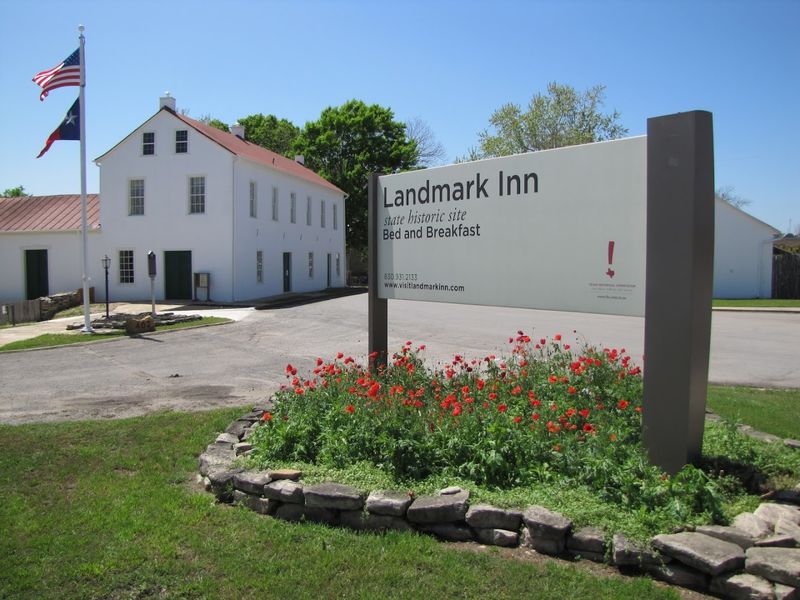
Walking through Castroville feels like stumbling into a French village that somehow ended up in South Texas. Founded by Alsatian immigrants in 1844, this small town has preserved its European heritage in a way that’s genuinely charming, not theme-park fake. The architecture alone makes it worth the drive—steep-roofed cottages, limestone buildings, and iron balconies that wouldn’t look out of place in rural France.
The Landmark Inn sits right on the Medina River and dates back to the 1840s. You can tour the building and see how early settlers lived, or just wander the grounds along the riverbank. The whole downtown area is compact and walkable, with antique shops, cafes, and historical markers explaining the town’s unique story.
Castroville calls itself “The Little Alsace of Texas,” and it actually lives up to the name. Many residents still have Alsatian surnames, and the town celebrates its heritage with an annual Alsatian festival. Even the local food reflects the influence—you can find German-style bakeries and restaurants serving dishes you won’t find elsewhere in Texas.
The St. Louis Catholic Church, built in 1868, is worth seeing for its beautiful stained glass and European design. The cemetery next door has headstones with French and German inscriptions, telling the story of families who made this place home generations ago.
It’s only about 25 miles west of San Antonio, making it an easy day trip. But the vibe is completely different from the big city—quiet, historic, and genuinely unique. Spend a few hours exploring, grab lunch at one of the local spots, and you’ll understand why this little town has managed to preserve its character while so much of Texas has changed.
6. Strawn and Mary’s Cafe
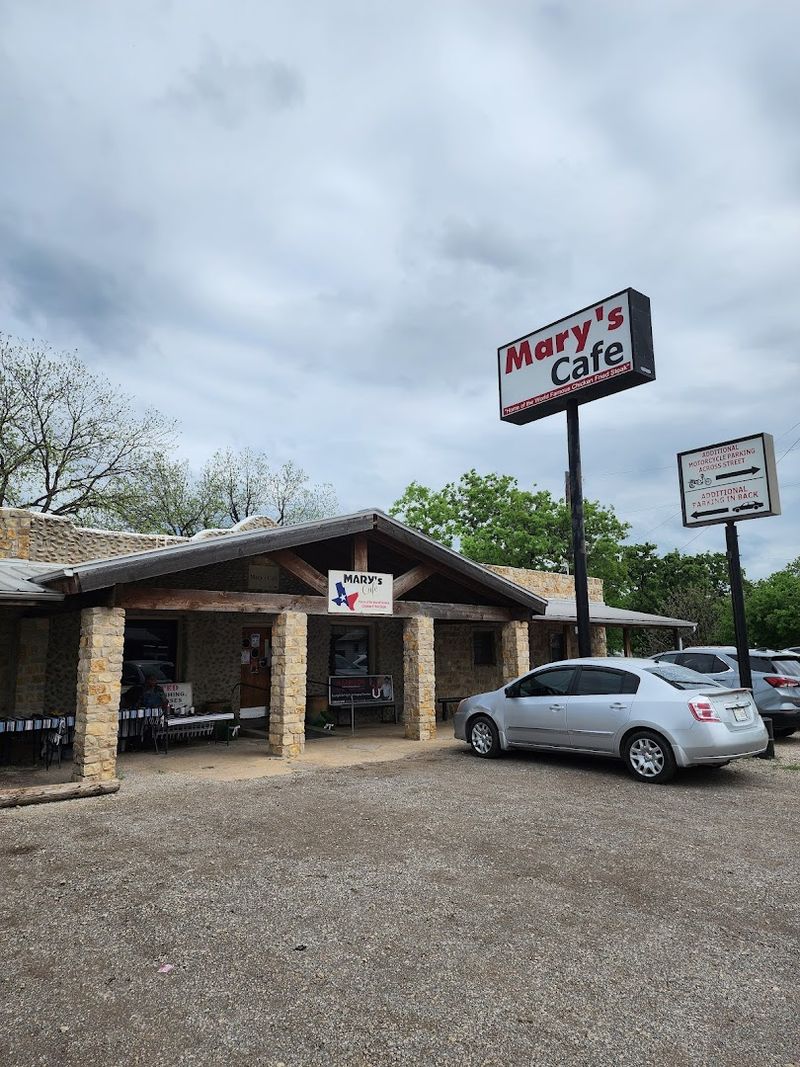
Strawn is a dot on the map in Palo Pinto County with barely 600 people, but it’s famous across Texas for one thing: chicken fried steak. Mary’s Cafe has been serving massive, crispy, perfectly seasoned steaks since 1945, and people drive hours just to eat here. The town itself is tiny—you could drive through in two minutes without realizing it—but that’s part of the charm.
Mary’s doesn’t look fancy. It’s a simple roadside cafe with worn booths and a counter where locals sit drinking coffee. But when your plate arrives, you understand why this place has such a devoted following.
The chicken fried steak hangs over the edges of the plate, covered in peppery cream gravy. It’s crispy on the outside, tender inside, and comes with all the classic sides—mashed potatoes, green beans, rolls.
The portions are huge. Most people can’t finish, but everyone tries. The atmosphere is pure small-town Texas—friendly staff who call you “hon,” locals who know each other by name, and walls covered in photos and memorabilia from decades of serving travelers and regulars alike.
After lunch, you can walk around Strawn for a bit. There’s not much to see, honestly, but that’s kind of the point. It’s a glimpse of rural Texas life, the kind of place where everybody waves and time moves slower.
The old downtown has a few historic buildings and a park.
The drive to Strawn takes you through rolling hills and ranch country that’s beautiful in its own understated way. Make the trip on a weekday if you can—weekends get crowded with folks making the pilgrimage for that famous chicken fried steak. Bring cash and an appetite.
7. Palmetto State Park
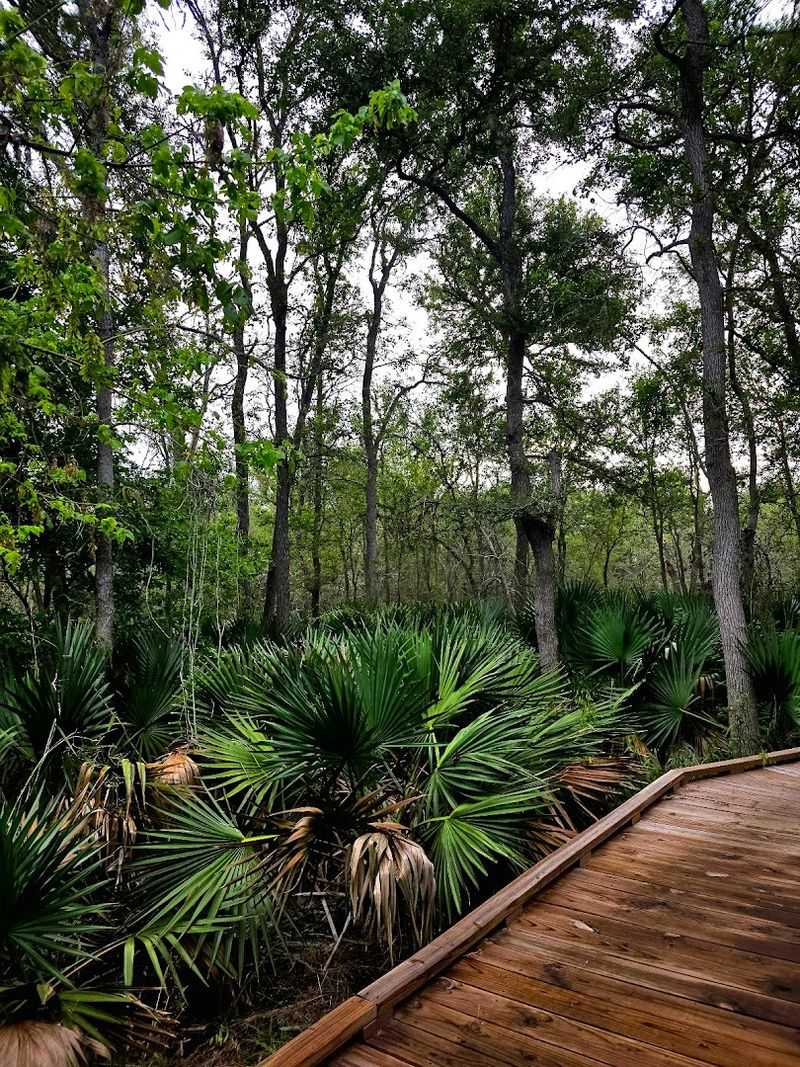
Dense tropical vegetation, swampy wetlands, and actual palmetto plants create an environment that feels more like the Deep South. The San Marcos River runs through the park, its dark water winding between palmettos and massive trees draped in vines.
A boardwalk trail takes you right through the swamp, letting you explore without getting your feet wet. The air feels humid and thick, especially in summer, and the sounds are different here—frogs croaking, birds calling, insects buzzing in a constant chorus. It’s lush and green in a way that’s startling if you’re used to the drier parts of the state.
The park has several hiking trails that loop through different habitats. Some areas are dense forest, others open to grassy clearings. You might spot armadillos, raccoons, or white-tailed deer.
The bird watching is excellent, with species you won’t find in many other Texas parks.
The river is perfect for cooling off on hot days. There’s a swimming area where the water runs clear and shallow over a rocky bottom. Tubing is popular too, though the current is gentle—this isn’t a wild river adventure, more of a lazy float through pretty scenery.
Campsites are scattered throughout the park, some with water and electric hookups, others more primitive. Staying overnight gives you a chance to experience the park at dawn and dusk when wildlife is most active. The park stays relatively uncrowded even on weekends, making it feel like a secret hideaway.
It’s only about an hour from San Antonio or Austin, but it feels like a completely different world.
8. Caverns of Sonora
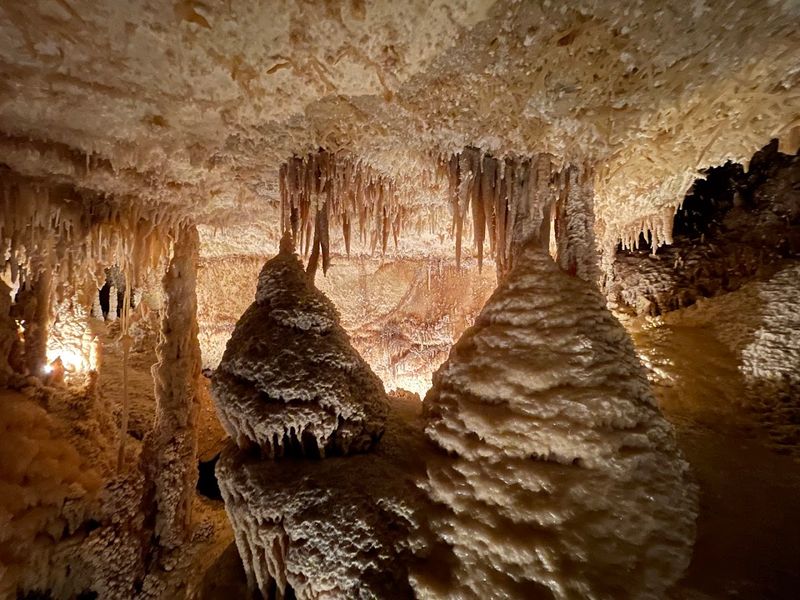
Most Texas caves are cool to see, but Caverns of Sonora is legitimately jaw-dropping. National Geographic once called it the most beautiful cave in the world, and when you’re standing inside looking at formations that seem impossible, you believe it. The calcite crystals grow in every direction—delicate helictites that defy gravity, massive flowstones, and formations so intricate they look hand-carved.
The guided tour takes about two hours and covers nearly two miles of walking, including some stairs. It’s not a particularly easy tour, but it’s absolutely worth the effort. Your guide leads you through room after room of stunning formations, each more impressive than the last.
The “Butterfly” formation is famous—a delicate structure that looks exactly like its name. Other formations resemble everything from fried eggs to angel wings.
The cave stays at 72 degrees year-round, making it a perfect escape from Texas heat. The humidity is high, though, so the air feels thick. Lighting throughout the cave is carefully designed to show off the formations without damaging them.
Some sections are so packed with crystals that you have to watch where you step on the narrow walkways.
What makes Sonora special is how pristine it remains. The formations are still growing, and the cave is actively protected from damage. You can see “soda straws”—hollow tubes of calcite that grow from the ceiling—and other formations that are incredibly fragile and rare.
The caverns are in the middle of nowhere, about two hours from San Antonio. There’s not much else around, so this is a dedicated trip. But if you have any interest in geology or natural wonders, it’s a must-see.
Book your tour in advance, especially on weekends, because they limit the number of visitors to protect the cave.
9. Nacogdoches
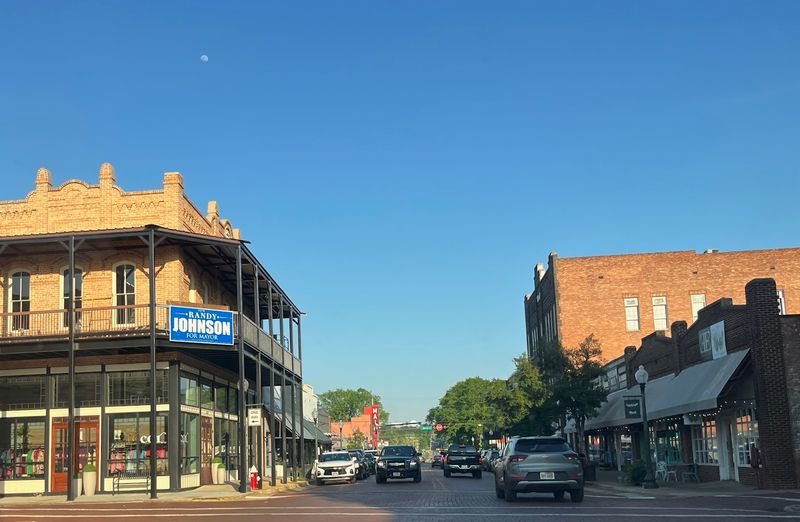
Nacogdoches claims to be the oldest town in Texas, and walking through its historic downtown, you can feel the layers of history. Founded in 1779, the town has preserved its past better than most places in the state. Brick buildings from the 1800s line the streets, massive oak trees provide shade, and there’s a genuine small-town atmosphere that feels authentic, not manufactured for tourists.
The town square is the heart of everything, with local shops, restaurants, and the historic Sterne-Hoya House Museum. Inside, you can see how early Texas settlers lived and learn about the town’s role in Texas history. Nacogdoches was a key location during the Texas Revolution, and several historical markers around town tell those stories.
Stephen F. Austin State University gives the town a college vibe that mixes nicely with the historical elements. There are coffee shops, bookstores, and restaurants that cater to students but welcome everyone.
The campus itself is pretty, with old buildings and plenty of green space.
East Texas forests surround Nacogdoches, making the landscape completely different from most of the state. Tall pines, rolling hills, and actual seasons—this part of Texas gets fall colors and real spring blooms. Several state parks are nearby if you want to combine history with outdoor activities.
The Lanana Creek Trail offers a nice walk or bike ride through wooded areas right in town. It’s paved and easy, perfect for families or anyone who wants a gentle outdoor experience. Local festivals happen throughout the year, celebrating everything from blueberries to Christmas lights.
Nacogdoches is about three hours from both Houston and Dallas, making it doable as a long day trip or better as an overnight stay. The town has that East Texas charm—slower-paced, friendly, and genuinely interesting for anyone who appreciates history and small-town character.
10. Devils River State Natural Area
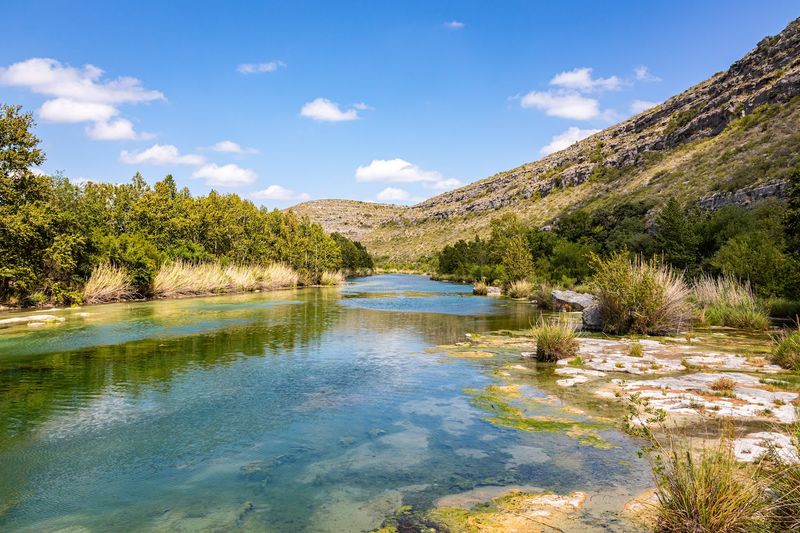
Getting to Devils River State Natural Area requires commitment—it’s remote, the roads are rough, and you need reservations just to enter. But the payoff is some of the most pristine wilderness left in Texas. The Devils River runs crystal clear through limestone canyons, its water so transparent you can see every rock on the bottom even in deep sections.
This isn’t a developed park with visitor centers and paved trails. It’s raw, rugged country that looks much like it did centuries ago. The access road is 27 miles of dirt and rock that will test your vehicle.
High-clearance vehicles are strongly recommended, and after heavy rain, the road can be impassable. But that difficulty keeps the crowds away.
The river is the main attraction. You can kayak or canoe through canyons with walls rising hundreds of feet on either side. The water is incredibly clear—locals say it’s some of the cleanest river water in Texas.
Swimming holes along the route offer perfect spots to cool off and take in the scenery.
Camping is primitive—no hookups, no facilities beyond vault toilets. You’re truly out in the wilderness here. At night, the stars are incredible because there’s zero light pollution.
You might hear coyotes or see javelinas wandering through camp.
Ancient rock art sites are scattered throughout the area, evidence that people have found this place special for thousands of years. The park protects these sites, and rangers can point you toward some that are accessible. Seeing handprints and pictographs from prehistoric times adds another layer to the experience.
Plan carefully before visiting—bring all your water, food, and supplies. Cell service is nonexistent. Check road conditions before you go.
This trip is for people who want real adventure and don’t mind working for it. The reward is experiencing Texas wilderness that few people ever see.
Share this story