Texas is full of hidden gems where you can enjoy upscale vibes without the big-city price tag. These towns offer charming downtown squares, beautiful natural scenery, thriving arts scenes, and unique local culture that rival pricier destinations. Whether you’re looking to relocate or just planning a weekend getaway, these affordable Texas cities deliver experiences that feel way more luxurious than what you’ll actually spend.
1. Wimberley
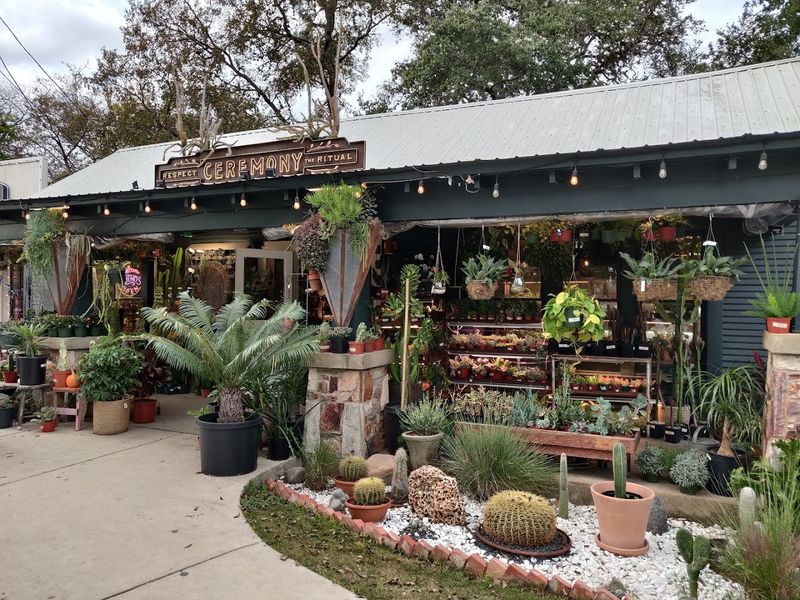
Tucked into the Hill Country between Austin and San Antonio, Wimberley radiates that effortless cool usually reserved for California coastal towns. Artists and creatives have flocked here for decades, turning this small community into a haven for galleries, studios, and weekend market shoppers. The tree-lined streets and natural swimming holes add to the upscale resort feel without the resort prices.
Blue Hole Regional Park is the crown jewel, offering crystal-clear spring-fed waters surrounded by towering cypress trees. Locals and visitors alike spend summer afternoons floating in water so pristine you’d swear you were at an exclusive private club. Entry fees are minimal, and the experience rivals any expensive water park or country club pool.
Downtown Wimberley Square buzzes with boutique shopping that feels like browsing in Fredericksburg or even parts of Santa Fe. Handcrafted jewelry, original paintings, and unique home decor fill the storefronts, yet prices remain surprisingly reasonable. Many artists sell directly from their studios, cutting out the gallery markup you’d find in bigger cities.
The famous Wimberley Market Days, held the first Saturday of each month from March through December, draws crowds hunting for everything from antiques to gourmet foods. Wandering through hundreds of vendors feels like attending an upscale festival, but admission is free and deals abound. Housing costs remain well below Austin averages despite being just 45 minutes away.
Restaurants here punch above their weight class too. Farm-to-table menus, craft cocktails, and chef-driven concepts thrive in this small town, offering dining experiences comparable to trendy urban hotspots. The difference?
Your dinner bill won’t require a second mortgage, and you’ll actually find parking.
2. Granbury
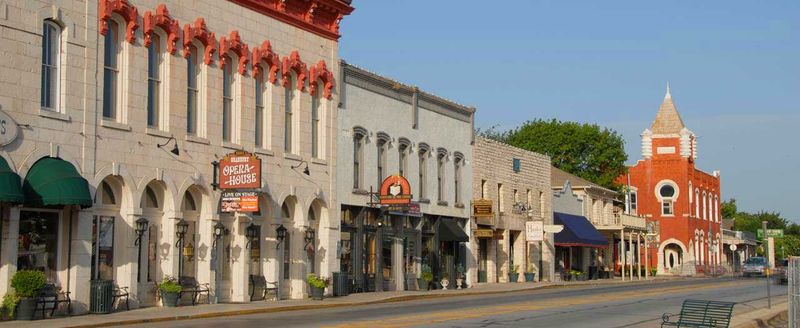
Picture a town square so perfectly preserved it looks like a movie set, complete with a stunning Victorian courthouse anchoring the center. Granbury delivers exactly that, plus a gorgeous lakefront location that makes it feel like a destination resort town. Strolling the square costs nothing, yet the experience rivals strolling through much pricier historic districts across the country.
The town square isn’t just pretty—it’s alive with locally-owned shops, restaurants, and the historic Granbury Opera House that still hosts live performances. Browsing antique stores and boutiques feels like treasure hunting in upscale markets, but prices stay grounded. Many buildings date back to the 1880s, offering authentic character you can’t manufacture.
Lake Granbury wraps around the town, providing 8,300 acres of waterfront recreation that rivals expensive lakeside communities. Public parks offer beach access, fishing spots, and sunset views that feel exclusive but remain accessible to everyone. Kayaking, paddleboarding, and boating opportunities abound without the premium price tags attached to similar lake towns.
The dining scene surprises visitors expecting typical small-town fare. Upscale steakhouses, wine bars, and chef-owned bistros line the square, serving meals that compete with big-city restaurants. Live music drifts from patios on weekend evenings, creating an atmosphere that feels vacation-special even if you live there.
Real estate remains affordable despite all these amenities, especially compared to similar lakefront communities in other states. Historic homes with character sell for prices that would barely buy a condo in trendier Texas cities. The combination of natural beauty, preserved history, cultural offerings, and waterfront access creates a lifestyle that photographs like luxury but costs like sensible living.
3. Denton
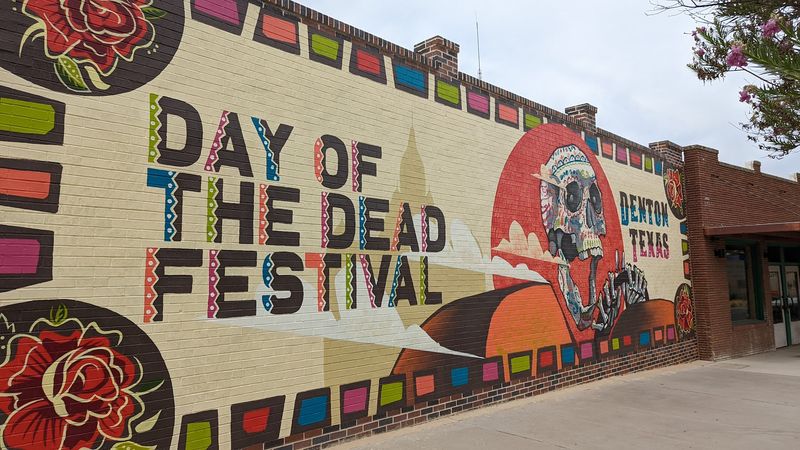
Home to two universities and a legendary music scene, Denton pulses with creative energy that rivals Austin’s vibe from two decades ago. The difference? You can actually afford to live here while pursuing your artistic dreams.
Students, musicians, and young professionals create a cultural richness typically found only in much larger, pricier cities.
The historic downtown square serves as the beating heart, surrounded by venues that have launched countless music careers. Catching live shows at legendary spots like Dan’s Silverleaf or Rubber Gloves Rehearsal Studios costs pocket change compared to big-city concert tickets. Local bands play almost every night, and you might discover the next big thing before they blow up.
Denton’s arts scene extends far beyond music. Murals cover building walls throughout downtown, galleries showcase emerging artists, and the Campus Theatre hosts independent films and live performances. Walking through downtown feels like exploring a hip neighborhood in Portland or Brooklyn, but your rent or mortgage runs hundreds less per month.
The food scene reflects the creative population, with innovative restaurants, food trucks, and coffee shops serving everything from Vietnamese fusion to artisan donuts. Vegetarian and vegan options abound, craft breweries pour local beers, and brunch spots draw weekend crowds. Quality rivals trendy foodie cities, but prices stay reasonable enough for students and artists to actually enjoy regularly.
Despite being just 40 miles from Dallas and Fort Worth, Denton maintains its own distinct identity and affordable cost of living. University facilities offer cultural events open to the public, parks provide green space, and the community supports local businesses fiercely. The lifestyle feels young, creative, and progressive without the financial strain of living in Austin or other Texas cities trying to maintain that vibe.
4. Rockport
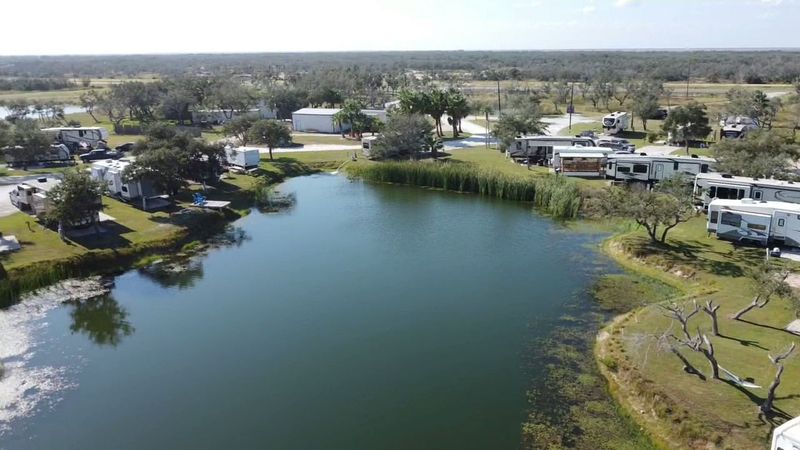
Salt air and seabird calls greet you in Rockport, a coastal town that delivers beach living without the Corpus Christi or South Padre price tags. Fishing boats bob in the harbor, art galleries line the streets, and the pace slows to island time. The Gulf Coast location alone makes it feel more expensive than it actually is.
Aransas Bay wraps around the town, offering stunning water views from nearly everywhere. Public beach access, fishing piers, and waterfront parks provide recreation that costs little to nothing. Watching dolphins play in the bay or catching your own dinner from a pier creates vacation moments daily, yet living here costs less than inland Texas cities.
The birding scene attracts enthusiasts from around the world, especially during whooping crane season when these endangered birds winter nearby. Rockport-Fulton’s location along the Central Flyway makes it a premier destination for nature lovers. Experiencing world-class wildlife viewing usually requires expensive travel, but here it’s just part of everyday life.
Downtown Rockport charms visitors with galleries showcasing coastal art, seafood restaurants serving fresh catches, and shops selling everything from nautical decor to handmade jewelry. The artistic community thrives here, drawn by the natural beauty and affordable studio spaces. Browsing galleries and watching artists work feels like visiting a resort art colony.
Housing costs remain surprisingly low for a coastal community, with options ranging from cute beach cottages to waterfront homes. The trade-off for affordability is hurricane risk, but longtime residents accept this as part of coastal living. Mild winters mean year-round outdoor activities, and the small-town atmosphere creates tight community bonds that feel increasingly rare in modern life.
5. Georgetown
North of Austin sits Georgetown, where a postcard-perfect courthouse square anchors a town that feels plucked from a Hallmark movie. Victorian buildings house boutiques and restaurants, mature trees shade the sidewalks, and community events fill the calendar. The polished, prosperous appearance suggests higher costs than reality delivers.
The courthouse itself, built in 1910, dominates the square with its classical revival architecture and clock tower. Surrounding streets invite leisurely strolls past antique shops, gift boutiques, and locally-owned businesses that have resisted chain store invasion. Shopping here feels special, like discovering a hidden upscale district, yet prices remain accessible.
Georgetown’s proximity to Austin means easy access to big-city amenities while maintaining small-town charm and lower costs. Residents commute to Austin for work but return home to tree-lined streets, good schools, and genuine community connections. The best-of-both-worlds situation typically commands premium prices elsewhere, but Georgetown remains comparatively affordable.
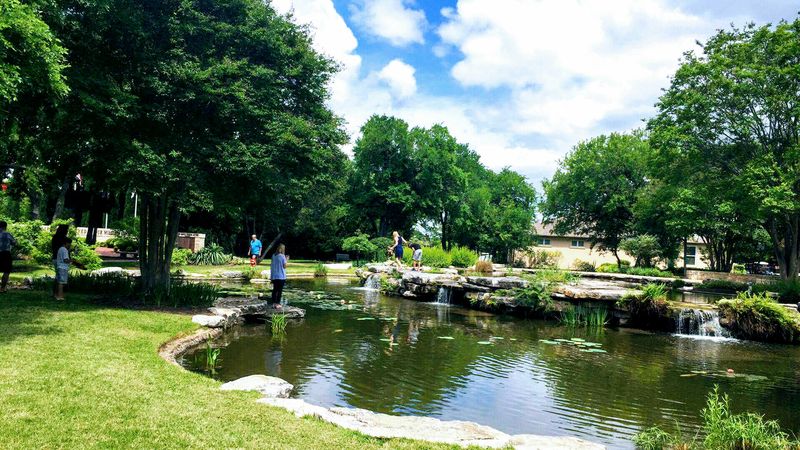
Blue Hole Park and the San Gabriel River provide natural recreation right in town. Swimming in spring-fed waters, tubing down the river, or hiking trails along the banks creates resort-like experiences without resort fees. Summer weekends see families gathering at these free or low-cost natural attractions that would be expensive tourist destinations in other states.
The dining scene has evolved beyond typical small-town options to include farm-to-table restaurants, craft breweries, and international cuisines. Coffee shops offer artisan roasts, bakeries turn out European-style pastries, and food trucks add variety. The culinary sophistication matches cities twice Georgetown’s size and cost of living.
Events like the Red Poppy Festival draw thousands each spring, celebrating the town’s official flower with parades, art shows, and live music that rivals paid festivals elsewhere.
6. Kerrville
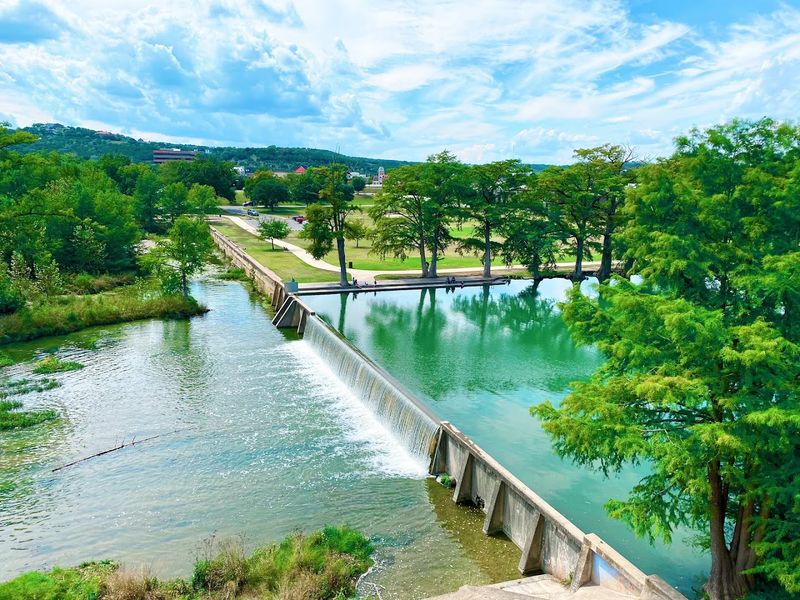
Nestled in the heart of Hill Country, Kerrville offers sweeping views, a thriving arts community, and outdoor recreation that feels like an expensive resort destination. Rolling hills dotted with juniper and oak trees surround the town, while the Guadalupe River flows right through it. The natural beauty alone creates an upscale atmosphere.
The Kerrville Folk Festival, held annually since 1972, draws musicians and fans from across the country for 18 days of music camping and performances. This legendary event puts Kerrville on the map for music lovers, yet the town maintains its laid-back, affordable character year-round. Living where such cultural events happen regularly usually costs a premium.
Downtown Kerrville surprises visitors with its collection of art galleries, studios, and the Museum of Western Art. The arts scene rivals much larger cities, with regular gallery walks, outdoor sculptures, and artist workshops. Browsing world-class Western art and contemporary pieces costs nothing, and many artists sell directly from their studios at reasonable prices.
The Guadalupe River provides endless recreation opportunities from kayaking and tubing to fishing and swimming. River parks offer public access, and outfitters rent equipment at fair prices. Spending a summer day on the river creates vacation memories without vacation costs, and the scenery rivals expensive river towns in Colorado or Montana.
Kerrville’s location makes it a base for exploring the entire Hill Country region, with Fredericksburg, Bandera, and other attractions nearby. Housing costs remain well below Austin or San Antonio despite being just an hour from both cities. Retirees and young families alike appreciate the quality of life, excellent medical facilities at Peterson Health, and genuine small-town community feel that seems increasingly rare and valuable.
7. San Marcos
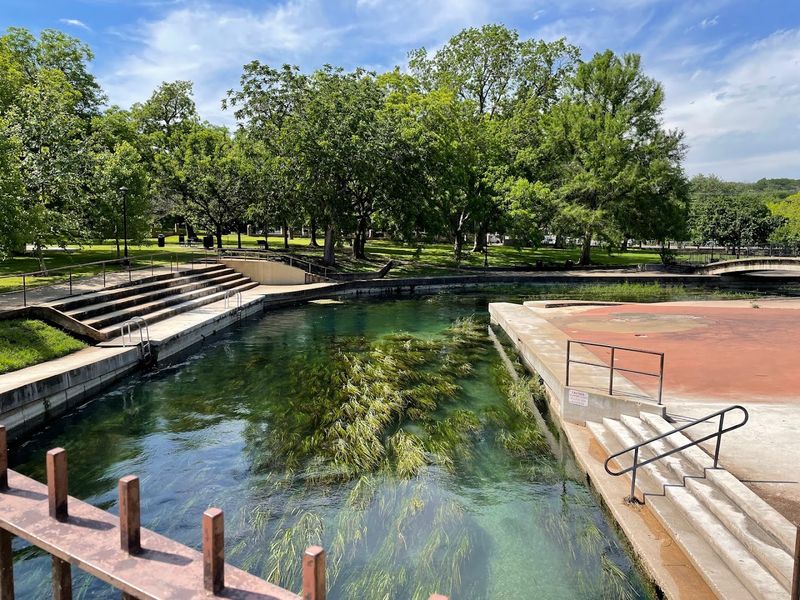
Fed by hundreds of springs, the San Marcos River flows through town at a constant 72 degrees year-round, creating an aquatic playground that feels like a tropical resort. Students from Texas State University and locals float, swim, and paddleboard in water so clear you can see every pebble on the bottom. Access to this natural wonder costs almost nothing.
The river isn’t just pretty—it’s alive with history and ecology. Glass-bottom boat tours at Aquarena Springs reveal underwater springs and archaeological sites, while snorkeling trails let you explore the same waters that attracted humans for 12,000 years. Experiencing such unique natural features typically requires expensive travel to exotic locations, yet San Marcos residents enjoy it as everyday recreation.
Downtown San Marcos balances college-town energy with historic charm. The courthouse square hosts farmers markets, the historic Hays County Courthouse anchors the district, and locally-owned shops and restaurants create a walkable urban experience. Living in a vibrant downtown area usually commands urban prices, but San Marcos maintains affordability despite its prime location between Austin and San Antonio.
The food scene reflects the diverse student population and creative community, offering everything from authentic tacos to Thai cuisine and farm-to-table dining. Coffee shops, breweries, and music venues provide entertainment options that rival larger cities. The cost of a night out stays reasonable enough for students and young professionals to actually enjoy regularly.
Housing options range from historic homes near downtown to newer developments on the outskirts, with prices significantly lower than Austin just 30 miles north. The trade-off is traffic during university terms and crowds on the river during summer, but most residents consider these minor inconveniences compared to the lifestyle benefits. The combination of natural beauty, cultural amenities, and central location creates exceptional value.
8. Waxahachie
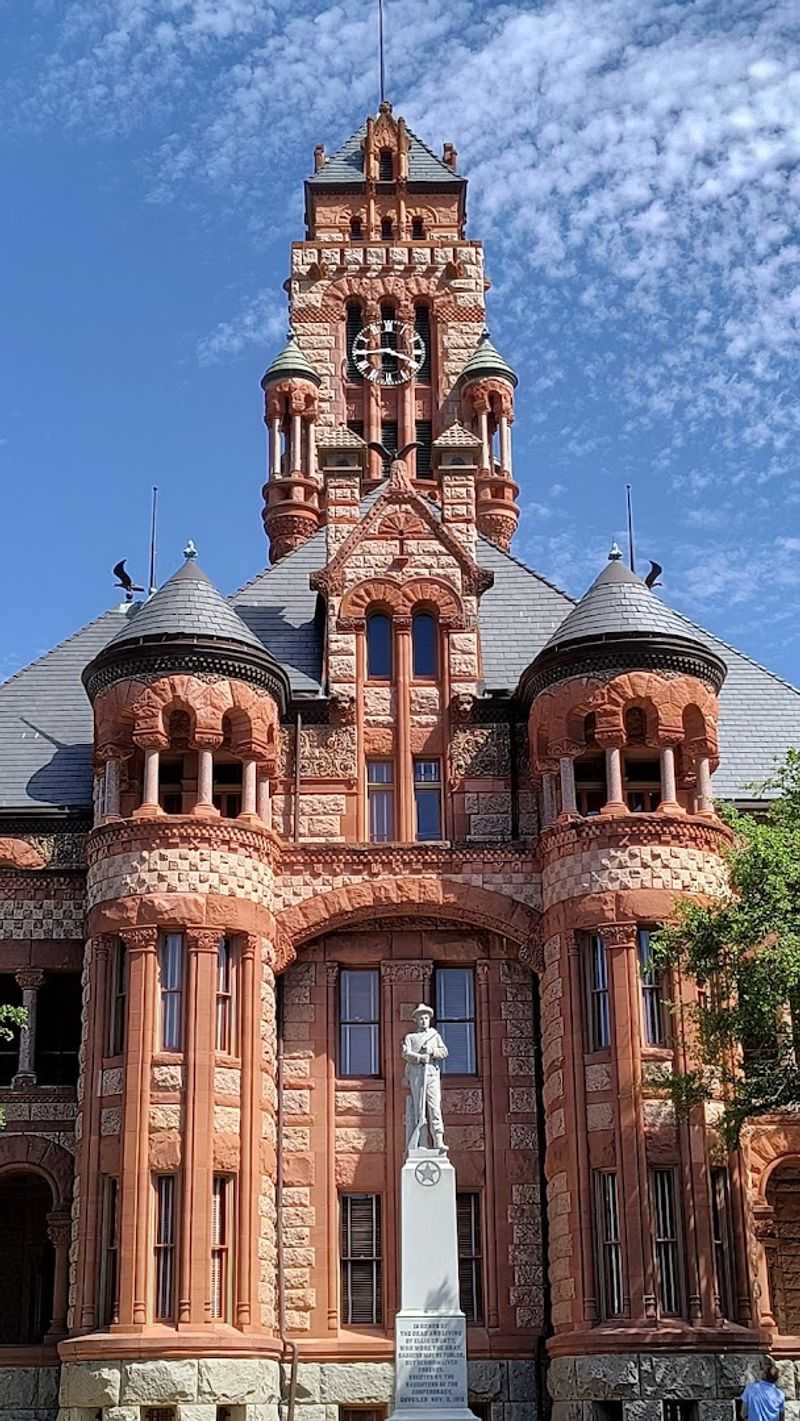
Known as the Gingerbread City for its stunning collection of Victorian homes, this North Texas town looks like it belongs in a coffee table book about historic architecture. Over 200 structures listed on the National Register create a living museum of ornate details, wraparound porches, and colorful paint schemes. Walking through its neighborhoods feels like touring an upscale historic district, yet homes here remain surprisingly attainable compared to larger metro areas.
The Ellis County Courthouse anchors downtown with its striking Romanesque Revival design, featuring pink granite and rich red sandstone. Completed in 1897, it’s widely considered one of the most beautiful courthouses in Texas, attracting architecture enthusiasts and photographers throughout the year. Around it, the town square hums with life—lined with antique stores, local boutiques, and cozy restaurants tucked inside carefully preserved historic buildings.
Hollywood caught on to the town’s charm years ago, using its picturesque streets and timeless architecture as a backdrop for films and TV projects. That cinematic quality adds to the appeal, making everyday scenes feel just a little more special, as if you’ve stepped into another era without leaving modern comforts behind.
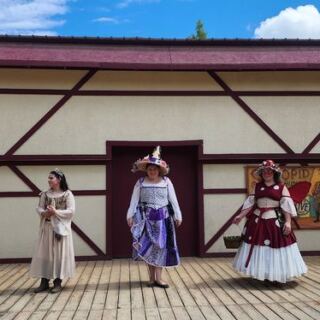
Beyond its architecture, the town hosts events that bring the community together, from seasonal festivals to the well-known Scarborough Renaissance Festival held nearby. These gatherings add energy without overwhelming the small-town atmosphere, striking a balance between liveliness and laid-back charm.
Despite its storybook appearance, daily life here moves at a comfortable, unhurried pace. It’s the kind of place where people still greet each other on the street, and where historic beauty isn’t just preserved—it’s part of everyday life.
9. New Braunfels
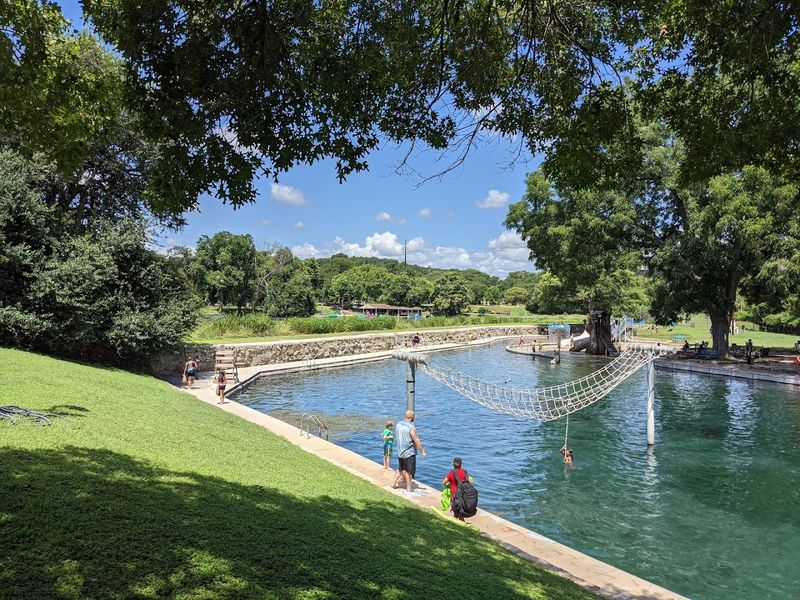
German heritage infuses every corner of New Braunfels, from authentic bakeries serving strudel to annual Wurstfest celebrations drawing massive crowds. Founded by German immigrants in 1845, the town maintains its cultural roots while offering modern amenities and natural attractions. The unique character and prime location between Austin and San Antonio create an upscale feel at moderate prices.
The Comal River, shortest river in the United States, flows crystal-clear through town and consistently ranks among the best tubing destinations in Texas. Renting a tube and floating for hours costs less than a movie ticket, yet provides an all-day adventure in beautiful natural surroundings. The river’s constant flow from springs means reliable recreation year-round, unlike seasonal rivers elsewhere.
Gruene Historic District, technically part of New Braunfels, preserves a 19th-century town complete with the oldest dance hall in Texas. Gruene Hall hosts legendary musicians in an intimate setting where you can grab a beer and dance on worn wooden floors that have hosted countless boots over 140-plus years. Experiencing such authentic Texas history and live music costs a fraction of touristy entertainment districts.
Schlitterbahn Waterpark Resort put New Braunfels on the map for many visitors, but locals know the natural rivers provide just as much fun. Landa Park offers swimming, paddleboating, and miniature golf in a beautiful spring-fed setting. Downtown shops sell German imports, local crafts, and antiques, while restaurants serve everything from schnitzel to barbecue.
Housing costs remain reasonable despite the town’s popularity and rapid growth. New developments spread outward while historic neighborhoods near downtown maintain their character and charm. The combination of cultural heritage, natural recreation, thriving downtown, and proximity to major cities creates exceptional value for residents who appreciate authentic character over cookie-cutter suburbia.
10. Nacogdoches
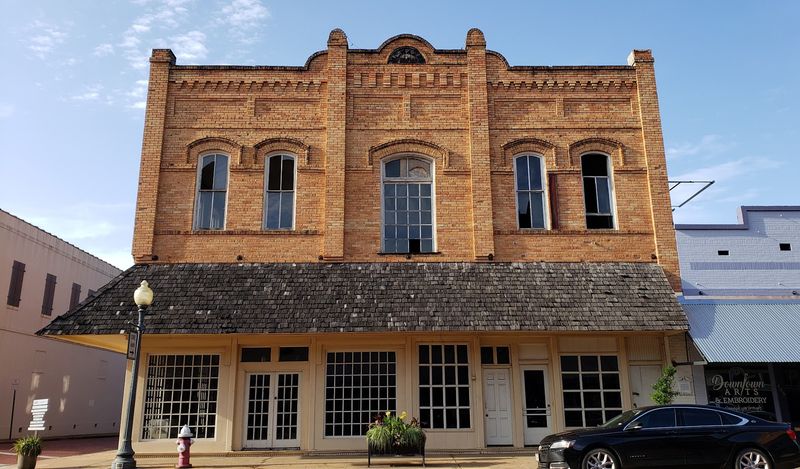
Claiming the title of oldest town in Texas, Nacogdoches drips with history dating back to its founding in 1779. Brick streets, historic markers, and preserved buildings tell stories of Spanish missionaries, early Texas settlers, and the evolution of East Texas. Walking through downtown feels like stepping into a living history museum, yet this cultural richness comes with small-town affordability.
Stephen F. Austin State University brings youthful energy and cultural programming to this historic town. The university offers public events including concerts, theater productions, and sporting events that enrich community life.
Having a university in town typically drives up costs, but Nacogdoches maintains reasonable living expenses while enjoying the benefits of campus amenities.
East Texas pine forests surround the town, creating scenery distinct from the rest of Texas. The lush, green landscape feels more like Louisiana or Arkansas, offering hiking, fishing, and outdoor recreation in a different ecosystem. Nearby lakes and the Angelina National Forest provide endless exploration opportunities without the crowds or entrance fees of more famous destinations.
The downtown historic district preserves buildings from multiple eras, housing locally-owned shops, restaurants, and the visitor center in the old train depot. Azalea trails bloom spectacularly each spring, antique stores overflow with treasures, and festivals celebrate everything from blueberries to Christmas lights. The cultural calendar rivals much larger cities, offering entertainment and community events year-round.
Real estate costs remain among the lowest in Texas for a town with this many amenities and character. Historic homes with original details sell for prices that seem almost too good to be true compared to other historic districts. The trade-off is distance from major metros—Houston sits about two hours away—but residents appreciate the slower pace, genuine community connections, and deep roots that make Nacogdoches feel substantial and authentic rather than just another growing Texas town.
11. Fredericksburg
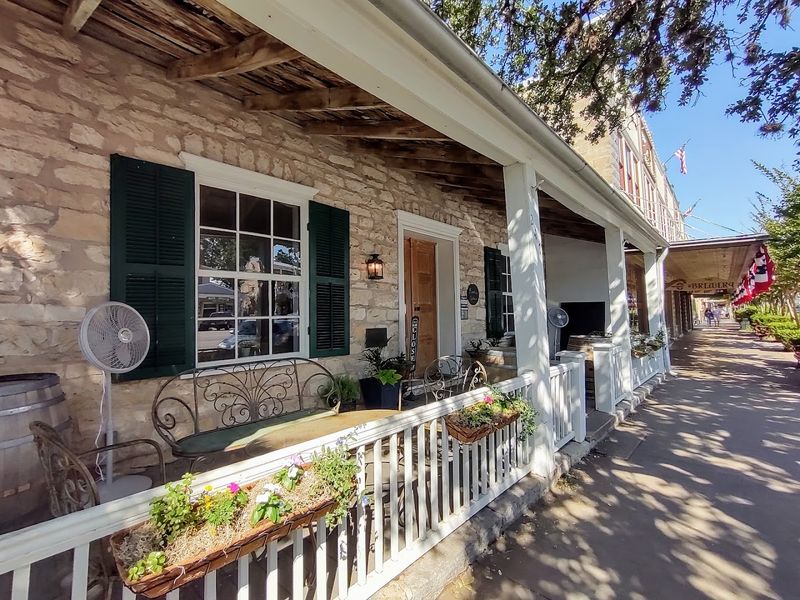
Tucked into the heart of the Hill Country, this town looks and feels far more upscale than you’d expect. With its blend of German heritage, boutique wineries, and beautifully preserved historic buildings, it gives off the vibe of a high-end getaway destination. Strolling down Main Street, you’ll find wine tasting rooms, artisan shops, and cozy cafés that wouldn’t feel out of place in Napa Valley.
The architecture adds to the charm, with limestone buildings, flower-filled courtyards, and carefully maintained storefronts that create a polished, almost resort-like atmosphere. Vineyards stretch across the surrounding countryside, offering scenic views that draw visitors year-round. Sunset over the rolling hills feels like something you’d pay a premium for elsewhere.
Despite its upscale appearance, Fredericksburg remains surprisingly accessible. While it’s a popular weekend destination, especially for wine lovers, you can still find reasonably priced accommodations, local eateries, and experiences that don’t break the bank. The mix of luxury aesthetics and small-town pricing is what makes it stand out.
Beyond wine, the town offers a rich cultural layer, from its German roots to nearby attractions like Enchanted Rock. Seasonal events, farmers markets, and festivals bring energy without losing that relaxed Hill Country feel.
Fredericksburg proves you don’t need a luxury budget to enjoy a place that looks and feels refined. It delivers a high-end experience with a welcoming, down-to-earth edge—making it one of those rare spots that feels expensive, even when it’s not.
Share this story