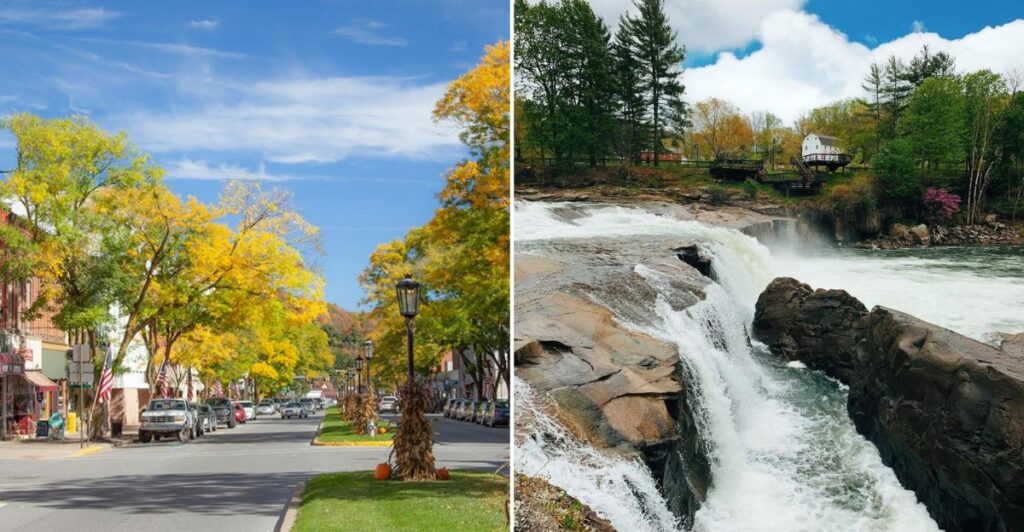
Pennsylvania’s mountains are dotted with small towns where a short walk can lead to a rushing waterfall, a quiet lake, a scenic trail, or a beautiful view above the trees. Some are lively places filled with outdoor adventures, local shops, and places to grab a bite, while others invite you to slow down, wander historic streets, and enjoy the peaceful surroundings.
What makes these towns especially appealing is how easy they are to turn into a getaway without traveling too far. Whether you have a full weekend to explore or just one free day, these mountain communities offer plenty of ways to get outside, discover something new, and enjoy a memorable trip close to nature.
1. Ohiopyle
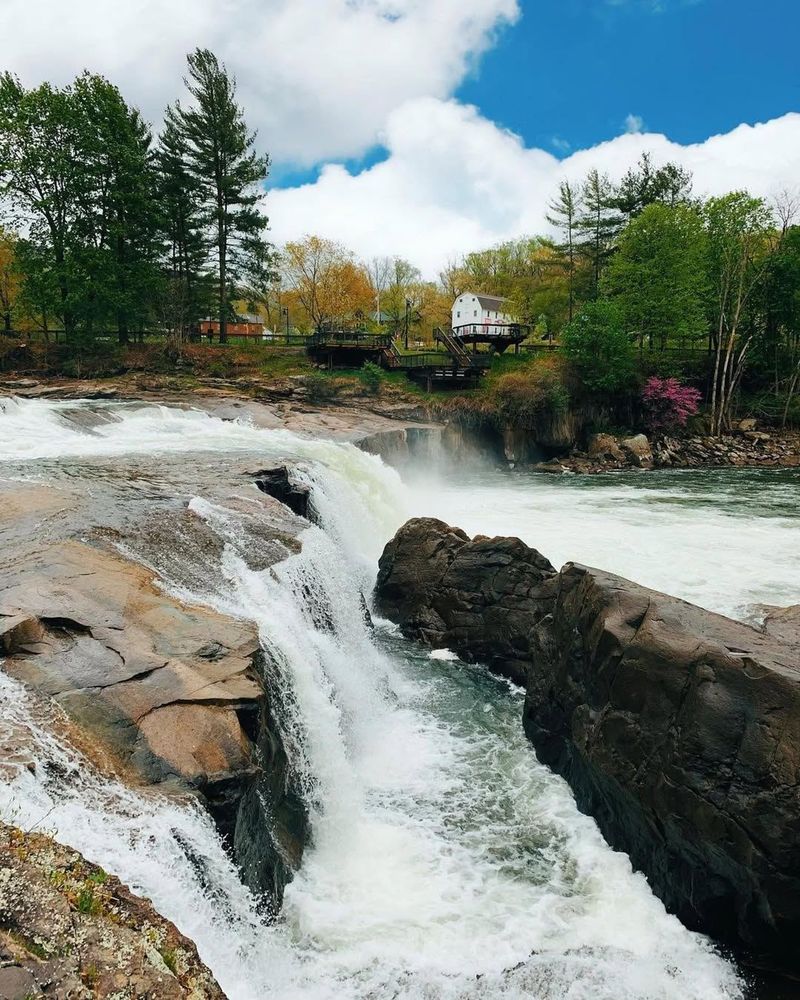
The sound of rushing water follows you through much of this tiny Laurel Highlands town.
Ohiopyle sits beside the Youghiogheny River, and its state park puts waterfalls, wooded trails, and river activities close together.
Start at the main falls overlook, which is easy to reach from town, before deciding how adventurous you want your day to be.
For a relaxed outing, walk or bike a section of the Great Allegheny Passage.
The mostly level route follows an old rail corridor, so it works well for many ages and skill levels.
You can rent a bike locally if bringing one is not practical.
Wear shoes with a good grip, especially after rain.
Natural Waterslides offers a different kind of water experience, but moving water can be dangerous.
Check park guidance and current conditions before getting near the stream, and never assume a spot is safe because other people are using it.
Families seeking a calmer day can stick to overlooks, picnic areas, and short walks.
If whitewater rafting sounds fun, choose a guided trip suited to your experience.
Outfitters can explain river levels, safety rules, and age limits before you book.
The nearby Ferncliff Peninsula has trails where you can look for plants and enjoy views of the river without joining a rafting group.
Ohiopyle is busiest on warm weekends, when parking and popular paths fill quickly.
Arriving in the morning gives you more time to explore at your own pace.
Food options in the small town may have limited hours, so bring water and a snack.
Stay overnight nearby if you want a quieter evening after day visitors leave.
Spring brings powerful waterfalls, summer is popular for river trips, and fall adds bright color to the hills.
Whatever the season, check the forecast and park notices before setting out; conditions near the river can change quickly.
A simple plan leaves room for the best surprise here: finding a favorite view around the next bend.
2. Hawley
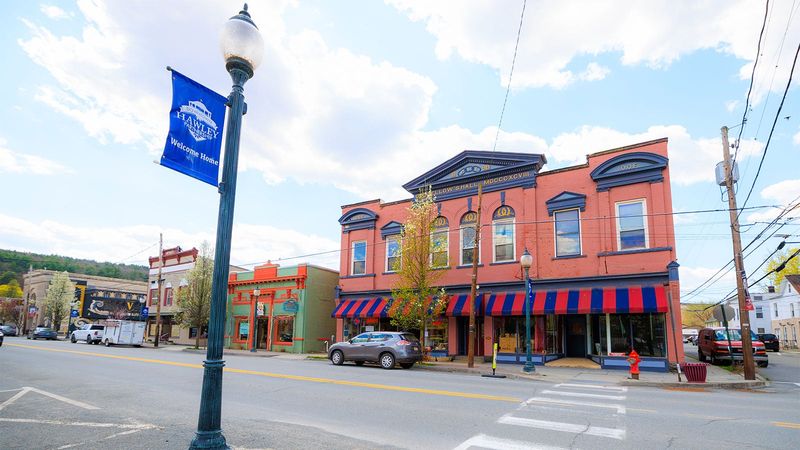
A lake day and a small-town stroll fit neatly into one visit to Hawley.
This Pocono Mountains community sits near Lake Wallenpaupack, a large reservoir where boating and fishing draw warm-weather visitors.
The town itself offers shops, places to eat, and historic buildings, so you do not need to spend every hour on the water.
Begin downtown with a walk along Main Avenue and the nearby streets.
Take your time looking at the older storefronts rather than rushing between stops.
If you plan to eat out, check opening hours in advance; schedules can shift between busy summer days and quieter months.
A little planning makes a slow afternoon feel easy.
Lake Wallenpaupack is the area’s best-known outdoor draw, but public access is not the same everywhere along its shore.
Look up a designated access point before you go, and follow posted rules for swimming, boating, and parking.
If you rent a boat, ask about safety gear and weather conditions before leaving the dock.
For a change of scenery, explore nearby walking trails and parks in the Pocono region.
Pick a route that fits your group, carry drinking water, and check whether pets are allowed.
The wooded landscape is especially colorful in fall, while spring can bring muddy ground and cool mornings.
Comfortable shoes will serve you well in either season.
Hawley suits travelers who like choices without a packed schedule.
You might spend the morning near the lake, have lunch in town, and save the evening for a quiet walk.
Lodging ranges from simple stays to more polished retreats, but prices can rise during peak weekends.
Book ahead if a summer holiday or fall foliage trip is your goal.
Leave some time for the drive through the surrounding hills, too.
The roads can be lovely, but pull over only in safe, legal places when you want a photo.
That small bit of care helps keep the trip pleasant for everyone.
3. Eagles Mere
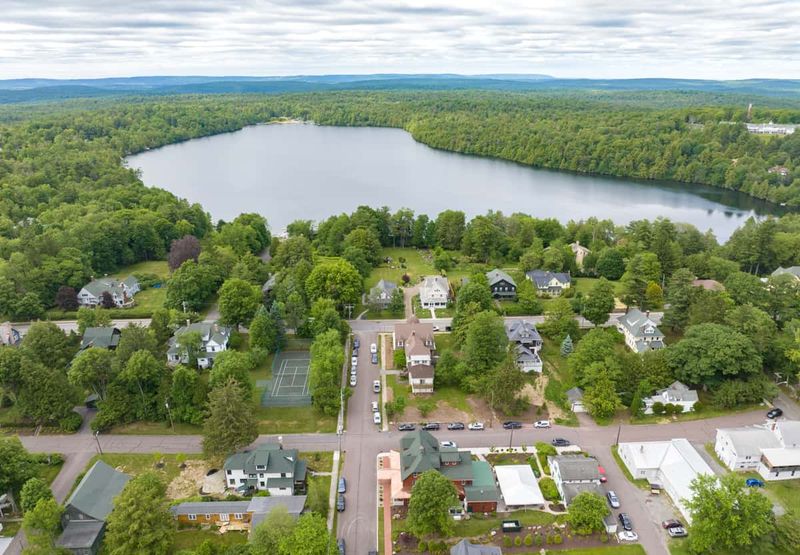
Quiet has a special appeal beside the lake at Eagles Mere.
Tucked into Pennsylvania’s Endless Mountains region, this small community has long been a place for summer rest.
Historic cottages, leafy roads, and a slower pace make it feel different from a busy resort town.
Come prepared to enjoy the setting rather than chase a long checklist.
A walk through the village is a good first activity.
Notice the older homes and the trees that give the streets so much shade.
The lake is central to local life, but access and activities may be limited to certain areas or users.
Check current rules before planning to swim, launch a boat, or use a beach.
Nearby Eagles Mere Museum can add a bit of local history to your visit when it is open.
Hours may be seasonal, so confirm them before making the trip.
If you would rather stay outside, look for public walking opportunities in the surrounding region.
Pack a simple picnic and carry out every wrapper when you leave.
This is a strong choice for readers who want a break from noise.
Bring a book, take a gentle stroll, or sit and watch the light change over the water from a place where visitors are welcome.
Cell service and business hours can vary in rural areas, making downloaded directions and a basic plan useful.
Summer brings the classic lake-town mood, while autumn turns nearby wooded hills into a colorful backdrop.
Winter visits can feel peaceful, but snow and ice require more care on roads and paths.
Check the forecast before driving, and do not count on every seasonal business being open.
If you are staying overnight, reserve early for popular summer dates; the village is small and space can be limited.
Eagles Mere rewards a patient traveler.
Its charm is not one huge attraction but the chance to notice small things, from porch details to the sound of leaves along a quiet lane.
4. Ligonier
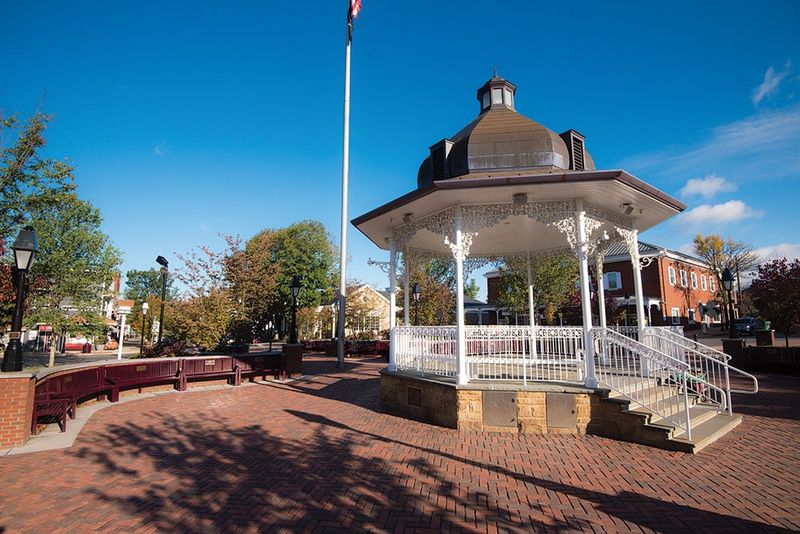
History is easy to spot around Ligonier’s welcoming town square.
Set in the Laurel Highlands, the borough pairs small shops and places to eat with access to wooded hills.
It is a comfortable base for travelers who want a little learning with their outdoor time.
You can see plenty without spending the whole day in a car.
Fort Ligonier is the town’s standout history stop.
The museum and reconstructed fort tell the story of the area’s role during the French and Indian War.
Check admission details and opening days before visiting, especially outside the main travel season.
Younger visitors may enjoy seeing the fort’s buildings and imagining how different daily life once was.
Afterward, walk around the square and browse at your own speed.
A snack break works nicely between the fort and a scenic drive.
If you visit during a festival or holiday event, expect busier sidewalks and harder-to-find parking.
Arriving early can help you enjoy the lively mood without feeling rushed.
Nature is never far away here.
Linn Run State Park, a short drive from town, has forest scenery and places for a picnic or walk.
Choose a trail based on current conditions rather than distance alone; wet leaves and uneven ground can make a short route harder than it looks.
Carry water even on a cool day.
Families can also consider nearby attractions, but checking schedules first will save disappointment.
Ligonier works especially well as a two-day trip: spend one day on town history and another among the Laurel Highlands hills.
Fall is lovely, though changing leaves bring extra visitors.
In winter, nearby roads may be snowy, so watch the forecast and allow more travel time.
For an easy visit, park once when exploring the center and leave room in your plans for an unexpected stop.
The town feels best when you are not hurrying past its storefronts, old buildings, and friendly public spaces.
5. Milford
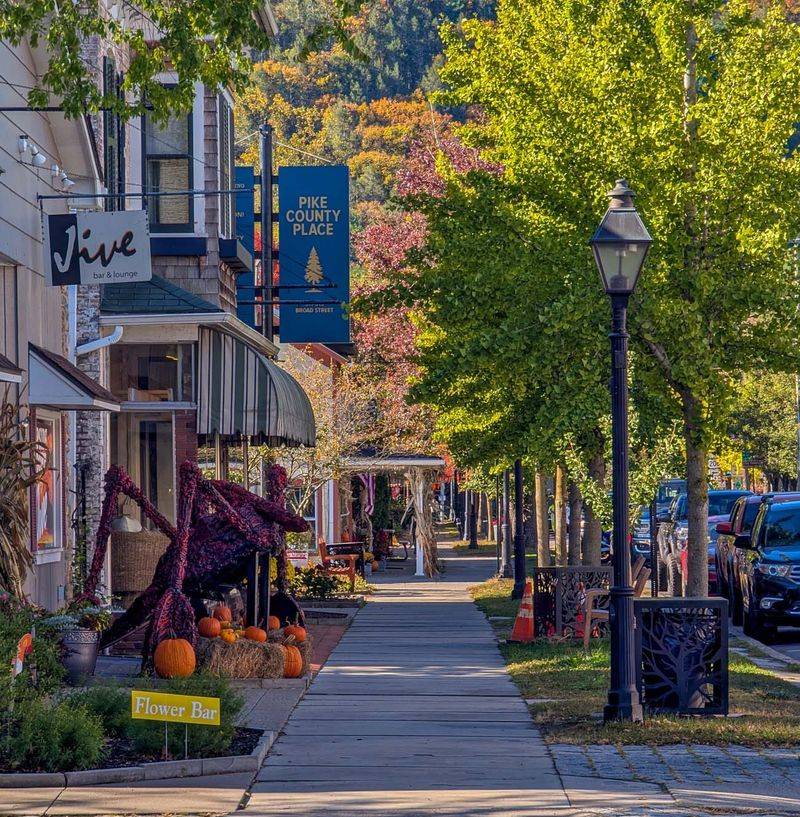
A grand old building can catch your eye before the forest does in Milford.
The town sits near the northern end of the Delaware Water Gap National Recreation Area, giving visitors a mix of history and outdoor choices.
Its walkable center is worth exploring on its own, especially if you enjoy architecture, bookshops, and an unhurried meal.
Grey Towers National Historic Site is closely tied to the family of Gifford Pinchot, a major figure in American conservation.
Check tour availability before you go, since access to buildings and grounds can change by season.
The site offers a useful reminder that protecting forests has been an important idea in Pennsylvania for a long time.
For waterfalls, many visitors head toward Raymondskill Falls or other nearby sites.
Trails and viewing areas can have steps, slippery spots, or closures, so read current park information before choosing one.
Stay on marked paths and behind barriers, even when a better picture seems only a few feet away.
Waterfall edges are not forgiving.
Back in town, leave time to look at the older houses and public spaces.
Milford can make a fine base for a weekend, but a day trip also works if you choose just a couple of stops.
Bring layers: a cool morning near the river may turn into a warm afternoon on sunny streets.
Summer offers long days for walking, while fall makes the surrounding trees especially striking.
Popular trails may be crowded on weekends, so consider starting early or visiting midweek.
If a trailhead lot is full, use another approved stop rather than parking along a narrow road.
That choice protects both visitors and local traffic.
Milford is at its best when you balance town time with nature time.
Enjoy a slow breakfast, pick one outdoor outing that matches your energy, and return for dinner.
You will get a fuller picture of the place than you would by trying to reach every overlook in a single afternoon.
6. Bellefonte
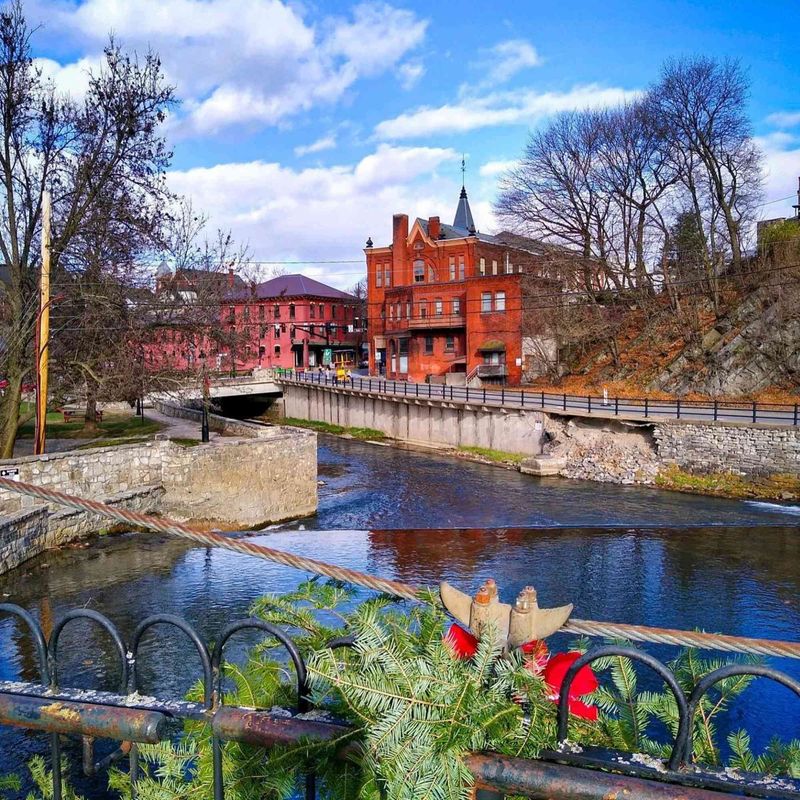
Victorian buildings give Bellefonte the look of a town with stories to tell.
Near the ridges of central Pennsylvania, it offers a pleasant mix of architecture, parks, and easy walks.
The name points to the area’s springs, and water still helps shape the feel of its public spaces.
It is a good stop when you want scenery without a difficult hike.
Start at Talleyrand Park, where paths, trees, and a stream make a gentle introduction to town.
It is an easy place to take a break, though you should still watch children near the water.
From there, explore downtown on foot and look up at the details on older buildings.
Comfortable shoes make wandering more enjoyable.
History fans can learn about Bellefonte’s past through local museums and historic sites when they are open.
Check hours ahead of time rather than assuming a small museum keeps a daily schedule.
You do not need a formal tour to appreciate the streets, but background information can make the old homes and public buildings more interesting.
For a wider outdoor trip, use town as a base for exploring central Pennsylvania’s valleys and forested ridges.
Choose a nearby park or trail that suits your group and check its rules before leaving.
A printed or saved map can be helpful where reception is weak.
Bring water and an extra layer if the weather looks changeable.
Bellefonte is especially appealing in spring, when green returns to the park, and in fall, when the hills gain color.
Weekday visits may feel quieter than weekends tied to events in the region.
If you plan to eat downtown, look at current hours and consider a reservation for a busy evening.
Leave space in your day to simply sit by the stream.
Not every mountain-town visit needs a steep climb or a packed plan.
Here, the reward can be noticing how old architecture, flowing water, and nearby hills fit together.
7. Jim Thorpe
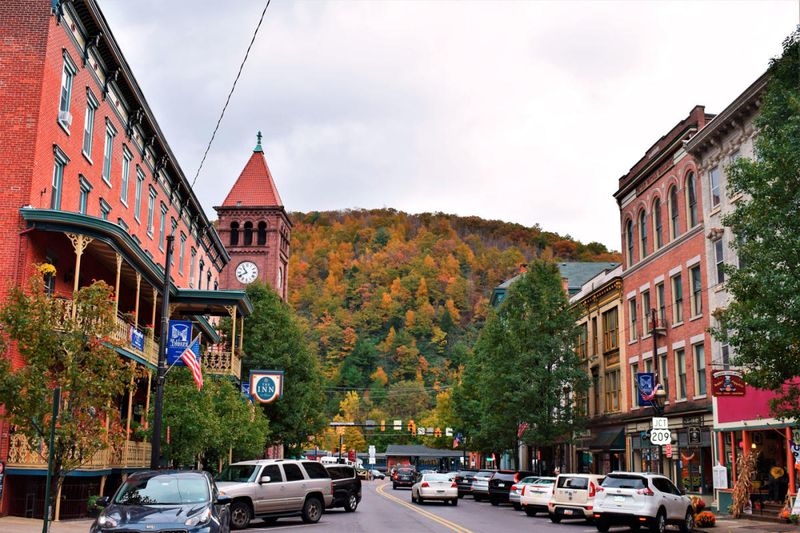
Steep streets and bright old buildings make Jim Thorpe feel almost like a storybook setting.
Mountains rise close to town, while the Lehigh River runs nearby.
Its history, shops, and outdoor activities can easily fill a weekend.
The key is to pick a few favorites rather than trying to fit every attraction into one afternoon.
Walk the historic center first and take in the mix of building styles.
Sidewalks and streets can be steep, so wear supportive shoes and give yourself time.
The town draws large crowds during fall foliage season.
On a busy weekend, check parking options and any visitor transportation before you set out.
The Lehigh Gorge State Park area offers a way to trade busy streets for river and forest views.
Sections of the Lehigh Gorge Trail are popular for biking and walking.
Plan your route, know how far you will travel, and remember that a return trip takes time too.
Bike rentals and shuttle services may need advance booking.
If you prefer a seated outing, look into local train rides and confirm schedules directly with the operator.
Tours of historic buildings are another option, though hours and tickets vary.
A rainy day does not have to ruin your visit when you have a museum, shop, or cafe in mind as a backup.
Try arriving early enough to enjoy town before the busiest part of the day.
Carry water for walking, and be patient on narrow streets shared by visitors and residents.
Autumn is famous here, but spring and summer offer green hills and longer daylight for outdoor plans.
Winter can be pretty, with fewer visitors, though ice makes hills harder to manage.
Jim Thorpe works for many kinds of travelers because its appeal is layered.
You can come for railroad history, river scenery, or the simple pleasure of looking up at a hillside street.
Give yourself time to notice all three, and the town becomes more than a quick photo stop.
8. Stroudsburg
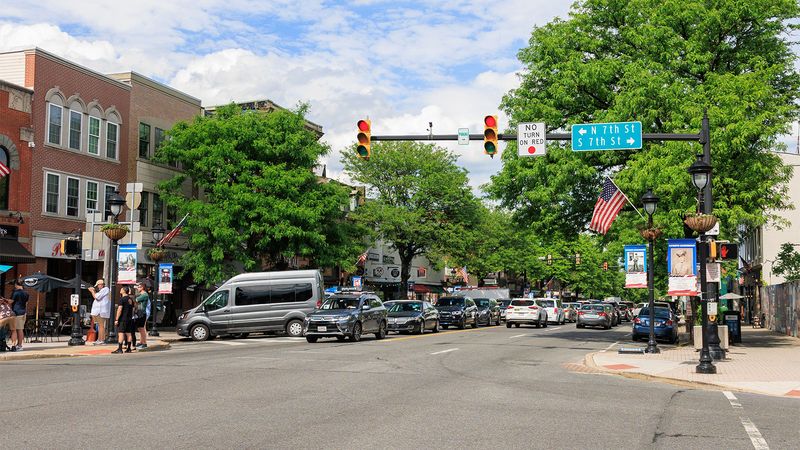
Music, murals, and a walkable downtown give Stroudsburg a lively side.
Set in the Pocono Mountains region, it works well for visitors who want restaurants and shops along with outdoor time.
You can enjoy the town center without a fixed plan, then use it as a starting point for a longer day in the surrounding hills.
Begin with a walk along Main Street and its nearby blocks.
Look for local art and historic buildings as you browse.
Check event calendars if you like live performances, but also check parking rules; they can differ from one street or lot to another.
A relaxed visit is much easier when you know where you can leave the car.
The Delaware Water Gap National Recreation Area is within reach for many day trips from town.
Before choosing a hike, look at the official map and recent notices.
Trails range from easier walks to steep climbs, and a short distance on a map may still mean a tough outing.
Take enough water and avoid starting late.
If hiking is not for you, plan a scenic drive or visit a suitable public river access area.
Follow posted signs, since riverbanks, roads, and parking areas do not all allow the same activities.
Water levels and weather deserve attention if you plan to paddle.
An organized trip can help first-time visitors understand the route and safety needs.
Stroudsburg is useful as a base because you can return to town for dinner after a day outside.
It can also stand alone as an easy day trip focused on food, art, and strolling.
Fall weekends can be especially busy in the Poconos, so reserve lodging early if you hope to stay over.
Rainy weather is less of a problem here than in a trail-only destination.
You can change plans and spend more time downtown.
That flexibility makes the town a friendly choice for groups whose members do not all want the same kind of mountain adventure.
9. Bedford
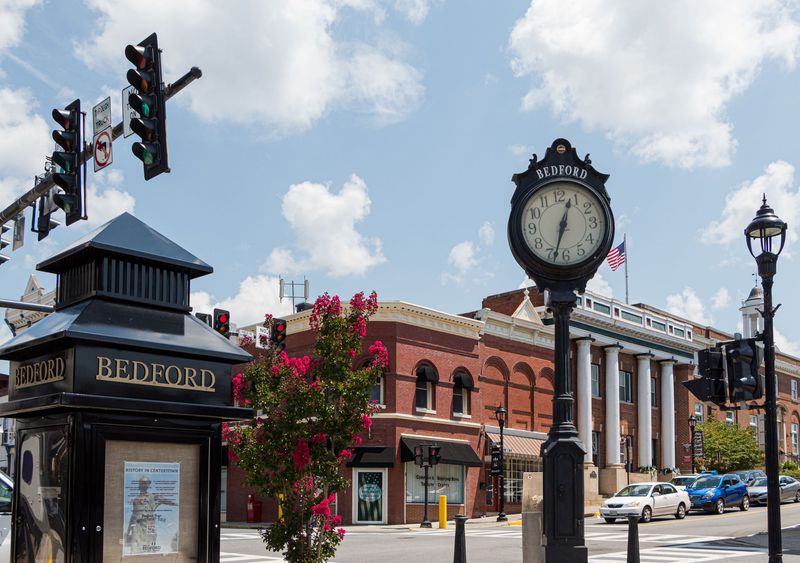
Old streets invite you to slow your pace in Bedford.
Set among the ridges of south-central Pennsylvania, the town makes a comfortable stop for history fans and road trippers.
Its downtown is compact enough for a casual walk, and nearby outdoor areas give you a reason to stay longer than a lunch break.
Take time to explore the town center and notice the older storefronts and houses.
Bedford’s history reaches back to colonial days, and local sites can help you understand its role in Pennsylvania’s past.
Confirm museum and tour hours before you travel.
Smaller attractions may not open every day, especially during quieter seasons.
Bedford is also known for its longtime resort tradition.
You do not have to book a fancy stay to enjoy the area, though lodging can make a weekend feel restful.
Compare locations before reserving: a room near downtown favors walking, while a place farther out may put you closer to countryside views.
Plan for driving between some attractions.
For fresh air, consider a trip to nearby Shawnee State Park.
Its lake, picnic spots, and trails offer a simple change from town streets.
Look up current park information before swimming or boating, since activities depend on designated areas and conditions.
Even for a short walk, bring water and pay attention to the weather.
Fall is a fine time to pair Bedford’s historic streets with colorful hills.
Spring can be rewarding too, though rain may leave trails wet.
If you visit during a community event, allow extra time to park and explore.
On a quiet day, leave an hour with no plans at all; a slow walk may become your favorite part of the trip.
Bedford suits travelers who enjoy a mix of stories and scenery.
Spend a morning learning about the past, then head outside or settle into a local meal.
The pace is yours to set, which is exactly why a short stop can turn into a welcome weekend.
10. Wellsboro
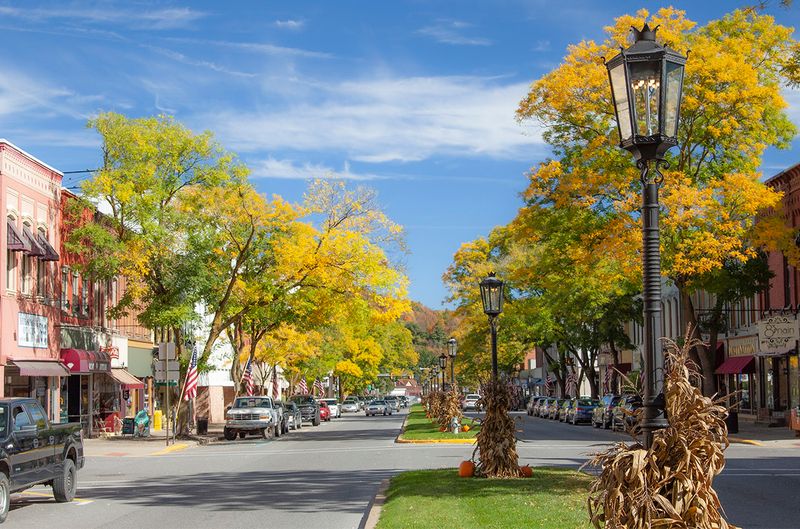
Gas-style streetlights give Wellsboro’s downtown an old-fashioned glow after sunset.
During the day, its shops and places to eat make a handy starting point for exploring the northern Pennsylvania hills.
Many travelers come because Pine Creek Gorge is nearby, but the town deserves some time of its own before you drive toward the overlooks.
Stroll the central streets and look for a good place to have breakfast or lunch.
Check business hours, since smaller towns may have different schedules on weekdays.
If you stay overnight, an evening walk lets you see the streetlights at their best.
Keep to sidewalks and use care at crossings, especially when traffic is busy.
Pine Creek Gorge is often called the Pennsylvania Grand Canyon.
Leonard Harrison and Colton Point state parks offer views from opposite sides of the gorge, though reaching both takes driving.
Choose one if your time is limited.
Check park updates for trail conditions, and stay behind overlook railings for a safe look at the valley below.
The Pine Creek Rail Trail is another way to enjoy the landscape.
Its former railroad route suits cycling and walking, but distances between access points can be long.
Decide on a turnaround point before starting, and bring water and a snack.
Bike rentals or shuttle options should be confirmed in advance rather than assumed.
Leaf season draws many visitors, so arrive early if you want easier parking at popular viewpoints.
Summer brings long days for trail time, while winter requires more caution on roads and paths.
Weather can feel different at an overlook than it does downtown, making an extra layer useful.
Wellsboro offers a satisfying balance: spend a few hours above the gorge, then return to a town where you can rest your feet and talk about the view.
Build in that pause.
The scenery is memorable, but so is having enough time to enjoy it without watching the clock.
11. Coudersport
Dark skies are a good reason to stay up late near Coudersport.
This Potter County town sits in a quiet part of northern Pennsylvania, where forested hills and rural roads set a slower pace.
It makes a useful base for visiting nearby Cherry Springs State Park, a well-known place for viewing stars when the sky is clear.
Spend daylight hours getting familiar with town and gathering what you need for the evening.
Food, fuel, and warm clothing are easier to sort out before dark.
Then check Cherry Springs park rules and viewing guidance before driving out.
Different areas can have different uses, and protecting night vision matters to other visitors.
For stargazing, pick a date with a promising forecast and, if possible, a darker phase of the moon.
Clouds can hide the sky even after a long drive, so keep your plans flexible.
Bring a flashlight with a red setting, a blanket, and more layers than you think you need.
Nights can feel cold even after a pleasant day.
There is plenty to enjoy if stars are not on the schedule.
Nearby state forests and parks offer opportunities for scenic drives, walks, and wildlife watching.
Use official maps and follow posted access rules; remote roads can be confusing, and phone service may be limited.
Tell someone where you plan to go if you head into a less traveled area.
Coudersport feels different from a town built around constant crowds.
Its appeal lies in making room for quiet, both under tall trees and under the night sky.
Reserve lodging ahead of a major sky event, and remember that late-night driving calls for extra care around wildlife.
If the forecast changes, enjoy a restful evening and try again the next night.
A trip here asks for patience, but that is part of the reward.
When clouds clear and the stars appear, the extra planning can feel well worth it.
Share this story