Texas has more to offer than sprawling cities and endless highways. Tucked between the mesquite and limestone hills are small towns with historic downtowns that feel like stepping into another era. These charming squares and main streets showcase the heart of Texas culture, from German beer gardens to old stagecoach stops, each with its own personality worth discovering.
1. Marfa: High Desert Meets Minimalist Art
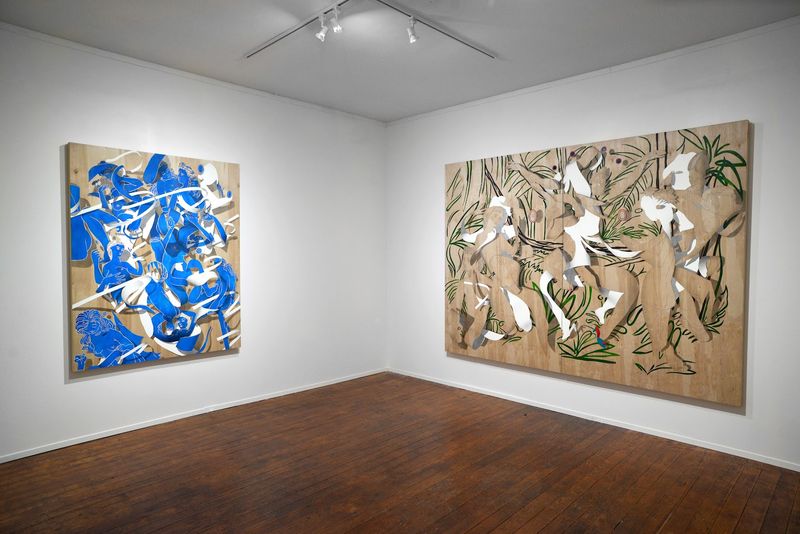
Out in the middle of nowhere, where the Chihuahuan Desert stretches endlessly toward distant mountains, Marfa has become one of the most unlikely art destinations in America. What started as a dusty railroad town transformed in the 1970s when minimalist artist Donald Judd moved here and began converting old military buildings into art installations. Today, galleries and boutiques occupy vintage storefronts along Highland Avenue, creating a surreal mix of cowboy culture and contemporary art.
Walking through downtown feels like exploring a carefully curated outdoor museum. The buildings themselves tell stories—adobe structures with thick walls that kept settlers cool in scorching summers, now housing cutting-edge galleries and coffee shops. You’ll find locals in cowboy hats sipping espresso next to art collectors who flew in from New York.
That contrast defines Marfa’s charm.
The town square centers around the stunning Presidio County Courthouse, a beautiful example of Second Empire architecture that looks transported from Paris. Surrounding streets feature everything from vintage clothing stores to bookshops specializing in art and architecture. The famous Marfa lights viewing area sits just outside town, where mysterious orbs of light dance on the horizon after dark.
Food Shark, a Mediterranean food truck that’s become a local institution, serves lunch near the railroad tracks. Nearby, the historic Hotel Paisano stands where James Dean stayed during the filming of Giant. Browse handmade leather goods at Cobra Rock Boot Company, or explore Ballroom Marfa’s experimental exhibitions.
Despite its remote location 200 miles from the nearest city, Marfa’s downtown pulses with creative energy that draws visitors from around the world seeking something genuinely different.
2. Granbury: Victorian Elegance Around the Square
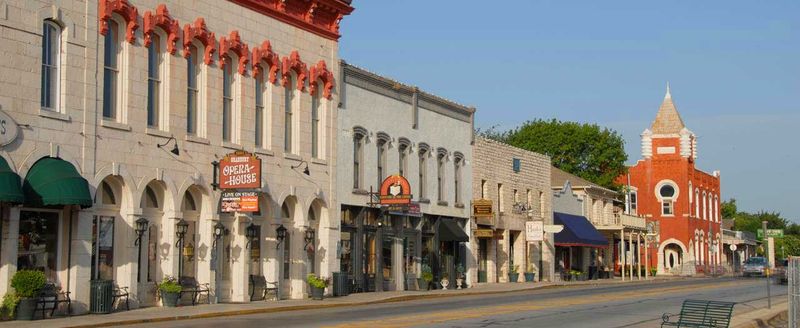
Granbury’s town square looks like it was designed for a movie set, but this Victorian gem is the real deal. The entire downtown district earned a spot on the National Register of Historic Places, and one walk around the square explains why. Three-story limestone buildings with ornate ironwork face a central plaza anchored by the stunning Hood County Courthouse, complete with clock tower and Second Empire styling that makes you forget you’re in Texas.
Shops occupy original 1880s storefronts with pressed tin ceilings and wooden floors that creak with history. You can browse antique stores filled with genuine treasures, not reproduction junk. Local boutiques sell everything from handmade jewelry to home décor, while candy shops offer old-fashioned sweets in glass jars.
The square stays busy year-round with locals and weekenders from Dallas-Fort Worth exploring the carefully preserved buildings.
Granbury Opera House, built in 1886, still hosts live performances in an intimate setting with velvet seats and original stage rigging. Next door, the Nutt House Hotel dates back to the same era and now houses a restaurant serving comfort food in rooms where travelers once slept after long stagecoach journeys. The whole square maintains its 19th-century character without feeling like a theme park.
Lake Granbury sits just blocks away, adding waterfront appeal to the Victorian architecture. Revolver Brewing occupies a historic building and pours craft beers in a space that once served different purposes. On summer evenings, the square fills with families enjoying ice cream from local shops.
Christmas transforms downtown into a wonderland of lights and decorations that highlight the architectural details. Granbury proves that preserving history creates something special that new construction simply cannot replicate.
3. Jefferson: A River Port Frozen in Time
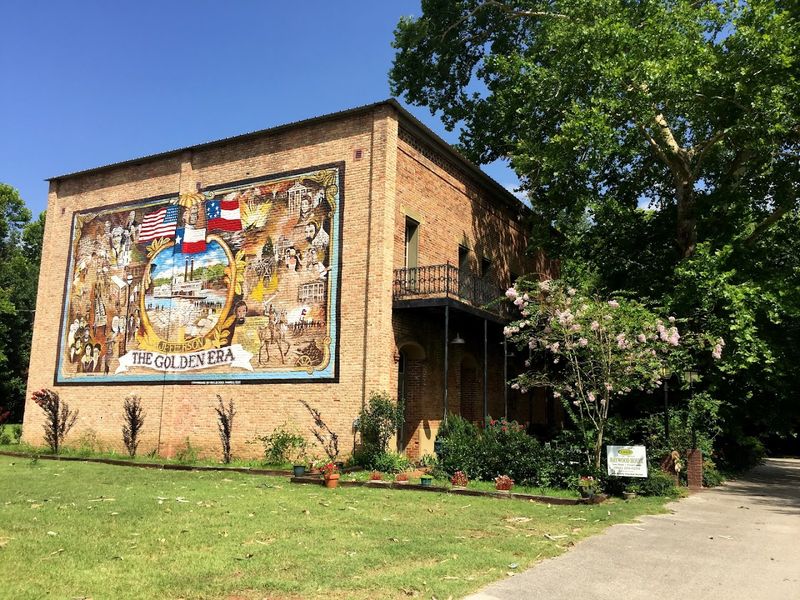
Before railroads changed everything, Jefferson thrived as Texas’s busiest inland port. Steamboats churned up the Big Cypress Bayou carrying cotton and supplies, creating wealth that built the grandest homes and commercial buildings in East Texas. When the riverboat era ended, Jefferson essentially stopped growing—which accidentally preserved one of the state’s most authentic 19th-century downtowns.
Walking these brick streets today feels like time travel without the special effects.
Austin Street forms the commercial heart, lined with two and three-story buildings constructed during Jefferson’s 1870s boom years. Original cast-iron storefronts remain intact, housing antique shops so packed with genuine period pieces you need hours to explore them properly. The old Jefferson Hotel still operates, offering rooms where guests reported ghostly encounters for decades.
Whether you believe those stories or not, the building’s Victorian details are undeniably impressive.
Historic homes surrounding downtown rival anything you’d find in Savannah or Charleston. The House of the Seasons features a different colored glass cupola for each season, visible from blocks away. Excelsior House Hotel has welcomed guests since 1858, including Presidents Grant and Hayes.
These aren’t museums—they’re working establishments that happen to be incredibly old.
Aladdin’s General Store occupies a building from 1868 and sells everything from cast-iron cookware to vintage toys. Next door, Jefferson General Store offers old-fashioned sodas and candy. The Marion County Courthouse anchors the town square with Greek Revival columns and a history reaching back to 1914.
Mardi Gras festivals and candlelight tours draw crowds, but Jefferson rewards quiet exploration too. The slower you walk these streets, the more details emerge—date stones, original signage, architectural flourishes that reveal the town’s prosperous past.
4. Bastrop: Pineywoods Charm Along the Colorado River
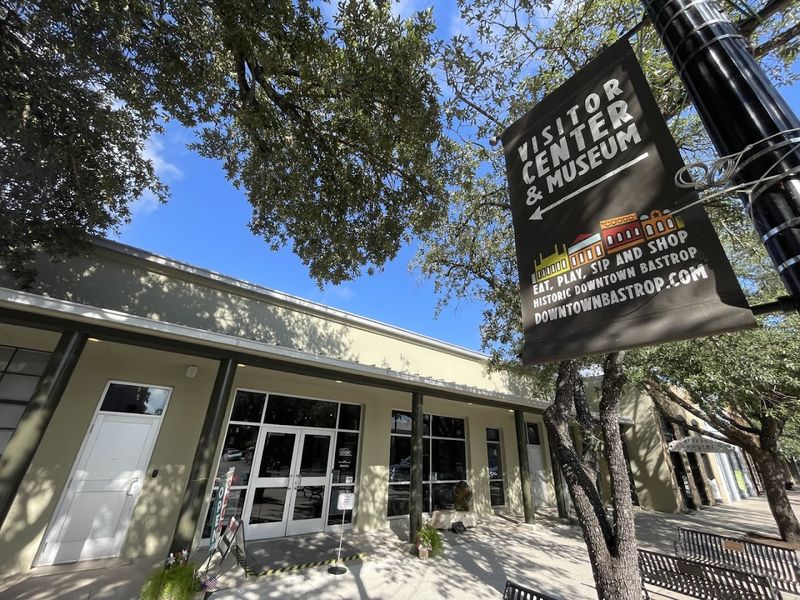
Something feels different about Bastrop the moment you arrive. Instead of the typical Central Texas landscape of limestone and scrub, tall loblolly pines create a canopy over downtown streets that feels more like East Texas or even parts of the Deep South. The Colorado River flows right through town, adding water views to the mix of historic buildings and natural beauty.
This combination makes Bastrop stand out among Hill Country destinations.
Main Street runs through the heart of downtown, where buildings from the 1800s house galleries, restaurants, and shops that cater to both locals and the steady stream of visitors from Austin, just 30 miles away. The old Bastrop Opera House, built in 1889, anchors one end of the street with its distinctive architecture. Nearby, vintage storefronts have been carefully restored while maintaining their original character—no generic renovations here.
What makes Bastrop special is how the town balances preservation with livability. Yes, there are antique stores and gift shops, but you’ll also find a thriving farmers market, locally-owned coffee roasters, and restaurants serving everything from Texas barbecue to creative farm-to-table cuisine. Neighbors stop to chat on sidewalks, and families gather in Fisherman’s Park along the river.
It functions as a real community, not just a weekend destination.
The Lost Pines region surrounding Bastrop offers outdoor recreation that complements downtown exploration. After hiking or mountain biking, downtown provides the perfect place to relax. Browse Neighbor’s Kitchen for kitchen goods and specialty foods, or explore the ever-changing inventory at one of several antique malls.
The 1889 building housing Maxine’s Cafe serves breakfast and lunch in a space that’s hosted diners for generations. Bastrop proves that small-town Texas downtowns can feel both historic and genuinely alive.
5. Fredericksburg: German Heritage Along Historic Main Street
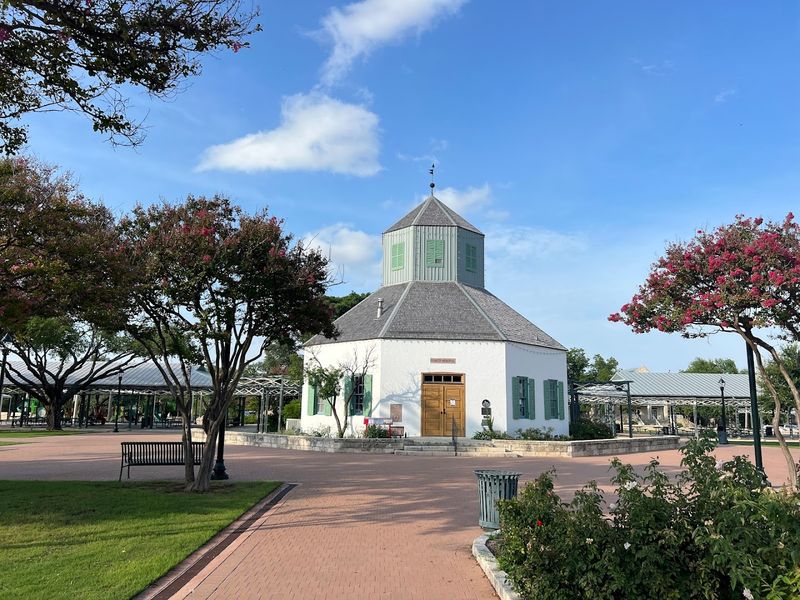
German immigrants founded Fredericksburg in 1846, and their influence still dominates every aspect of this Hill Country town. Main Street stretches for blocks, lined with buildings that blend German architectural traditions with Texas limestone construction. The result is a downtown unlike anywhere else in the state—part Bavarian village, part frontier town, entirely Texan in its own unique way.
On weekends, the sidewalks buzz with visitors exploring the endless shops, restaurants, and tasting rooms.
The shopping scene here is legendary. You could spend days browsing stores selling everything from European imports to Texas-made goods. Antique stores occupy old buildings with original wooden floors and tin ceilings.
Specialty food shops offer German sausages, imported chocolates, and local peach preserves. Home décor boutiques showcase Hill Country style—a mix of rustic ranch elements and European refinement that defines the region’s aesthetic.
Wine tasting has become a major draw, with tasting rooms dotting Main Street representing vineyards throughout the Texas Hill Country. You can sample locally produced wines without driving to individual vineyards, making downtown Fredericksburg a convenient base for exploring the region’s growing wine industry. German beer gardens and restaurants serve schnitzel and bratwurst alongside Texas barbecue, creating fusion menus that honor both traditions.
The National Museum of the Pacific War, honoring Admiral Chester Nimitz who grew up here, adds historical depth beyond the shopping and dining. Pioneer Museum Complex preserves original buildings from the town’s earliest days. But most visitors come for the Main Street experience—wandering in and out of shops, stopping for coffee or wine, soaking up the distinctive atmosphere.
Christmas transforms downtown into a winter wonderland with German-inspired decorations and markets. Any time of year, Fredericksburg’s downtown delivers Hill Country charm with a European accent.
6. Alpine: A Mountain Town Gateway to Big Bend
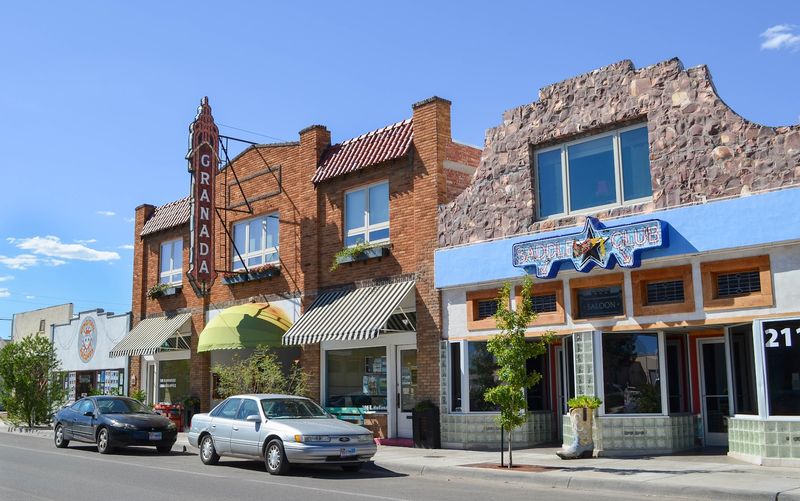
Alpine sits at 4,500 feet elevation where the Chihuahuan Desert meets the Davis Mountains, creating a high desert climate that’s notably cooler than most of Texas. This geographic advantage made it a natural railroad hub and ranching center, roles that built the substantial downtown that exists today. Brick buildings from the early 1900s line Holland Avenue, the main commercial street, creating an authentic Western town atmosphere without the touristy overlay found in some historic districts.
Sul Ross State University adds youthful energy to what might otherwise be a quiet ranching town. Students fill coffee shops and restaurants, supporting a downtown scene that’s more vibrant than Alpine’s population of 6,000 would suggest. The Museum of the Big Bend, located on campus, showcases regional history and culture through exhibits covering everything from indigenous peoples to ranching heritage.
It’s worth visiting before exploring Big Bend National Park, 80 miles south.
Holland Avenue’s historic buildings house an interesting mix of businesses. Kiowa Gallery sells authentic Native American art and jewelry in a beautifully restored space. Jackson’s Ranch Supply serves working ranchers alongside visitors looking for genuine Western wear—no costume shop here.
Antique stores and gift shops occupy storefronts that have served the community for over a century, their pressed tin ceilings and original fixtures intact.
Railroad Blues serves burgers and live music in a casual atmosphere popular with locals and travelers alike. Reata, known for upscale cowboy cuisine, offers refined dining in a historic building. Century Bar & Grill occupies a 1900s-era space with original details preserved throughout.
The historic Holland Hotel, built in 1912, recently reopened after extensive restoration, bringing period luxury back to downtown. Alpine works as a gateway to Big Bend’s wilderness, but the town itself deserves more than a quick supply stop—its downtown reveals authentic West Texas character shaped by mountains, railroads, and ranching heritage.
7. Gruene: Where German Heritage Meets Texas Spirit
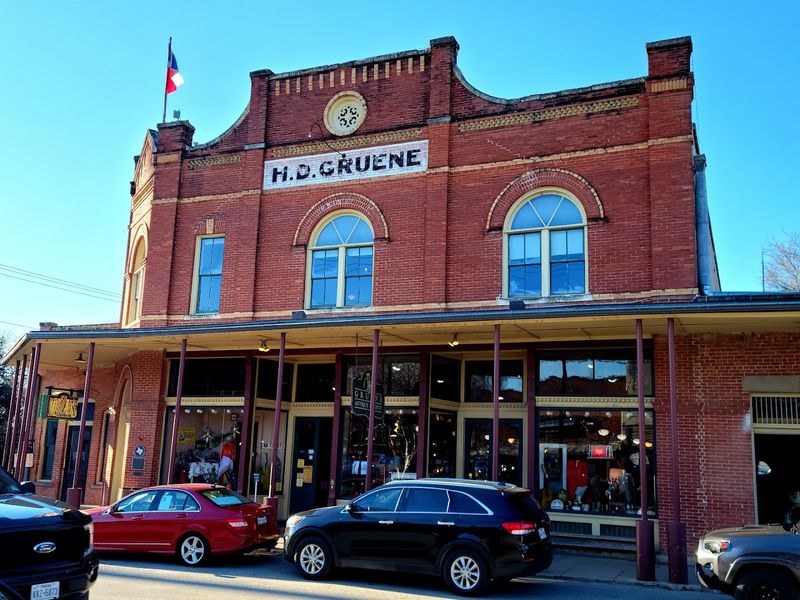
Founded in the 1870s by German immigrants, Gruene grew into a thriving farming community along the Guadalupe River. When the cotton economy collapsed during the Depression, the town essentially died—but the buildings remained standing. Decades later, preservationists recognized what had been accidentally saved: a nearly intact 19th-century German-Texan village.
Today, Gruene (pronounced “Green”) thrives as one of Texas’s most charming historic districts, technically part of New Braunfels but maintaining its own distinct identity.
Gruene Hall dominates the town’s reputation and its downtown. Built in 1878, it claims the title of Texas’s oldest continually operating dance hall. The building hasn’t changed much—same wooden floors, same tin ceiling, same simple stage where legendary musicians have performed for generations.
George Strait, Willie Nelson, and countless others played here before hitting the big time. On any given weekend, you can two-step to live music in a space that’s hosted dancers for nearly 150 years.
The Grist Mill Restaurant occupies the ruins of a cotton gin perched above the Guadalupe River, offering outdoor dining with water views and a menu focused on Texas comfort food. Gruene General Store, built in 1878, still sells goods from wooden shelves and display cases that date back to its founding. The building’s creaky floors and vintage fixtures create an atmosphere that feels genuinely old, not manufactured for tourists.
Antique shops and specialty stores fill other historic buildings along the compact downtown area. You can explore everything in an hour or spend a full day browsing, eating, and soaking up the riverside atmosphere. River tubing outfitters operate nearby, making Gruene a natural stop before or after floating the Guadalupe.
The combination of authentic historic buildings, live music heritage, and natural beauty creates something special—a town that died and came back to life without losing its soul in the process.
8. Georgetown: A Picture-Perfect Victorian Town Square
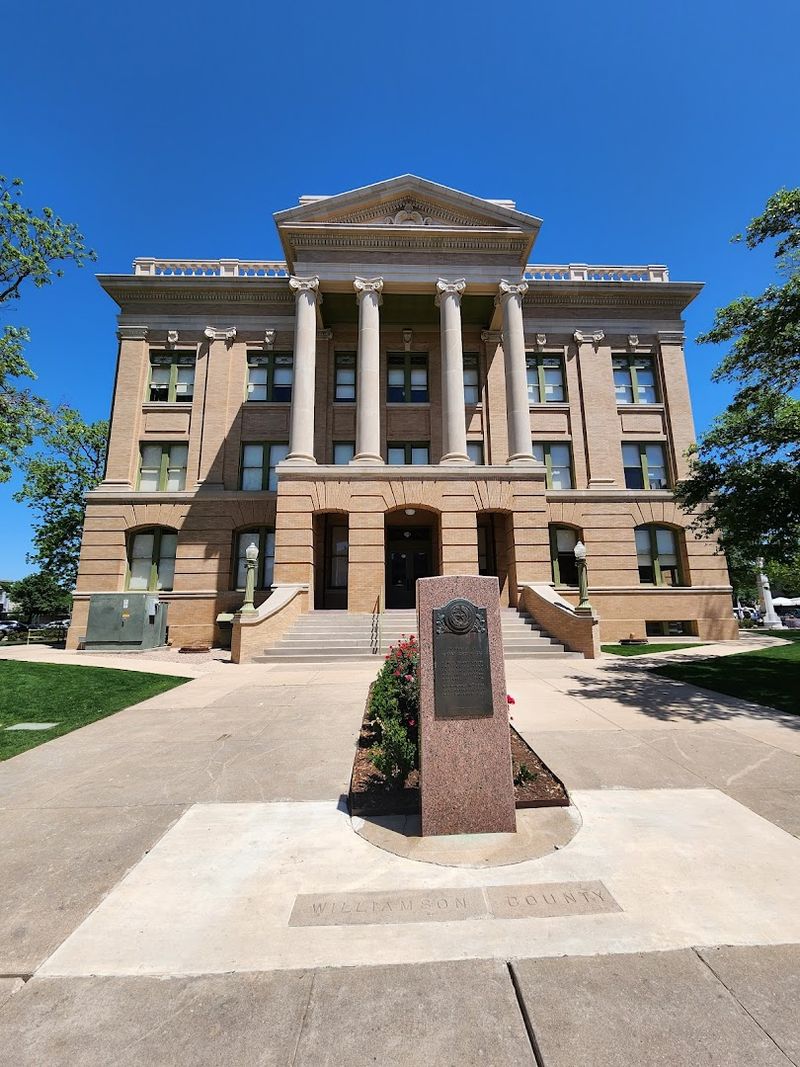
Few places embody the ideal Texas county seat quite like Georgetown’s town square. The Williamson County Courthouse, built in 1911, anchors the square with its distinctive clock tower and Renaissance Revival architecture. Surrounding streets feature impeccably maintained Victorian-era buildings housing shops, restaurants, and offices that serve both residents and visitors.
The whole district earned National Historic Landmark status, recognizing its architectural significance and exceptional preservation.
Unlike some historic downtowns that feel frozen in time, Georgetown buzzes with activity. Southwestern University, Texas’s oldest institution of higher learning, sits just blocks away and contributes a steady stream of students and cultural events. Locals actually shop and dine downtown rather than just tourists, creating an authentic community atmosphere that makes exploring more enjoyable.
You’re witnessing real life, not a staged historical recreation.
The shopping mix leans toward boutiques and specialty stores rather than chains. Wildflower offers women’s clothing and accessories in a beautifully restored building. Georgetown Art Center showcases work by regional artists in rotating exhibitions.
The Georgetown Palace Theatre, built in 1925, hosts live performances year-round in an ornate space that’s been entertaining audiences for nearly a century. Antique stores offer genuine finds rather than overpriced reproductions.
Monument Cafe serves elevated comfort food that’s earned a following far beyond Georgetown—expect a wait during peak hours. Dos Salsas offers Tex-Mex in a historic building with a patio overlooking the square. El Monumento, in a beautifully restored bank building, combines upscale Mexican cuisine with craft cocktails.
San Gabriel River flows through town, adding trails and parks to complement the downtown experience. Market Days, held monthly, transform the square into an outdoor marketplace featuring local vendors and artisans. Georgetown proves that growth and preservation can coexist—the town has expanded rapidly while keeping its historic heart intact and thriving.
9. Wimberley: Hill Country Charm by the Creek
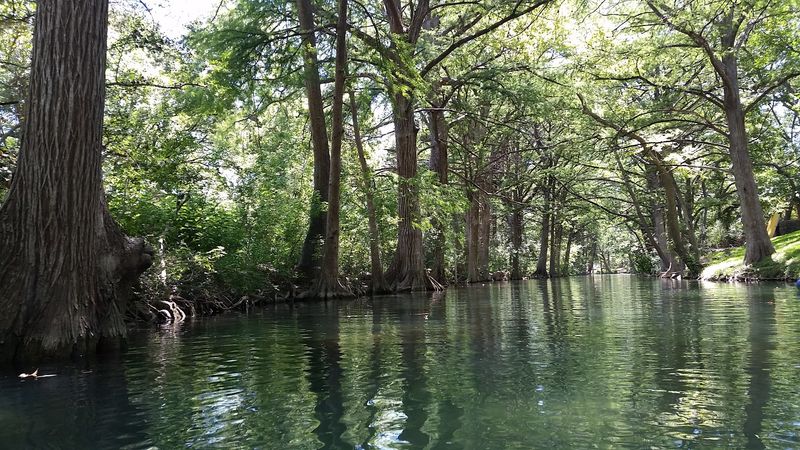
Cypress Creek runs right through Wimberley, and the town has built its identity around that water. Massive bald cypress trees, some hundreds of years old, line the creek banks and shade parts of downtown. The combination of flowing water, ancient trees, and rolling Hill Country landscape creates a setting that artists and craftspeople have flocked to for decades.
Today, Wimberley’s compact downtown reflects that creative influence through galleries, studios, and shops selling handmade goods.
The town square, anchored by the historic Wimberley Hotel and Old Baldy—a landmark cypress tree—serves as the social center. Market Days, held the first Saturday of each month from March through December, transform the square and surrounding areas into a massive outdoor market featuring hundreds of vendors. Shoppers arrive early for the best selection of handmade crafts, antiques, food, and just about everything else imaginable.
It’s become a regional tradition that draws crowds from across Central Texas.
Even without Market Days, downtown offers plenty to explore. Wimberley Glass Works demonstrates glassblowing and sells beautiful pieces created on-site. Rancho Deluxe features Western home décor and furniture with a distinctly Hill Country aesthetic.
Multiple galleries showcase paintings, sculpture, and photography by local and regional artists. The creative community here is genuine—these are working artists, not gift shops selling mass-produced souvenirs.
Blue Hole Regional Park, just outside downtown, offers swimming in spring-fed pools surrounded by cypress trees—a beloved local tradition. Cypress Creek flows through town, creating photo opportunities at every turn. Old 300 BBQ smokes meats in a casual setting popular with locals.
Leaning Pear serves farm-to-table cuisine in a charming cottage. Wimberley maintains a relaxed, artistic vibe that sets it apart from more commercialized Hill Country destinations. The town stays small and keeps its focus on creativity, natural beauty, and genuine community character rather than chasing tourist dollars with generic attractions.
10. Salado: A Stagecoach Stop Turned Artist Village
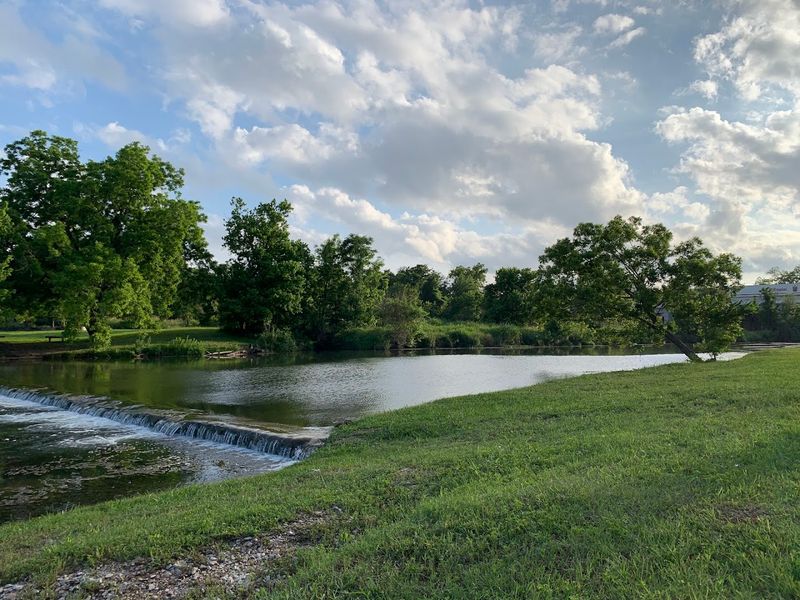
This spot became a natural stop along the old Chisholm Trail thanks to the water from Salado Creek. The Stagecoach Inn, built in 1861, served travelers making the long journey between central and north Texas. That history of hospitality continues today, though the guests now arrive by car rather than stagecoach, and they’re visiting galleries and shops instead of just resting their horses.
Salado has evolved into an artist community that’s kept its 19th-century character intact while adding creative energy to historic buildings.
Main Street and Royal Street form the commercial core, lined with limestone and wooden structures from the 1800s. Many house galleries showcasing work by local artists—paintings, sculpture, pottery, jewelry, and more. This isn’t tourist art; it’s serious work by skilled craftspeople who’ve chosen Salado as their home base.
You’ll find pieces ranging from traditional Western themes to contemporary abstracts, all displayed in spaces with genuine historical character.
Tablerock Amphitheater, carved into a natural hillside, hosts outdoor theatrical productions that have become a Salado tradition. The setting itself is worth seeing even without a performance. Salado College Park and the Salado Creek Greenway offer nature trails that wind through the village, connecting historic sites and natural areas.
Ancient oak trees provide shade over walking paths that reveal why early travelers chose to stop here.
The Inn at Salado occupies several historic buildings and maintains the town’s hospitality tradition in updated form. Alexander’s Distillery produces craft spirits in small batches and offers tastings in a historic building. Salado Antique Mall fills a large space with booths selling everything from furniture to vintage jewelry.
The Range at Barton House serves upscale Texas cuisine in an 1866 structure. Salado proves that artist communities can develop organically in historic settings without feeling contrived—the creativity here feels authentic because it is, grown from genuine appreciation for craft, history, and the natural beauty of this creek-side village.
11. Luckenbach: A Tiny Town with Legendary Texas Spirit
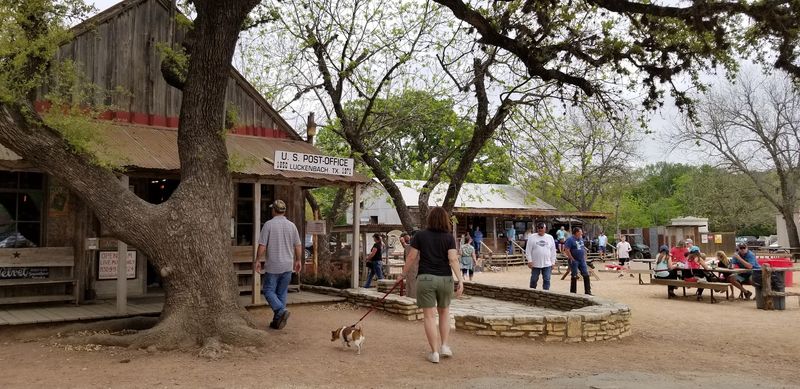
Luckenbach barely qualifies as a town—the population hovers around 25, and the entire place consists of a general store, a dance hall, and a few outbuildings under massive oak trees. But this tiny community achieved legendary status when Waylon Jennings and Willie Nelson released the song “Luckenbach, Texas” in 1977, turning an obscure German settlement into a symbol of simple living and authentic Texas culture. Today, visitors arrive daily to experience the place that inspired the song and to see if the reality matches the legend.
The general store and post office, built in the 1850s, serves as Luckenbach’s heart. Inside, every surface is covered with business cards, photos, bumper stickers, and memorabilia left by visitors over the decades. You can buy cold beer, snacks, and souvenirs while soaking up an atmosphere that’s accumulated layers of character over 170 years.
The wooden floors creak, the ceiling sags slightly, and everything feels authentically worn rather than artificially aged.
Live music happens under the oak trees most weekends, sometimes featuring well-known artists who play for the love of it rather than big paychecks. The dance hall hosts shows year-round, maintaining the Texas tradition of music in unpretentious settings. Waylon, Willie, and other legends have performed here over the years, drawn by the town’s genuine spirit.
Amateur musicians often gather for picking sessions, creating spontaneous performances that capture Luckenbach’s essence better than any scheduled event.
There’s not much else to do here, and that’s exactly the point. Luckenbach represents an antidote to modern complexity—a place where you can sit under an oak tree, drink a cold beer, listen to music, and forget about everything else for a while. The town hosts occasional festivals and events, but most visits involve simply hanging out and embracing the slow pace.
It’s a strange phenomenon: a nearly abandoned settlement that became a cultural landmark by representing values many Texans hold dear—simplicity, authenticity, good music, and cold beer under shade trees.
Share this story