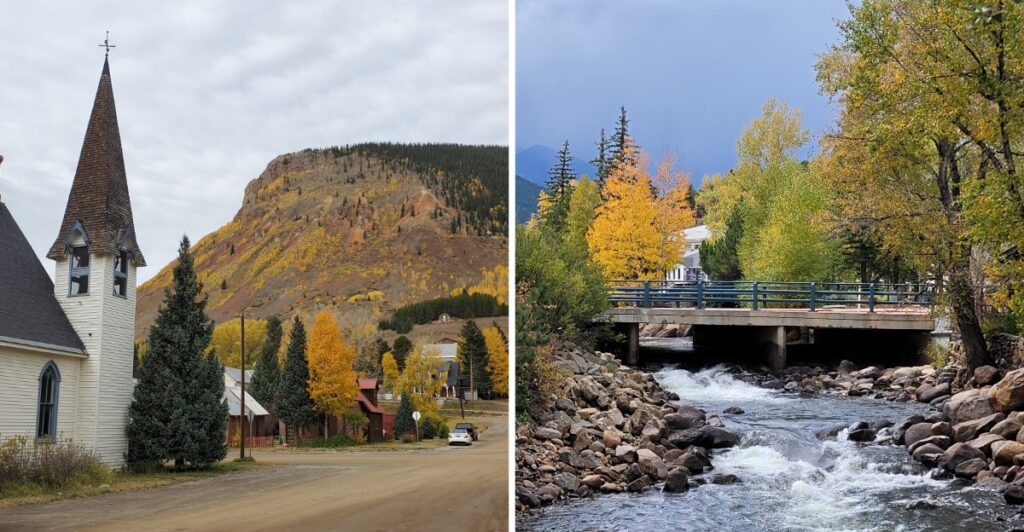
Fall does not quietly arrive in Colorado—it sweeps across the mountains in waves of brilliant gold. Aspen-covered hillsides glow above small towns, crisp mornings settle into the valleys, and familiar highways become scenic drives worth slowing down for. In some communities, the transformation is so dramatic that returning in September can feel like discovering an entirely different destination.
Timing matters, though, because Colorado’s peak colors can blaze brightly and disappear within just a few weeks. From high-country escapes to towns surrounded by spectacular foliage, these 11 Colorado destinations show exactly why autumn road trips here are worth planning around the leaves.
1. Aspen
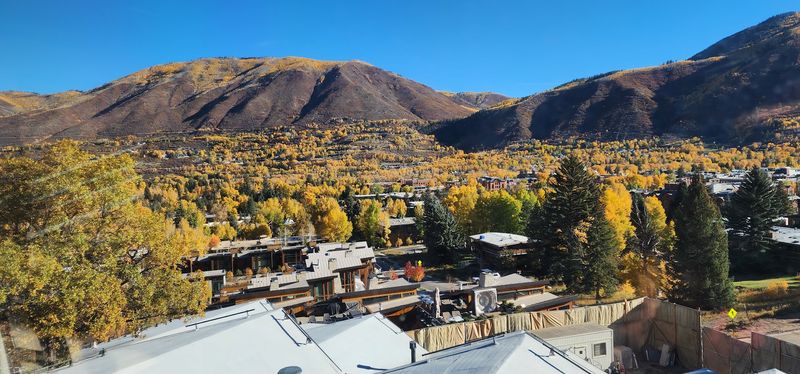
A town named after a tree had better deliver when that tree shows off. Aspen does. Each fall, the slopes around this famous mountain town flip from deep green to a gold so bright it almost glows on cloudy days.
The star of the season sits about ten miles outside town. Maroon Bells, two striped peaks rising above Maroon Lake, ranks among the most photographed mountain views in Colorado. In autumn, the lake reflects the summits along with stands of yellow aspens, and the result looks almost too tidy to be real.
Here comes the one tip worth knowing. Access to the Maroon Bells area is managed during busy months, and visitors often need a shuttle ticket or a parking reservation booked ahead. Checking the current rules before leaving the hotel can save a frustrating turnaround at the gate.
Back in town, the change is quieter but still easy to spot. Trees along the streets and the Roaring Fork River add pops of color between shops and restaurants. Chilly mornings bring frost to car windows, while afternoons often warm up enough for a light jacket and a long walk.
Fall also brings a nice shift in pace. Summer festival crowds thin out, and ski season has not yet arrived. That in-between window gives Aspen a calmer rhythm, with more room on trails and sidewalks.
Hikers have plenty of choices beyond the Bells. Trails climbing out of the valley wind straight through quaking groves, where the leaves rattle and flutter in even a soft breeze. That sound, a dry little shimmer, is how the tree earned the nickname quaking aspen.
Photographers usually aim for sunrise, when the peaks catch pink light first. Anyone who prefers sleeping in will still find plenty of gold waiting by midday.
2. Crested Butte
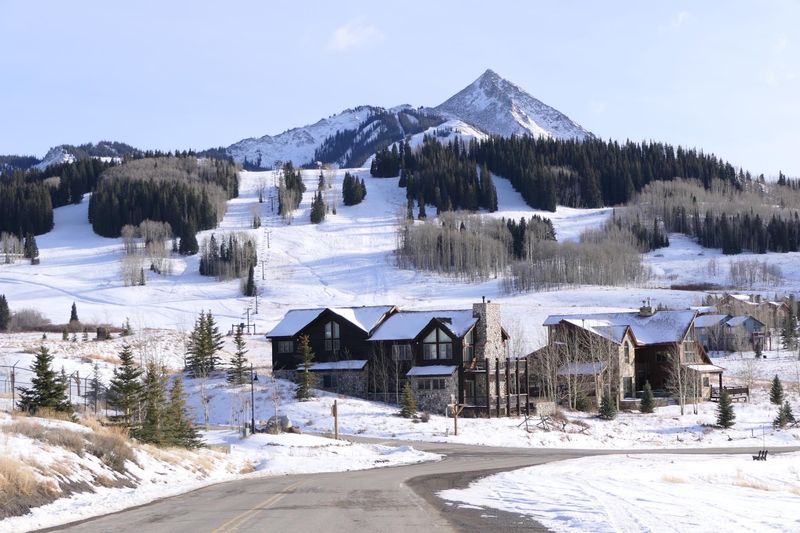
Picture a hillside so packed with yellow that the road through it looks like a thin brown ribbon. That is Kebler Pass on a good October afternoon, and it starts just west of Crested Butte.
The pass is famous for holding some of the largest aspen groves in Colorado. Aspens often grow as connected colonies, sharing one root system underground. So a whole slope can turn color at almost the same moment, like someone flipped a switch.
The drive itself is mostly gravel. Regular cars can usually handle it in dry weather, though the ride gets bumpy in spots. Pullouts appear often, and drivers tend to stop every few minutes because the view keeps getting better.
Crested Butte the town has its own charm. Colorful wooden storefronts line Elk Avenue, many dating back to its mining days in the late 1800s. Painted buildings in red, blue, and green pair nicely with the gold slopes rising behind them.
Locals call this place the wildflower capital of Colorado in summer. Fall might be the town’s secret second season, though. Fewer visitors show up compared to July, so coffee shops and bike trails feel roomier.
Speaking of bikes, Crested Butte has a long history with mountain biking. Plenty of riders swear by autumn rides, when cool temperatures make climbing easier and leaves scatter across the dirt paths.
Gothic Road, heading north from town toward the old settlement of Gothic, offers another colorful route. Peaks like Gothic Mountain loom above the valley, sometimes dusted with early snow while the aspens below still burn bright.
Timing matters here. The color can peak and fade within a week or two, depending on wind and weather. A single strong storm can strip branches bare, which makes every golden day feel like a lucky one.
3. Telluride
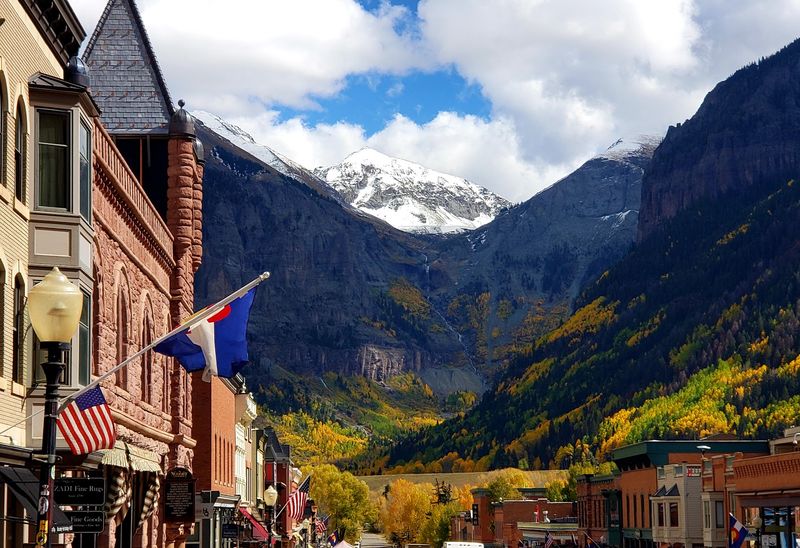
Mountains wrap around Telluride on three sides, forming a natural box canyon. Most of the year, that setting is impressive. In fall, it turns downright theatrical, with steep walls of gold rising straight up from the edge of town.
Bridal Veil Falls marks the east end of the canyon. At over 300 feet, it stands as one of the tallest free-falling waterfalls in Colorado. Autumn color framing the falling water makes the scene worth a look from the end of Main Street, even without hiking closer.
Now for the easy part. A free gondola links Telluride with Mountain Village, climbing high over the ski slopes. Riders float above the treetops and look down on patches of yellow, orange, and evergreen mixed together like a quilt.
No long hike is required. No special gear either. Families with small kids or anyone with tired legs can still get a bird’s-eye view of the season.
Telluride’s past adds texture. The town grew during a mining boom, and historic buildings still line the main drag. Butch Cassidy is said to have robbed his first bank here in 1889, a fun story often told by locals.
Walking the streets in fall is pleasant and slow. Shops, cafes, and old homes sit beneath slopes that change shade almost daily. Evenings get cold fast after the sun drops behind the canyon rim.
For more color, the road toward Ophir and Lizard Head Pass heads south through the San Juan Mountains. Groves line much of the route, and the jagged rock spire of Lizard Head pokes up near the pass.
Fall is also a shoulder season here. Some businesses take a break before winter, so checking hours ahead can help avoid surprises at dinner time.
4. Estes Park
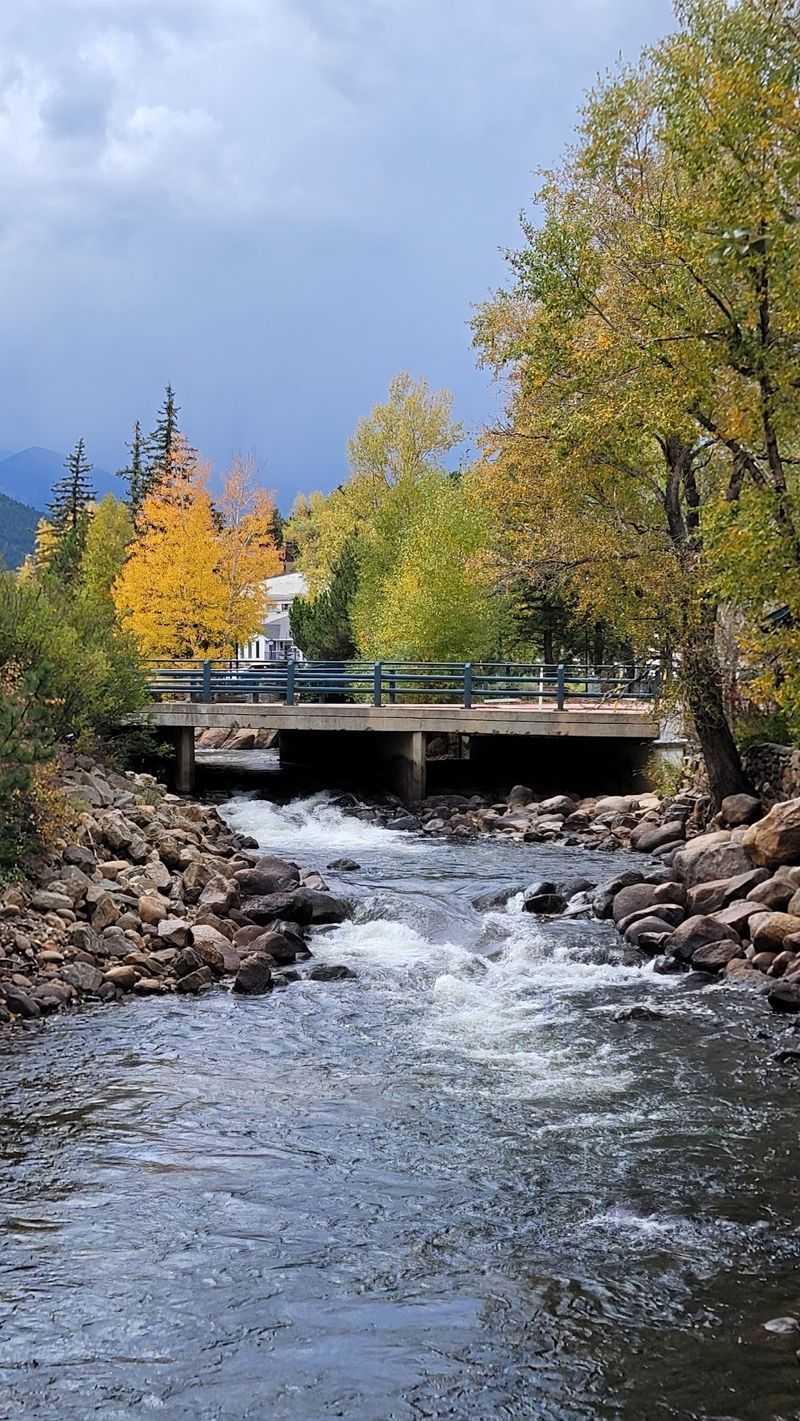
Hear that high, squeaky whistle echoing across the meadow? It sounds a bit like a rusty gate, but it is actually a bull elk bugling. Around Estes Park, that wild noise is the soundtrack of fall.
Every autumn, the elk rut arrives. Male elk show off their antlers, call loudly, and gather groups of females. Herds often wander right through town, strolling past golf courses, parks, and even shopping areas.
Watching from a safe distance is a must. Bull elk weigh hundreds of pounds and get cranky during this season. Park rangers and local volunteers often help guide visitors and keep everyone back.
The foliage show happens at the same time. Golden aspens light up the hillsides around town and inside Rocky Mountain National Park, which sits right next door. Two big fall events overlapping makes this one of the busiest seasons of the year.
Trail Ridge Road climbs through the park to over 12,000 feet, making it among the highest paved roads in the country. Early in fall, drivers pass through color at lower elevations before reaching open tundra near the top. Snow can close the road later in the season, so the views are never guaranteed.
Bear Lake Road offers another colorful option. Short walks around Bear Lake and nearby trails pass groves of yellow trees reflected in calm water.
Downtown Estes Park mixes candy shops, outfitters, and riverside paths. The Stanley Hotel, a grand white building from 1909, overlooks the valley and has a spooky reputation that draws curious visitors around Halloween.
Early mornings and evenings bring the best elk activity. Grab a warm drink, find a pullout, and listen. The bugles carry surprisingly far in the cold mountain air.
5. Breckenridge
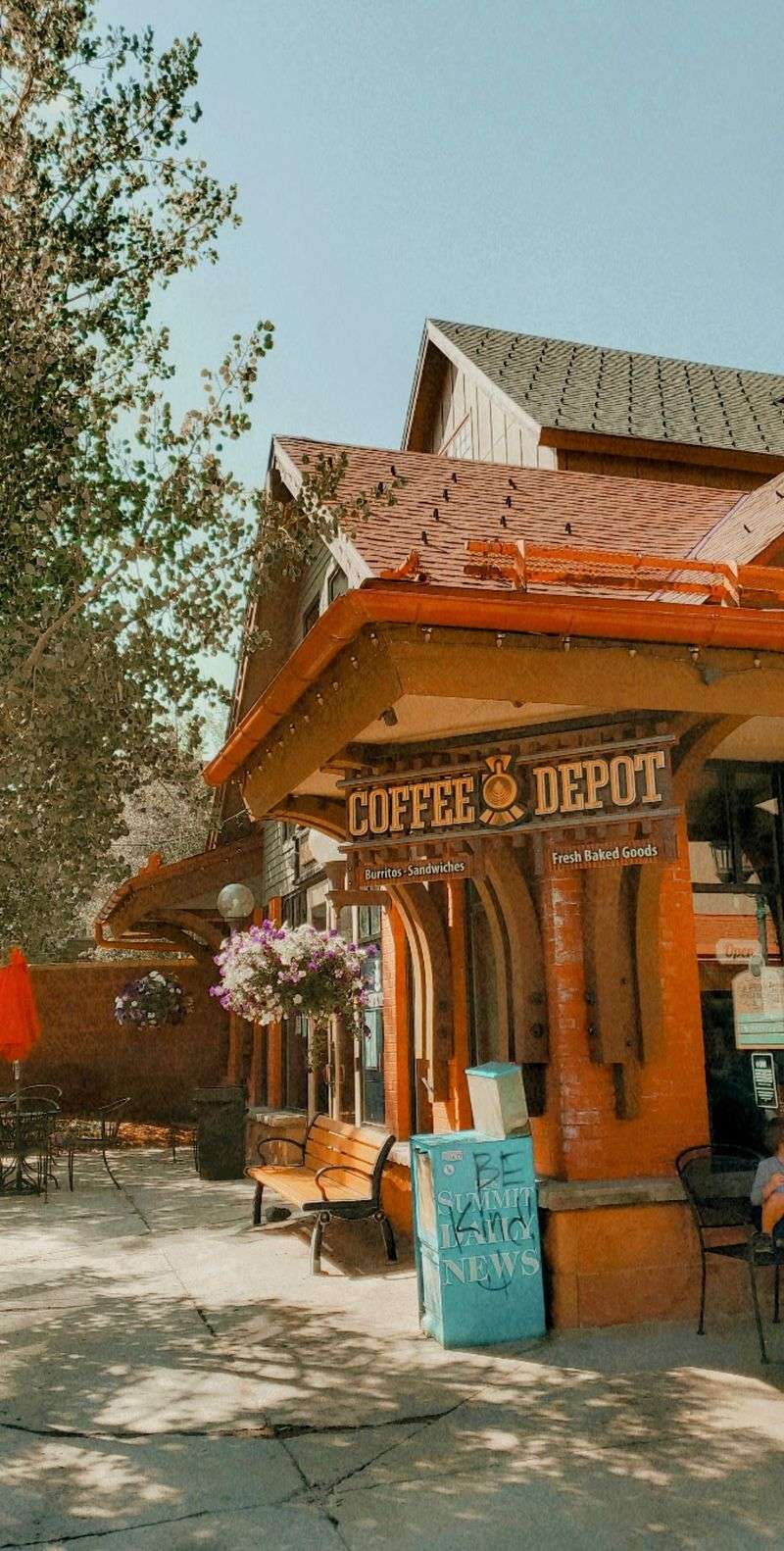
Gold first brought people to Breckenridge in 1859. Every fall, a different kind of gold returns, spreading across the mountains around this old mining town.
Main Street is lined with Victorian buildings painted in cheerful colors. Many of them date back more than a century. When the slopes behind them turn yellow, the whole street looks like a postcard from another time.
Breckenridge sits high, at roughly 9,600 feet above sea level. That elevation means fall shows up early, often in mid-September. Visitors coming from lower areas should drink extra water and take it easy the first day, since thin air can sneak up on anyone.
Getting out of town brings even more color. Boreas Pass Road follows an old railroad route heading south and east from Breckenridge. The wide, gentle grade made it perfect for trains back in the day, and now it serves up groves of aspens and sweeping valley views.
Hikers can find short trails right near town. Paths through the forest pass old mining relics, including rusty equipment and wooden structures left behind from the boom years. These pieces of history make a walk feel like a scavenger hunt.
Fall also brings fun local events. Oktoberfest celebrations have been a tradition here, filling Main Street with music, food, and people in lederhosen. Checking the town calendar can help line up a visit with something festive.
One quirky fact adds flavor. Breckenridge was once accidentally left off official maps, according to local legend, earning the playful nickname Colorado’s Kingdom of Breckenridge.
When the sun drops, the temperature dips fast. Cozy restaurants and warm cafes fill up as people trade hiking boots for hot soup. The gold on the hills fades into purple shadows, and the old buildings glow under streetlights.
6. Ouray
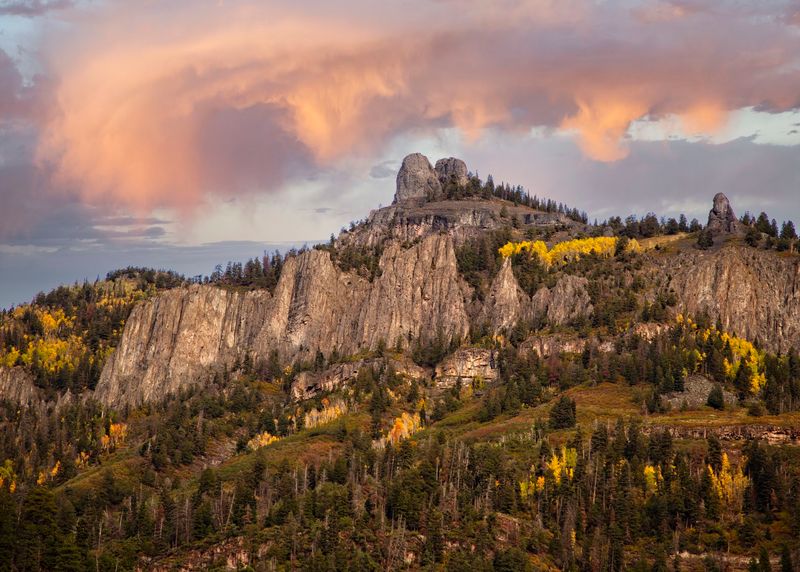
Nicknamed the Switzerland of America, Ouray squeezes into a narrow valley with cliffs shooting up on nearly every side. The town looks dramatic in any season. Fall just turns up the volume.
Golden aspens climb the canyon walls, mixing with red rock and dark green pines. The colors stack on top of each other like layers in a cake. Some peaks above town may already have early snow, adding white frosting to the top.
Hot springs give Ouray an extra edge in autumn. The town has a public hot springs pool, and soaking in warm mineral water while chilly air nips at your face is hard to beat. Steam rises off the water, especially on crisp mornings.
Box Canyon Falls is a short trip from downtown. A walkway leads into a narrow slot where water thunders through the rock. Ice climbers come in winter, but fall visitors get the falls without the frozen gear.
The Million Dollar Highway heads south from Ouray toward Silverton. This stretch of U.S. 550 is known for sharp curves, steep drop-offs, and very few guardrails. Nobody fully agrees on how it got its name, but stories include the cost of building it and the value of ore in the dirt.
Driving it in fall is a big reward for careful drivers. Yellow groves fill the valleys, and pullouts offer chances to stop and look without steering through hairpin turns at the same time.
Jeep tours and off-road rentals are popular here too. Old mining roads climb into high basins where ghost towns and abandoned mines dot the landscape.
Back in town, historic stone and brick buildings line Main Street. Small shops, cafes, and old hotels make an easy stroll once the driving is done.
7. Silverton
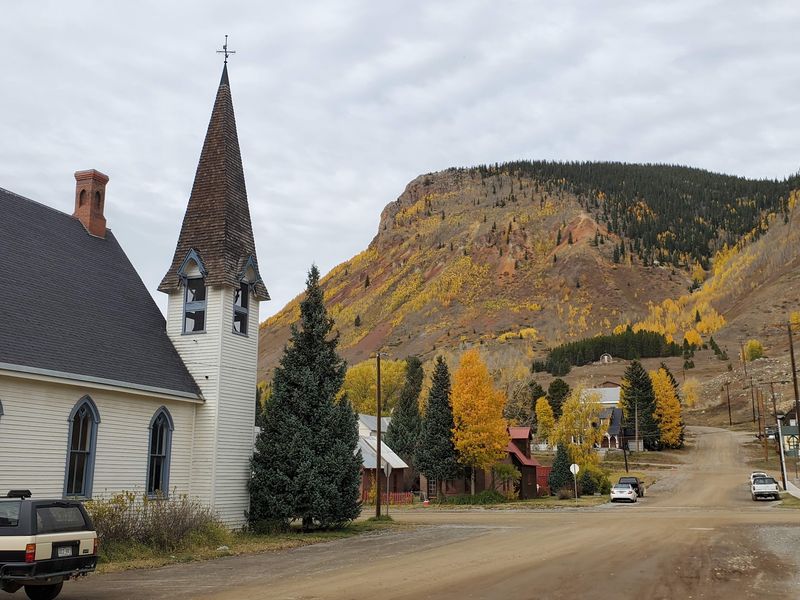
Dirt side streets. Old brick saloons. Mountains so close they seem to lean over the rooftops. Silverton keeps its rough mining-town edge, and fall gives that edge a golden frame.
Tucked high in the San Juan Mountains at about 9,300 feet, Silverton started as a silver mining hub in the 1870s. Its whole downtown is a National Historic Landmark District. Many buildings still look much like they did over a century ago.
Blair Street was once the rowdy part of town, packed with saloons and gambling halls. Today it is calmer, but the history hangs around in old signs and weathered wood. Walking it feels a lot like stepping onto a movie set, except everything is real.
Autumn color spreads across the slopes in every direction. Aspens grow in patches between dark spruce forests and bare rocky ridges. The mix looks wilder and less polished than ski resort towns.
Silverton is the northern end of the Durango and Silverton Narrow Gauge Railroad. Steam trains chug into town, blowing whistles and puffing smoke, and passengers spill out to explore before heading back. Watching the train arrive is free and loud in the best way.
Back roads lead into the high country, including routes toward old ghost towns like Animas Forks. These rocky roads usually need high-clearance vehicles, and many visitors book jeep tours instead of driving themselves.
Weather here changes fast. A sunny morning can turn into sleet by afternoon, so layers are a smart choice even on warm-looking days.
Silverton stays small, with only a few hundred year-round residents. Many shops close as winter nears, so fall is one of the last busy stretches before snow buries the passes and the town settles into its quiet season.
8. Steamboat Springs
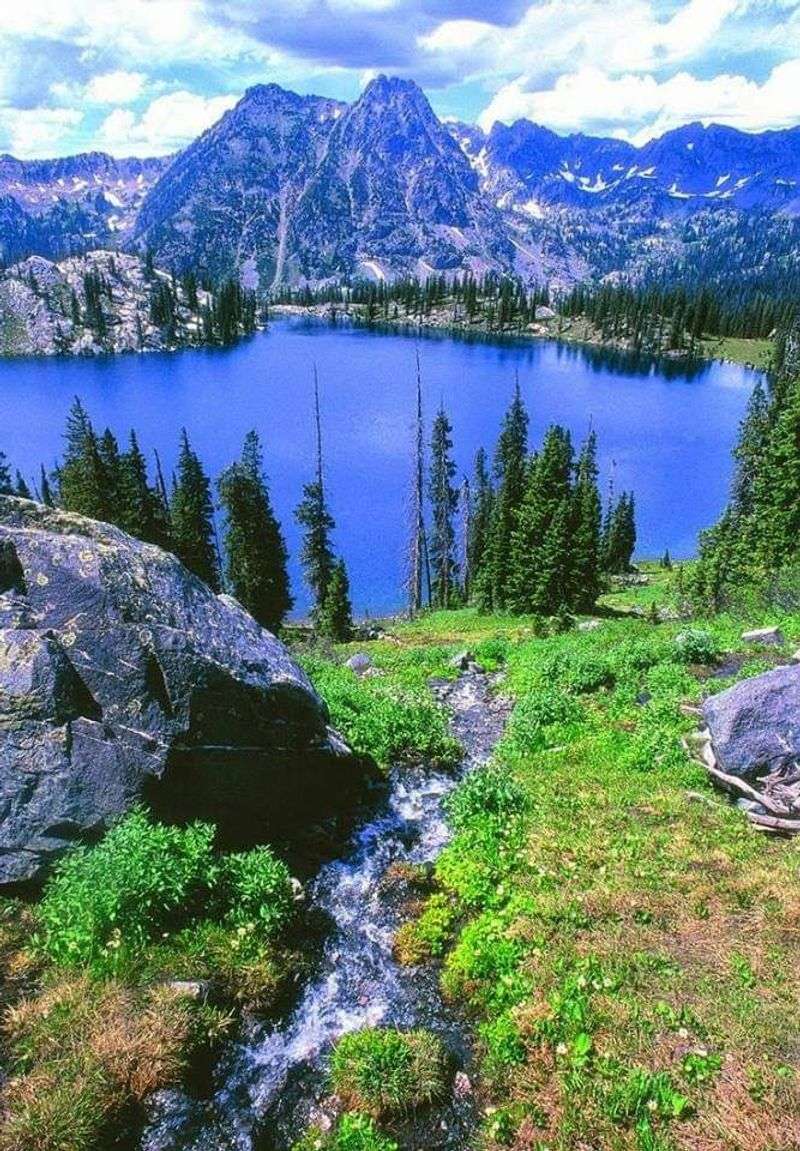
Ranchers, skiers, and hot spring lovers all share Steamboat Springs, and each group gets a front-row seat when fall rolls through the Yampa Valley.
Instead of sharp, narrow canyons, Steamboat sits in a wide, open valley. Rolling hills and ranch land spread out in every direction. In autumn, the greens of summer give way to long sweeps of yellow, gold, and even some orange across the hillsides.
The town got its name from a funny mistake. Early French trappers supposedly heard a chugging sound from a hot spring and thought a steamboat was coming up the river. No boat ever arrived, but the name stuck.
Rabbit Ears Pass, east of town, is a top spot for color. The highway climbs through forest and meadows, with groves of aspens catching the light. The pass is named for a rock formation shaped like a pair of bunny ears, which drivers can spot on clear days.
Closer to town, the Yampa River Core Trail follows the water through Steamboat. Cottonwoods and willows along the river turn yellow, giving bikers and walkers color without leaving downtown.
Fish Creek Falls is another easy outing. A short trail leads to a 280-foot waterfall tucked into a forested canyon a few miles from town. Fall leaves around the falls add plenty of extra color.
Hot springs make a great end to a cool day. Strawberry Park Hot Springs sits in the hills outside town, with rock-lined pools steaming in the crisp air.
Western culture is alive here too. Cowboy hats, ranch trucks, and rodeo history are common sights. That down-to-earth personality pairs nicely with the open, golden landscape, giving Steamboat a different flavor than the more crowded mountain towns farther south.
9. Durango
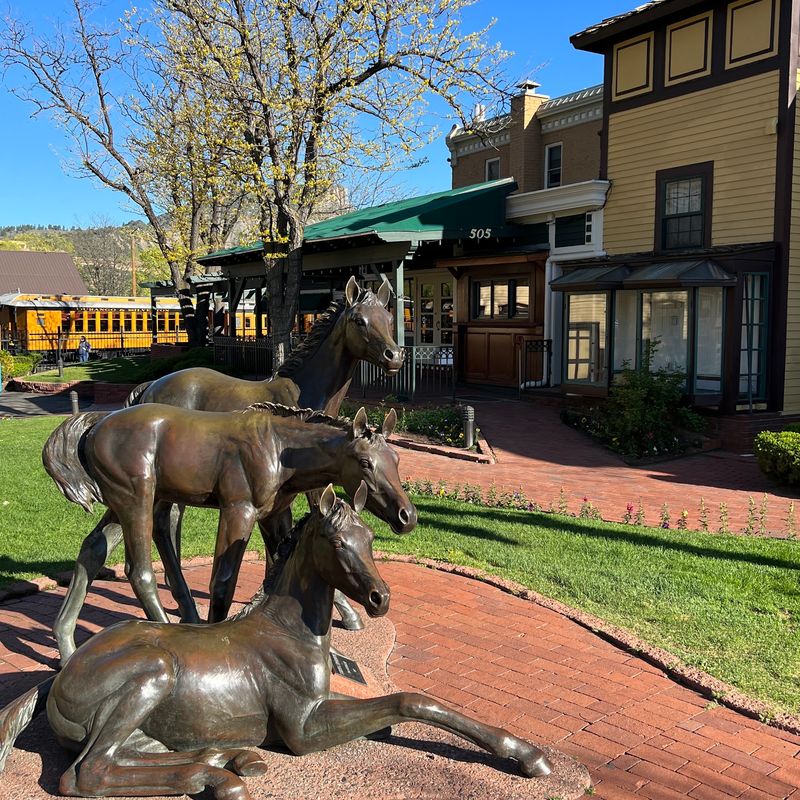
Ever watched a puffing steam train curve along a river lined with golden trees? In Durango, that scene happens nearly every day during fall.
The Durango and Silverton Narrow Gauge Railroad has been running since 1882. Its route follows the Animas River north through deep canyons and into the San Juan Mountains. In autumn, riders roll past aspens high on the slopes and cottonwoods glowing near the water.
Durango’s lower elevation gives it a special advantage. The town sits around 6,500 feet, much lower than many Colorado mountain towns. That means color can show up in stages, with high-country aspens turning first and trees near town following later.
So the season tends to stretch out a bit longer. Visitors arriving after peak in the mountains might still catch bright leaves along the river and downtown streets.
The Animas River runs right through town. A paved trail follows its banks, perfect for walking, biking, or simply watching kayakers splash by. Cottonwoods along the path turn buttery yellow in fall.
Scenic drives are close by too. Heading north on U.S. 550 toward Coal Bank Pass and Molas Pass leads into thick aspen groves and huge mountain views. Lakes near the passes reflect peaks on calm days.
Downtown Durango has a lively mix of old brick buildings, restaurants, and shops. Main Avenue feels busy without being fancy, and historic hotels add charm.
For the train ride, booking early is a good idea. Fall is a popular time, and seats can fill up quickly. Some trips go all the way to Silverton, while shorter options turn around partway.
Mesa Verde National Park, with its ancient cliff dwellings, sits about an hour west. Pairing that history with fall color makes for a memorable weekend.
10. Ridgway
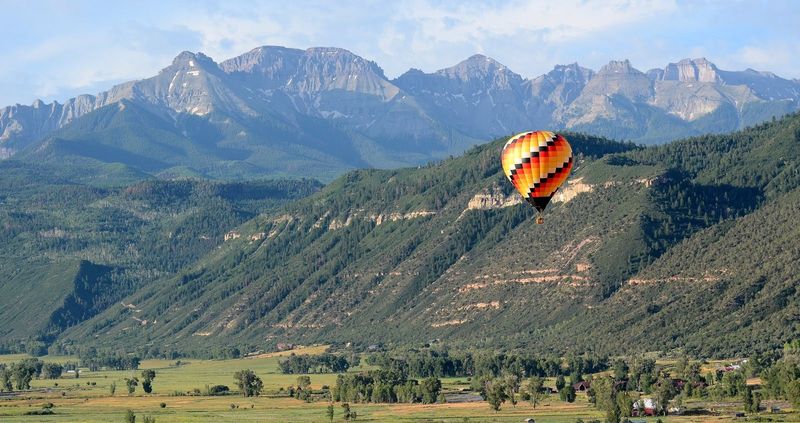
Hollywood noticed Ridgway long before most travelers did. The classic Western True Grit, starring John Wayne, was partly filmed in and around this small town in 1969.
Look at the landscape and the choice makes sense. Wide ranch lands stretch toward jagged peaks, giving Ridgway a big-sky look that differs from narrow canyon towns nearby. In fall, the open spaces fill with color under the San Juan Mountains.
Dallas Divide is the headliner. This mountain pass sits a short drive west on Highway 62, and it ranks among the most photographed fall spots in Colorado. Golden aspens roll across hills toward the Sneffels Range, a row of rugged summits that often wear early snow.
Old wooden ranch fences in the foreground add a classic touch. Photographers line up at pullouts on peak days, so arriving early helps snag a good spot.
Last Dollar Road offers another way to see color. This rough dirt road leaves the highway near Dallas Divide and winds toward Telluride. Many sections are best for high-clearance vehicles, especially after rain.
Ridgway itself stays relaxed. The town has a small downtown with art galleries, cafes, and a laid-back pace. It also holds a designation as a Colorado Creative District, and public art pops up around town.
Ridgway State Park sits just north, with a reservoir surrounded by hills. Trails and campgrounds offer quieter places to enjoy the season away from busy pullouts.
Nearby hot springs add a cozy option. Soaking in warm pools after a cold day of driving and photo stops is a favorite local habit.
Because Ridgway is smaller, lodging fills quickly in peak weeks. Some travelers base themselves here to explore Ouray and Telluride, which both sit within easy driving distance.
11. Georgetown
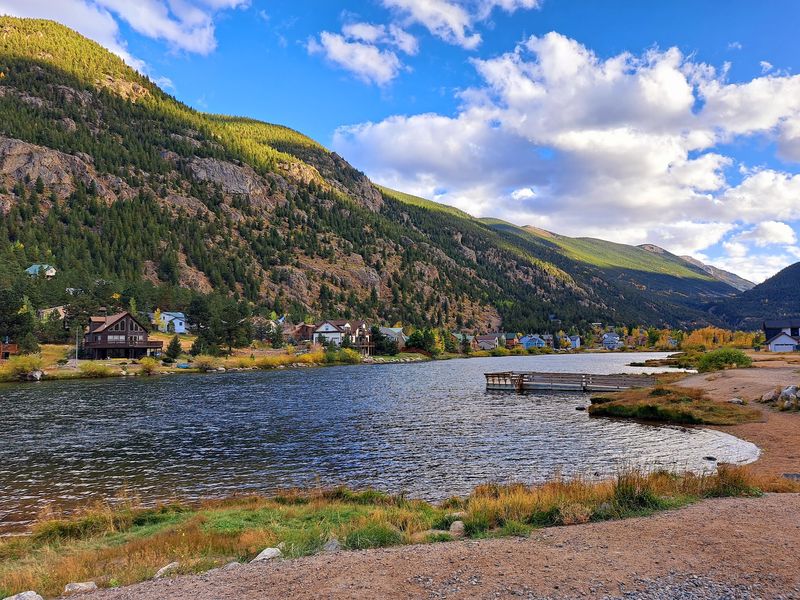
Only about an hour west of Denver, Georgetown proves that a great fall escape does not require a long road trip. Mountains crowd close around this tiny town, and the color arrives right on cue each September.
Georgetown boomed during the silver rush of the 1800s. Fancy Victorian homes, brick storefronts, and church steeples still fill its streets. Many buildings are painted in bright shades, which pop against the yellow hillsides.
Guanella Pass is the main fall event here. The road starts right in town and climbs south through forests and alpine meadows to over 11,000 feet. Groves of aspens line the lower parts, while the top opens up to wide views of nearby peaks.
The paved route is friendly for regular cars. Weekend traffic can get heavy at peak color, so a weekday drive often brings a calmer experience and easier parking at viewpoints.
History lovers have another treat. The Georgetown Loop Railroad runs between Georgetown and Silver Plume, crossing a tall trestle bridge called Devil’s Gate High Bridge. Old-fashioned trains roll along curves and loops through the valley, often with fall colors on display.
Bighorn sheep are sometimes spotted near town too. A viewing area near Georgetown Lake gives visitors a chance to look for them on rocky slopes.
Downtown is small enough to explore on foot. Antique shops, candy stores, and cafes fill historic buildings. The Hotel de Paris Museum shows how fancy travelers lived during the mining days, complete with original furnishings.
Georgetown also makes a smart choice for families. Shorter drive times mean less car whining and more time outside. Pack a lunch, cruise up Guanella Pass, and still get home before dinner, with a camera full of gold.
Share this story