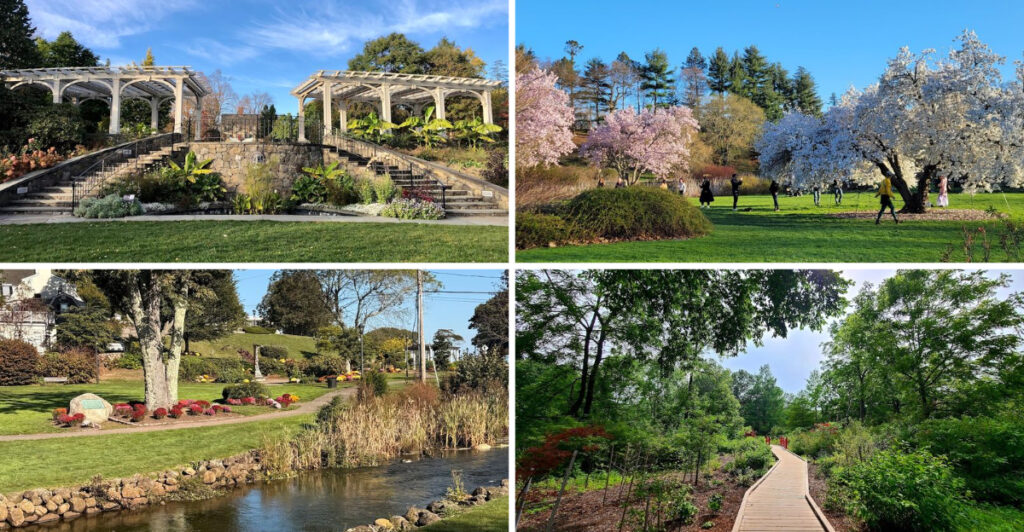
A good garden has a way of slowing people down without asking. One minute you are following a shaded path beneath mature trees, the next you are lingering beside a burst of color you did not expect to find.
Summer brings that effect into full force across Massachusetts, where formal flower beds, woodland landscapes, tropical conservatories, and sprawling arboretums all hit their stride. Some destinations feel carefully curated, others wonderfully wild, but each offers its own reason to wander a little longer. These are the places where an afternoon disappears easily, replaced by fresh air, blooming landscapes, and the simple pleasure of looking around.
1. Long Hill (Beverly)
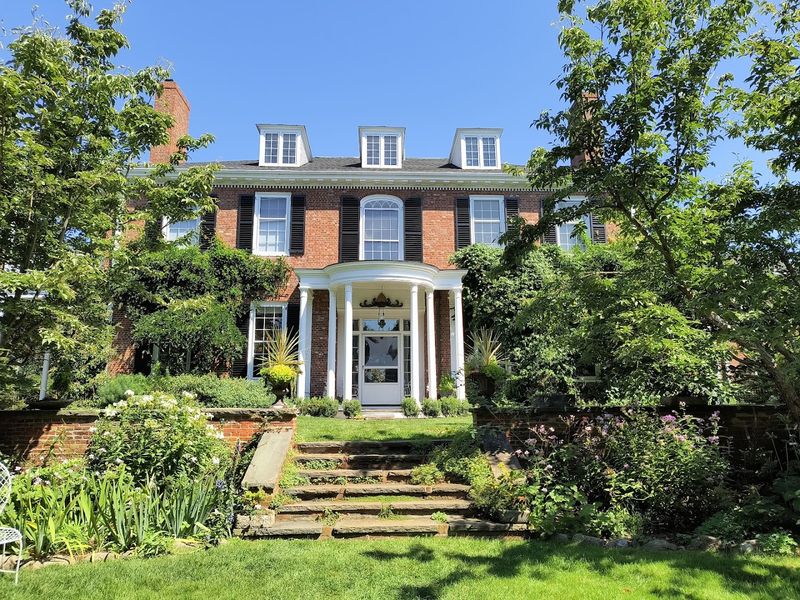
Long Hill in Beverly is the kind of place that lets you stretch out a summer visit instead of rushing through it. The grounds give you more than one mood at a time, with polished garden spaces giving way to quieter wooded paths and broad landscaped acreage.
That mix keeps the experience lively, because every turn shifts the scale from intimate flower beds to larger sweeps of green.
The perennial borders are where summer really starts showing off. You get those satisfying bands of color and texture that make you slow down, scan the planting combinations, and notice how carefully the garden rooms are arranged.
Then the shady pathways pull you somewhere cooler, where the pace changes and the estate starts reading less like a display and more like a place built for lingering walks.
There is also a distinctly old New England elegance here that never tips into stuffiness. The historic setting gives the gardens structure, but the landscape still feels approachable, especially in summer when the grounds are at their fullest and the contrast between cultivated areas and surrounding woodland becomes more pronounced.
It is easy to imagine spending far more time here than planned simply because the property keeps opening into one more inviting corner.
For a bucket list stop, Long Hill works because it covers several summer cravings at once. You get flowers, shade, long walks, and those composed views that look beautiful without trying too hard.
If your ideal garden visit includes both designed spaces and a little room to wander, this Beverly estate lands in a very satisfying sweet spot.
2. Massachusetts Horticultural Society – Garden at Elm Bank (Wellesley)
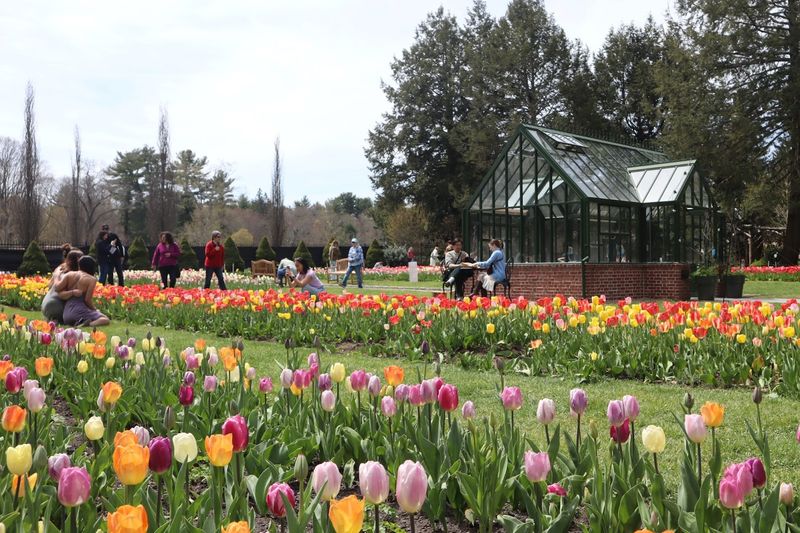
Elm Bank is one of those places where you can tell right away that variety is the whole point. Instead of one signature garden carrying the visit, the grounds unfold as a collection of distinct spaces, each with its own personality, planting style, and pace.
That makes it especially fun in summer, when you can move from formal lines to looser woodland scenery without the experience ever flattening into repetition.
The themed gardens are the draw, and they give you plenty to look at beyond simple seasonal color. An Italianate section brings structure and symmetry, while trial gardens lean more experimental and invite a closer look at what is thriving.
The woodland areas offer a softer reset, and the children’s garden adds a lighter note that keeps the overall visit from feeling overly serious or museum-like.
Because Elm Bank functions as a living showcase of landscape design, it rewards both quick strolling and slower observation. You can appreciate broad visual composition from a distance, then step closer to focus on plant combinations, pathways, and the way different garden rooms handle scale.
In summer, that layered approach is especially appealing because everything feels active, growing, and in conversation with the season.
This is the sort of destination that works whether you are deeply into horticulture or simply want a beautiful afternoon outside. The Wellesley setting gives it a polished, established look, but the range of gardens keeps the visit open-ended and easy to personalize.
If your summer list needs one garden that can deliver classic beauty, design interest, and plenty of visual change, Elm Bank makes a strong case fast.
3. Berkshire Botanical Garden (Stockbridge)
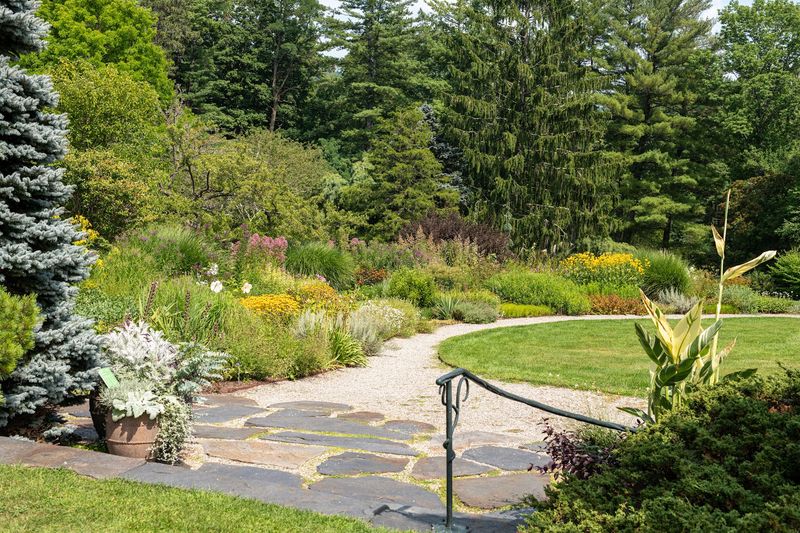
Berkshire Botanical Garden has a relaxed confidence that suits summer beautifully. Set in Stockbridge, it blends the pleasure of a garden stroll with the deeper interest of a place shaped around plant knowledge, regional growing conditions, and seasonal display.
You do not need to arrive with a notebook or a plan, though the garden definitely gives you enough detail to reward close attention.
What stands out most is the sense of range packed into one visit. Thousands of plant varieties are presented in ways that feel accessible rather than overwhelming, and the specialty gardens keep your eye moving from one distinct scene to the next.
Summer is a particularly satisfying time to go because the displays are full, the paths invite unhurried wandering, and the garden’s Berkshire setting adds a strong sense of place.
There is also a nice balance between beauty and learning here. Educational exhibits and demonstration elements add context without taking over the experience, so you can either treat the visit as a visual escape or lean into the horticultural side as much as you want.
That flexibility makes the garden appealing to casual visitors, dedicated gardeners, and anyone who likes a destination that can hold both charm and substance.
On a summer bucket list, this one earns its spot by being consistently engaging without ever feeling overproduced. The landscape gives you color, texture, and thoughtful design, but it still leaves room for quiet moments and easy pacing.
If you are headed into the Berkshires and want a stop that combines regional character with serious garden appeal, Berkshire Botanical Garden is an easy addition.
4. New England Botanic Garden at Tower Hill (Boylston)
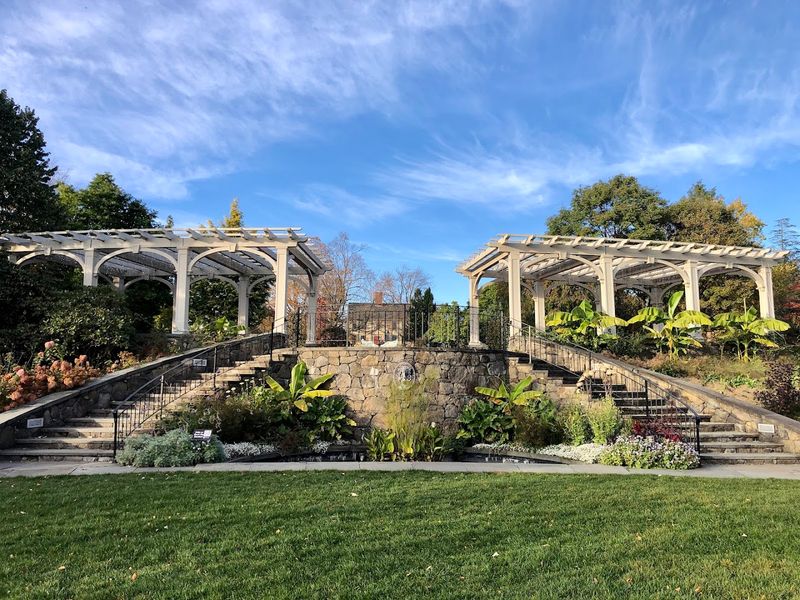
Tower Hill has the kind of scale that makes a summer visit feel expansive right away. With formal gardens, conservatories, woodlands, and long walking routes spread across a large property, it gives you options instead of forcing one rhythm on the day.
You can start with clipped, composed spaces and then move outward into broader scenery where the landscape opens up and the pace naturally loosens.
The views are part of the appeal, especially with the Wachusett Reservoir adding a strong backdrop to the garden experience. Even when you are focused on flower beds, plant collections, or architectural details, there is often a wider sense of horizon that keeps things from feeling enclosed.
That contrast between close-up horticultural detail and larger scenic perspective is a big reason summer works so well here.
The formal areas bring order and color, while the conservatories and woodland sections keep the visit from becoming predictable. You can shift from carefully designed planting schemes to quieter paths under trees, then circle back to more structured gardens without it feeling disjointed.
The property handles those transitions smoothly, which is part of what makes a long visit here feel easy rather than tiring.
For anyone building a summer bucket list, Tower Hill covers a lot of ground in the best way. It offers strong visual payoff, enough acreage to make the outing feel substantial, and plenty of variety for different moods and interests.
If you want one garden destination that can deliver polished displays, peaceful walking, and memorable views in a single stop, Boylston has a very persuasive answer.
5. Acton Arboretum (Acton)
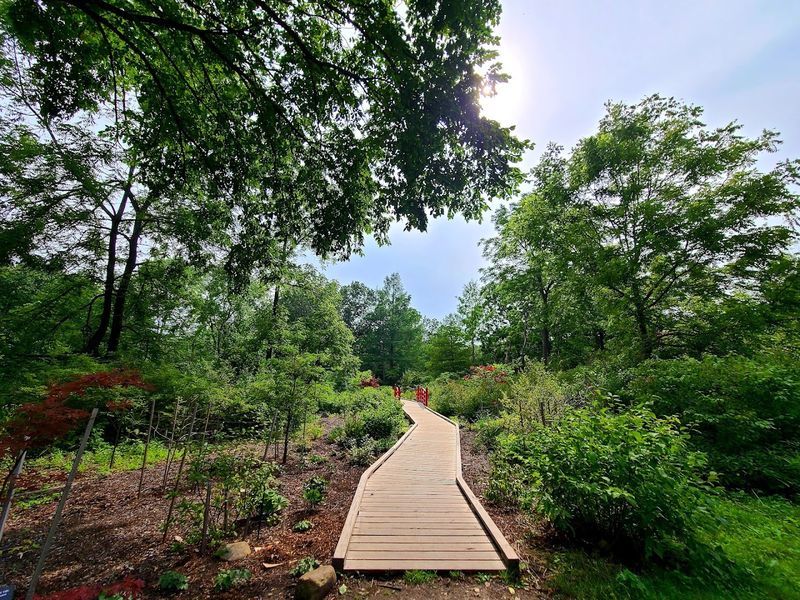
Acton Arboretum takes a quieter route than some of the state’s larger garden destinations, and that is exactly why it belongs on a summer list.
Instead of dramatic formal displays, you get a calm mix of native plantings, wetlands, meadow space, and forested paths that encourage a slower kind of attention. It is the sort of place where small details start to matter once you stop trying to rush through it.
The range of habitats gives the arboretum its appeal. One stretch might frame wildflowers and grasses in open light, while another leads you into cooler shade where the trail feels more enclosed and reflective.
Because those transitions happen naturally, the landscape stays interesting without needing heavy design gestures or constant visual spectacle to hold your interest.
Summer is a strong season to visit because the meadows and gardens feel alive, and the setting supports that easy combination of walking and noticing. You can watch for birds, look at wetland edges, or simply enjoy the practical pleasure of a path that keeps unfolding into another scene.
There is a community-minded quality to the place too, which adds to its accessibility and keeps the visit grounded rather than overly curated.
If your ideal garden outing involves space to breathe, Acton Arboretum delivers that in a very straightforward way.
It offers nature, structure, and enough botanical interest to keep things rewarding, but it never pushes too hard for attention.
On a summer bucket list filled with bigger names and grander estates, this stop earns its place by giving you something different: a peaceful landscape where the reward comes from looking a little closer.
6. The Butterfly Place (Westford)
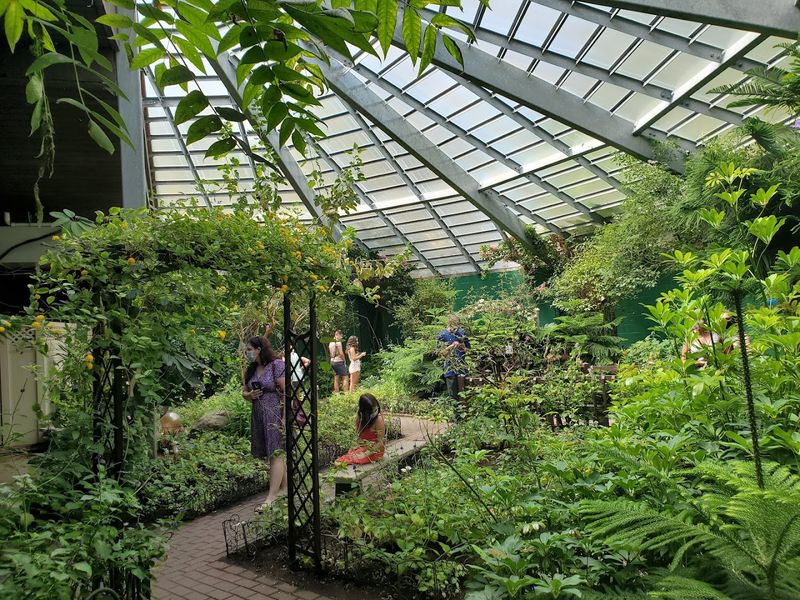
The Butterfly Place offers a completely different garden experience, and that change of pace is part of the fun. Instead of broad outdoor acreage, you step into a tropical indoor environment where movement is everywhere, from drifting butterflies to leaves, blooms, and water features working together in a compact, lush setting.
It turns a garden visit into something more immersive and slightly surreal in the best possible way. Because hundreds of butterflies share the space, your attention keeps shifting upward, sideways, and back to the flowers around you.
The plantings are not just decoration here; they shape the whole experience, adding color and density while creating a setting that feels layered and alive.
Waterfalls and warm greenhouse conditions reinforce that enclosed tropical mood, making this a strong pick even when you want a break from the usual New England summer pattern.
What helps the place stand out is its accessibility. You do not need specialist knowledge to enjoy it, and visitors of different ages can find their own angle, whether that means focusing on butterfly patterns, watching how they move through the plantings, or simply enjoying the novelty of being surrounded by so much fluttering color.
The scale stays manageable too, which keeps the visit engaging rather than exhausting. On a bucket list built around gorgeous Massachusetts gardens, this Westford stop earns its space by breaking the rhythm in a very welcome way. It gives you tropical planting, strong visual payoff, and an experience that is active rather than static.
If you want one destination that swaps long paths and wide lawns for close-up color, enclosed greenery, and constant motion, The Butterfly Place makes summer feel freshly reimagined.
7. Grandmothers’ Garden (Westfield)
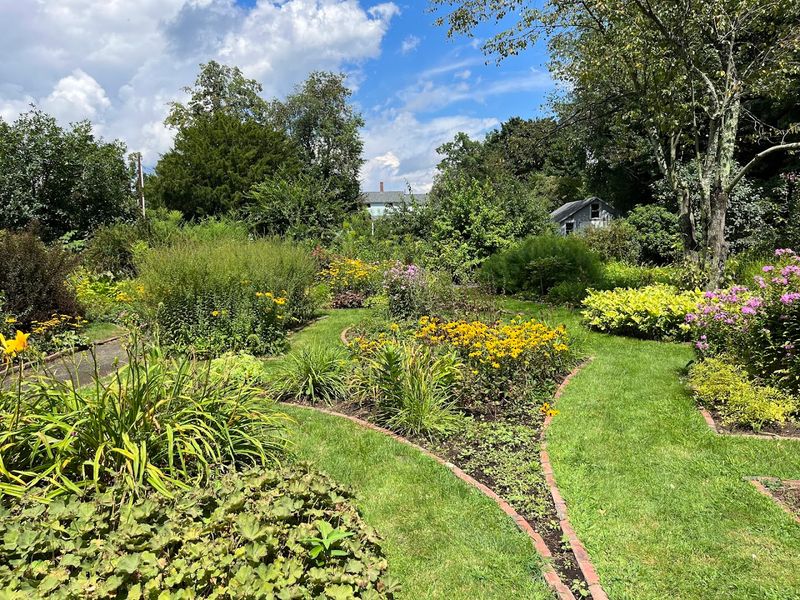
Grandmothers’ Garden in Stanley Park brings a more intimate style to a summer garden day. Rather than leaning on grand scale, it draws you in with cottage-style planting, winding paths, and the kind of layout that encourages leisurely wandering instead of destination-focused walking.
The effect is charming without becoming overly precious, which makes it easy to enjoy even if you normally prefer less formal garden spaces.
Summer suits this garden especially well because vibrant flowers and layered plantings do so much of the work. Beds spill with color, the path curves keep revealing new combinations, and seating areas give you a reason to pause instead of simply passing through.
That pause matters here, since the garden is best appreciated in small scenes, with details unfolding at a close range rather than across dramatic vistas.
Its setting within Stanley Park adds another advantage. You can fold the garden into a broader day outdoors, but once you are inside its boundaries the mood becomes more contained and restful.
The design nods toward traditional gardening styles, yet the overall impression stays welcoming and unfussy, which helps the space feel approachable rather than staged for effect.
As a bucket list stop, Grandmothers’ Garden succeeds by offering a different kind of beauty than the state’s large botanical institutions. It is compact, colorful, and thoughtfully arranged, with enough personality to stand out and enough calm to make time slow down for a while.
If your summer plans need one garden where winding paths, bright flowers, and quiet benches do the heavy lifting, Westfield has a very appealing answer waiting.
8. Hunnewell Visitor Center (Boston)

Not every great garden stop begins with a flower border, and the Hunnewell Visitor Center proves that quickly. As the gateway to the Arnold Arboretum, it works less like a standalone display garden and more like the smartest starting point for exploring one of Boston’s most impressive planted landscapes.
In summer, that matters, because a good introduction helps you make sense of the scale, the collections, and the many directions your walk can take.
The center sets the tone by grounding visitors in the arboretum’s extraordinary focus on trees and woody plants.
Exhibits and resources add useful context without getting in the way of the outdoor experience, so you can step outside with a clearer sense of what you are seeing and where you might want to go next.
That kind of orientation is surprisingly valuable on a large property, especially when summer foliage makes every path look tempting.
There is also something appealing about beginning in a place designed to welcome curiosity. The visitor center invites you to slow down for a moment, gather a little insight, and then head into the surrounding landscape with more purpose than you might otherwise have.
It turns a broad arboretum visit into a richer one, especially if you appreciate knowing a bit about the collections before wandering among them.
On a summer bucket list, the Hunnewell Visitor Center earns its place because it enhances the larger experience around it. This is where practical information and botanical interest meet, giving your Arnold Arboretum visit a sharper focus from the outset.
If you want your day in Boston to include not just beautiful trees and pathways but also a stronger connection to the landscape you are exploring, start here and let the grounds unfold from there.
9. Talcott Greenhouse (South Hadley)
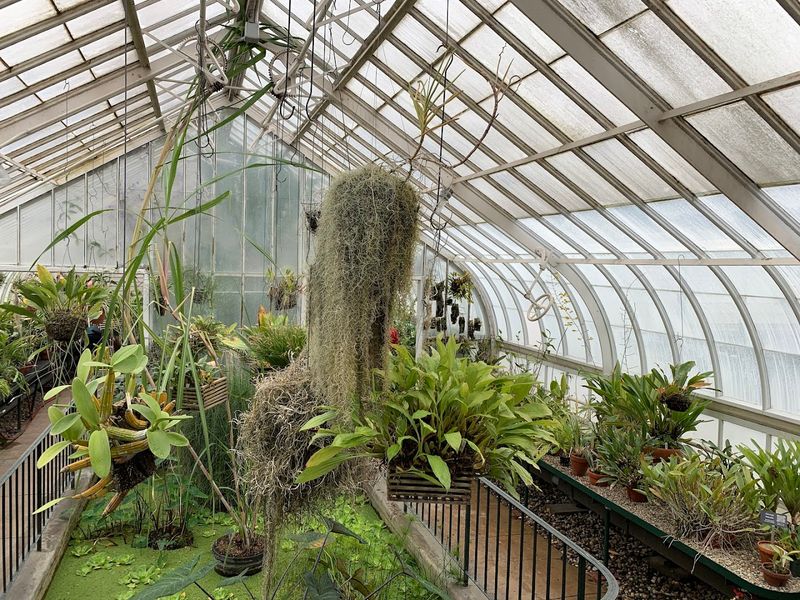
Talcott Greenhouse delivers a plant-focused change of scenery that is especially satisfying when you want summer greenery with a more curated edge.
Located on the Mount Holyoke College campus, the historic greenhouse complex brings together tropical, desert, and other exotic collections inside a setting where architecture and plants share the spotlight.
The result is part botanical escape, part close-up study in texture, shape, and contrast. One of the pleasures here is moving between very different plant worlds in a relatively compact space.
Tropical specimens pack in broad leaves, layered foliage, and deep green density, while desert collections shift the visual language entirely toward structure, restraint, and unusual forms.
That contrast keeps the visit sharp and memorable, especially for anyone who enjoys seeing how dramatically plant design can change from one environment to the next.
The historic character of the greenhouse adds another layer. Glasshouse settings naturally heighten detail, and here that effect combines nicely with the sense of continuity that older campus spaces often provide.
You are not simply walking through a generic conservatory; you are visiting a place with academic character, botanical purpose, and enough variety to keep your attention moving from one specimen to another.
For a summer bucket list, Talcott Greenhouse stands out because it offers a different way to experience plant beauty in Massachusetts.
Instead of broad lawns or outdoor borders, you get enclosed spaces full of unusual collections and year-round greenery, all filtered through a classic greenhouse setting.
If your ideal garden stop includes tropical abundance, sculptural desert plants, and a bit of historic campus charm, South Hadley deserves a place on your route.
10. Brewster Gardens (Plymouth)
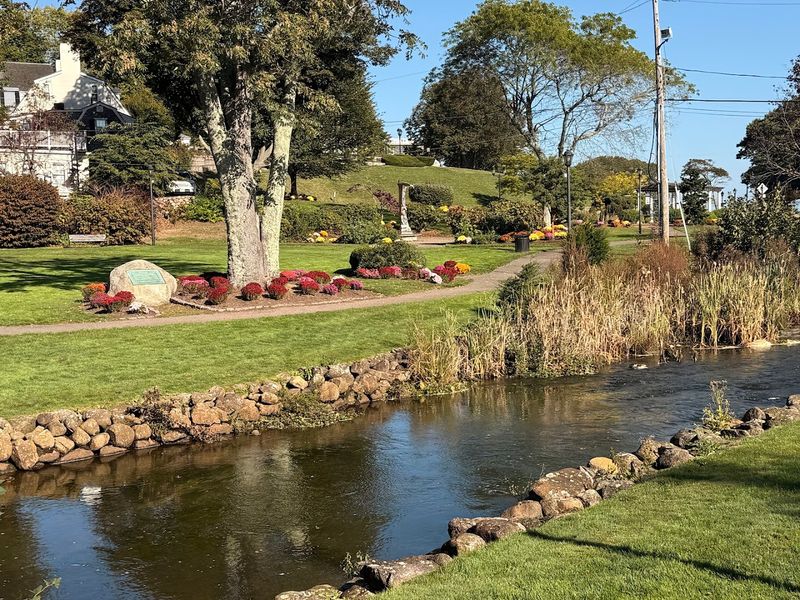
Brewster Gardens pairs cultivated beauty with a strong sense of place, which makes it a smart summer stop in Plymouth. Set alongside Town Brook, the gardens use water, flowers, and walkable paths to create an outing that feels scenic without becoming overly formal.
You can move through it casually, but the combination of maintained beds and historic touches gives the landscape more personality than a standard town park stroll.
The flower beds provide the obvious visual pull in summer, adding color and shape along the brookside setting. Historic sculptures introduce a different focal point, breaking up the planting displays and giving the paths a more layered rhythm as you walk.
That relationship between garden detail and civic history is what gives Brewster Gardens its distinct appeal, especially in a town where heritage is never far from view.
Town Brook also does a lot of subtle work here. Water changes how a place moves, and in this case it helps the gardens feel calm, paced, and pleasantly connected to their surroundings.
Instead of isolated display areas, you get a landscape that flows, with paths guiding you through scenes that balance planted color, greenery, and the quiet visual presence of the brook.
As a summer bucket list destination, Brewster Gardens fits nicely for anyone who wants beauty without committing to a large botanical campus.
It offers enough detail to hold your interest, enough history to set it apart, and enough easy charm to make it an enjoyable stop during a day in Plymouth.
If your ideal garden visit includes flowers, a walk beside water, and a setting that reflects its town rather than disappearing into generic prettiness, this one belongs on the list.
11. Arnold Arboretum of Harvard University (Boston)
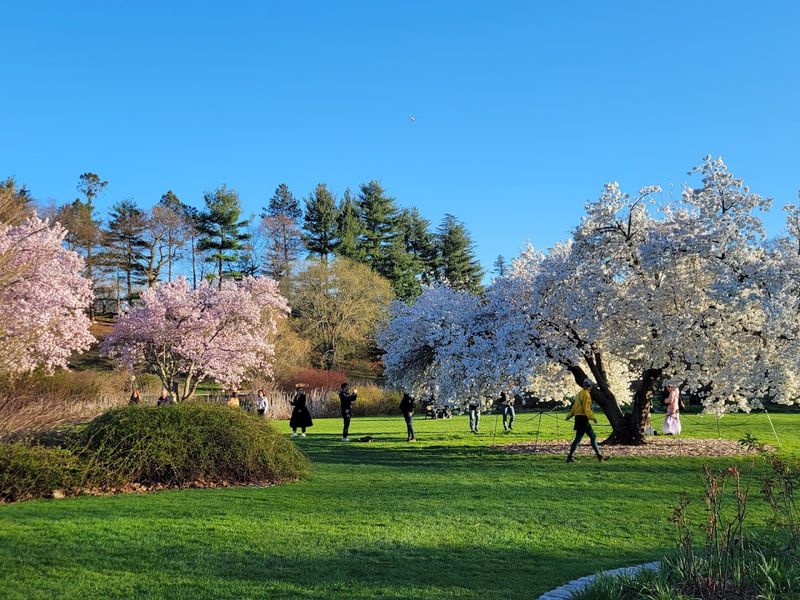
The Arnold Arboretum is one of those places that can anchor an entire summer day without trying very hard. Its sheer size gives you room to choose your own pace, whether that means a focused walk through notable collections or a longer wandering route across hills, shaded paths, and open views.
In Boston, that amount of breathing room combined with serious plant variety is a rare and very welcome combination.
Because the arboretum is a living museum, the landscape offers more than general prettiness. You are surrounded by a vast collection of trees and woody plants, and that depth gives every section a slightly different character as you move through it.
Summer brings dense foliage, flowering highlights, and enough texture in the planting to make even a simple walk feel visually rewarding.
The rolling terrain helps too. Changes in elevation create stronger sightlines, more varied paths, and those occasional expansive views that make the property feel even larger than it is.
Some areas invite quick movement, while others encourage slowing down to notice bark, branching structure, or the shape of a grove against the sky. That variation keeps the visit engaging over a long stretch of time.
For a summer bucket list, the Arnold Arboretum is an easy inclusion because it combines stature, beauty, and accessibility so effectively.
Free public access lowers the barrier, while the scale and quality of the landscape ensure the experience still feels significant.
If you want a Massachusetts garden destination where scenic walking, world-spanning plant collections, and classic summer greenery all come together in one place, this Boston landmark absolutely earns the space on your calendar.
Share this story