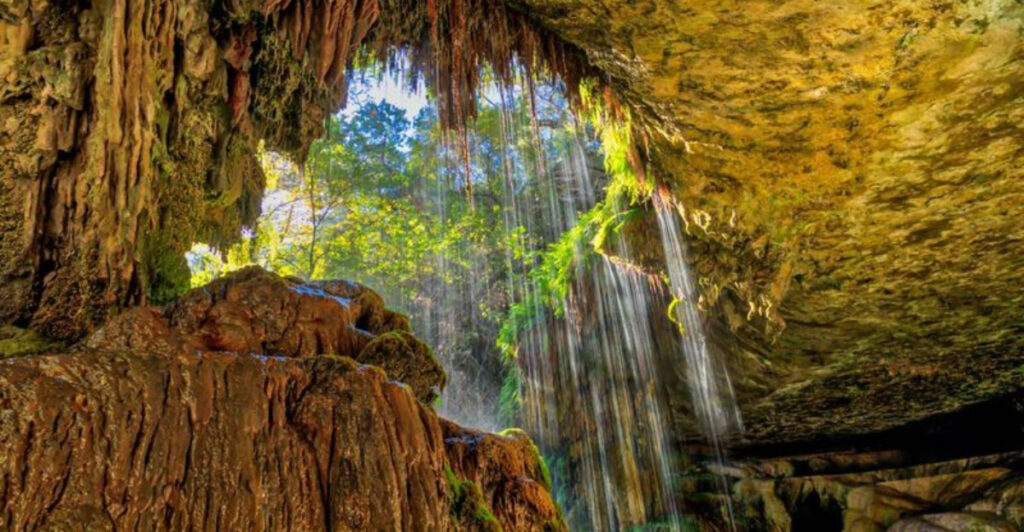
Texas is huge, and while everyone flocks to the same handful of famous spots, there are incredible places tucked away that most people have never even heard of. These hidden gems offer stunning landscapes, unique experiences, and the kind of peace you won’t find at crowded tourist traps. Whether you’re looking for crystal-clear springs, mysterious caves, or wild desert dunes, Texas has secret treasures waiting to be explored before the rest of the world catches on.
1. Canyon Lake Gorge (Canyon Lake)
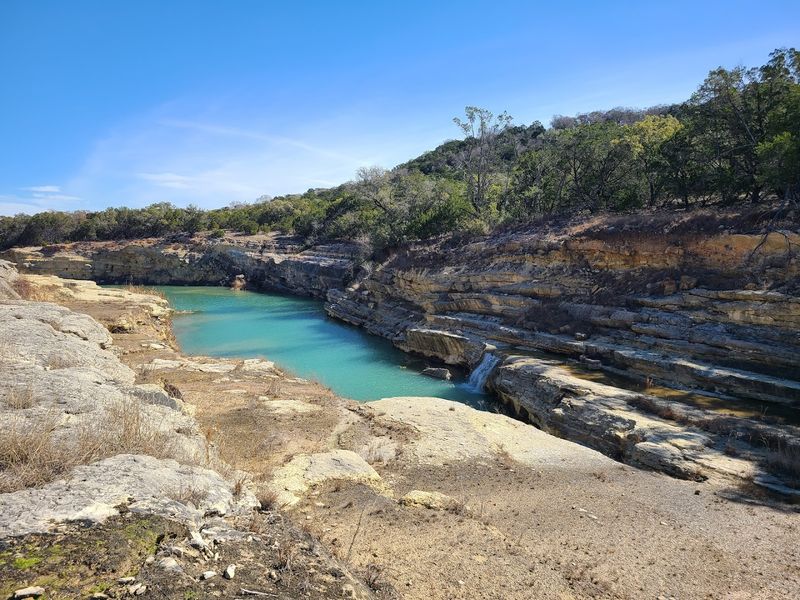
A massive flood in 2002 ripped open the earth near Canyon Lake and revealed something nobody expected: a hidden gorge filled with millions of years of geological history. What was once underwater became an outdoor classroom where you can literally walk through time, examining fossils and rock layers that tell stories from when dinosaurs roamed Texas. This isn’t your typical hiking spot—it’s a raw, rugged landscape that feels like you’ve stepped onto another planet.
Access to the gorge is limited and controlled, which keeps the crowds away and preserves its pristine condition. You can only visit through guided tours led by the Gorge Preservation Society, and spots fill up fast because word is getting out. The tours take you along trails where you’ll spot ancient marine fossils embedded in limestone, see dramatic canyon walls, and learn how one catastrophic event created this geological wonder.
Bring sturdy shoes because the terrain is rocky and uneven, and don’t forget your camera—the layered rock formations create incredible photo opportunities. Tours typically last around three hours, so pack water and snacks. The guides are passionate about the science and history, making even complex geological concepts easy to understand.
Summer can be brutally hot, so spring and fall offer the best weather for exploring. The gorge sits just outside the town of Canyon Lake, making it easy to combine your visit with other Hill Country adventures. Since tours are limited to preserve the delicate ecosystem, booking well in advance is essential.
What makes this place truly special is how few people know about it compared to other Texas attractions. You’re getting front-row seats to Earth’s history without fighting through crowds or waiting in long lines. The combination of scientific significance, natural beauty, and limited access creates an experience that feels exclusive and educational at the same time.
2. Smither Park (Houston)
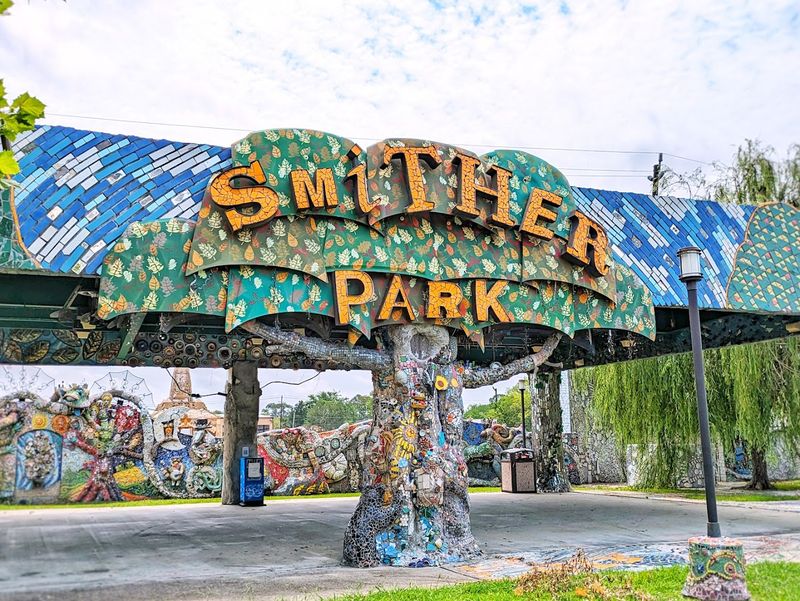
Tucked away in Houston’s Third Ward sits an explosion of color and creativity that most visitors to the city never discover. Built entirely by volunteers over more than a decade, this community art park transforms recycled materials into stunning mosaic murals, sculptures, and installations that cover nearly every surface. Broken tiles, mirrors, bottles, and found objects become swirling dragons, towering figures, and abstract designs that catch the light and dazzle your eyes.
The park honors the legacy of local folk artist John Smither, whose own backyard became a mosaic wonderland before his death. Community members and artists from around the world have contributed to expanding his vision, creating new installations that range from whimsical to profound. Walking through feels like stepping into a living art gallery where creativity knows no bounds.
Unlike sterile museum exhibits behind velvet ropes, you can touch, explore, and interact with the art here. Kids especially love the mosaic-covered playground equipment and winding pathways that reveal new surprises around every corner. The park hosts regular community events and workshops where you can even help create new mosaic pieces, making visitors part of the ongoing artistic evolution.
Photographers find endless inspiration in the intricate patterns and vibrant colors that change appearance depending on the time of day and angle of sunlight. Early morning or late afternoon provides the best lighting for capturing the mosaics’ full glory. The park is completely free to visit, making it accessible to everyone regardless of budget.
Located in a neighborhood that’s seen its share of challenges, Smither Park represents hope, community resilience, and the transformative power of art. Local residents take pride in maintaining and expanding the space, creating a welcoming atmosphere for visitors. The contrast between the colorful, joyful park and the surrounding urban landscape makes the experience even more striking and memorable for those who make the effort to find it.
3. Balmorhea State Park (Toyahvale)
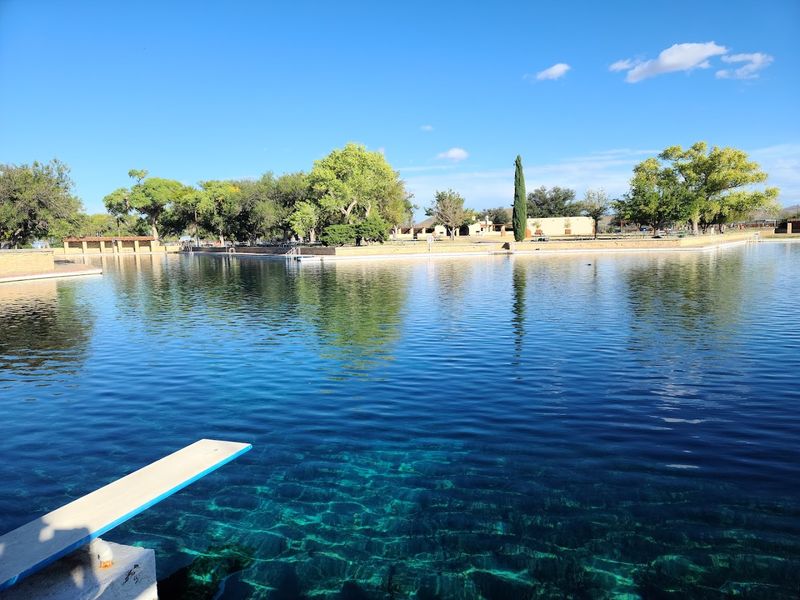
Deep in the Chihuahuan Desert, where you’d least expect it, sits one of the world’s largest spring-fed swimming pools—a 1.75-acre oasis filled with water so clear you can see every detail of the sandy bottom 25 feet down. The springs pump out 15 million gallons of fresh water daily at a constant 72-76 degrees, creating perfect swimming conditions year-round. Built by the Civilian Conservation Corps in the 1930s, this engineering marvel blends seamlessly with the natural desert environment.
Underwater, the pool reveals a hidden ecosystem where endangered species like the Comanche Springs pupfish dart among submerged vegetation. Scuba divers and snorkelers love exploring the underwater landscape, discovering springs bubbling up from the bottom and observing fish found nowhere else on Earth. The water’s clarity rivals tropical destinations, but you’re surrounded by desert mountains instead of palm trees.
The park offers more than just swimming—you can camp under star-filled skies that seem impossibly bright without city light pollution. The historic bathhouse and diving platform maintain the park’s vintage charm while providing modern amenities. Shaded picnic areas offer relief from the desert sun, and the small museum explains the area’s unique geology and ecology.
Visiting during weekdays or off-season gives you the best chance of having this desert paradise mostly to yourself. Weekends and holidays can get crowded as word spreads about this hidden treasure. The tiny town of Toyahvale nearby offers limited services, so come prepared with supplies from Fort Davis or Pecos.
What makes Balmorhea truly special is the surreal contrast—you’re swimming in crystal-clear water in the middle of an arid landscape where temperatures regularly exceed 100 degrees. The experience feels almost impossible, like discovering a secret the desert has been keeping. As development pressures increase in West Texas, this spring-fed wonder becomes even more precious and worth protecting for future generations to enjoy.
4. Cattail Marsh Scenic Wetlands & Boardwalk (Beaumont)
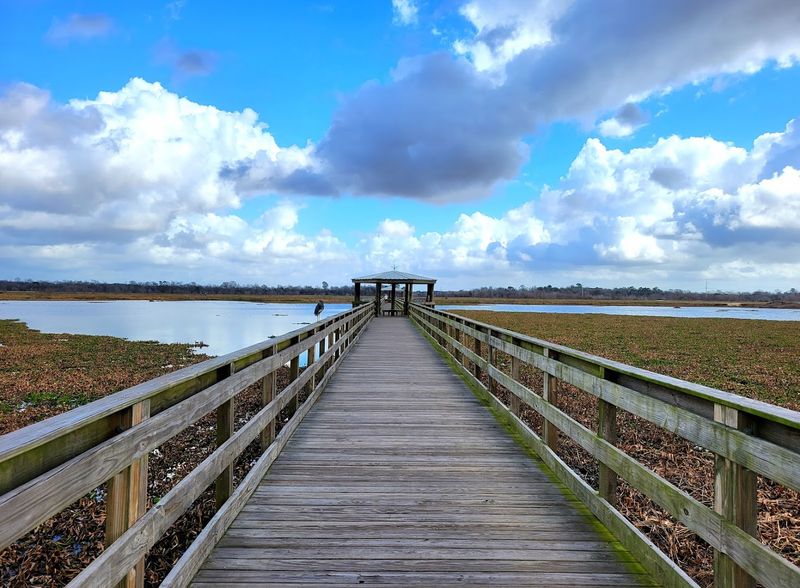
Most people think of Texas as all cowboys and deserts, but Southeast Texas holds a completely different world of swamps, marshes, and wetlands teeming with life. This 900-acre constructed wetland started as a wastewater treatment project and evolved into one of the region’s best spots for birdwatching and nature photography. A mile-long elevated boardwalk lets you glide above the marsh, getting close to alligators, herons, and hundreds of other species without getting your feet wet.
The observation tower provides panoramic views across the wetlands where you can spot roseate spoonbills, ibis, and during migration seasons, rare species that birders travel hundreds of miles to see. Educational signage along the boardwalk explains the wetland ecosystem and the innovative engineering that turned treated wastewater into this thriving habitat. It’s proof that humans and nature can work together when we get creative about conservation.
Early morning brings the marsh to life as mist rises off the water and birds begin their daily routines. Photographers arrive before dawn to capture golden light filtering through cypress trees draped with Spanish moss. The sounds alone—frogs croaking, birds calling, insects humming—create a symphony that drowns out any memory of nearby highways.
Unlike many nature preserves that require hiking long distances, the boardwalk makes this wetland accessible to everyone, including those with mobility challenges. The flat, stable walkway accommodates wheelchairs and strollers, making it family-friendly. Benches placed at strategic spots let you sit quietly and watch wildlife go about their business.
The marsh changes dramatically with seasons—spring brings nesting activity and baby animals, summer explodes with green growth, fall hosts migrating birds, and winter offers clearer views through bare branches. Each visit reveals something different. Located just minutes from downtown Beaumont, this hidden gem proves you don’t need to travel to remote wilderness to experience authentic Texas nature at its finest.
5. Caverns of Sonora (Sonora)
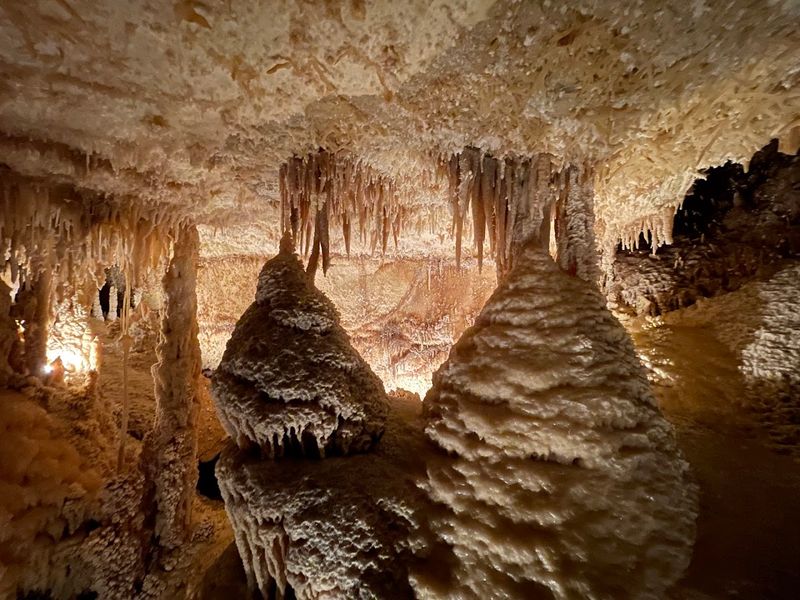
National Geographic once called these caves the most beautiful in the world, yet they remain relatively unknown compared to other Texas tourist attractions. Located under the West Texas desert, these living caves contain formations so delicate and intricate that they seem impossible—crystalline structures that defy gravity, growing in all directions like frozen fireworks. The 95% humidity inside preserves these formations, keeping them actively growing after millions of years.
The guided tour takes you through narrow passages that open into cathedral-sized rooms filled with every type of cave formation imaginable. Helictites twist and spiral in seemingly random directions, butterfly formations look like delicate wings frozen in stone, and soda straws hang from ceilings like translucent chandeliers. The cave’s unique geology created conditions perfect for these rare formations to develop.
Tour guides keep groups small to protect the fragile environment and ensure everyone gets clear views and detailed explanations. The temperature stays around 70 degrees year-round, making it a refreshing escape from summer heat or winter cold. Lighting has been carefully designed to showcase the formations’ natural beauty without damaging them.
Photography is allowed, but the cave’s dim lighting and narrow spaces make it challenging without proper equipment. Most visitors simply soak in the experience rather than struggling with cameras. The two-hour tour covers about two miles of walking with some stairs and uneven surfaces, so reasonable fitness is required.
The caverns’ remote location—about 15 miles southwest of Sonora—keeps casual tourists away, meaning you’ll share this underground wonderland with a handful of serious cave enthusiasts rather than massive crowds. The drive through ranch country is scenic, though there’s not much else around. Plan to spend at least half a day here, and consider combining your visit with exploring nearby Devil’s River State Natural Area if you’re up for adventure.
The caverns represent one of those rare places where reality exceeds expectations, where nature’s artistry creates something so extraordinary it almost seems unreal.
6. Monahans Sandhills State Park (Monahans)
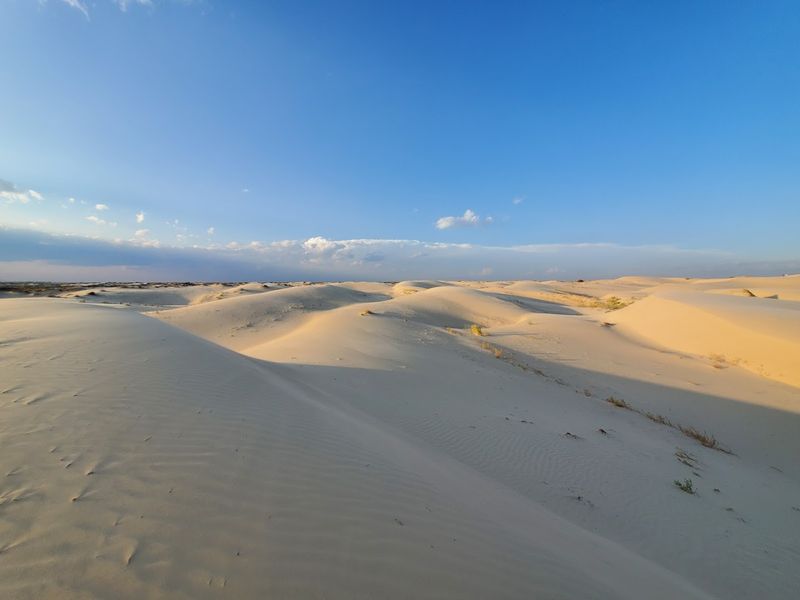
Imagine 3,840 acres of Sahara-like sand dunes rising up to 70 feet high, right in the middle of West Texas oil country. These aren’t coastal dunes—they’re ancient deposits left behind when this region was covered by shallow seas millions of years ago. Wind constantly reshapes the landscape, creating rippled patterns and smooth slopes that look more like North Africa than North America.
The best part? You’re actively encouraged to run, roll, and sled down these massive dunes. The park rents sand disks at the entrance, turning your visit into an adrenaline-pumping playground experience.
Kids and adults alike spend hours climbing to the top of dunes and racing back down, laughing and covered in sand.
Walking barefoot across the dunes connects you directly to this unique landscape, though the sand can get scorching hot in summer—early morning or evening visits work best. The sand’s texture varies from fine powder to coarser grains depending on recent wind patterns. Sunrise and sunset paint the dunes in shades of gold, pink, and orange that photographers dream about.
Hardy plants like shin oak and rosemary somehow survive in this harsh environment, their roots stabilizing some dunes while others remain completely bare and mobile. Wildlife including lizards, roadrunners, and even mule deer have adapted to desert life here. The interpretive center explains the geology and ecology that make this ecosystem so unusual.
Unlike popular beach destinations, you might have entire dunes to yourself, especially on weekdays. The park offers basic camping facilities for those who want to experience the desert under stars that seem to multiply in the darkness. Night temperatures can drop dramatically even when days are blazing hot.
Located just off Interstate 20 between Odessa and Pecos, the park makes an easy stop during cross-country road trips, though most travelers zoom past without realizing what they’re missing. The contrast between the industrial oil pumps visible in the distance and these pristine natural dunes creates a uniquely Texas juxtaposition of industry and wilderness.
7. Westcave Outdoor Discovery Center (Round Mountain)
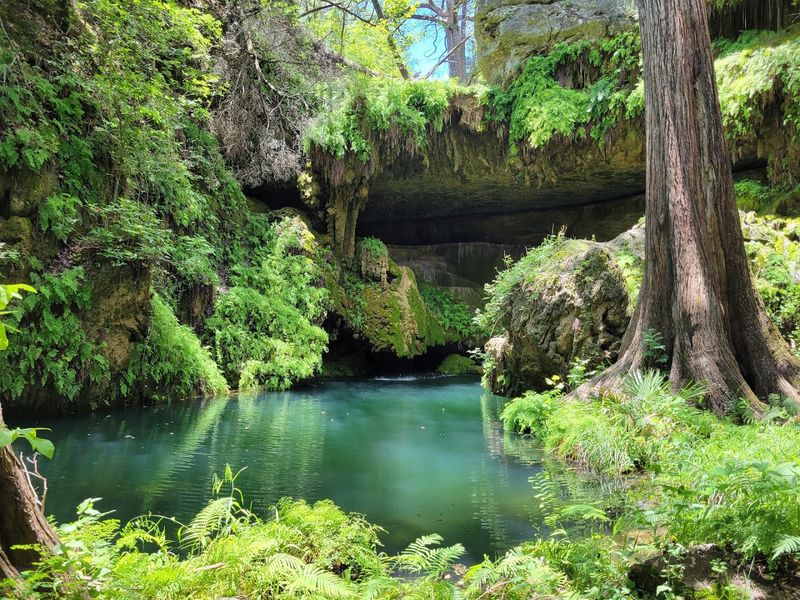
Hidden in the Hill Country, a collapsed grotto creates a microclimate so different from the surrounding landscape that stepping inside feels like entering another world. A 40-foot waterfall cascades over a limestone cliff into a pool surrounded by ferns, moss, and plants typically found hundreds of miles away in more humid climates. The constant shade and moisture from the spring-fed waterfall support this oasis year-round, even during brutal Texas droughts.
Access to the preserve is strictly controlled through guided tours that leave hourly on weekends, protecting this fragile ecosystem from overuse. The hike down to the grotto involves steep stairs and uneven terrain, but the payoff is worth every step. Your guide explains the unique geology that created this collapsed cavern and the rare species that thrive in these specific conditions.
The temperature inside the grotto stays noticeably cooler than the surrounding Hill Country, and the sound of falling water creates a peaceful atmosphere that feels meditative. Sunlight filters through the opening above, creating dramatic lighting effects that change throughout the day. Photographers love the challenge of capturing the contrast between the bright canyon rim and the shadowy grotto interior.
The preserve encompasses 76 acres beyond just the grotto, with upland trails showcasing typical Hill Country vegetation and wildlife. Educational programs teach visitors about conservation, geology, and the delicate balance required to maintain this unique habitat. The center’s commitment to preservation over profit means they limit visitor numbers rather than maximizing ticket sales.
Located about an hour west of Austin near Pedernales Falls State Park, Westcave makes an excellent addition to a Hill Country road trip. Reservations are strongly recommended, especially during peak spring and fall seasons when Texas weather is most pleasant. The small parking area and limited tour capacity mean you can’t just show up and expect to get in.
What makes this place truly special is how dramatically different it is from everything around it—you’re in classic Hill Country one moment, then suddenly surrounded by moisture-loving plants and a waterfall that seems impossible in this semi-arid region.
8. Caddo Lake State Park (Karnack)
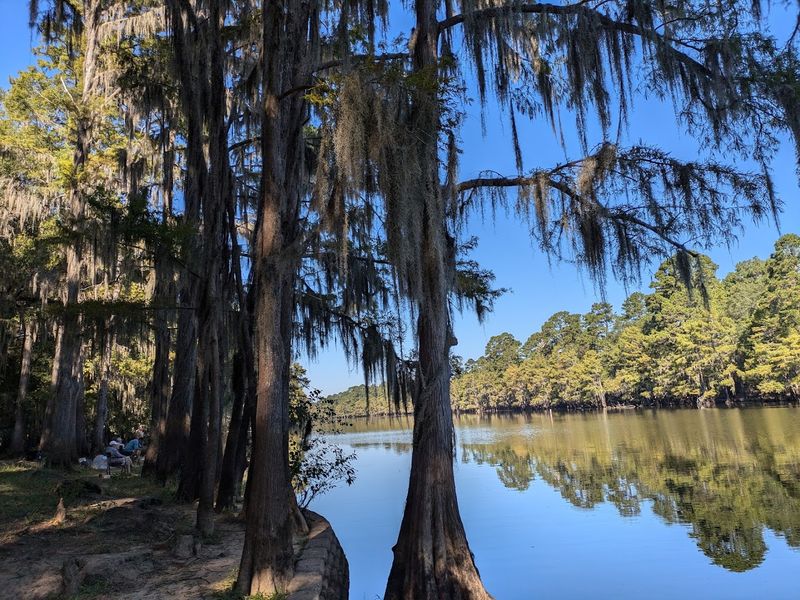
Spanish moss drapes from ancient cypress trees rising out of dark, mysterious waters that spread across the Texas-Louisiana border like something from a Southern Gothic novel. This is Texas’s only natural lake, formed by a massive logjam on the Red River centuries ago, and it creates an ecosystem unlike anything else in the state. Paddling through the maze of channels feels like time-traveling to prehistoric times when giant reptiles ruled these swamps.
Renting a canoe or kayak lets you explore the lake’s intricate waterways at your own pace, gliding silently past cypress knees and under canopies of Spanish moss. The water reflects the trees like a dark mirror, creating disorienting beauty where sky and swamp blend together. Alligators sun themselves on logs, turtles plop into the water as you approach, and birds call from hidden perches in the dense vegetation.
The park offers guided boat tours for those who prefer expert navigation through the bayous and sloughs that can confuse first-time visitors. Tour guides share local legends, point out wildlife, and explain the lake’s unique history and ecology. The tours reveal hidden channels and scenic spots you’d likely miss exploring on your own.
Fishing enthusiasts target largemouth bass, crappie, and catfish in waters that hold state record catches. The tangled underwater structure created by submerged logs and cypress roots provides perfect fish habitat. Early morning fog creates an ethereal atmosphere that anglers either love or find slightly spooky.
Camping at the park puts you right on the water’s edge where night sounds include owls, frogs, and mysterious splashes. The cabins built by the Civilian Conservation Corps in the 1930s offer rustic charm with modern amenities. Fall brings spectacular color as cypress needles turn rust-orange before dropping.
Located in the far northeastern corner of Texas near the Louisiana border, Caddo Lake feels worlds away from the rest of the state. The drive through East Texas pine forests sets the mood for this swampy wonderland that challenges every stereotype about what Texas looks like.
9. Hueco Tanks State Park & Historic Site (El Paso)
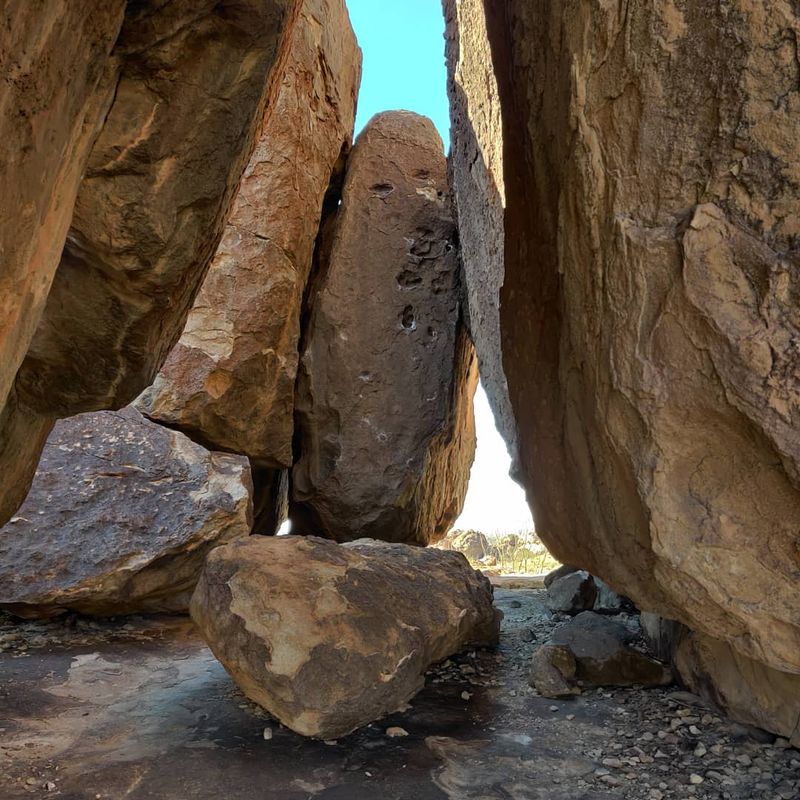
Massive granite boulders rise from the Chihuahuan Desert floor, their surfaces covered with thousands of pictographs created by Native Americans over centuries. Natural rock basins called huecos (Spanish for hollows) collect rainwater, making this spot a vital oasis for travelers, traders, and tribes for millennia. The rock art tells stories in images—masks, animals, human figures, and mysterious symbols that archaeologists still study and interpret.
Access is intentionally limited to protect the irreplaceable cultural resources, with most areas requiring guided tours and advance reservations. Only a small self-guided area is open without restrictions, though it still offers impressive rock formations and some pictographs. This preservation approach means you’re seeing authentic history rather than vandalized ruins, but it requires planning ahead.
Rock climbers from around the world come for the unique bouldering opportunities these formations provide. The granite’s texture and the variety of routes challenge climbers of all skill levels. Climbing permits are separate from general admission and also require reservations, with limits on daily climber numbers.
The huecos themselves fascinate visitors—these natural water-collecting basins sustained life in an otherwise harsh desert environment. After rains, they fill with water that can last for months, supporting insects, birds, and small animals. Understanding how precious water is here makes you appreciate the ingenuity of people who survived in this landscape for thousands of years.
Bird watchers find the park surprisingly productive, especially during migration when the water attracts species traveling through the desert. The contrast between the stark desert and these granite islands creates diverse habitats in a small area. Winter offers the most comfortable temperatures for hiking and exploring.
Located just outside El Paso, the park represents a connection to ancient cultures that most Texans never experience. The rock art isn’t just pretty pictures—it’s a genuine archaeological treasure that provides insights into how people lived, what they believed, and how they saw their world. The park’s strict rules might seem inconvenient, but they ensure these irreplaceable resources survive for future generations to study and appreciate.
10. Colorado Bend State Park (Bend)
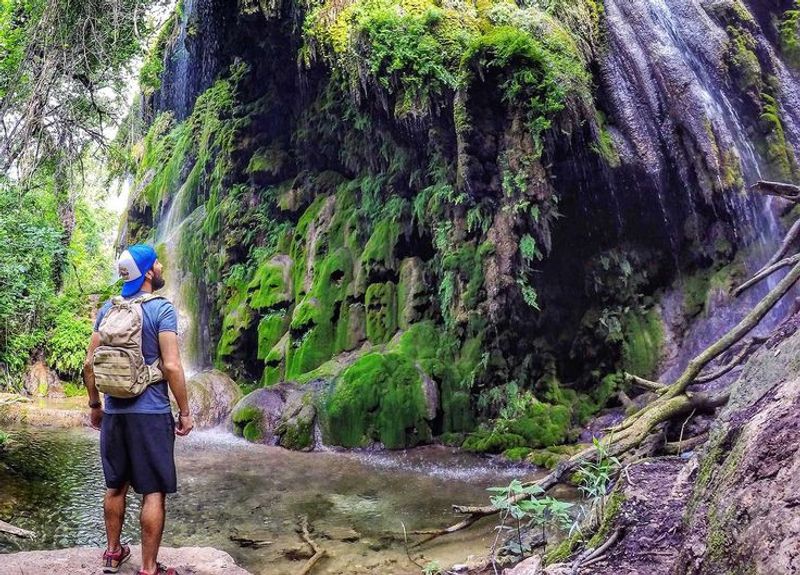
Reaching this park requires commitment—the last several miles involve driving on rough dirt roads that keep casual tourists away. Your reward for the bumpy journey is one of Texas’s most spectacular waterfalls, a 60-foot travertine cascade that flows year-round over a moss and fern-covered cliff. The falls create a lush grotto that seems impossible in the semi-arid Hill Country, fed by springs that never stop flowing.
The three-mile round-trip hike to Gorman Falls crosses rocky terrain and involves some scrambling, but it’s manageable for anyone with moderate fitness. The trail follows Gorman Creek through a scenic canyon where you might spot deer, armadillos, or wild turkeys. As you approach the falls, you hear the water before you see it, building anticipation for the reveal.
Beyond the famous waterfall, the park offers over 35 miles of trails for hiking and mountain biking through rugged Hill Country landscape. The Colorado River flows through the park, creating opportunities for swimming, fishing, and primitive camping along its banks. Spicewood Springs Trail leads to another beautiful waterfall and swimming hole that sees far fewer visitors than Gorman Falls.
Cave enthusiasts can join guided tours of Gorman Cave, a wild cave system that requires crawling through tight passages and getting muddy. These tours are serious caving experiences, not sanitized tourist caves with paved walkways. Reservations are essential and tours often book weeks in advance.
The park’s remote location and primitive facilities—vault toilets, no electricity, limited water—maintain its wild character. This isn’t a place for RVs and comfort-seekers; it’s for people who want genuine outdoor adventure. Cell phone service is nonexistent, forcing a true digital detox.
Spring brings the best water flow at Gorman Falls and wildflowers blooming across the hillsides. Summer can be brutally hot, though the river and falls provide cooling relief. Fall colors appear in late November when the sycamores and Spanish oaks turn.
The rough access road keeps visitor numbers low even during peak seasons, giving you a taste of what Texas wilderness felt like before everything was paved and developed.
11. Caprock Canyons State Park & Trailway (Quitaque)
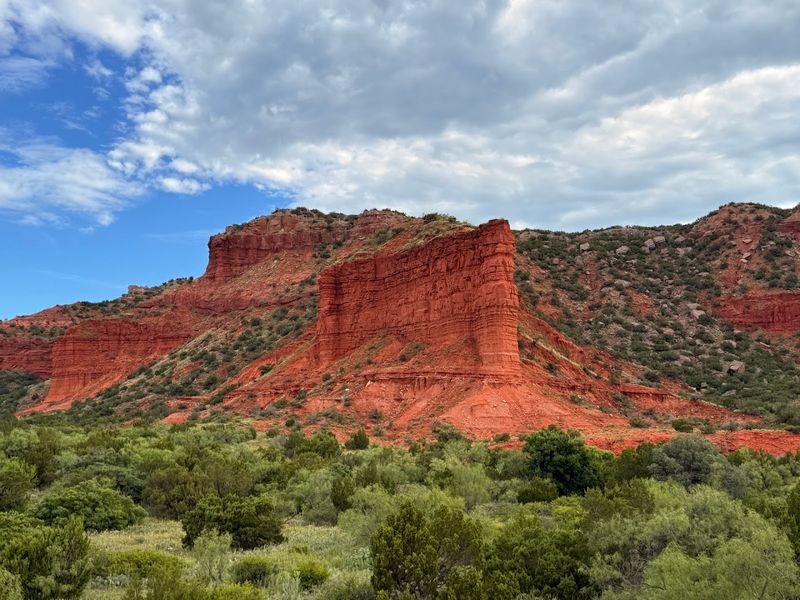
Where the flat High Plains suddenly drop away into colorful canyons, you’ll find one of the Panhandle’s best-kept secrets. Red rock formations, sculpted by wind and water over millions of years, create a landscape that rivals more famous parks without the crowds. The official state bison herd roams freely here, descendants of the vast herds that once covered the Great Plains before being hunted nearly to extinction.
Seeing these massive animals in their natural habitat creates a powerful connection to Texas history and the wildlife that shaped it. The herd numbers around 100 animals that you might encounter while hiking or driving the park roads. Keeping a respectful distance is essential—these are wild animals weighing up to 2,000 pounds, not docile livestock.
The park’s 90 miles of trails accommodate hikers, mountain bikers, and horseback riders through terrain ranging from canyon bottoms to mesa tops. The Trailway follows a converted railroad bed for 64 miles, creating one of the longest rail-to-trail conversions in the country. The relatively flat Trailway provides easy access to stunning scenery without requiring technical hiking skills.
Geology enthusiasts love identifying the colorful rock layers representing different prehistoric eras. The red Permian mudstones contrast with white gypsum and darker caprock, creating a painter’s palette of earth tones. Erosion continues sculpting new formations, meaning the landscape constantly evolves on geological timescales.
Night skies here rival any in Texas for darkness and star visibility. The remote location far from city lights lets the Milky Way stretch across the sky in brilliant detail. Camping under these stars feels like stepping back to a time before electric lights dimmed our view of the cosmos.
Share this story