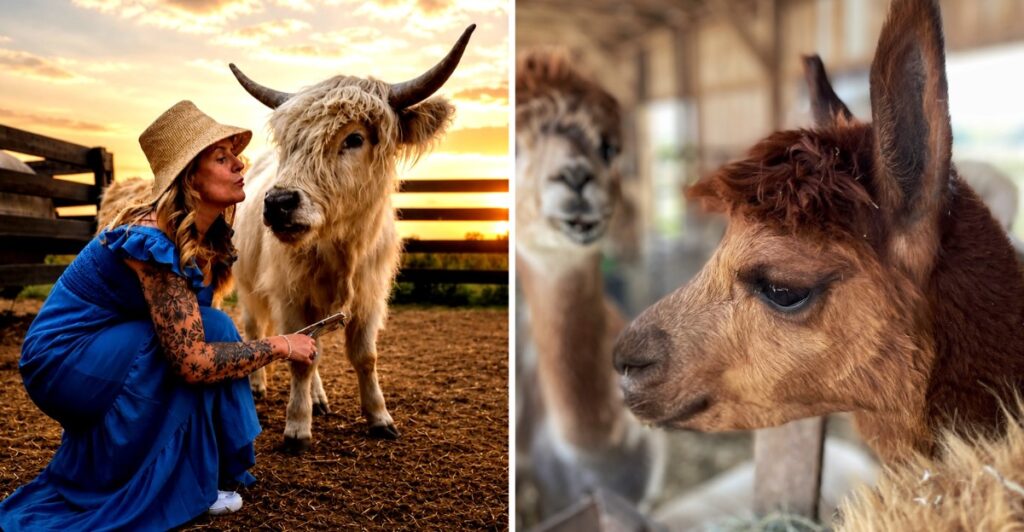
Shaggy bangs, floppy ears, and noses that immediately start investigating your pockets make Illinois farm visits surprisingly hard to resist. Around the state, family farms and animal rescues offer opportunities to meet alpacas, goats, Highland cows, and other friendly residents from much closer than the pasture fence.
Depending on the farm, visitors might feed animals, brush soft coats, learn about fiber production, or simply enjoy some wonderfully photogenic company. It is an easy way to trade screens and schedules for fresh air and a slower afternoon. Pull on your boots and keep the camera handy, because these 11 Illinois farms come with plenty of four-legged personality.
1. Majestic Highlands Homestead (Batavia)
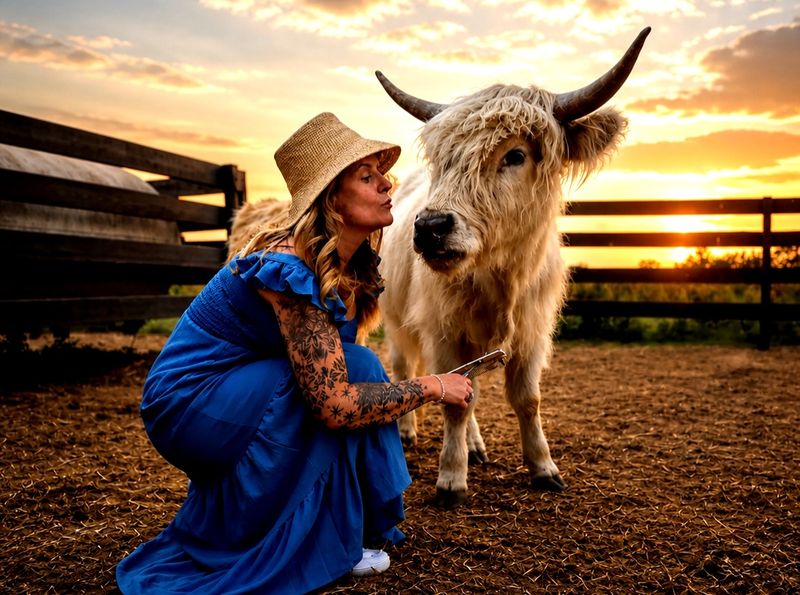
Picture a cow wearing bangs so long it has to peek through them to see you. That is the daily look at Majestic Highlands Homestead, a small family farm in Batavia built around Scottish Highland cattle.
Highland cows are famous online, but meeting one in person is a different story. Their coats are thick and shaggy, often in shades of red, tan, or black, and their curved horns give them a storybook look. Up close, you notice how calm they are, chewing slowly while you stand right beside them.
Visits here are designed to be personal. Instead of shuffling past a fence with a crowd, guests get time to pet, brush, and simply hang out with the herd. Brushing is a big hit, since it lets you feel just how dense that famous coat really is.
The farm also leans into teaching. You can learn why these cows grow such heavy hair, how they handle cold weather, and what daily care looks like on a homestead. Kids tend to fire off question after question, and the answers make the visit stick long after the drive home.
Fun fact time. Highland cattle come from the rugged Scottish Highlands, where wind, rain, and chilly temperatures shaped their double-layered coats.
That shaggy outer layer sheds water, while the soft under layer keeps them warm. Those long bangs, called a forelock, help shield their eyes from bugs and harsh weather.
Fall is an especially sweet time to go. Cooler air means the cows are comfortable and active, and their coats start getting extra fluffy for winter. Batavia sits in the Fox Valley west of Chicago, so it pairs nicely with a scenic drive or a stop at a nearby orchard.
Check majestichighlands.com for visit details and booking information before heading out, since small farms often limit the number of guests each day.
2. Alpaca Pines LLC Farm and Fiber Mill (Poplar Grove)
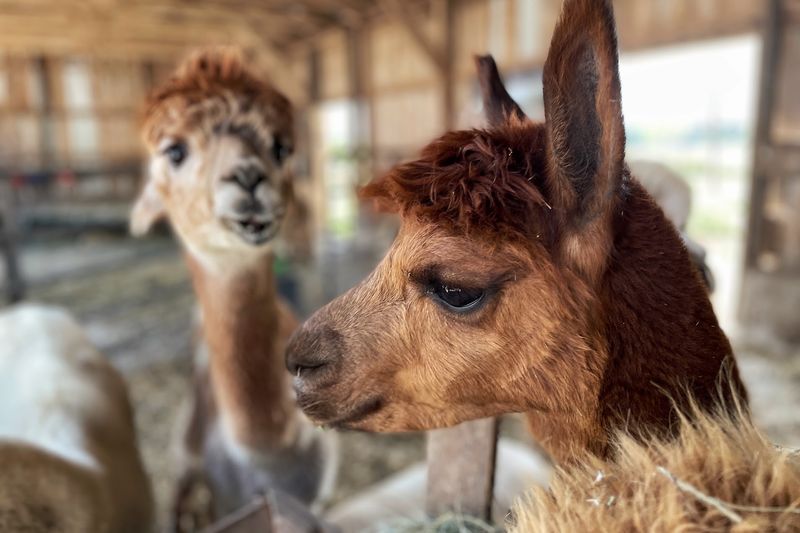
Ever wonder where all that fluff goes after an alpaca gets a haircut? At Alpaca Pines in Poplar Grove, you can follow the whole journey from pasture to yarn.
The alpacas come first, of course. Visitors get to meet the herd and learn about these soft, quiet animals, from what they eat to how they communicate. Alpacas often hum to each other, a soft sound that surprises most first-timers.
Then things get interesting. The farm runs a working fiber mill, where sheared alpaca fleece gets cleaned, processed, and spun into yarn. Seeing machines turn a fluffy pile into neat strands is oddly satisfying.
Alpaca fiber has a strong reputation among knitters and crafters. It is known for being soft and warm, and it does not contain lanolin, the natural grease found in sheep wool. That is one reason some people who find wool itchy prefer alpaca.
Shearing usually happens once a year, often in spring, so the animals stay cool through summer. By fall, their coats have started growing back, giving them a plush, teddy-bear look that photographs beautifully.
This stop is a favorite for crafty people. Knitters, crocheters, and weavers get a behind-the-scenes look at their favorite material. Even folks who have never held knitting needles tend to find the process fascinating.
Poplar Grove sits in Boone County in northern Illinois, not far from Rockford. Country roads, fields, and small-town charm make the drive pleasant, especially when the leaves change color.
Kids may love the alpacas most, while adults linger at the mill asking how each machine works. That mix makes it a solid pick for families with different interests.
Call or check online before visiting to confirm hours and tour options. A small working farm and mill keeps a busy schedule, and planning ahead helps everyone.
3. Johansen Farms Children’s Zoo & Pumpkin Farm (Bolingbrook)
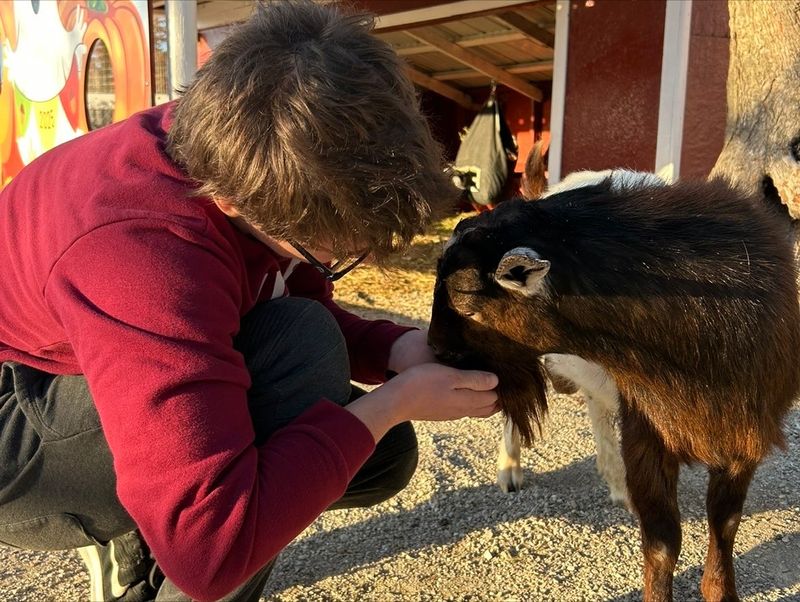
Pumpkins on one side, goats on the other. Johansen Farms in Bolingbrook mashes together two classic fall activities into one easy family outing.
The pumpkin side checks every autumn box. Rows of orange pumpkins, seasonal treats, and that crisp October air make it a go-to for families hunting the perfect jack-o-lantern. Picking one out can take longer than expected when everyone has an opinion.
Then comes the children’s zoo, where getting close to farm animals is part of the plan. Goats are the crowd favorites, popping their heads through fences and greeting kids with eager little bleats. They seem to know exactly who is holding food.
Why do goats act so friendly? They are naturally curious animals that explore the world with their mouths and noses. That is why they nibble at sleeves, untie shoelaces, and inspect anything new. It is not rude, just goat research.
Younger kids especially love this stop. Goats are small enough to feel safe but bouncy enough to be exciting. For toddlers meeting farm animals for the first time, it is a gentle introduction.
Bolingbrook sits in the southwest suburbs, so the drive is short for many Chicago-area families. That makes it a practical choice for a busy weekend when a long road trip is not in the cards.
The combination is what sells it. Instead of choosing between a pumpkin patch and an animal visit, you get both in one stop. Parents appreciate fewer car rides, and kids appreciate more goats.
Fall weekends can get busy at popular pumpkin farms, so arriving earlier in the day may mean smaller crowds. Bring hand wipes or sanitizer for after the goat greetings, because sticky fingers and pumpkin snacks tend to follow animal time.
4. SafeHouse Farm Alpacas & Ye Olde Alpaca Shoppe (Barrington)
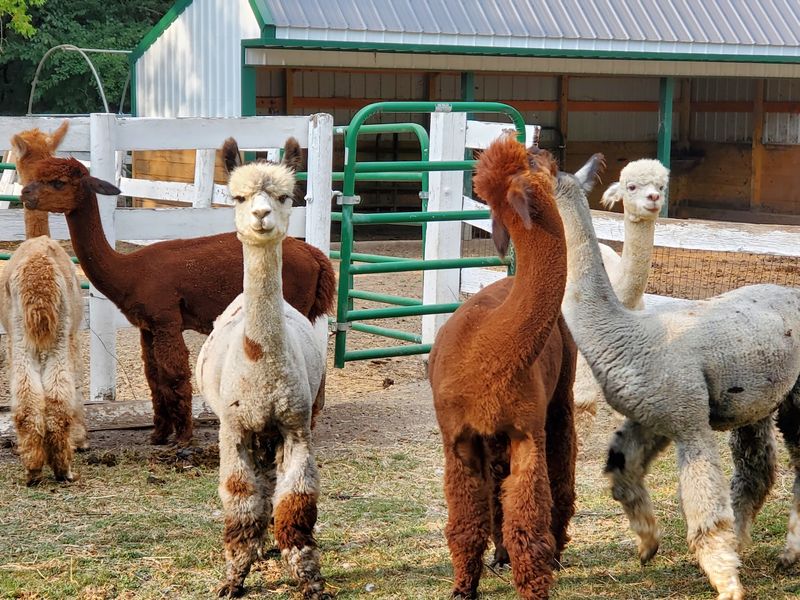
Alpacas get top billing in Barrington, but the supporting cast is huge. SafeHouse Farm Alpacas also has goats, sheep, llamas, horses, chickens, ducks, and other friendly residents waiting to say hello.
Think of it as a barnyard sampler. One minute you are meeting a fluffy alpaca with a perfect haircut, and the next a goat is trying to investigate your shoelaces. Ducks waddle by on their own schedule, ignoring everyone.
Visits are arranged by appointment, and that changes the whole experience. Without crowds packed around a fence, guests can take their time, ask questions, and actually watch how each animal behaves. Shy alpacas often warm up when the setting is quiet.
Here is a quick way to tell the two camelid cousins apart. Llamas are bigger, with long banana-shaped ears, while alpacas are smaller with short, spear-shaped ears and a rounder, fuzzier face. Seeing both side by side makes the difference easy to spot.
Then there is Ye Olde Alpaca Shoppe. Alpaca fiber is known for being soft and warm, and a farm shop is a great place to see what that fleece turns into. Browsing after meeting the animals gives the products a fun backstory.
Barrington sits in the northwest suburbs, with winding roads, horse properties, and plenty of trees. It is close enough to Chicago for a half-day outing, yet the farm setting makes the city seem far away.
Families with younger kids might like the variety most of all. Little ones who get nervous around bigger animals can start with chickens or goats, then work their way up to the alpacas.
Older visitors usually end up comparing personalities, because every animal here seems to have one. Book ahead, wear shoes that can handle a little mud, and plan for extra time at the shop.
5. Hephzibah Farms (Hebron)
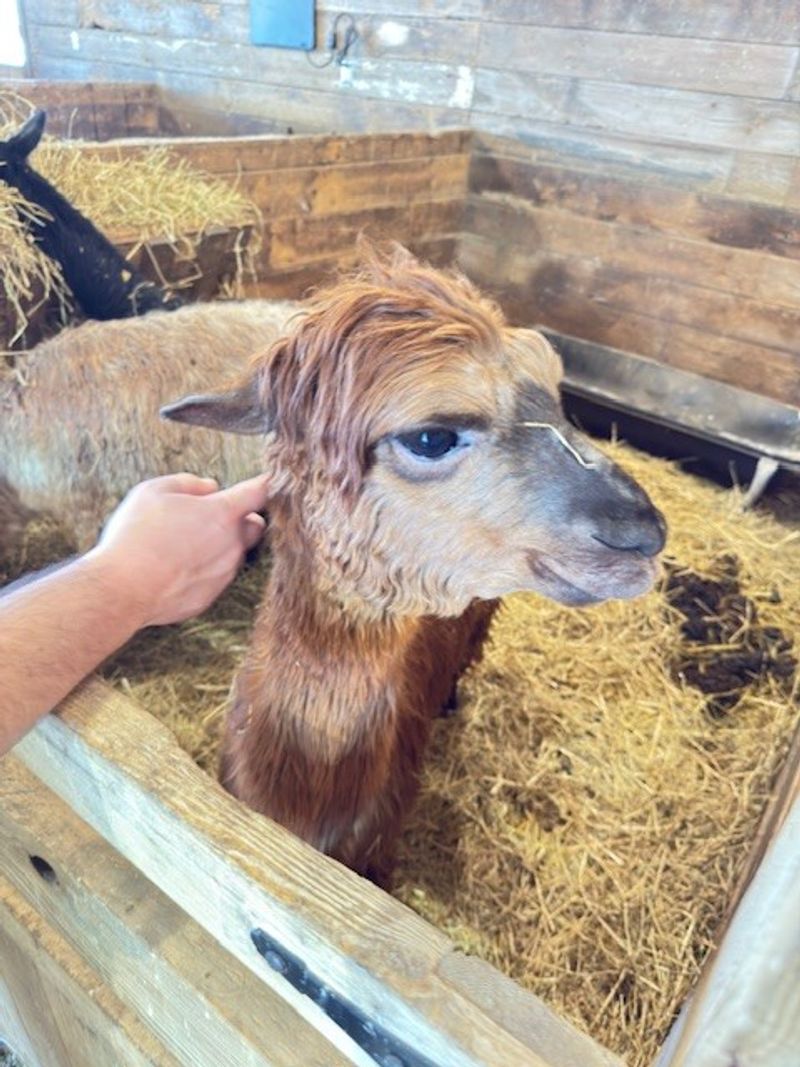
Count the animals at Hephzibah Farms and you may run out of fingers. Cattle, sheep, goats, pigs, horses, donkeys, chickens, ducks, and more all call this Hebron farm home.
Guided tours are the way to see it all. A guide walks visitors around the property, introducing each group of animals and explaining how they fit into everyday farm life. It turns a simple animal visit into a crash course in how a real farm works.
Education is a big focus for this family-run operation. Guests learn about what the animals eat, how they are cared for, and why each one matters on the farm. For kids, it is the kind of lesson that never feels like school.
Every species brings its own personality to the tour. Donkeys can be stubborn but curious, pigs are smarter than many people expect, and goats seem to be in charge of making everyone laugh. Sheep usually stick together, which is a fun thing to watch in person.
Here is a cool bit of trivia. Pigs are often ranked among the smartest farm animals, able to learn tricks and recognize their names. Seeing them up close might change how you think about the barnyard.
Hebron is way up in McHenry County, close to the Wisconsin border. The area is quiet and rural, with rolling fields that make the trip feel like a true countryside outing.
Groups like scout troops, classes, and homeschool families may find this stop especially useful, since the tours pack in so much learning. Families with animal-obsessed kids will appreciate the variety, because there is always another creature around the corner.
Look up Hephzibahfarms online to check tour times and booking details. A guided visit usually needs planning, so reserving early is a smart move during busy seasons like fall.
6. Lucky Clover Farm (Yorkville)
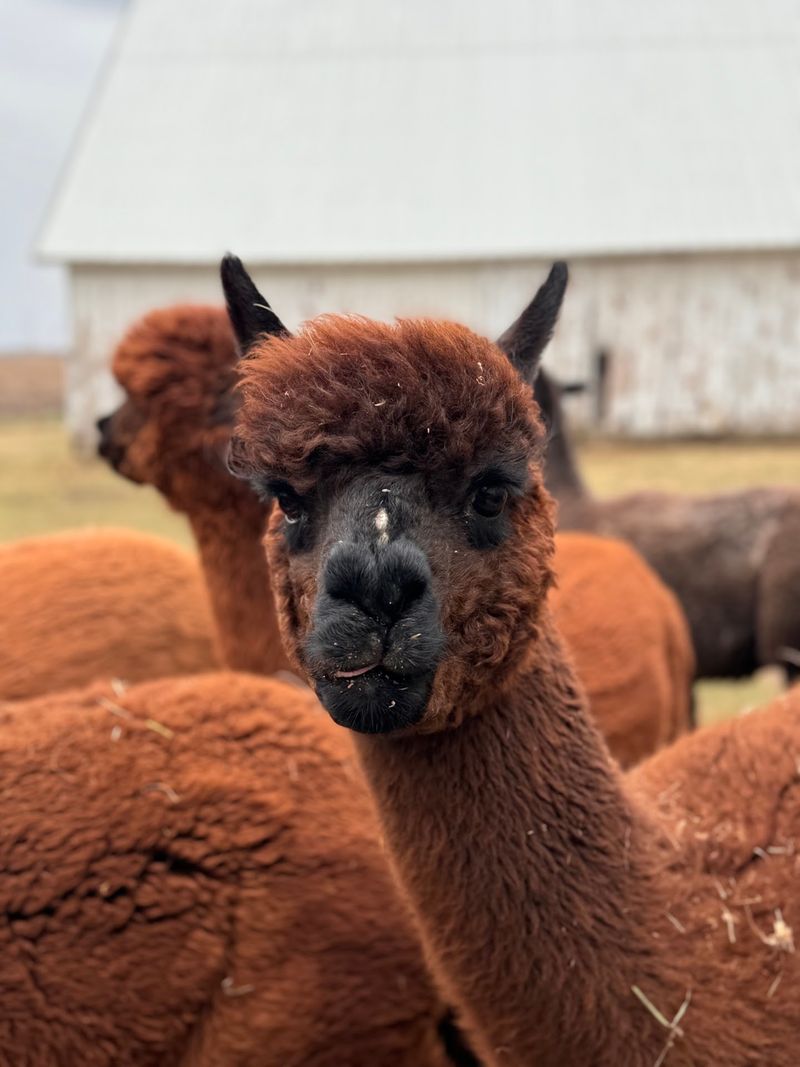
A picnic where the guests have four legs and very fluffy necks? Lucky Clover Farm in Yorkville makes that happen with something called Paca Picnics.
Here is how it works. Visitors relax in the pasture with snacks while curious alpacas wander around, sniff the blanket, and generally act like nosy neighbors. Nobody needs a movie when a fuzzy face pops up next to your sandwich.
Private tours are the other main event. Guests head right into the pasture, where friendly alpacas come over for treats. Hand-feeding is a highlight, and their soft lips tickle your palm as they gobble up the snack.
Petting is part of the fun too, though alpacas have preferences. Many like gentle touches on the neck and back but would rather you skip their faces and legs. A quick tip that helps at any alpaca farm is to let the animal come to you instead of reaching out first.
Photos are a big part of the appeal. Alpacas have expressive faces, wild hairdos, and a knack for staring straight into the camera. Expect to leave with a camera roll full of goofy close-ups.
Yorkville sits along the Fox River in Kendall County, about an hour from downtown Chicago. The town has a relaxed, small-town feel, and the river area adds extra things to do before or after a farm visit.
Birthdays, date ideas, and family outings all fit nicely here. The private setup means groups get the herd mostly to themselves, which keeps things calm for both people and animals.
Search for Lucky Clover Farm online to find booking details for tours and Paca Picnics. Spots on small farms can fill quickly, especially on weekends with nice weather, so planning ahead pays off.
7. Magic Meadows Alpacas (Wonder Lake)
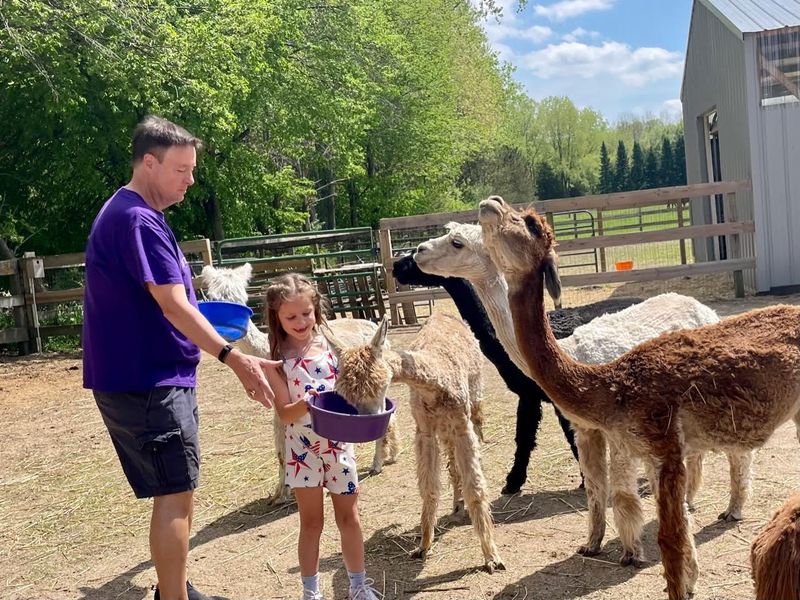
Forget everything you think an alpaca looks like. The Suri alpacas at Magic Meadows have long, silky locks that hang down in twisted strands, almost like dreadlocks.
Most alpacas in the United States are the Huacaya type, with crimpy, puffy fleece. Suris are much less common, which makes this Wonder Lake farm a special stop. Their fiber drapes and shines, giving them a sleek, flowing style that turns heads.
Private visits here come with a big perk. Guests actually step inside the enclosure to feed the herd, rather than watching from behind a fence. Being surrounded by curious Suris munching from your hands is a whole new level of up close.
Visits are by appointment, so the pace stays relaxed. There is plenty of time to ask questions about the herd, how Suris differ from other alpacas, and what running a small working farm involves. The owners clearly know their animals well, and learning their stories adds depth to the visit.
Quick history bit. Alpacas were raised in the Andes Mountains of South America for thousands of years, and their fiber was once highly prized by Inca royalty. Suris, with their glossy locks, have always been the rarer of the two types.
Wonder Lake sits in McHenry County, a lake community surrounded by woods and wetlands. It is a peaceful area that works well for a quiet day trip from the northern suburbs.
Photographers love Suris for their unique texture. Sunlight catches the long fiber in a way you just do not see with fluffier breeds. Bring a camera and be ready for some striking shots.
Book ahead through Magic Meadows Alpacas, since appointment slots are limited. Closed-toe shoes are a good call for stepping into any animal enclosure.
8. Luz Farms (Monee)
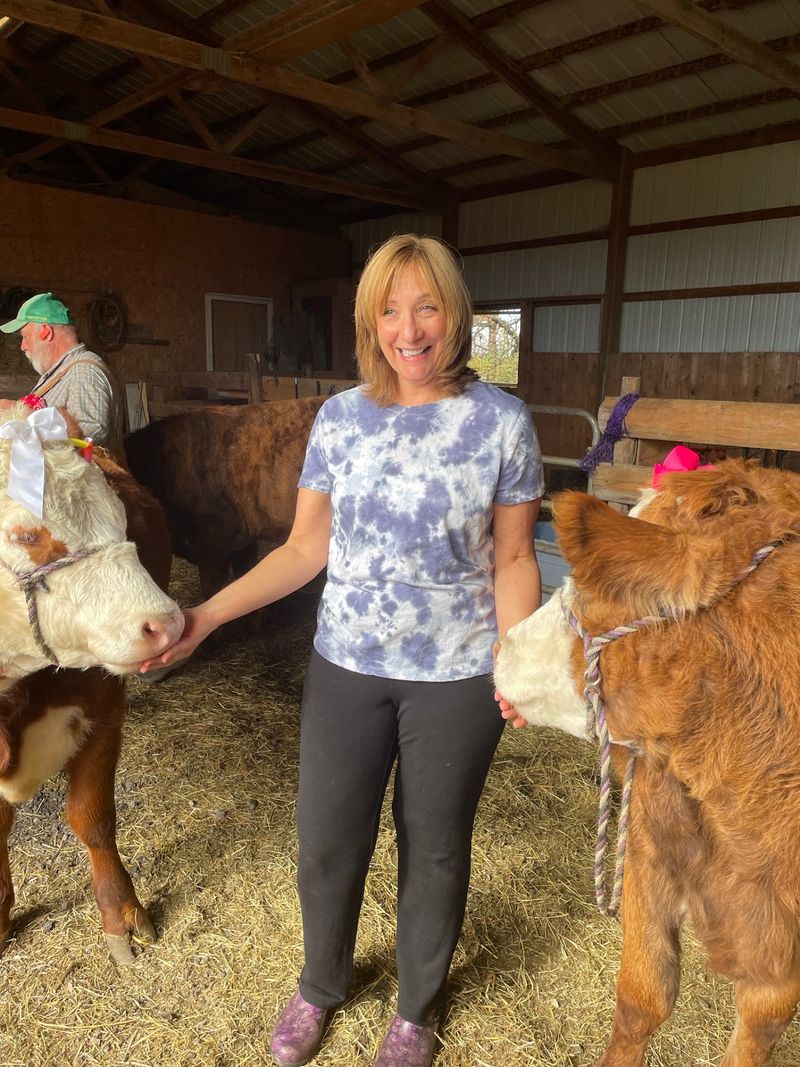
Slow is the speed limit at Luz Farms. Tucked into the open countryside of Monee, south of Chicago, this farm invites visitors to put their phones down and spend real time with cows, goats, and alpacas.
There is no rush here. Nobody is pushing you toward the next station or the gift line. Instead, the day moves at the pace of a goat deciding whether your hand smells interesting.
That hands-on approach is the big draw. Guests get close to the animals, which means petting soft noses, watching alpacas munch hay, and seeing how a cow reacts when you stand nearby. Animals tend to relax when people relax, so a calm visit often leads to friendlier encounters.
Goats bring the comedy. They climb, they nibble, and they will happily try to taste your jacket zipper if given the chance. Alpacas are more reserved, usually watching newcomers with big dark eyes before deciding to come closer.
Cows add a different kind of charm. They are large, steady, and surprisingly gentle when they get used to visitors. For city kids who have only seen cows from a car window, standing next to one can be a real eye-opener.
Monee sits in Will County, where farmland stretches out wide and the sky looks bigger than it does downtown. The drive itself is part of the escape, with fields and barns replacing traffic and tall buildings.
This stop works well for families, couples, or anyone who just needs a breather. It is less about rides and attractions and more about connection, the simple kind you get from scratching a goat behind the ears.
Dress for the weather and expect some dirt on your shoes. Farms are working places, and that little bit of mess is part of the deal.
9. Richardson Adventure Farm (Spring Grove)
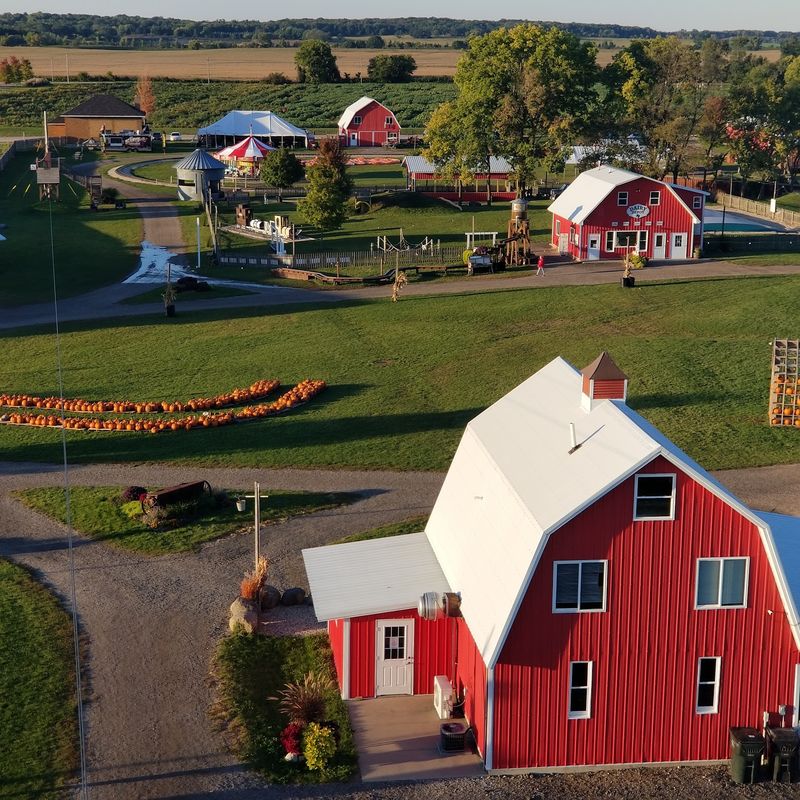
Go big or go home might as well be the motto at Richardson Adventure Farm. This Spring Grove destination crams a full day of fall fun into one sprawling property.
Animal lovers will head straight to the petting zoo. Goats and other friendly farm animals wait for visitors, and feeding them is part of the experience. Goats crowd the fence when they spot food, so expect a little friendly jostling.
But the animals are only one piece of the puzzle. Richardson is famous for its enormous corn maze, which stretches across the fields with winding paths that can keep groups busy for a long time. Getting lost is half the fun.
Add a pumpkin patch, wagon rides, and pig races, and the list keeps growing. Pig races are pure silliness, with little piglets dashing around a track while the crowd cheers them on. Plenty of other attractions fill in the gaps between the big highlights.
Spring Grove is in McHenry County, right near the Wisconsin state line. The area is full of farmland, which explains why the corn maze has so much room to spread out.
Because there is so much to do, planning helps. Wear comfortable shoes for the maze, bring layers for changing fall temperatures, and save energy for the petting zoo near the end. Many families find that a full day disappears quickly here.
This is easily one of the biggest outings on the list. It works for school-age kids who want action, teens who like the challenge of the maze, and adults who just want a classic fall day with a side of goats.
Visit richardsonadventurefarm.com for hours, tickets, and seasonal details. Popular fall farms often change schedules from week to week, so checking first keeps surprises to a minimum.
10. Little Creek Alpacas (Plymouth)
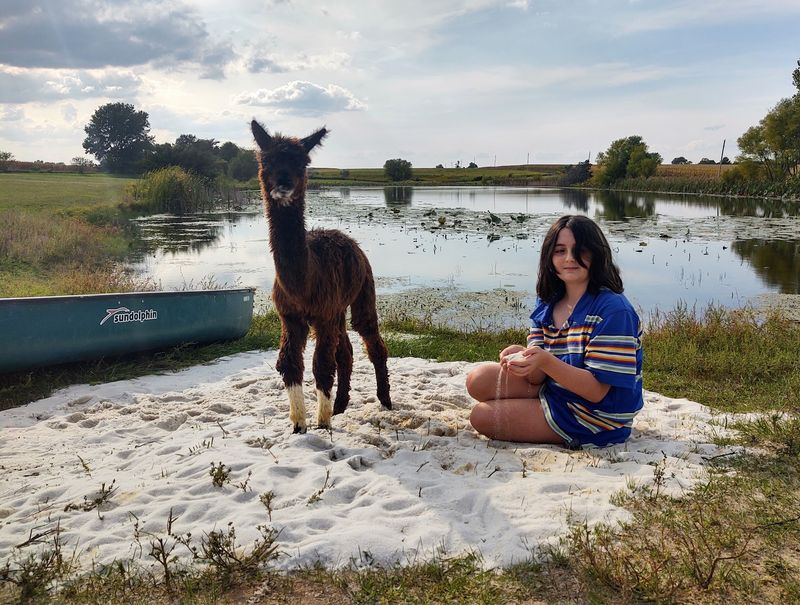
Beach parties in western Illinois? At Little Creek Alpacas, the sand comes with a side of fluff. This Plymouth farm is home to both Suri and Huacaya alpacas, so visitors can compare the two types in one trip.
Huacayas look like walking cotton balls, while Suris sport long, silky locks. Standing between them is the easiest way to learn the difference.
The farm opens to the public for special events, and that is when the fun really happens. Guests can hand-feed alpacas, wander the property, and see how the herd lives day to day. Events bring a lively, festival-style mood that is different from a quiet private tour.
Mark your calendar for the final Alpaca Beach Party of the 2026 season on October 18. It is one more shot for fall visitors to get close to the herd before the weather turns cold. Event dates can shift, so double-check with the farm before you go.
Hand-feeding alpacas is a little like feeding a very polite vacuum cleaner. They gently scoop up pellets with flexible lips, then look at you hopefully for more. Kids usually burst into giggles on the first try.
Plymouth sits in Hancock County, out in the western part of the state, not far from the Mississippi River. It is a longer drive for Chicago folks, but the open farmland and small-town roads make for a scenic trip. Nearby river towns can turn the visit into a weekend.
For people living in central or western Illinois, this farm is a great local option without heading north. Events give everyone a set day to plan around.
Follow Little Creek Alpacas online for event updates and announcements. Dressing in layers is smart for an October outing, since farm fields can get breezy.
11. HHH Ranch (Manhattan)
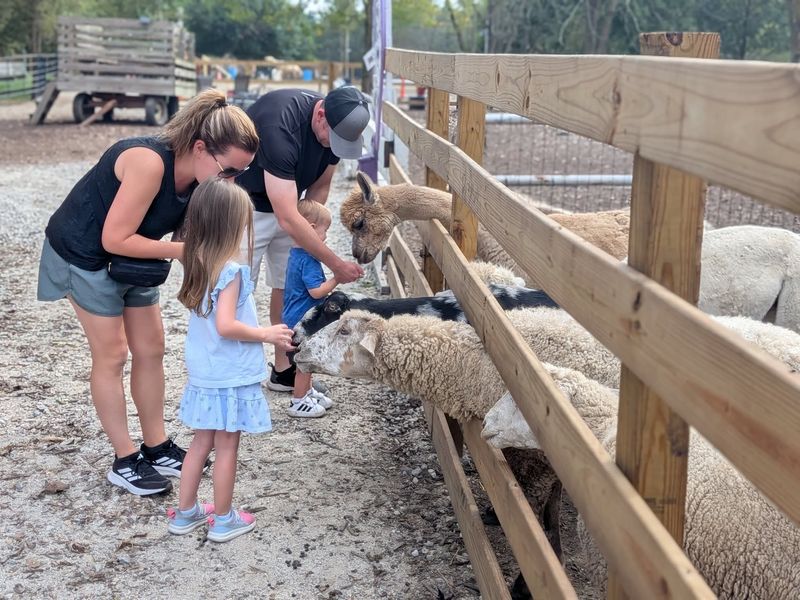
Every animal at HHH Ranch has a story. This nonprofit rescue ranch in Manhattan gives a second chance to farm animals that needed a safe place to land.
The residents are a mixed bunch. Goats, alpacas, sheep, horses, pigs, and other four-legged friends live here, each with their own quirks. Some are outgoing and come running, while others need a little time before trusting new faces.
Visitors get a hands-on chance to meet them. Petting a rescued goat or watching a pig settle into the mud carries extra meaning when you know the animal is now safe and cared for. Kids often ask about each animal’s past, and those stories can spark great conversations about kindness and responsibility.
Rescue ranches run differently from pumpkin farms or attraction-heavy stops. The focus is on animal care, so visits support the mission of feeding, housing, and providing vet care for the residents. Supporting a nonprofit like this helps keep the barn lights on.
Did you know goats can recognize the faces and voices of people they know? Researchers have found they remember familiar humans, which may explain why some rescue goats warm up so quickly to regular volunteers.
Manhattan sits in Will County, south of Joliet, surrounded by farmland and open space. It is a reasonable drive from the southern and western suburbs, making it easy to fit into a weekend.
This stop rounds out the list nicely. After pumpkin patches, fiber mills, and Highland cows, ending with a rescue ranch adds heart to the whole lineup of fluffy farm residents.
Check with HHH Ranch about visiting options and volunteer opportunities. Many rescues welcome donations of supplies, so asking what they need before you go is a thoughtful way to show up.