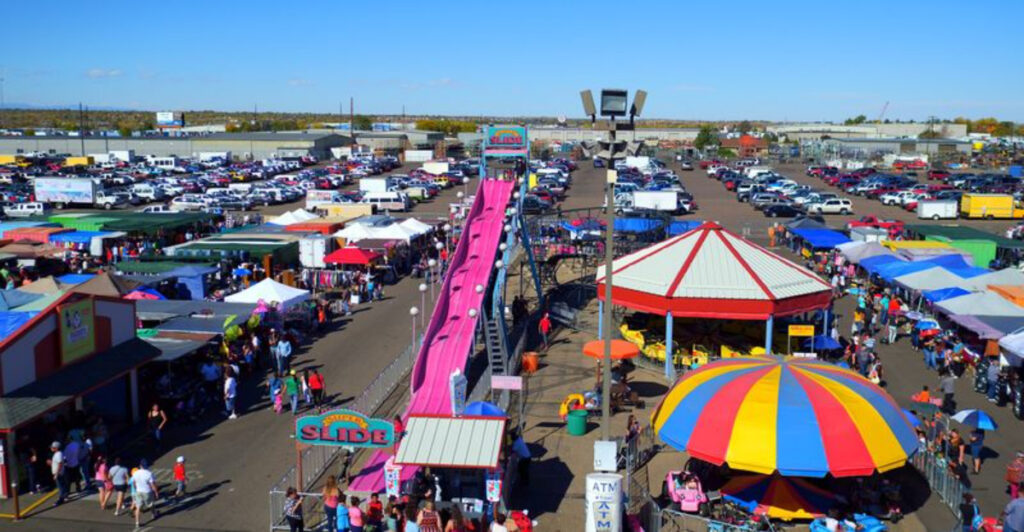
Bargain hunters know that some of the best deals are hiding in plain sight, and Colorado’s biggest flea markets are proof. These sprawling markets are packed with everything from vintage furniture and collectibles to tools, home décor, clothing, and one-of-a-kind treasures that rarely come with hefty price tags.
With a little patience and a sharp eye, a budget of just $40 can go surprisingly far. Part of the fun is never knowing what you’ll discover next or how much value you can uncover in a single visit. These 11 Colorado flea markets are perfect for shoppers who love stretching every dollar.
1. Foothills Flea Market & Antiques (Fort Collins)
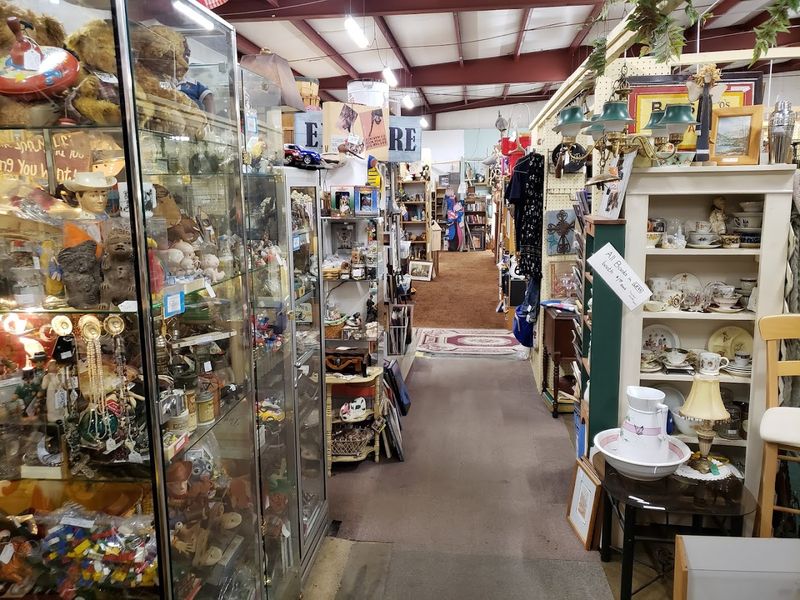
Foothills Flea Market & Antiques in Fort Collins is the kind of place that turns a quick stop into a full afternoon. One aisle pulls you toward old furniture, the next stacks up glassware, tools, framed prints, and little oddities that make no sense until you suddenly need them.
With a $40 budget, this is exactly the sort of market where patience pays off. You can move through dozens of vendor spaces without seeing the same mix twice, which keeps the hunt sharp.
One booth may lean hard into farmhouse décor, while another is all vintage kitchenware, records, sports collectibles, or garage-ready tools.
That variety matters when you are trying to build a satisfying haul instead of blowing your cash on one flashy item.
The smartest approach here is to skip the first thing that catches your eye and make a full lap. Prices can swing a lot from booth to booth, and comparable pieces often show up a few aisles later for less.
That gives you room to piece together a better score, maybe a pair of brass candlesticks, a sturdy hand tool, and a small framed print instead of one overpriced collectible.
The inventory also has that nicely unpredictable quality bargain hunters chase. You might notice vintage lamps with solid bones, baskets of costume jewelry, weathered side tables, old cameras, or holiday décor that still has plenty of life left.
Even the smaller shelves deserve attention because that is often where the cheapest surprises are waiting. Foothills works best when you browse slowly, keep your standards high, and stay flexible.
A $40 budget can go surprisingly far when you focus on useful pieces with personality instead of chasing rare showpieces.
By the time you head back to the car, there is a good chance your trunk looks far more expensive than your receipt.
2. PBNJ’s Indoor Flea Market (Colorado Springs)
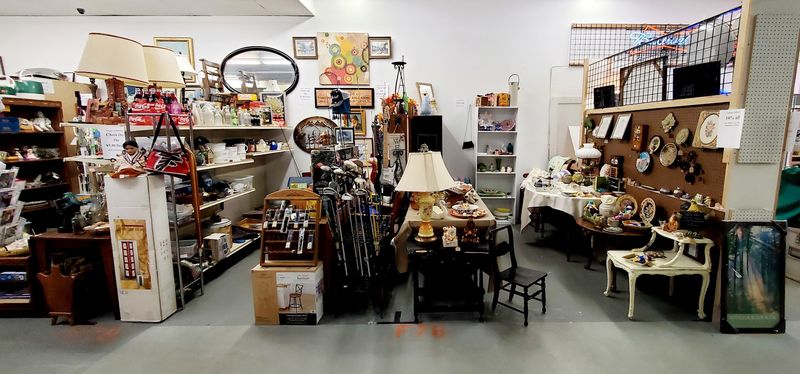
PBNJ’s Indoor Flea Market in Colorado Springs has the kind of practical, anything-can-show-up energy that makes bargain hunters stay longer than planned.
You can start by checking out housewares and end up comparing old toys, cables, lamps, and random collectibles you had not thought about in years. That mix is exactly why a $40 budget can stretch nicely here.
Because it is indoors, the shopping rhythm stays steady no matter the season. You are not racing weather, and that makes it easier to slow down, inspect shelves, and compare booths before spending your cash.
Patient shoppers usually do best in places like this, especially when prices vary enough to reward a second look. One vendor may be heavy on kitchen items and storage pieces, while the next leans into secondhand electronics, décor, or bins of small collectibles.
That range gives you options if you want to spread your money across several useful buys instead of committing to one big-ticket piece.
A budget haul here might look like a clean serving tray, a box of vintage ornaments, a working desk lamp, and a stack of inexpensive books.
The trick is to shop with a shortlist in mind while staying open to detours. Indoor flea markets tend to hide their best deals on lower shelves, in glass cases, or mixed into the less polished booths. A booth that looks cluttered at first glance can easily hold the strongest bargains in the building.
PBNJ’s works especially well for shoppers who enjoy sorting through the everyday alongside the unusual. You are not here for a perfectly curated display or polished showroom pricing.
You are here for that satisfying moment when a modest budget turns into a bag full of practical finds, nostalgic pieces, and one or two wildcards you could not leave behind.
3. The Rustic Roost (Colorado Springs)
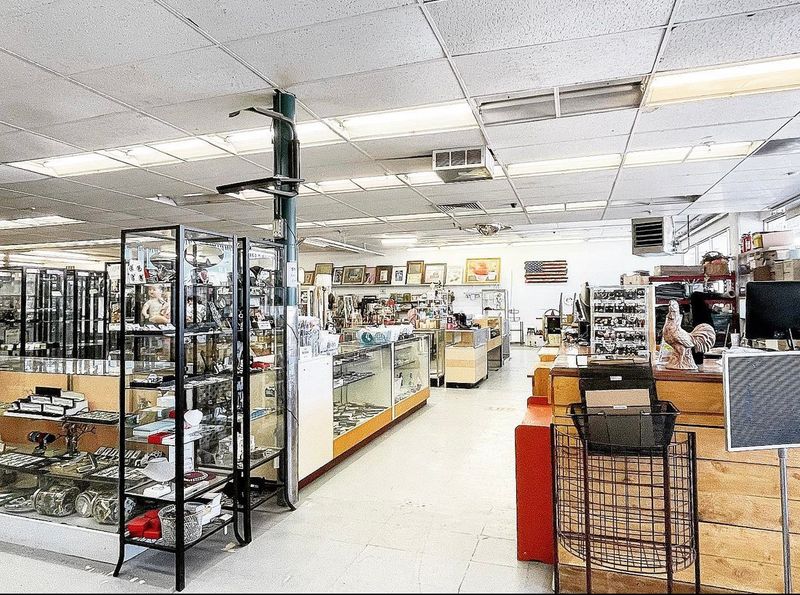
The Rustic Roost in Colorado Springs leans into charm, but it still leaves room for real bargains if you shop carefully.
This is where vintage treasures, rustic décor, repurposed furniture, and handcrafted goods all crowd together in a way that invites slow browsing. A $40 budget will not buy out the place, yet it can absolutely land a few character-rich pieces.
The appeal here is in the details. You might spot weathered wooden crates, old mirrors, painted side tables, enamelware, or small antique accents that add instant personality to a room without requiring a full redesign.
It is the kind of market where smaller items often carry the best value, especially if you are decorating on a budget.
Instead of chasing the large furniture first, start with shelves, corners, and tabletop displays. Those areas tend to hold the lower-priced pieces that still deliver plenty of visual impact, such as candleholders, crockery, hooks, baskets, or framed artwork with just enough age to stand out.
A smart $40 run could easily become a layered mix of décor rather than one bulky item that drains the budget. The handcrafted side of the market also adds variety.
Depending on what is in stock, you may come across upcycled pieces, seasonal decorations, or practical home goods that feel more distinctive than generic store inventory. That makes the market especially useful when you want your finds to look collected instead of mass produced.
The Rustic Roost rewards shoppers who know how to edit. With so many textured, nicely worn pieces competing for attention, it helps to focus on items that can blend into your space right away.
Spend your money on a few flexible finds with strong shape, solid materials, or a playful vintage detail, and that $40 starts working much harder than it would in a standard décor store.
4. Federal Indoor Flea Market (Denver)
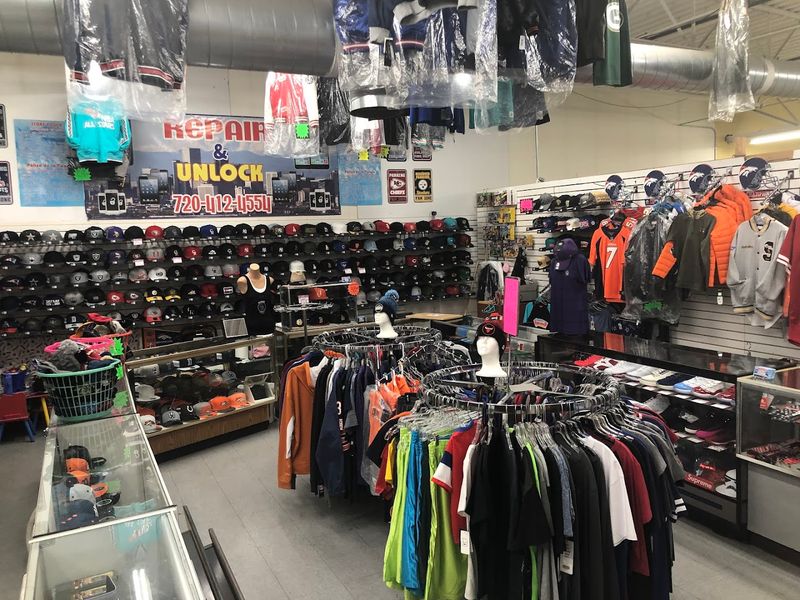
Federal Indoor Flea Market in Denver is built for shoppers who like volume, variety, and the chance to turn a small budget into a surprisingly full bag.
Clothing, shoes, home goods, accessories, tools, and discount merchandise are all part of the mix, spread across booth after booth.
When you only have $40, that range gives you room to be selective without leaving empty-handed. This is a classic city market setup, which means the pace can be brisk and the inventory practical.
You are less likely to find a perfectly staged antique display and more likely to uncover affordable everyday items mixed with offbeat surprises. That works in your favor when your goal is value rather than polish.
The strongest strategy here is to think in combinations. Instead of spending most of your budget in one booth, you can assemble a small haul across categories, maybe a jacket, a pair of work gloves, a storage basket, and a basic household tool.
Markets like this reward shoppers who can spot utility fast and ignore flashy items that look like deals but are priced too close to retail.
Vendor density also helps. When several booths carry similar products, prices tend to stay competitive, and that creates openings for better choices at lower cost.
Taking one full lap before buying usually pays off, especially if you are comparing apparel, kitchen items, or small home accessories.
Federal Indoor Flea Market shines when you embrace the hunt and keep your standards practical. Look for sturdy materials, clean condition, and pieces you will actually use instead of impulse buying just because the price is low.
Done right, forty dollars here can cover several necessities, a few fun extras, and still leave you wondering how you got out with so much for so little.
5. Mile High Flea Market (Henderson)
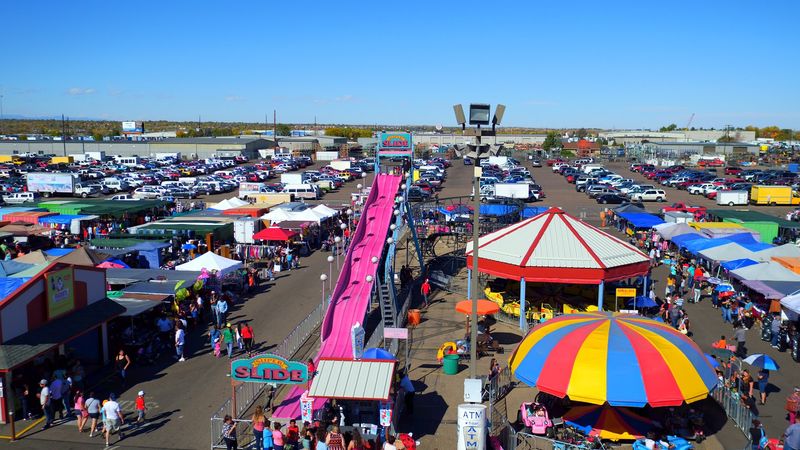
Mile High Flea Market in Henderson plays on a different scale than almost anywhere else in the state. With a huge footprint, thousands of vendors on busy weekends, and a mix that can include antiques, produce, tools, clothing, and household goods, this is a full-on treasure hunt rather than a casual browse.
A $40 budget can still do real work here because the selection is so broad. The first thing to know is that this market rewards a plan.
The size alone can burn time and energy fast, so it helps to decide whether you are hunting décor, practical gear, collectibles, or everyday bargains before you start wandering. Even with a loose strategy, there is enough variety to let you pivot if one section runs expensive.
For budget shoppers, the sweet spot is often in the middle ground between brand-new discount merchandise and high-demand antiques. That is where you may find usable tools, kitchen basics, vintage glass, clothing, or home items priced low enough to build a haul.
Forty dollars here might turn into a stack of produce, a sturdy hand tool, a couple of retro mugs, and a small décor piece without much strain.
Because the market is so large, comparison shopping matters more than almost anywhere else on this list. Similar goods can show up repeatedly, and that gives you leverage to choose the cleanest, cheapest, or most interesting version.
The sheer amount of inventory also helps casual collectors, since you can stumble into records, signage, toy bins, or old hardware while looking for something completely different.
Mile High is best tackled with comfortable shoes, a little patience, and enough trunk space for surprises. The size can feel overwhelming for about ten minutes, then it clicks.
Once you settle into the rhythm, it becomes one of those places where a modest budget starts multiplying across categories in a very satisfying way.
6. The Lafayette Flea (Lafayette)
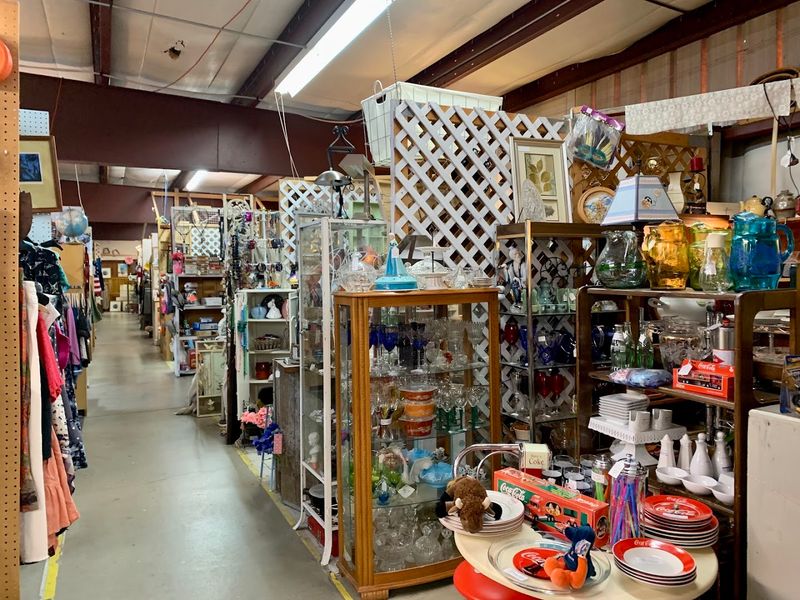
The Lafayette Flea has a knack for pulling your attention in five directions at once. Vintage finds, antiques, furniture, artwork, collectibles, and quirky curiosities all compete for space, so every pass through the market carries a little visual whiplash in the best possible way.
For shoppers trying to make $40 count, that variety creates real opportunity. This is the kind of marketplace where one visit never quite matches the next.
A booth full of old frames and side tables might anchor one weekend, while another brings out more ceramics, retro barware, handmade accents, or oddball collectibles that defy easy categories. That shifting mix helps budget shoppers because it lowers the pressure to chase only the obvious items.
The smartest way to shop here is to think in terms of personality per dollar. Instead of aiming for a major statement piece, focus on smaller items that still change a shelf, table, or entryway once you get them home.
A textured vase, a vintage tray, a small piece of local-looking artwork, and a curious little metal object can do more for a room than one bigger purchase that eats the whole budget.
There is also a nice thrill in the curation, even when the market gets eclectic. You may notice booths where colors accidentally line up, old wood tones echo each other, or a batch of collectibles creates a story all on its own.
That makes browsing more fun, but it also helps you picture how a bargain find might fit into your own space. The Lafayette Flea works best when you stay open to objects you were not planning to buy. The best score may not be the first antique cabinet you notice, but the inexpensive cluster of smaller pieces tucked nearby.
With a sharp eye, forty dollars here can buy far more style and character than most standard home stores manage at twice the price.
7. Pueblo Trading Post (Pueblo)
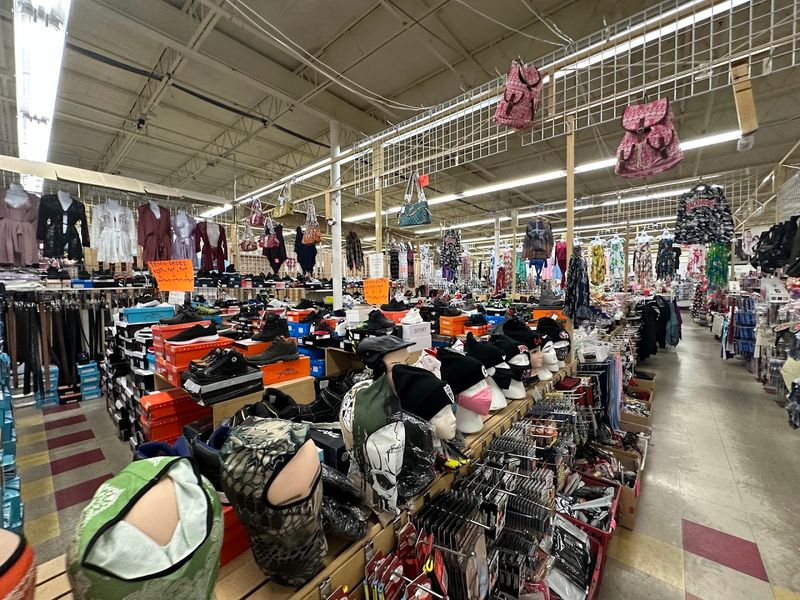
Pueblo Trading Post has the kind of packed-shelf energy that makes every aisle worth checking twice. Antiques, Western memorabilia, collectibles, vintage goods, and affordable household items all share space, so your attention bounces from practical to nostalgic in a hurry.
That is excellent news when you are shopping with only $40 and want the biggest possible payoff. Markets like this are strongest when you let yourself browse broadly before narrowing down.
A booth that first reads as Western-heavy might also hold cheap kitchenware, old tins, framed prints, or useful small furniture nearby.
Staying flexible keeps you from missing the lower-priced items tucked around the more obvious statement pieces.
The Western angle gives this place a distinct personality without limiting your options. You may run across belt buckles, horse-themed décor, weathered signage, or old ranch-style accents, but the selection can easily widen into common household goods and everyday vintage.
That means your budget can go toward either a theme piece or a more mixed haul, depending on what catches your eye.
For the best value, smaller décor and functional items usually beat larger antiques. A tray, a pair of old bookends, a basket, some sturdy mugs, and a small collectible can add up to a satisfying purchase without tipping over your limit.
It also leaves room for one wildcard item, which is often the most fun part of flea market shopping anyway. Pueblo Trading Post rewards careful scanning more than speed. The best bargain may not be front and center, especially in booths where inventory is densely layered and easy to overlook.
If you like markets where every turn offers another possibility, this place can turn a modest budget into a surprisingly distinctive set of finds, with enough variety to keep the hunt interesting from the first aisle to the last.
8. Colorado Springs Flea Market (Colorado Springs)
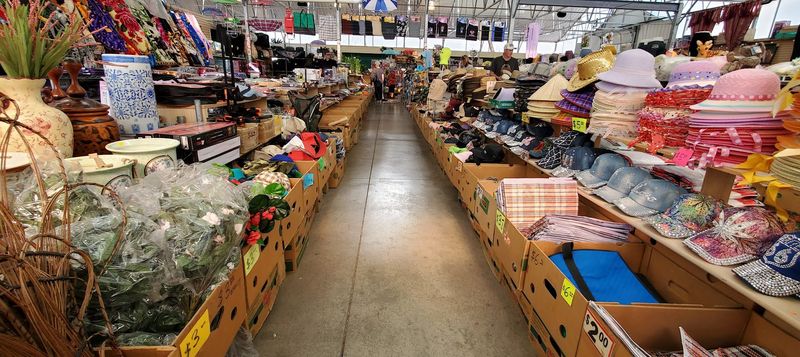
Colorado Springs Flea Market is one of those places where the scale alone changes how you shop. With hundreds of vendors selling everything from tools and electronics to furniture, collectibles, crafts, and fresh food, you can start with one goal and leave with an entirely different haul.
That kind of abundance is exactly why $40 can stretch farther here than you might expect. The market works best when you arrive ready to compare, pivot, and keep moving.
Big flea markets create a lot of temptation, but they also create competition, and that can work in your favor if you avoid buying too early. Similar categories often appear again and again, which means the first decent deal is not always the best one.
Budget shoppers usually do well by splitting their cash into rough categories before they start. Maybe twenty dollars goes toward something practical, ten toward a collectible or décor piece, and the rest toward snacks or a final impulse find.
That loose structure helps you avoid spending everything on one booth while still leaving room for the surprise that makes the day memorable.
Because the inventory spans both useful and unusual, the market is especially good for mixed hauls. You could walk out with a hand tool, a small vintage sign, a couple of kitchen items, and a handmade piece from a craft booth without forcing the budget.
Even fresh food can become part of the equation if you want your shopping trip to cover more than décor and secondhand goods.
This market favors people who enjoy a little sensory overload and know how to edit on the fly. Not every booth will be your style, and that is part of the advantage.
When the selection is this broad, you can stay picky, skip the overpriced stuff, and let forty dollars build into a trunk full of solid finds instead of one forgettable purchase.
9. A Paris Street Market at Aspen Grove (Littleton)
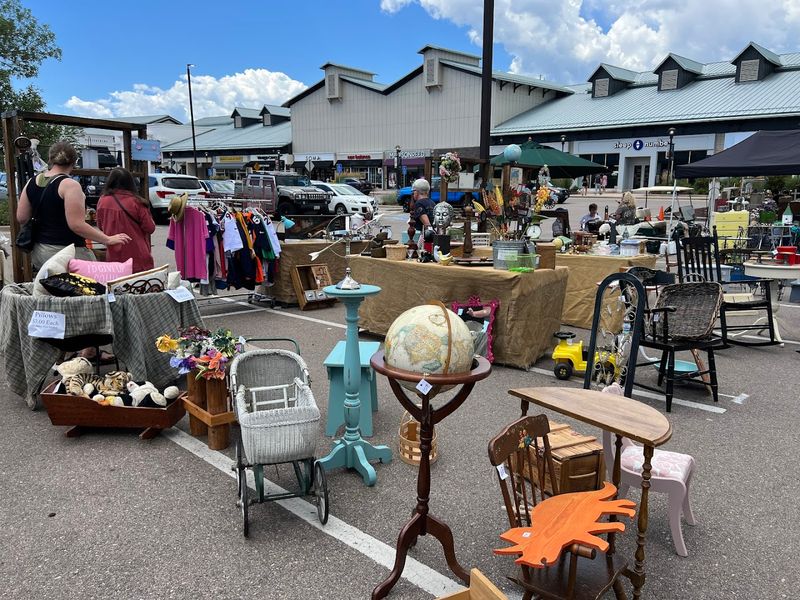
A Paris Street Market at Aspen Grove brings a more polished, open-air style to the flea market world, but smart shoppers can still make a $40 budget work.
The mix of antiques, vintage treasures, artisan goods, home décor, collectibles, and handcrafted items gives the event a strong visual pull right away.
Instead of racing from bargain bin to bargain bin, you are scanning carefully for pieces with charm and usable value.
The European-inspired setup changes the shopping rhythm in a good way. Booths often feel more curated, which means the obvious statement pieces may sit above budget, but smaller finds can offer strong bang for the buck. That is where disciplined browsing matters most.
Rather than hunting large furniture or premium antiques, focus on portable pieces with a lot of style packed into a smaller price tag. Think vintage linens, decorative bowls, art prints, little brass accents, candles, handmade accessories, or a one-of-a-kind seasonal detail that upgrades a shelf or table instantly.
At a market like this, forty dollars works hardest when it is spread across a few well-chosen items instead of one expensive splurge.
The handcrafted side of the event also helps. Artisan booths can be a great place to find gifts, small décor, or wearable pieces that stand apart from chain-store inventory without pushing into luxury pricing.
Even when the market skews stylish, there are usually enough categories in play to keep budget shoppers engaged.
A Paris Street Market at Aspen Grove is ideal for anyone who likes flea market variety with a tidier presentation. You may not leave with the heaviest haul on this list, but you can absolutely leave with some of the most distinctive finds per dollar.
Forty dollars here buys careful curation, a little flair, and the satisfaction of bringing home pieces that look far pricier than they were.
10. Front Range Mercantile Indoor Flea Market and Antique Mall (Longmont)
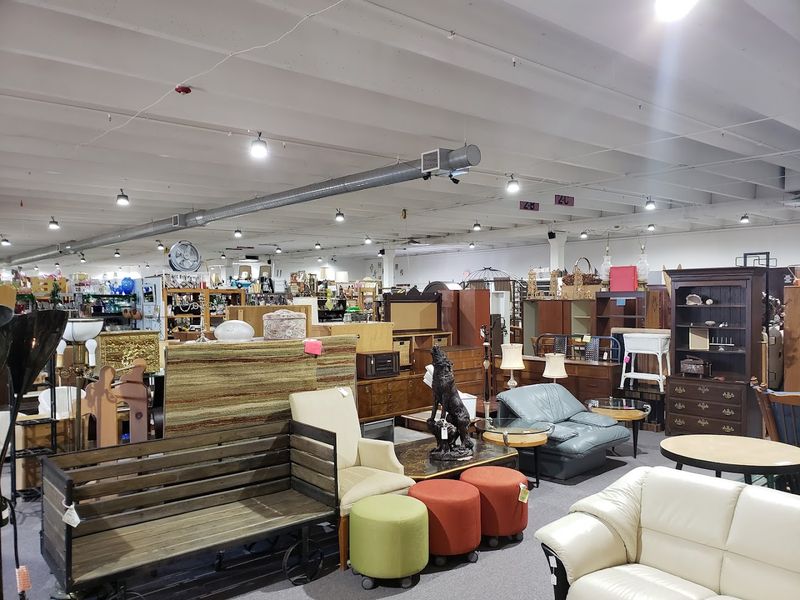
Front Range Mercantile Indoor Flea Market and Antique Mall in Longmont is a classic digger’s market, the kind of place where dozens of quick decisions can shape a very good budget haul.
With hundreds of booths loaded with antiques, collectibles, furniture, books, records, vintage décor, and unusual finds, the selection runs deep. That depth matters when you are trying to make forty dollars cover more than one good score.
Large indoor markets are perfect for shoppers who like to compare before committing. You can find similar categories repeated across the building, which helps you judge price, condition, and style without rushing into the first booth that looks promising.
It also creates room for those satisfying upgrades, where a cleaner piece or more interesting version appears just a few aisles later at the same price.
The best value often lives in the smaller collectible and media sections. Books, records, vintage kitchenware, framed art, glassware, and compact décor can stack up into a fun, layered haul without draining the budget too fast.
A careful shopper might leave with a couple of records, a ceramic bowl, an old hardcover, and a quirky brass object, all while staying close to the limit.
Furniture and larger antiques are still worth browsing, even if they are not likely to fit the budget. They help set the tone, and sometimes they lead you to neighboring booths with lower-priced companion pieces like stools, baskets, hooks, or side-table accessories.
In markets this big, the trick is not to treat any one booth as the whole story. Front Range Mercantile rewards stamina, curiosity, and a willingness to look high, low, and slightly behind everything else. The inventory density means strong deals can hide in plain sight.
If you enjoy the slow burn of a real treasure hunt, forty dollars here can turn into a surprisingly personal collection of finds rather than a single predictable purchase.
11. Finders Keepers Indoor Flea Market (Colorado Springs)
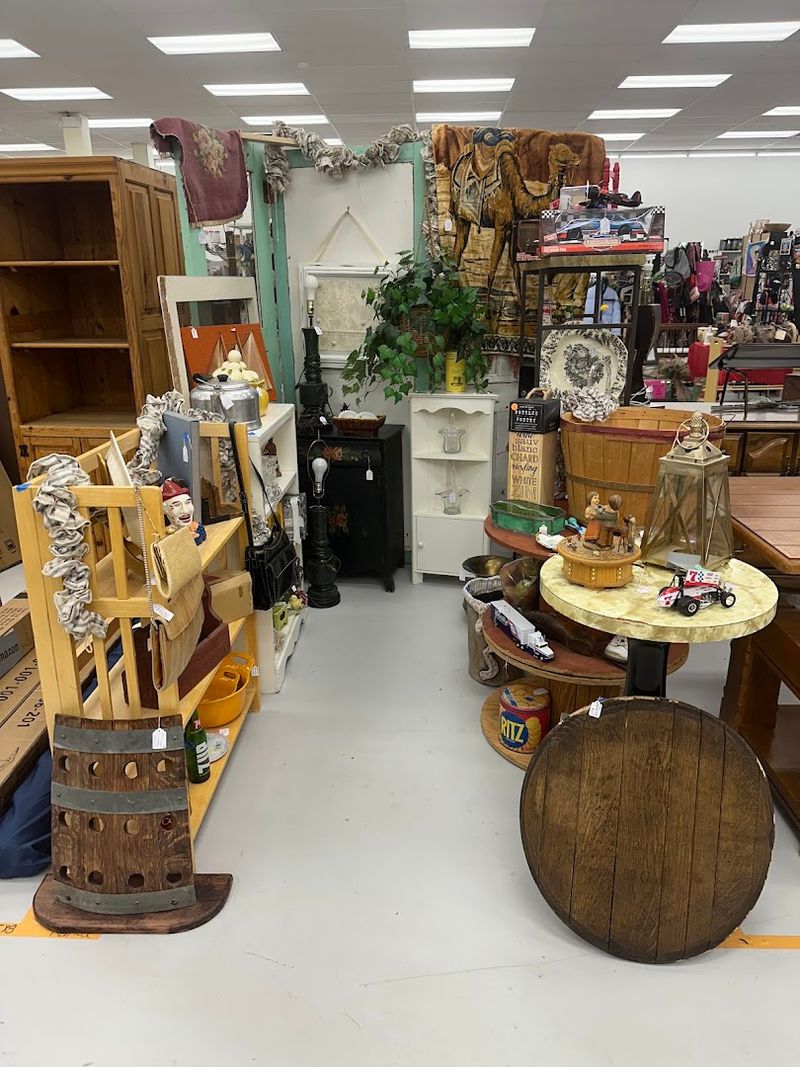
Finders Keepers Indoor Flea Market in Colorado Springs is the type of place where a small budget can punch above its weight.
Vendor booths are packed with antiques, collectibles, household goods, vintage items, tools, and secondhand discoveries, so there is very little wasted space. When inventory turns over regularly and prices stay approachable, forty dollars suddenly has real range.
This market favors sharp eyes over speed. The best finds are often mixed into crowded shelves, stacked beside practical basics, or tucked near booths that do not look flashy from the aisle.
That works well for bargain hunters because lower-key displays can hide the most affordable and useful pieces in the building.
You might come across old tins, lamps, cookware, framed prints, hand tools, toys, baskets, or small furniture that needs only minimal cleanup. Because the categories are broad, it is easy to build a mixed haul that balances fun and function.
A strong run here might include a tool for the garage, a vintage tray for the kitchen, and a small collectible that just makes you laugh.
Another advantage is flexibility. If one section is running expensive, it is easy to shift toward household items, media, or smaller décor without losing the thrill of the hunt.
Markets with constantly changing stock often reward repeat visits, but they are also great for one-off bargain days because every booth holds at least some possibility.
Finders Keepers works best when you resist the urge to buy the first decent item you see. Make a lap, compare condition, and think about what will actually get used once you bring it home.
With a little restraint, forty dollars here can cover several smart purchases and still leave room for one oddball extra, which is usually the piece that gets talked about first when everything comes out of the trunk.
Share this story