Michigan’s food scene is seriously underrated, and locals know that the best spots fill up fast. From cozy diners to iconic delis, some restaurants are legendary for a reason — and that reason usually involves a dish so good it sells out before the dinner rush even starts.
Whether you’re a lifelong Michigander or just passing through, these places deserve a spot on your must-visit list. Fair warning: if you show up late, you might leave disappointed.
1. Zingerman’s Delicatessen (Ann Arbor)
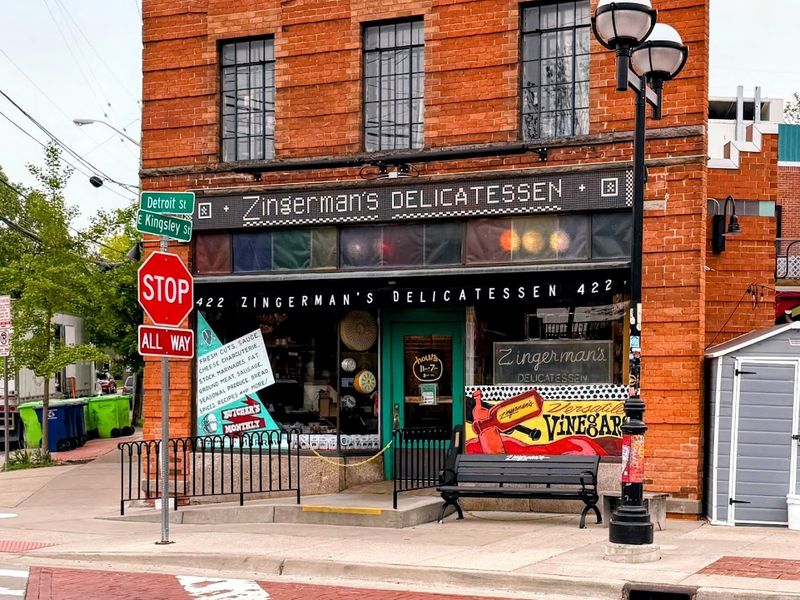
There are sandwiches, and then there are Zingerman’s sandwiches — a category entirely their own. Since opening in 1982, this Ann Arbor institution has built a reputation so fierce that people drive hours just to grab a Reuben before noon.
The line outside the door on a Saturday morning is practically a local tradition at this point.
What makes this place so special isn’t just the food — it’s the obsession with quality. Every loaf of bread is baked fresh, every cheese is carefully sourced, and the corned beef is cured in-house.
The menu reads like a love letter to deli culture, and the staff will genuinely geek out explaining why a specific mustard pairs perfectly with a specific meat.
The Zingerman’s Reuben is the headline act, but regulars know to grab the #2 (Zingerman’s Georgia Reuben) or the fresh-baked sticky buns before they vanish. Pastry cases empty fast on weekends, and the sourdough loaves are gone by early afternoon most days.
First-timers often feel overwhelmed by the sheer volume of choices — that’s totally normal. Take your time reading the chalkboard menus, ask questions, and don’t be shy about sampling.
The staff encourages it. Budget a little extra time because this isn’t a grab-and-go situation; it’s an experience worth savoring slowly.
Zingerman’s has grown into a community of businesses over the decades, including a bakehouse, creamery, and candy manufactory. But the original deli on Detroit Street remains the heart of it all.
If you’re in Ann Arbor and skip this spot, you’ve genuinely missed one of Michigan’s most beloved food landmarks.
2. Buddy’s Pizza (Detroit)
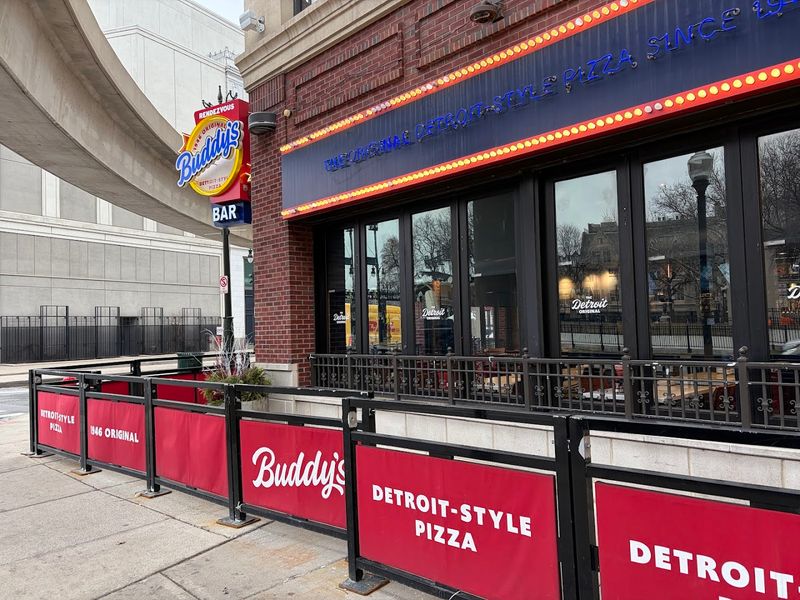
Buddy’s Pizza didn’t just make Detroit-style pizza — it invented it. Back in 1946, a converted blind pig on Conant Avenue started serving square pies baked in blue steel automotive pans, and the result changed pizza history forever.
That crispy, caramelized cheese edge and airy-yet-dense crust became the blueprint that pizza makers worldwide now try to replicate.
The magic of a Buddy’s pie is all about layers and timing. Sauce goes on top of the cheese — not underneath — which keeps the crust from getting soggy and lets the cheese bubble up against the pan walls into those iconic crispy edges.
It sounds simple, but getting it right takes years of practice and the right equipment.
On busy Friday nights, certain specialty pizzas sell out before the second seating. The Detroiter, loaded with pepperoni and a double layer of Wisconsin brick cheese, is the one people talk about most.
Showing up early on weekends is a genuine strategy, not just a suggestion.
Buddy’s has expanded to multiple locations across Michigan, but the Conant Avenue original carries extra weight for locals who grew up coming here with their families. There’s a sense of pride attached to this place that goes beyond nostalgia — it’s about identity.
Detroit-style pizza is a point of cultural pride, and Buddy’s is the undisputed source.
If you’re visiting Michigan for the first time and someone tells you to skip Buddy’s because there are “better” pizza options, smile politely and go anyway. Order the Detroiter, get an extra order of their garlic bread, and understand why this city has been defending its pizza style for nearly eight decades without blinking.
3. Zehnder’s of Frankenmuth (Frankenmuth)
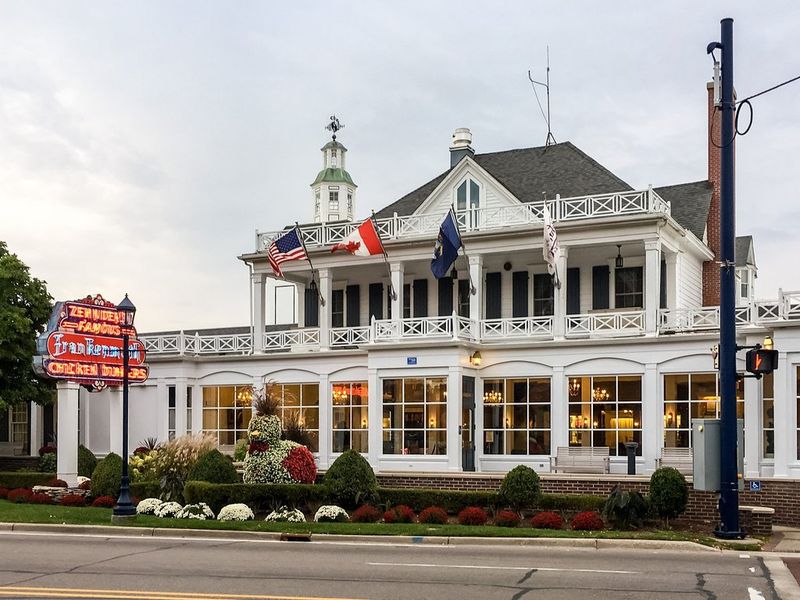
Frankenmuth calls itself Michigan’s Little Bavaria, and Zehnder’s is the main reason people believe it. This sprawling restaurant has been serving all-you-can-eat family-style chicken dinners since 1856, making it one of the oldest continuously operating restaurants in the entire state.
The numbers are staggering — Zehnder’s regularly serves thousands of guests per day during peak season.
The chicken dinner here is the kind of meal that makes you loosen your belt and seriously reconsider your afternoon plans. Platters of fried chicken, bowls of buttery mashed potatoes, warm bread, and homemade noodles just keep coming until you wave the white flag.
It’s generous in a way that feels almost old-fashioned, and that’s exactly the point.
Zehnder’s is a full family experience, not just a restaurant stop. The complex includes a bakery, gift shop, and a hotel, so people often plan entire weekends around it.
The bakery alone draws early arrivals who want first pick of the freshly baked strudel and Bavarian pastries before they sell out — and they do sell out, especially on summer weekends.
Reservations are strongly recommended during peak tourist season, which runs from late spring through the holiday season. Walk-ins during the Frankenmuth Bavarian Festival or Christmas season can face waits of over an hour.
Calling ahead isn’t just smart — it’s practically mandatory if you want a smooth visit.
What keeps people coming back generation after generation isn’t just the food — it’s the feeling of sitting down to a meal that hasn’t changed much in decades. There’s real comfort in that kind of consistency, and Zehnder’s has mastered the art of making every table feel like a family gathering worth remembering.
4. The Cherry Hut (Beulah)
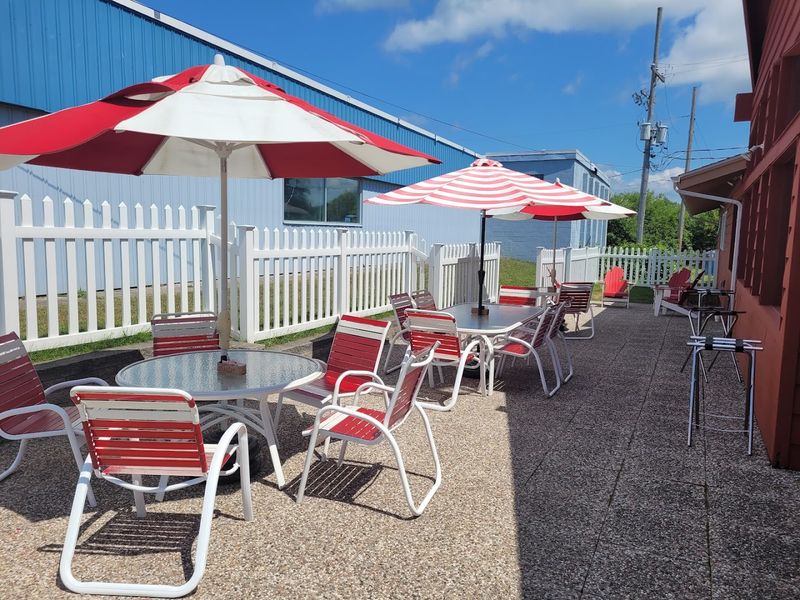
Tucked into the small town of Beulah in the heart of Michigan’s cherry country, The Cherry Hut has been a summer pilgrimage destination since 1922. The building itself is modest — a small, cheerful roadside spot that looks like it belongs on a postcard.
But what comes out of that kitchen has earned it a fiercely loyal following that spans multiple generations of Michigan families.
The cherry pie is the whole reason to make the trip, and it is not subtle about its greatness. Made with fresh tart cherries grown right in the surrounding region, the filling is bold and bright, and the crust is exactly the kind of flaky, golden perfection that home bakers spend years trying to achieve.
A slice disappears fast, and whole pies sell out before closing time on busy summer days.
The menu goes beyond pie, though regulars will tell you that’s the real discovery. Cherry chicken salad sandwiches, cherry-glazed ham, and cherry lemonade show up on the menu in ways that feel creative rather than gimmicky.
The kitchen takes the local fruit seriously, and it shows in every dish that features it.
Summer weekends bring a steady stream of visitors from across the state, and the small dining room fills up quickly. Arriving early in the morning gives you first access to fresh-baked goods and a quieter atmosphere before the midday crowd rolls in.
If you’re making a special trip, call ahead to check pie availability.
The Cherry Hut is the kind of place that reminds you why regional food culture matters. It’s not trying to be trendy or Instagram-famous — it’s just doing one thing extraordinarily well, year after year, in a tiny town that couldn’t be more proud of it.
5. Fleetwood Diner (Ann Arbor)
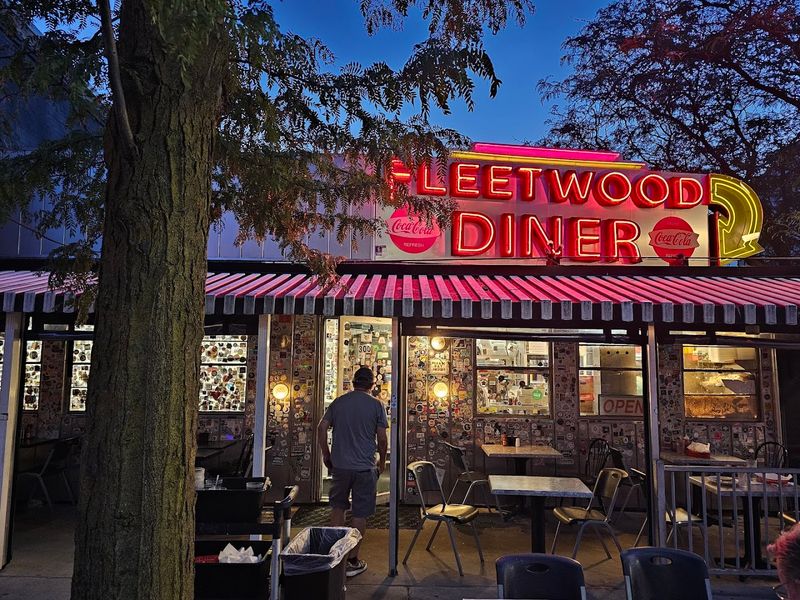
At 2 a.m. on a Friday, when most of Ann Arbor is either asleep or winding down, the Fleetwood Diner is just hitting its stride. This beloved greasy spoon has been a late-night institution since 1949, and it operates with the kind of gritty charm that no amount of money could manufacture.
The worn counter stools, the chalkboard menus, and the no-frills attitude are all part of the deal.
The Hippie Hash is the dish that made this place famous among University of Michigan students and Ann Arbor lifers alike. It’s a scramble of home fries, vegetables, and eggs that hits every comfort food note at once — crispy, savory, filling, and just messy enough to feel satisfying.
Order it after midnight and you’ll understand why people consider it a rite of passage.
Cash is king at Fleetwood, and the service is efficient rather than polished — this isn’t the spot for a leisurely brunch with white tablecloths. But the food is honest and generous, and the energy inside at peak hours is electric in a way that more upscale spots rarely achieve.
There’s a real community feel to the chaos here.
Weekend nights bring long waits, especially when the bars close. The small dining room fills to capacity quickly, and the kitchen moves fast to keep up.
If you’re visiting during a University of Michigan football weekend, expect the line to stretch out the door well before midnight.
Fleetwood isn’t for everyone, and it knows that. The menu is short, the space is tight, and the vibe is decidedly no-nonsense.
But for those who get it, there’s nowhere else in Ann Arbor that feels quite this alive at three in the morning.
6. The Omelette Shoppe (Grand Rapids)
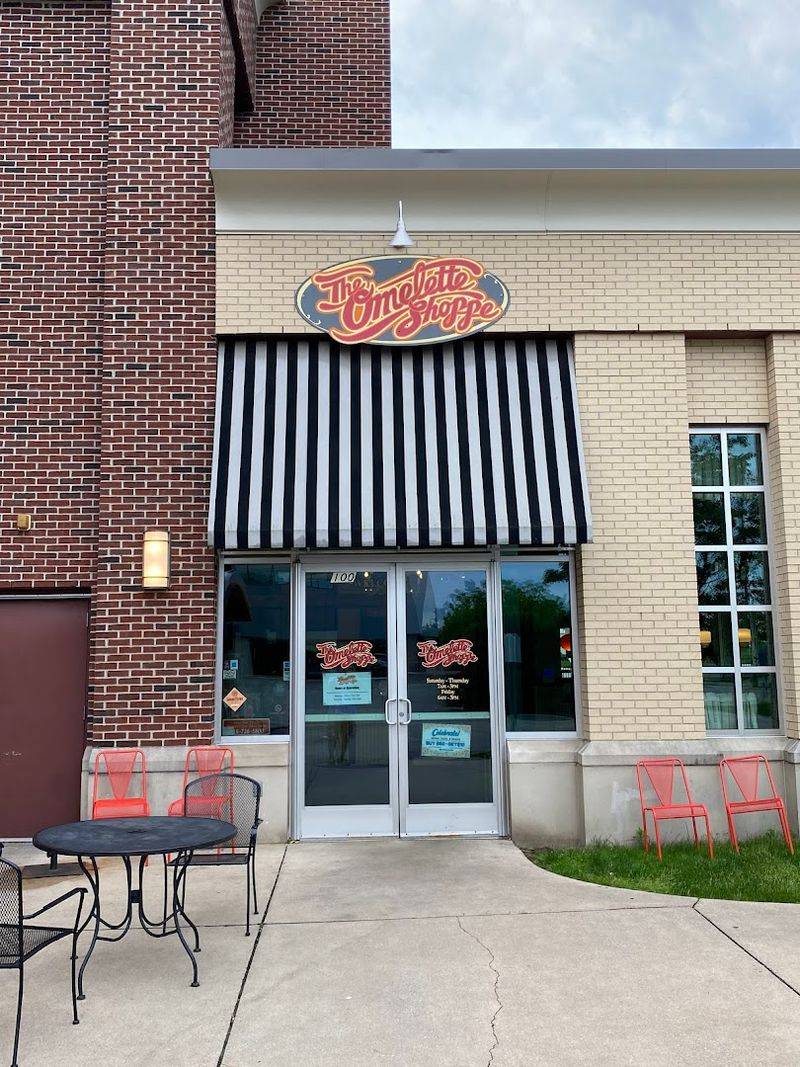
Grand Rapids has no shortage of breakfast spots, but The Omelette Shoppe has been the consistent answer to “where should we go?” for decades. Walk in on a Saturday morning and you’ll immediately understand why — the smell of butter hitting a hot pan hits you before you even find a seat, and the sound of orders being called out gives the whole place an energetic, purposeful buzz.
The omelettes here are built to order and genuinely massive. You’re choosing from a long list of fillings that range from classic ham and cheese to more adventurous combinations loaded with fresh vegetables, meats, and specialty cheeses.
The kitchen doesn’t rush the process, which means every omelette arrives properly cooked — fluffy inside, lightly golden outside, and stuffed without being sloppy.
Hash browns at The Omelette Shoppe deserve their own moment of recognition. They’re shredded, pressed thin, and cooked until they’re golden and crispy all the way through — the kind of hash browns that ruin you for every other version.
Pair them with a bottomless cup of coffee and you’ve got a morning that’s hard to top.
Weekend waits can stretch to 45 minutes during peak hours, and the restaurant doesn’t take reservations. Locals know that arriving before 8:30 a.m. is the move if you want to skip the longest lines.
The staff is friendly but efficient, and the turnover keeps things moving at a reasonable pace even on packed mornings.
What sets this place apart from the wave of trendy brunch spots that have popped up around Grand Rapids is its complete lack of pretension. No avocado toast architecture here — just excellent eggs, real butter, and a staff that clearly takes breakfast seriously.
That’s a combination that never gets old.
7. Green Dot Stables (Detroit)
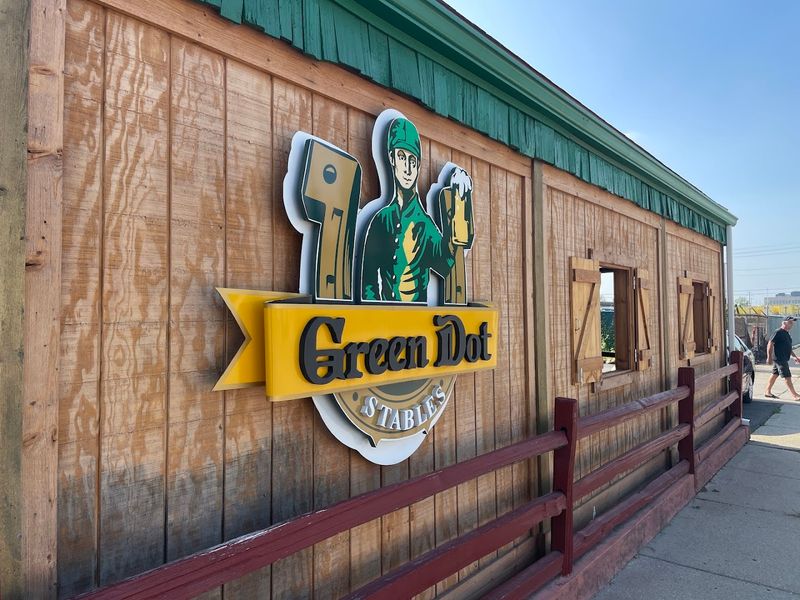
Green Dot Stables operates on a concept that sounds almost too good to be true: an entire menu of sliders priced under five dollars each, served in a converted stable in Corktown. But the genius isn’t just in the price point — it’s in the wild creativity that goes into each two-bite wonder.
From a Korean BBQ slider to a peanut butter and bacon version, this menu swings for the fences every single time.
The rotating specials are where Green Dot really shows off. Chefs here clearly enjoy pushing the limits of what a slider can be, and the seasonal specials often feature unexpected ingredients that somehow work perfectly together.
Those specials have a habit of disappearing within the first hour of service, especially on weekends when the bar crowd arrives ready to order in bulk.
The atmosphere inside is deliberately eclectic — vintage signs, mismatched furniture, and a bar that keeps things lively well into the evening. It’s casual enough that you can show up in jeans and feel completely at home, but the food quality punches well above the casual price tag.
That contrast is part of what makes Green Dot so endearing.
Corktown itself is one of Detroit’s most interesting neighborhoods, packed with independent businesses and a genuine sense of creative energy. Green Dot fits right into that scene without trying too hard.
It’s a neighborhood spot that happens to attract visitors from all over the state, which says everything about the quality of what’s coming out of that kitchen.
Order a spread of six or eight sliders to share, grab a round of drinks, and work your way through the menu. Indecision is actually encouraged here — and with prices this reasonable, there’s no reason to hold back.
8. Selden Standard (Detroit)
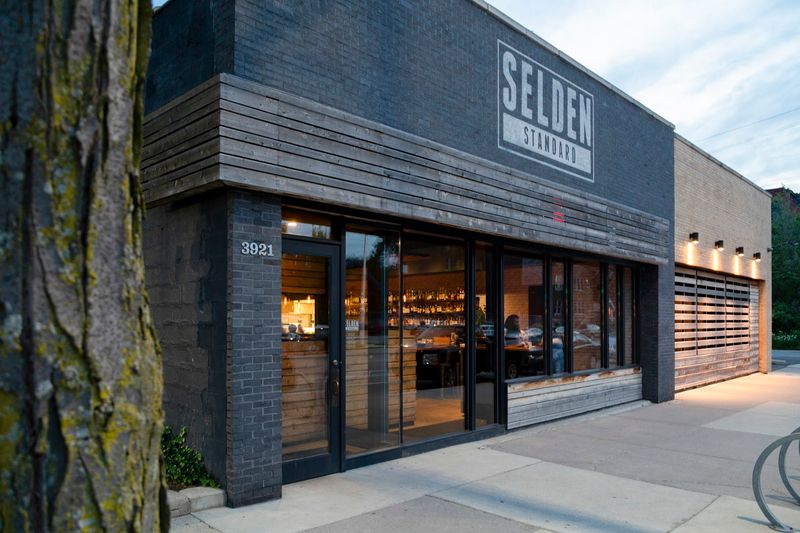
Selden Standard showed Detroit that farm-to-table cooking could feel exciting rather than preachy. Since opening in Midtown, this restaurant has built a reputation for seasonal menus that change constantly, driven entirely by what’s fresh and available from local farms.
That means what you ate here last month might not exist on the menu today — and that’s completely intentional.
The shared plates format encourages the table to try as much as possible, which is smart because the kitchen rarely misses. Wood-fired dishes are a house specialty, and the char and smoke that come from that oven add a depth of flavor that’s genuinely hard to replicate at home.
Vegetables get treated with the same seriousness as proteins here, which is something that still surprises first-time visitors.
Certain dishes become cult favorites before they quietly disappear from the menu when the season ends. Regulars track what’s available through social media updates and reservation notes, because showing up without a plan can mean missing the dish everyone’s been talking about that week.
The staff is excellent at guiding newcomers through the current menu highlights.
Reservations are highly recommended, especially Thursday through Saturday. The dining room fills quickly, and walk-in availability is limited during peak hours.
Sitting at the bar is a solid option if you’re flexible — the bartenders know the menu inside and out and can make excellent recommendations.
Selden Standard represents the best of what Detroit’s restaurant renaissance has produced: thoughtful cooking, genuine hospitality, and a commitment to the local food community that goes beyond marketing language. This is a restaurant that actually lives up to its reputation, which in a city with no shortage of hype, is worth saying out loud.
9. The Whitney (Detroit)
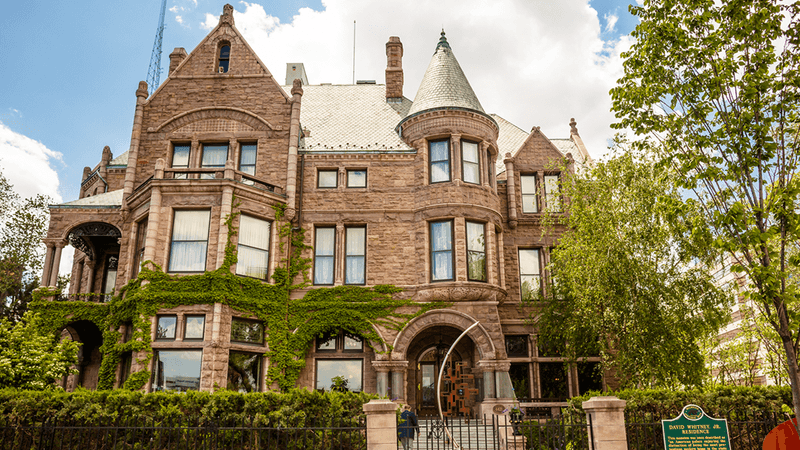
Eating at The Whitney isn’t just dinner — it’s stepping inside one of Detroit’s most spectacular historic mansions and being served a meal worthy of the setting. Built in 1894 for lumber baron David Whitney Jr., this pink Medina sandstone castle on Woodward Avenue now operates as one of the most visually stunning restaurants in the entire Midwest.
Every room tells a different story, and the food is designed to match the grandeur.
The menu leans into classic American fine dining with a modern sensibility — think beautifully prepared steaks, elegant seafood, and desserts that arrive looking like they belong in a museum. The kitchen takes presentation seriously, and certain dishes become talked-about items that reservations are specifically made around.
The lobster bisque, when available, is the kind of dish people mention months after their visit.
The Ghost Bar on the upper floors adds a layer of mystique that’s become a signature part of The Whitney experience. Rumored to be one of Detroit’s most haunted buildings, the mansion plays into its history in a way that’s playful rather than kitschy.
It draws visitors who are just as interested in the atmosphere as the food — and the atmosphere absolutely delivers.
Dress code leans toward smart casual to formal, and the vibe expects a certain level of occasion. This isn’t a spot for a casual Tuesday night — it’s where people celebrate anniversaries, birthdays, and milestones.
Reservations book up well in advance for weekend evenings, particularly during Detroit’s event season.
The Whitney is proof that a building with enough history and a kitchen with enough talent can create a dining experience that transcends the meal itself. You leave having eaten well, but more importantly, having been somewhere genuinely extraordinary.
10. Real Food Cafe (Grand Rapids)
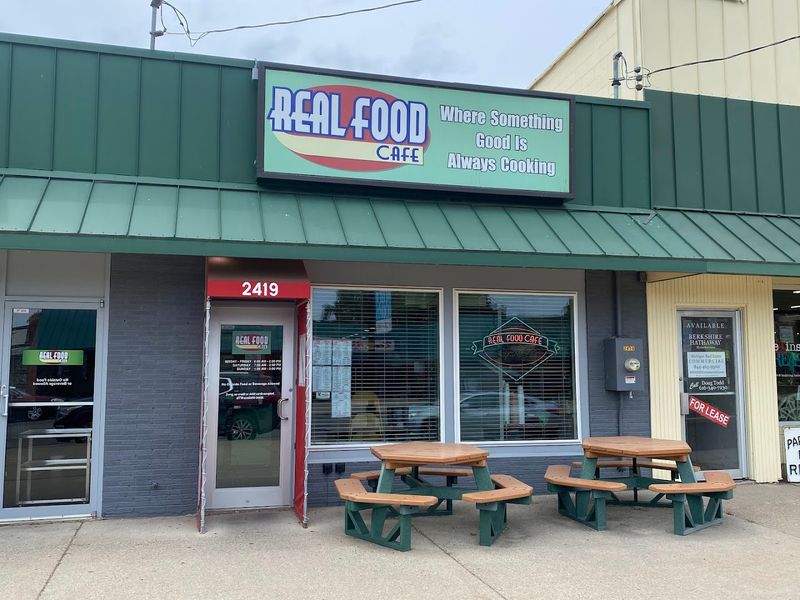
Real Food Cafe earns its name in a way that a lot of restaurants only wish they could. Everything here is made from scratch using fresh, locally sourced ingredients, and the menu reflects a genuine commitment to feeding people well rather than just feeding people quickly.
Grand Rapids has embraced this place wholeheartedly, and the morning line outside confirms that the community knows exactly what it has.
The breakfast bowls are the standout attraction for regulars, layered with grains, roasted vegetables, eggs, and sauces that make every bite feel intentional. These aren’t the kind of bowls assembled with frozen ingredients and a drizzle of something from a squeeze bottle — every component is cooked fresh, and the flavor difference is immediate and obvious.
Certain bowl combinations sell out by mid-morning on busy days.
Lunch is equally impressive, with soups made in-house daily and sandwiches built on bread that actually has substance and character. The soup of the day is worth asking about as soon as you sit down, because it tends to disappear before the lunch rush peaks.
Portions are generous without being excessive — satisfying rather than overwhelming.
The space itself is small and unpretentious, which adds to the neighborhood cafe charm. Tables fill up fast on weekend mornings, and the wait can stretch past 30 minutes during peak hours.
Most regulars agree it’s worth every minute, but arriving early is still the smarter play if you’re on a schedule.
Real Food Cafe is the kind of place that makes you feel good about what you just ate — not in a self-congratulatory way, but in a simple, grounded way. Good ingredients, honest cooking, and a staff that clearly cares make this one of Grand Rapids’ most reliable breakfast and lunch destinations.
11. Mabel Gray (Hazel Park)
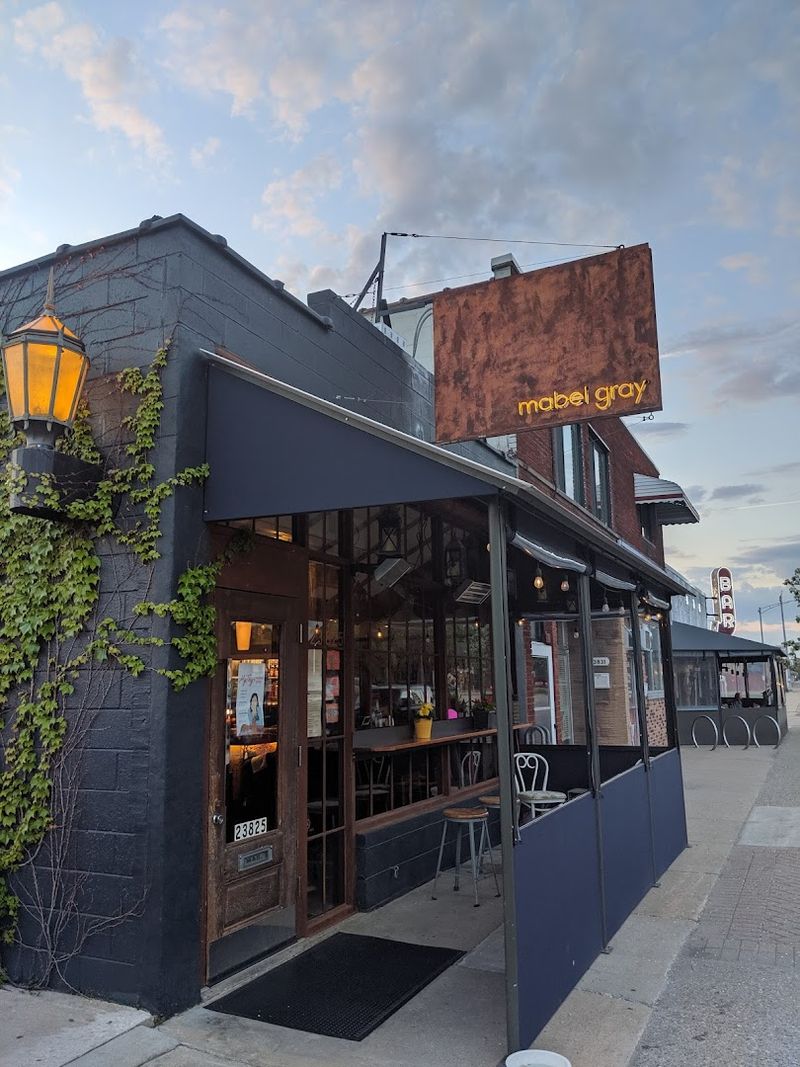
Nobody expected Hazel Park to become a dining destination, and that’s exactly the kind of story Mabel Gray was built on. Chef James Rigato opened this small, fiercely personal restaurant with a simple but demanding philosophy: cook what’s in season, source it locally, and make every dish worth talking about.
The result earned national attention and a James Beard Award nomination, which shocked nobody who had already eaten here.
The menu at Mabel Gray changes constantly — sometimes daily — based on what the kitchen receives from local farms and producers. That means you can’t walk in with a specific dish in mind and expect it to be there.
What you can expect is something genuinely exciting, cooked by people who treat ingredients with deep respect and aren’t afraid to take creative risks that actually pay off.
Portions are designed for sharing, and the staff will help you build a spread that makes sense for your table size and appetite. This isn’t a restaurant where you order one entree and call it done — the experience is built around trying multiple dishes and letting the flavors build on each other across the meal.
That approach rewards curious eaters and punishes picky ones.
Reservations are essential, full stop. Mabel Gray is a small space, and it books up days in advance during peak weeks.
Walk-in seating at the bar exists, but availability is unpredictable. If you’re planning a special night, call well ahead and be flexible with your timing.
Mabel Gray represents something rare in Michigan’s dining scene — a chef-driven restaurant that hasn’t let success make it lazy. Every visit feels like the kitchen is still trying to prove something, and that hunger translates directly onto the plate in the best possible way.
Share this story