Ohio’s landscape holds quiet roads, river bluffs, and preserved homes where courageous people once made life and death decisions under the cover of night. As you step into these spaces, you can feel the urgency of escape and the steadfast kindness of neighbors who risked everything to do what was right, a story written in candlelit windows, coded quilts, and river crossings.
You will find a living thread that ties bustling cities to small towns, from Cincinnati’s riverfront to Lake Erie’s shore, showing how ordinary households became extraordinary waypoints in a freedom network. If you are ready to experience history that still hums with human grit and hope, Ohio’s Underground Railroad sites will guide your steps and open your heart to what resilience truly means.
1. National Underground Railroad Freedom Center
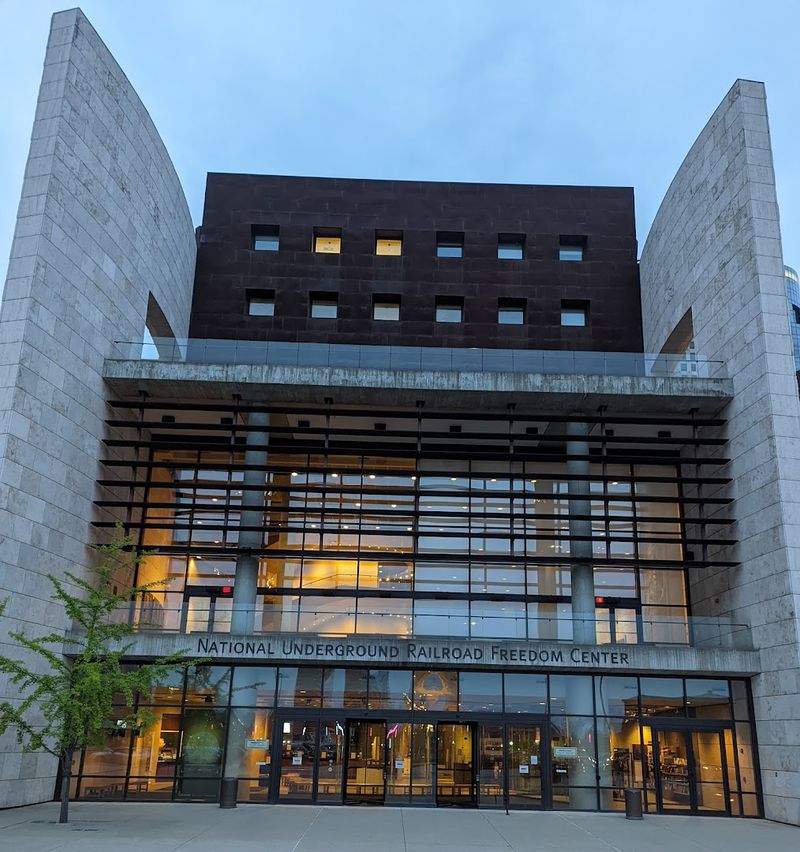
Standing by the river in Cincinnati, you feel why freedom stories gather here. The Ohio River was a line between bondage and possibility, and this museum helps you read the river’s language of risk, courage, and community.
You will move from artifact to testimony, seeing how small acts became lifelines across water and time.
Inside the National Underground Railroad Freedom Center, exhibits pair personal narratives with the region’s geography, connecting southern shores to northern neighborhoods. You see faces, names, and tools that turned homes, churches, and businesses into a safety web.
You also encounter modern human rights stories, realizing that the pursuit of freedom is not confined to one century.
As you explore, you can trace routes across Ohio that once pulsed after dark, then step outside to look at the river anew. You will recognize signals like lanterns and songs, and understand how vigilance sustained travelers and conductors.
If you want a starting point that honors past bravery while challenging today’s conscience, this is where your Ohio journey makes profound sense.
2. Harriet Beecher Stowe House
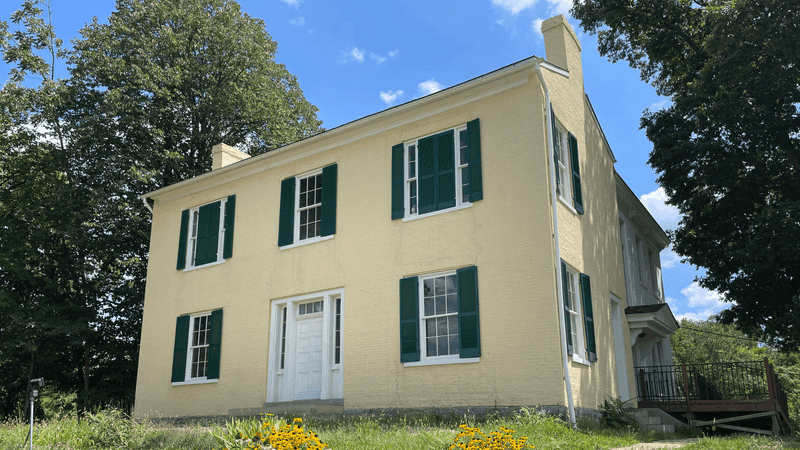
Before you step through the doorway, consider how ideas can push walls outward until a community feels larger and braver. Here, conversation once braided with action, and guests debated slavery, faith, and reform late into the evening.
You will feel the immediacy of choices that shaped a novel and stirred the country.
At the Harriet Beecher Stowe House in Cincinnati, rooms recall gatherings where advocacy sparked plans for real-world help. You will learn how Ohio’s border position made the city a listening post for stories from the South.
Exhibits illuminate neighbors who offered resources, from safe rides up the hills to discreet introductions across the river corridor.
As you tour, you can picture readers meeting Uncle Tom’s Cabin and recognizing people they actually knew. The house connects pen to pathway, showing how moral imagination influenced routes that threaded through Ohio towns.
If you want to see where literature met logistics, this address turns the page and invites you to keep reading with your feet.
3. Ross-Gowdy Museum Of Historic New Richmond
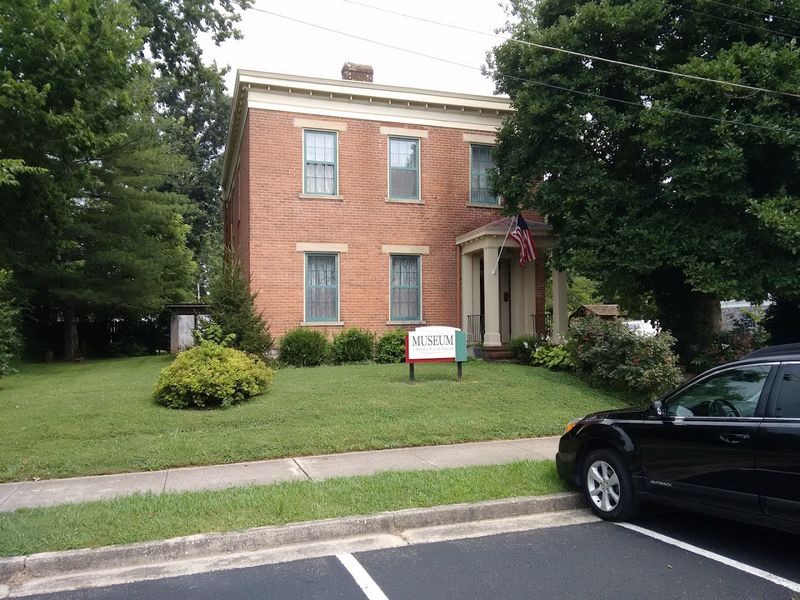
In a riverside village east of Cincinnati, history hides in plain sight along quiet blocks and old storefronts. You can listen for oars in the night as you study maps, diary clippings, and family records.
The museum’s rooms turn whispers into evidence, revealing how ordinary routines masked extraordinary risks.
At the Ross-Gowdy Museum of Historic New Richmond, you learn why this port mattered to people searching for passage. Volunteers detail routes up from the river, where sympathetic residents offered meals, clothes, and directions inland.
You will notice how proximity to water created both danger and opportunity, shaping quick decisions under lantern light.
Walking the neighborhood after your visit, you can connect buildings to stories of signal lights, coded knocks, and wagons rolling before dawn. Exhibits highlight names you might not recognize, yet their courage anchors the region’s memory.
If you value small-town grit and river intelligence, this stop helps you read the shorelines of Ohio’s freedom network.
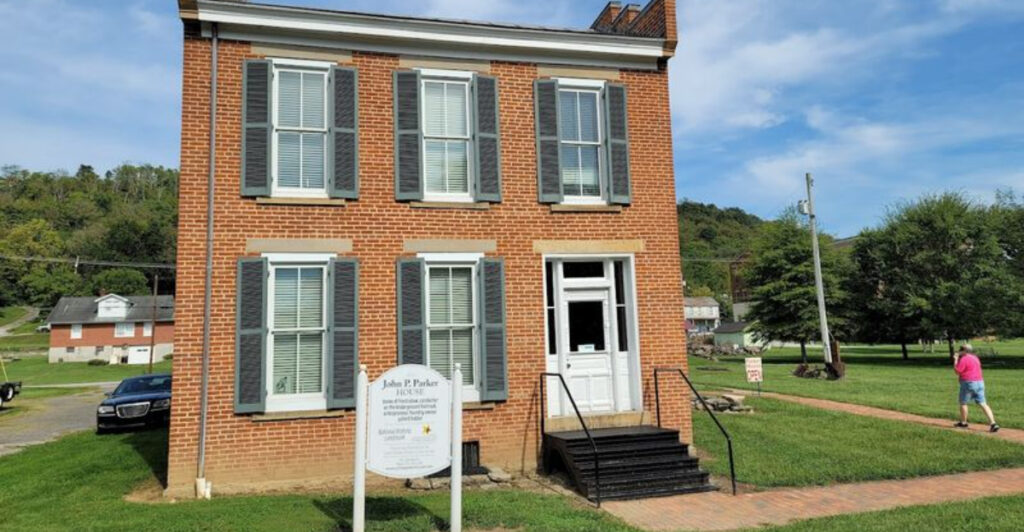
4. John Parker House
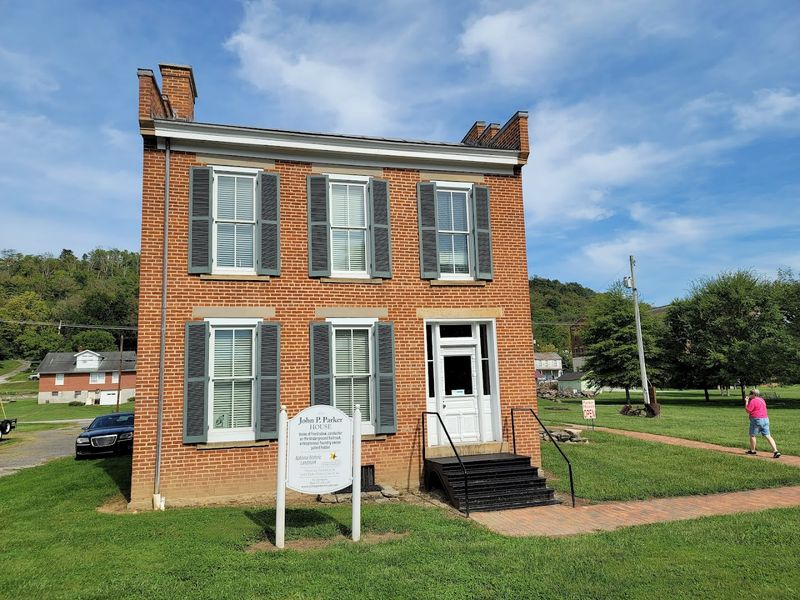
On a hill overlooking the Ohio River, you sense the urgency that once drove night crossings toward safety. A skilled iron molder and inventive rescuer turned this home into a launchpad for action.
You will hear accounts of bold trips to the southern bank, returning with families who needed cover and care.
Inside the John Parker House in Ripley, exhibits match tools of a trade with tools of liberation. Stories of forged courage mingle with sketches of river channels and bluffs.
Guides explain how teamwork with neighbors amplified Parker’s daring, linking workshops, alleys, and skiffs in a precise choreography.
When you step outside, the view explains the stakes more than any plaque. You can trace the sweep from water to hillside streets that once offered fast shelter.
If you want to stand where strategy met compassion under Ohio’s stars, this house gives you the vantage point and the heartbeat.
5. John Rankin House
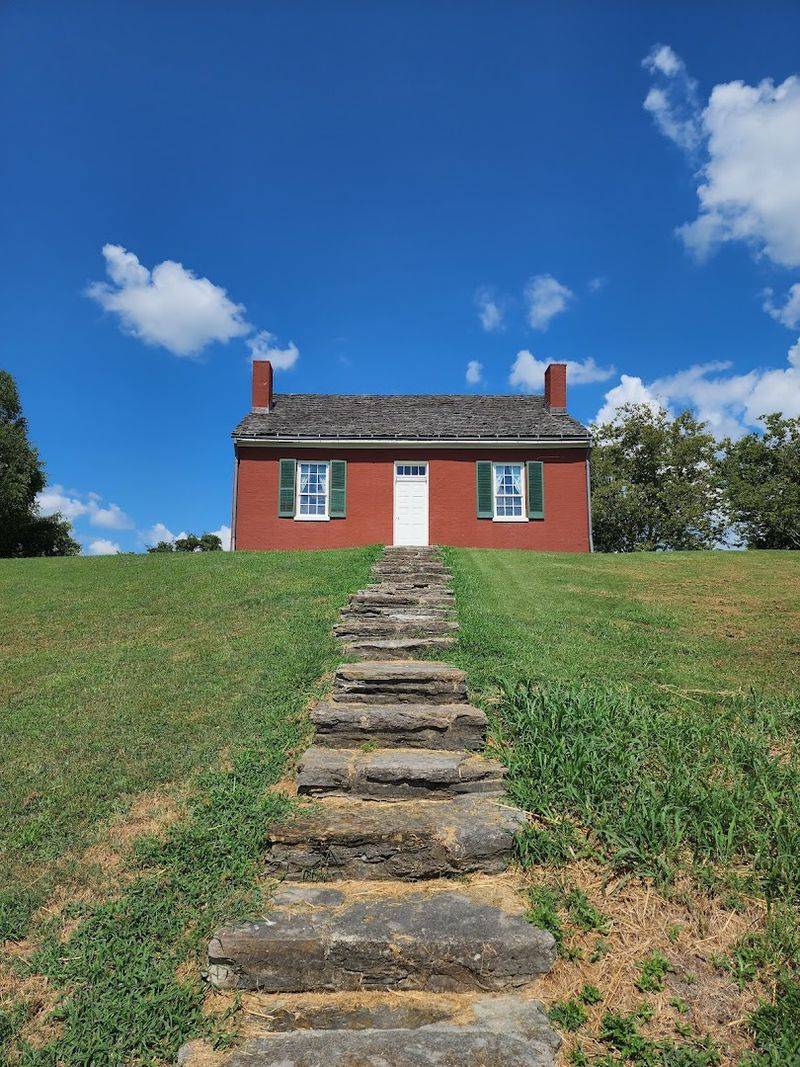
Climbing to the ridge above Ripley, you understand why a single light could redirect a life. The steep approach sharpens your focus on a simple home that signaled hope to travelers below.
You will imagine freezing nights, coded glints in windows, and quick footsteps across the yard.
At the John Rankin House, the view is both landmark and lesson. Exhibits recount letters and sermons that paired faith with action across Ohio communities.
You learn how coordinated households formed a relay, moving people from riverbank to interior towns, where routes branched toward Lake Erie and beyond.
Standing by the fence line, you can feel how this porch once functioned like a lighthouse. Guides invite you to picture families catching their breath, then continuing before dawn.
If you want to hold a thread that runs from shoreline risk to inland resolve, this hilltop home places it right in your hand.
6. The Gammon House
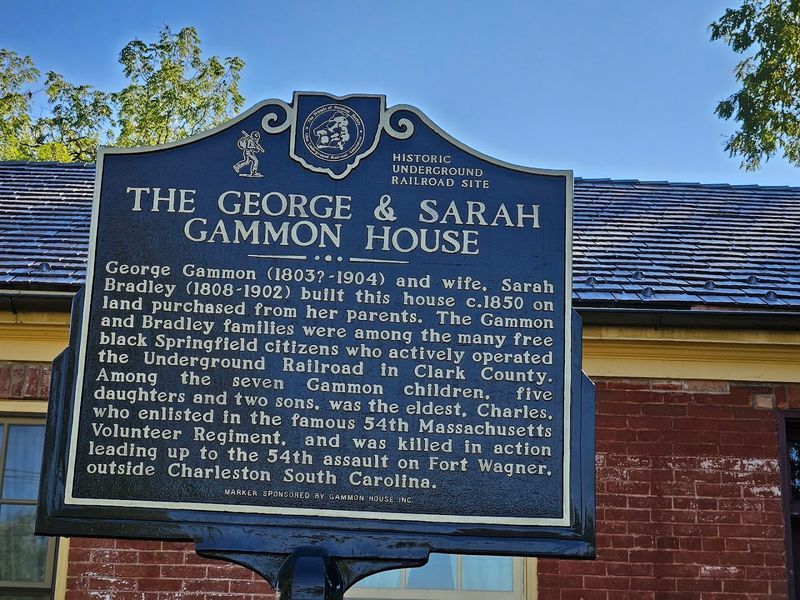
Driving through Springfield, you might pass a modest house without guessing its former night work. Yet within these walls, careful planning and quiet hospitality protected travelers moving north.
You will find that courage often looks like a kitchen table, a back stairway, and neighbors who keep watch.
The Gammon House tells how free Black residents in Ohio built networks grounded in mutual aid and steady resolve. Exhibits explore local trades, church ties, and coded communications that kept families moving.
You will see how resources were pooled, from extra blankets to whispered directions that threaded city streets.
During tours and community events, the site comes alive with stories that honor everyday heroism. You can stand beside doorways that once opened at odd hours, then closed swiftly to preserve safety.
If you want to understand how a Midwest town turned compassion into infrastructure, this house offers a blueprint you can trace with your feet.
7. Kelton House Museum And Garden
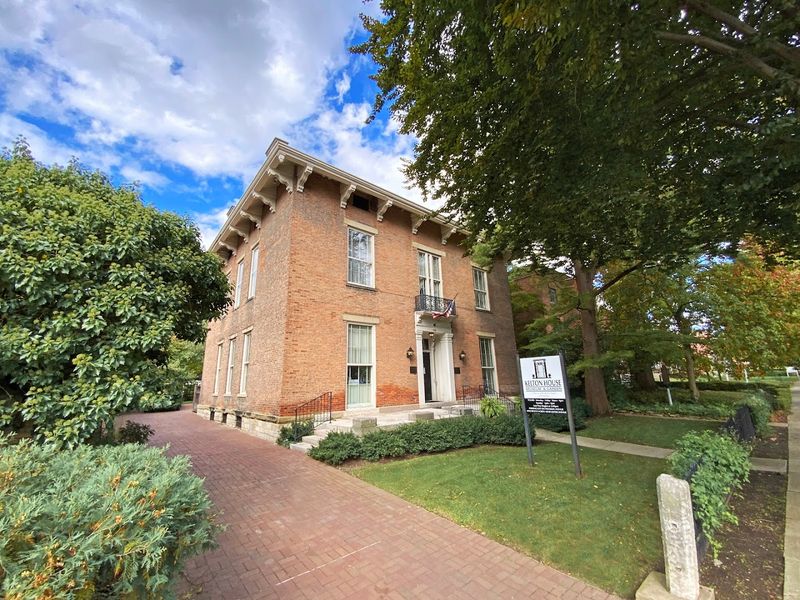
In Columbus, refinement and resistance share rooms scented with polished wood and garden air. As you cross the threshold, imagine footsteps at midnight on a carpeted stair.
You will notice how gracious spaces became tactical spaces, where listening closely mattered more than speaking loudly.
At the Kelton House Museum and Garden, stories of a family’s antislavery convictions unfold beside portraits and lace curtains. Guides explain how status could shield quick decisions, from concealing guests to coordinating rides across town.
You learn how city streets formed discreet arteries within Ohio’s larger freedom network.
Out in the garden, calm pathways contrast with the tense routes once navigated after dark. You can picture watchers at the windows and allies at the gate.
If you are seeking a place where beauty and bravery sit at the same table, this museum will show you how dignity fueled action.
8. Hanby House
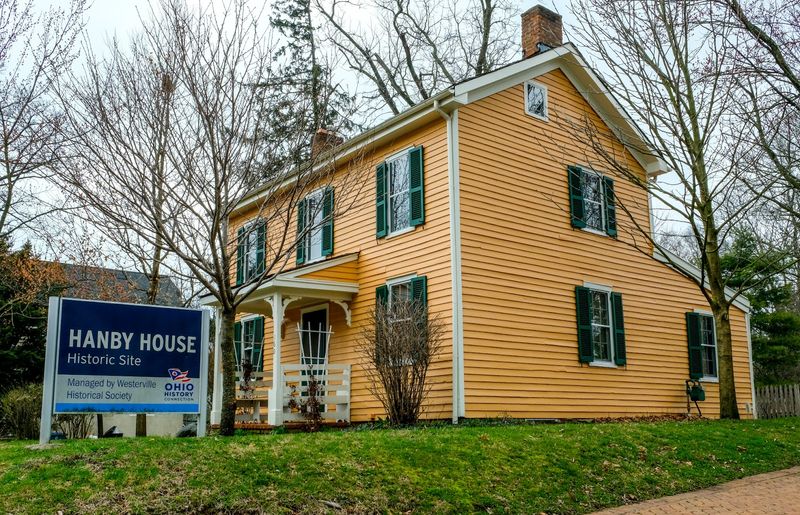
Music and movement cross paths in this Westerville landmark, where melodies once met messages. You will step into rooms that echo with family harmonies and neighborhood commitments to freedom.
The layered story shows how culture can travel faster than wagons when hearts are already moving.
At Hanby House, exhibits connect songwriting, ministry, and community leadership to practical aid along Ohio routes. Guides discuss how the family networked with allies in nearby towns, offering cover, food, and directions.
You learn how performances and public life quietly supported the private labor of protection.
As you look at instruments and letters, imagine crowds humming tunes that carried coded hope. You can see how artistry nurtured resilience, keeping spirits steady for the next night’s push.
If you want to feel how creative expression strengthened the Underground Railroad in central Ohio, this house strikes the note clearly.
9. Haines House Underground Railroad Museum
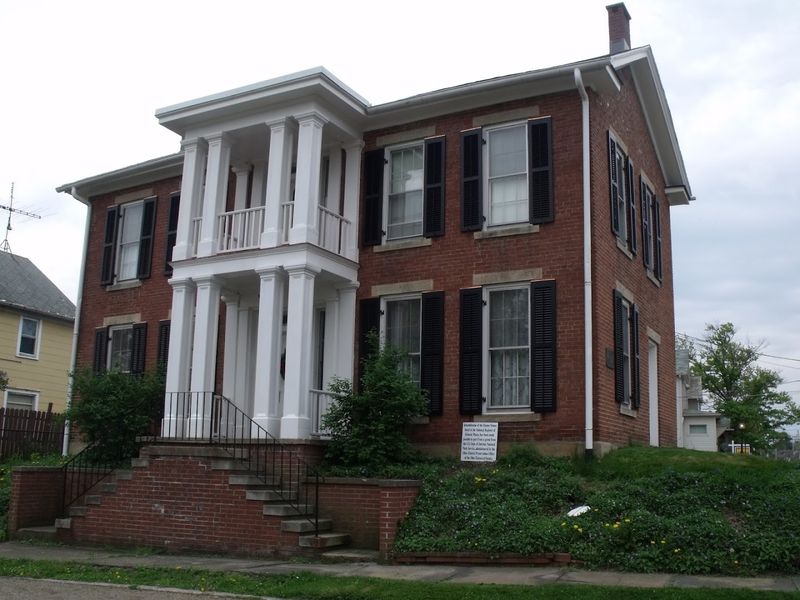
On a quiet street in Alliance, subtle architecture hides the choreography of quick exits and careful entries. You step into a house that feels practical and purposeful, where planning met compassion every hour.
You will recognize how structure itself became a silent ally.
The Haines House Underground Railroad Museum explains building features that supported safety, from discreet rooms to controlled sightlines. Exhibits outline local cooperation across Quaker circles, businesses, and farms in northeastern Ohio.
You see how multiple stopovers created a rhythm that kept travelers moving without drawing attention.
As you study maps, you can trace threads toward lake winds and distant docks. You will understand how community trust mattered as much as clever carpentry.
If you appreciate places where design and conscience share the same blueprint, this museum lets you read the floorplan of courage line by line.
10. Hubbard House Underground Railroad Museum
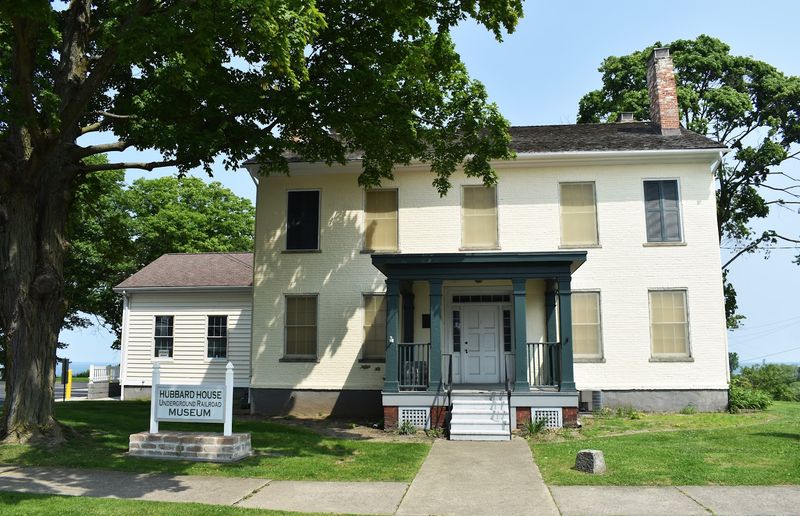
Near the sweep of Lake Erie, a safe harbor once waited behind classical columns and calm rooms. You will feel the pull of water again, this time as a gateway toward Canada.
The setting turns lake breezes into pages that flip quickly toward freedom.
At the Hubbard House Underground Railroad Museum in Ashtabula, exhibits link inland routes to the busy harbor. You learn how navigators, dockworkers, and residents coordinated quiet departures under clouded skies.
Guides share names and vessels, pairing shoreline logistics with household vigilance across northern Ohio.
Walking outside, you can almost hear rigging and creaking docks, imagine night signals, and watch for a break in weather. The house stands as a final relay where relief and caution balanced in equal measure.
If you want to witness how Ohio’s northern edge opened into possibility, this museum brings you to the water’s edge of history.
11. Follett House Museum
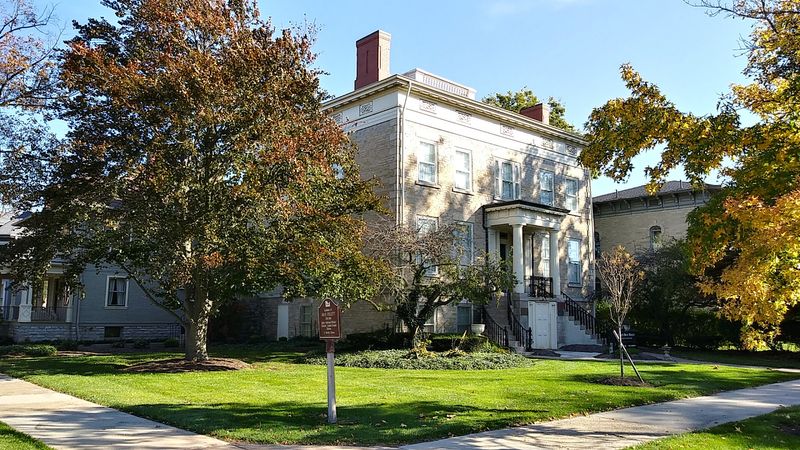
In Sandusky, lake light fills a home that once watched the shoreline for timely moments to move. You can climb stairs and picture couriers arriving with news, then leaving with plans.
The rooms balance civic polish with the agility required for quiet work.
At the Follett House Museum, you will explore Sandusky’s role in antislavery activism and wartime logistics along Ohio’s northern corridor. Exhibits highlight citizens who coordinated discreet lake crossings and inland transfers.
Maps, ledgers, and portraits connect business networks to moral commitments that shaped the city’s identity.
From the cupola, the horizon stretches like a promise held carefully in hand. You can trace imagined routes across the water and inland by rail and road.
If you are drawn to places where civic life and covert action met in disciplined harmony, this museum gives you both the view and the vocabulary.
Share this story