Michigan has a food scene that goes way beyond just pasties and cherry pie. From the gritty streets of Detroit to the charming small towns tucked along the Great Lakes, the state is packed with restaurants that have been feeding locals and visitors for generations.
Whether you’re chasing a crispy fish fry, a legendary Coney dog, or a farm-to-table dinner that changes with the seasons, Michigan delivers in a big way. These 11 restaurants capture exactly what makes eating in the Great Lakes State such a memorable experience.
1. Grand Traverse Pie Company
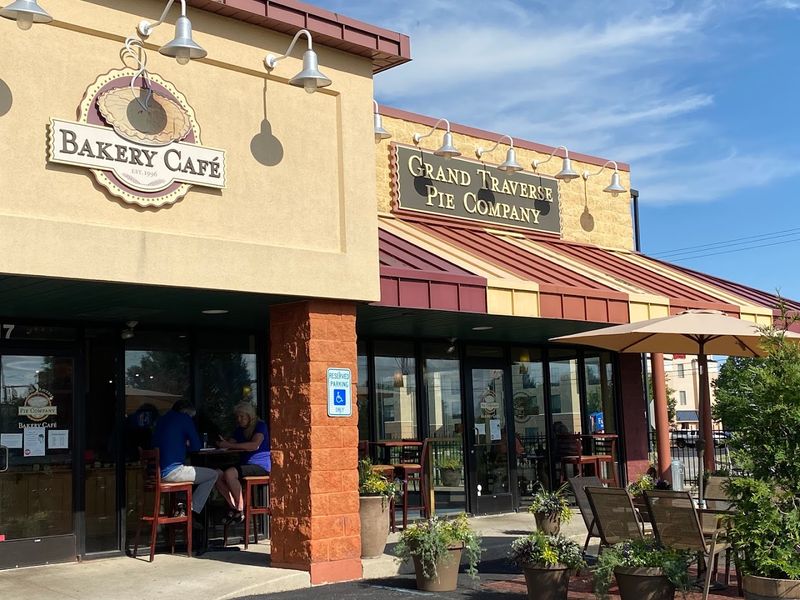
Cherry pie that actually tastes like cherries — not syrup, not filling from a can, but real tart Montmorency cherries grown right in Northern Michigan. That’s the promise Grand Traverse Pie Company has been keeping since it opened in Traverse City in 1996.
The founders wanted to celebrate the region’s most iconic crop, and they nailed it from day one.
The menu stretches well beyond cherry pie, though that’s obviously the star. You’ll find savory pot pies, hand-crafted soups, freshly made sandwiches, and a rotating selection of seasonal fruit pies that reflect whatever’s growing nearby.
Everything feels thoughtful, like someone’s grandmother planned the menu with serious intention.
What separates this place from a generic bakery chain is its deep connection to Michigan agriculture. The company partners with local orchards and farms whenever possible, so the ingredients actually mean something.
You’re not just eating pie — you’re tasting the region’s agricultural identity.
The Traverse City flagship location has a warm, inviting atmosphere that matches the food perfectly. Exposed wood, pie displays that practically beg you to point and order, and staff who genuinely seem proud of what they’re serving.
It’s the kind of spot where you order one slice and immediately regret not ordering two.
Multiple locations have popped up across Michigan over the years, but the original Traverse City shop still carries that special hometown energy. If you’re road-tripping through Northern Michigan, skipping this stop would be a genuine mistake.
Grab a whole pie to go — you’ll thank yourself later when you’re eating leftovers at midnight and they’re still somehow perfect.
2. Duly’s Place Coney Island
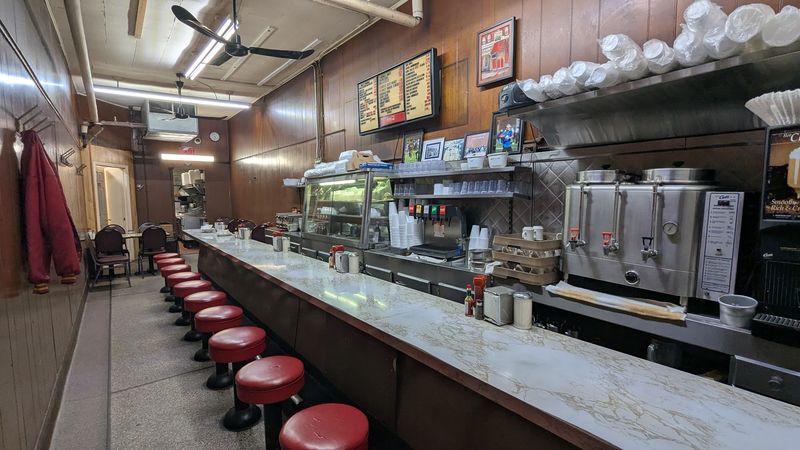
Nobody talks about Detroit’s food culture without eventually landing on Coney dogs, and Duly’s Place in southwest Detroit is one of the most beloved spots in that conversation. Open since 1921, this no-frills diner has been slinging chili-topped hot dogs to hungry Detroiters through every era of the city’s complicated history.
That kind of staying power is earned, not given.
The Coney dog here follows the Detroit tradition closely: a natural-casing frankfurter nestled in a steamed bun, topped with a meaty, beanless chili sauce, yellow mustard, and a generous pile of diced white onions. Simple on paper, but the execution is what separates a great Coney from a forgettable one.
At Duly’s, the chili sauce has a depth that keeps regulars coming back weekly.
The atmosphere is refreshingly unpretentious. Formica countertops, a narrow dining room, and a staff that moves fast because the line never really stops.
This is not a place you go to linger over a three-course meal — you go to eat well, eat quickly, and leave satisfied in a way that only diner food can achieve.
Duly’s has a loyal southwest Detroit following that includes longtime neighborhood residents, blue-collar workers, and food tourists who’ve done their homework. The mix of regulars creates an energy that feels authentic in a way that trendy restaurants rarely manage to replicate.
Cash is king here, so come prepared. Prices are remarkably reasonable for food this good, which makes the whole experience feel even more like a local secret worth protecting.
Duly’s Place isn’t flashy, and that’s exactly why it works so well.
3. Grove
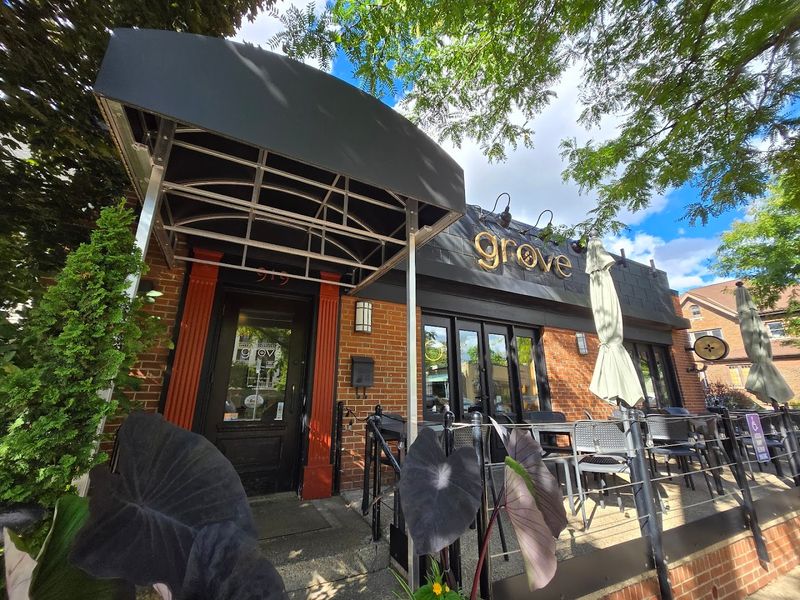
Tucked into Ann Arbor’s west side, Grove operates with a simple but ambitious philosophy: cook what’s local, cook what’s seasonal, and cook it exceptionally well. The restaurant has built a loyal following among Ann Arbor diners who want something more thoughtful than a standard neighborhood spot but less stuffy than a formal fine-dining experience.
The menu rotates frequently, which keeps things exciting and keeps the kitchen honest. When Michigan strawberries are at their peak, you’ll see them on the plate.
When winter root vegetables dominate the local farms, the dishes reflect that reality with creativity rather than apology. It’s the kind of cooking that makes you pay attention to what season you’re actually in.
Chef Brandon Johns has been a significant force behind Grove’s reputation, bringing a trained culinary perspective to ingredients that deserve serious attention. The food is refined without being intimidating, and the portion sizes are generous enough that you leave feeling genuinely satisfied rather than aesthetically full.
The dining room has a warmth that matches the cooking style. It’s cozy without being cramped, and the service tends toward knowledgeable and friendly rather than stiff or performative.
Date nights and small group dinners both work well here because the vibe accommodates both quiet conversations and lively table energy.
Reservations are strongly recommended, especially on weekends when the room fills fast with regulars who’ve made Grove part of their monthly routine. The cocktail program is worth exploring before your meal — the bar team applies the same local-ingredient logic to their drinks.
Grove earns its reputation every single service, and that consistency is what keeps people coming back season after season.
4. Zehnder’s of Frankenmuth
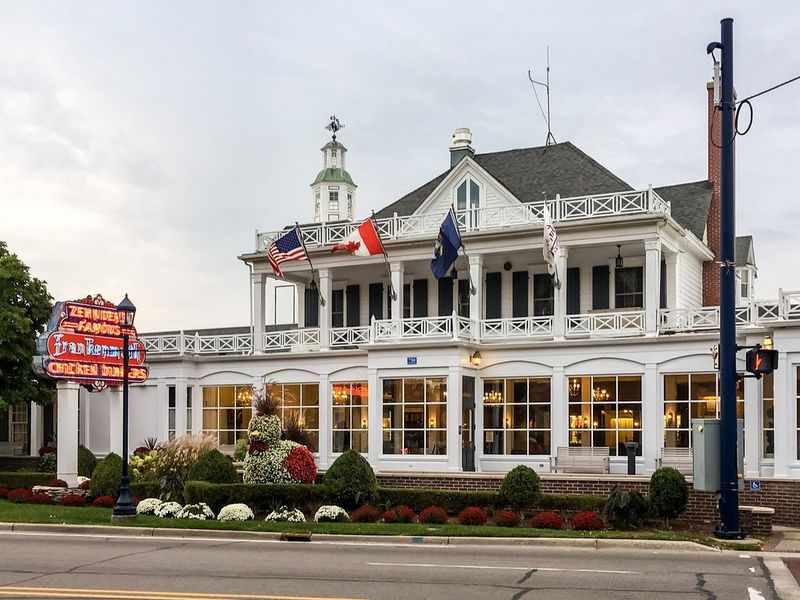
Frankenmuth calls itself Michigan’s Little Bavaria, and Zehnder’s of Frankenmuth leans fully into that identity with a dining experience that feels genuinely larger than life. Founded in 1856, the restaurant has grown into one of the highest-volume eateries in the entire United States, seating over 1,500 guests across its sprawling complex.
That statistic alone should tell you something about how seriously Michigan takes this place.
The star of the show is the all-you-can-eat chicken dinner, a tradition so beloved it has become a Michigan rite of passage. Golden-fried or slow-roasted chicken arrives at the table in generous portions alongside homemade stuffing, buttered noodles, cranberry relish, and fresh-baked bread.
It’s a feast designed to leave you completely satisfied, maybe even a little overwhelmed, but always smiling.
Beyond the chicken, the menu includes German-inspired classics and hearty American comfort food that fits the Frankenmuth atmosphere perfectly. The dining rooms are decorated with Bavarian touches — carved wood, painted murals, and a warmth that makes the large space feel surprisingly intimate once you settle in.
Families have been making Zehnder’s a multi-generational tradition for well over a century, and you can feel that history in the way staff carry themselves with genuine pride. The service is efficient and friendly, built for high volume without ever feeling rushed or impersonal.
Zehnder’s sits right across the street from its friendly rival, Bavarian Inn, and the two restaurants have created a tourism ecosystem that draws visitors from across the Midwest every weekend. Making a reservation ahead of your visit is smart, especially during peak summer months and the holiday season when Frankenmuth transforms into a winter wonderland destination.
5. Michigan & Trumbull Pizza
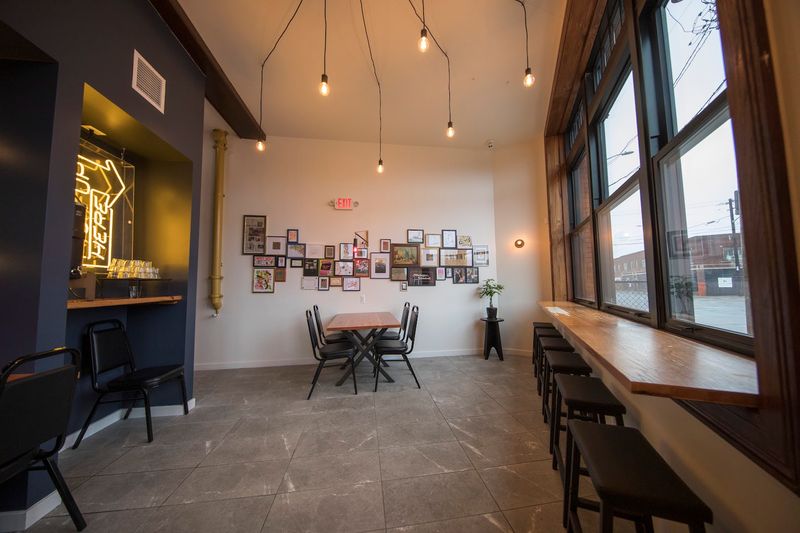
Detroit-style pizza has gone national over the past decade, but Michigan & Trumbull is doing it at a level that reminds you why the original always beats the imitation. Named after a famous Detroit intersection, this spot captures the spirit of the city in every square slice — sturdy, honest, and deeply satisfying in a way that makes you rethink everything you thought you knew about pizza.
The crust here is the foundation of everything. Thick and airy like focaccia, with a crispy, caramelized cheese edge that forms naturally against the steel pan during baking.
That edge — locals call it the “frico” — is arguably the best bite on the whole pie. Sauce goes on top, not underneath, which is the Detroit way and a genuinely smart move for texture balance.
Topping combinations lean creative without going overboard. You’ll find well-sourced ingredients paired thoughtfully, and the menu shows real restraint — the kind that signals a kitchen focused on quality over quantity.
Pepperoni cups that crisp up beautifully in the oven are a crowd favorite, and for good reason.
The vibe at Michigan & Trumbull is casual and neighborhood-friendly, the kind of pizza shop where you feel comfortable showing up in whatever you’re wearing. Counter service keeps things moving, and the small footprint means the room fills up fast during dinner hours.
Takeout is always an option, but eating in-house while the pizza is still at its peak temperature is the move. Detroit-style pizza reheats well, but nothing beats that first slice fresh from the pan.
Michigan & Trumbull is proof that the original Detroit style, done right, doesn’t need any reinvention to be extraordinary.
6. Scotty Simpson’s Fish & Chips

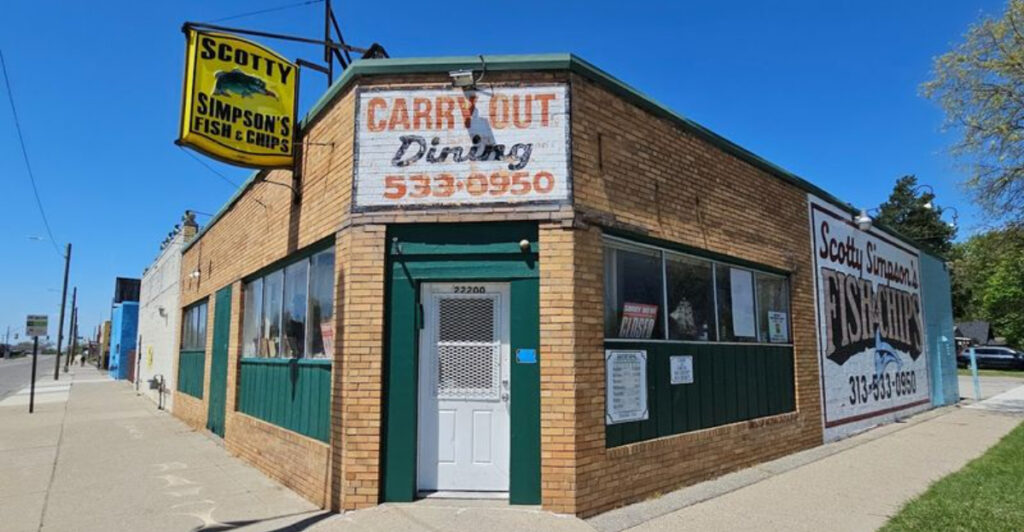
Long before food trucks and artisan everything, there was Scotty Simpson’s — a Detroit institution that has been frying fish the right way since 1950. The specialty is lake perch, and if you’ve never had properly fried Great Lakes perch, this is where that education should begin.
Light batter, fresh fish, and hot oil that actually gets the temperature right: it sounds simple because it is, and that simplicity is the whole point.
The menu doesn’t try to do too much, which is exactly why it works. Fish and chips, coleslaw, tartar sauce, and a few sides round out the offerings.
There’s no fusion twist or seasonal reinvention — Scotty Simpson’s has been doing the same thing for decades because the thing they’re doing is already perfect.
The location on Wyoming Avenue has a retro roadside feel that matches the menu’s old-school confidence. It’s a walk-up-and-order situation with a counter that has seen generations of Detroit families come through for Friday fish fries, casual weeknight dinners, and late-night cravings that only fried perch can satisfy.
Detroiters have a deep, almost spiritual relationship with the Friday fish fry tradition, and Scotty Simpson’s sits at the center of that cultural ritual. Catholic or not, secular or devout, everyone in Detroit seems to find their way to a fish fry counter on Friday evenings.
This one consistently earns top honors in local rankings and neighborhood loyalty surveys.
Portions are generous and priced fairly, making it easy to order more than you planned. The coleslaw is creamy and well-seasoned — not an afterthought, but a genuine companion to the fish.
Scotty Simpson’s is living proof that mastering one thing completely is a far better strategy than being average at everything.
7. Zingerman’s Roadhouse
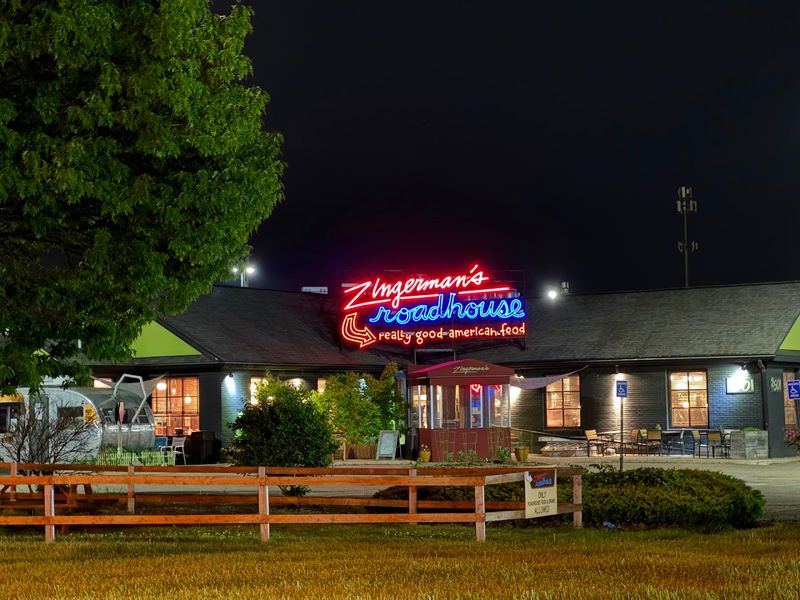
Zingerman’s is a name that carries serious weight in Michigan food culture, and the Roadhouse on Jackson Road in Ann Arbor brings that reputation to the world of American comfort food. While the original Zingerman’s Deli gets most of the fame, the Roadhouse is where the team gets to celebrate the full breadth of American regional cooking — from Southern BBQ to Midwest farmhouse classics to New England chowder.
The mac and cheese here has achieved near-legendary status among Ann Arbor regulars. Made with real aged cheddar and baked to a golden, bubbling finish, it’s the kind of dish that makes you forget every mediocre version you’ve ever eaten.
The fried chicken is another standout — buttermilk-brined, properly seasoned, and fried with the kind of care that suggests someone in that kitchen takes the dish personally.
Sourcing is taken seriously at the Roadhouse, which shouldn’t surprise anyone familiar with the Zingerman’s brand. The team has long-standing relationships with farms, dairies, and producers who share their commitment to quality.
That sourcing philosophy shows up clearly on the plate in the flavor of the ingredients themselves.
The atmosphere strikes a balance between lively and relaxed — it’s casual enough for a weeknight family dinner but interesting enough for a food-focused evening with friends who care about what they eat. The bar program is solid, with a thoughtful selection of craft beers and cocktails that pair naturally with the hearty menu.
Breakfast and brunch at the Roadhouse are worth planning around. Pancakes made with stone-ground cornmeal, house-cured meats, and eggs from local farms make the morning meal feel like a genuine event rather than a quick fuel stop.
Zingerman’s Roadhouse earns every bit of its beloved status.
8. Polish Village Cafe
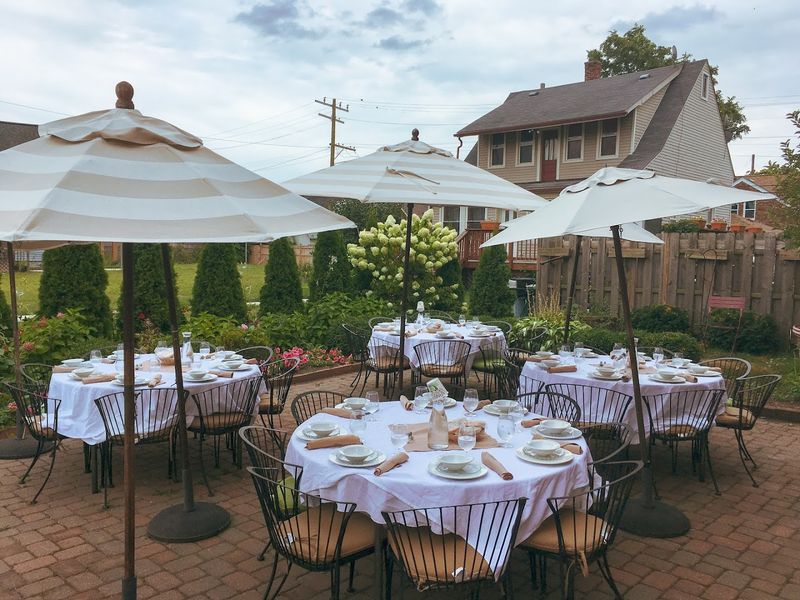
Hamtramck is one of the most culturally layered cities in Michigan, and Polish Village Cafe has been anchoring its Eastern European heritage since 1983. Walking through the door feels like stepping into a different era — the kind of restaurant where recipes haven’t changed because they don’t need to, and where the food carries the weight of genuine tradition rather than nostalgic performance.
Pierogi are the obvious entry point, and they’re outstanding. Stuffed with potato and cheese, sauerkraut and mushroom, or meat fillings, each one is pan-fried to order with caramelized onions and served with a dollop of sour cream.
The dough is soft but sturdy, and the fillings are seasoned with the kind of restraint that lets the ingredients speak without shouting.
Beyond pierogi, the menu covers Polish comfort food in full: czarnina (duck blood soup), bigos (hunter’s stew), stuffed cabbage rolls, and kielbasa that could convert a lifelong sausage skeptic. These are dishes built for cold Michigan winters, hearty and warming in a way that feels almost medicinal.
The dining room is unpretentious in the best possible way. Old photographs, simple tables, and a staff that treats every customer like a returning regular even if it’s their first visit.
The atmosphere is warm without being manufactured, which is increasingly rare in the restaurant world.
Portions are enormous, and prices are shockingly reasonable for food of this quality and authenticity. Bringing a group is the smartest approach so you can sample across the menu without having to make impossible choices.
Polish Village Cafe is a Hamtramck treasure that deserves to be on every serious Michigan food lover’s short list, no debate necessary.
9. Buddy’s Pizza
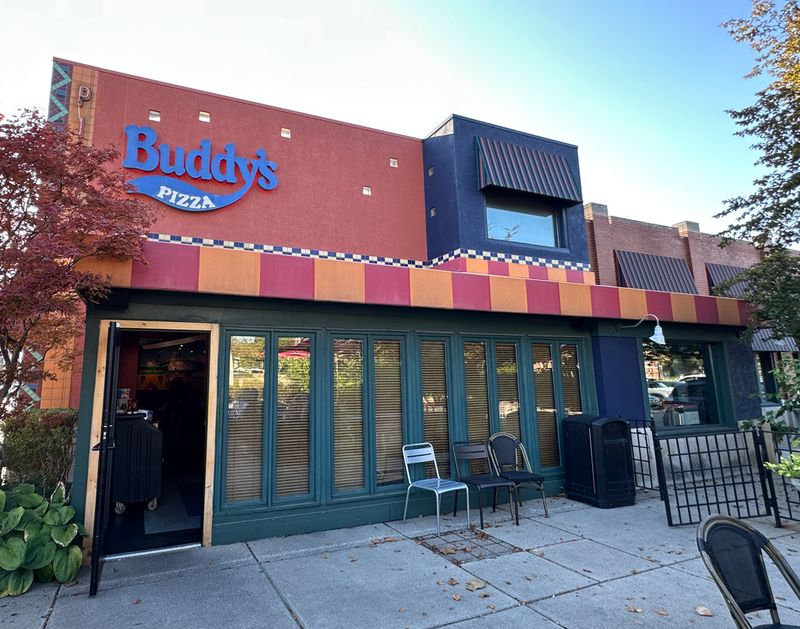
If you want to understand Detroit-style pizza at its origin point, Buddy’s Pizza is the place to start. The restaurant invented the style in 1946, baking pizza in blue steel automotive pans — a very Detroit solution to a very Italian problem.
That origin story isn’t just trivia; it explains why the pizza looks and tastes the way it does, and why no other city has been able to fully replicate it.
The defining characteristics are well known to pizza obsessives: a thick, airy crust with a crispy bottom, cheese baked all the way to the edges so it caramelizes against the pan, and tomato sauce ladled on top rather than underneath. Every element serves a purpose, and the combination produces a pizza that is simultaneously indulgent and structurally brilliant.
Buddy’s has expanded to multiple locations across Metro Detroit and beyond, but the quality remains consistent across the board. The original Conant location carries the most nostalgic energy, but any Buddy’s will give you an authentic experience.
The menu also includes round pizzas, salads, and Italian-American dishes, though the square pies are the undisputed reason to visit.
The dining room atmosphere varies by location but generally leans toward casual family restaurant — checkered tablecloths, warm lighting, and a noise level that reflects the fact that people are genuinely enjoying themselves. It’s the kind of place where birthdays get celebrated and where post-game dinners happen naturally.
Buddy’s is also a great takeout choice since the square format holds heat and texture well. Order a day ahead for large groups, because these pies sell out regularly and nothing is worse than showing up hungry only to wait longer than expected.
Buddy’s Pizza is Michigan’s most important pizza story, full stop.
10. The Cooks’ House
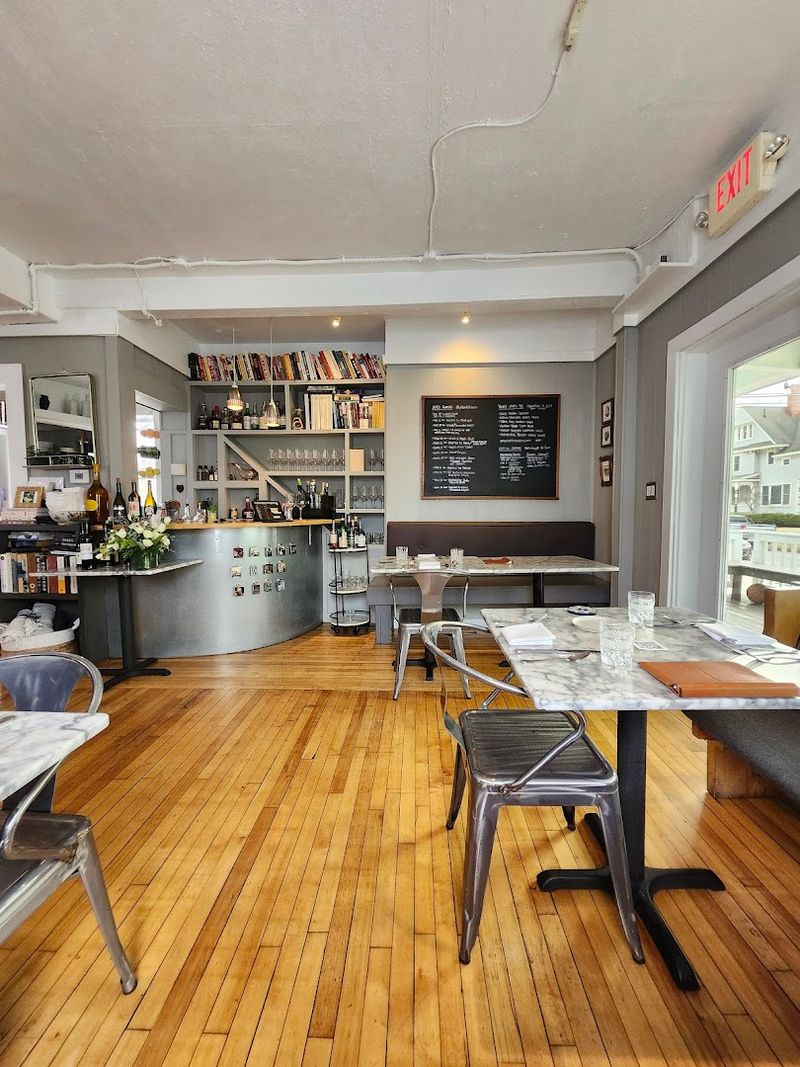
Small restaurants with big ambitions are everywhere, but The Cooks’ House in Traverse City actually delivers on the promise. With only a handful of tables, this intimate spot operates more like a chef’s personal dinner party than a traditional restaurant, and that intimacy is the entire point.
Every detail — from the seasonal menu to the carefully chosen wine list — reflects a deep investment in the experience.
Chefs Eric Patterson and Jennifer Blakeslee built the restaurant around a commitment to Northern Michigan’s extraordinary agricultural bounty. The menu changes with the seasons, sometimes with the week, depending on what local farms, fishers, and foragers are producing.
That level of responsiveness to the local food system is rare and genuinely impressive in practice.
Dishes here are refined without being fussy. A whitefish preparation might feature ingredients foraged from nearby forests; a vegetable course might highlight a single farm’s harvest at its absolute peak.
The cooking style respects the ingredients rather than overshadowing them, which requires real confidence and skill in the kitchen.
The atmosphere is hushed and focused, the kind of dining environment where conversation flows easily because the food gives you so much to talk about. Service is attentive without hovering — the staff knows the menu deeply and can speak to the sourcing of nearly every ingredient on the plate.
Reservations book up quickly, especially during the summer and fall when Traverse City’s tourism season is in full swing. Planning ahead by several weeks is not an exaggeration.
The Cooks’ House is the kind of restaurant that reminds you why eating at a table with thoughtfully prepared food is one of life’s genuinely great pleasures. Worth every bit of the effort to get a seat.
11. Lafayette Coney Island
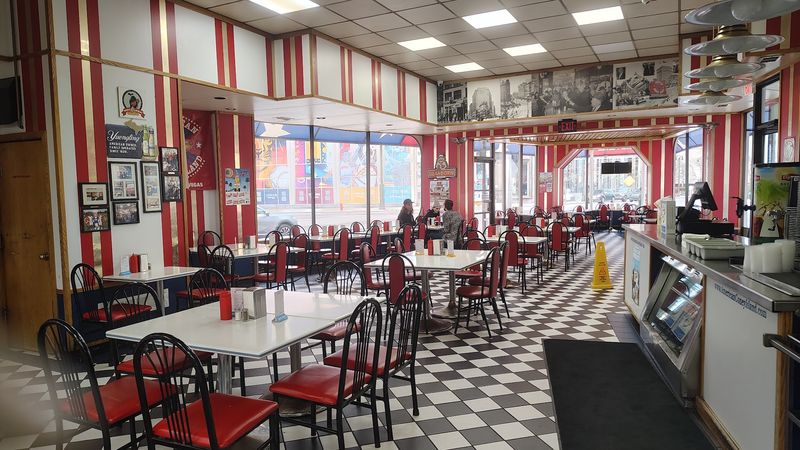
Right next door to its eternal rival American Coney Island, Lafayette Coney Island has been holding down its corner of Michigan Avenue in downtown Detroit since 1914. The two restaurants share a wall and a century-long rivalry that Detroit locals treat with the same passionate loyalty they reserve for sports teams.
Picking a side is practically a civic requirement once you move to the city.
Lafayette’s Coney dog has a slightly different character than its neighbor’s — the chili sauce is often described as earthier and more savory, with a texture that clings to the dog in a way that feels deeply satisfying. Natural-casing franks provide that signature snap when you bite through, and the whole assembly comes together in about thirty seconds of practiced, efficient movement from the counter staff.
The interior looks like it has been frozen in time, and that’s not a complaint. Worn counter stools, a no-frills menu board, and fluorescent lighting that somehow adds to the atmosphere rather than detracting from it.
Lafayette has never tried to modernize itself into something it isn’t, and that stubborn authenticity is a huge part of its appeal.
Late-night hours make Lafayette a go-to destination after concerts, sporting events, and evenings out in downtown Detroit. There’s something deeply right about eating a Coney dog at midnight in a diner that has been feeding the city through every version of itself across more than a hundred years of history.
First-time visitors often order two dogs immediately after finishing their first one, which is the correct approach. Add a bowl of chili on the side if you’re serious about the full experience.
Lafayette Coney Island is not just a restaurant — it’s a piece of Detroit that has somehow stayed exactly the same while everything around it has changed.
Share this story