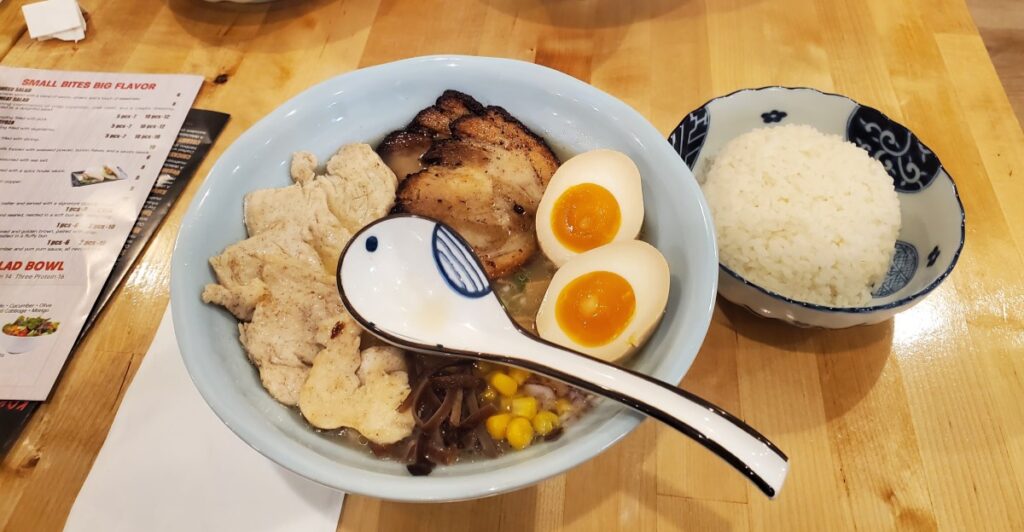
A bowl of ramen can arrive smelling of yuzu, carrying a spoonful of green curry, or hiding tender oxtail beneath the noodles. None of those requires the familiar creamy pork-bone broth that often gets top billing.
Across New Jersey, ramen menus make room for clear chicken stock, seafood miso, vegetable dashi, and combinations that deserve their own dinner plans. The trick is looking past the biggest photograph on the menu.
Shoyu and shio describe seasonings, so they do not automatically tell you what went into the stock; a vegetable broth can still come topped with pork. That little distinction opens up a much more interesting ordering conversation.
These eleven shops offer good reasons to branch out, whether you want something citrusy, deeply savory, spicy, or entirely plant-based. Bring your usual ramen companion, choose different bowls, and let the first spoonful settle which one deserves a return visit on another hungry night.
1. Ramen Matsu
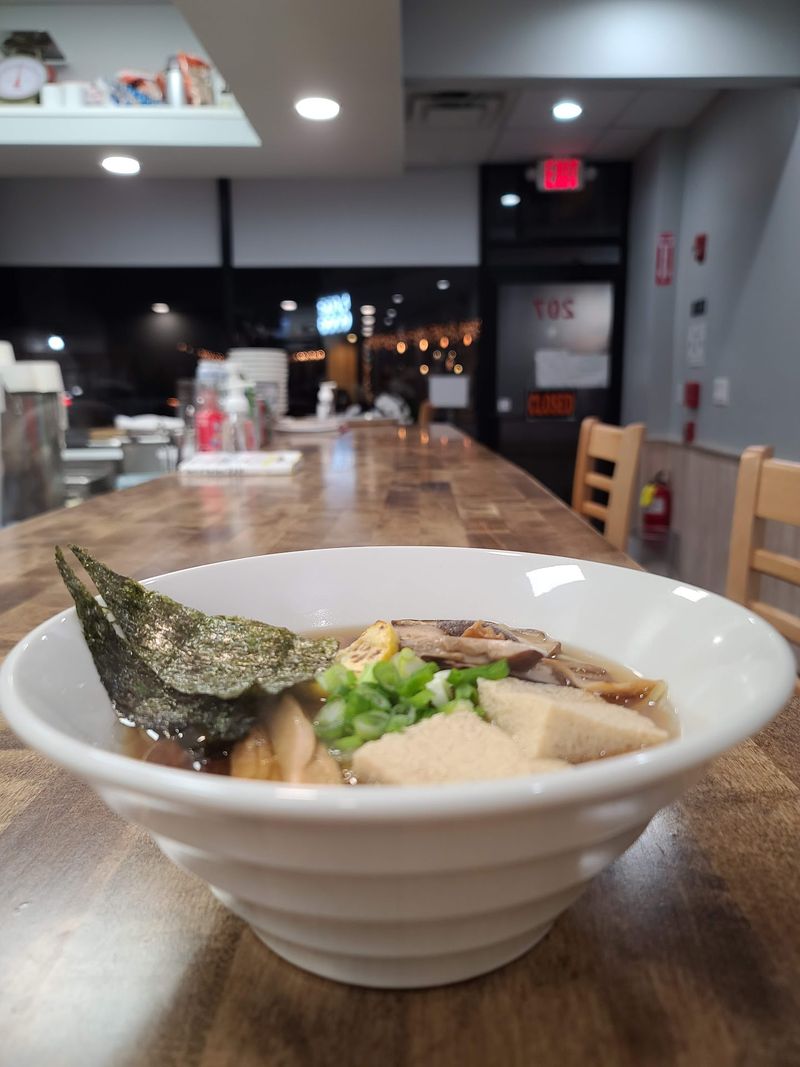
Clear broth deserves a little attention before the noodles get involved. At this Closter shop, shoyu and shio ramen give you a reason to start with the spoon, taking in the seasoning before moving on to the meat and bamboo shoots.
The original bowls are available with braised pork chashu, while the Original Ramen Deluxe brings together several pork preparations, chicken breast, a whole egg, menma, and scallions. That makes the deluxe a useful order for someone who wants variety without turning dinner into a procession of appetizers.
There is also a genuinely different direction in the Vegan Shoyu Ramen: a clear broth made with kelp and shiitake, seasoned with soy sauce. It gives plant-based diners a specific bowl to consider rather than an instruction to remove the meat from something else.
The address is 207 Closter Dock Road, making this a straightforward Bergen County dinner stop. For a first visit, choose one of the original shio or shoyu bowls and resist adding every available extra.
A clear soup rewards that restraint; you can actually follow what changes as the toppings mingle with the stock. If two people are ordering, pairing an original bowl with vegan shoyu is a more revealing comparison than choosing the same ramen twice.
The appeal here is having several ways to explore broth without defaulting to creamy tonkotsu.
2. Ramen Nagomi
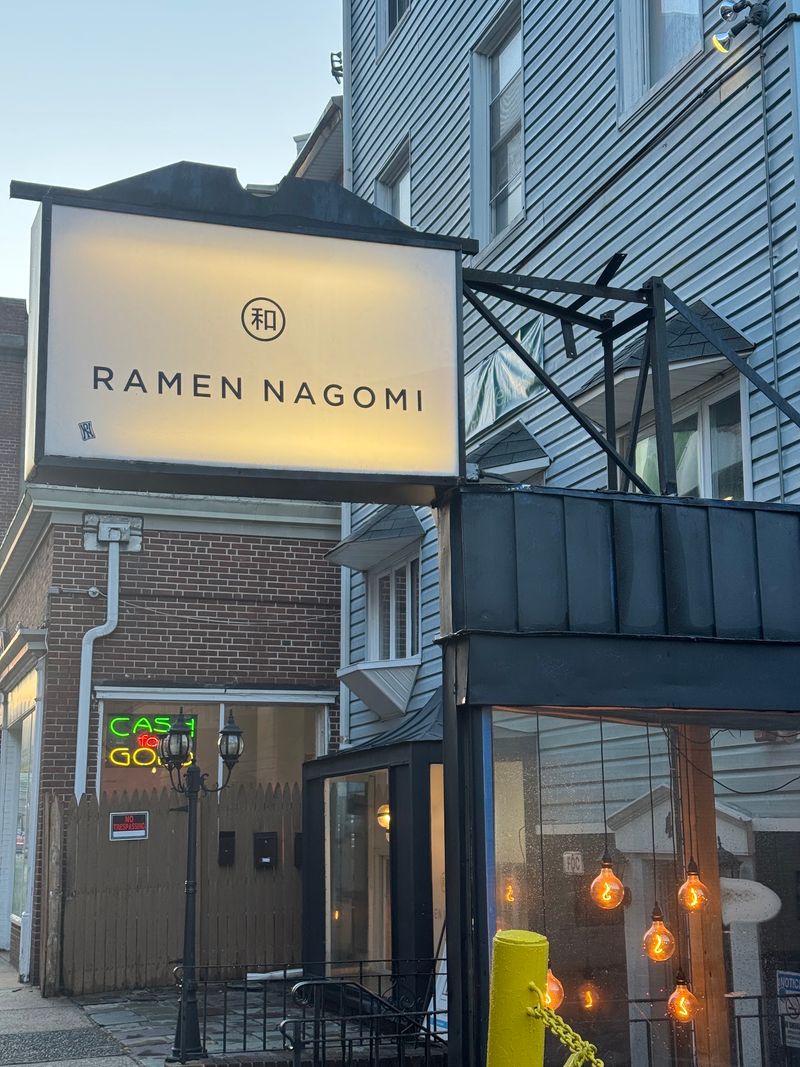
Crab and miso are a persuasive reason to change your usual order. In New Brunswick, the Miso Crab Ramen combines a house miso-crab blend with vegan dashi, then adds crab meat and slow-braised pork belly among its toppings.
That combination matters: the stock takes a different route from pork-bone broth, but the finished bowl is not vegetarian. It is a good choice for someone who wants seafood flavor without giving up the richness of a substantial meat topping.
Nagomi also offers Tori Paitan, built around rich chicken broth and house dashi with shoyu seasoning. Chicken stock does not have to mean a delicate, almost transparent soup; this bowl gives you another way to pursue richness.
For a brighter direction, look for the chicken shio options on the menu. The New Brunswick shop is at 49 Bayard Street, right in the downtown dining mix, so it works well as the central stop of an evening rather than an isolated roadside meal.
My ordering advice is to decide which ingredient you want leading the conversation: crab, chicken, or a lighter salt-seasoned stock. That keeps the choices manageable without reducing everything to a question of spicy versus mild.
The miso crab is the most distinctive starting point for this particular list, while the chicken bowls make a strong case for coming back with a different appetite.
3. Menya Ramen House
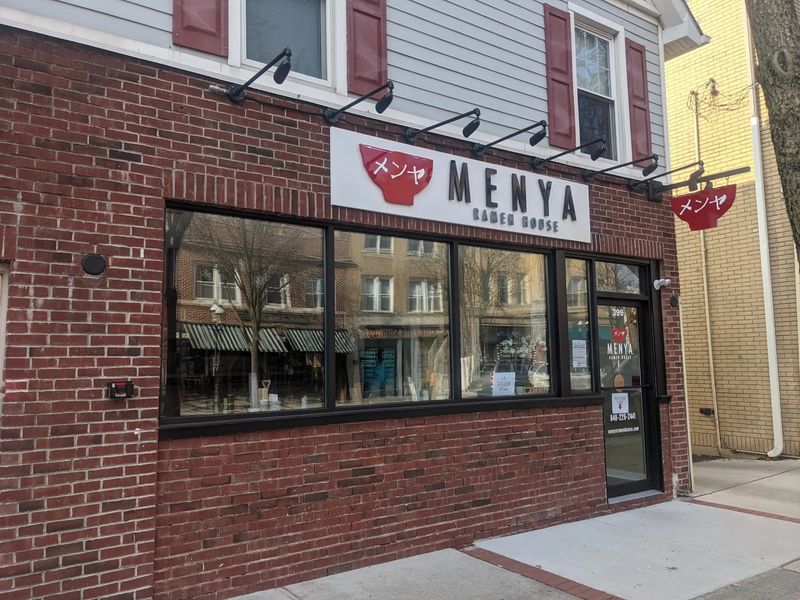
A bowl called Spirit Lifter sets a fairly ambitious assignment for lunch. Menya’s version tackles it with curry-flavored vegetable broth, tomato paste, okra, onions, corn, homemade tofu, and mushrooms.
It is vegan, but its appeal reaches well beyond anyone avoiding meat: curry and tomato give you a clear reason to order it on their own merits. The other especially interesting plant-based choice is Kimchi Miso, pairing vegetable broth and thick, wavy noodles with vegan kimchi, tofu, shiitake, and charred corn.
Between those two bowls, plant-based ramen becomes a choice between distinct flavors rather than a single fallback. Chicken-broth fans have plenty to work with, too, including shio, shoyu, and Truffle Shio.
For seafood and heat, Spicy Kaisen adds prawns, clams, and squid to clear chicken broth with homemade spicy oil. Menya has locations at 399 Main Street in Metuchen and 76 North Maple Avenue in Ridgewood, giving you two practical ways to plan the visit.
Its Japanese and Korean influences also show up in the supporting menu, including kimchi gyoza and Korean fried chicken. Order the Spirit Lifter if you want the biggest departure from classic tonkotsu, or choose Kimchi Miso when fermented flavor sounds more tempting than curry.
Either way, leave enough appetite for the soup itself; this is an easy menu on which to accidentally assemble two dinners.
4. Ani Ramen House
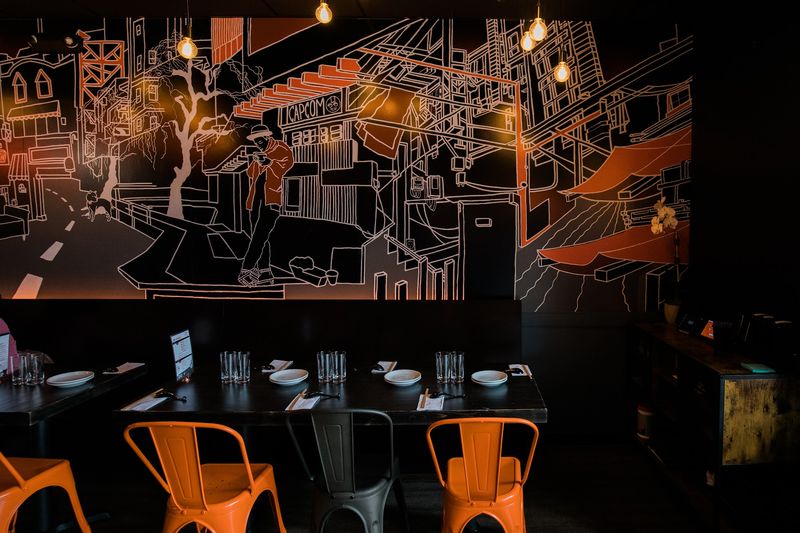
Lemongrass is not usually the first ingredient people name when describing their ramen craving. Here, it helps distinguish the Chef’s Special Stamina Ramen, which layers chili paste, garlic, ginger, onion, shallot, and chives into chicken broth with shoyu tare.
Pork belly, cabbage, and scallions complete the bowl. The result is an appealing order for anyone who wants aromatic complexity rather than simply asking for the hottest thing available.
At the Jersey City location, the menu also offers Tokyo Shoyu with chicken broth and black garlic oil, plus Sapporo Spicy Miso with chicken broth, miso seasoning, and roasted chili oil. Those are different expressions of the same broad stock category, making Ani useful for a small, informal broth comparison.
Its vegan ramen takes another path entirely, using vegetable broth and sesame-shoyu seasoning with roasted mushrooms, carrots, onions, tofu, and cabbage. The shop at 218 Newark Avenue fits naturally into a downtown Jersey City evening.
With buns and other shareable dishes on the menu, dinner can expand beyond one bowl without requiring everyone to order identically. Start with Stamina if you are here specifically to escape your usual tonkotsu routine.
Choose the vegan bowl if sesame and vegetables sound more inviting than pork belly. The worthwhile distinction is in the seasoning and aromatics, so give the broth a taste before reaching for anything that might overwhelm it.
5. Oni Ramen House
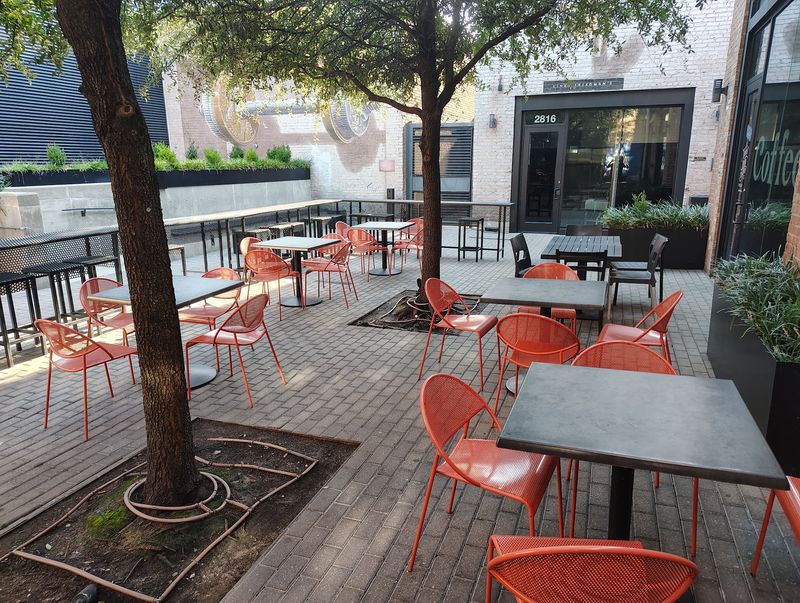
Beachfront dinner does not have to involve a basket of fried seafood. At 8 Ocean Avenue in Long Branch, the ramen choices include Seafood Miso, made with white-miso seafood broth and topped with tempura shrimp, kani, corn, edamame, and other garnishes.
It is a fitting Shore order with a different foundation from the usual creamy pork stock. There is also Short Rib ramen, which puts braised short rib into beef broth with menma, edamame, pickled ginger, and scallions.
That is the bowl to consider when you want something substantial but would rather change the stock than simply add more pork. The most playful departure is Vegekotsu: creamy vegan vegetable broth with green curry, mushrooms, tofu, zucchini, kale, corn, and sweet potato.
It borrows the promise of a rich bowl while building it from a separate set of ingredients. Chicken Shoyu offers a more familiar alternative, pairing chicken broth with grilled chicken thigh, corn, egg, tomato, bamboo, and kale.
The menu gives a mixed group several genuinely different directions, which is handy when one person wants seafood and another wants a plant-based dinner. For this article’s mission, order Seafood Miso or Vegekotsu first.
Save the short rib for a colder evening when beef broth sounds particularly persuasive. A walk along the ocean before dinner supplies all the occasion you need; the ordering decision provides the adventure.
6. Kokoro House of Ramen
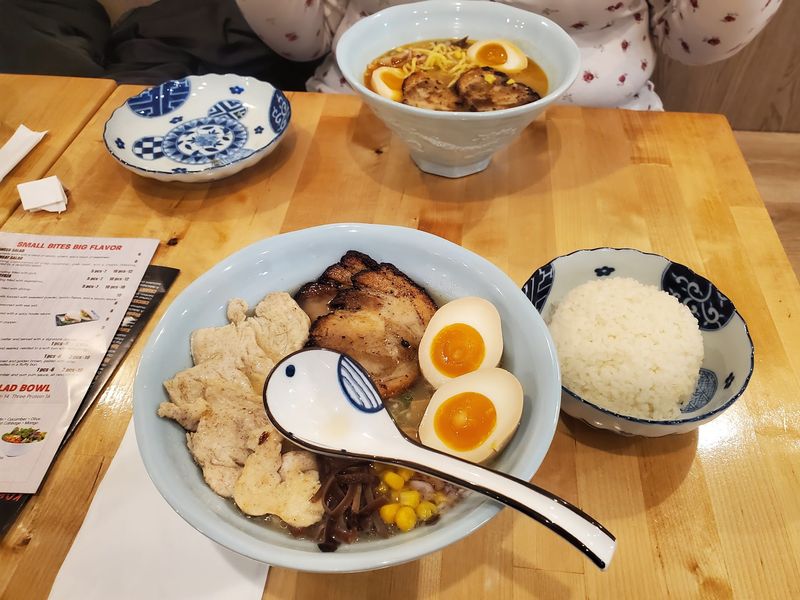
Creamy chicken broth offers a useful answer to the diner who likes richness but wants to move away from pork bones. That option appears alongside a broad ramen lineup at this Glen Rock restaurant, where chicken-based shio, shoyu, and miso bowls also make the cut.
The Peppery Chicken Ramen is another specific departure, combining chicken broth with pepper oil and spiced chicken. It gives you a different flavor target from the chili-driven heat found in many spicy bowls.
Plant-based choices include vegetable-broth ramen with seasoned tofu and a Volcanic Red Vegan bowl built around miso and spicy broth. There is enough range here to choose according to the soup itself rather than treating the protein as the entire decision.
The dining room shown by the restaurant has pale walls, wood-toned furniture, and greenery, giving the food a simple backdrop. Find it at 235 Rock Road, a convenient address for a meal in Glen Rock’s downtown area.
My first pick would be Creamy Chicken if the goal is to compare richness across different stocks, or Peppery Chicken if you want the seasoning to steer the experience. Before ordering, ask about the current toppings on the creamy bowl; its description is shorter than those of several other options.
For a second visit, go in the opposite direction with vegetable broth. That contrast is what makes a menu this broad useful.
7. Rai Rai Ramen
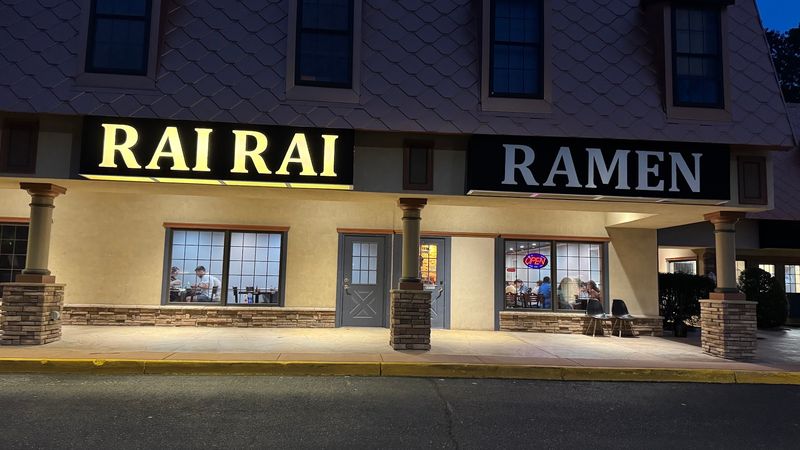
Oxtail changes the entire dinner conversation. At the Mount Laurel location, the specialty bowl pairs it with shio-seasoned beef broth, mushrooms, and scallions.
It is a particularly useful choice for anyone who associates ramen exclusively with pork: the meat and stock point in another direction together. There is no need to play a complicated substitution game to get there.
The surrounding menu has plenty of variety, including seafood ramen and chicken katsu curry ramen, alongside the more familiar shoyu and miso choices. For this list, though, oxtail is the clearest reason to make the trip.
Order it when you want a meat-focused bowl whose identity comes from something other than chashu and tonkotsu. The restaurant is at 1200 South Church Street, a practical Mount Laurel stop for diners who would rather plan around a suburban address than a downtown parking search.
Rai Rai’s roots in Hawaii also help explain a menu that extends beyond noodle soup into a broader comfort-food meal. Still, there is something satisfying about keeping this visit focused: one distinctive bowl, perhaps a shared appetizer, and enough time to work through the meat without rushing.
If you are bringing someone who always orders classic ramen, let them keep their usual choice while you take the oxtail route. You will have a more interesting comparison at the table, and a concrete answer when they ask what makes your broth different.
8. Tsujita NJ Artisan Noodles
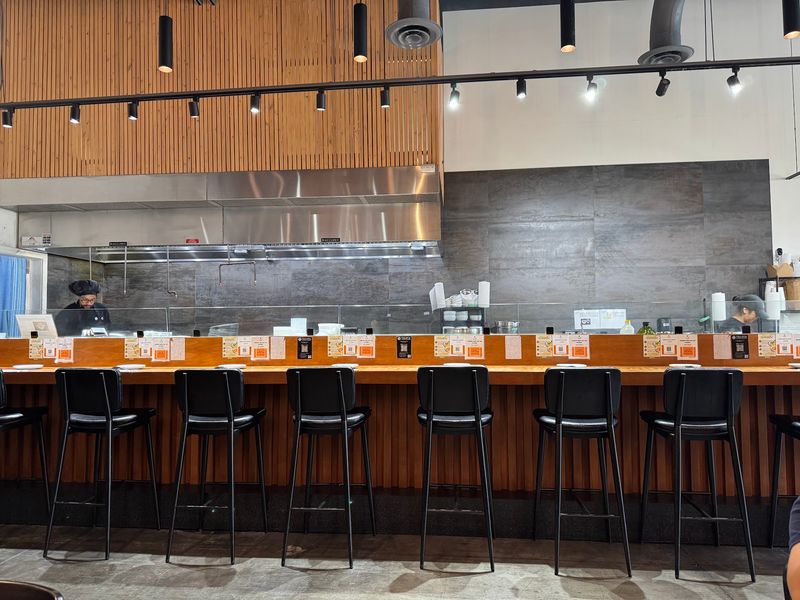
Carrot, celery, tomato, and mushroom extract are not the ingredients most people picture when a ramen craving strikes. They are part of the vegetable blend described for the Vegetarian Ramen at this Fort Lee shop, where dried tomatoes, cilantro, green onion, and lime take the bowl further from the standard tonkotsu template.
The combination gives you a specific alternative rather than a vaguely labeled vegetable soup. One important ordering detail: the listed toppings include kinshi tamago, or strips of egg.
Vegetarian does not mean vegan here, so ask about adjustments if eggs are outside your diet. The shop is at 2034 Lemoine Avenue, Suite 5B, putting it within Fort Lee’s extensive dining options.
Tsujita also serves pork-broth ramen, but the vegetable bowl earns its place in this lineup through its own ingredients. Choose it when tomato and a citrus finish sound more appealing than a heavy pork-based dinner.
Taste the stock before squeezing in all the lime; then add a little and see which version you prefer. That small adjustment lets you follow the bowl’s flavors without immediately making citrus the only thing you notice.
It is also a useful order for a mixed table where everyone wants ramen but nobody wants the same dinner. Keep the focus on this particular bowl when planning the visit, since its description provides the clearest route beyond classic tonkotsu.
9. Sakura Ramen
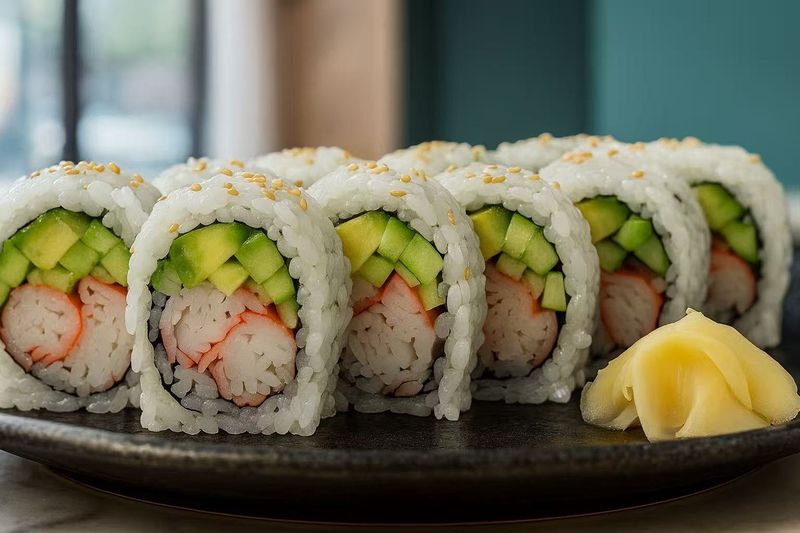
Some menus make you choose a complete bowl; this one lets the broth decision take center stage. At the Garfield restaurant, the ramen section offers white broth, miso, spicy miso, shoyu, and yuzu shio, alongside choices of protein and noodles.
That flexibility makes it a useful stop for someone who wants to explore a different seasoning while keeping a familiar main ingredient. Start with chicken or shrimp and choose yuzu shio for the most obvious citrus-led departure.
Miso and spicy miso give you another pair to compare if your table prefers a more savory direction. The broader selection includes pork, beef, seafood, tofu, and vegetable ramen, plus versions featuring chicken katsu or tempura shrimp.
Sushi, fried rice, and other Japanese dishes make this a practical option when your dinner companion has not fully committed to the ramen plan. Find it at 63 Passaic Street in Garfield.
There is one distinction worth keeping in mind as you order: a broth labeled shoyu or miso tells you about seasoning, but does not necessarily identify every ingredient in the stock. Ask directly if avoiding pork or another ingredient matters.
Likewise, the standard garnish list includes egg and imitation crab, so selecting tofu alone does not establish that a bowl is vegan. For everyone else, the appeal is simple: choose the soup flavor deliberately, then build the rest of dinner around it.
10. Ramen Factory
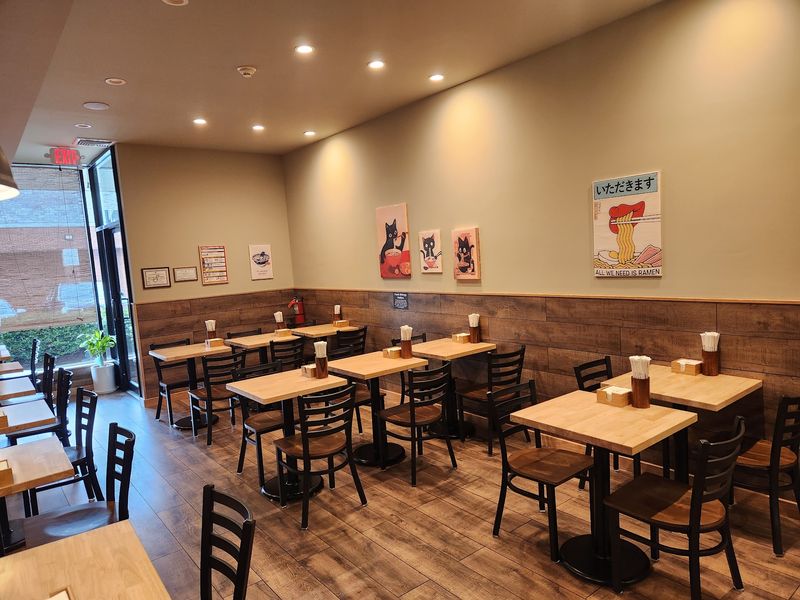
The important detail here is easy to miss: the miso bowls use a vegetable soup base. That separates them from the shop’s shio and shoyu ramen, both of which are described as using a chicken-and-pork tonkotsu base.
In other words, ordering miso changes more than the seasoning at this Old Tappan restaurant. The regular version combines vegetable stock with miso and sesame oil; spicy miso adds chili oil and chili paste.
Both come with pork chashu and egg among their toppings, so they offer a different broth without automatically becoming vegetarian meals. For the vegetable-focused option, Veggie Ramen uses a soy-seasoned vegetable base and brings in stir-fried carrots, onions, zucchini, tofu, and mushrooms.
That is the clearest first order if you want to leave pork-bone broth behind entirely. The supporting menu is compact, with rice bowls, karaage, gyoza, and pork buns rather than pages of unrelated choices.
It suits a straightforward ramen outing: pick the stock that interests you, add one small dish if you are hungry, and leave room to finish the bowl. The address is 216 Old Tappan Road, Suite 18A.
Choose spicy miso when you want the vegetable base with a stronger chili presence, or keep things simpler with the regular miso. This is a good reminder that reading the broth description can be more useful than relying on the bowl’s name.
11. Shokudo
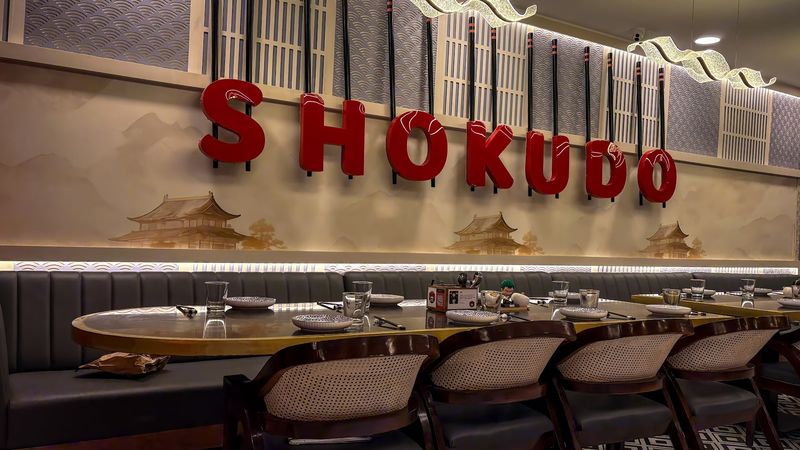
A light, clear chicken-and-dashi broth is a fitting place to finish this tour. The shio ramen at this Piscataway restaurant takes that approach, using salt seasoning rather than leaning on a thick pork-bone base.
Shoyu offers another chicken-broth option with soy sauce seasoning, making the pair an easy starting point for diners curious about how seasoning changes a bowl. Vegetable Miso goes in a separate direction, combining miso-based vegetable dashi with tofu puffs.
Ask which toppings come with that bowl if you need a fully meat-free meal, since the restaurant’s general topping description also mentions chashu. That question is especially useful here because other tempting choices remain firmly in pork-broth territory.
Oyster ramen uses rich pork stock, and kimchi ramen is a variation on tonkotsu; neither becomes a different stock simply because its headline ingredient changes. Find the restaurant at 1297 Centennial Avenue, an accessible Piscataway address for a lunch or dinner built around noodles.
Order shio when you want the clearest contrast with your usual tonkotsu, or choose Vegetable Miso to explore dashi with a different foundation. If you are dining with a friend, shio and shoyu make a sensible two-bowl comparison.
Take a spoonful before disturbing the toppings, then return to the broth partway through the meal. It is a small ritual, but it makes this kind of ramen outing more rewarding than simply counting the last noodles.
Share this story