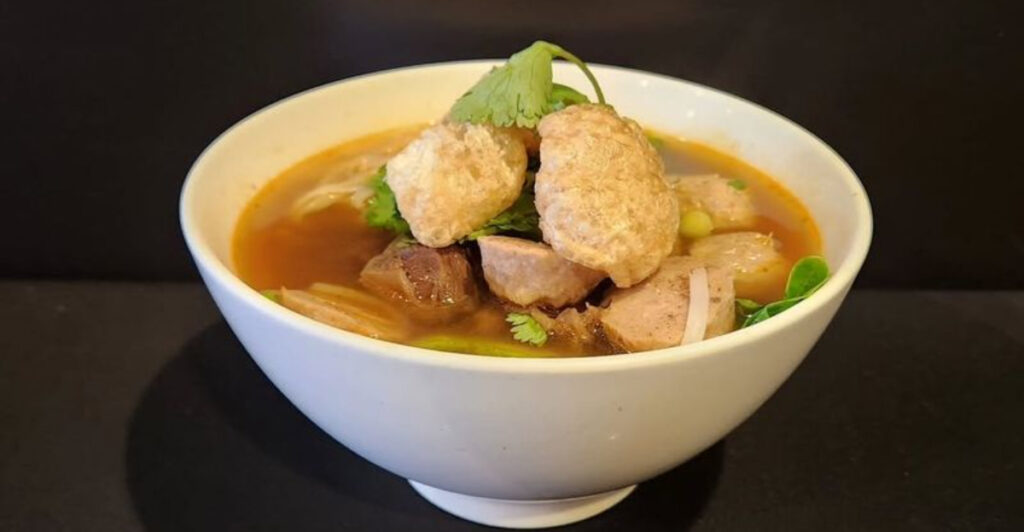
At Harold’s in Edison, a matzo ball arrives with the size and confidence of a small moon. A few counties north, ramen cooks lower ribbons of noodles into pork broth built over hours, while down near the Shore, crab and clam chowders make a convincing case for ordering soup beside the water even in July.
These are not timid cups added to a meal because the weather turned cold. They are destination dishes—the reason regulars claim a table, unfold a napkin, and prepare to ignore the rest of the menu for a few minutes.
New Jersey’s best soup restaurants cover an impressive amount of territory, from Newark delicatessens and Fort Lee ramen counters to Vietnamese dining rooms and Cape May docks. Some bowls deliver pure nostalgia; others arrive loaded with pork belly, herbs, seafood, noodles, or enough matzo balls to feed a committee.
Bring an appetite and resist treating soup as merely the opening act.
1. Hobby’s Delicatessen & Restaurant – Newark
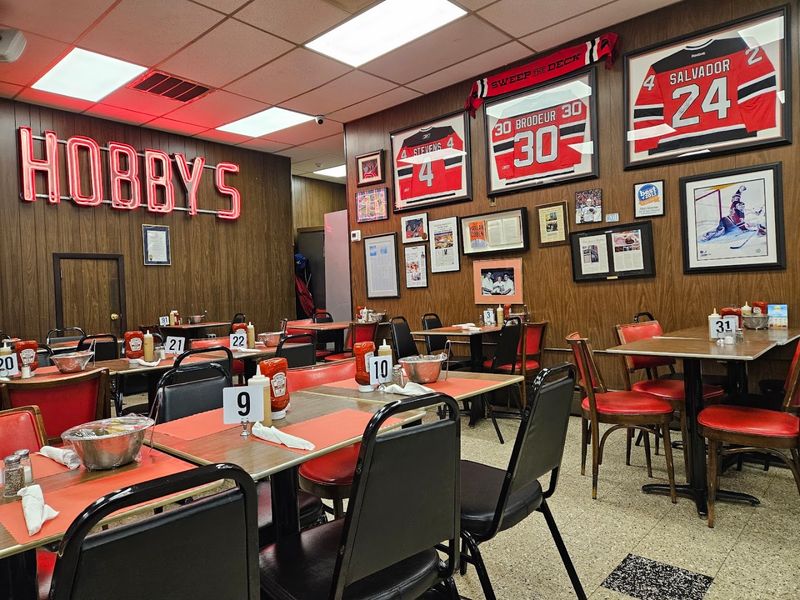
A bowl of chicken noodle can appear almost restrained beside the towering corned beef and pastrami sandwiches coming out of this downtown Newark institution. That impression lasts until the first spoonful.
The broth has the slow-cooked character that packaged soup never quite captures, with tender noodles and enough chicken to make it feel like a proper lunch rather than a warm-up. The menu affectionately describes its home-style chicken noodle as “Grandma’s penicillin,” which tells you exactly what kind of experience to expect.
It is straightforward, soothing, and built for days when Newark’s wind seems to find every gap in your coat. Split pea provides a thicker, earthier alternative, while barley and seasonal vegetable choices give regulars reasons to check the soup board before automatically ordering their usual.
Hobby’s works best when soup shares the table with something unmistakably deli. Add half a pastrami sandwich, a knish, or one of the enormous combination sandwiches and accept that leftovers are likely.
The dining room has the bustling rhythm of a place serving courthouse workers, downtown regulars, and hockey fans heading toward the Prudential Center. Located on Branford Place, it is especially useful before an event, though arriving ahead of the main pregame rush makes the meal far more relaxed.
Newark has no shortage of hefty sandwiches, but Hobby’s proves the bowl beside them deserves equal attention.
2. Harold’s Famous Deli – Edison
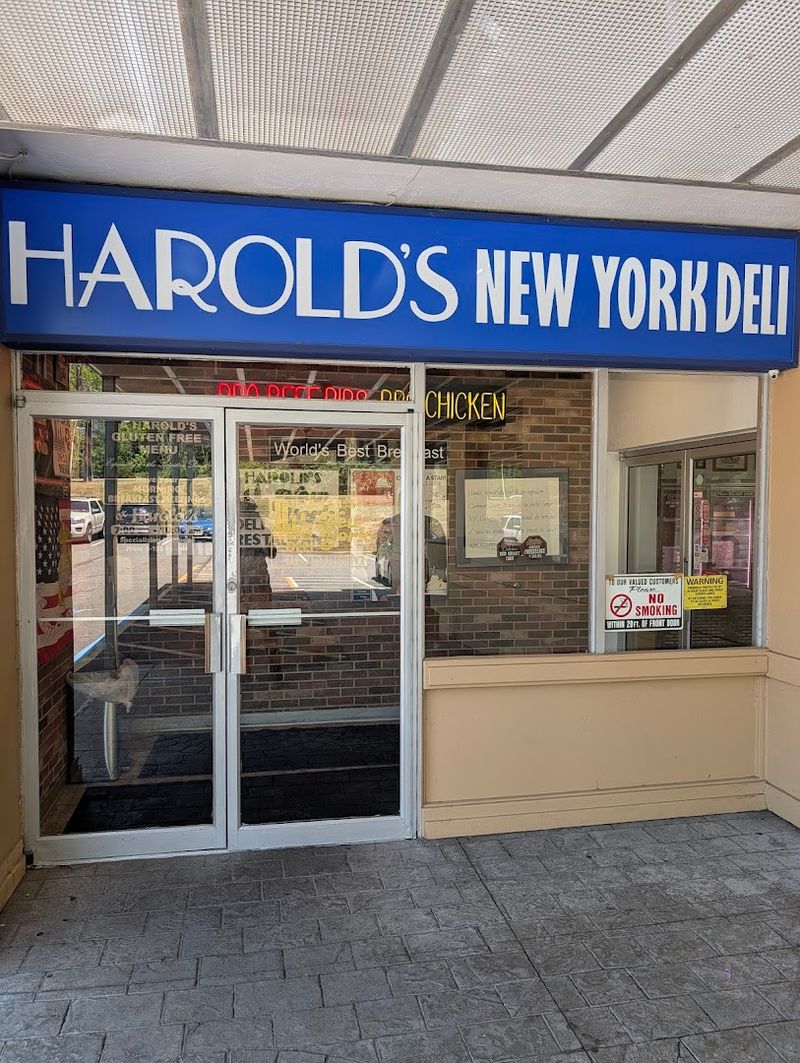
Subtlety is not part of the plan when a matzo ball large enough to require strategic spoon work lands in front of you. Harold’s has built its reputation on portions that border on theatrical, and its chicken soup follows the same wonderfully excessive philosophy.
What looks like one order can comfortably become lunch for several people once everyone begins ladling broth, noodles, chicken, and pieces of fluffy matzo ball into smaller bowls. The size gets the first laugh, but the soup would not inspire repeat trips if it were only a novelty.
The broth is rich without becoming greasy, the noodles provide old-fashioned deli comfort, and the matzo ball stays tender instead of turning into a dense lump halfway through the meal. This is the kind of soup that makes a rainy afternoon feel like an invitation rather than an inconvenience.
Do not order as though you are dining at an ordinary restaurant. Most of the menu is designed for sharing, and the soup is no exception.
Pair it with a piled-high corned beef or pastrami sandwich, then visit the famous pickle bar for something sharp and crunchy between bites. The sprawling Edison dining room feels like a classic New York deli transported to a New Jersey roadside, complete with oversized desserts displayed like trophies.
Harold’s is open from morning through dinner, but a quieter weekday visit gives you more room to appreciate the spectacle—and negotiate who gets the final piece of matzo ball.
3. Eppes Essen – Livingston
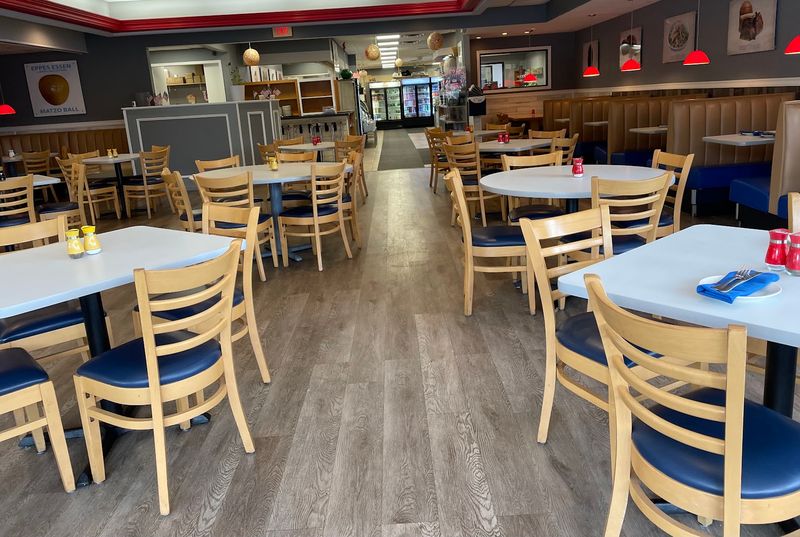
Since the 1950s, Livingston diners have turned to this old-school delicatessen for the kind of food that seems designed to solve problems. A cold, a gloomy Tuesday, an empty refrigerator—few situations are made worse by a bowl of matzo ball soup accompanied by rye bread and something from the deli counter.
The classic order combines golden chicken broth, noodles, and matzo balls with a soft, pleasantly substantial texture. It tastes familiar even on a first visit, which is precisely the point.
For a heartier experience, the Chicken in the Pot transforms the same comforting formula into a full meal by adding bone-in chicken and vegetables. It is the order for anyone who believes soup should require both a spoon and a serious appetite.
Mushroom barley deserves attention as well. Thick with grains and earthy flavor, it has enough body to stand beside the restaurant’s brisket, chopped liver, stuffed cabbage, and overfilled sandwiches.
Split pea and traditional chicken noodle round out a soup selection rooted in deli classics rather than passing trends. The dining room retains the unfussy feel of a neighborhood place where regulars know what they want before sitting down.
Portions are generous, service moves briskly, and the menu is broad enough to satisfy the person who came for soup and the companion determined to order a towering Reuben.
Eppes Essen serves its soups by the bowl and in larger take-home quantities, a useful option when one serving does not seem like sufficient insurance against the week ahead.
4. Ani Ramen – Montclair
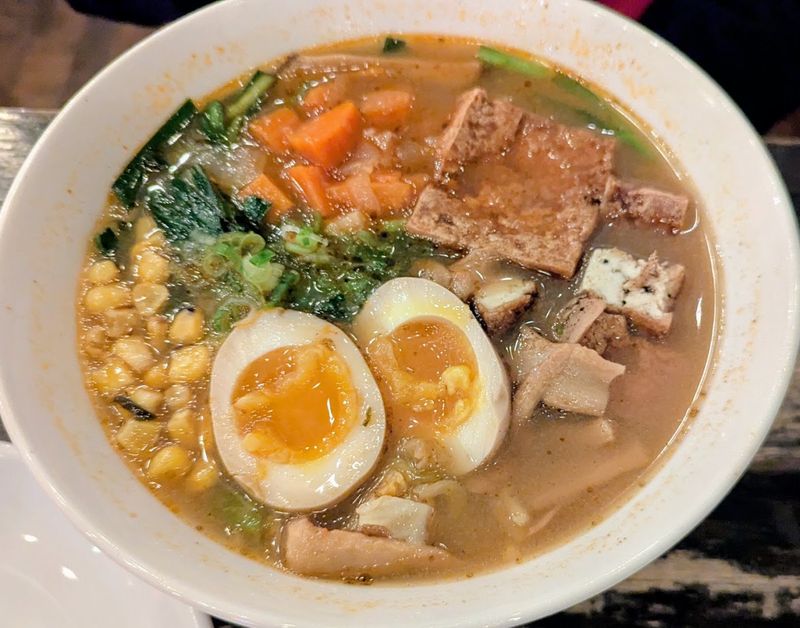
Choosing a bowl here can take longer than eating it, especially once black garlic oil, spicy miso, pork belly, lemongrass, and Berkshire pork broth enter the conversation. Ani Ramen approaches soup as a complete composition, balancing broth, noodles, toppings, aroma, and heat so that every bowl has its own personality.
First-timers should consider the Tokyo Shoyu. Its chicken broth and soy-based seasoning deliver plenty of depth without overwhelming the thinner noodles, while pork belly and black garlic oil add richness.
Diners seeking more intensity can move directly to the Sapporo Spicy Miso, where chili oil cuts through the savory miso broth and leaves a warming heat rather than a reckless one. The vegetarian bowl is not treated like a consolation prize.
The Ultimate Vegan Miso arrives crowded with tofu, mushrooms, corn, scallions, charred Brussels sprouts, and other toppings, creating the kind of layered meal that makes meat feel entirely optional. Extras such as seasoned egg, kimchi, corn, and additional noodles let serious ramen fans customize without dismantling the original balance.
This Montclair location fits naturally into the busy stretch of Bloomfield Avenue, with a modern dining room that feels more like an energetic downtown hangout than a hushed noodle counter. Weekend tables can fill quickly, so reservations are useful when ramen is part of a larger night out.
Come hungry, but do not rush the broth—the final spoonful is often where all those carefully layered flavors meet.
5. Ramen Nagomi – New Brunswick
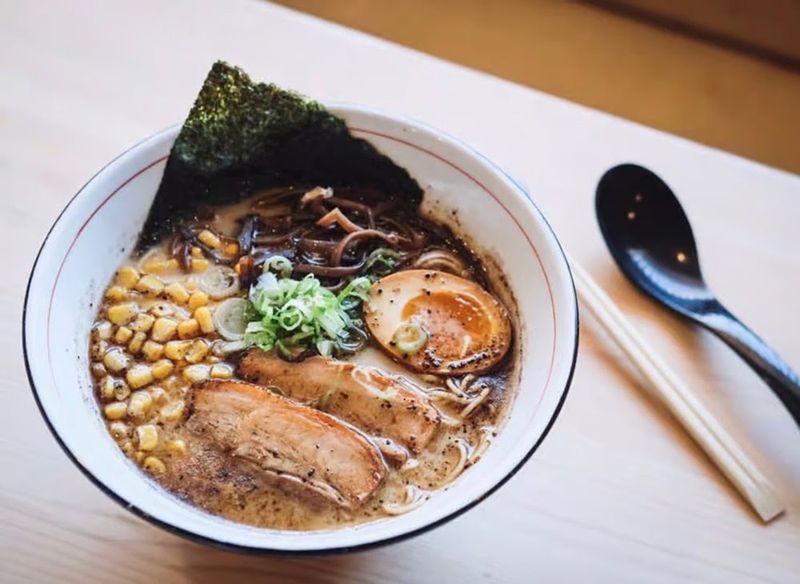
Comfort is built into the name: “nagomi” refers to a sense of harmony and calm. That idea makes sense once a steaming bowl reaches the table and the aroma of pork broth, scallions, and seasoned egg temporarily pushes New Brunswick traffic, deadlines, and Rutgers bustle out of the picture.
The tonkotsu is the defining order. Its broth is simmered for as long as 18 hours, developing a creamy texture and deep pork flavor without simply tasting heavy.
Fresh noodles, prepared daily, hold onto the broth while maintaining enough bite to keep the bowl interesting from beginning to end. Chashu, egg, scallions, and other toppings are arranged with care, but nothing distracts from the broth doing the real work.
Those who find traditional tonkotsu too rich can explore lighter or spicier options, though adding heat is best done gradually. A little chili can sharpen the soup; too much can erase the slow-cooked flavor you came to taste.
An extra egg or noodles makes more sense when hunger is the main concern. The Bayard Street shop has the compact, focused atmosphere ramen deserves.
Diners lean over bowls, conversations pause, and nearly everyone performs the same quiet calculation about whether ordering another portion of noodles is reasonable. The restaurant also has another New Brunswick location, but the downtown address makes an especially convenient stop near the train station, campus, and city center.
Some weekdays include a break between lunch and dinner, so checking the day’s schedule before arriving can prevent a very disappointing look through the window.
6. Hokkaido Ramen Santouka – Edgewater
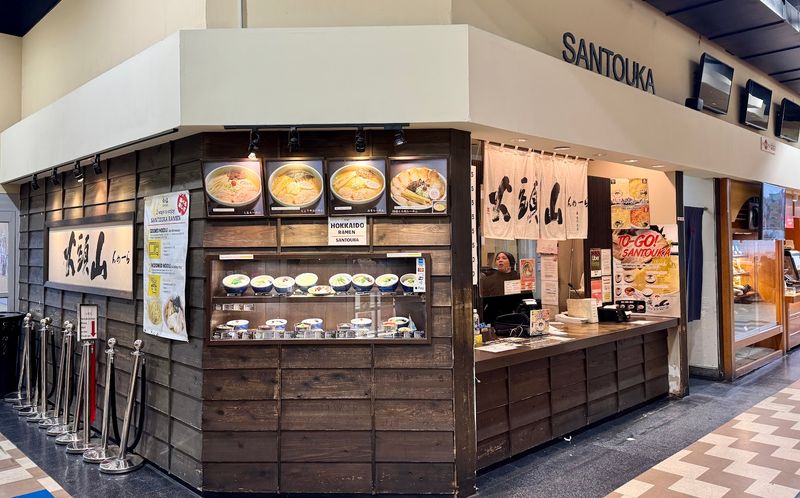
The line inside Mitsuwa Marketplace tells you where to look. Shoppers may arrive in Edgewater for Japanese groceries, fresh seafood, tea, snacks, or cookware, but a steady stream eventually finds its way to the food court and the Santouka counter.
Shio ramen is the ideal introduction. The pale, savory broth may look gentler than darker miso or soy-based varieties, yet it delivers concentrated pork flavor with a lightly salty finish.
Noodles, bamboo shoots, scallions, fish cake, and tender pork turn it into a complete meal, while the small pickled plum traditionally placed on top provides a sharp little contrast. For a more indulgent order, look for the toroniku ramen, which features slices of tender pork cheek served separately from the bowl.
Keeping the toppings apart allows diners to add each piece when ready rather than letting everything sink into the broth at once. Miso ramen is another reliable choice, especially for anyone who prefers an earthier, slightly sweeter base.
This is a food-court experience rather than a leisurely restaurant meal, and that is part of its charm. Claiming a table can require patience during peak periods, particularly on weekends.
One person ordering while another watches for seats is a sensible team strategy. Afterward, the surrounding market turns lunch into an outing.
Just be warned that shopping while pleasantly full of ramen can result in an ambitious cart containing six kinds of noodles, unfamiliar sauces, and far more mochi than originally planned.
7. Menya Sandaime – Fort Lee
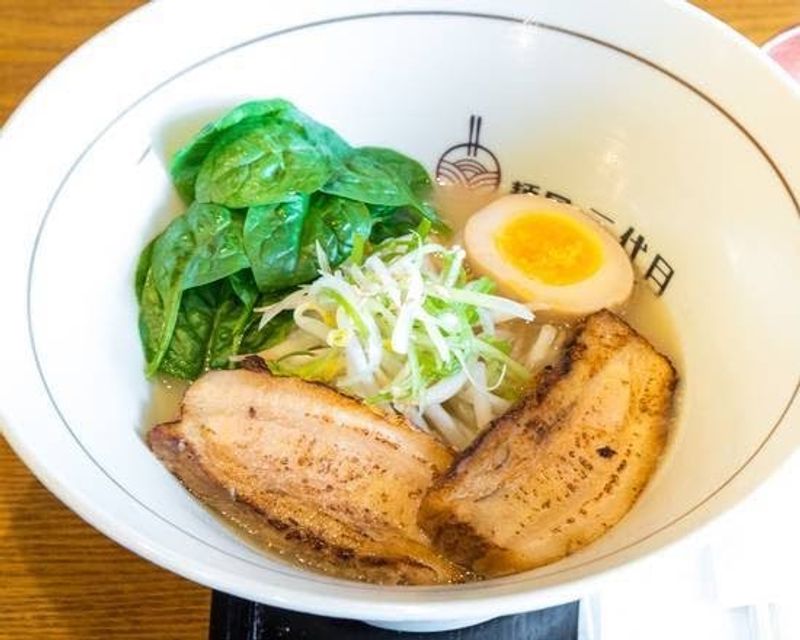
Steam fogs the edge of the bowl before the first strand of noodle is lifted, carrying the aroma of pork, garlic, and scallions across the table.
In Fort Lee, where excellent Korean and Japanese restaurants compete for attention on nearly every block, Menya Sandaime earns its place by keeping the experience focused: rich broth, springy noodles, thoughtful toppings, and very little unnecessary fuss.
The house tonkotsu is the logical starting point. Its milky pork broth has the satisfying weight ramen fans expect, but the noodles and fresh garnishes prevent the bowl from becoming monotonous.
Slices of chashu contribute smoky, fatty richness, while a seasoned egg adds the soft yolk that seems to disappear into the broth no matter how carefully you try to save it. A spicy variation brings more heat without abandoning the pork base, making it a smart second-visit order.
Black garlic, when offered, pushes the soup in a darker, more aromatic direction. Either way, taste the broth before reaching for extra seasoning.
The kitchen has already done most of the balancing. The compact dining room suits solo diners and small groups better than sprawling celebrations.
Ramen arrives quickly, tables turn steadily, and nobody looks strange eating quietly while concentrating on noodles. Parking in Fort Lee can demand patience, so allow a little extra time rather than circling while increasingly hungry.
This is not a bowl built for dainty sipping; it is a sleeves-up, lean-forward meal that makes the trip across Bergen County feel entirely justified.
8. Binh Duong Restaurant – Bloomfield
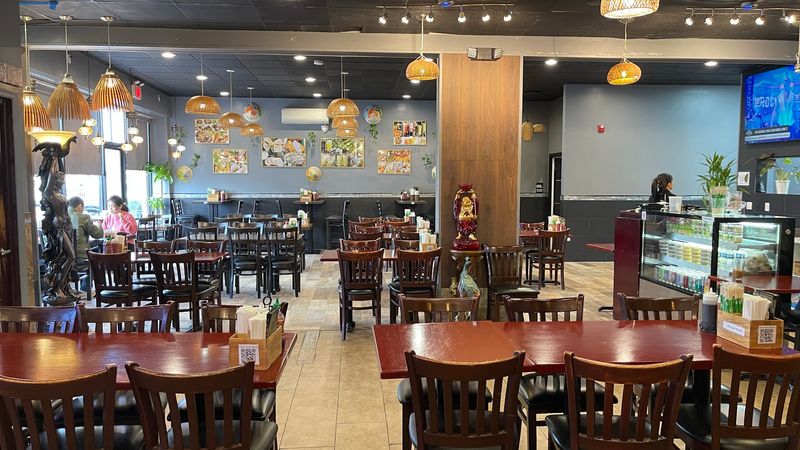
Fresh basil, lime, jalapeño, and bean sprouts reach the table before the soup, turning the wait into a small exercise in restraint. Once the pho arrives, the real decision begins: keep the broth clean and aromatic, or load the bowl with herbs, citrus, heat, and crunch.
The house combination pho offers the fullest introduction to Binh Duong’s approach. Rice noodles sit beneath a generous assortment of beef, allowing each spoonful to shift between tender meat, slippery noodles, and clear, fragrant broth.
Rare eye of round with brisket is a slightly simpler choice that keeps the focus on two contrasting textures, while chicken, shrimp, beef ball, and vegetable versions provide plenty of alternatives. Adventurous soup fans should look beyond standard pho.
Bún bò Huế brings a spicier, more assertive broth, while crab noodle soup offers tomato-rich seafood flavor. The menu also includes canh chua, a Vietnamese sweet-and-sour soup available with options such as shrimp, chicken, salmon, or tofu.
Its tangy character makes it especially appealing when a heavier beef broth feels like too much. The Bloomfield dining room is relaxed and family-friendly, with a menu broad enough for mixed groups, though ordering a non-soup entrée requires determination once the neighboring table’s bowl arrives.
Prices remain reasonable for portions that can easily handle a serious lunch. Begin conservatively with the garnishes, taste as you go, and remember that lime can always be added—but it cannot be removed once squeezed.
9. Pho Today – Bridgewater
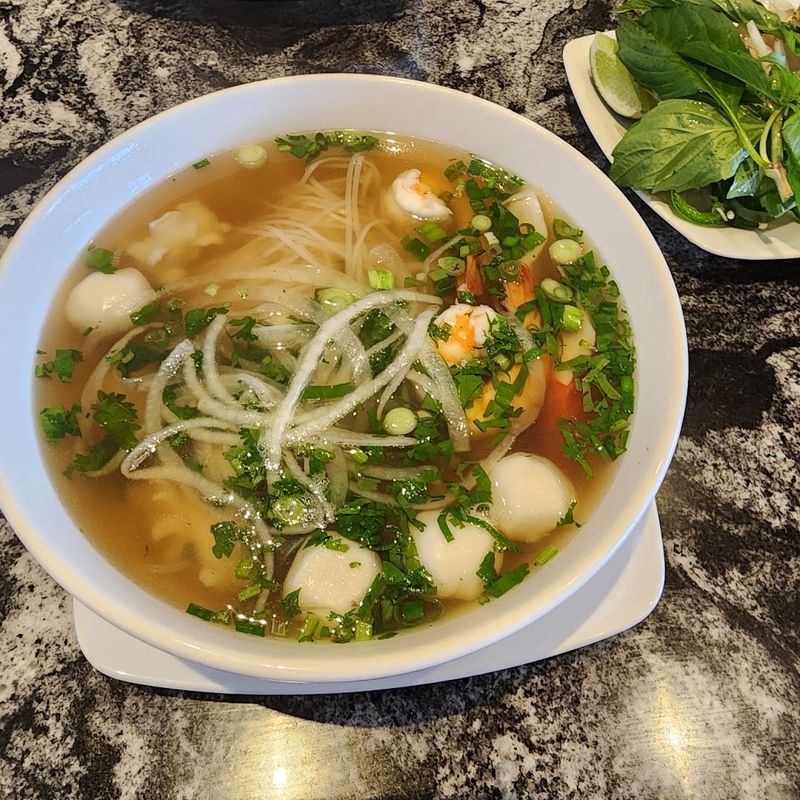
The broth arrives clear enough to seem delicate, then reveals layers of beef, warm spice, onion, and herbs with the first sip. That combination—light on the tongue but substantial enough for dinner—is what makes pho such a dependable answer to nearly any dining question.
At Pho Today in Bridgewater, the combination beef bowl is the order for diners who do not want to choose one topping. Thin slices of beef, brisket, meatballs, tendon, or other cuts bring different textures to the noodles, while the broth ties everything together.
Anyone new to pho may prefer a simpler rare beef and brisket combination, which delivers the essential experience without turning the bowl into an inventory project. Customization is part of the pleasure, but there is an art to it.
Start by tasting the broth untouched. Add basil for freshness, sprouts for crunch, lime for brightness, and jalapeño for heat.
Hoisin and chili sauce belong on the side at first; pouring both directly into the bowl can bury the careful flavor of the stock. The suburban Bridgewater setting makes this an easy group stop, especially when one person wants soup and someone else prefers rice plates, vermicelli, or grilled meats.
Bowls are generous without becoming gimmicky, and the dining room works equally well for a quick lunch or an unhurried family meal. Pho may be famous as cold-weather comfort, but its fragrant broth and fresh herbs make it surprisingly satisfying in warmer months too.
The spoon keeps the broth moving; the chopsticks handle everything worth chasing.
10. The Lobster House – Cape May
Fishing boats, gulls, dock pilings, and the smell of saltwater do more to prepare the appetite than any dining-room decoration could. Set along Cape May Harbor, The Lobster House surrounds diners with the working-waterfront setting that seafood restaurants often attempt to imitate.
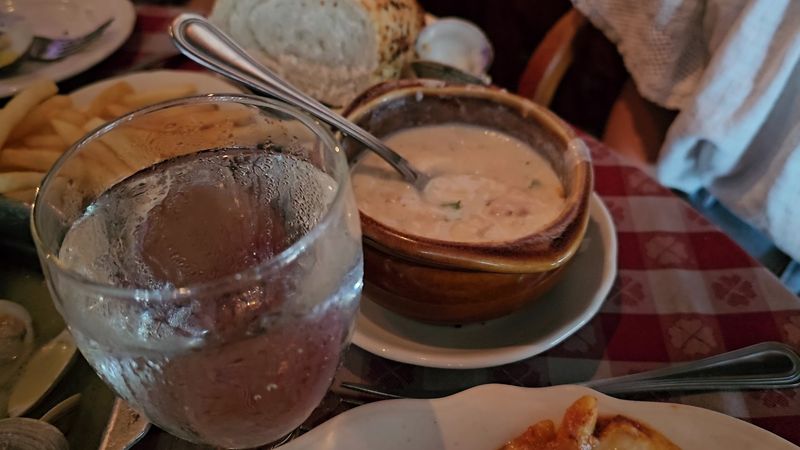
Clam chowder is the natural first order. Creamy, warming, and filled with the familiar combination of clams and potatoes, it tastes especially appropriate when the harbor wind has followed you inside.
Lobster bisque moves in a smoother, richer direction, with shellfish flavor concentrated into a soup that feels indulgent even before the entrées appear. The temptation is to treat either one as a minor opening before lobster, flounder, scallops, or a full seafood platter.
That would be a mistake. Order a cup when exploring the larger menu, or commit to a bowl with bread and let soup become lunch.
The nearby fish market and takeout counter also make it possible to enjoy seafood without settling into a longer dining-room meal. Part of the appeal comes from the scale of the place.
This is not a tiny romantic hideaway; it is a busy Cape May landmark with multiple ways to eat, from seated meals to more casual waterfront options. Summer crowds can be significant, and arriving before the standard dinner rush is far more pleasant than discovering everyone else had the same sunset plan.
On a gray off-season afternoon, however, chowder beside the docks may be one of the most satisfying meals in Cape May.
11. Mud City Crab House – Manahawkin
Crab soup does not have to whisper. At this Manahawkin favorite, the Maryland-style crab chowder arrives with the tomato, seasoning, vegetables, and blue-crab character needed to stand up beside a table full of steamed shellfish.
It is one of three house-made soups offered daily. The New England clam chowder takes the creamy route, while the seafood bisque delivers the smoothest and richest option.
Choosing among them depends on the rest of the meal. The tomato-based crab chowder pairs well with fried seafood or a crab cake, the clam chowder matches a craving for classic comfort, and the bisque is the move when soup itself is the indulgence.
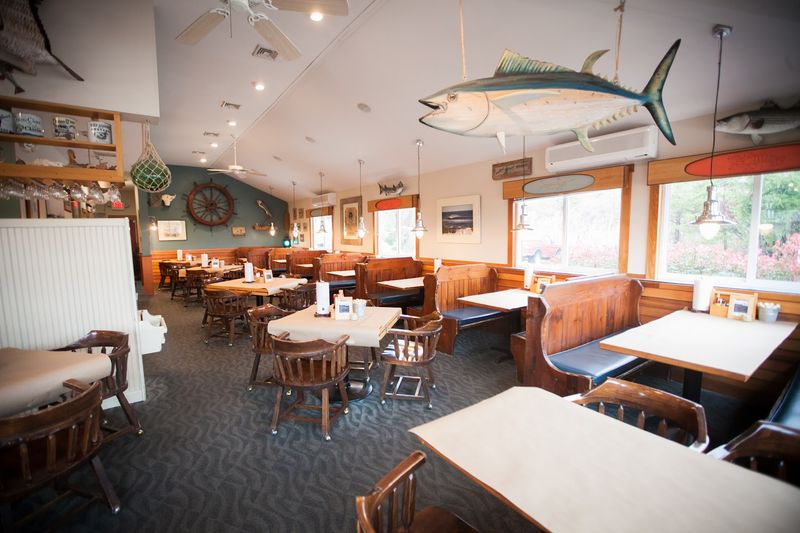
Mud City’s identity is closely connected to the surrounding marshes and the blue-claw traditions of the Barnegat Bay region. The building has the casual, weathered personality expected near the gateway to Long Beach Island, but the kitchen treats seafood with more care than the laid-back setting might suggest.
Local clams, crab dishes, oysters, and larger entrées make it easy for a planned bowl of soup to turn into a full dinner. The restaurant is on East Bay Avenue, away from the island’s busiest strips but hardly undiscovered.
Peak summer evenings can bring a crowd, so lunch or an early dinner offers a calmer experience. There is a full bar, and the restaurant does not permit BYOB.
Whatever else lands on the table, keep a few oyster crackers nearby—the final spoonful of chowder deserves something crunchy.
Share this story