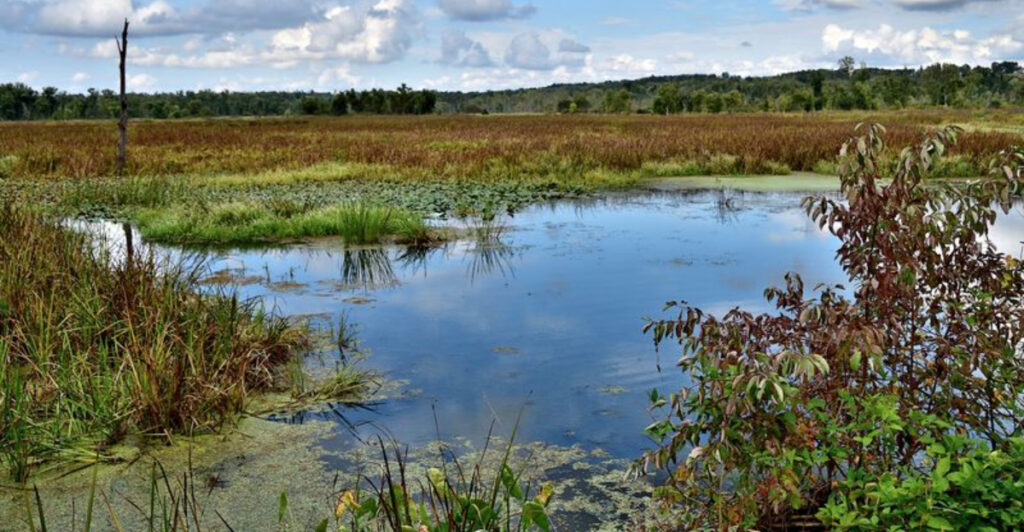
As summer begins to fade, Ohio’s wetlands start putting on one of their most exciting shows. Cooler air, changing light, and busy bird migration turn these quiet places into lively spots filled with color, sound, and movement.
Wetland refuges matter because they give birds, frogs, turtles, fish, and other wildlife a safe place to rest, feed, and raise young, while also helping clean water and reduce flooding in nearby communities. For visitors, they offer an easy way to slow down, walk a trail, watch the sky, and notice how much nature changes from one week to the next.
Early fall is a great time to visit because the heat is usually easier to handle, insects often calm down, and many marshes become active with ducks, herons, shorebirds, and hidden creatures stirring in the reeds. Some places are famous for wide boardwalk views, while others feel tucked away and peaceful, like a secret corner of the state.
Whether you enjoy photography, family walks, birdwatching, or simply being outside for an hour, Ohio has wetland refuges that feel welcoming and full of life. The places on this list show how rich and varied Ohio’s natural landscape can be, from Lake Erie marshes to inland swampy lowlands.
If you have ever wondered where the season feels most alive right before autumn fully settles in, these refuges are a wonderful place to begin.
1. Ottawa National Wildlife Refuge, Oak Harbor
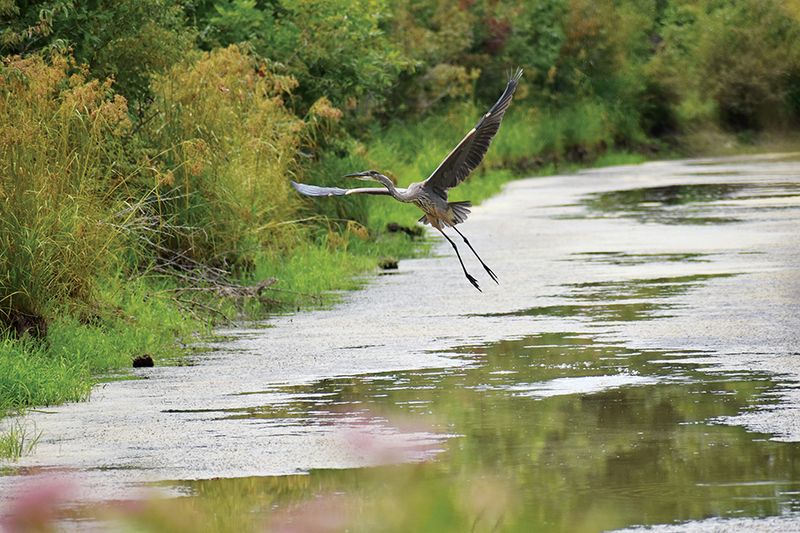
Few places in Ohio make the changing season feel as dramatic as the marshes along Lake Erie. At Ottawa National Wildlife Refuge in Oak Harbor, the end of summer brings fresh energy as migrating birds begin moving through and wetland plants shift from bright green to softer gold and rust.
More than 10,000 acres help protect one of the most valuable wetland regions in the state. Visitors often come for birdwatching, and for good reason, since ducks, herons, egrets, shorebirds, and songbirds can all appear during this stretch of the year.
A drive along the wildlife route or a slow walk on a trail can reveal something new every few minutes.
Morning is often the best time to visit because the light is gentle and wildlife tends to be more active. Bring binoculars, wear shoes that can handle damp ground, and pack water even on cooler days.
Mosquitoes may still be around, so a little bug spray can make the outing more comfortable.
Families will like that the scenery changes quickly without needing a long hike. Kids can listen for frogs, spot turtles on logs, and count the different birds gliding over open water.
Even a short stop can feel rewarding when the refuge is buzzing with life.
Patience matters here more than speed. Stand quietly near an observation area and the marsh begins to reveal movement in every direction, from ripples in the water to flashes of wings over the reeds.
That sense of surprise is part of what makes Ottawa such a memorable place as the season starts to wind down.
2. Magee Marsh Wildlife Area, Oak Harbor
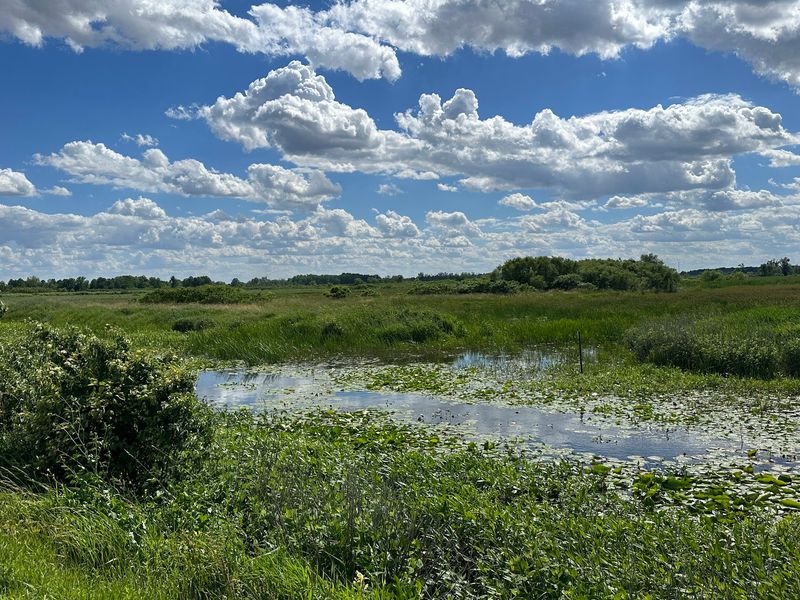
Some nature spots feel famous for one season, but Magee Marsh Wildlife Area keeps its charm when summer starts giving way to fall. In Oak Harbor, this Lake Erie marsh becomes a busy resting and feeding ground where birds, insects, and late-season blooms create a scene that feels both lively and peaceful.
Many people know Magee for spring warbler watching, yet the quieter late-season weeks have their own rewards. Fewer crowds often mean a calmer visit, and the boardwalk gives easy access to excellent wetland views without needing rough hiking boots.
You may notice swallows skimming low, marsh wrens chattering from cattails, or ducks gathering in small groups.
Clouds and light can change the mood of the whole place within minutes. On one visit, the marsh may look bright and sparkling, while on another it feels misty and mysterious.
That variety makes it especially fun for photographers who want reflections, silhouettes, and changing colors.
Comfort goes a long way here. Bring a light jacket for breezy mornings near the lake, plus binoculars for scanning farther pools and channels.
If you are visiting with children or older relatives, the boardwalk can make the outing easier and less tiring than many other wildlife areas.
A slow pace fits Magee best. Instead of rushing from one end to the other, pause often and listen for rustling reeds or splashing water.
The real magic comes from noticing the small signs of seasonal change, and that is exactly why Magee Marsh feels so alive as the year begins to soften around it.
3. Metzger Marsh Wildlife Area, Bono
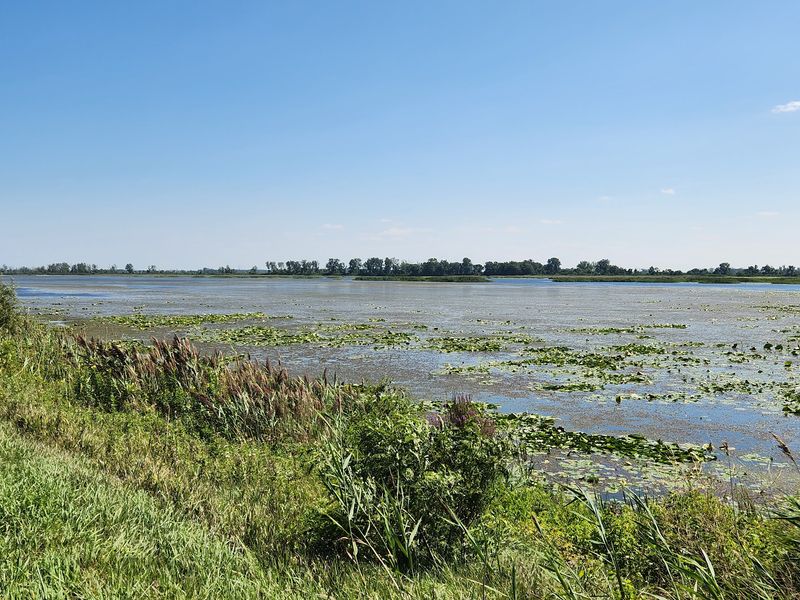
Wind off Lake Erie gives Metzger Marsh Wildlife Area a bold, open feel that is very different from tighter inland wetlands. Near Bono, this coastal marsh comes alive late in the season when migration picks up and the broad water and reeds turn into a busy stopover for birds.
The restored marsh is known for attracting waterfowl, and early fall can be an exciting time to watch that activity build. Rafts of ducks may gather on the water, while herons hunt the edges and raptors circle overhead looking for movement below.
Because the landscape is wide, every glance seems to uncover another pocket of life.
There is a simple pleasure in scanning big marsh country with binoculars. Instead of focusing only on one trail, visitors can enjoy the feeling of space, weather, and motion all at once.
Breezes ripple the grasses, clouds roll across the sky, and bird calls carry farther over open water.
Planning ahead helps make the visit smoother. Bring sun protection, since some viewing areas can feel exposed, and keep an eye on changing weather from the lake.
A field guide or bird app can also be useful because several duck species may appear during migration.
People who like quiet observation often connect strongly with Metzger Marsh. It is not just about checking species off a list, though birders will certainly have plenty to watch.
The bigger experience is standing in a sweeping Ohio wetland and feeling how the place shifts as summer fades and a new season settles over the shore.
4. Pickerel Creek Wildlife Area, Vickery
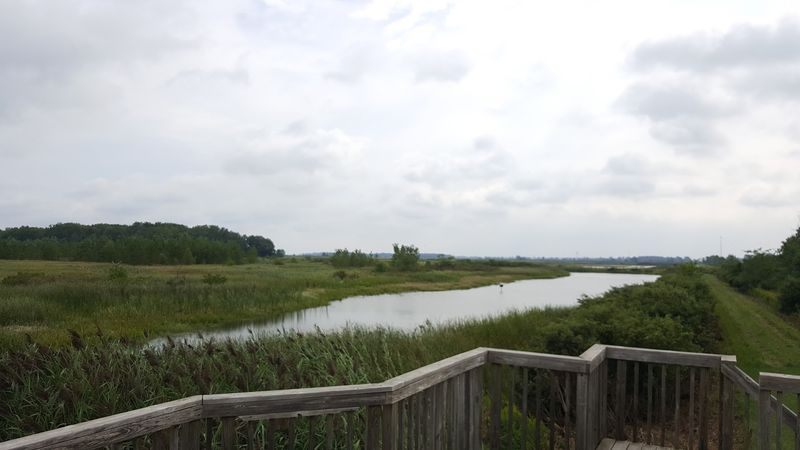
Quiet can be the biggest surprise at Pickerel Creek Wildlife Area. Near Vickery, this wetland has a calmer mood that makes small sounds stand out, like wings lifting from the water, frogs slipping from the bank, or reeds brushing together in the breeze.
As the season starts winding down, the marsh becomes especially appealing for birdwatchers looking for migrating species without the rush of more famous sites. Waterfowl, shorebirds, and wading birds use the habitat, while observation spots give visitors a chance to scan the pools and channels carefully.
It is the kind of place where patience often pays off with a sudden exciting sighting.
Pickerel Creek also works well for people who simply want a peaceful walk in nature. Trails and viewing areas offer enough access to feel involved without overwhelming first-time visitors.
If you are bringing children, encourage them to look for patterns, like tracks in mud, insects on stems, or circles in the water where fish have moved.
Late afternoon can be lovely here when the light warms up and birds begin stirring again after midday quiet. Pack snacks, move slowly, and let yourself stop often.
Nature feels richer when you are not racing to the next viewpoint.
Because wetlands can shift with water levels and weather, each visit to Pickerel Creek can feel a little different. That unpredictability is part of the fun and part of the lesson.
Ohio’s marshes are living places, always responding to season, rain, wind, and migration, and Pickerel Creek shows that changing rhythm in a gentle, memorable way.
5. Howard Marsh Metropark, Curtice
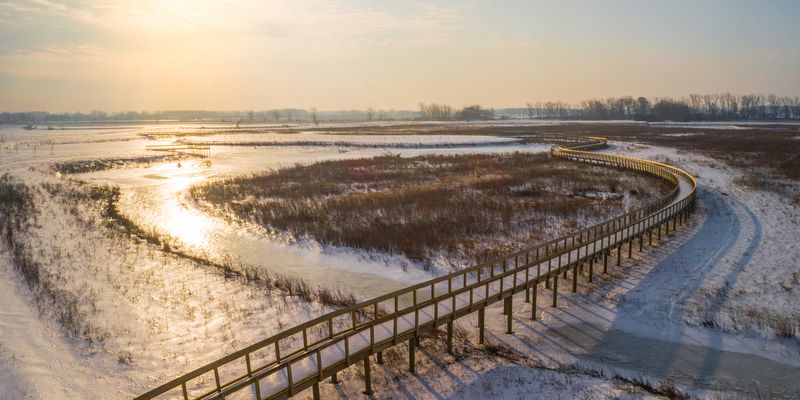
Freshly restored landscapes often carry a sense of promise, and Howard Marsh Metropark in Curtice has plenty of that feeling. As summer begins to loosen its grip, the marsh seems to wake up in layers, with open water, grasses, and bird activity creating a scene that feels new and full of movement.
This Metropark has become a favorite for both wildlife watching and gentle outdoor adventure. Some visitors explore by trail, while others enjoy paddling through the marsh for a lower, closer view of the habitat.
Early fall can be especially rewarding because cooler temperatures make walking and kayaking more comfortable than during the hottest weeks.
Bird lovers have many reasons to stop here. Shorelines and shallow water can attract herons, egrets, ducks, and other migrants, while blackbirds and swallows add motion above the reeds.
Even when birds are not front and center, the wide sky and reflective water make the park feel dramatic.
A practical visit starts with checking weather and trail conditions. Wear layers, since mornings may begin cool and warm up later, and bring a camera if you enjoy big scenic shots.
If you choose to paddle, stick to marked routes and give wildlife plenty of space.
Howard Marsh stands out because it blends access with a real sense of wildness. You do not need to be an expert naturalist to enjoy what is happening here.
Simply showing up, slowing down, and watching the marsh respond to the changing season is enough to understand why this Ohio refuge feels so alive right when the year starts turning.
6. Big Island Wildlife Area, New Bloomington
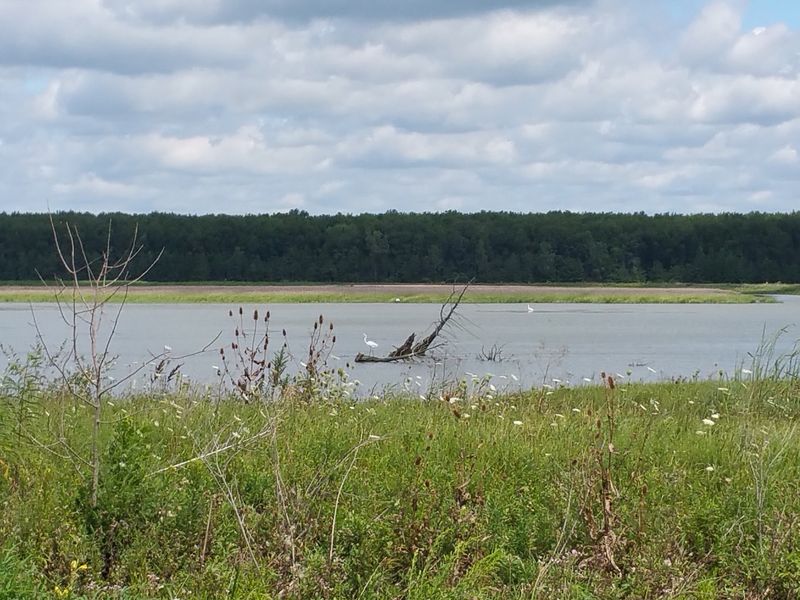
Big skies and broad marshy ground give Big Island Wildlife Area a roomy, open personality. Near New Bloomington, this central Ohio wetland feels a little different from the Lake Erie marshes, yet it becomes just as lively when late summer begins easing into fall.
Birds are a major draw here, especially waterfowl and other species that depend on shallow wetlands and nearby fields. During the seasonal transition, changing water levels and cooling temperatures can concentrate wildlife in ways that make watching especially interesting.
One area may seem still at first, then suddenly fill with calls, splashes, and wings.
There is also something appealing about how rural the setting feels. Roads, farm country, and open land around the refuge create long views and a sense of space that many visitors find relaxing.
It is a good place to trade city noise for wind, bird chatter, and the distant rustle of grasses.
Preparation helps because services nearby may not feel close once you are focused on the landscape. Bring water, sturdy shoes, and binoculars, and expect some muddy spots after rain.
If you enjoy photography, morning mist or evening glow can make the wetland look especially striking.
Big Island rewards people who like subtle details as much as dramatic sightings. Watch for turtles warming along the water, dragonflies zigzagging through the air, and shifting cloud reflections across marsh pools.
Those small moments build into a bigger picture of seasonal change. By the time you leave, the refuge often feels less like a stop on a map and more like a living part of Ohio’s natural heartbeat.
7. Killbuck Marsh Wildlife Area, Shreve
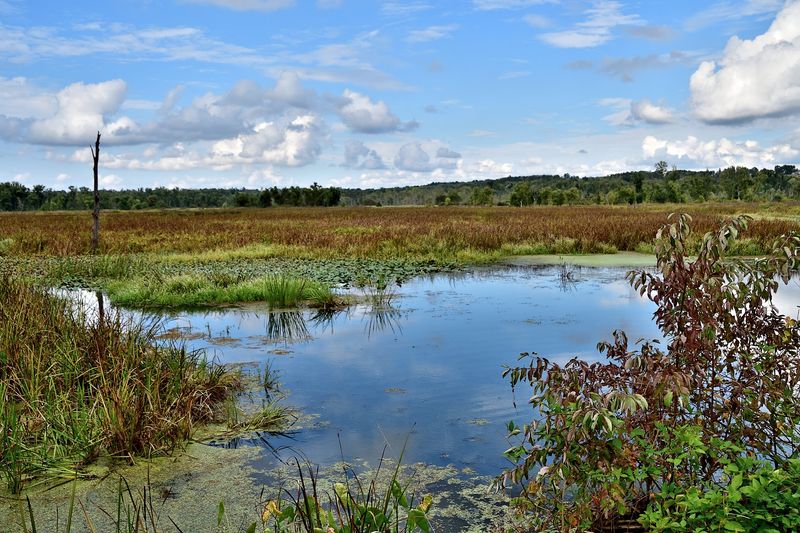
Misty mornings can make Killbuck Marsh Wildlife Area feel almost storybook-like. Near Shreve, one of Ohio’s largest inland marsh regions spreads across the valley with an untamed look that becomes especially striking when the season starts cooling and migration begins adding more motion to the scene.
This area supports a rich mix of habitat, including marsh, swamp, open water, and nearby woods. That variety helps many kinds of wildlife, from ducks and geese to deer, amphibians, and hidden marsh birds that are easier to hear than see.
For visitors, the changing edge between water and land keeps the landscape interesting.
Killbuck is a strong choice for people who enjoy feeling immersed in a bigger natural system. It is less about one famous boardwalk view and more about the sense that the wetland stretches outward in every direction.
You may notice how fog hangs low at sunrise, or how evening light turns the grasses coppery and soft.
Because the area can feel wild and spread out, planning matters. Check maps before you go, carry bug spray during warmer weeks, and wear footwear suited for damp ground.
A pair of binoculars can help you pick out distant birds that might otherwise blend into the marsh.
There is history in this landscape too, since Ohio once had far more extensive wetlands than it does today. Visiting Killbuck offers a chance to imagine that older world while also appreciating the habitat that remains.
As summer winds down, the marsh seems to gather all its sounds, colors, and life into one sweeping experience that stays with you long after the visit ends.
8. Funk Bottoms Wildlife Area, Wooster
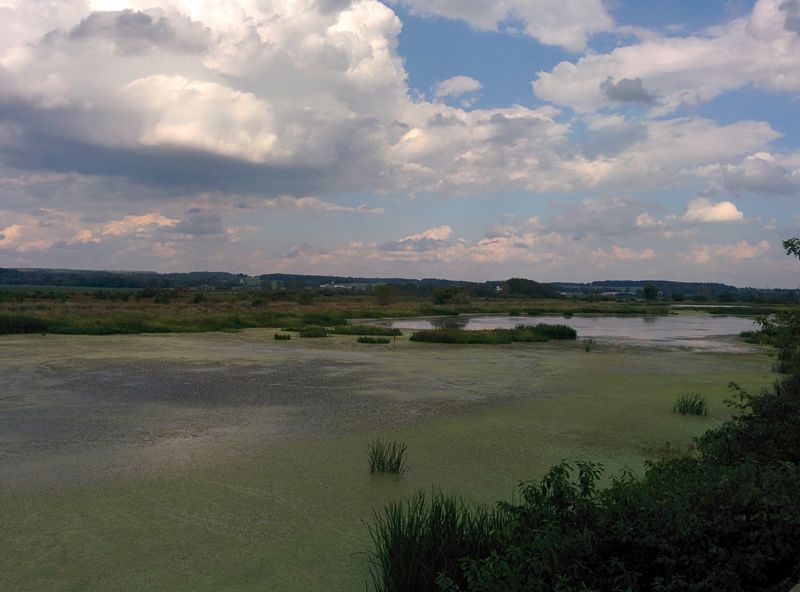
Funk Bottoms Wildlife Area has a name people remember, and the landscape is just as memorable once you arrive. Near Wooster, this large wetland complex feels full of surprises at summer’s end, when birds move through, grasses thicken with color, and the low ground seems to hold onto every sound.
Wet meadows, marshes, and nearby wooded sections give the area a mixed, patchwork character. That variety creates chances to spot different species in a single outing, from waterfowl on open pools to songbirds along brushier edges.
For nature lovers, the fun comes from never knowing exactly what the next bend or viewing area might reveal.
One of the best parts of visiting late in the season is the mood. The air can feel calmer, the light softer, and the whole place a little more reflective than in peak summer.
It is an easy setting for slowing down and paying attention, whether you are carrying a camera or just taking a simple walk.
If you go after rain, expect mud and dress for it. Long pants can be a smart choice near taller vegetation, and binoculars help you appreciate birds without getting too close.
Bringing a notebook for sightings can make repeat visits more fun, since marshes change quickly from week to week.
Funk Bottoms is a reminder that Ohio’s wet places are not plain or empty. They are busy, layered habitats where life hides in grasses, skims over water, and calls from out of sight.
When the season starts to wind down, that hidden activity often becomes easier to notice, and the whole refuge feels wonderfully awake.
9. Sandy Ridge Reservation, North Ridgeville
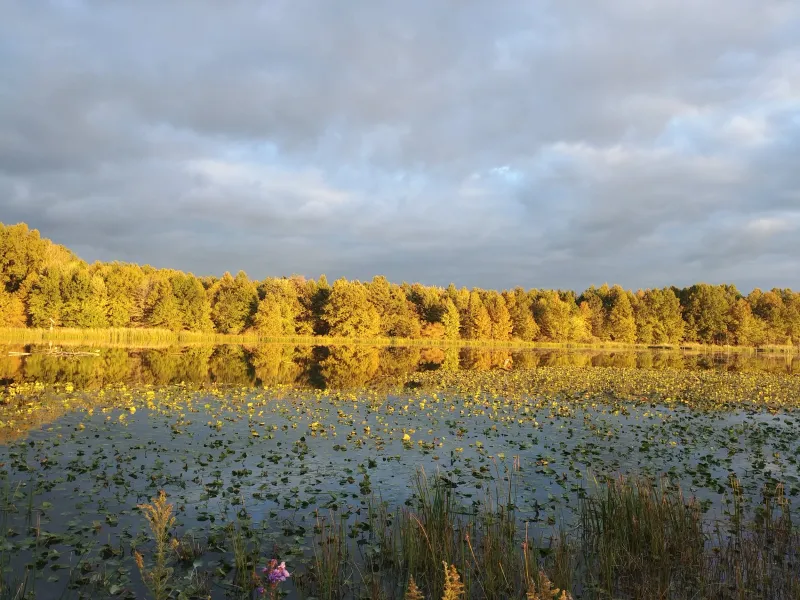
Sandy Ridge Reservation proves that a wetland visit can be easy, welcoming, and still packed with wildlife. In North Ridgeville, this reservation offers accessible paths and observation spots that make it a great choice when early fall brings cooler air and a burst of activity across the ponds and marsh.
Because the trails are friendly for many ages and ability levels, Sandy Ridge works well for family outings, school breaks, or relaxed weekend walks. Birds are often the stars, with ducks, geese, herons, and seasonal migrants appearing at different times.
Even people new to birdwatching can enjoy quick wins here because wildlife is often visible without much effort.
The setting also has a calm, neighborhood-nature charm. Instead of feeling remote, it feels approachable, which can help nervous beginners feel more comfortable stepping into the world of wetlands.
Benches and viewing platforms invite visitors to stop, settle in, and really watch what is happening on the water.
A simple game can make the visit more fun for kids. See who can spot the first turtle, count how many kinds of birds are on the pond, or listen for three different sounds before moving on.
Small challenges turn an ordinary walk into a memorable nature experience.
Late-season light often looks beautiful here, especially when it reflects off still water and highlights tan reeds against a blue sky. Bring binoculars if you have them, but do not worry if you do not.
Sandy Ridge is one of those Ohio wetland places where the season’s liveliness reaches you even with just your eyes and ears.
10. Spring Valley Wildlife Area, Spring Valley
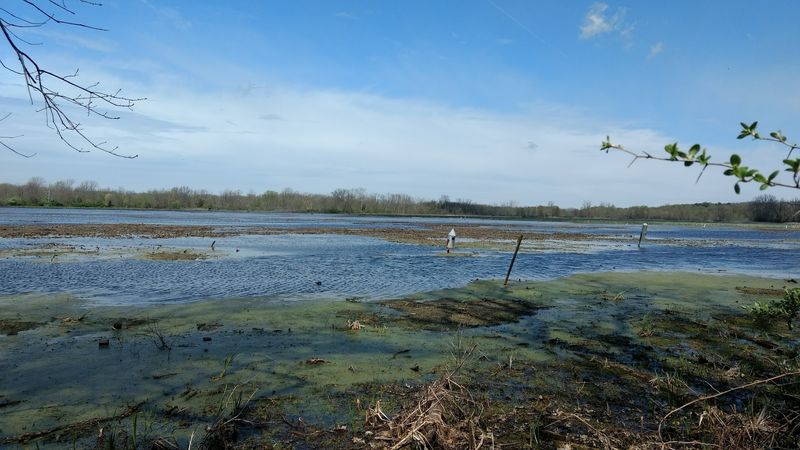
Spring Valley Wildlife Area mixes water, woods, and open habitat in a way that keeps every visit feeling varied. Around Spring Valley, the shift from summer toward fall brings cooler mornings, active birdlife, and a richer color palette that makes the wetland edges especially attractive.
The area is often known for its lake and outdoor recreation, but the wetland sections deserve close attention too. Marshy pockets and shallow edges support birds and other wildlife that thrive when food is plentiful and migration is underway.
A quiet walk can bring sightings of herons, ducks, swallows, and plenty of smaller creatures tucked near the waterline.
What makes Spring Valley enjoyable is the balance between scenic beauty and easy outdoor fun. You can pair wildlife watching with a simple day outside, making it a good pick for people who want nature without feeling like they need special skills.
Even a short visit can offer changing views, from wooded shorelines to open water reflecting the sky.
Try visiting early or later in the day for the best chance at active wildlife and softer light. Wear comfortable shoes, bring a snack, and keep your voice low near the marshy stretches.
Wetlands often reward quiet visitors with closer looks at birds that might otherwise stay hidden.
There is a gentle rhythm to this place that suits the season well. Rather than putting on a loud show, Spring Valley reveals itself bit by bit through sounds, movement, and color.
That slow unfolding is exactly why it belongs on a list of Ohio wetland refuges that seem to come fully alive as the year begins to turn.
11. Grand River Wildlife Area, West Farmington
Not every wetland needs wide open water to make an impression. Near West Farmington, Grand River Wildlife Area offers a floodplain setting where river edges, backwaters, and marshy ground create a quieter kind of beauty that becomes especially noticeable as the season starts winding down.
The Grand River system helps shape the character of this area. Water levels, nearby woods, and wet lowlands work together to support birds, amphibians, and other wildlife that rely on healthy habitat.
During early fall, the mix of lingering green and beginning leaf color gives the landscape a rich, layered look.
Visitors who enjoy a more tucked-away atmosphere may find this refuge especially rewarding. Instead of dramatic crowds of people or highly built-up features, the area can feel more natural and personal.
A slow walk here is often about observation, listening carefully, and watching how life gathers around wet ground and sheltered water.
Because floodplain areas can change with weather, it helps to check conditions before heading out. Muddy sections are possible, so sturdy shoes are a smart choice.
Keep binoculars handy, and do not forget that some of the best discoveries may be small ones, like a frog at the bank or a sudden flash of a bird between branches.
Grand River Wildlife Area rounds out the list by showing another side of Ohio wetlands. They are not all alike, and that is part of what makes exploring them so interesting.
Here, as the year leans toward autumn, the river-fed landscape seems to gather quiet energy, inviting visitors to notice the season in a slower, deeper way.
Share this story