Tennessee has some of the most charming small towns in the South, places where brick storefronts still line Main Street and the pace of life feels refreshingly slow. These aren’t just scenic stops—they’re living pieces of history, full of antique shops, old-fashioned diners, and stories that go back centuries.
If you’re craving a road trip that feels like stepping into a simpler time, these eleven Tennessee towns deliver exactly that kind of magic.
1. Jonesborough
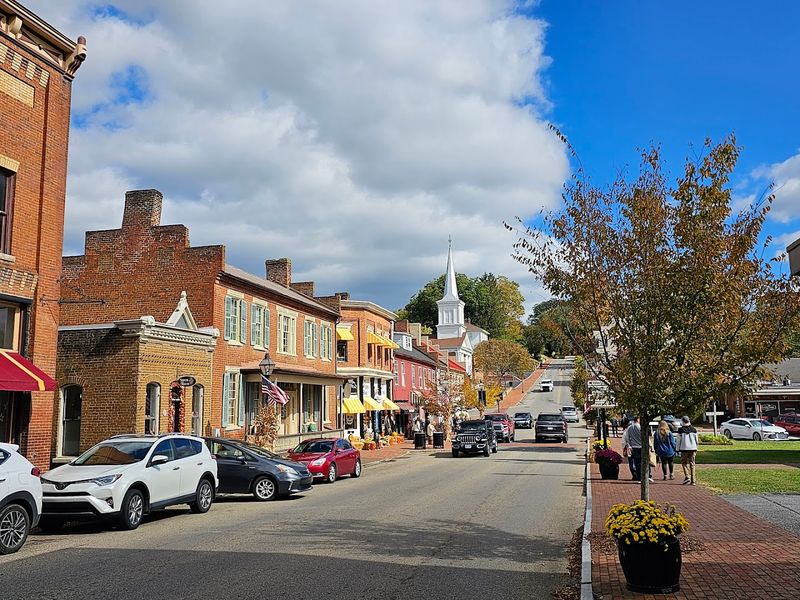
Tennessee’s oldest town isn’t just a title—it’s something you feel the moment you park and start walking. Jonesborough’s downtown looks like it was built for postcards, with red brick buildings, wooden benches, and window displays that invite you to slow down. Founded in 1779, this place has been around longer than Tennessee itself, and somehow it still feels authentic instead of theme-park polished.
The International Storytelling Center sits right in the heart of town, drawing visitors year-round but especially during the National Storytelling Festival each October. Even if you’re not there for the festival, the town’s shops and cafes carry that same spirit—places where people actually talk to each other and stories get swapped over coffee. You’ll find antique stores tucked into century-old buildings, local art galleries, and enough historic markers to keep history buffs busy for hours.
Walking these streets feels different than most tourist towns. There’s no corporate sprawl, no chain restaurants crowding out the local flavor. Instead, you get bed-and-breakfasts in old inns, family-run shops, and a courthouse that’s been standing since 1913.
The whole town sits in a valley surrounded by green hills, which only adds to that storybook feeling.
Plan to spend at least a few hours here, maybe longer if you’re the type who likes poking around antique shops or sitting on a porch with a good book. Jonesborough doesn’t rush you, and that’s exactly the point. It’s the kind of place that reminds you what small-town Tennessee used to feel like—and in some lucky spots, still does.
2. Bell Buckle
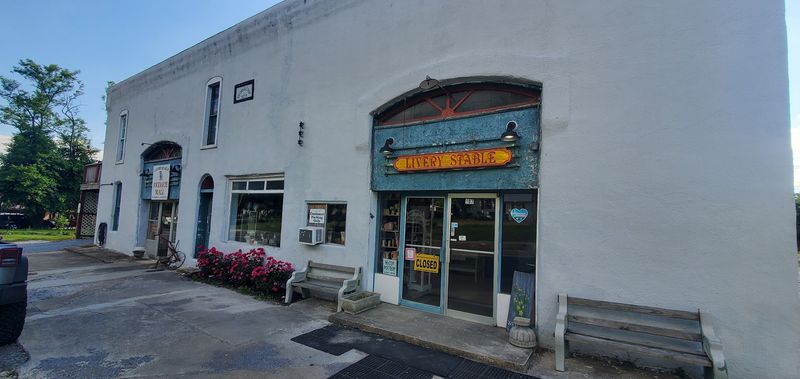
Population barely cracks 500, but Bell Buckle packs more charm per square foot than towns ten times its size. This tiny Middle Tennessee spot feels like someone pressed pause on the 1950s and forgot to hit play again. Vintage storefronts line a short stretch of Railroad Square, each one filled with antiques, collectibles, or handmade goods that you won’t find anywhere else.
Southern Living has featured Bell Buckle among Tennessee’s most charming escapes, and once you visit, you’ll understand why. The town’s quirky personality shows up everywhere—from the Moon Pie General Store to the annual RC Cola and Moon Pie Festival that draws thousands each June. Even the local high school sits in a building from 1893, which tells you something about how this community values its past.
Antique hunting is practically the town sport here. You can spend hours browsing through old furniture, vintage signs, Depression glass, and random treasures that make you wonder about their stories. Between shops, you’ll find cafes serving homemade pie and restaurants that feel like eating at your grandmother’s house—if your grandmother happened to be an excellent Southern cook.
The whole town is walkable in about twenty minutes, but most visitors end up staying much longer. There’s something about the pace here that makes you want to linger, chat with shop owners, and actually read the historical markers instead of just snapping photos. Bell Buckle doesn’t try to be anything it’s not, which makes it refreshingly genuine in a world of manufactured experiences.
Perfect for a lazy Saturday afternoon when you want to feel like you’ve traveled back in time without actually needing a DeLorean.
3. Granville
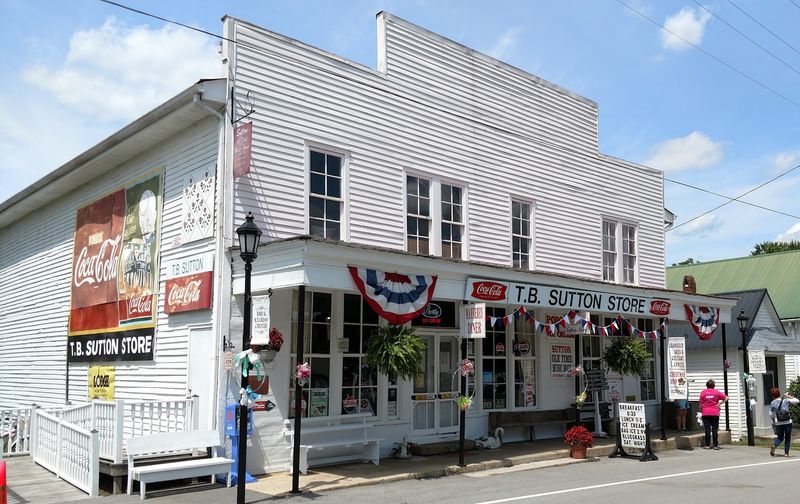
Tucked along the Cumberland River in Jackson County, Granville feels like Tennessee before tourism discovered it. This isn’t a town that’s been polished up for visitors—it’s simply been preserved by people who care about keeping their history alive. The result is one of those rare places where you can genuinely sense what small-town mountain life felt like a century ago.
Several preserved buildings anchor the town’s historic district, including structures that now house local museums showcasing everything from old photographs to farming equipment. The Granville Museum offers a deep look into rural Tennessee life, with exhibits that feel more like walking through your great-grandparents’ attic than staring at sterile displays behind glass. You’ll see quilts, tools, household items, and stories about families who built their lives in these hills.
Bluegrass music runs deep here, with local musicians keeping traditional mountain sounds alive through regular gatherings and festivals. The riverside setting adds natural beauty to the historical atmosphere—you can walk along the water, watch kayakers float by, and enjoy scenery that hasn’t changed much despite the passing decades.
Bring your camera, your curiosity, and maybe a cooler with some drinks—this is the kind of stop where you’ll want to sit by the river and just soak it all in.
4. Lynchburg
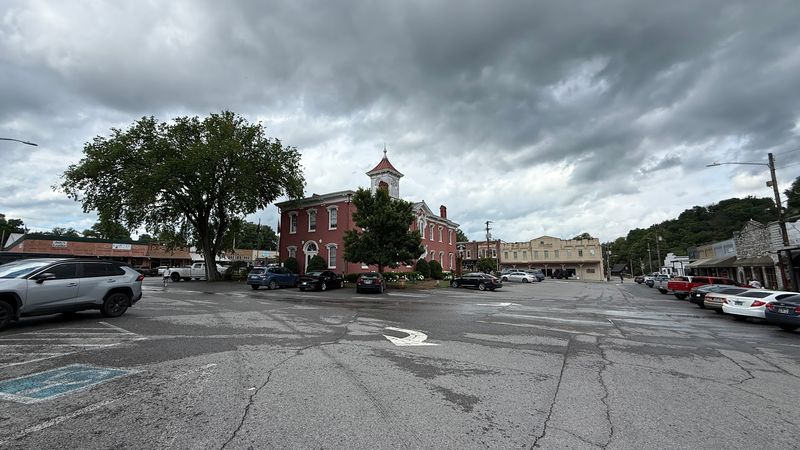
Most people know Lynchburg for one reason: Jack Daniel’s Distillery. But while that famous whiskey operation draws crowds year-round, the town itself deserves equal attention. The courthouse square looks like it was designed specifically for nostalgic road trips, with a classic white courthouse building surrounded by brick storefronts that haven’t changed much since your grandparents’ generation.
Moore County is a dry county, which creates the amusing irony that the world’s most famous whiskey comes from a place where you can’t buy a drink. Still, you can tour the distillery, learn about the charcoal-mellowing process that makes Tennessee whiskey distinct from bourbon, and see the cave spring that’s been the water source since 1866. The tours are genuinely interesting even if you’re not a whiskey enthusiast, and the guides tell stories that blend history with humor.
Beyond the distillery, Lynchburg’s downtown rewards wandering. Old-fashioned general stores sell everything from candy to cast iron, restaurants serve Southern comfort food that tastes like Sunday dinner, and antique shops offer treasures from decades past. The pace here is deliberately slow—this isn’t a town that’s in any hurry, and visitors quickly adopt that same relaxed rhythm.
The rural Tennessee countryside surrounding Lynchburg adds to the throwback feel. Rolling hills, farmland, and winding roads make the journey here part of the experience. Plan to spend a few hours exploring both the distillery and the town, maybe grabbing lunch at one of the local spots where the waitresses know everyone’s name and the menu hasn’t changed in thirty years.
Lynchburg delivers that perfect combination of famous attraction and genuine small-town character that makes it worth more than just a quick stop.
5. Franklin
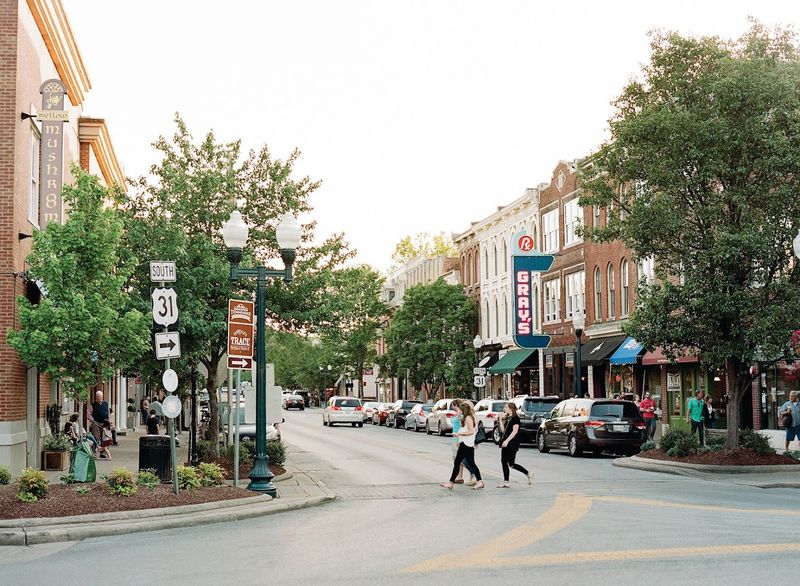
Franklin sits just south of Nashville, but crossing into Williamson County feels like entering a different era. This is one of Tennessee’s most beautifully preserved historic towns, where Civil War history meets modern prosperity without losing its soul. Main Street runs through downtown like a timeline, with nineteenth-century brick buildings now housing boutiques, restaurants, and galleries that draw visitors from across the region.
The Battle of Franklin in 1864 was one of the bloodiest fights of the Civil War, and that history remains visible throughout town. Historic homes like Carnton and Carter House offer tours that don’t sugarcoat the brutal realities of war, and walking the battlefield grounds provides a sobering perspective on what happened here. These aren’t just dusty museums—they’re well-maintained sites with knowledgeable guides who bring history to life.
Downtown Franklin has become a destination for shopping and dining, but it’s managed to stay charming rather than corporate. Independent shops sell everything from handmade jewelry to vintage finds, while restaurants range from upscale Southern cuisine to casual cafes perfect for people-watching. The buildings themselves are the real stars—beautifully restored structures that show what happens when a community invests in preservation instead of demolition.
Franklin is more polished than some of Tennessee’s sleepier historic towns, which means better amenities but also more crowds, especially on weekends. Still, the town has kept its character intact despite growth and popularity.
You can spend a full day here exploring historic sites in the morning, shopping and eating your way through downtown in the afternoon, and still feel like you’ve experienced something authentically Tennessee rather than just another tourist trap dressed up in old buildings.
6. Collierville
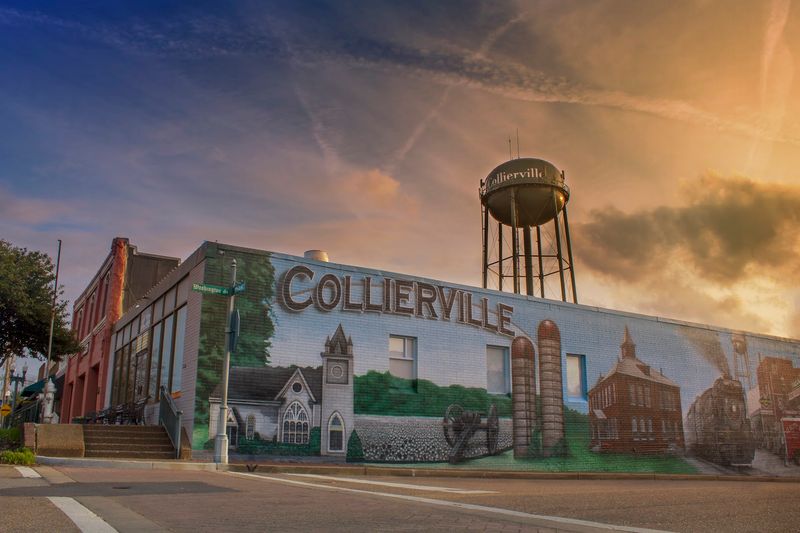
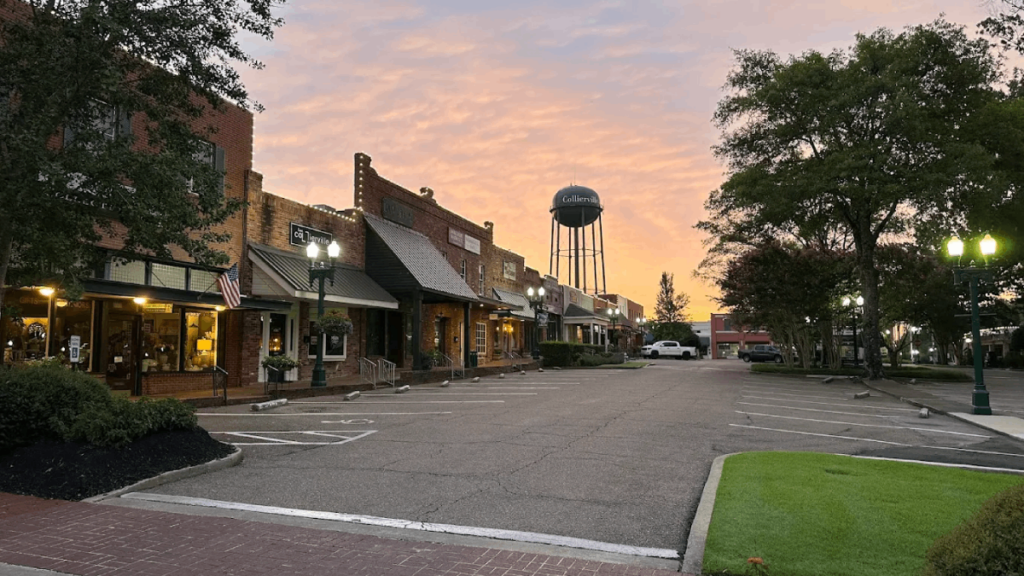
Just outside Memphis, Collierville maintains a town square that feels genuinely preserved rather than recreated. The historic district centers around a collection of buildings dating back to the late 1800s, now filled with local restaurants, specialty shops, and businesses that give the area life beyond just being pretty to look at.
The square itself is designed for strolling, with wide sidewalks, benches under shade trees, and enough visual interest to keep you exploring. Local restaurants serve everything from barbecue to Italian, and most occupy buildings with stories reaching back over a century. You’ll find coffee shops where people actually linger and talk, bookstores with carefully curated selections, and gift shops that lean local rather than mass-produced tourist junk.
Collierville has done something smart that many historic towns struggle with: they’ve balanced preservation with practicality. The buildings look authentic because they are authentic, but they’re not frozen in amber. Modern businesses operate inside old walls, creating a living town square rather than an outdoor museum.
Regular events bring the community together, from farmers markets to seasonal festivals that fill the square with music and crowds.
The town’s proximity to Memphis means it gets plenty of visitors looking for a quieter, more historic alternative to the city. But Collierville works for road trippers too—it’s an easy stop that offers a genuine taste of preserved small-town Tennessee without requiring an entire day.
Spend a couple hours walking the square, grab lunch at one of the local spots, maybe browse a few shops, and you’ll leave feeling like you found something real instead of just another tourist attraction pretending to be historic.
7. Rogersville
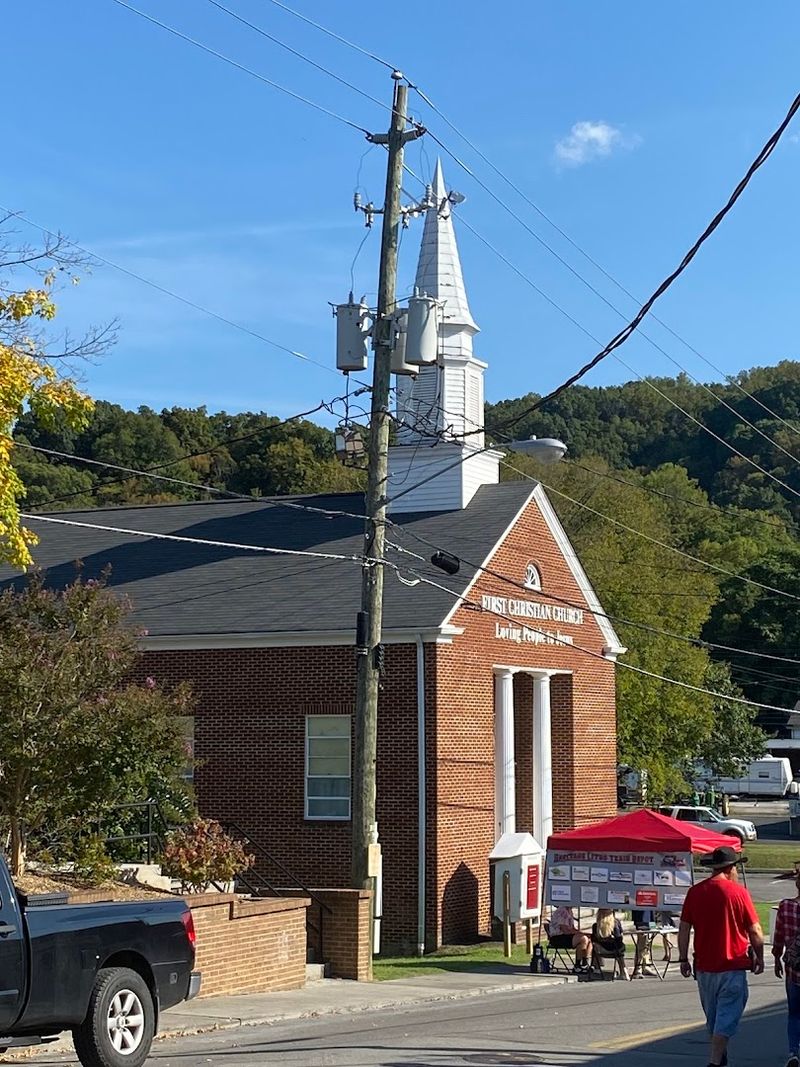
Founded in 1786, Rogersville claims the title of Tennessee’s second-oldest town, and unlike some places that just talk about their history, this one actually looks the part. Downtown Rogersville centers on a collection of heritage buildings that have been standing since before Tennessee was even a state, giving the whole area a genuinely old feel that’s hard to fake.
The Hawkins County Courthouse anchors the downtown, a Greek Revival structure that’s been watching over the town since 1836. Around it, you’ll find brick buildings housing antique shops, local businesses, and the occasional cafe where the pace matches the town’s overall personality—which is to say, not rushed.
Walking these streets feels like stepping back in time, partly because the architecture is authentic and partly because Rogersville hasn’t felt the need to modernize everything in sight.
History buffs will appreciate the Hale Springs Inn, Tennessee’s oldest continuously operating inn, where you can actually stay the night in rooms that have hosted travelers since 1824. The building alone is worth seeing, with its Federal-style architecture and stories about famous guests including Andrew Jackson and Andrew Johnson. Even if you’re not spending the night, stopping by gives you a tangible connection to Tennessee’s frontier past.
Rogersville frequently appears on lists of Tennessee’s most historic towns worth exploring, and it earns that recognition honestly. This isn’t a town trying to capitalize on tourism—it’s simply a community that’s maintained its historic character through the years. The slower pace works in its favor; there’s no pressure to rush through attractions or fight crowds for photos.
You can explore at your own speed, chat with locals who are genuinely friendly rather than performing friendliness, and leave feeling like you discovered something that most people drive right past.
8. Sweetwater
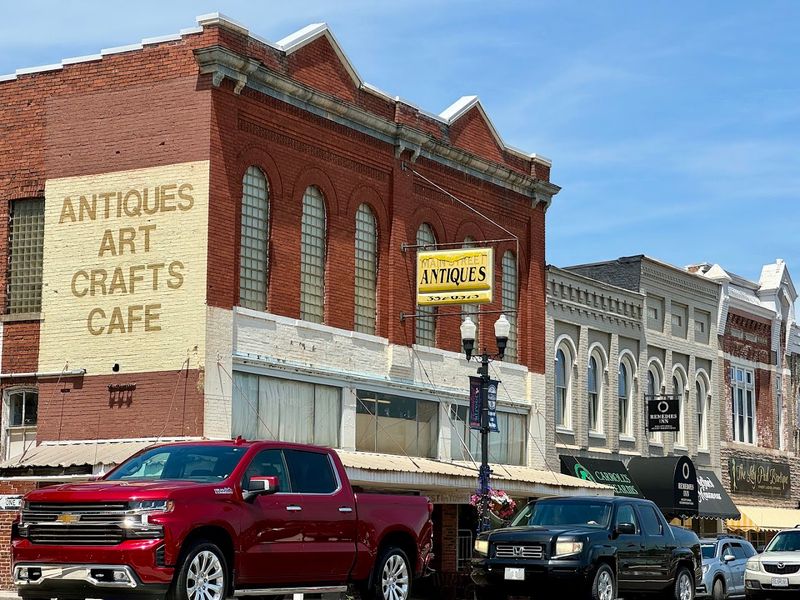
Located in Monroe County, Sweetwater delivers exactly what its name suggests—a sweet, uncomplicated slice of small-town Tennessee. The downtown area has that traditional charm that works perfectly for a relaxed afternoon stop, with local shops, antique stores, and restaurants that feel genuinely local rather than designed for tourists.
This is a working town that happens to have kept its historic character, not a historic site pretending to be a town.
StyleBlueprint has highlighted Sweetwater among Tennessee’s small towns with appealing historic downtowns, and a quick walk through the center explains why. The buildings have that well-worn authenticity that comes from actual age rather than artificial distressing, and the businesses inside reflect the community—practical, friendly, and unpretentious.
You’ll find antique browsing that can eat up hours if you’re into that sort of thing, with shops full of furniture, glassware, and random treasures from decades past.
Local restaurants serve the kind of home-style cooking that Southerners grow up on—comfort food done right without any fancy presentations or inflated prices. The atmosphere is casual in the best way; these are places where locals eat regularly, not just tourist traps banking on one-time visitors. Between meals, you can wander the downtown area without any particular agenda, which is exactly the point of a nostalgic road trip.
Sweetwater doesn’t overwhelm you with attractions or demand a full day of your time. It’s more of a pleasant pause—a place to stretch your legs, poke around some shops, grab a meal, and remember what Tennessee towns felt like before everything got paved over and franchised.
The town sits along the route between Knoxville and Chattanooga, making it a natural stopping point if you’re driving through East Tennessee and want something more interesting than a highway exit with the usual chain restaurants.
9. Cumberland Gap
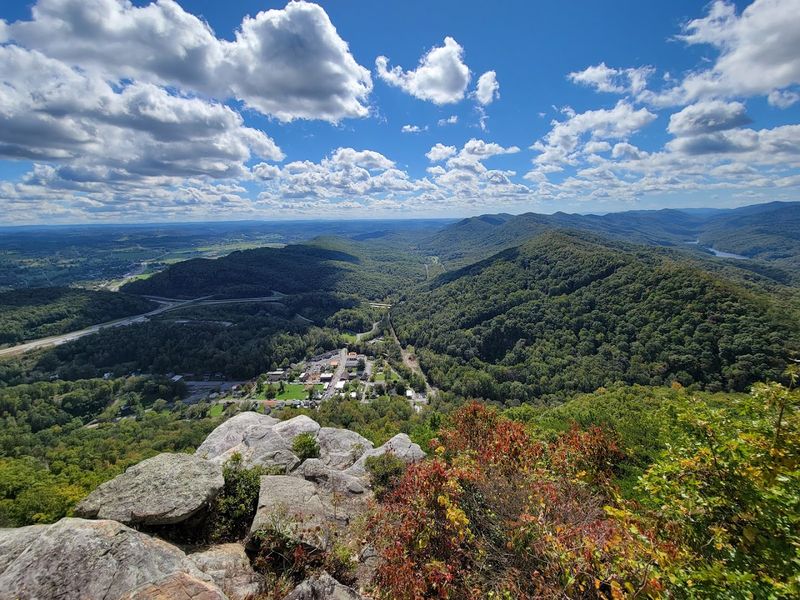
Wedged into Tennessee’s northeastern corner where Kentucky and Virginia meet, Cumberland Gap is about as frontier-feeling as modern Tennessee gets. This mountain town sits at the historic gap that served as the gateway through the Appalachian Mountains for thousands of pioneers heading west, and that sense of history still hangs in the air. The town itself is small, but the combination of historic sites and dramatic mountain scenery makes it memorable.
Cumberland Gap National Historical Park preserves much of the area’s significance, with trails leading to overlooks where you can see three states at once and imagine what those early settlers experienced. The Hensley Settlement, a preserved mountain community within the park, shows how families lived in these isolated hollows well into the twentieth century.
Walking through the restored cabins and farmsteads provides a tangible connection to Appalachian life that’s disappeared almost everywhere else.
The town’s streets have that mountain-community feel—narrow, winding, tucked into the landscape rather than imposed on it. Old buildings reflect different eras of the town’s history, from frontier days through the coal-mining period that brought different waves of settlement. It’s not polished or prettified; it’s just authentic in a way that’s increasingly rare.
Cumberland Gap works especially well for road trippers who want both history and scenery. The drive getting here is part of the experience, with mountain roads that twist through forests and offer views that make you understand why early travelers found this gap so crucial. Plan time to explore both the town and the national park—the combination of frontier history, mountain culture, and natural beauty creates something you won’t find in Tennessee’s flatter regions.
This is old-school Tennessee with an Appalachian accent, and it’s worth the drive to the state’s far corner.
10. Paris
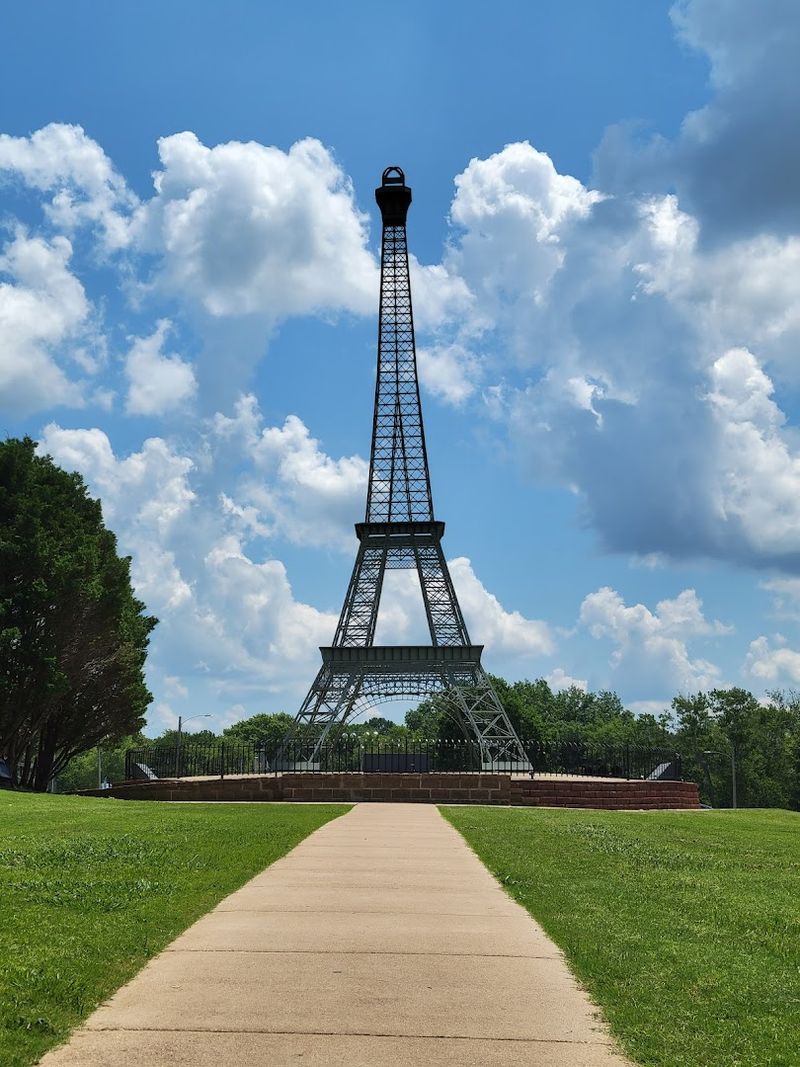
Paris, Tennessee has a fun quirk that sets it apart from other historic towns: a 60-foot Eiffel Tower replica standing in Memorial Park, complete with a red, white, and blue color scheme. It’s charming rather than tacky, and it gives this West Tennessee town a personality that’s both nostalgic and slightly whimsical. Beyond the tower, Paris delivers classic small-town Tennessee with an easygoing atmosphere that makes it perfect for a road trip stop.
Downtown Paris centers on a traditional courthouse square with buildings that reflect the town’s history dating back to 1823. The architecture isn’t flashy—it’s just solid, well-maintained structures that house local businesses, restaurants, and shops. You’ll find the kind of downtown where people still park and walk rather than driving from one strip mall to another, which immediately makes it more pleasant to explore.
The town square hosts regular events that bring the community together, from farmers markets to seasonal festivals. Even on regular days, there’s enough activity to make downtown feel alive rather than preserved-but-empty. Local restaurants serve Southern comfort food and barbecue, antique shops offer browsing for treasure hunters, and coffee shops provide spots to sit and people-watch.
Paris works well as a road trip destination because it doesn’t take itself too seriously while still maintaining genuine small-town character. The Eiffel Tower is fun for photos, the downtown is pleasant for strolling, and the whole town has that relaxed West Tennessee pace that encourages you to slow down.
It’s not trying to compete with Franklin’s polish or Jonesborough’s storytelling fame—it’s just being itself, which happens to be a friendly, slightly quirky Tennessee town with enough charm to make you glad you stopped.
11. Elizabethton
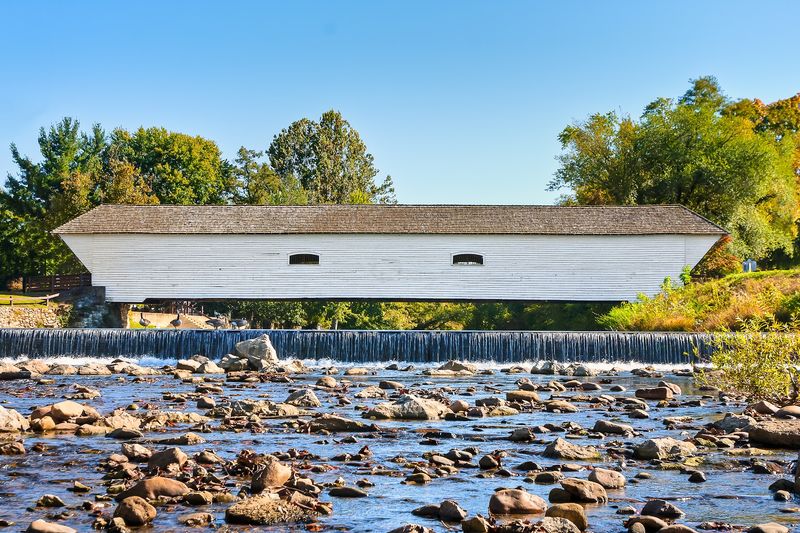
Nestled in the Appalachian foothills of Northeast Tennessee, Elizabethton brings together covered-bridge charm, frontier history, and mountain scenery in one compact package. The town’s most photographed feature is the Doe River Covered Bridge, built in 1882 and still carrying traffic today—one of the few covered bridges in Tennessee that you can actually drive through rather than just admire from a distance.
Sycamore Shoals State Historic Park sits just outside town, marking the site of one of the earliest American settlements west of the Appalachian Mountains. This is where the Overmountain Men mustered in 1780 before marching to the Battle of Kings Mountain, a turning point in the Revolutionary War. The park includes a reconstructed fort, museum exhibits, and outdoor drama performances during summer months that bring those frontier stories to life.
Downtown Elizabethton has that working small-town feel common to Appalachian communities—practical buildings, local businesses, and a pace that matches the mountains surrounding it.
The Tweetsie Trail, a rails-to-trails project, offers easy walking and biking along a former railroad bed with mountain views and creek crossings. It connects Elizabethton to nearby Johnson City, but you can walk or ride just a section to enjoy the scenery without committing to the full route.
The combination of covered bridge, frontier history, mountain setting, and genuine Appalachian small-town character makes Elizabethton feel distinctly East Tennessee. It’s not as polished as some historic towns farther west, but that rougher-around-the-edges authenticity fits the region’s personality.
Plan a few hours to see the covered bridge, explore Sycamore Shoals, and walk around downtown—it’s the kind of stop that rewards visitors who appreciate history with a mountain accent.
Share this story