Pennsylvania has big cities, quiet valleys, old mill towns, mountain views, and friendly main streets, but some of its best places to live are the ones that still feel within reach. Many families want safe neighborhoods, steady jobs, decent schools, fresh air, and a home payment that does not swallow every paycheck. That dream can feel far away in expensive parts of the country, yet many Pennsylvania towns show that a good life does not have to come with a luxury price tag. From the Great Lakes corner to the coal region, from river towns to college communities, these places offer simple comforts that matter every day.
Affordability is not only about cheap rent or low home prices. It is also about having grocery stores nearby, parks for kids, local events, health care access, and neighbors who still wave from the porch. In many of these towns, people can buy older homes with character, start small businesses, enjoy outdoor spaces, and stay connected to local history. Some communities are still rebuilding after hard economic changes, but that also means they often welcome new energy, new families, and fresh ideas. If you are looking for a place where hard work, patience, and smart choices can still lead to stability, these Pennsylvania towns are worth a closer look.
1. Corry
A winter coat on a porch hook tells you a lot about Corry.
Life here is practical, steady, and built for people who like room to breathe without paying big-city prices.
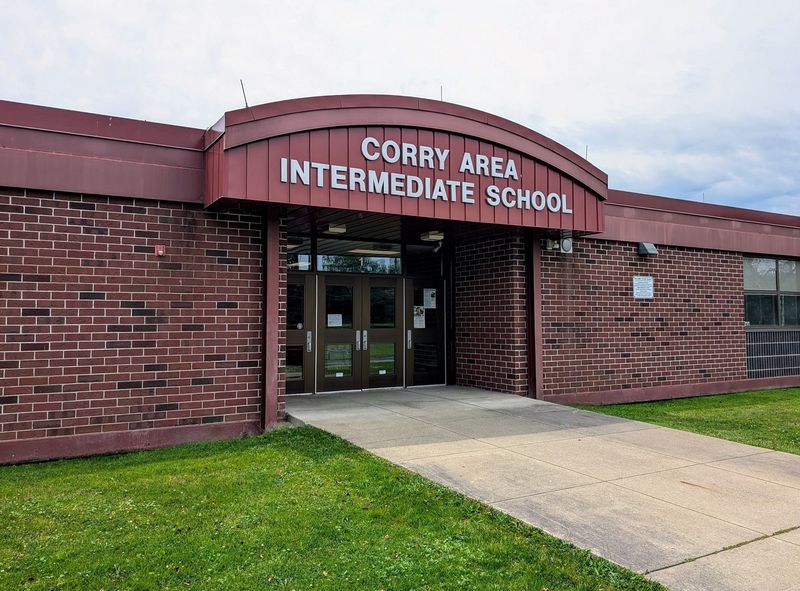
Located in northwestern Pennsylvania near the New York border, Corry offers a small-town pace with access to Erie, lakes, forests, and farm country.
Home prices are often far lower than in larger metro areas, which can help first-time buyers think seriously about owning instead of renting forever.
Daily life feels simple in a useful way.
You can find local shops, schools, churches, parks, and family-owned places that know regular customers by name.
Commuters may look toward Erie or nearby manufacturing, health care, retail, and service jobs, while remote workers can enjoy a quieter base.
Corry also has a strong sense of local history.
The town grew with railroads and industry, and you can still see that older character in its streets and buildings.
For buyers, that can mean homes with porches, yards, and solid bones at prices that leave space in the budget for repairs.
Anyone moving here should plan for snowy winters, because this part of Pennsylvania knows how to pile up lake-effect snow.
A reliable car, warm boots, and a realistic heating budget are smart.
The reward is a place where neighbors often notice when someone needs help.
For families, retirees, or young adults trying to reset their finances, Corry can offer a fresh start that feels grounded.
The American Dream here is not flashy.
It looks like a paid-off used car, a backyard cookout, and a house key that is truly yours.
2. Warren
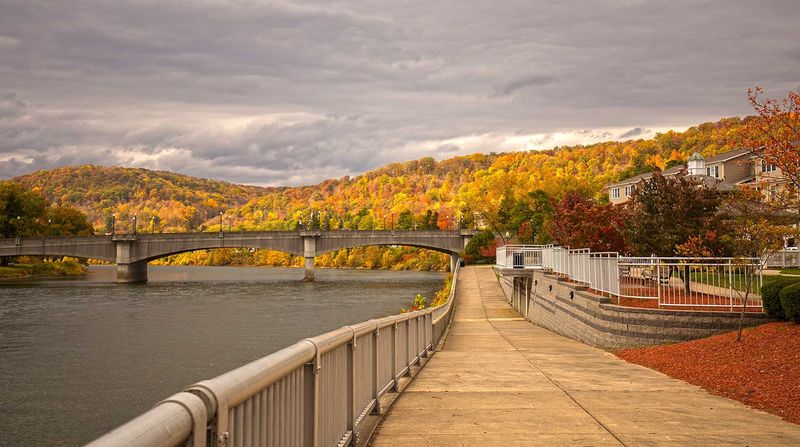
Morning fog over the Allegheny River gives Warren a storybook feel, but the cost of living is what makes people look twice.
Beauty and affordability meet here in a way that feels rare.
Warren sits in northwestern Pennsylvania, close to the Allegheny National Forest.
That location matters because outdoor fun is not an expensive extra.
Hiking, fishing, paddling, scenic drives, and quiet picnic spots are part of normal life, not once-a-year vacation treats.
The town has an attractive downtown with older architecture, local restaurants, small shops, and community events.
For people who want charm without the price tag of a trendy mountain town, Warren can be a smart pick.
Many homes are older, which means buyers should budget for maintenance, but prices can still be approachable compared with many parts of Pennsylvania and the Northeast.
Jobs in the area may connect to health care, education, manufacturing, government, tourism, and small business.
Some residents commute or work remotely, using Warren as a peaceful home base.
Before moving, it is wise to check internet options, winter driving routes, and the local job market for your field.
Families may appreciate the slower pace and access to nature.
Kids can grow up with trails, ball fields, river views, and a sense that town events belong to everyone.
Retirees may like the quiet streets and lower housing costs.
Warren is not trying to act like a big city.
That is the point.
The American Dream here might mean owning a modest home near the river, spending Saturdays in the forest, and still having enough left over for savings.
For people tired of crowded places and heavy bills, Warren offers space to breathe.
3. Somerset
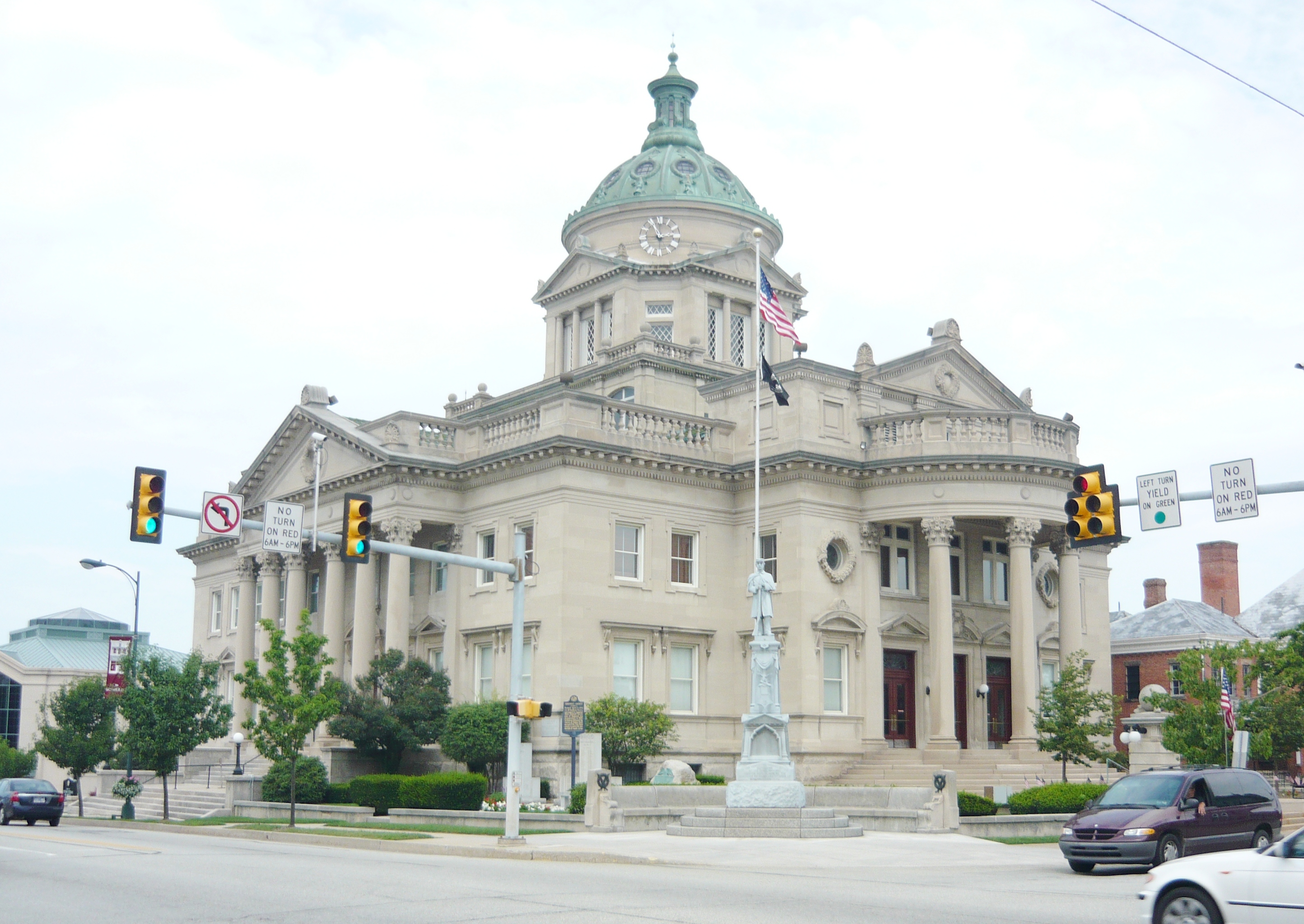
Some towns feel like a front porch after a long drive, and Somerset has that kind of welcome.
It sits high in the Laurel Highlands, where mountain air and everyday affordability go together.
Somerset is the county seat of Somerset County, which gives it services that many small towns do not always have.
You will find government offices, local stores, restaurants, schools, medical services, and highway access close by.
The Pennsylvania Turnpike makes travel easier for people who need to reach Pittsburgh, Johnstown, or other regional job centers.
Housing can be one of Somerset’s biggest draws.
Buyers may find modest single-family homes, older properties with character, and neighborhoods where yards are still possible.
Renters may also find costs more manageable than in fast-growing suburbs.
The area is known for all four seasons.
Nearby parks, ski areas, trails, and lakes give families plenty to do without spending a fortune.
A simple weekend might include a walk at a local park, a trip to a farmers market, or a scenic ride through rolling hills.
History also runs deep here.
Somerset is near important Pennsylvania sites, including the Flight 93 National Memorial, which brings visitors and reminds residents of courage and community.
That sense of place can make daily life feel connected to something larger.
People moving to Somerset should think about winter weather and job fit.
Snow can be serious, and some careers may require commuting or remote work.
Still, for households seeking balance, Somerset checks many boxes.
The dream here is not about showing off.
It is about having a home, a dependable routine, safe surroundings, and nature close enough to enjoy after dinner.
That kind of life is worth noticing.
4. Johnstown
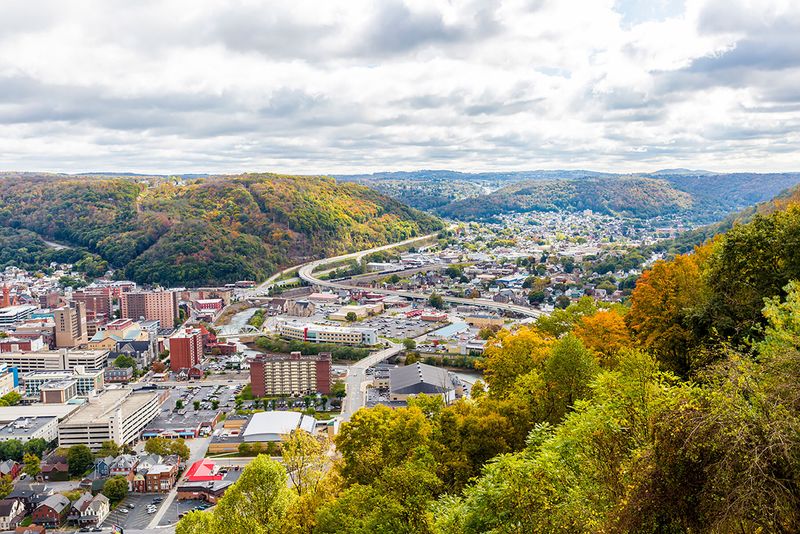
A city that has survived floods, industrial change, and hard times knows something about grit.
Johnstown carries its scars honestly, but it also offers one of Pennsylvania’s most realistic paths to affordable homeownership.
Located in Cambria County, Johnstown was once a major steel and manufacturing center.
Today, its economy is different, but the city still has hospitals, schools, government services, small businesses, and nearby colleges that support local jobs.
It is not a boomtown, yet it has the bones of a much larger place.
That matters for families watching every dollar.
Housing prices in Johnstown are often far below state and national averages.
Buyers may find rowhomes, single-family houses, and larger older homes for prices that seem surprising to people coming from costly cities.
Of course, low prices come with homework.
Some homes need repairs, and neighborhoods can vary from block to block.
A careful buyer should visit at different times of day, get inspections, review taxes, and talk with local residents before making a decision.
Johnstown has more to offer than cheap houses.
The Johnstown Inclined Plane, local museums, festivals, hockey games, and river trails give the city personality.
The surrounding hills add beauty, especially in fall.
For entrepreneurs, artists, and remote workers, Johnstown can be interesting because space is affordable.
A person with patience and a practical plan may be able to buy a home, open a small shop, or join local improvement efforts for far less than in a bigger market.
The American Dream in Johnstown is built with work gloves, not gold trim.
It is about taking something sturdy, fixing it up, and being part of a community that understands second chances.
5. Altoona
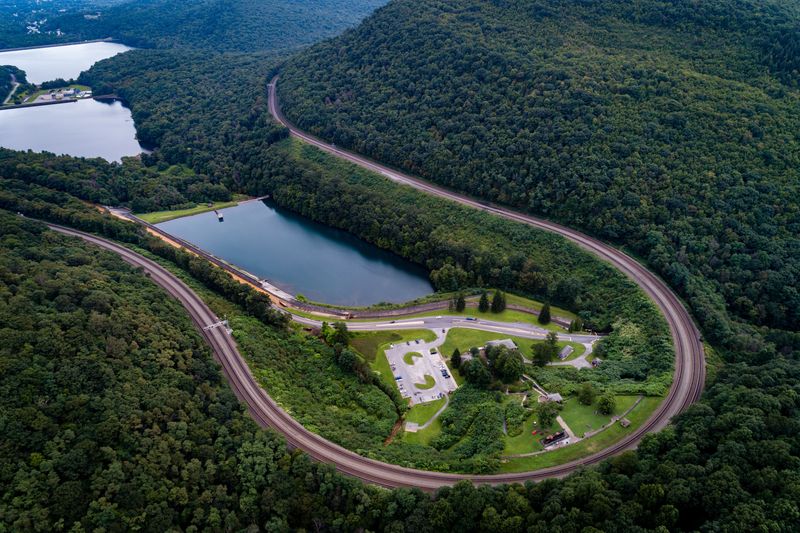
Train whistles have shaped Altoona for generations, and that working spirit still gives the city its heartbeat.
For people who want more services than a tiny town offers, Altoona can be a budget-friendly middle ground.
Set in Blair County, Altoona grew as a railroad city.
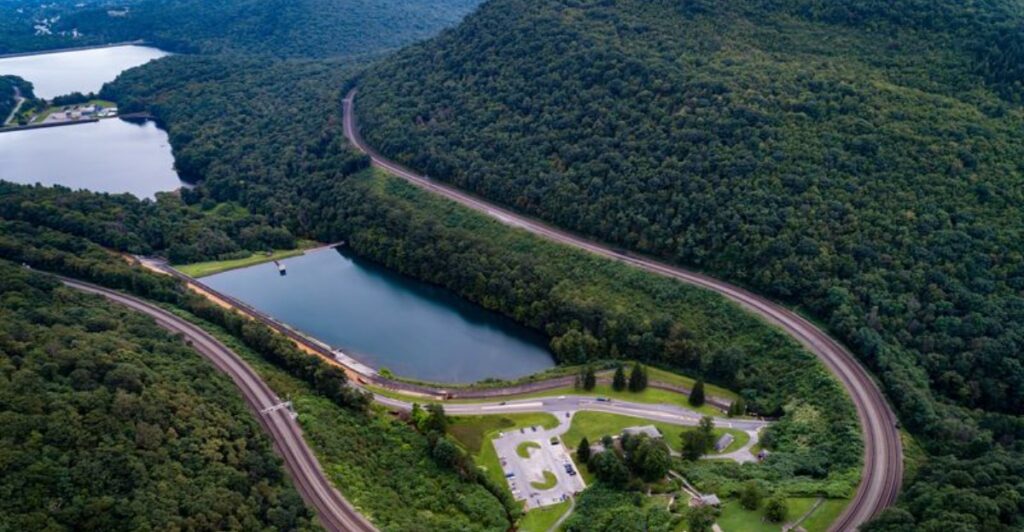
The famous Horseshoe Curve nearby is a reminder of how important this place was to American transportation.
Today, the city still offers rail history, shopping, health care, schools, restaurants, parks, and entertainment without the price pressure of larger Pennsylvania cities.
Altoona’s housing market often includes many practical choices.
Buyers can look at compact city homes, older houses with porches, duplexes, and neighborhoods close to daily needs.
Renters may find options that are easier on the wallet than in college-heavy or suburban areas.
One advantage is convenience.
Altoona has grocery stores, a mall area, medical centers, public transit, and access to Interstate 99.
That can make life easier for people who do not want to drive an hour for every appointment or errand.
Outdoor options are close, too.
The Allegheny Mountains, state parks, fishing spots, and trails give residents low-cost ways to relax.
A family can spend a Saturday exploring nature instead of paying for expensive entertainment.
Newcomers should compare neighborhoods carefully and think about job plans.
Health care, education, retail, logistics, manufacturing, and service work are part of the local economy, but wages and openings differ by field.
Altoona is not polished in a fancy way, and that can be refreshing.
It is a place for people who want real stores, real neighborhoods, and a real chance to build stability.
Here, the dream may sound like a train in the distance and look like a mortgage payment you can actually manage.
6. DuBois
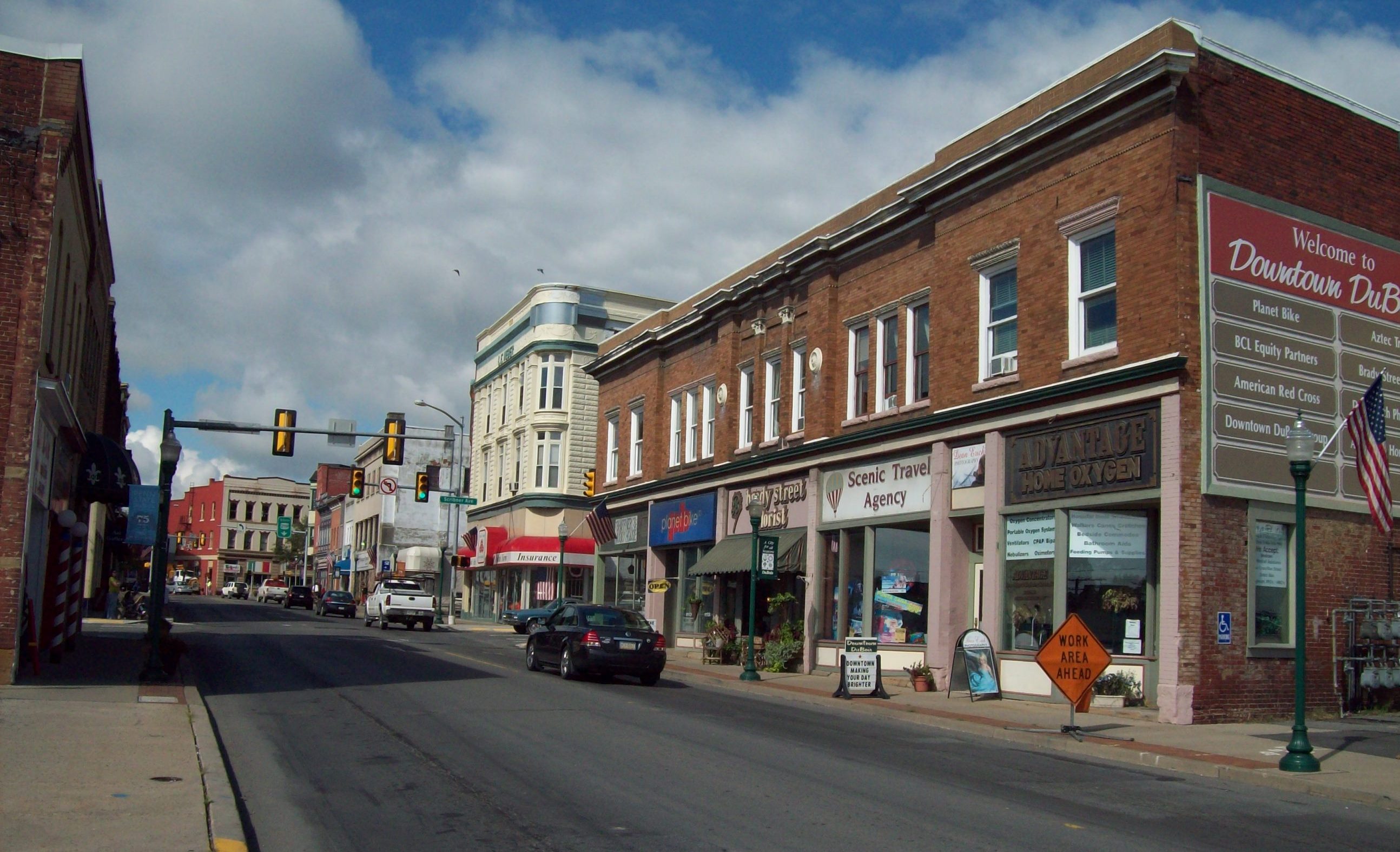
Right off Interstate 80, DuBois feels like the kind of place where road trips pause and some people decide to stay.
It is small enough to feel friendly but large enough to handle daily life.
Located in Clearfield County, DuBois serves as a regional hub for nearby communities.
That means residents can find shopping, restaurants, medical care, schools, and services without always driving to a major city.
For people who want affordability but still need convenience, that balance is valuable.
Housing in DuBois can be more reachable than in many larger markets.
There are modest homes, quiet streets, and properties that may appeal to first-time buyers, downsizers, or families trying to stretch a paycheck.
As with any town, prices depend on condition, location, and updates, so inspections matter.
The area has a practical economy with health care, education, retail, warehousing, service work, and nearby industrial jobs.
Interstate access helps businesses move goods and gives residents travel options.
Remote workers may also like being connected by road while living in a calmer place.
Nature is never far away.
Nearby forests, lakes, hunting areas, and trails create low-cost weekend plans.
Instead of needing a big entertainment budget, residents can fish, hike, camp, or take a scenic drive through central Pennsylvania.
DuBois also has a community feel that can make settling in easier.
Local sports, school events, diners, and seasonal festivals help people meet neighbors.
A newcomer who volunteers or supports small businesses can become part of town life quickly.
The American Dream here is sensible and down-to-earth.
It may mean a solid job, a safe street, a used fishing boat, and enough money left after bills to enjoy life.
DuBois proves that comfort does not need to be complicated.
7. Titusville
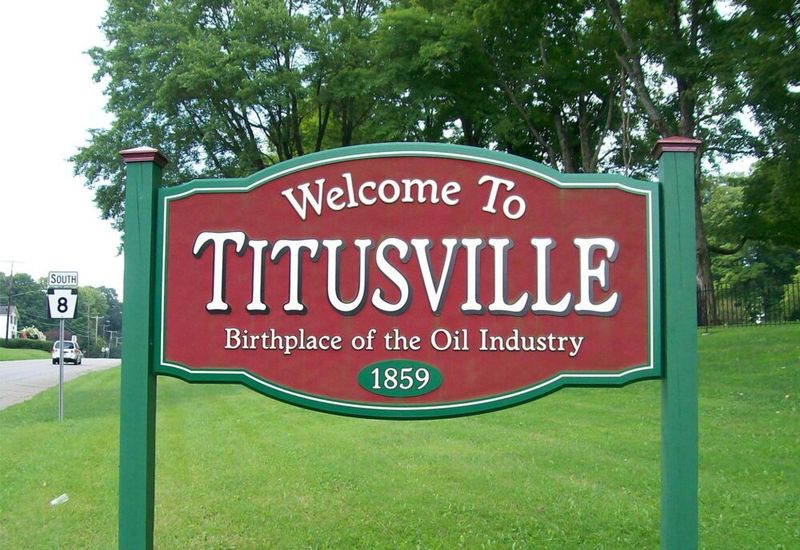
Before Texas oil stories filled history books, Titusville was already changing the world.
This northwestern Pennsylvania town is known as the birthplace of the American oil industry, but its present-day appeal is much more personal.
Titusville sits in Crawford County near Oil Creek State Park.
The town’s history gives it character, with museums, older buildings, and reminders of the 1859 oil boom.
For residents, that heritage adds interest without turning the town into an expensive tourist trap.
Affordability is a strong reason to look here.
Homes can be priced within reach for buyers who feel locked out elsewhere.
Older houses may need updates, but they often come with charm, yards, and walkable access to local streets.
Life in Titusville is quiet compared with larger cities.
You can find schools, parks, local shops, restaurants, and community organizations.
For bigger shopping or specialized services, residents may travel to Meadville, Erie, or other regional centers.
Outdoor lovers get a major bonus.
Oil Creek State Park offers trails, biking, fishing, and beautiful scenery.
Spending time outside does not require a high income, and that helps families enjoy a full life on a modest budget.
Job seekers should study the local market before moving.
Health care, education, manufacturing, retail, public services, and small business provide opportunities, but some careers may require commuting or remote work.
A realistic plan makes the move smoother.
Titusville’s charm is a little old-fashioned in the best way.
People who enjoy history, quiet evenings, and small-town routines may find it easy to feel at home.
The dream here might be restoring a porch, learning local stories, and realizing that a rich life can start in a modest house.
8. Uniontown
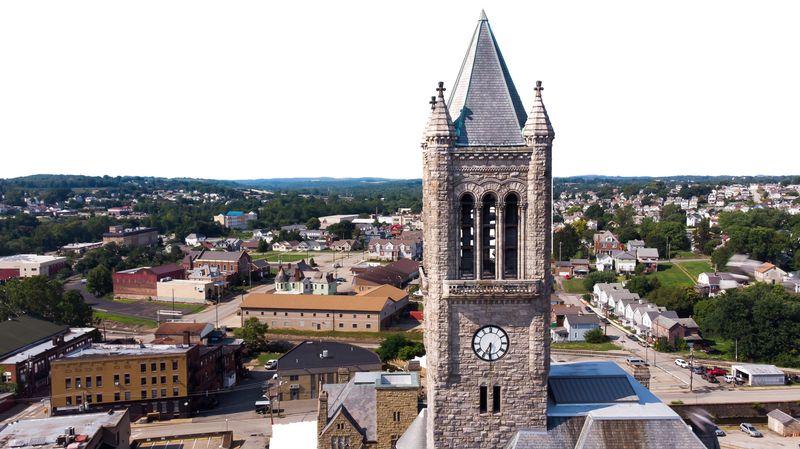
A short drive from mountain views and historic roads, Uniontown offers more than many people expect.
It is a small city with a blue-collar past, useful services, and housing costs that can leave breathing room.
Uniontown is the county seat of Fayette County in southwestern Pennsylvania.
Its location gives residents access to the Laurel Highlands, Ohiopyle State Park, Fort Necessity, and other outdoor and historic sites.
That means weekends can be active without needing a luxury travel budget.
Housing is a key part of Uniontown’s appeal.
Many homes cost less than those in the Pittsburgh suburbs, and buyers may find older houses, small starter homes, or properties with renovation potential.
Renters may also find more manageable monthly costs.
The town has practical conveniences, including stores, restaurants, schools, medical services, county offices, and local transportation links.
Pittsburgh is reachable for some commuters, though the drive can be long depending on work hours and weather.
Uniontown has faced economic challenges, and new residents should be thoughtful.
It is smart to research neighborhoods, taxes, schools, and safety data.
Talking to locals and visiting more than once can help you understand where you would feel comfortable.
At the same time, Uniontown has real strengths.
Community groups, churches, small businesses, and local events keep people connected.
The surrounding countryside is beautiful, and outdoor recreation is one of the area’s best low-cost gifts.
For people who are willing to look past old stereotypes, Uniontown can offer a practical path forward.
The American Dream here might mean buying a home near family, building a small business, or giving kids a backyard and easy access to nature.
It is not perfect, but it is possible, and possibility matters.
9. Mount Carmel
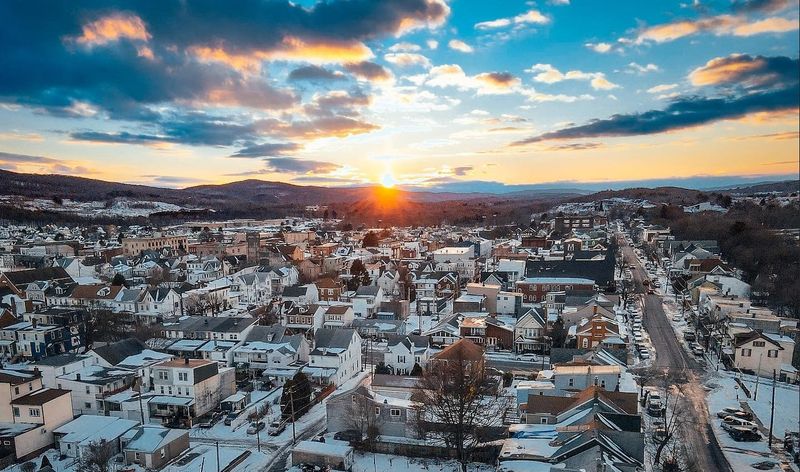
In the coal region, stories are written in brick rowhomes, church bells, and steep streets.
Mount Carmel carries that old Pennsylvania character, and its low housing costs can surprise people searching for a fresh start.
Located in Northumberland County, Mount Carmel grew around anthracite coal.
That history is still visible in the town’s layout, traditions, and strong family roots.
Some families have lived in the area for generations, which gives the community a deep sense of memory.
Affordability is the main reason many buyers notice Mount Carmel.
Houses can be far cheaper than in larger cities or suburbs, especially older rowhomes and fixer-uppers.
For someone handy, patient, and careful with money, that can open a door to ownership.
Still, low prices should not replace good judgment.
Buyers need inspections, repair estimates, and a close look at taxes, heating systems, roofs, and parking.
Coal region homes can have character, but they may also come with age-related projects.
Daily life is simple and local.
Residents can reach small shops, schools, churches, and nearby towns for additional services.
Larger job centers may require commuting, so planning around work is important.
The surrounding region offers forests, state game lands, trails, and small-town festivals.
People who enjoy local traditions, high school sports, ethnic foods, and close-knit neighborhoods may find Mount Carmel familiar and welcoming.
This is not a place for someone chasing a glossy lifestyle.
It is for people who value thrift, toughness, and community.
The American Dream in Mount Carmel may look like buying an affordable home, fixing one room at a time, and becoming part of a place that has worked hard for more than a century.
10. Lehighton
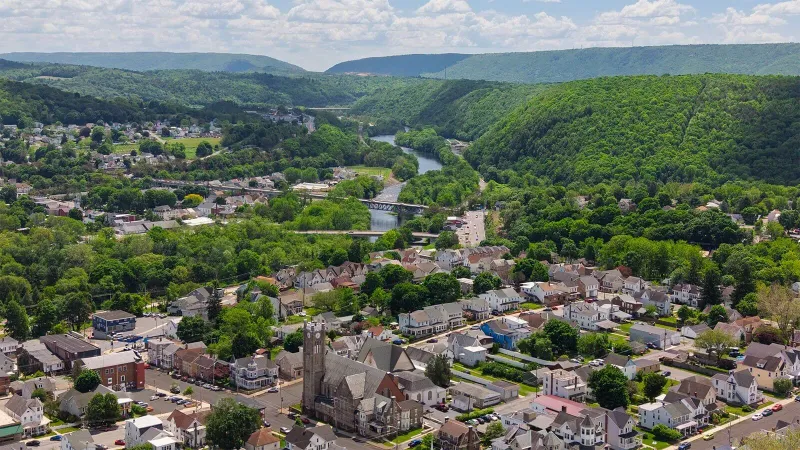
Not far from river bends and Pocono foothills, Lehighton gives everyday life a scenic backdrop.
It feels close to adventure, yet it can still be more affordable than many better-known getaway towns.
Lehighton is in Carbon County along the Lehigh River.
Its location near Jim Thorpe, Beltzville State Park, and the Pocono region makes it appealing for people who love the outdoors.
Hiking, biking, boating, fishing, and scenic drives are easy to reach.
For many households, Lehighton’s value comes from balance.
You can enjoy mountain-area beauty without paying the highest prices found in some resort communities.
Housing may include older in-town homes, modest single-family houses, and properties within driving distance of regional job centers.
Commuting is part of the picture for some residents.
Allentown, Bethlehem, and other Lehigh Valley areas are not too far, though traffic, weather, and fuel costs should be considered.
Remote workers may also like Lehighton because it offers a calmer setting with access to larger markets.
The town has useful basics, including schools, shops, restaurants, health services, and local events.
Nearby attractions bring visitors, which can support small businesses and seasonal work.
Entrepreneurs with ideas tied to tourism, food, crafts, or outdoor services may see opportunity.
Newcomers should compare neighborhoods, check flood considerations near waterways, and understand winter driving in hilly areas.
Smart planning helps avoid surprises.
Lehighton’s version of the American Dream has a weekend feel without requiring a weekend-only bank account.
A family might buy a modest home, spend Saturdays by the lake, and still keep a connection to work in the broader region.
It is a town where nature, value, and practical living can fit together nicely.
11. Bloomsburg
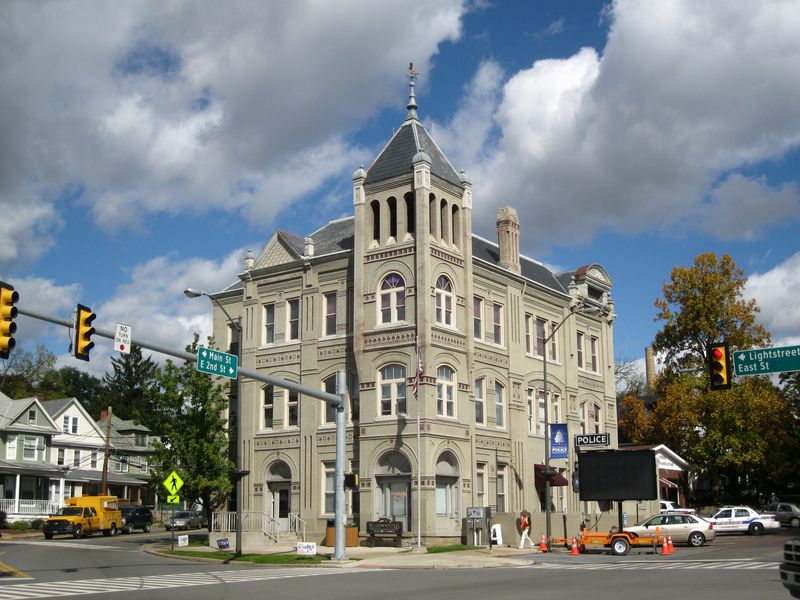
College energy and small-town comfort meet in Bloomsburg, creating a place that feels lively without becoming overwhelming.
It has bookstores, coffee stops, river views, and enough local pride to fill a fairground.
Bloomsburg is the only incorporated town in Pennsylvania, a fun fact locals often enjoy sharing.
Located in Columbia County along the Susquehanna River, it is home to Bloomsburg University and the well-known Bloomsburg Fair.
Those features give the town more activity than its size might suggest.
Affordability depends on location and housing type, but Bloomsburg can still offer a more reachable lifestyle than larger college towns or major metro areas.
Buyers may find older homes, small neighborhoods, and nearby rural properties.
Renters should compare student-area prices with quieter parts of town.
The university adds jobs, events, cultural programs, and a steady flow of students and visitors.
That can support restaurants, shops, landlords, and service businesses.
It also means some areas may feel busier during the school year, so choosing the right neighborhood matters.
Outdoor life is close at hand.
The Susquehanna River, nearby parks, country roads, and regional trails give residents simple ways to enjoy free time.
Families can also take advantage of community events, school activities, and the fair, which has been a local tradition for generations.
People considering Bloomsburg should pay attention to flood history in low-lying areas, especially near the river.
A careful housing search and good insurance questions are important.
Bloomsburg’s American Dream feels active, educated, and neighborly.
It is a place where someone can raise a family, take classes, start a small business, or enjoy retirement with events close by.
You do not need wealth to feel connected here, just curiosity and a willingness to join in.
Share this story