Texas might be known for its massive cities and crowded attractions, but tucked away across the state are peaceful parks where you can actually hear yourself think. These hidden gems offer a break from the noise and traffic that usually comes with exploring the Lone Star State. Whether you’re looking to camp under the stars, hike through quiet trails, or just sit by the water without a crowd, these 11 parks prove that finding solitude in Texas is easier than you’d think.
1. Sea Rim State Park (Sabine Pass)
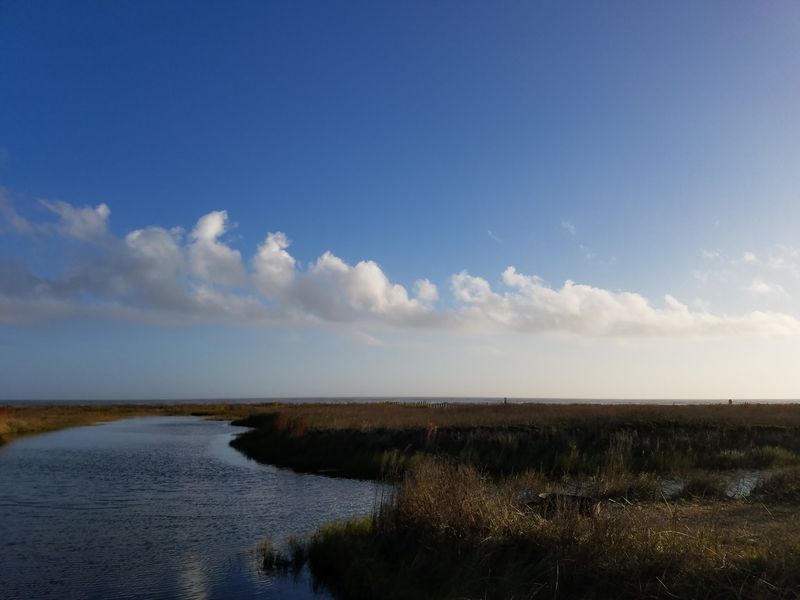
Where the Texas coast meets untouched marshland, you’ll find a place that feels like the edge of the world. The beach stretches for miles without the usual crowds you’d see at Galveston or South Padre. Most visitors stick to the bigger destinations, which means you can walk the sand here and spot only a handful of other people, even on weekends.
The park sits right on the Gulf, but what makes it special is the mix of ecosystems packed into one spot. You’ve got beach on one side and marshland on the other, connected by a boardwalk that takes you through tall grasses where alligators sometimes sunbathe. Birdwatchers love this place because hundreds of species pass through during migration seasons.
Bring binoculars and you might see roseate spoonbills, herons, or even a rare rail hiding in the reeds.
Kayaking through the marsh channels is one of those experiences that sticks with you. The water is calm, and paddling between the grasses feels like exploring a secret world. You can rent kayaks at the park or bring your own.
Just watch the tides because they can shift quickly, and you don’t want to get stuck in shallow water.
Camping here puts you right on the beach, which is a rare thing in Texas. The campsites are basic but clean, and falling asleep to the sound of waves is worth any lack of fancy amenities. Pack bug spray, though, because mosquitoes can be fierce, especially near the marsh areas.
Early mornings are the best time to explore before the heat kicks in and the bugs wake up fully.
2. Blanco State Park (Blanco)
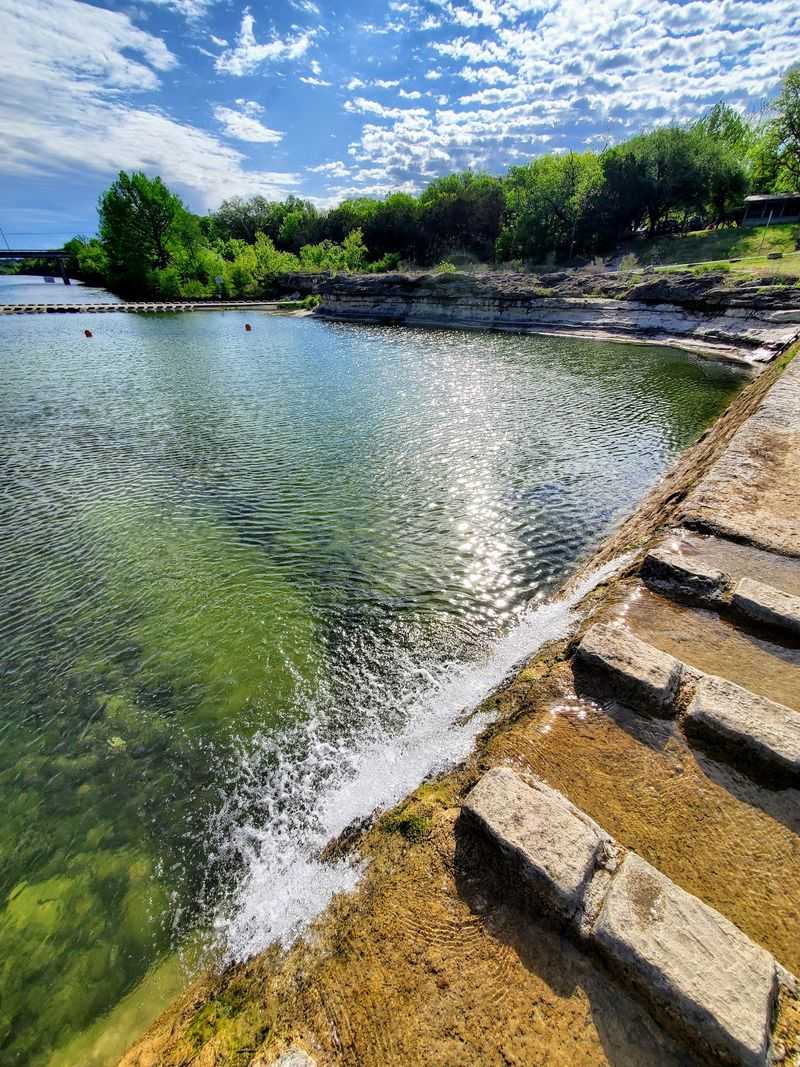
Right in the heart of the Hill Country sits a park that locals have kept mostly to themselves. The Blanco River runs straight through it, creating natural swimming holes with water so clear you can see the rocks on the bottom. Unlike some of the more famous Hill Country rivers that get packed with tubers and partiers, this one stays calm and family-friendly.
The river is shallow in most spots, which makes it perfect for kids or anyone who just wants to wade and cool off without worrying about strong currents. There are deeper pockets where you can actually swim, and the water stays cold even in the middle of summer. Cypress trees line the banks, providing shade for picnic areas and giving the whole place a peaceful, shaded feel.
Fishing is popular here, with the river holding bass, catfish, and perch. You’ll need a Texas fishing license, but the park makes it easy to find a quiet spot along the water to cast a line. Some of the best fishing happens early in the morning before other visitors arrive.
The park also has paddling trails if you want to explore upstream or downstream at a leisurely pace.
Campsites are tucked under big oak trees, and most have electrical hookups if you’re bringing an RV. Tent camping is also available, and the sites are spread out enough that you don’t feel like you’re sleeping on top of your neighbors. The town of Blanco is just a short drive away if you need supplies or want to grab a meal at one of the local diners.
Spring and fall are the ideal times to visit when temperatures are mild and the river is running at its prettiest.
3. Huntsville State Park (Huntsville)
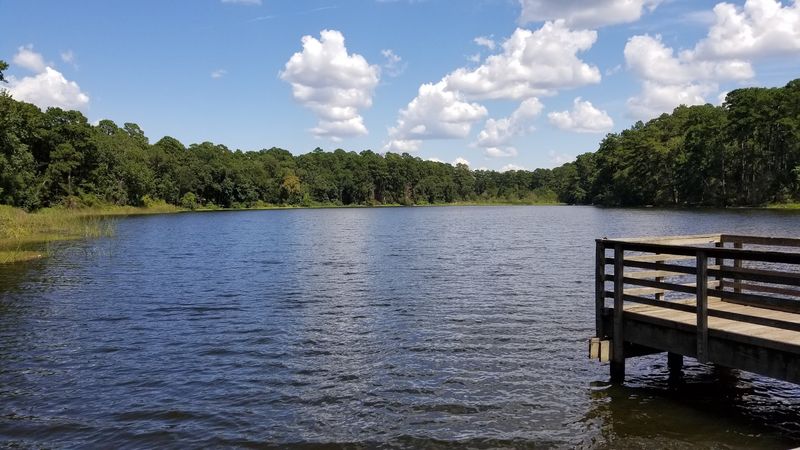
Deep East Texas piney woods surround this park, making it feel more like Arkansas or Louisiana than what most people picture when they think of Texas. Lake Raven sits at the center, a 210-acre reservoir that’s perfect for kayaking, fishing, or just sitting on the shore watching the water. The thick forest keeps the park cool even when temperatures climb, and the shade makes hiking here more comfortable than in open prairie parks.
Trails wind through towering pines and hardwoods, with the Chinquapin Trail being the most popular loop at about 10 miles. You can hike shorter sections if you’re not up for the full distance. Wildlife is everywhere, including white-tailed deer, armadillos, and plenty of bird species.
Alligators live in the lake, so keep your distance from the water’s edge and definitely don’t let pets swim.
The lake is the main attraction for many visitors. Fishing for catfish, bass, and crappie keeps anglers busy, and you can rent paddle boats or canoes at the park if you don’t have your own gear. The water stays calm most days, making it ideal for beginners or families with young kids.
There’s also a swimming area with a sandy beach, though the water is a bit murky compared to Hill Country rivers.
Campsites range from primitive tent spots to full RV hookups with water and electricity. Screened shelters are available too, which is a nice option if you want to camp but don’t want to deal with setting up a tent. The park is only about an hour north of Houston, but it feels like you’ve driven much farther.
Weekdays are your best bet for solitude since weekends can draw families from the city.
4. Pace Bend Park (Spicewood)
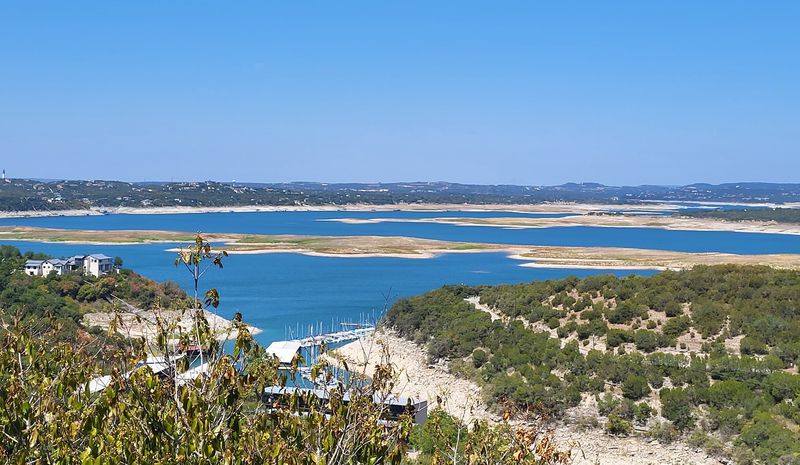
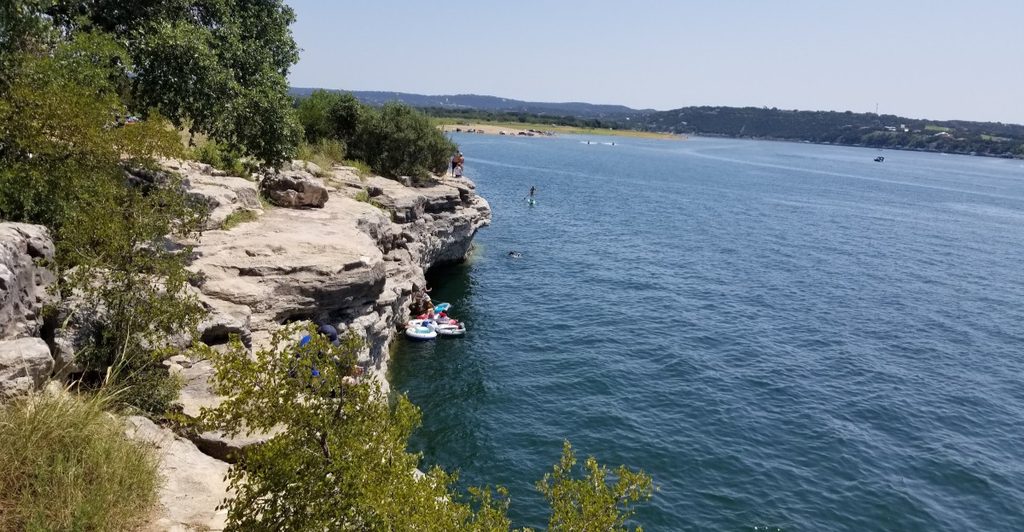
Perched on a peninsula jutting into Lake Travis, this park offers some of the most dramatic scenery in the Austin area without the typical crowds. Limestone cliffs drop straight into the lake, creating coves and inlets that feel private and secluded. The water here is that signature Hill Country blue-green, and the rocky shoreline gives the place a rugged, almost Mediterranean vibe.
Hiking trails crisscross the park, leading to overlooks where you can see for miles across the lake. The terrain is rocky and uneven, so wear sturdy shoes and bring plenty of water. Some trails take you right to the water’s edge where you can scramble down the rocks and find your own little swimming spot.
Cliff jumping is popular in certain areas, but be smart about it and check the water depth first.
Mountain biking is huge here, with miles of trails that range from easy to technical. The park hosts races and events throughout the year, but most days you’ll only see a handful of riders. The trails are well-marked and maintained, and the views make the climbs worth it.
If you’re not into biking, the same trails work great for trail running or just exploring on foot.
Camping is primitive, meaning no hookups or fancy bathrooms, just you and nature. Sites are spread out across the park, some right on the water and others tucked into the trees. You’ll need to bring all your own supplies, including firewood if you plan to have a campfire.
The park is about 45 minutes from Austin, but it feels worlds away. Spring wildflowers cover the hillsides in March and April, adding bursts of color to the already beautiful landscape.
5. Daingerfield State Park (Daingerfield)
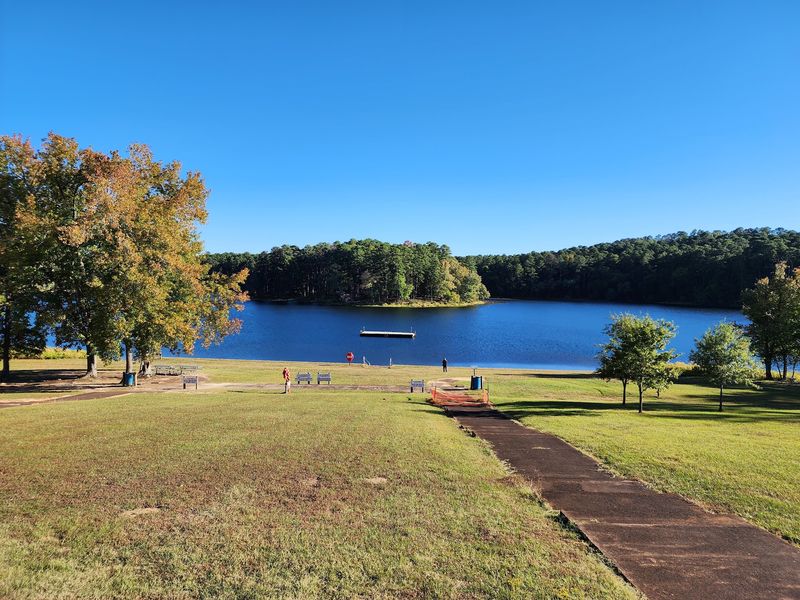
Up in the northeast corner of Texas, this park hides in the Piney Woods where most tourists never venture. An 80-acre lake sits in a natural basin surrounded by hills covered in pine and hardwood trees. Fall is when this place really shines, with leaves turning red, orange, and yellow in a display that rivals anything you’d see up north.
It’s one of the few places in Texas where you can experience a true autumn.
The lake is stocked with bass, catfish, and crappie, and fishing from the shore or a boat is a favorite pastime here. You can rent paddle boats and canoes at the park office, or bring your own kayak to explore the coves and inlets. Swimming is allowed in a designated area with a small beach, and the water stays refreshingly cool thanks to the shade from surrounding trees.
Hiking trails loop around the lake and climb into the hills, offering views over the water and through the forest. The trails aren’t long or particularly challenging, making them perfect for families or anyone looking for a relaxed walk in the woods. Wildflowers bloom in spring, and the forest floor comes alive with dogwoods and redbuds adding splashes of white and pink.
Campsites are tucked into the trees, providing plenty of privacy and shade. Some have water and electric hookups, while others are more primitive. Screened shelters are also available if you want a roof over your head without hauling a tent.
The park is small enough that it never feels crowded, even on holiday weekends. Nearby Daingerfield is a tiny town with a couple of restaurants and a grocery store, but you’ll want to bring most of your supplies with you.
6. Old Tunnel State Park (Fredericksburg)
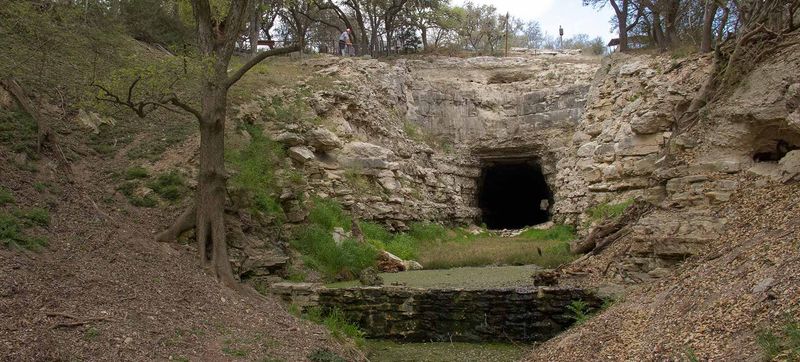
An abandoned railroad tunnel from the 1900s now serves as home to millions of Mexican free-tailed bats, and watching them emerge at sunset is one of the coolest wildlife experiences in Texas. The tunnel sits in the Hill Country between Fredericksburg and Comfort, and the park itself is small, just 16 acres. But what it lacks in size, it makes up for in spectacle.
From May through October, the bats live in the tunnel and fly out every evening to hunt insects. The emergence starts around dusk, with thousands of bats spiraling out of the tunnel entrance in a black cloud that can last for 20 minutes or more. The park has an upper and lower viewing area, and rangers give talks about bat biology and conservation.
It’s educational, fascinating, and unlike anything else you’ll see in the state.
The park is day-use only, so no camping, but the viewing platforms are open Thursday through Sunday during bat season. Arrive early because parking is limited and the shows can draw decent crowds on weekends. Bring a flashlight for walking back to your car after dark, and don’t use flash photography because it can disturb the bats.
The temperature drops once the sun sets, so a light jacket is a good idea even in summer.
Hiking trails wind through the property, though they’re short and mostly serve as ways to explore the surrounding Hill Country landscape. The real draw is the bats, but if you arrive early, you can walk the trails and enjoy the quiet before the evening show begins. The park is about 20 minutes from Fredericksburg, which means you can easily combine a visit here with wine tasting, shopping, or dining in town.
Just plan your timing so you’re back at the tunnel before sunset.
7. Lake Corpus Christi State Park (Mathis)
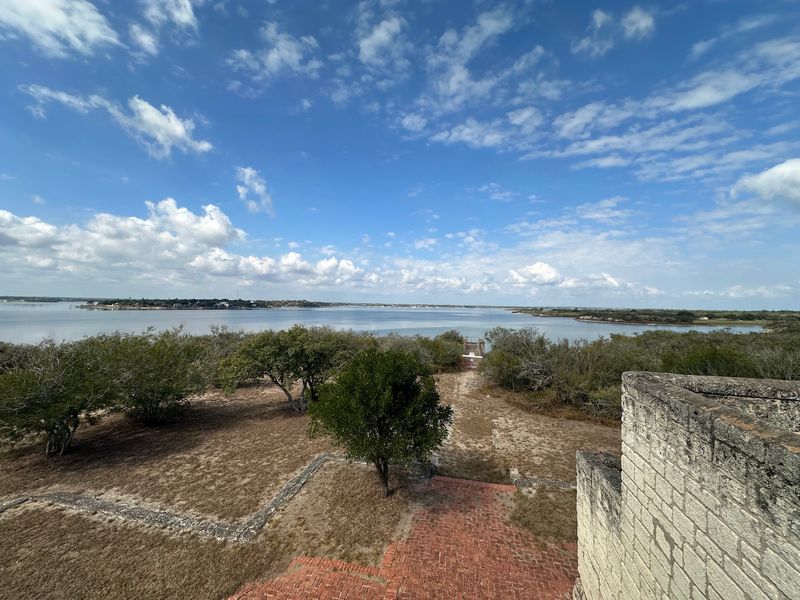
Down in South Texas where the landscape turns brushy and dry, this park sits on the shores of a reservoir that’s a lifeline for the region. The lake is big, over 18,000 acres, but the park itself stays quiet because it’s a bit off the beaten path. Most people heading to the coast drive right past without stopping, which is their loss.
Fishing is the main draw, with the lake known for producing trophy-sized catfish, bass, and crappie. The park has a lighted fishing pier that’s accessible 24 hours, so you can try your luck at night when catfish are most active. Boat ramps make launching easy, and the lake has plenty of room to explore without feeling crowded.
Water skiing and jet skiing are allowed, though you’ll see more fishing boats than anything else.
Birdwatching is surprisingly good here, with the park sitting in the Central Flyway where migratory birds pass through. You might spot herons, egrets, pelicans, and dozens of songbird species depending on the season. The South Texas brush country is home to unique species you won’t find in other parts of the state, so bring binoculars and a field guide if you’re into birding.
Campsites are spread out along the shore, some with water and electric hookups and others more primitive. The sites have shade structures, which is crucial in South Texas where summer temperatures can be brutal. There’s also a group pavilion and picnic areas if you’re planning a family gathering.
The park is about 40 minutes from Corpus Christi, making it a good escape from the beach crowds if you want a different kind of coastal experience. Spring and fall are the best times to visit when temperatures are more moderate.
8. Inks Lake State Park (Burnet)
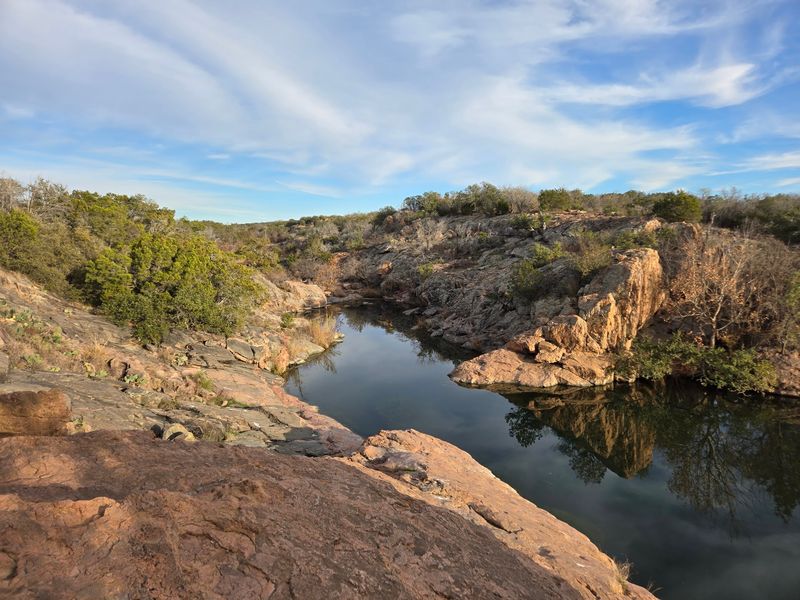
Pink granite boulders the size of cars dot the landscape here, creating a playground for hikers, climbers, and anyone who loves scrambling over rocks. The lake is one of the Highland Lakes chain, and unlike some of its neighbors, Inks Lake maintains a constant level year-round, which means the shoreline stays accessible and the water is always there for swimming, paddling, or fishing.
The Valley Spring Trail is a must-do, taking you over and around granite formations with views of the lake and surrounding hills. It’s not a long hike, only about a mile, but the terrain is fun and engaging rather than just a flat walk. Devil’s Waterhole is a natural pool formed by granite outcroppings where you can swim in water that’s shockingly clear and cold.
It’s a popular spot on hot days, but early mornings are usually quiet.
Fishing from the shore or a boat can yield bass, catfish, and crappie. The park has a boat ramp and a fishing pier, plus you can rent kayaks and canoes if you want to paddle around the coves and inlets. The water is calm most days, making it perfect for beginners or families with kids.
Stand-up paddleboarding is also popular here, with plenty of protected areas to practice without worrying about boat traffic.
Campsites range from basic tent spots to full hookups for RVs, and there are also cabins if you want a roof and a real bed. The park is about an hour from Austin, so it’s a popular weekend getaway, but weekdays stay pretty quiet. Spring wildflowers blanket the hillsides in March and April, and fall brings cooler temperatures and fewer crowds.
The nearby town of Burnet has restaurants and shops if you need a break from camp cooking.
9. Abilene State Park (Tuscola)
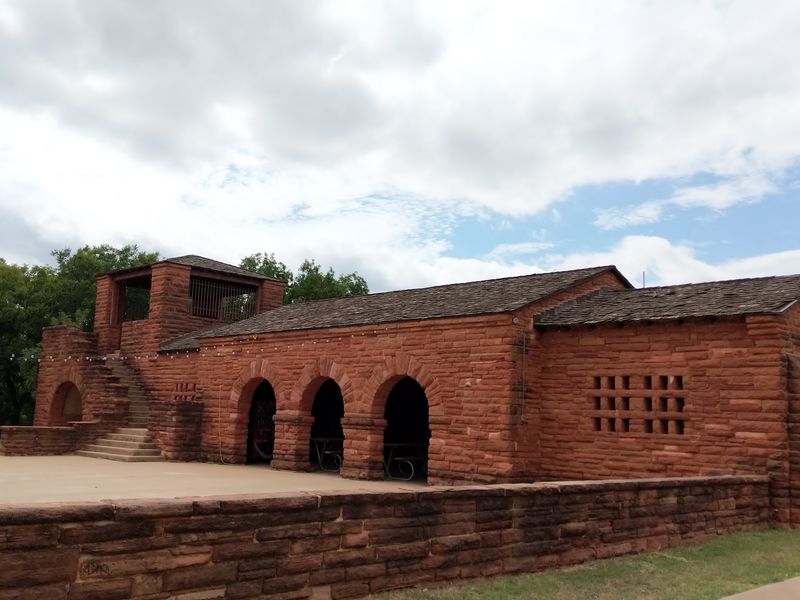
Out in West Texas where trees are scarce, this park is a green oasis built around a spring-fed creek. Towering pecan trees provide shade over picnic areas and campsites, creating a cool retreat from the hot, open prairie that surrounds the park. It’s a Civilian Conservation Corps park from the 1930s, and the stone structures they built still stand, adding historic character to the landscape.
The creek runs through the middle of the park, and while it’s not deep enough for swimming, it’s perfect for wading and cooling off. A large swimming pool built by the CCC is the main place to take a dip, and it’s fed by the same spring water that keeps the creek flowing. The pool is open seasonally, usually from Memorial Day through Labor Day, and it’s a popular spot for families.
Hiking trails wind through the park, passing under pecan groves and along the creek. The trails aren’t long, but they offer a nice break from driving across the flat West Texas landscape. Wildlife is common, with white-tailed deer, raccoons, and armadillos frequently spotted.
Birdwatching is good year-round, with species adapted to the semi-arid climate making their home here.
Camping options include sites with full hookups, water and electric only, and primitive tent spots. The sites are well-shaded and spread out enough to feel private. There are also screened shelters if you want protection from bugs without being fully enclosed.
The park is about 15 miles from Abilene, close enough to make supply runs but far enough to feel removed from city noise. Summer temperatures can be extreme, so spring and fall are the most comfortable times to visit. The park rarely gets crowded, even on holiday weekends, making it a reliable escape.
10. McCown Valley Park (Whitney)
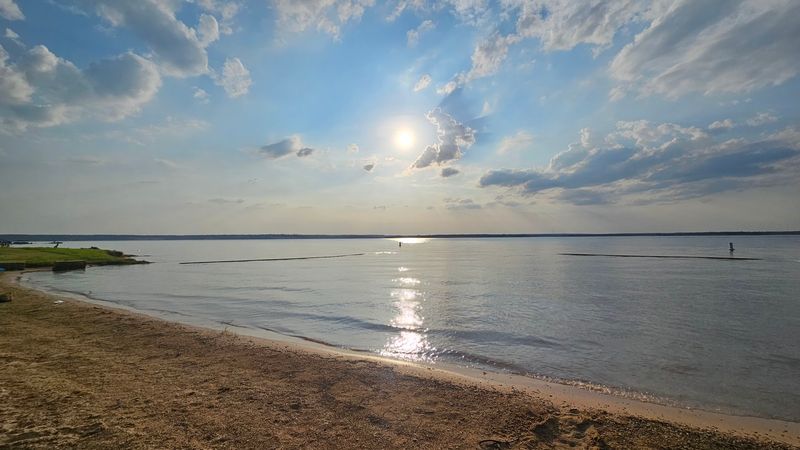
Managed by the Army Corps of Engineers, this park sits on Lake Whitney’s northern shore where limestone cliffs meet the water. It’s less developed than typical state parks, which is exactly why it stays quiet. The facilities are basic, but the scenery and solitude make up for any lack of amenities.
You won’t find gift shops or crowded beaches here, just you and the lake.
The shoreline is rocky and rugged, with cliffs dropping into deep water that’s perfect for fishing. Bass, crappie, and catfish are abundant, and you can fish from the shore or launch a boat at the ramp. The lake is big enough that even on busy weekends, you can find empty coves and inlets.
Kayaking and canoeing are popular, with miles of shoreline to explore and plenty of protected areas away from boat traffic.
Camping is primitive, with sites scattered along the bluffs overlooking the lake. There are no hookups, so you’ll need to be self-sufficient with water, power, and waste. The views from the campsites are worth the lack of amenities, especially at sunrise when the light hits the water and the cliffs glow orange.
Campfires are allowed in designated rings, and there’s nothing quite like sitting by a fire with the lake stretched out below you.
Hiking is informal, with trails that are more like paths worn by other visitors than official routes. You can walk along the cliffs, down to the water, or through the scrubby hillsides. Wildlife is common, including deer, wild turkeys, and various bird species.
The park is about 90 minutes from Fort Worth, making it an easy weekend trip. Spring and fall are ideal, with mild temperatures and blooming wildflowers adding color to the landscape. If you’re looking for a true escape without crowds or commercialization, this is it.
11. Guadalupe River State Park (Spring Branch)
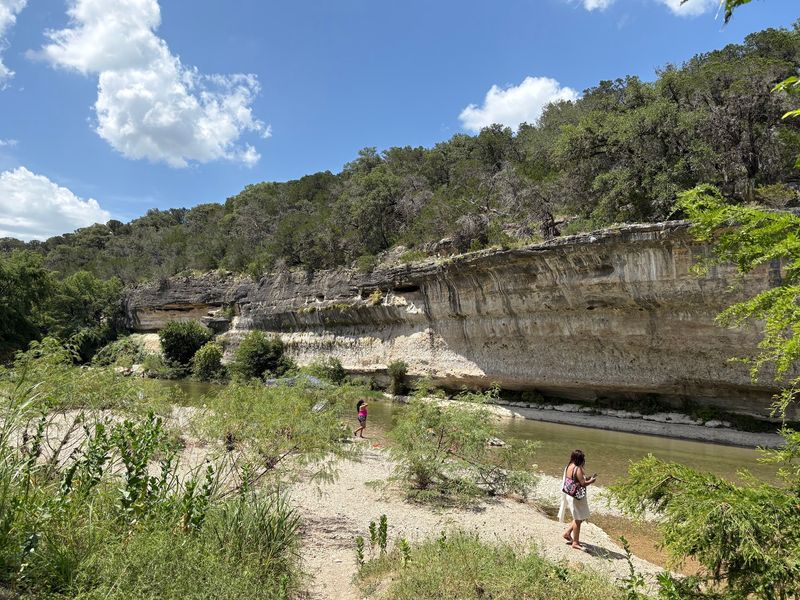
Where the Guadalupe River cuts through the Hill Country, this park protects four miles of pristine riverfront that’s somehow stayed off most tourists’ radars. The river here is calm and clear, flowing over limestone and gravel beds with cypress trees lining the banks. It’s one of those places where you can sit by the water and actually relax without crowds of tubers floating past every five minutes.
Swimming and wading are the main activities, with several spots along the river where you can slip into the water and cool off. The current is gentle in most areas, making it safe for kids and anyone who’s not a strong swimmer. Deeper pools exist where you can actually swim rather than just wade, and the water stays cold even in the heat of summer thanks to spring-fed tributaries.
Hiking trails explore the river bottomland and climb into the hills above the park. The trails range from easy riverside walks to more challenging climbs that reward you with views over the valley. Wildflowers bloom in spring, and fall brings cooler temperatures and changing leaves on the cypress trees.
Wildlife is abundant, with white-tailed deer, armadillos, and countless bird species calling the park home.
Campsites are spread across several areas, some near the river and others up in the hills. You’ll find sites with water and electric hookups as well as primitive tent camping. Walk-in sites are available if you want more solitude and don’t mind carrying your gear a short distance.
The park is about 30 minutes north of San Antonio, but it feels much more remote. Weekdays are your best bet for peace and quiet, though even weekends don’t get as crazy as nearby river parks. Bring your own tubes or kayaks because rentals aren’t available inside the park.
Share this story