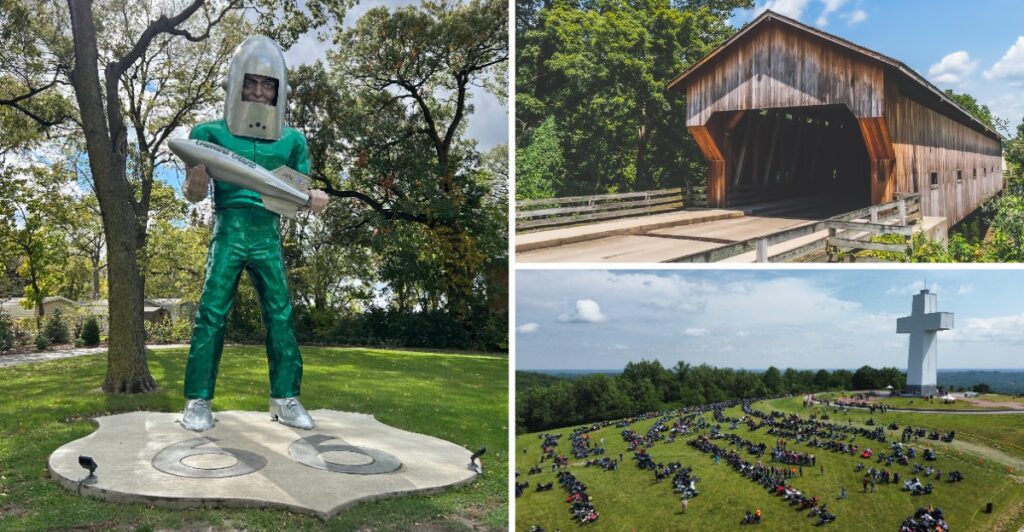
The fastest route across Illinois is not always the one you will remember. Leave the interstate behind and the scenery can shift to Mississippi River bluffs, wooded hills, historic small towns, open prairie, and winding roads that make slowing down feel like part of the plan.
These quieter routes reveal a side of the state that travelers racing between exits can easily miss, especially when fall color transforms the landscape. You do not need a packed itinerary or even a destination to enjoy them. Fill the tank, choose the back roads, and let these 11 scenic Illinois drives turn the long way home into the best part of the trip.
1. Meeting of the Great Rivers National Scenic Byway (Southwestern Illinois)
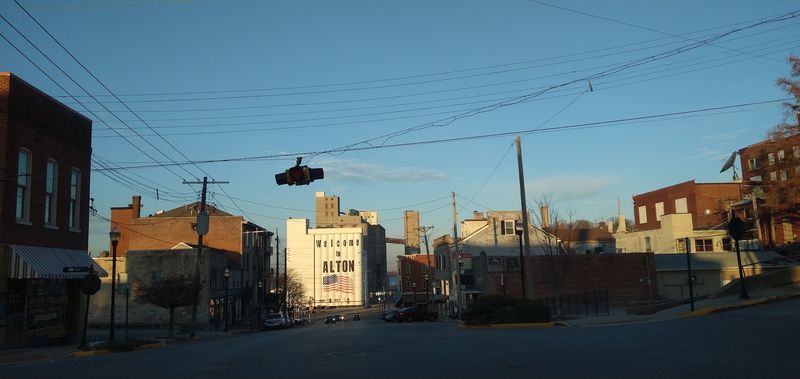
Picture limestone cliffs on one side of the car and a wide, slow river on the other. That is the basic recipe for this 33-mile route between Hartford and Grafton, and it delivers every single time.
The byway hugs the Mississippi River through some of the most dramatic bluff country in the Midwest. Tall pale rock walls rise above the pavement, often draped in vines and trees. On calm days, the water turns into a mirror, copying the hills almost perfectly.
Autumn is the headline season here. When the leaves shift to gold, orange, and deep red, the bluffs look like they were painted overnight. Weekends can get busy during peak color, so an early start helps you enjoy the views before traffic builds.
Not a fall person? No problem. Winter brings a different kind of show, since bald eagles are known to gather along this stretch of river during the colder months. Bring binoculars and scan the treetops near the water.
Grafton sits at the end of the route like a reward. The small river town sits where the Illinois River joins the Mississippi, and its streets are lined with places to grab a bite, browse shops, or simply watch boats drift by. Hartford, at the other end, connects the drive to the area where Lewis and Clark prepared for their famous journey west.
Short enough for an afternoon, the drive still packs in a lot. You can roll through in under an hour, but most people end up stopping several times at pull-offs, parks, and overlooks along the way.
Pack a jacket, even in early fall. Wind coming off the river can feel cooler than you expect, especially when you are standing at a scenic overlook soaking in the view.
2. Historic National Road Scenic Byway (Eastern to Southwestern Illinois)
Long before interstates, there was the National Road. Built as the country’s first federally funded highway, it carried wagons, stagecoaches, and settlers westward, and Illinois has its own stretch of that story.
Today the route crosses the state from the Indiana border toward the St. Louis area. Much of it follows or runs near modern highways, but the pace is far more relaxed. Expect two-lane roads, small downtowns, and long views of open farmland.
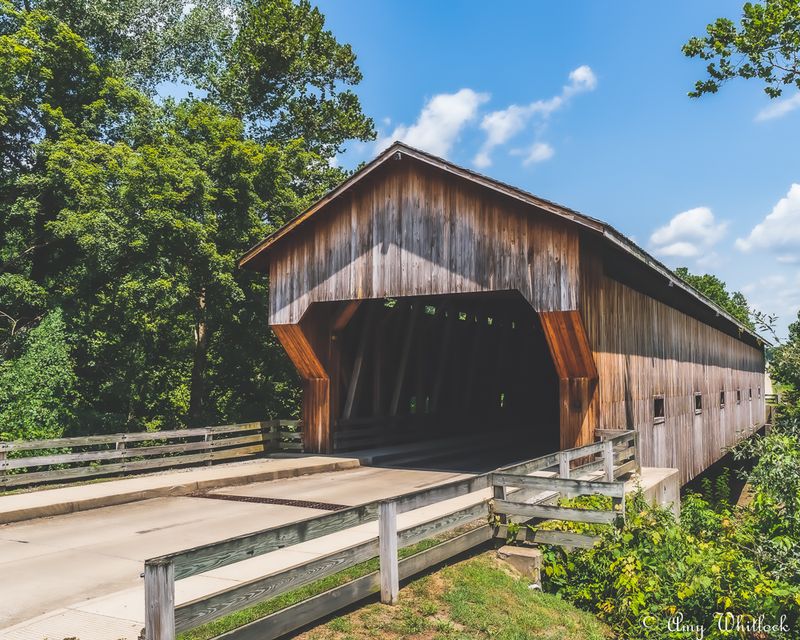
History pops up in surprising places. Old brick buildings, historic bridges, and markers tell pieces of the road’s past. Towns such as Marshall, Greenup, and Vandalia each add their own flavor, and Vandalia once served as the state capital before Springfield took over.
Greenup is a fun stop for anyone who likes old-fashioned charm. The town is known for its covered bridge and its downtown buildings with classic porches. It is the kind of place where a short stretch of the legs turns into a full hour of wandering.
The countryside between towns is just as important. Fields roll out in every direction, barns appear on the horizon, and the sky seems bigger than usual. Summer brings tall green crops, while fall swaps them for golden stalks and harvest activity.
Drivers who enjoy a story behind their scenery will feel right at home. Every mile is part of the larger tale of how Americans moved west and built new lives along the way.
A full trip across the state can take most of a day if you stop often. Shorter sections work well too, especially if you pick one or two towns and explore them properly instead of rushing between them.
3. Ohio River Scenic Byway (Southern Illinois)
Down at the very bottom of Illinois, the land starts acting a little rebellious. Hills rise, forests thicken, and the Ohio River slides along the edge of the state like it owns the place.
The Ohio River Scenic Byway follows that river through southern Illinois toward Cairo, where the Ohio meets the Mississippi. It is a long route with a remote, tucked-away personality. Traffic is light, towns are small, and stretches of woods can go on for miles.
River towns such as Shawneetown, Elizabethtown, Golconda, and Metropolis give the drive its rhythm. Each one has its own character, from historic buildings to river views from town parks. Metropolis even leans into a famous comic book hero, complete with a large statue that makes for a silly photo stop.
Nature is a big part of the experience. Parts of the route pass near Shawnee National Forest, where rocky bluffs and hiking trails sit just off the road. Spring brings blooming trees and fresh green leaves, and fall turns the hills into a patchwork of warm colors.
Cairo, at the end, carries a quieter, more serious kind of history. The town once thrived as a busy river port, and many of its older buildings still hint at that era. Fort Defiance State Park nearby marks the spot where the two great rivers join.
Gas stations and restaurants can be spread out, so fueling up before long stretches is a smart move. Cell service may also be spotty in hilly areas.
Plan for more than one day if you want to see it all. The route rewards slow travelers who like to stop, look around, and let the river set the pace.
4. Great River Road (Western Illinois)
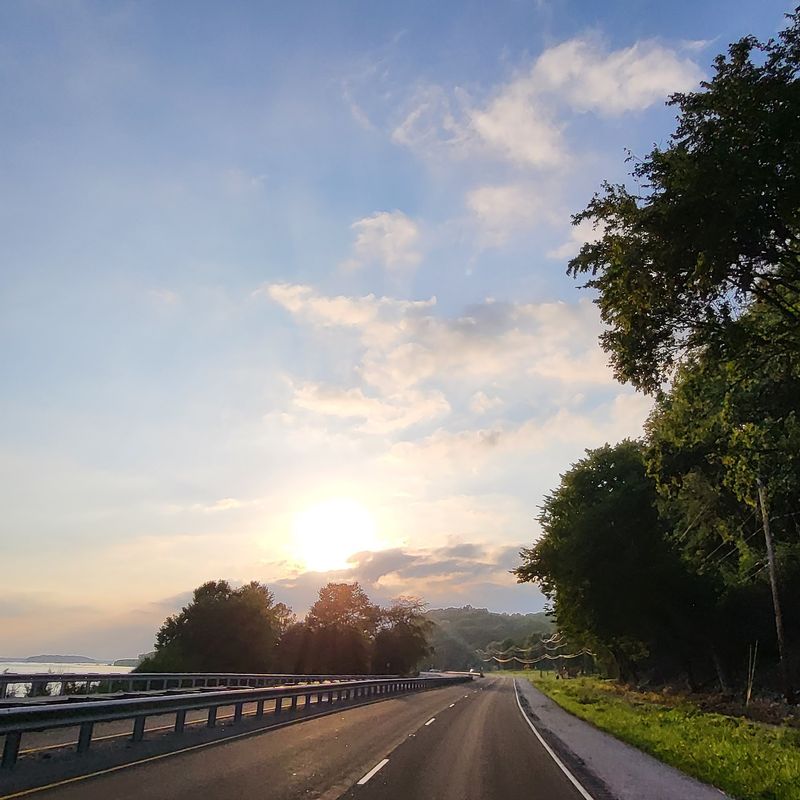
Ask a Midwesterner to name a classic road trip, and the Great River Road usually comes up fast. Illinois gets a long, rich slice of this route along its entire western edge.
The Mississippi River is the star the whole way. Some stretches put you right beside the water, close enough to watch barges push loads of cargo upstream. Other sections climb near bluffs, offering wide views across the river into Iowa and Missouri.
Variety keeps things interesting. Up north, Galena shows off its hilly streets and preserved brick buildings. Farther south, Nauvoo offers historic sites and quiet streets, while towns like Quincy feature grand old homes and river parks.
The Quad Cities area adds a bit of city energy. Riverfront trails, parks, and lock and dam viewing spots let you watch boats rise and fall as they pass through. Kids and adults alike tend to find this surprisingly fun to watch.
Little pull-offs are everywhere. River overlooks, small parks, and boat launches give you plenty of chances to stop without planning much ahead. Some of the best views come from spots you will not find in a guidebook.
Here is a quick fact to share at your next stop: the Great River Road runs through ten states, from Minnesota all the way to Louisiana. Illinois is one of the few states where you can drive alongside the river for such a long distance.
Treat it like a menu rather than a single trip. Pick a section, explore a couple of towns, and save the rest for another weekend. The road is long enough to fill several adventures, and each part has its own personality worth discovering at a relaxed pace.
5. Illinois River Road National Scenic Byway (Central Illinois)
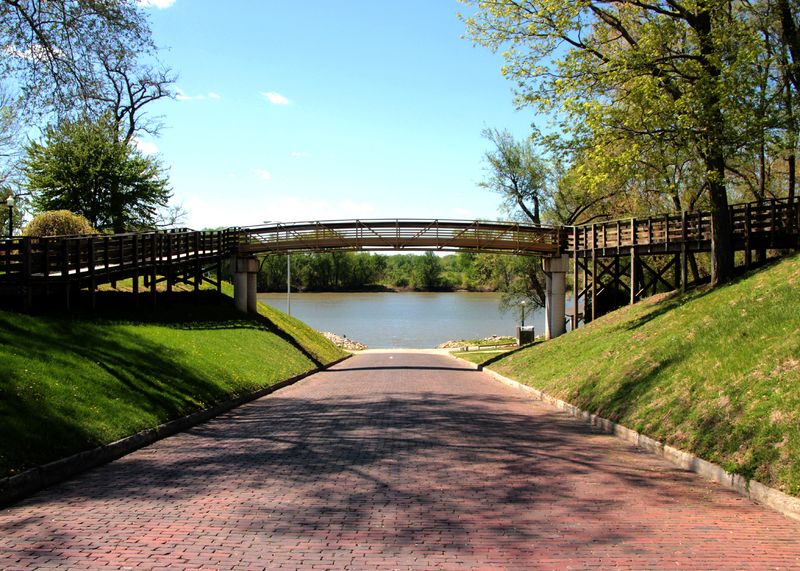
Herons standing still in shallow water. Ducks lifting off a marsh. A river bending lazily through forest and prairie. Welcome to one of the most wildlife-friendly drives in the state.
The Illinois River Road stretches between Ottawa and Havana, following the Illinois River through the heart of central Illinois. The landscape changes often, moving from wetlands to woods to lakes to open grassland.
Nature lovers get plenty of chances to stop. State parks and wildlife areas sit along the route, and many offer trails, overlooks, and viewing spots. Starved Rock State Park, near the northern end, is famous for its sandstone canyons and seasonal waterfalls.
Birdwatching is a big deal here. The river valley is an important path for migrating birds, especially in spring and fall. Even casual watchers often spot pelicans, eagles, or large flocks of waterfowl.
River towns break up the drive nicely. Peoria brings restaurants and riverfront parks, while smaller places like Lacon, Henry, and Havana offer a quieter, small-town pace. Havana in particular has a laid-back river vibe that suits the end of a long day.
The route also connects to Native American history. The Dickson Mounds Museum, near Lewistown, explores thousands of years of life in the Illinois River Valley. It is an interesting stop for anyone curious about the people who lived here long before modern roads.
Morning drives tend to be the most peaceful. Mist often rises off the water early, and animals are more active before the day warms up.
With so many places to wander, the drive can easily stretch across a weekend. You can also break it into smaller sections, each with its own mix of water, woods, and wide-open sky.
6. Bald Knob Road (Alto Pass)
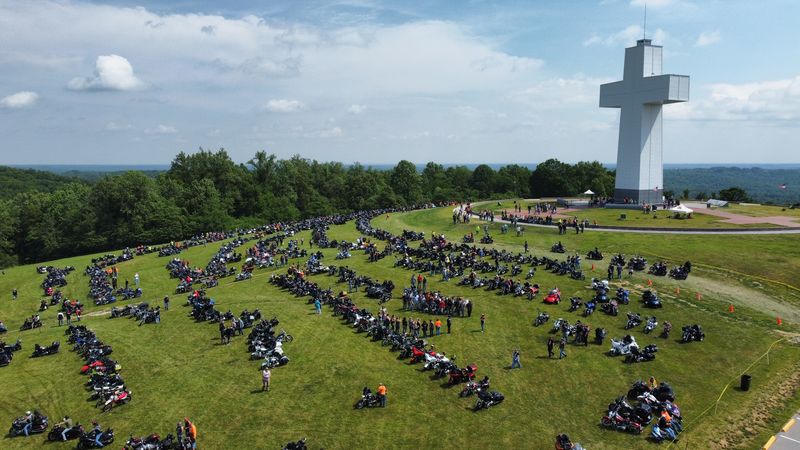
The road starts climbing almost as soon as you leave Alto Pass. Trees crowd the pavement, curves arrive one after another, and the surrounding hills make this corner of Illinois feel surprisingly remote.
Bald Knob Road winds for roughly four miles through the wooded landscape of Southern Illinois before reaching Bald Knob Cross of Peace. It is a short drive, but the twists, elevation changes, and thick forest give you plenty to look at along the way.
The destination makes the climb even more memorable. Bald Knob Cross stands high above the surrounding countryside, with expansive views stretching across the region from its hilltop setting.
Fall is an especially beautiful time to make the drive. The forest turns shades of red, orange, and gold, while cooler temperatures make stopping at the top and taking in the scenery even more inviting.
There is no need to hurry here. Slow down through the curves, enjoy the changing views between the trees, and let faster traffic pass when it is safe to do so.
The surrounding Shawnee National Forest region gives you plenty of reasons to keep exploring afterward. Alto Pass, nearby wineries, hiking areas, and other Southern Illinois attractions can easily turn this little backroad into part of a longer day trip.
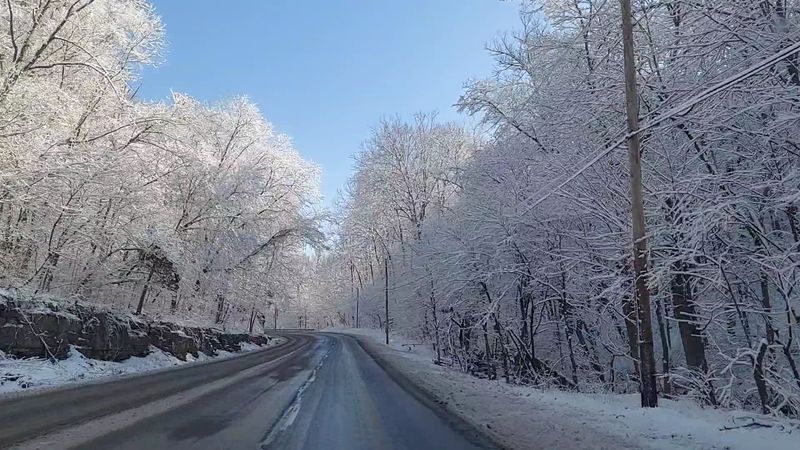
Weather can change the character of the road quickly. Rain, fallen leaves, and winter conditions can make the winding sections slick, so take the curves carefully.
Once you reach Bald Knob Cross, park and stretch your legs. The panoramic view from the top is a fitting reward for taking one of Southern Illinois’ quieter roads uphill.
7. Spoon River Valley Scenic Drive (Fulton County)
Every October, a quiet corner of western Illinois turns into one giant fall party. Small towns fill with craft booths, food stands, and visitors hunting for the perfect pumpkin or kettle corn.
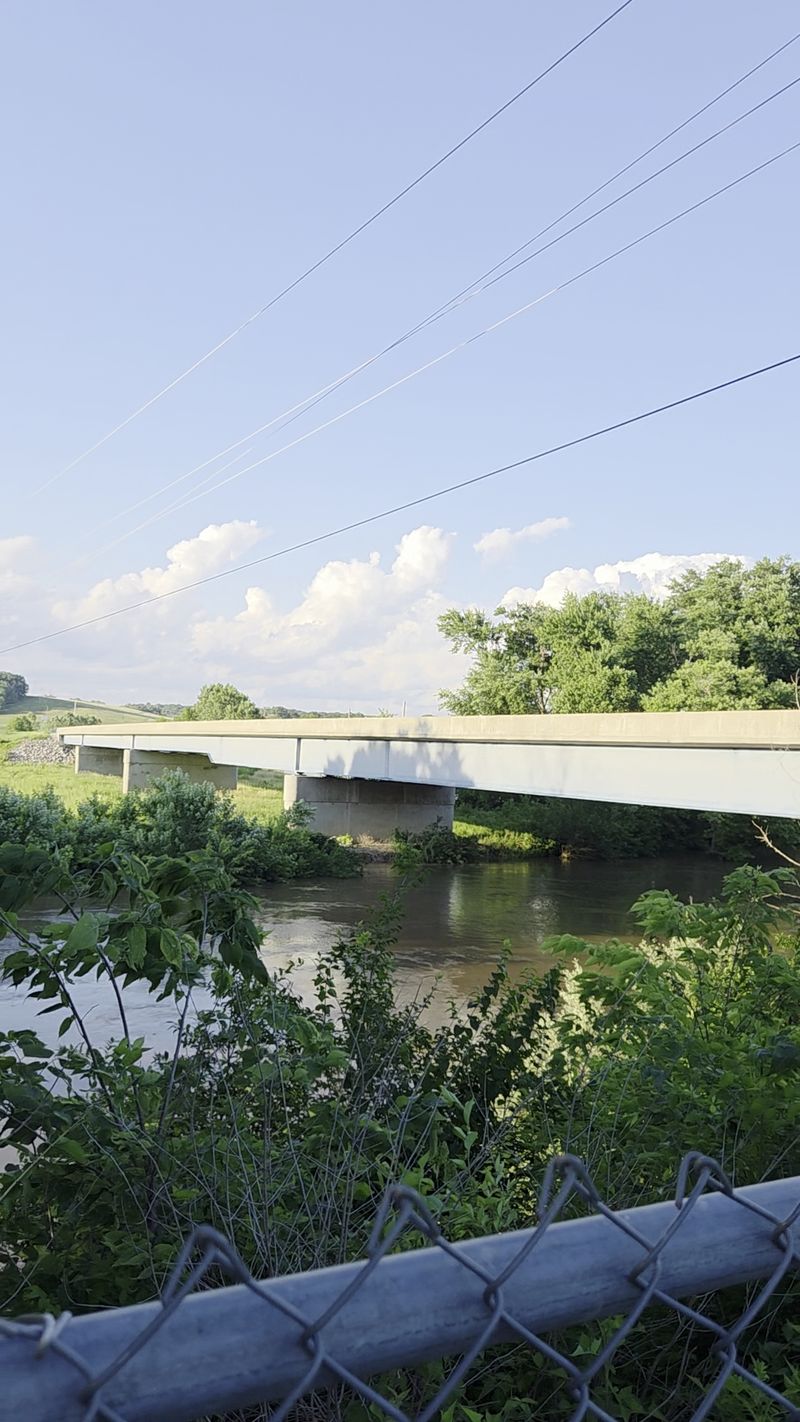
The Spoon River Valley Scenic Drive loops through the rolling countryside of Fulton County. It is one of the best-known fall drives in this part of the state, thanks to its long-running annual festival held over two weekends in early October.
During the festival, each town along the route sets up its own offerings. Visitors can find antiques, handmade goods, homemade food, and live entertainment. It is busy, cheerful, and a little bit chaotic in the best way.
But the valley is not only a festival destination. On a regular weekday, the same roads feel peaceful and wide open. Hills roll gently, the Spoon River twists through woods, and old bridges and farmsteads add character to the views.
Literature fans may recognize the name. The area inspired Edgar Lee Masters and his famous poetry collection, Spoon River Anthology, which imagines the voices of people from a small Illinois town. Lewistown, where Masters spent part of his youth, sits near the route.
Fall leaves are the main event for many drivers. The hills and riverbanks fill with color, especially during mid to late October. Spring is another lovely time, when everything turns green and fresh.
Festival weekends can be crowded, so arriving early helps if you want parking and shorter lines. Visiting just after the festival can give you the same colors with far less traffic.
Either way, plan to stop often. The best moments here usually happen in tiny towns you might otherwise drive right through.
8. Illinois Route 66 Scenic Byway (Chicago to East St. Louis)
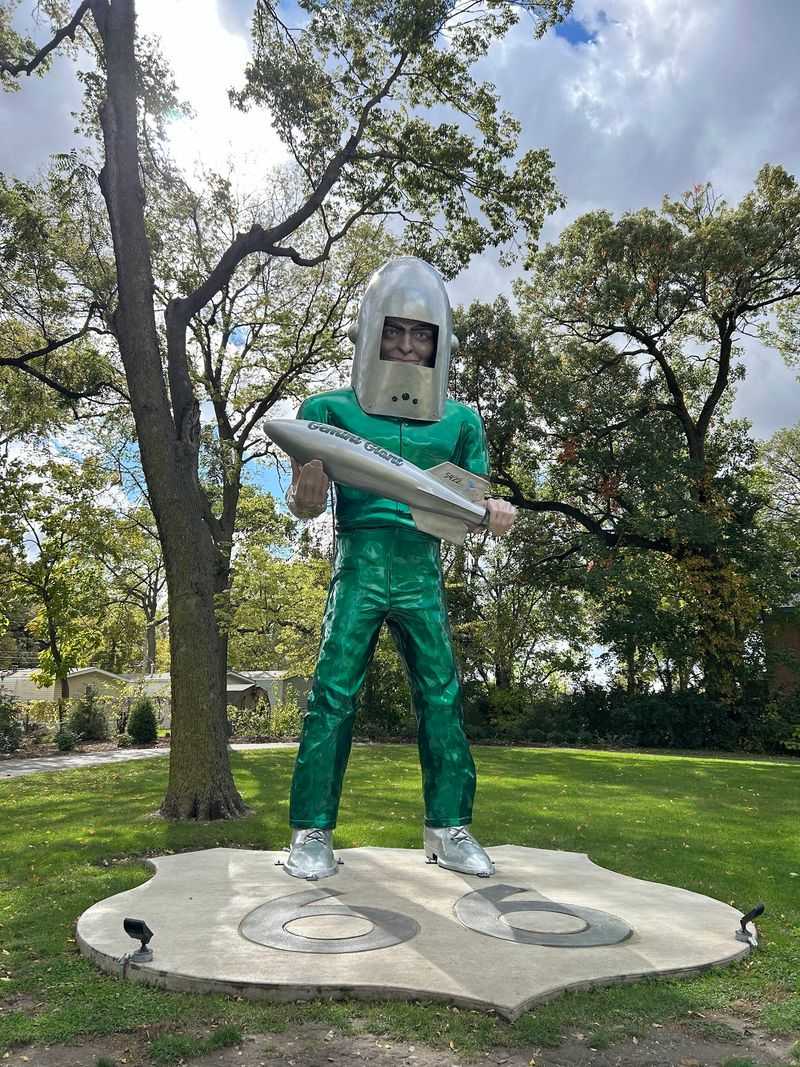
Neon signs, giant roadside statues, and diners serving pie the size of your hand. Route 66 in Illinois has all of that and more.
Known as the Mother Road, Route 66 once connected Chicago to Los Angeles. Illinois holds the very first stretch, beginning near downtown Chicago and running southwest toward the Mississippi River near East St. Louis.
The drive changes personality as it goes. City streets give way to suburbs, then to small towns and open farmland. Each part shows a different side of the state, which keeps things from feeling repetitive.
Roadside fun is everywhere. In Wilmington, a towering fiberglass astronaut known as the Gemini Giant has greeted travelers for decades. Pontiac is full of colorful murals and museums, and Atlanta is home to another giant statue, this one holding a hot dog.
Vintage gas stations are another highlight. Several restored stations along the route, such as the one in Odell, look much like they did in the road’s heyday. They make great stops for photos and a quick history lesson.
Food is part of the adventure too. Classic diners and family restaurants still serve hungry travelers, and some have been around for generations. Ordering something simple, like a burger and a milkshake, feels right at home here.
Springfield offers a bigger stop along the way. The state capital is packed with Abraham Lincoln history, from his home to his tomb and a large presidential museum.
Hundreds of miles of road means there is no need to cover everything at once. Many travelers break the trip into sections, spending a few hours or a full day in each area. The old road was made for wandering, and it still works that way today.
9. Illinois Lincoln Highway (Northern Illinois)

Back in 1913, the Lincoln Highway was a bold idea: a road stretching coast to coast across America. Northern Illinois became part of that plan, and much of the old route can still be driven today.
The highway crosses the state from the Indiana border near Chicago to the Mississippi River at Fulton. Along the way, it passes through farmland, small cities, and historic downtowns that grew up alongside early car travel.
Murals are one of the most fun features. Many towns along the route have painted large artwork on buildings, often showing scenes from the highway’s early days. Spotting them becomes a bit of a scavenger hunt as you drive.
Downtowns along the way are full of character. Places like Geneva, DeKalb, Dixon, and Franklin Grove offer historic streets, local shops, and comfortable spots to eat. Dixon is also known as the boyhood home of Ronald Reagan.
Franklin Grove holds a special spot for highway fans. The town is home to the Lincoln Highway Association headquarters, where visitors can learn about the road’s history and see memorabilia from the early days of motoring.
Between towns, the land opens wide. Corn and soybean fields stretch toward the horizon, broken up by barns, windmills, and small groves of trees. It is classic northern Illinois scenery, peaceful and steady.
Watch for red, white, and blue markers along the way. These signs help guide drivers along the historic path, which sometimes splits from modern highways.
The drive works well as a relaxed day trip. There is enough to see to stay interested, but the pace never feels rushed. Long, open stretches give your mind time to wander, while the next small town is always waiting just ahead.
10. Peoria’s Grand View Drive (Peoria)
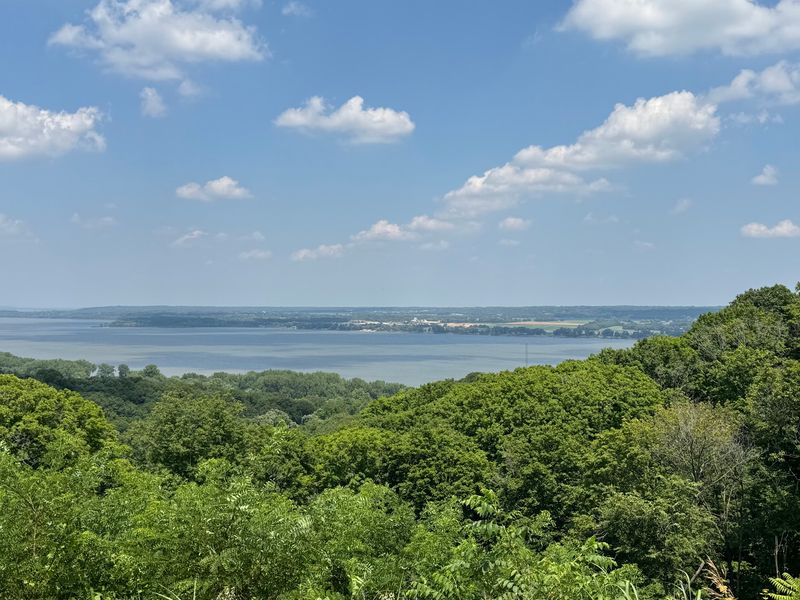
Short drives can still make a big impression. Grand View Drive proves that point in just a few miles. Winding along a bluff in Peoria, the road overlooks the Illinois River Valley from high above.
The views stretch across the river and far into the distance, especially when the trees are bare or just starting to change color.
A popular story claims that President Theodore Roosevelt once called it the world’s most beautiful drive. Whether or not he said those exact words, locals are happy to repeat the tale, and the scenery makes it easy to believe.
The road itself curves gently through tall, mature trees. Historic homes line parts of the route, many with grand porches and beautifully kept yards. Driving slowly is a must, both for safety and for taking it all in.
Grand View Park sits along the drive, offering a place to pull over and enjoy the scenery. It is a nice spot for a short walk, a picnic, or just a few quiet minutes looking out over the valley.
Fall is easily the most popular season. The trees burst into color, and the river valley below looks like a giant quilt. Sunset is another favorite time, when warm light spreads across the water.
Because the drive is short, it fits easily into a busy day. Visitors can pair it with other Peoria attractions, such as the riverfront or the city’s museums.
Families on a tight schedule, couples looking for a quick outing, and anyone passing through Peoria can all enjoy it. The road offers big-picture views without asking for a full day behind the wheel, making it a smart addition to almost any central Illinois trip.
11. Shawnee Hills Wine Trail Scenic Drive (Southern Illinois)
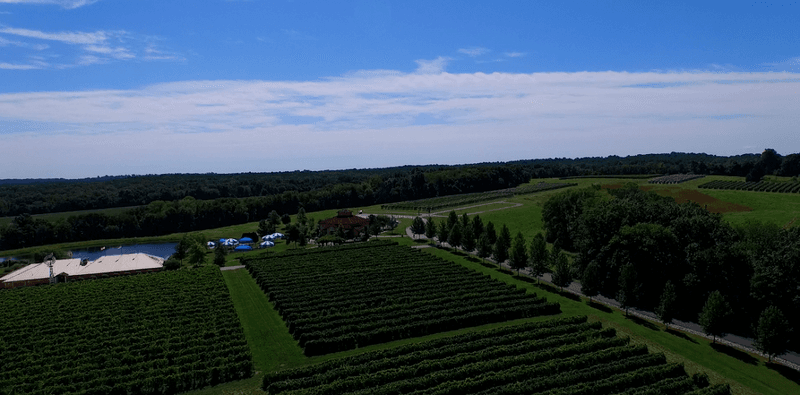
Vineyards in Illinois? Absolutely. Down in the southern part of the state, grapevines climb rolling hills surrounded by thick forests, creating scenery that surprises many first-time visitors.
The Shawnee Hills Wine Trail follows a scenic path through this region, mainly along Highways 127 and 51. Wineries and small communities dot the route, all set against the wooded backdrop of Shawnee National Forest.
Even drivers with no interest in wine will find plenty to enjoy. The hills here are some of the most dramatic in the state. Roads curve and dip, revealing new views around nearly every bend.
Nature is never far away. Shawnee National Forest offers hiking, rock formations, and scenic overlooks just a short drive from the trail. Spots like Garden of the Gods, with its striking sandstone formations, make an easy side trip.
Small towns like Alto Pass and Cobden add charm. Alto Pass is home to Bald Knob Cross, a giant cross on a hilltop that provides a sweeping view of the surrounding countryside. It is especially striking at sunset.
Many wineries along the route welcome families, offering outdoor seating, snacks, and sometimes live music. Some also sell local foods like jams, cheese, and baked goods, which make great souvenirs.
Fall and spring tend to be the most beautiful seasons. Autumn brings colorful leaves and harvest season, while spring fills the hills with blooming trees and fresh green growth.
Anyone planning to taste wine should bring a designated driver or book a local tour. Safety matters on these winding roads.
With forests, vineyards, and hilltop views, this corner of Illinois easily earns a spot on any road trip list. It is a perfect reminder that the state is far from flat.