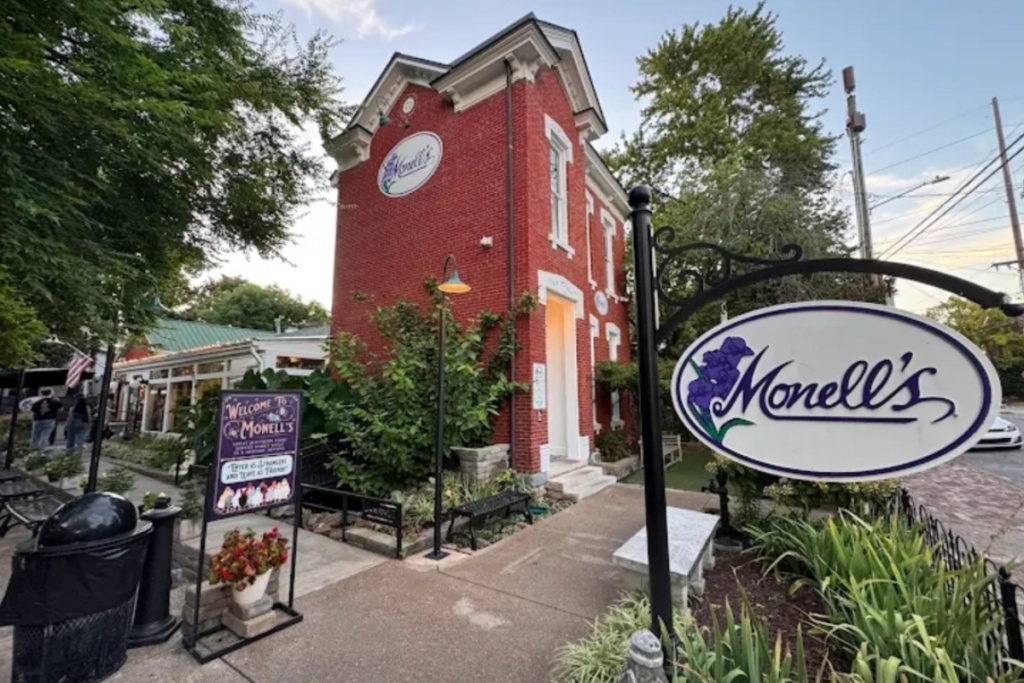
Tennessee’s restaurant scene goes far beyond typical storefronts and strip malls. Across the state, some of the most memorable dining experiences happen inside grand old homes that were never meant to be restaurants at all.
From Victorian mansions with original woodwork to Colonial Revival estates with sweeping porches, these historic properties have been transformed into unique dining destinations that pair exceptional food with architectural beauty. Walking through their front doors feels less like entering a restaurant and more like being invited into someone’s elegant home for dinner.
1. Husk, Nashville
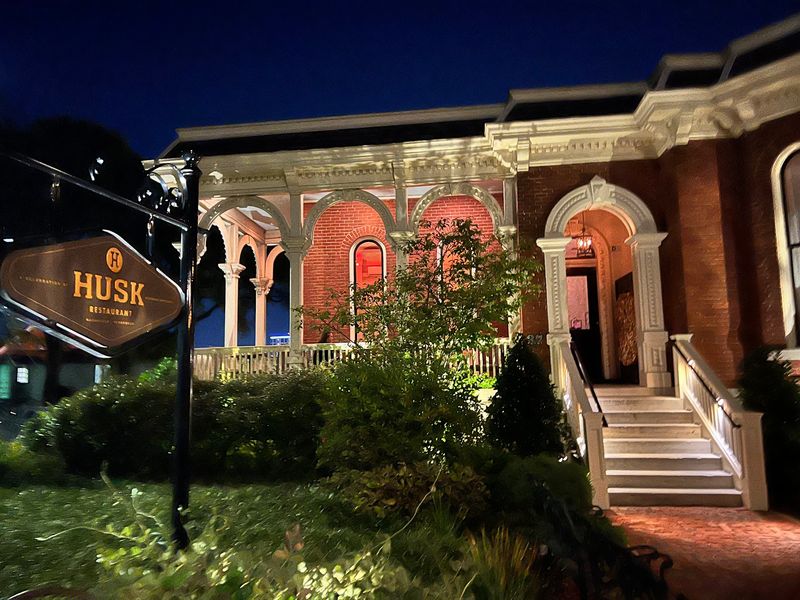
Stepping onto the porch of Husk feels like arriving at a friend’s beautifully kept antebellum home rather than a modern restaurant. The brick exterior and residential layout preserve the soul of this 19th-century Rutledge Hill property, creating an atmosphere that’s both refined and genuinely welcoming.
Inside, the rooms maintain their original character with high ceilings and period details that remind you this building has stories stretching back generations.
The menu celebrates Southern ingredients with a farm-to-table approach that changes daily based on what’s available and in season. You might find Tennessee trout one evening and locally raised pork the next, all prepared with techniques that honor regional cooking traditions while adding contemporary flair.
The kitchen takes Southern classics seriously without getting stuck in nostalgia, which means familiar flavors arrive with unexpected twists that keep things interesting.
Dining in what were once private living spaces adds an intimacy you won’t find in purpose-built restaurants. The rooms flow naturally from one to another, each with its own personality but all tied together by the home’s original architecture.
Large windows let in natural light during lunch service, while evening meals take on a cozier, more romantic feel as the sun sets over the historic neighborhood.
Reservations tend to book up quickly, especially for weekend dinners, so planning ahead makes sense if you’re set on a specific date. The staff knows the house and its history well, and they’re happy to share details about the building’s past between courses.
It’s the kind of place where the setting and the food work together to create something more memorable than either could manage alone, giving you a genuine taste of Nashville’s ability to honor its past while staying firmly rooted in the present.
2. Tekila Modern Mexican, Memphis
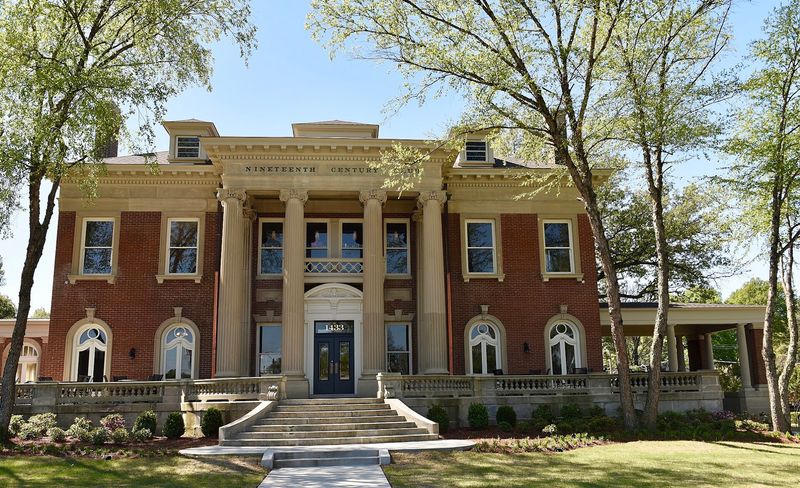
Memphis doesn’t lack for interesting restaurant locations, but Tekila Modern Mexican stands out by occupying one of the city’s most architecturally significant properties. The 1909 Rowland J. Darnell House brings serious historic credentials to the table, literally. This Colonial Revival and Beaux-Arts mansion once served as headquarters for the Nineteenth Century Club, giving it a cultural pedigree that extends beyond just looking impressive from the curb.
Walking into a building this grand to order tacos and margaritas creates a delightful contrast that somehow works perfectly. The mansion’s formal rooms and elegant proportions provide an unexpectedly sophisticated backdrop for modern Mexican cuisine that’s both creative and approachable.
You’re surrounded by architectural details that speak to early 20th-century craftsmanship while enjoying food that’s firmly contemporary, and the combination feels fresh rather than forced.
The menu goes well beyond standard Tex-Mex offerings, incorporating ingredients and techniques that give familiar dishes new dimensions. Fresh ceviches, inventive tacos, and carefully crafted cocktails show up alongside more traditional favorites, all served in spaces that were originally designed for Memphis society gatherings rather than restaurant service.
The building’s bones lend a sense of occasion to even casual meals, making dinner here feel special without requiring formal dress or stiff behavior.
The bar program deserves attention on its own, with a tequila and mezcal selection that goes deep enough to satisfy serious enthusiasts while remaining accessible to newcomers. Sitting in these historic rooms with a well-made margarita in hand, you get a real sense of how Memphis blends past and present without overthinking it.
The mansion’s grandeur never overshadows the food, but it definitely enhances the overall experience, giving you something to appreciate beyond what’s on your plate.
3. Finn’s Irish Restaurant & Tavern, Knoxville
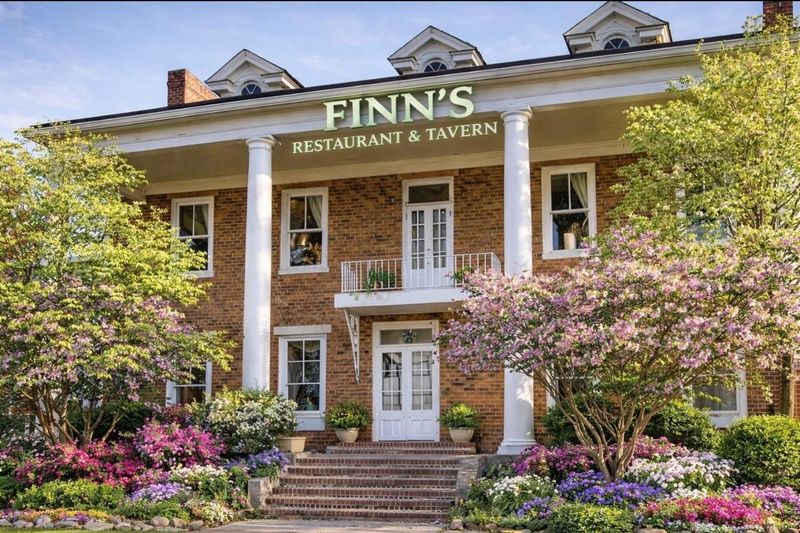
Finding an authentic Irish pub inside one of Knoxville’s oldest homes might seem unlikely, but Finn’s pulls it off with genuine charm. The Baker-Peters House dates back far enough that its walls have witnessed most of Knoxville’s modern history, and the restaurant preserves that sense of age while serving up traditional Irish fare and a solid selection of beers.
You’re literally eating dinner in rooms where families once lived their daily lives, which adds a layer of intimacy most restaurants can’t replicate.
The building’s layout works surprisingly well for restaurant service, with multiple rooms creating natural dining spaces that feel cozy rather than cramped. Original architectural features remain visible throughout, reminding you constantly that this place started as someone’s home long before it became a business.
Wood floors, period trim, and the overall residential scale keep the atmosphere grounded in history even as servers navigate the space with practiced efficiency.
Irish comfort food forms the menu’s backbone, with dishes like shepherd’s pie, fish and chips, and corned beef showing up alongside more contemporary options. The kitchen doesn’t try to reinvent traditional recipes, which is exactly the right approach in a setting this rooted in the past.
You come here for familiar flavors done well, served in surroundings that feel worlds away from typical restaurant environments.
The tavern side of the operation emphasizes the social aspect of Irish pub culture, offering a space where lingering over drinks feels not just acceptable but encouraged. Live music happens regularly, filling the old house with sounds that probably aren’t too different from gatherings that happened here generations ago.
It’s a place where Knoxville’s history becomes tangible rather than abstract, giving you a direct connection to the city’s past while you enjoy your meal and conversation in rooms that have hosted countless others before you.
4. High Point Restaurant, Monteagle
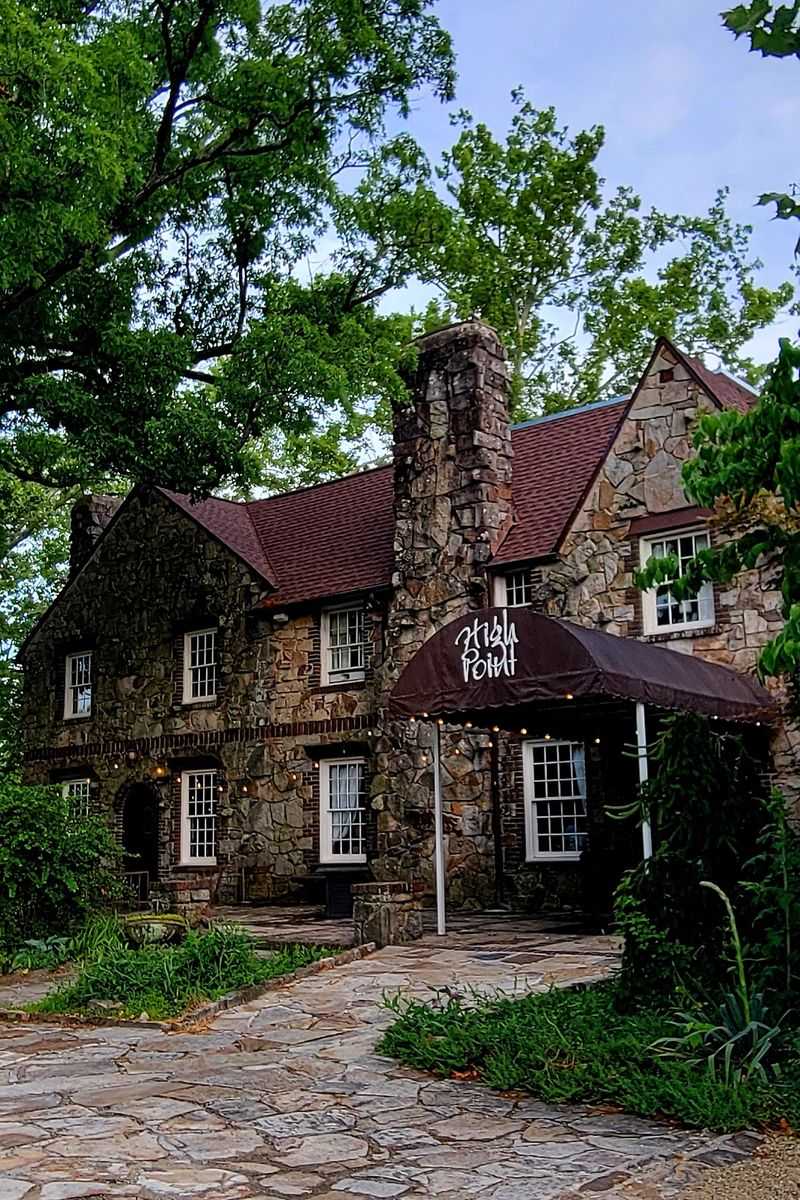
High Point Restaurant occupies a 1929 mansion so dramatic that the building itself nearly steals the show from the food. Three full stories of original architecture rise up in Monteagle, complete with hardwood floors, vintage light fixtures, and details that transport you straight back to the early 20th century.
But the real intrigue comes from the property’s more unusual features: escape hatches built into the structure and underground tunnels that hint at a past more colorful than your typical family home.
Those tunnels and hidden passages aren’t just rumor or restaurant marketing. They’re genuinely part of the building’s history, adding an element of mystery that makes exploring the space between courses feel like a mini adventure.
The mansion was clearly built by people who valued both grandeur and discretion, and those dual qualities remain woven into the property’s character today. You can feel the weight of that history as you move through rooms that have maintained their original proportions and much of their period detail.
The restaurant takes advantage of all three floors, giving diners options for different atmospheres depending on where they’re seated. Lower levels feel more intimate and cave-like, while upper floors offer views and a lighter, airier quality.
The menu focuses on upscale Southern cuisine with steaks, seafood, and regional specialties prepared with attention to both tradition and contemporary tastes. It’s special-occasion food served in a setting that absolutely matches that level of formality.
Monteagle’s location on the Cumberland Plateau makes High Point a natural stop for travelers heading through the area, but the mansion itself is reason enough to make a dedicated trip. The combination of architectural drama, historical intrigue, and solid food creates an experience that lingers in memory long after you’ve finished your meal and explored the last of the building’s three fascinating floors.
5. The Restaurant at RT Lodge, Maryville
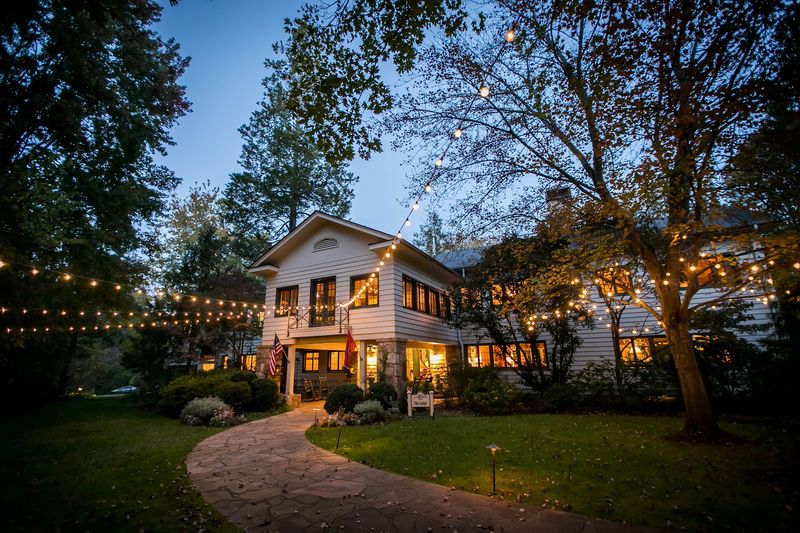
RT Lodge started life as Morningside, a private residence so substantial that its 26 rooms required serious wealth and ambition to build back in 1932. The property sits on wooded grounds outside Maryville, creating the kind of secluded, estate-like atmosphere that makes you feel like you’ve left everyday Tennessee behind for somewhere more rarefied.
The house itself maintains the elegant proportions and craftsmanship of its era, with details that speak to a time when homes like this were built to last generations and impress everyone who walked through their doors.
Converting a mansion this size into a lodge and restaurant required vision, but the transformation respects the building’s original character rather than fighting against it. The dining spaces retain their residential feel, with rooms that flow naturally from one to another and windows that frame views of the surrounding woods.
You’re eating in what were once private spaces, which creates an intimacy that purpose-built restaurants struggle to achieve no matter how much money they pour into design.
The menu emphasizes ingredients sourced from the property’s own farm and nearby producers, creating a true farm-to-table experience that’s more than just marketing speak. Seasonal vegetables, locally raised meats, and regional products show up prepared with techniques that honor their quality without overcomplicating things.
The kitchen understands that when you start with exceptional ingredients in a setting this special, restraint often works better than culinary gymnastics.
Staying overnight at the lodge extends the experience beyond just dinner, letting you wake up in the mansion and explore the grounds at your leisure. But even if you’re just coming for a meal, the combination of historic architecture, beautiful natural surroundings, and thoughtfully prepared food makes the drive to Maryville worthwhile.
It’s the kind of place that reminds you why people built grand country estates in the first place.
6. Miss Mary Bobo’s Boarding House, Lynchburg
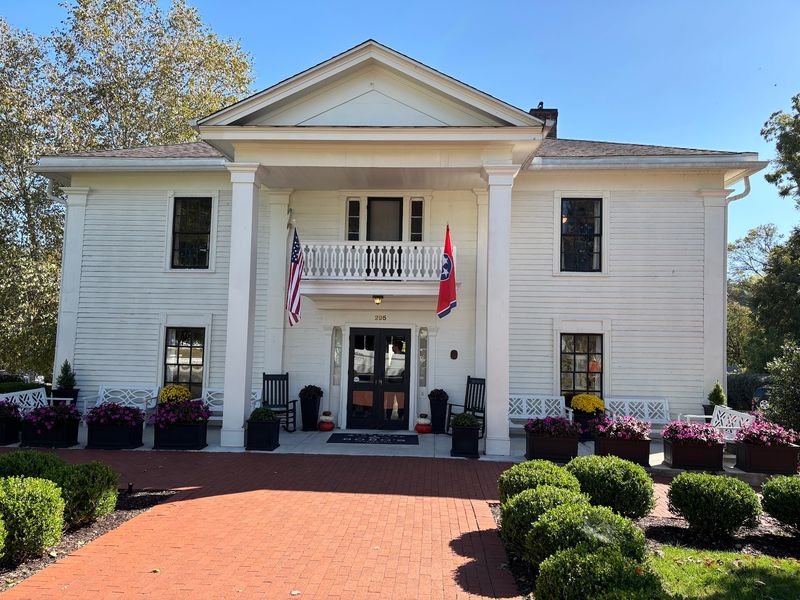
Calling Miss Mary Bobo’s a restaurant doesn’t quite capture what happens here. The Greek Revival building dates back to the 1800s, with portions that have stood through generations of Tennessee history, first as a hotel, then as a boarding house, and now as one of the state’s most unusual dining experiences.
The communal meal format harks back to the property’s boarding house days, when guests gathered around shared tables and passed dishes family-style rather than ordering individual plates from a menu.
That tradition continues today, with strangers becoming temporary tablemates as platters of Southern cooking make their way around. Fried chicken, vegetables, cornbread, and desserts arrive in abundance, prepared using recipes that have barely changed over the decades.
You’re expected to help yourself and pass things along, creating an atmosphere of forced friendliness that somehow works despite sounding awkward in theory. The building’s residential scale and period details reinforce the feeling that you’ve been invited into someone’s home rather than seated in a commercial establishment.
Reservations are absolutely required and book up well in advance, especially during peak tourist seasons when Lynchburg fills with visitors coming to tour the nearby Jack Daniel’s distillery. The meal follows a set schedule, with seatings at specific times and no flexibility for latecomers.
That rigidity is part of the experience, a throwback to an era when dining operated on the establishment’s terms rather than catering to individual preferences and schedules.
Lynchburg’s small-town character amplifies the time-travel feeling of eating at Miss Mary Bobo’s. The whole town seems preserved in amber, and the boarding house fits perfectly into that carefully maintained historic atmosphere.
You’re not just eating good Southern food in an old building; you’re participating in a tradition that connects directly to Tennessee’s past, sharing a table with strangers the way travelers and boarders once did when this house actually functioned as lodging rather than a tourist attraction.
7. Nick’s Restaurant & Lounge, Cookeville
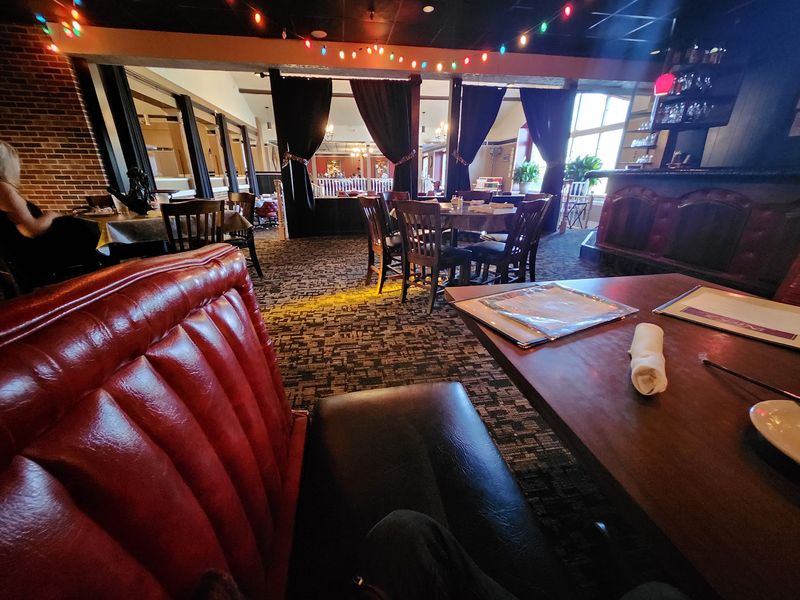
Cookeville isn’t the first Tennessee city that comes to mind for memorable restaurant experiences, which makes Nick’s something of a hidden gem worth seeking out. The restaurant operates inside a historic house that maintains its residential character so completely that approaching the front door feels more like arriving for a dinner party than restaurant service.
Once inside, that impression only strengthens as you navigate rooms that were clearly designed for family life rather than commercial dining.
Italian-inspired cuisine forms the menu’s foundation, with pasta dishes, seafood, steaks, and classic preparations that emphasize straightforward flavors over trendy techniques. The kitchen doesn’t try to reinvent Italian-American cooking, instead focusing on executing familiar dishes well and consistently.
In a setting this intimate and house-like, that approach makes perfect sense. You want comfort food that matches the cozy, residential atmosphere rather than avant-garde presentations that would clash with the surroundings.
The building’s layout creates several distinct dining areas, each with its own character but all sharing that fundamental quality of feeling like someone’s home. Original architectural details remain visible throughout, from trim work to flooring to the overall room proportions that mark the structure as genuinely old rather than recently built to look historic.
The lounge portion of the operation adds a social dimension, giving you space to linger over drinks either before or after your meal.
Cookeville sits roughly halfway between Nashville and Knoxville, making Nick’s a logical stop for travelers crossing the state who want something more interesting than chain restaurants clustered around interstate exits. But the restaurant also serves as a genuine neighborhood spot for locals, which keeps it grounded and unpretentious despite the special setting.
It’s the kind of place where good food and historic atmosphere combine without any fussiness or self-importance, just solid Italian cooking served in a house that’s been welcoming diners for long enough to have the routine down perfectly.
8. The Barn at Blackberry Farm, Walland
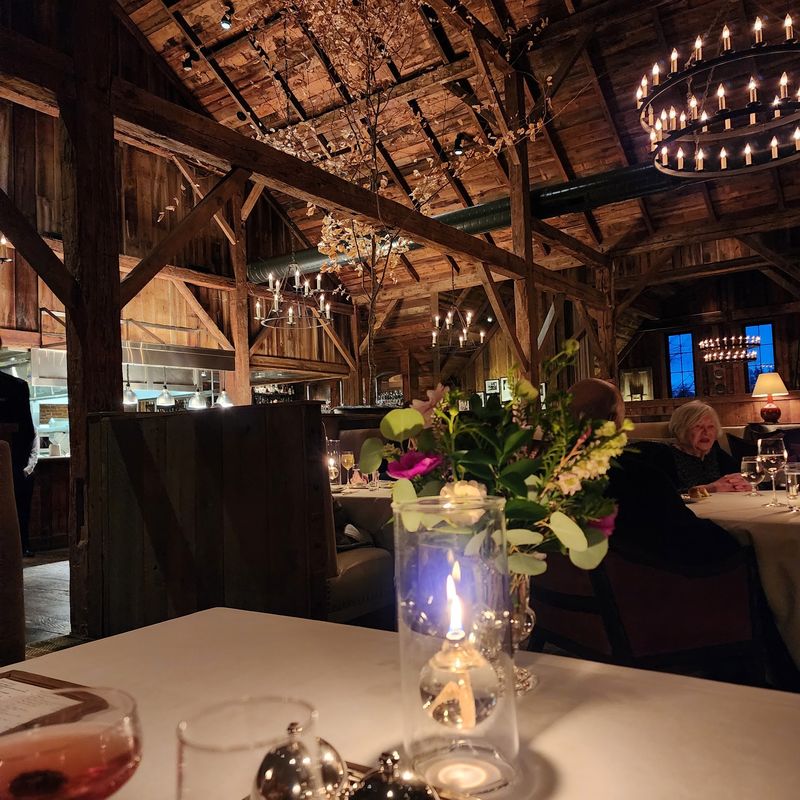
Blackberry Farm operates on a different level than most Tennessee dining experiences, with prices and refinement that place it firmly in luxury territory. The Barn fits into the sprawling estate’s collection of buildings, offering a more rustic counterpoint to the property’s main dining room while maintaining the same commitment to exceptional ingredients and careful preparation.
The Smoky Mountain foothills provide a dramatic backdrop, with the estate’s manicured grounds creating a sense of removed elegance that feels worlds away from everyday life.
Calling The Barn a simple restaurant undersells what happens here. The space functions as part of a larger hospitality experience that includes accommodations, activities, and multiple dining options all woven together across the historic property.
Meals emphasize the estate’s own farm products along with carefully sourced ingredients from other regional producers, creating a hyper-local approach that goes beyond typical farm-to-table claims. The kitchen has access to exceptional raw materials and the skills to showcase them properly, resulting in food that justifies the elevated prices.
The building itself embraces its barn origins while incorporating the polish and comfort expected at this level of hospitality. Exposed beams, natural materials, and rustic architectural elements create warmth without sacrificing sophistication.
You’re dining in a barn, but one that’s been thoughtfully adapted for upscale service rather than hastily converted with minimal investment. The attention to detail extends to every aspect of the experience, from table settings to service style to the way dishes are plated and presented.
Visiting Blackberry Farm requires planning and a serious budget, but the estate delivers on its promises of exceptional food and beautiful surroundings. The Barn captures the property’s overall philosophy of elevated country living, where rustic settings and refined experiences coexist without contradiction.
It’s not an everyday dining destination for most Tennesseans, but as a special occasion choice or splurge-worthy experience, it represents the high end of what’s possible when historic properties are transformed into dining destinations with essentially unlimited resources and ambition.
9. Brumley’s Restaurant & Lounge, Greeneville
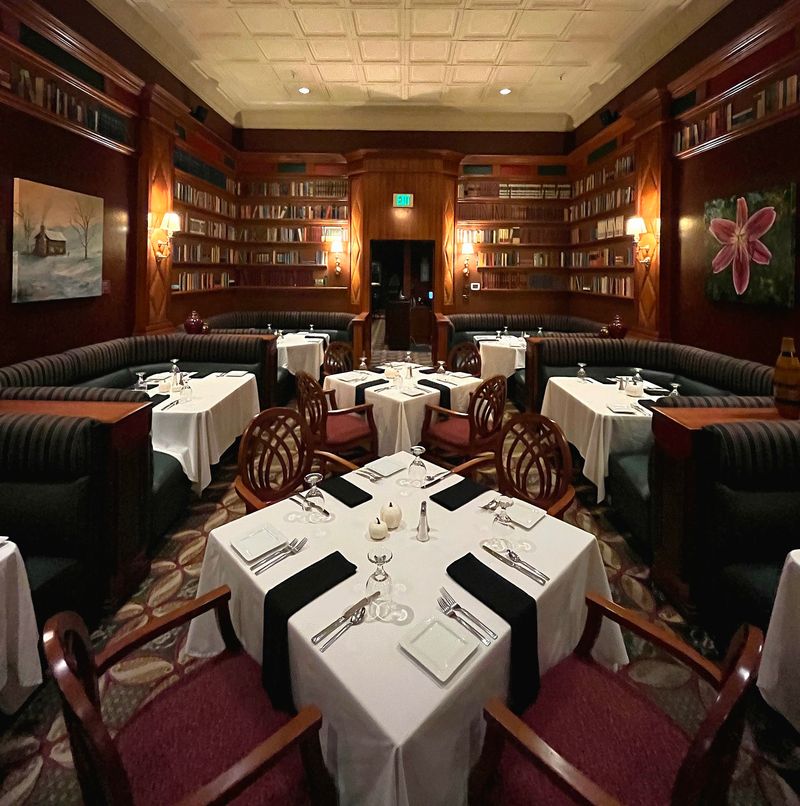
The General Morgan Inn brings 1884 Victorian grandeur to Greeneville, and Brumley’s Restaurant takes full advantage of the building’s preserved historic spaces. The property was built as an inn rather than a private mansion, but the distinction barely matters when you’re sitting in the library-like dining room surrounded by rich woodwork and period details that transport you straight back to the late 19th century.
The elaborate architecture and careful preservation create exactly the kind of grand-house atmosphere that makes dining feel special regardless of what’s on your plate.
Multiple dining spaces give Brumley’s flexibility to accommodate different occasions and group sizes, from intimate dinners in smaller rooms to larger gatherings in more expansive areas. Each space maintains its historic character while functioning efficiently for modern restaurant service, a balance that requires both respect for the building’s past and practical adaptations for contemporary use.
The woodwork deserves particular attention, with craftsmanship that reflects an era when buildings like this were designed to impress and built to last indefinitely.
The menu covers American classics with steaks, seafood, and regional specialties prepared in straightforward ways that let quality ingredients shine. You’re not coming here for molecular gastronomy or avant-garde presentations; the food matches the setting by emphasizing timeless dishes executed well rather than chasing trends.
That approach works perfectly in rooms this steeped in history, where anything too contemporary would feel jarring against the Victorian backdrop.
Greeneville itself offers enough historic sites and small-town character to justify a visit beyond just the restaurant, making Brumley’s part of a larger exploration of East Tennessee rather than a standalone destination. But even if you’re just passing through, stopping for a meal in the General Morgan Inn gives you a tangible connection to Tennessee’s Victorian-era past.
The building has been welcoming travelers for nearly 140 years, and that continuity of purpose adds depth to the experience that newly constructed restaurants can’t replicate no matter how much they invest in design and atmosphere.
10. Evins Mill, Smithville
Evins Mill’s history stretches back to the early 1800s as a functioning mill site, though the log lodge that now houses the restaurant came later as a private family retreat. The property’s seclusion in the woods outside Smithville creates an immediate sense of escape, with the approach down winding roads building anticipation before you even arrive.
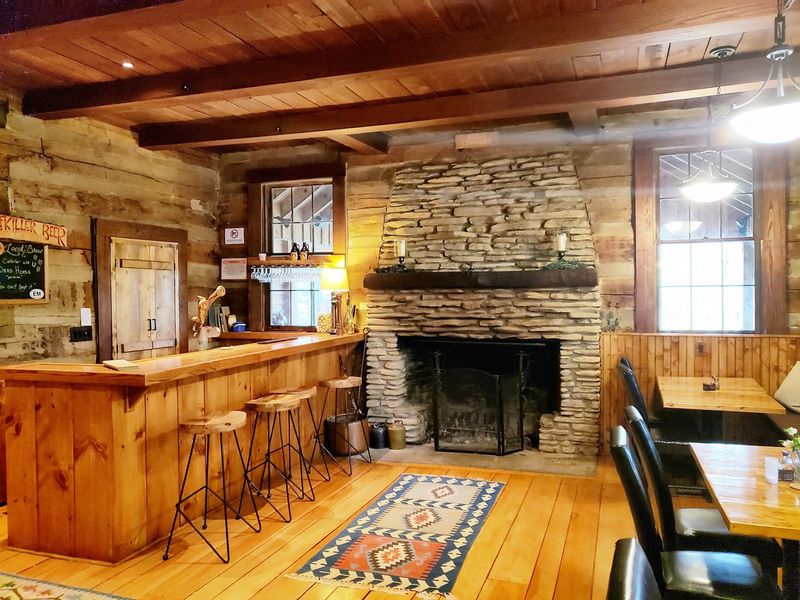
Hand-hewn logs and massive stone fireplaces dominate the interior spaces, creating a rustic elegance that feels genuinely earned rather than manufactured for tourist appeal.
Meals here unfold in intimate rooms where the building’s materials and craftsmanship take center stage. The logs show their age and character, with irregularities and patina that mark them as genuinely old rather than recently milled to look historic.
Stone fireplaces anchor the dining spaces, providing both visual interest and functional warmth during cooler months. The overall effect is one of being deep in the Tennessee countryside in a structure that’s grown organically from its surroundings rather than being imposed upon them.
The menu changes based on what’s available seasonally, with an emphasis on Southern ingredients and preparations that honor regional cooking traditions. Staying overnight at the mill extends the experience beyond just dinner, letting you wake up to the property’s natural beauty and explore the grounds at your own pace.
But even a single meal captures the essence of what makes this place special: exceptional food served in a setting that feels authentically connected to Tennessee’s rural past.
The mill’s location requires commitment to reach, with no quick interstate access or convenient positioning near major cities. That remoteness is part of the appeal, filtering out casual drop-ins and ensuring that everyone who makes the trip has chosen to be there deliberately.
It’s the kind of place where the journey becomes part of the experience, with the secluded setting and historic buildings rewarding the effort required to find them. For anyone seeking a genuine connection to Tennessee’s past wrapped in comfortable hospitality and good food, Evins Mill delivers exactly that combination.
11. Monell’s, Nashville
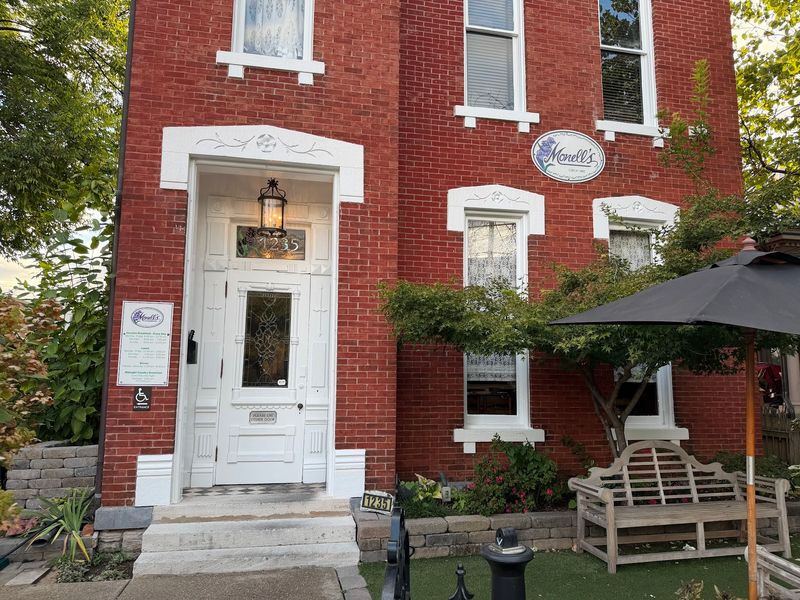
Monell’s takes the communal dining concept and runs with it, seating strangers together at large tables and serving meals family-style with platters passed around until everyone’s had their fill. The restaurant operates in a historic house that maintains its residential character, with rooms that feel like someone’s home rather than a commercial space.
That domestic atmosphere reinforces the family-style service model, creating an experience that’s equal parts restaurant and dinner party with people you’ve never met before.
Southern comfort food dominates the menu, with fried chicken, vegetables, biscuits, and all the classic sides showing up in generous portions designed for sharing. You don’t order individual dishes; instead, everyone at your table receives the same meal, and you help yourself from communal platters while making small talk with whoever ended up seated next to you.
The forced interaction could feel awkward, but the format somehow works, turning what might be uncomfortable into something surprisingly pleasant and even memorable.
The building’s layout creates several distinct dining areas, all maintaining that crucial residential feel that separates Monell’s from typical restaurants. Original architectural details remain visible throughout, reminding you constantly that this structure started life as someone’s private home long before it became a place to serve meals to paying customers.
The wear and patina of age add authenticity that new construction can’t fake, giving the space a lived-in quality that matches the homestyle cooking.
Nashville has no shortage of interesting restaurants, but Monell’s offers something genuinely different from the hot chicken joints and trendy spots that dominate food media coverage. The communal format and historic setting create an experience that’s more about tradition and connection than Instagram-worthy presentations or cutting-edge techniques.
You come here for generous portions of familiar food served in a way that’s become increasingly rare, sharing a table and passing platters just like families once did every night before individual plating and restaurant dining became the default. It’s simple, unpretentious, and rooted in a version of Southern hospitality that values abundance and togetherness over everything else.