Tennessee holds more than country music and rolling hills. Scattered across the state are forgotten towns, crumbling structures, and places where history left its mark in the form of empty buildings and whispered legends. Some were swallowed by reservoirs, others abandoned after industry dried up, and a few carry stories dark enough to make your skin crawl.
Whether you’re drawn to eerie atmospheres or fascinated by what gets left behind when people move on, these spots offer a haunting glimpse into Tennessee’s hidden past.
1. Elkmont Ghost Town — Gatlinburg
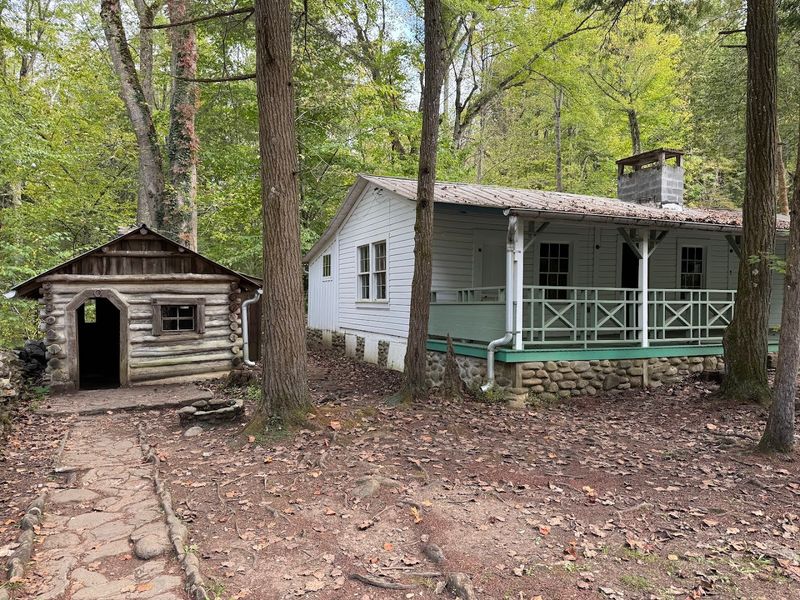
Elkmont started as a bustling logging camp in the early 1900s before transforming into a mountain resort where wealthy families built summer cottages. When Great Smoky Mountains National Park absorbed the area, most residents eventually left, and nature began reclaiming what remained. Today, you can walk among dozens of decaying cabins with sagging porches and moss-covered roofs.
The atmosphere feels frozen in time. Overgrown trails wind between structures that once hosted laughter and vacation memories but now sit silent except for rustling leaves and distant bird calls. Some buildings have been stabilized for preservation, while others lean at precarious angles, their windows empty and doors hanging open.
Visitors have described hearing footsteps on old wooden floors when no one else is around, and some claim to have seen shadowy figures moving between cabins at dusk. Whether you believe the stories or not, there’s an undeniable eeriness walking through a place where so much life once thrived.
The site sits easily accessible within the national park, making it popular with hikers and history buffs alike. Spring and fall bring the best lighting for photography, when fog rolls through the valley and clings to the old structures. Just remember that while exploring is encouraged, entering unstable buildings is dangerous and often prohibited.
2. Hales Bar Dam — Guild
Built between 1905 and 1913, Hales Bar Dam was an engineering marvel that quickly became an engineering nightmare. The dam leaked constantly due to being constructed on porous limestone, and workers fought a losing battle trying to seal the foundation. Construction itself was plagued by accidents that claimed multiple lives, earning the site a grim reputation before it even opened.
The dam’s darkest story involves a cemetery that supposedly wasn’t fully relocated before the reservoir flooded the area. Local legend claims gravestones were moved but bodies were left behind, and some say the spirits of those disturbed graves never found peace. Workers at the dam reported strange occurrences over the decades—unexplained shadows, equipment malfunctions, and an overall sense of unease.
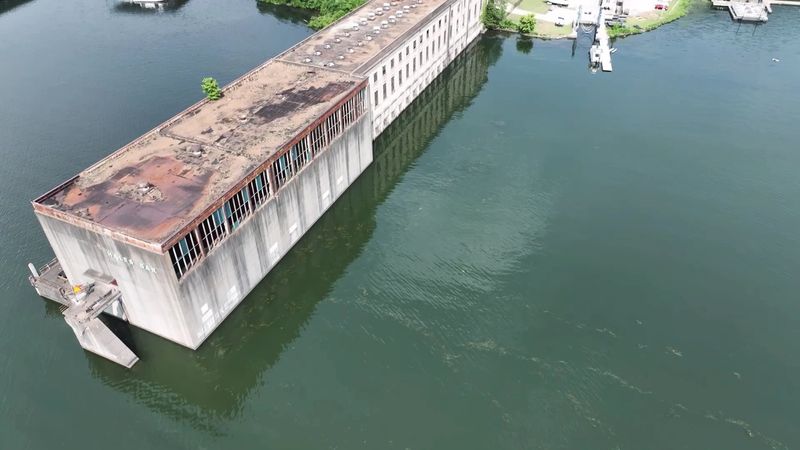
After struggling with structural problems for years, the Tennessee Valley Authority finally decommissioned Hales Bar in 1968 and built Nickajack Dam downstream. The old dam still stands, though it no longer holds back water. Its concrete bulk rises from the riverbank like a monument to failed ambition and the lives lost during its troubled history.
Accessing the site requires caution since it’s not maintained as a tourist attraction. The surrounding area offers fishing and boating, but the dam itself remains off-limits for safety reasons. Still, you can view it from the water or nearby access points, where its imposing presence serves as a reminder that some places carry weight beyond their physical structure.
3. Tharpe Community — Land Between the Lakes area
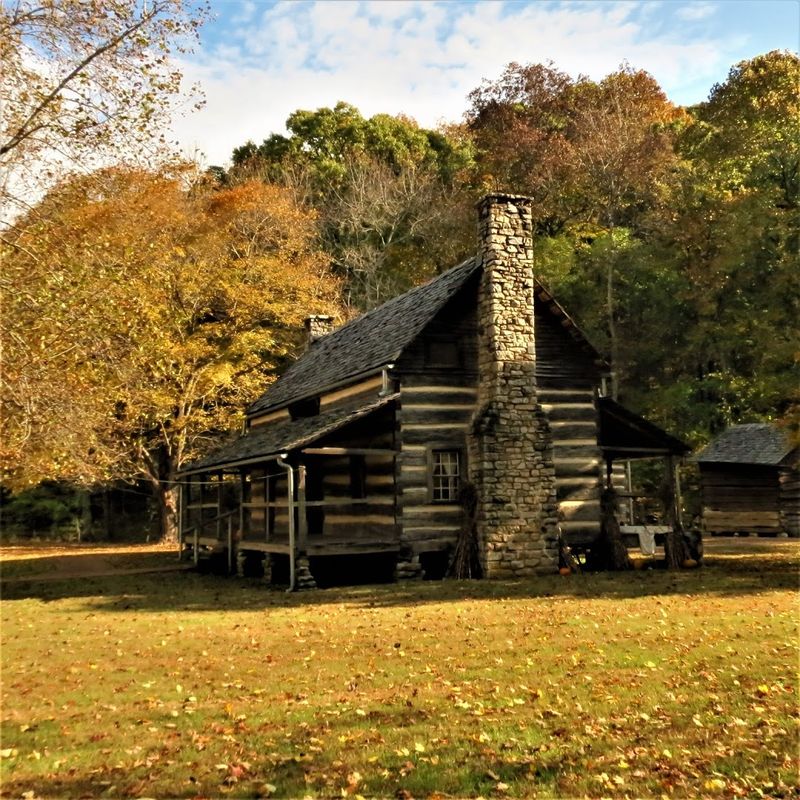
Before the Tennessee Valley Authority created Land Between the Lakes in the 1960s, a thriving community called Tharpe occupied this land. Originally known as Iron Mountain, the settlement had everything a rural town needed: a post office, general store, school, churches, sawmills, and even a doctor’s office. Families built lives here, farming the land and supporting each other through generations.
Then came progress in the form of reservoir development. The government purchased property throughout the area, and residents were forced to relocate as their ancestral homes were either demolished or left to decay. Tharpe didn’t vanish overnight, but it faded steadily as families packed up and moved away, leaving behind the bones of their community.
Stone foundations peek through undergrowth, old cisterns hide beneath vines, and occasionally you’ll spot a chimney standing alone like a grave marker. Walking these woods feels like trespassing on private grief—the land remembers what was lost even if most people don’t.
Exploring requires respect and caution since much of the area is now public recreation land managed by the U.S. Forest Service. Trails wind through former homesteads, and if you pay attention, you’ll notice subtle signs of previous occupation: unnatural clearings, fruit trees growing wild, depressions where buildings once stood.
It’s a quiet kind of haunting, the kind that comes from erasure rather than tragedy.
4. Willow Grove — near Dale Hollow Lake
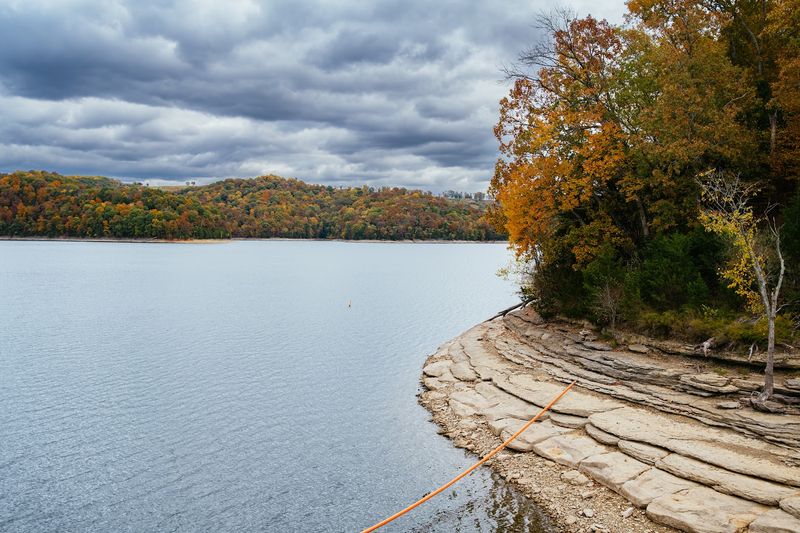
Willow Grove was once among Clay County’s most prosperous communities, with farms, businesses, and families who assumed their town would endure for generations. That assumption shattered in the 1940s when the U.S. Army Corps of Engineers announced plans to build Dale Hollow Dam.
The resulting reservoir would flood the valley, and Willow Grove sat directly in the flood zone.
Residents had no choice but to leave. Some moved their houses to higher ground, while others simply walked away from everything they couldn’t carry. The government paid for the land but couldn’t compensate for the loss of community, history, and belonging.
When the floodgates closed and water rose, Willow Grove earned its tragic nickname: the town that drowned.
Today, the lake covers homes, streets, and memories. During severe droughts when water levels drop dramatically, remnants occasionally emerge—foundation stones, old roads, pieces of buildings that refused to completely disappear. Locals who remember the town or heard stories from their grandparents sometimes visit these exposed ruins, walking streets that haven’t seen daylight in decades.
The lake itself is beautiful, popular for fishing and recreation, but there’s an undercurrent of melancholy if you know what lies beneath. Boaters sometimes report an eerie feeling passing over certain areas, as if the water itself remembers.
Willow Grove’s story isn’t unique—many Tennessee communities were sacrificed for reservoir development—but it remains one of the most poignant examples of progress demanding a human cost.
5. Old Jefferson — near Murfreesboro / Long Hunter State Park
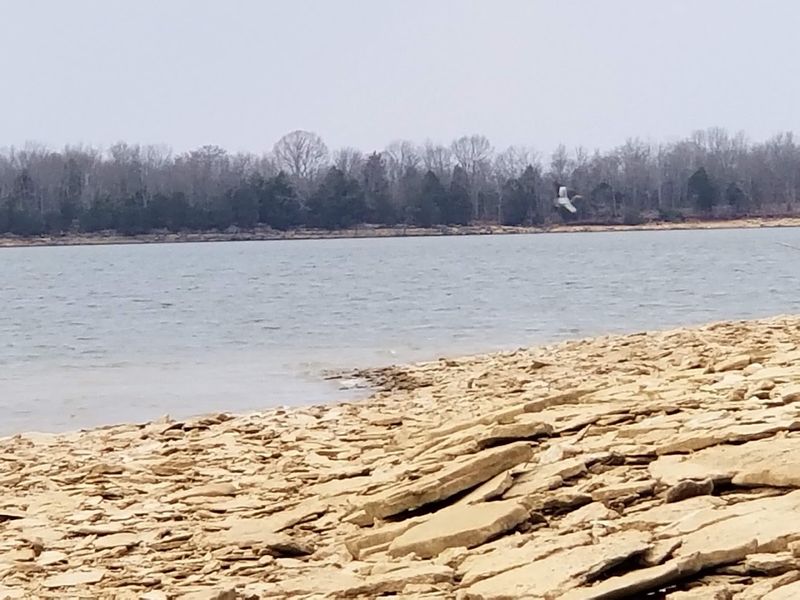
Old Jefferson served as Rutherford County’s seat of government before the county center shifted to Murfreesboro in the early 1800s. The town limped along for decades but never recovered its former importance. Then came plans for Percy Priest Reservoir in the 1960s, and engineers predicted the flood pool would submerge what remained of Old Jefferson.
Rather than let the town slowly sink beneath rising water, officials decided to tear down and burn most structures preemptively. Residents and historians watched as buildings were systematically demolished and set ablaze, erasing physical traces of a community that had existed for over a century. The destruction felt thorough, final, and somewhat excessive given what happened next.
The water never came. Engineers miscalculated the reservoir’s reach, and Percy Priest Lake stopped short of Old Jefferson’s location. The town had been destroyed for nothing, leaving only scorched earth and scattered foundations where homes and businesses once stood.
It’s a darkly ironic twist—a place erased by fear of flooding that never actually flooded.
Today, the area near Long Hunter State Park supposedly contains traces of Old Jefferson’s foundations, though finding them requires local knowledge and permission to search private property. The real haunting here isn’t supernatural but bureaucratic: the ghost of a town killed by a threat that never materialized, a cautionary tale about the permanence of government decisions.
6. Old Danville Grain Elevator — Stewart
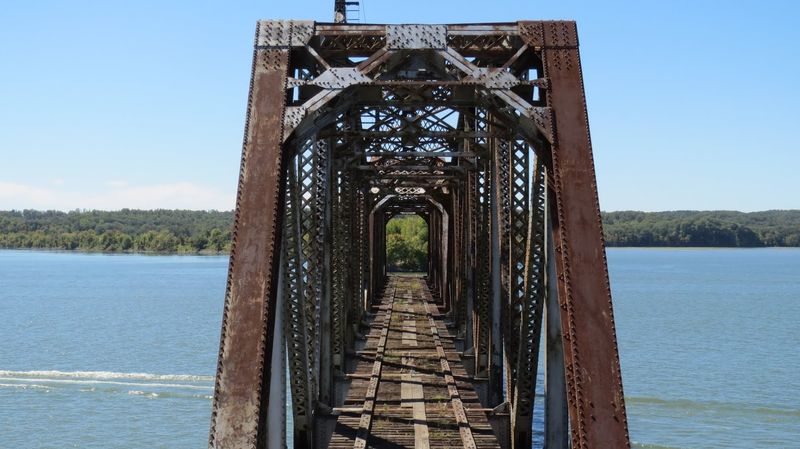
Danville thrived as a Tennessee River town in the early 1900s, serving as a shipping point for agricultural products from surrounding farms. The grain elevator stood as the community’s most prominent structure, a tall concrete sentinel where farmers brought their harvests for storage and transport. River traffic kept the town busy and prosperous until progress arrived in the form of Kentucky Lake.
When the Tennessee Valley Authority completed the Kentucky Dam in 1944, the resulting reservoir flooded much of Danville. Residents relocated to higher ground, buildings were demolished or moved, and the river town essentially ceased to exist. But the grain elevator proved too stubborn to disappear completely.
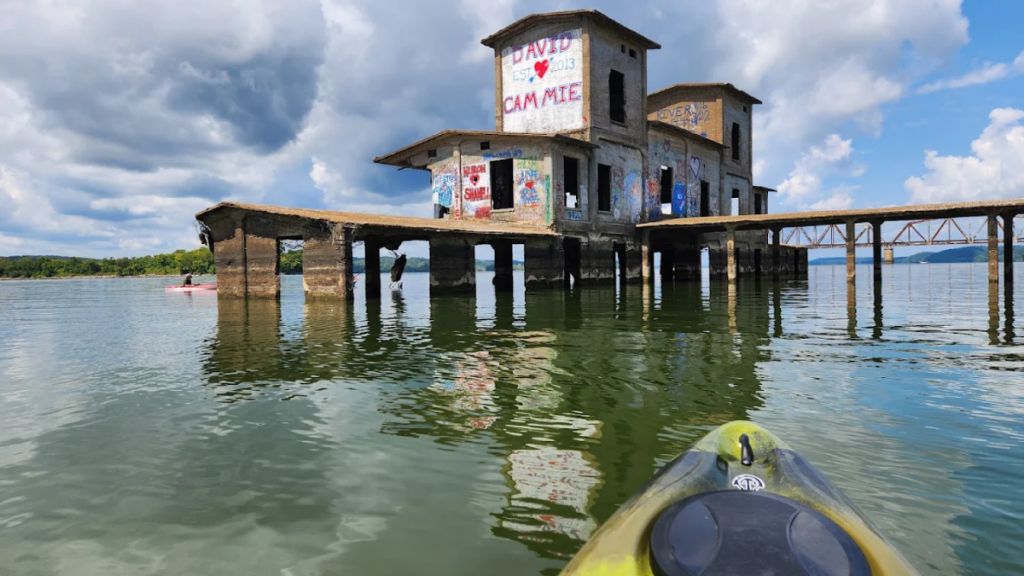
The structure still rises above the water like a tombstone marking where Danville used to be. Its weathered concrete walls show decades of exposure to sun, wind, and water, but it refuses to collapse or sink. Boaters pass it regularly, and the elevator has become an unlikely landmark—a haunting reminder of the town that once surrounded it.
Danville’s story mirrors many Tennessee River communities that vanished beneath TVA reservoirs. The grain elevator stands as their collective memorial, a rare survivor bearing witness to what was lost when the river was tamed.
7. Fort Henry State Memorial — Dover
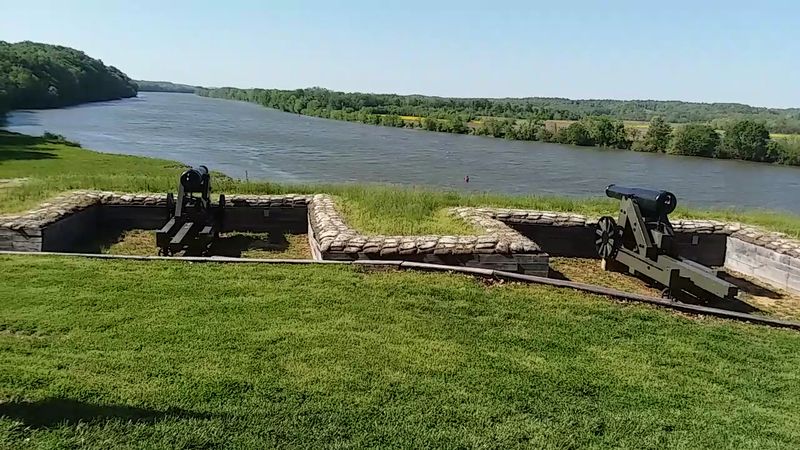
Fort Henry occupied strategic high ground overlooking the Tennessee River during the Civil War, built by Confederate forces to control river traffic and defend against Union advances. In February 1862, Union gunboats attacked the fort in one of the war’s early river battles. The fort’s position proved less advantageous than hoped—flooding had weakened defenses, and Union firepower overwhelmed the Confederate garrison.
After capture, Union forces briefly occupied Fort Henry before abandoning it as they pushed deeper into Confederate territory. The fort was never rebuilt, and over time, weather and vegetation reclaimed what artillery hadn’t destroyed. Today, almost nothing remains of the original fortifications except earthworks and historical markers explaining what once stood here.
That absence creates its own kind of eeriness. Walking the grounds, you’re stepping on a battlefield where men fought and died, but there’s little physical evidence of that violence. The quiet feels unnatural for a place with such a dramatic history.
The memorial site is maintained but minimally developed, which adds to its haunting quality. You won’t find elaborate reconstructions or tourist facilities, just open space where history happened and then faded. It’s a contemplative place, best visited by those who appreciate subtlety over spectacle.
The site serves as a quiet reminder that all human construction is temporary, and sometimes the ghosts are memories rather than spirits.
8. Brushy Mountain State Penitentiary — Petros
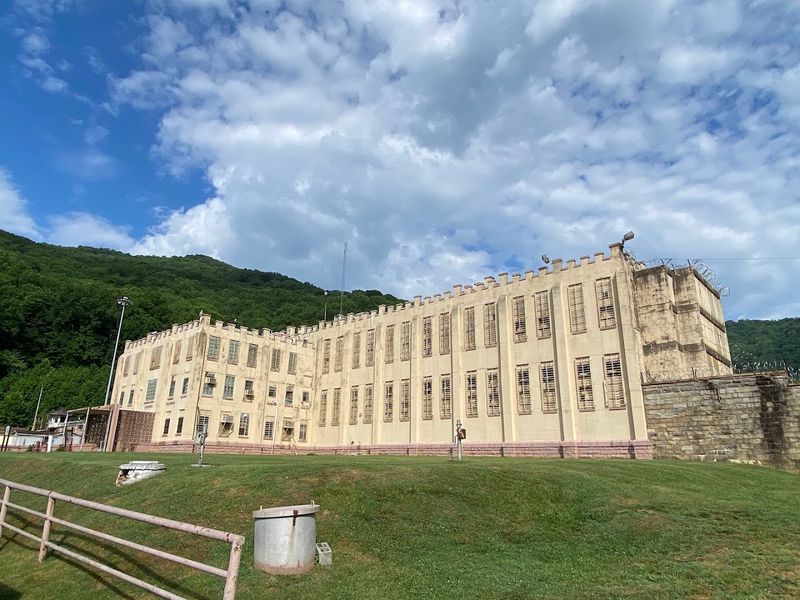
Brushy Mountain opened in 1896 as Tennessee’s maximum-security prison, built in a remote mountain location specifically to make escape nearly impossible. For over a century, the prison housed the state’s most dangerous criminals in conditions that ranged from harsh to brutal. Inmates worked in coal mines, lived in cramped cells, and faced punishment in isolation units known simply as “The Hole.”
The prison closed in 2009 after 113 years of operation, its aging infrastructure and outdated design no longer meeting modern standards. Rather than demolishing the complex, new owners transformed it into a distillery and tourist attraction offering guided tours through the cell blocks, death row, and punishment areas.
Tour guides and visitors regularly report paranormal activity throughout the facility. Footsteps echo in empty corridors, voices whisper in vacant cells, and shadowy figures appear in doorways before vanishing. The Hole—where inmates endured solitary confinement in complete darkness—generates particularly intense reactions, with many people refusing to enter or quickly leaving due to overwhelming dread.
Whether you believe in ghosts or not, Brushy Mountain carries an oppressive atmosphere that comes from decades of suffering within its walls. The stone buildings absorbed years of anger, despair, and violence, and that energy seems to linger.
The tours provide fascinating historical context about prison life, famous inmates, and escape attempts. But the real draw is the chance to experience a genuinely unsettling location where the past refuses to stay buried.
9. Old South Pittsburg Hospital — South Pittsburg
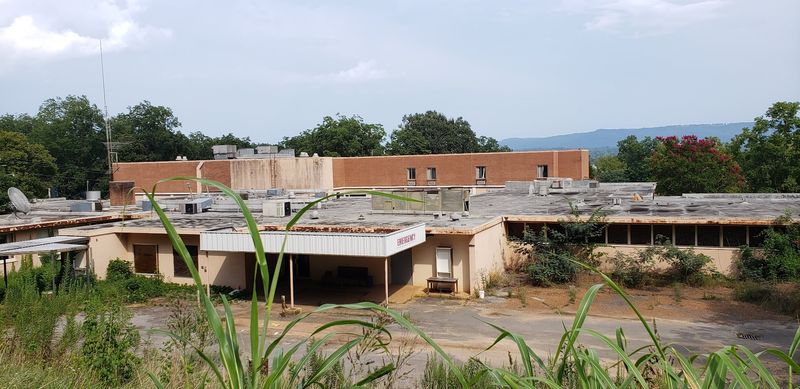
South Pittsburg Hospital served the community from 1959 until closing in 1998, providing medical care across multiple floors of a building that now sits abandoned and deteriorating. Unlike many demolished hospitals, this one was left largely intact, with equipment, furniture, and supplies remaining scattered throughout the structure.
The hospital has gained a reputation as a paranormal investigation hotspot, attracting ghost hunters and thrill-seekers from across the region. Multiple floors offer different experiences: the basement morgue area, patient rooms still containing beds, operating rooms with rusted equipment, and hallways where wheelchairs sit as if waiting for patients who will never arrive.
Reports of unexplained activity are numerous and varied. Investigators claim to have recorded disembodied voices, captured shadow figures on camera, and experienced equipment malfunctions in specific rooms. Some visitors describe feeling watched or experiencing sudden temperature drops.
The most unsettling accounts come from the upper floors, where people report hearing footsteps above them despite being on the top level.
The building’s physical decay adds to its horror-movie atmosphere. Water damage has caused ceilings to collapse in places, mold covers walls, and broken windows allow weather and wildlife inside. It’s genuinely dangerous to explore, with unstable floors, sharp debris, and structural concerns throughout.
Trespassing is illegal, though that hasn’t stopped people from breaking in.
Whether the paranormal claims are real or products of suggestion and imagination, Old South Pittsburg Hospital undeniably creates powerful psychological responses. Empty medical facilities tap into primal fears about death, disease, and vulnerability, making this abandoned hospital particularly effective at generating genuine unease.
10. Bell Witch Cave — Adams
The Bell Witch legend stands as Tennessee’s most famous supernatural story, centered on the Bell family farm in the early 1800s. According to accounts, an entity tormented the family for years, physically attacking John Bell, tormenting his daughter Betsy, and demonstrating abilities that defied explanation. The witch allegedly spoke, moved objects, and even predicted John Bell’s death.
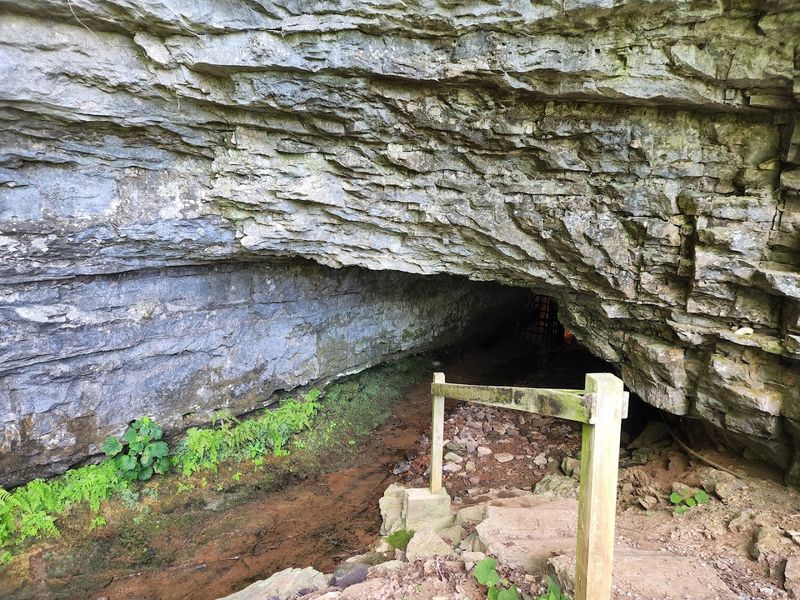
The cave on the property became associated with the haunting and remains a focal point for the legend.
Today, the cave operates as a tourist attraction where visitors can explore the limestone cavern and hear stories about the Bell Witch. The cave itself is naturally eerie—dark, damp, and filled with the sounds of dripping water and rustling air. Whether you believe the supernatural elements or not, the location effectively channels the unsettling atmosphere that made the legend so enduring.
Many visitors report strange experiences in and around the cave. Cameras malfunction, batteries drain unexpectedly, and some people feel overwhelming anxiety or the sensation of being watched. Tour guides share historical accounts alongside paranormal claims, leaving interpretation up to individual visitors.
The property also includes a replica cabin and other historical structures related to the Bell family.
The Bell Witch story has inspired books, movies, and countless retellings, evolving over two centuries from local folklore into a cultural phenomenon. The cave serves as a tangible connection to that history, a place where you can literally walk into the legend. It’s not a ghost town or abandoned ruin, but it deserves mention as perhaps Tennessee’s most famous eerie location.
Whether the witch was real, misunderstood natural phenomena, or an elaborate hoax doesn’t diminish the cave’s appeal.
11. Carnton — Franklin
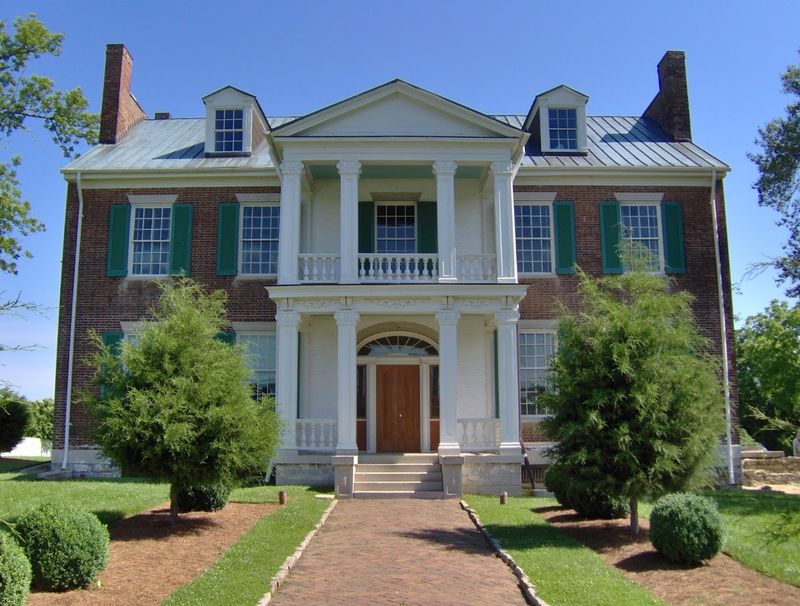
Carnton plantation house stands as a beautiful example of antebellum architecture, but its elegance conceals a horrific history. During the Battle of Franklin in November 1864, the home served as a field hospital where surgeons worked through the night, treating hundreds of wounded and dying soldiers. The carnage was extraordinary—one of the Civil War’s bloodiest battles concentrated in a small area over just a few hours.
The McGavock family, who owned Carnton, found their home transformed into a nightmare. Blood soaked through floors, amputated limbs piled outside, and the screams of wounded men filled every room. Four Confederate generals’ bodies were laid out on the back porch overnight.
After the battle, the family buried nearly 1,500 Confederate soldiers in their family cemetery, creating the largest privately maintained Confederate cemetery in the nation.
Today, Carnton operates as a historic site and museum, meticulously preserved to tell the story of that terrible night. The bloodstains on the wooden floors remain visible despite attempts to remove them, a permanent reminder of the suffering that occurred here. Many visitors and staff report paranormal experiences: footsteps in empty rooms, the smell of gunpowder or blood, apparitions in period clothing, and feelings of profound sadness in certain areas.
The cemetery behind the house contains row after row of simple headstones marking graves of young men who died far from home. Walking among them while knowing the house served as their final hospital creates a powerful emotional experience. Carnton isn’t abandoned—it’s actively maintained and open for tours—but it carries the weight of tragedy in ways that make it profoundly haunting despite its preservation and beauty.
Share this story