Tennessee knows storms. From violent tornadoes ripping through neighborhoods to flash floods that turn streets into rivers, communities across the state have faced some of nature’s worst. But here’s the thing about Tennesseans: they don’t stay down long.
These eleven towns took direct hits from weather disasters that made national headlines, yet each one found a way to rebuild, recover, and come back even stronger than before.
1. Waverly
August 2021 brought a nightmare to this small Humphreys County town. Extreme rainfall upstream sent a wall of water crashing through neighborhoods, turning streets into raging rivers in minutes. Twenty lives were lost, making it one of Tennessee’s deadliest floods in modern history.
The destruction left families homeless and businesses underwater. Schools suffered massive damage. Entire blocks looked like war zones after the water receded, leaving mud, debris, and heartbreak everywhere you looked.
But Waverly didn’t disappear. FEMA arrived with emergency funding and temporary housing. Volunteers poured in from across Tennessee and neighboring states, clearing wreckage and distributing supplies.
Local churches became command centers for relief efforts.
School rebuilding became a top priority since education anchors small-town life. Architects drafted plans for new facilities designed to withstand future flooding. Engineers studied drainage systems and flood patterns to prevent another catastrophe.
Long-term reconstruction projects transformed the recovery from emergency response into permanent solutions. New homes rose on higher ground. Businesses reopened with flood-resistant designs.
The town installed early warning systems and improved emergency protocols.
Today, Waverly stands as proof that even the worst disasters can’t erase a community’s determination. Memorial sites honor those lost while new construction shows the town’s commitment to its future. Recovery continues, but the town’s spirit never wavered.
2. Nashville
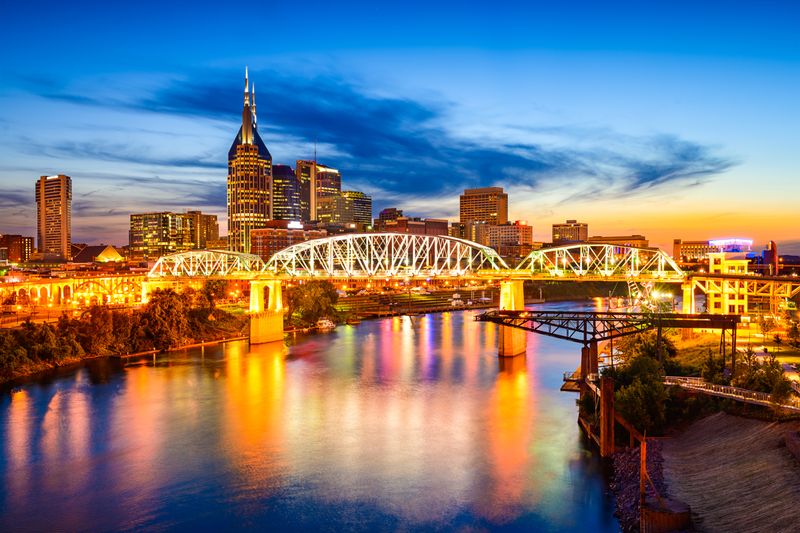
Music City has survived more than its share of disasters. The May 2010 flood shocked everyone when the Cumberland River swallowed parts of downtown and residential areas. Record rainfall caused billions in damage, submerging the Grand Ole Opry and countless homes.
Just ten years later, tornadoes tore through East Nashville and Germantown in March 2020. The EF3 twister destroyed historic buildings, flattened businesses, and left neighborhoods unrecognizable. Timing made everything harder since COVID-19 hit just days later.
Nashville’s recovery became legendary. Neighborhood associations organized cleanup crews before officials even assessed the damage. Local businesses donated supplies and food. Musicians held benefit concerts raising millions for relief funds.
Infrastructure repairs took years but improved the city’s resilience. Engineers redesigned drainage systems downtown. Building codes got stricter.
Emergency response protocols were updated based on lessons learned from both disasters.
Community-led support proved crucial. Germantown residents created mutual aid networks. East Nashville organized block-by-block rebuilding campaigns. Historic preservationists worked overtime saving damaged landmarks.
The city invested heavily in flood prevention after 2010, constructing new levees and updating stormwater systems. After the tornado, zoning changes encouraged stronger construction standards. Today, rebuilt neighborhoods blend restored historic character with modern safety features.
Nashville’s comeback shows what happens when a city refuses to be defined by disaster. Both events left scars, but they also revealed the incredible strength hiding in communities that truly care about each other.
3. Cookeville
March 3, 2020, changed everything for Putnam County. An EF4 tornado, one of the most powerful on record, carved a path of destruction through Cookeville and surrounding areas. The predawn timing caught people sleeping, making the disaster especially deadly.
Nineteen lives ended that night. Hundreds of structures were damaged or completely destroyed. Entire neighborhoods vanished, reduced to foundations and rubble. The Baxter community took especially heavy losses.
Sunrise revealed the true scope. Twisted metal, splintered wood, and personal belongings scattered across miles. Survivors emerged from basements and safe rooms to find their worlds erased.
Emergency responders worked nonstop, pulling people from the wreckage.
Within hours, thousands of volunteers descended on Cookeville. Tennessee Tech students formed work crews. Churches opened their doors as shelters. Local businesses provided free meals and supplies.
The response was overwhelming and immediate.
Relief funds poured in from across the state. Governor Lee visited multiple times, securing state resources for rebuilding. FEMA approved millions in assistance. Insurance companies fast-tracked claims to get money flowing.
Recovery took years. New homes rose slowly, and many families lived in temporary housing for months. Businesses reopened one by one. Schools repaired damaged facilities while supporting traumatized students and staff.
The emotional scars remain deeper than physical ones. Survivors still flinch at storm warnings. Memorial services mark each anniversary. But Cookeville rebuilt; stronger building codes are now standard, early warning systems have been improved, and the community is more connected than ever before.
4. Clarksville
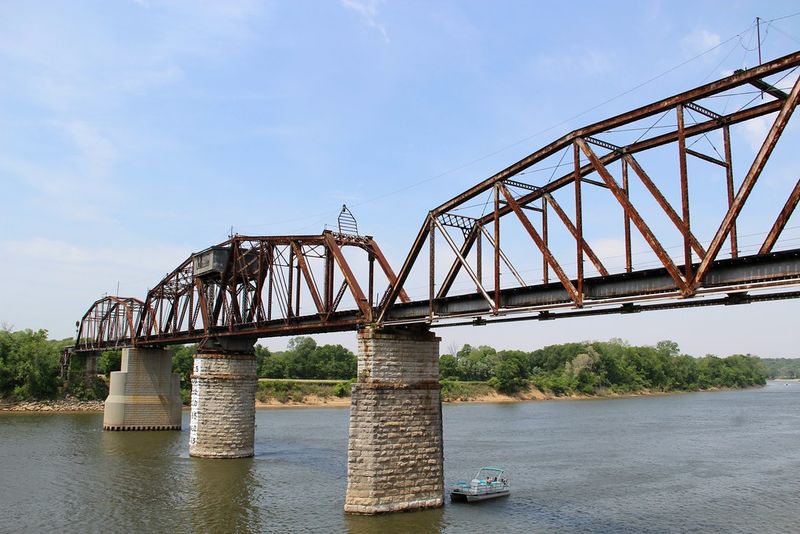
December 2023 brought tragedy to this military town when an EF3 tornado struck without mercy. The twister killed three people, injured dozens more, and impacted nearly 1,000 homes. Families preparing for Christmas instead faced destruction and loss.
Fort Campbell’s proximity meant many military families lost everything. Deployment schedules complicated recovery efforts. Some service members were overseas when disaster struck, leaving spouses to handle the aftermath alone.
The community response matched Clarksville’s character. Neighbors helped neighbors clear debris. Local organizations provided temporary housing.
Fort Campbell opened resources to affected families, military or not. Unity defined the recovery from day one.
One year later, the city held events highlighting progress. Hundreds of homes were repaired or rebuilt. Displaced families returned to their neighborhoods. Housing assistance programs helped those still struggling financially.
Rebuilding efforts focused on resilience. New construction followed stricter tornado-resistant standards. Safe rooms became standard in many rebuilt homes.
The city improved its warning system, adding more sirens in vulnerable areas.
Schools played a crucial role in recovery. Counselors helped children process trauma. Teachers created stability through routine. Parent groups organized support networks that extended beyond the classroom.
Clarksville’s military culture influenced its recovery approach. Discipline, organization, and mission focus drove rebuilding efforts. Veterans brought crisis management experience.
The base provided logistical support and manpower.
Today, affected neighborhoods show remarkable progress. Fresh paint, new roofs, and rebuilt structures replace the devastation. Memorial markers honor those lost while celebrating the community’s determination to rebuild stronger and safer than before.
5. Dresden
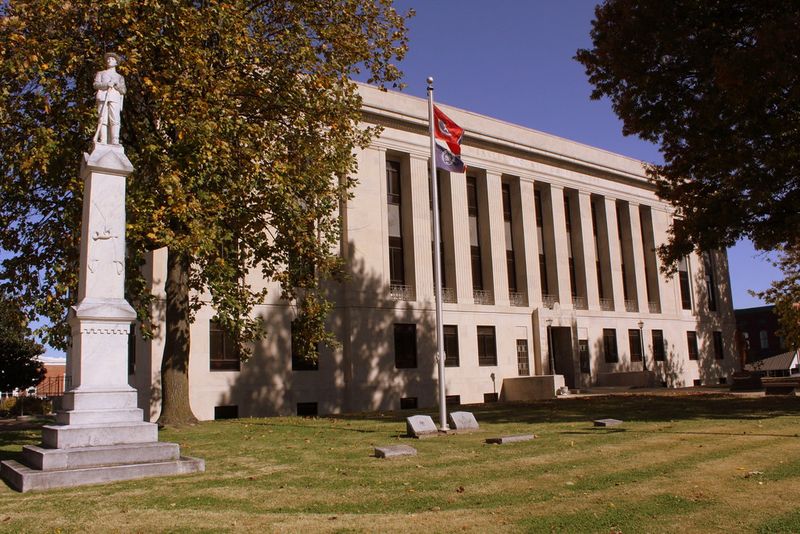
Dresden’s historic downtown took a direct hit during the December 2021 tornado outbreak. The twister seemed to target the heart of this small Weakley County town, damaging businesses, churches, and even the fire department. Main Street became unrecognizable overnight.
Local leaders faced enormous challenges. How do you rebuild a downtown that took generations to build? Where do you start when everything needs attention? Limited resources made every decision critical.
But Dresden residents proved resourceful. Business owners shared equipment and supplies. Volunteers cleared debris from storefronts.
Churches held services in damaged buildings, refusing to let destruction stop worship. The fire department operated from temporary quarters while their station was repaired.
State assistance arrived relatively quickly. Emergency management officials coordinated relief efforts. Grants helped businesses reopen. Low-interest loans provided rebuilding capital.
Every bit of support mattered in a small town with a limited financial cushion.
Streets reopened in phases as crews removed debris and repaired infrastructure. Utilities were restored block by block. Sidewalks were cleared. Traffic signals replaced. Each milestone felt like a major victory.
Residents returned home as repairs progressed. Some houses required complete rebuilds. Others needed extensive repairs.
Temporary housing filled quickly, forcing some families to stay with relatives or friends for months.
Businesses rebuilding became a community celebration. Each reopening drew crowds. Neighbors supported local shops with renewed loyalty. The town’s economic heartbeat gradually strengthened.
Dresden’s recovery continues today. New construction mixes with restored historic buildings. The downtown retains its small-town charm while incorporating modern safety features.
The tornado changed Dresden’s landscape but couldn’t break its spirit or erase its tight-knit community bonds.
6. Samburg

You probably haven’t heard of Samburg unless you fish Reelfoot Lake. This tiny northwest Tennessee town barely shows on maps, but the December 2021 tornado put it in headlines for all the wrong reasons. The violent twister destroyed or damaged key buildings in a community where everyone knows everyone.
Samburg’s small size made the impact devastating. When you only have a handful of essential buildings and several get destroyed, recovery feels impossible. The town lacked the resources and infrastructure of larger communities.
Yet something remarkable happened. The disaster became part of Samburg’s story rather than its ending. Residents refused to abandon their lakeside home. Plans emerged for new construction on a scale the town had rarely seen.
Home rebuilding became the priority. Families needed shelter before winter deepened. Contractors from across the region volunteered time and materials.
Building supply companies donated goods. Every nail and board mattered.
The scale of reconstruction surprised everyone. For a town Samburg’s size, the building boom felt transformative. New homes rose where damaged ones stood. Modern construction techniques replaced older methods. The town’s physical appearance changed dramatically.
Recovery challenged Samburg’s identity. Some worried new construction would erase the town’s character. Others embraced modernization as a necessary progress.
Balancing preservation with practical needs required difficult conversations.
State and federal assistance proved crucial. Without outside funding, Samburg couldn’t have rebuilt. Grants covered costs beyond insurance.
Emergency housing programs kept families nearby during construction. Every resource helped.
Today, Samburg stands as proof that even the smallest communities can overcome massive disasters. The town looks different now, but its spirit remains unchanged. Residents still fish the lake, know their neighbors, and call this tiny spot home.
7. Covington
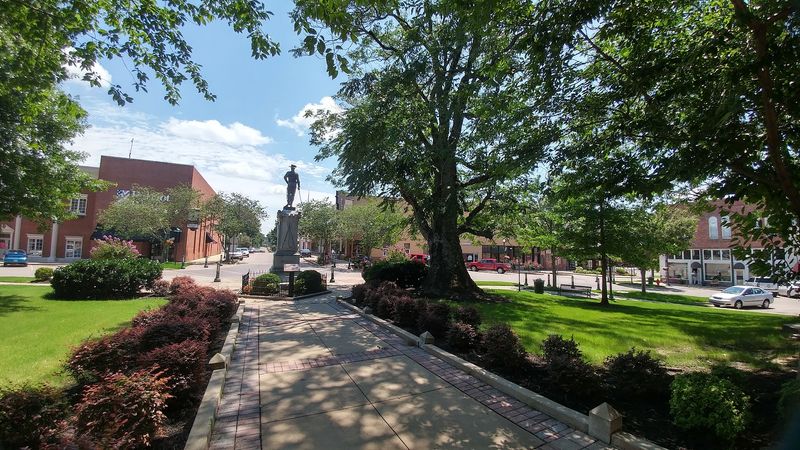
Covington woke to devastation on March 31, 2023. An EF3 tornado killed one person, injured dozens, and heavily damaged schools and homes across this Tipton County seat. The timing—late on a Friday night—meant many people were caught off guard.
Schools suffered particularly hard hits. Damaged buildings forced students into temporary learning spaces. Teachers scrambled to maintain educational continuity. Parents worried about safety and academic impacts. The entire community felt the disruption.
FEMA’s involvement became crucial for Covington’s recovery. The agency highlighted Tipton County’s determination to get students back into proper classrooms. Federal grants funded repairs and reconstruction.
Technical assistance helped schools rebuild to higher safety standards.
Getting kids back to normal routines became the community’s top priority. Portable classrooms appeared on playgrounds. Damaged schools were repaired during summer break.
Construction crews worked overtime, meeting deadlines before the fall semester. Every effort focused on minimizing disruption to education.
Home repairs progressed simultaneously. Insurance adjusters flooded the area.
The community’s response showed Covington’s character. Neighbors helped neighbors with repairs. Local businesses donated supplies. Churches organized work crews. Youth groups cleared debris. Everyone pitched in however they could.
One year later, progress was visible everywhere. Repaired schools welcomed students into safe, updated facilities. Neighborhoods showed fresh construction and restored homes.
The town’s recovery became a point of pride.
Covington’s experience taught valuable lessons about disaster preparedness and community resilience. The town now has improved warning systems, updated building codes, and stronger emergency response protocols. The tornado changed Covington, but it also made the community more prepared and united.
8. Erwin
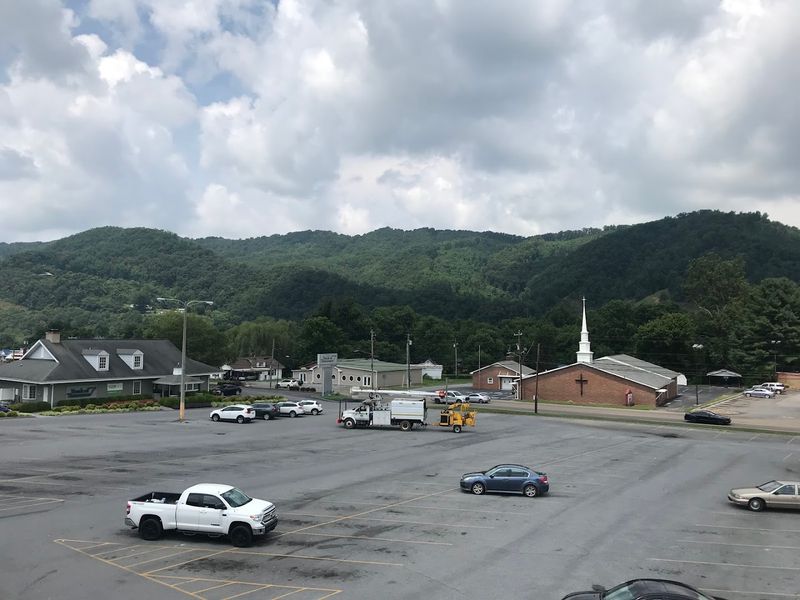
Tropical Storm Helene wasn’t supposed to reach Tennessee with such fury. But in September 2024, the storm’s remnants brought catastrophic flooding to Erwin, a small Unicoi County town nestled in the Appalachian foothills. The Nolichucky River became a monster, swallowing infrastructure and threatening lives.
Water rose faster than anyone predicted. Roads vanished under muddy torrents. Bridges suffered severe damage.
Culverts washed away completely. The town’s connection to the outside world narrowed to a few passable routes.
Damage assessment revealed staggering costs. Local government lacked funds for the necessary repairs. State officials visited, documenting destruction.
Federal assistance became essential for any hope of recovery.
FEMA eventually approved more than $2.6 million for road and culvert repairs. That money meant everything to Erwin. Without those funds, critical infrastructure would have remained damaged indefinitely. Engineers prioritized the worst damage, scheduling repairs strategically.
State economic recovery grants targeted local industry. Erwin’s economy depends on manufacturing and small businesses. Flooding threatened jobs and livelihoods.
Grant money helped companies repair facilities, replace damaged equipment, and retain workers during recovery.
The community rallied around affected families. Volunteers sandbagged before the worst flooding hit. Rescue crews worked around the clock during the disaster.
Cleanup efforts began before floodwaters fully receded. Erwin’s mountain town toughness showed through every phase.
Recovery continues today. Roads are being rebuilt to higher standards. Drainage systems are being improved. Flood prevention measures are being implemented. Each project makes Erwin more resilient against future storms.
Helene reminded everyone that disaster can strike anywhere, even small mountain towns far from typical hurricane paths. Erwin’s ongoing recovery demonstrates how federal assistance, state support, and local determination combine to rebuild communities after nature’s worst attacks.
9. Chattanooga
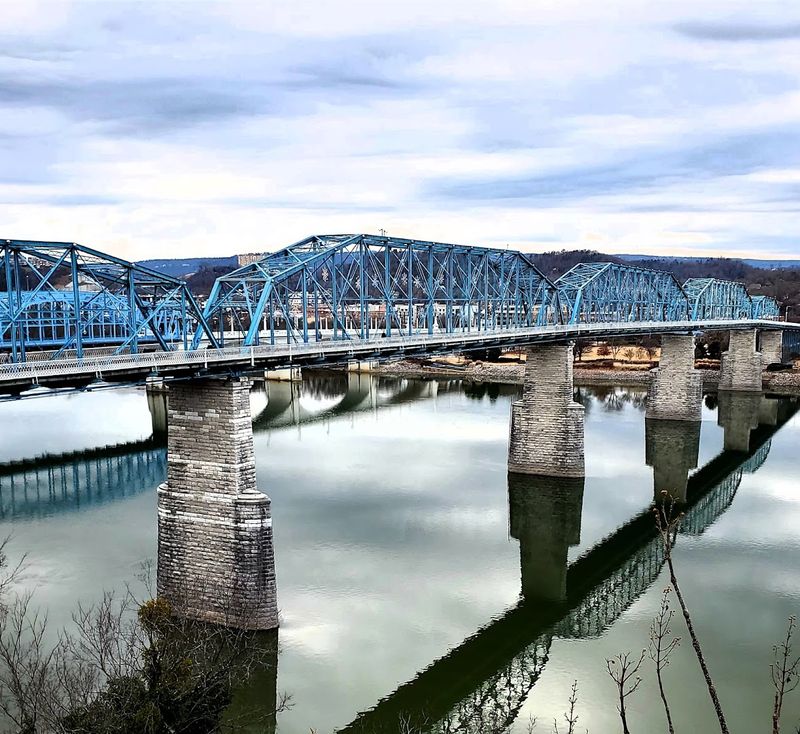
Easter Sunday 2020 should have been peaceful. Instead, an EF3 tornado tore through the Chattanooga area, damaging thousands of properties and causing major losses across neighborhoods and schools. The holiday timing added emotional weight to an already traumatic disaster.
Hamilton County took the brunt of the damage. Residential areas looked like war zones. Trees were snapped like toothpicks.
Roofs disappeared from homes. Vehicles were tossed and crushed. The scope overwhelmed first responders.
Schools faced particularly challenging situations. Grace Academy and other educational facilities suffered severe damage. Students lost their learning environments right before major academic milestones.
Debris removal became a massive undertaking. Fallen trees blocked streets for weeks. Damaged buildings required careful demolition.
Personal belongings scattered across neighborhoods needed sorting and disposal. The cleanup effort employed hundreds of workers for months.
Emergency response showcased Chattanooga’s preparedness. First responders reached victims quickly despite dangerous conditions. Hospitals handled the injured efficiently.
Shelters opened immediately. The city’s disaster planning paid off when it mattered most.
Rebuilding campaigns were organized rapidly. Neighborhood associations coordinated volunteer efforts. Construction companies prioritized tornado-damaged properties. Insurance companies expedited claims. Everyone understood that quick action would ease suffering.
Long-term reconstruction at places like Grace Academy became community projects. Fundraisers generated millions. Volunteers donated thousands of hours.
The school’s eventual reopening felt like a victory for the entire area.
Today, affected neighborhoods show remarkable recovery. New construction blends with repaired structures. Stronger building codes ensure better protection. The tornado’s path remains visible to those who know where to look, but Chattanooga’s resilience shines brighter than any remaining scars.
10. Mount Juliet
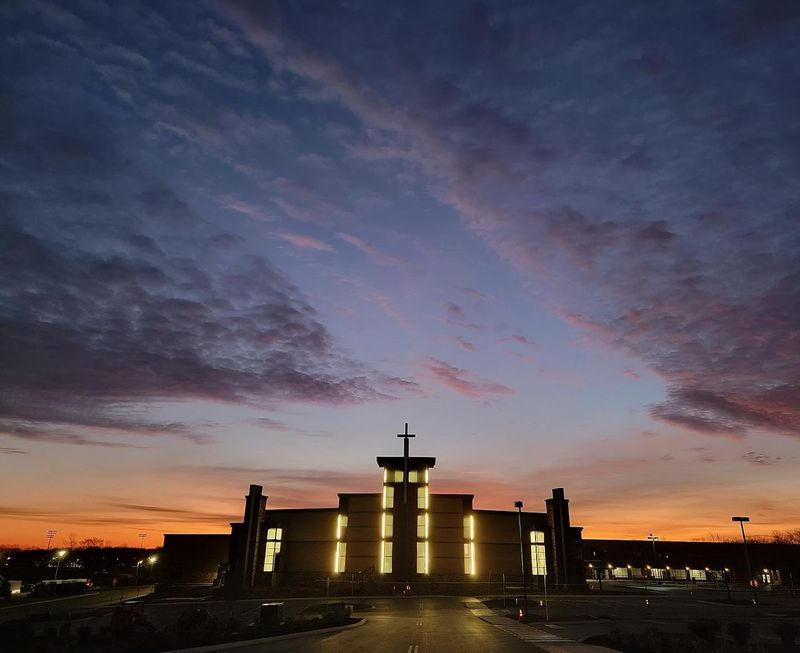
Mount Juliet joined the list of communities devastated by the March 2020 tornado outbreak. Schools, homes, churches, and businesses suffered major damage across this Wilson County suburb. The disaster hit a growing community hard, threatening the progress that had attracted so many new residents.
First Baptist Church became a powerful symbol of both destruction and recovery. The tornado severely damaged the building, leaving the congregation without their worship home. Members initially gathered in temporary spaces, determined to maintain their community despite physical losses.
The church’s three-year restoration journey captivated the town. Fundraising efforts brought the community together. Architects designed repairs honoring the building’s history while incorporating modern safety features.
Construction crews worked carefully, respecting the building’s significance.
When First Baptist finally completed restoration, the celebration extended beyond the congregation. The church’s recovery represented Mount Juliet’s broader resilience. Every repaired window and restored pew symbolized the community’s refusal to be defeated by disaster.
Schools faced their own challenges. Damaged facilities disrupted education for hundreds of students. Temporary classrooms and schedule adjustments became necessary.
Residential recovery progressed at varying speeds. Insurance coverage determined how quickly families could rebuild. Some homes were repaired within months.
Others required complete reconstruction, taking over a year. Economic disparities affected recovery timelines, creating visible inequality across neighborhoods.
Business recovery proved crucial for Mount Juliet’s economy. Damaged stores and restaurants employed hundreds of residents. Quick reopening meant jobs and paychecks continued.
Community support for local businesses strengthened during recovery, with residents deliberately shopping local to boost the economy.
Mount Juliet’s experience shows how disasters test growing communities. The tornado could have derailed the suburb’s momentum. Instead, recovery efforts strengthened community bonds and proved the town’s resilience matches its ambition.
11. Hendersonville
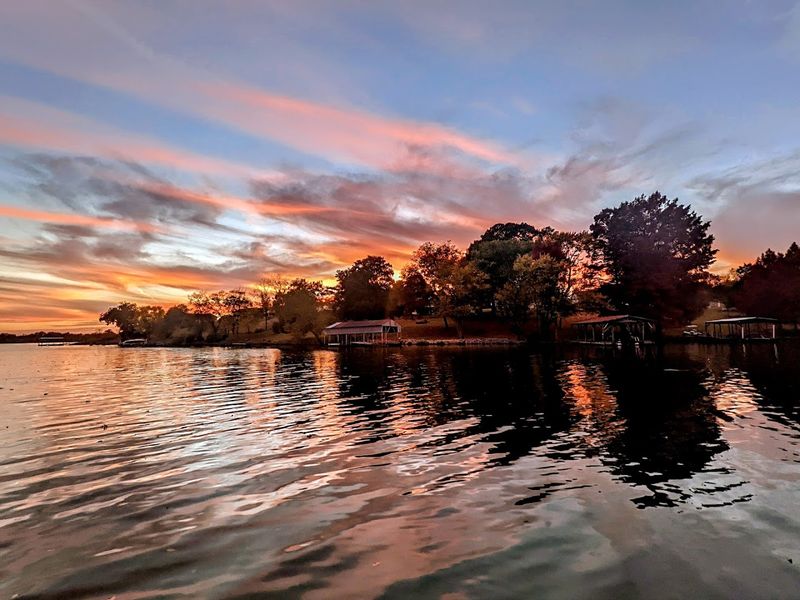
Hendersonville’s turn came during the December 2023 Middle Tennessee tornado outbreak. An EF2 tornado damaged businesses and neighborhoods across this Sumner County lakeside community. The disaster struck an area known more for its quiet suburban character than severe weather.
Local business owners faced immediate crises. Damaged storefronts meant lost inventory and revenue. Some businesses had just recovered from pandemic impacts.
The tornado felt like another devastating blow. Insurance claims and repair estimates dominated conversations.
Yet something remarkable happened almost immediately. Shock transformed into determination within hours. Business owners started the cleanup before insurance adjusters arrived.
Residents organized volunteer crews. The community shifted from victim mentality to recovery mode faster than anyone expected.
This quick pivot defined Hendersonville’s recovery. Rather than waiting for outside help, locals took charge. Neighbors helped repair damaged homes.
Customers supported affected businesses. Churches coordinated relief efforts. The community-wide effort felt organic and powerful.
Rebuilding became a shared mission. Construction crews prioritized tornado damage. Supply companies expedited orders.
Inspectors fast-tracked permits. Everyone understood that quick recovery would minimize economic and emotional impacts.
Neighborhoods showed visible progress within months. Blue tarps disappeared from roofs. Broken windows were replaced. Damaged siding was repaired. Fresh landscaping replaced destroyed trees and shrubs. Each improvement lifted community spirits.
Hendersonville’s recovery demonstrates how community culture affects disaster response. The town’s strong neighborhood connections and civic pride translated into rapid, effective recovery. The tornado tested Hendersonville’s character and found a community ready to prove its strength through action rather than words.