Texas has a personality all its own, shaped by centuries of history, natural wonders, and the fierce pride of its people. Across the state, certain places hold such deep meaning that locals would do just about anything to preserve them. From towering rock formations to battle sites that changed the course of history, these landmarks represent the heart and soul of Texas, and they’re worth every bit of the passion Texans show in protecting them.
1. Big Bend National Park (Southwest Texas)
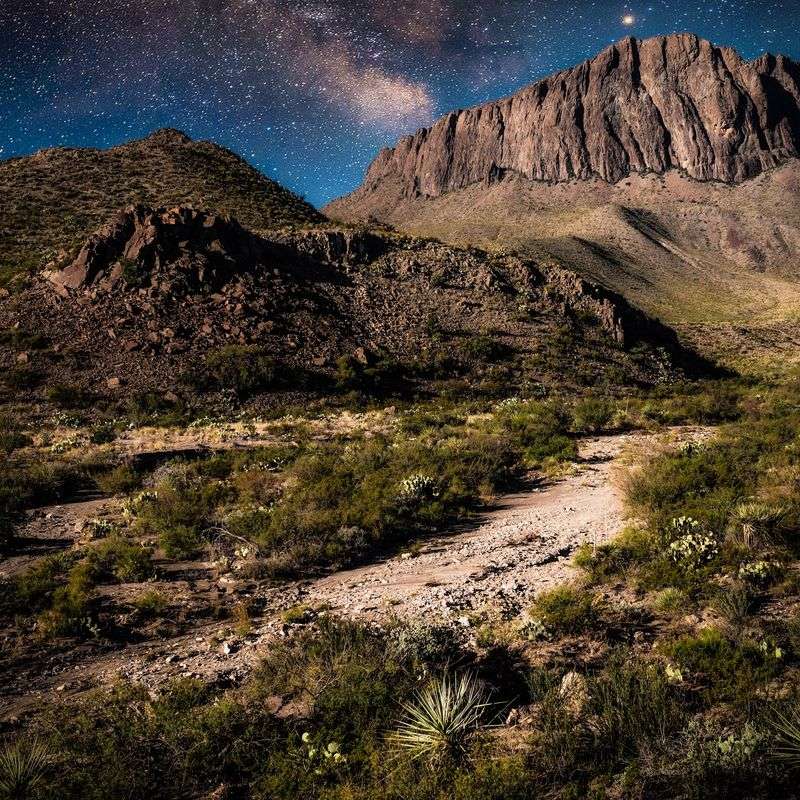
Sprawling across more than 800,000 acres along the Mexican border, this remote wilderness feels like stepping onto another planet. The Chisos Mountains rise dramatically from the desert floor, while the Rio Grande carves deep canyons through ancient limestone. It’s the kind of place where you can hike for hours without seeing another soul, and the night sky explodes with more stars than you ever thought possible.
What makes this place so special to Texans isn’t just its beauty, though there’s plenty of that. It’s the sense of untouched wildness that’s increasingly rare in a rapidly developing state. Javelinas wander the campsites at dawn, roadrunners dart across the highway, and black bears occasionally make appearances in the high country.
The park protects an entire ecosystem that exists nowhere else, a meeting point of desert, river, and mountain environments.
Locals know the best times to visit, avoiding the scorching summer months when temperatures regularly top 110 degrees. Spring brings wildflower blooms that transform the desert into a carpet of color, while fall offers perfect hiking weather. The hot springs along the Rio Grande provide a natural soaking spot, though you’ll need to hike a bit to reach them.
Texans fiercely defend this park against any threat, whether it’s proposed development, border wall construction that would slice through habitat, or budget cuts that might reduce protection. They understand that once a place like this is damaged, it can never truly be restored. The park represents Texas at its most raw and authentic, a landscape that hasn’t been tamed or sanitized, and that’s exactly why it’s worth fighting for with everything they’ve got.
2. The Alamo (San Antonio)
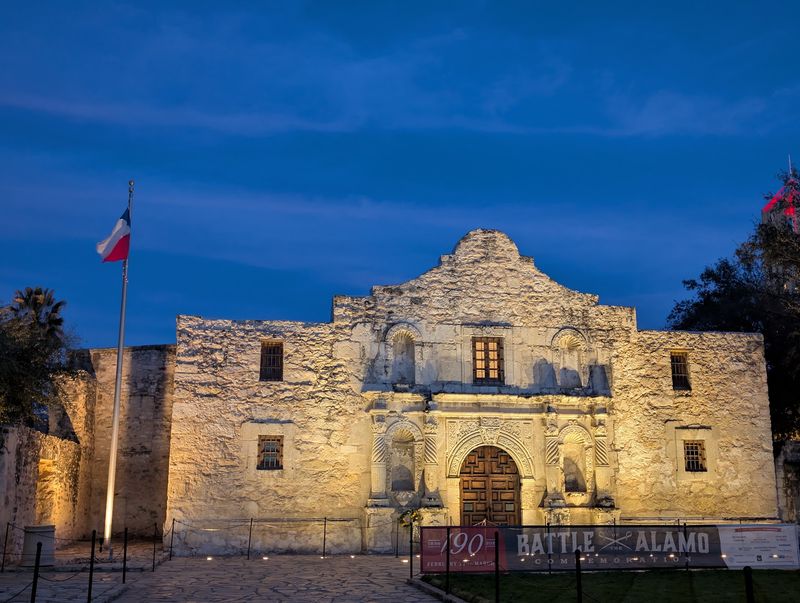
Walk through downtown San Antonio and you’ll find yourself face to face with a small limestone building that carries the weight of Texas identity on its shoulders. The 1836 battle that took place here lasted only thirteen days, but it ignited a revolution and gave birth to the rallying cry that still echoes through Texas culture. Every Texas schoolchild learns the names: Travis, Bowie, Crockett, and the nearly 200 defenders who stood against overwhelming odds.
The mission itself is much smaller than most visitors expect, dwarfed now by modern hotels and tourist attractions. But step inside those thick walls and the noise of the city fades. You’re standing where men made their last stand, where history pivoted, where the idea of Texas independence became worth dying for.
The Long Barrack still stands, its rooms now filled with artifacts and exhibits that tell the story of both the battle and the mission’s earlier history.
Locals have strong opinions about how this site should be preserved and presented. Recent restoration plans sparked heated debates about authenticity, commercialization, and respect for sacred ground. Some wanted to see the surrounding area returned to its 1836 appearance, removing modern intrusions.
Others worried about displacing businesses and changing the character of downtown.
What nobody argues about is the Alamo’s importance to Texas identity. It represents courage, sacrifice, and the stubborn independence that Texans pride themselves on. School field trips bring thousands of kids here every year, ensuring new generations understand what happened within these walls.
The site isn’t just a tourist attraction or a history lesson. It’s a shrine, a symbol, and a reminder of the price paid for Texas freedom. Threaten it, and you’ll face the wrath of an entire state.
3. Caddo Lake State Park (Karnack)
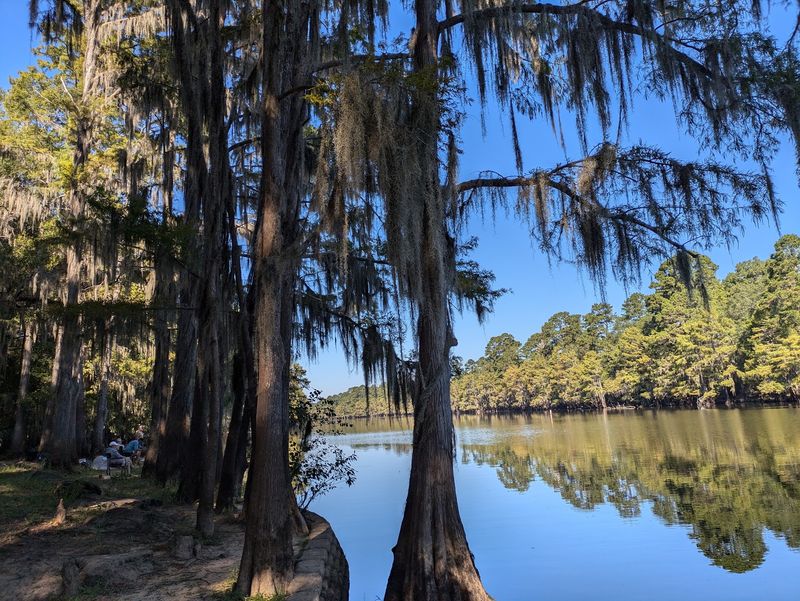
Ancient cypress trees rise from dark, mysterious waters, their trunks swollen at the base and draped with Spanish moss that sways in the breeze. This is Texas’s only natural lake, though calling it a lake doesn’t quite capture the maze of bayous, sloughs, and channels that wind through the forest. Paddle a kayak through here and you’ll quickly lose your bearings, surrounded by trees that were already old when Texas became a state.
The ecosystem here is unlike anywhere else in Texas, more Louisiana bayou than typical Texas landscape. Alligators sun themselves on logs, herons stalk through the shallows, and the air hangs thick and humid even in spring. The water itself is stained dark brown from tannic acid, giving the whole place an otherworldly, primeval atmosphere that feels transported from another era.
Locals know to bring a GPS or stick close to marked trails, because it’s remarkably easy to get turned around in the labyrinth of identical-looking channels.
For generations, East Texas families have been coming here to fish, camp, and escape the modern world. The lake supports a unique fishery, including species rarely found elsewhere in the state. But the lake faces ongoing threats from invasive species, water level management disputes, and development pressure on surrounding lands.
Giant salvinia, an aquatic fern, has repeatedly choked portions of the lake, requiring expensive control efforts.
Texans who love this place fight hard to keep it protected and healthy. They attend water management meetings, volunteer for cleanup days, and push back against any proposal that might harm the delicate balance of this ecosystem. They know you can’t recreate a cypress swamp once it’s gone, can’t bring back trees that took centuries to grow.
Caddo Lake represents a wilder, older Texas, and losing it would mean losing a piece of the state’s natural soul.
4. Texas State Capitol (Austin)
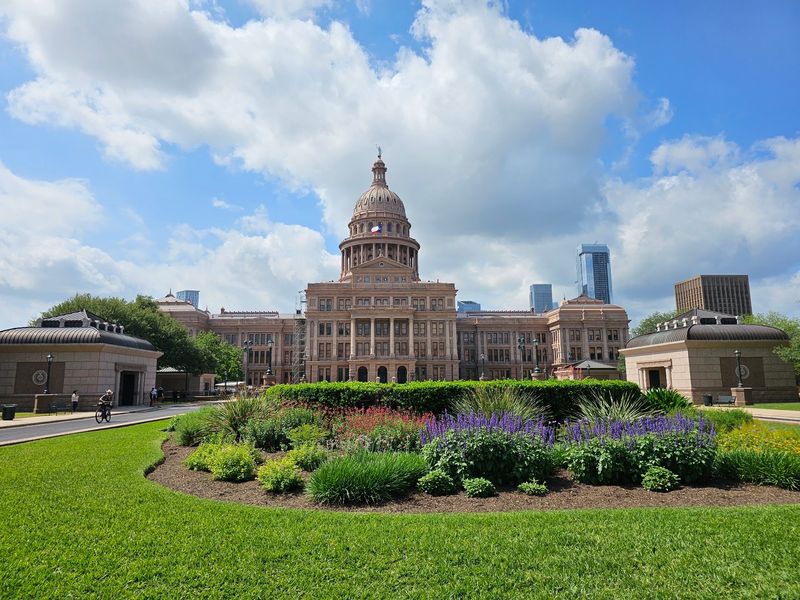
Rising 308 feet into the Austin sky, the pink granite dome of this building stands seven feet taller than the U.S. Capitol in Washington, because of course it does. Texans don’t do subtle, and their statehouse makes that perfectly clear.
Completed in 1888 using sunset red granite quarried from Marble Falls, the building dominates the Austin skyline and serves as both the working seat of government and a monument to Texas pride.
The building’s details reward close examination. The doors weigh several tons each, the rotunda features portraits of every Texas president and governor, and the floors are made of different colored tiles arranged in intricate patterns. The Goddess of Liberty statue crowning the dome is actually a replacement; the original stood there for nearly a century before being retired to a museum.
Walking the halls during legislative session, you might spot your representative, watch committee hearings, or see democracy in action, Texas style.
The grounds surrounding the capitol hold their own significance. Monuments commemorate everything from fallen firefighters to the Ten Commandments, each one representing some aspect of Texas history or values. Ancient live oaks provide shade, and the Capitol Complex Visitors Center offers exhibits about the building’s construction and restoration.
The entire campus underwent a massive renovation in the 1990s, adding underground extensions while preserving the historic structure above.
Locals guard this building with fierce devotion. When proposals surface to alter its appearance or repurpose its spaces, public outcry follows immediately. The capitol represents not just government, but Texas itself: bold, proud, and built to last.
School groups tour constantly, couples get married on the grounds, and protests regularly fill the south steps. It’s a living, working monument, and Texans will ensure it stays that way for generations to come, unchanged in its essential character and unwavering in its representation of Texas values.
5. Longhorn Cavern State Park (Burnet)
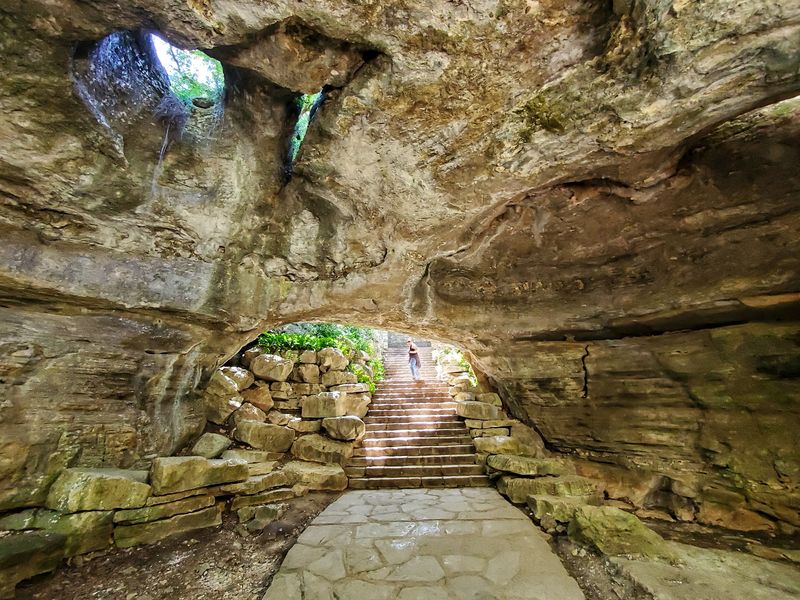
Beneath the Texas Hill Country lies a hidden world carved by an ancient river that disappeared millions of years ago. Unlike most caves formed by dripping water creating stalactites and stalagmites, this cavern was carved by a powerful underground river that dissolved and eroded the limestone, creating smooth, flowing passages and dramatic chambers. The result is a geological wonder that’s been attracting visitors since the 1930s, when the Civilian Conservation Corps built the trails and infrastructure that remain in use today.
The cave’s history extends far beyond its geological formation. Comanche tribes used it for shelter and ceremonies, Confederate soldiers allegedly manufactured gunpowder here during the Civil War, and Prohibition-era outlaws supposedly ran a speakeasy in one of the chambers. Whether all these stories are true hardly matters; they’ve become part of the cave’s legend, adding layers of human history to the natural wonder.
Walking through the passages today, you notice the complete absence of the formations you’d expect in a typical cave. No stalactites hang from the ceiling, no stalagmites rise from the floor. Instead, you see smooth walls and flowing shapes created by that ancient river, along with occasional deposits left by more recent water seepage.
The temperature stays a constant 68 degrees year-round, making it a perfect escape from Texas summer heat or winter chill.
Hill Country residents have long considered this cave a treasure worth protecting. When development threatens the recharge zone above or when vandalism damages the delicate interior, locals spring into action. They understand that caves are fragile environments, that what took millions of years to create can be destroyed in moments.
The park hosts educational programs, guided tours, and special events that help people appreciate what lies beneath their feet. Protecting this underground marvel means ensuring future generations can experience the same sense of wonder that visitors have felt for nearly a century.
6. San Jacinto Monument (La Porte)
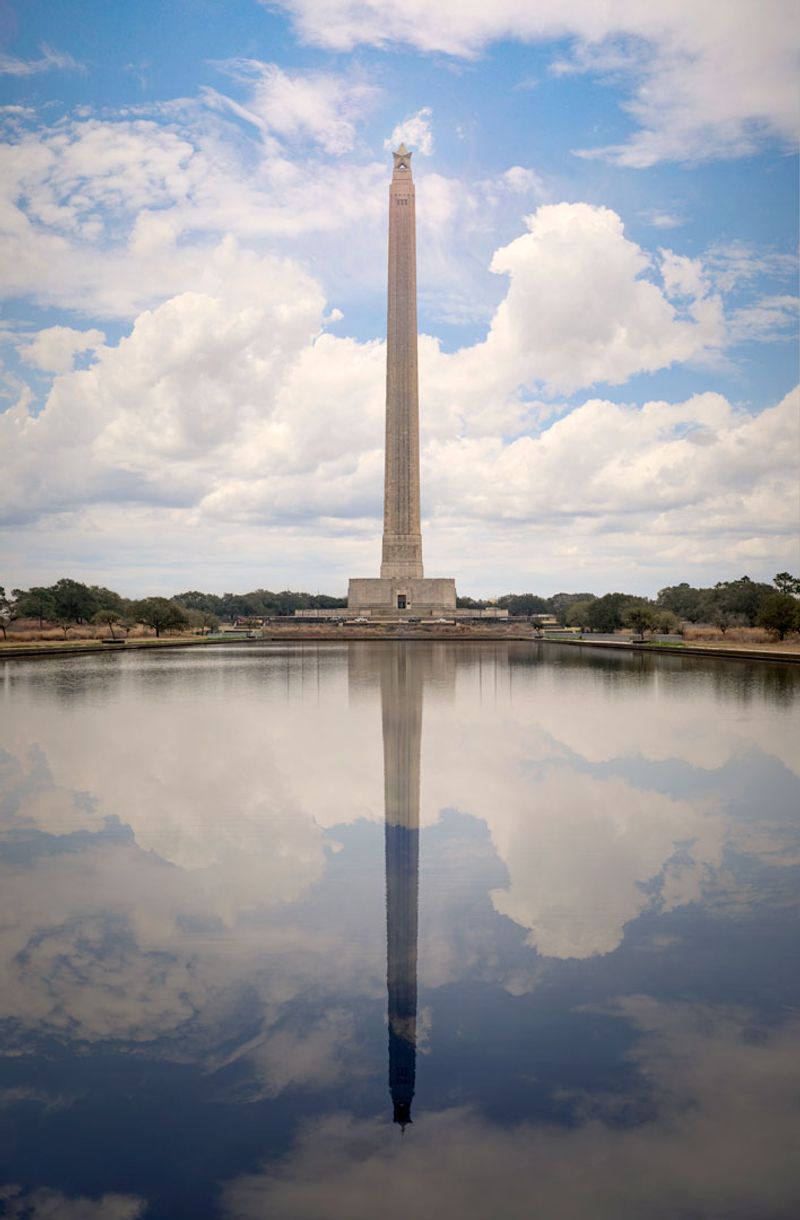
Standing 567.31 feet tall, this limestone shaft rises higher than the Washington Monument, marking the spot where Texas won its independence in a battle that lasted just eighteen minutes. On April 21, 1836, Sam Houston’s army caught Santa Anna’s forces by surprise during their afternoon siesta, turning the tide of the revolution with shocking swiftness. The monument itself wasn’t built until a century later, but it’s become an unmistakable landmark visible for miles across the flat coastal plains.
The observation deck at the top offers sweeping views of the Houston Ship Channel, the battleground below, and the USS Texas battleship permanently moored nearby. On clear days, you can see all the way to downtown Houston’s skyline. Inside the base, a museum tells the story of the Texas Revolution through artifacts, documents, and exhibits that bring the struggle for independence to life.
The star at the monument’s peak weighs 220 tons and contains 34 points, representing the original counties of Texas.
The battleground itself is preserved around the monument, though the landscape has changed considerably since 1836. Where armies once clashed, visitors now walk peaceful trails and read interpretive signs explaining troop movements and battle strategy. The reflecting pool and formal gardens add a sense of reverence to the site, creating a memorial atmosphere appropriate for sacred ground.
Houston-area residents take particular pride in this monument, seeing it as a symbol of their region’s role in Texas history. When maintenance needs arise or when the site requires updates, locals rally support and funding. They organize annual San Jacinto Day celebrations, bring school groups for field trips, and ensure the story of Texas independence stays alive.
The monument isn’t just a tall tower; it’s a reminder that Texas was once its own nation, that independence was won through blood and courage, and that some victories are worth commemorating forever.
7. Enchanted Rock State Natural Area (Fredericksburg)
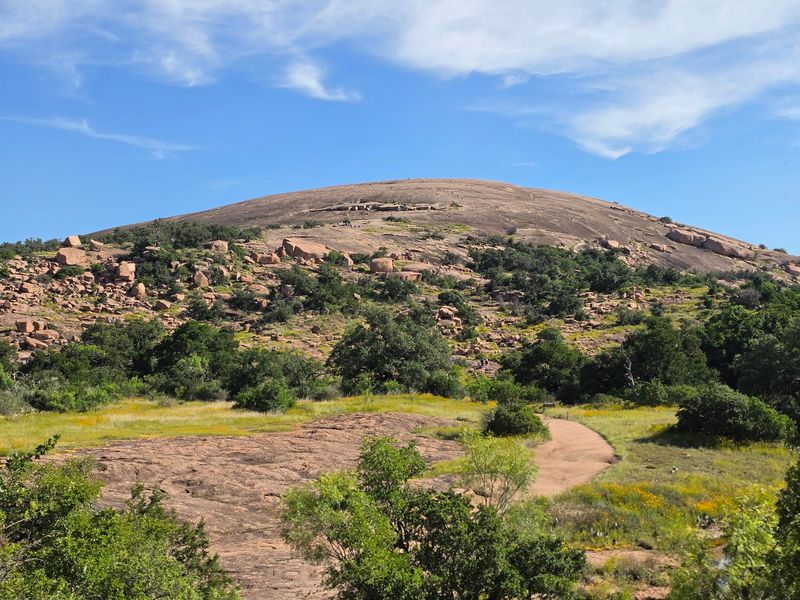
A massive pink granite dome rises 425 feet above the surrounding Hill Country, its bare surface glowing in the sunlight like a beacon. This billion-year-old batholith formed underground and was gradually exposed by erosion, creating one of the largest granite outcrops in the United States. On quiet nights, locals swear you can hear the rock groaning and creaking as it cools, expanding and contracting in a process called exfoliation that slowly peels away layers of stone.
Tonkawa Indians considered this place sacred, believing ghost fires flickered at its summit. Spanish explorers heard the legends and named it Enchanted Rock, adding their own stories to the site’s mystique. Today, thousands of visitors make the steep climb to the summit each year, drawn by the challenge and the panoramic views that reward the effort.
From the top, the Hill Country spreads out in every direction, a rolling sea of oak-covered hills and distant horizons.
The rock itself supports a surprising amount of life. Vernal pools form in depressions on the surface, creating temporary habitats for fairy shrimp and other specialized creatures. Rock quillwort, a rare plant found in few other places, grows in these pools.
Cacti and other hardy plants find purchase in cracks and crevices, while peregrine falcons nest on the rock’s face.
Locals fought hard to see this natural wonder become a state park, preventing it from being subdivided and developed. They continue to advocate for its protection, volunteering as trail guides, participating in cleanup efforts, and supporting park programs. The rock draws so many visitors that the park now requires reservations on busy weekends to prevent overcrowding and protect the fragile ecosystem.
It’s a place that connects people to deep time, to the ancient forces that shaped Texas, and to the natural beauty that makes this state worth protecting with every available resource and ounce of determination.
8. Fort Davis National Historic Site (Fort Davis)
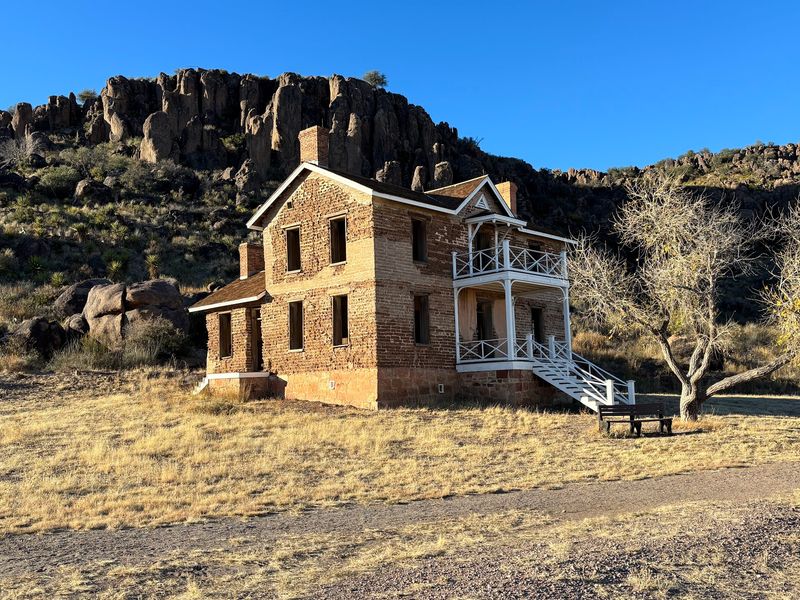
Nestled in a box canyon at 5,000 feet elevation, this frontier military post protected travelers and settlers along the San Antonio-El Paso road during the Apache Wars. From 1854 to 1891, soldiers stationed here endured harsh conditions, isolated from civilization and constantly vigilant against attack. The fort’s location in the Davis Mountains provided some relief from the brutal West Texas heat, but winters brought snow and bitter cold that made life equally challenging.
Today, the fort stands as one of the best-preserved examples of a frontier military post in the Southwest. More than two dozen buildings remain, including officers’ quarters, enlisted men’s barracks, and the hospital. The National Park Service has furnished several structures with period-appropriate items, giving visitors a genuine sense of what garrison life was like.
You can walk the parade ground where soldiers drilled, peer into the blacksmith shop, and imagine the isolation these men felt, hundreds of miles from the nearest city.
The Buffalo Soldiers, African American troops who served with distinction throughout the Indian Wars, made up a significant portion of the fort’s garrison. Their story is told through exhibits and interpretive programs that honor their service and sacrifice. These soldiers faced discrimination and hardship but performed their duties with professionalism and courage, earning respect from both their officers and their opponents.
West Texans feel a deep connection to this fort and its history. It represents a time when their region was truly the frontier, when survival required toughness and determination. Local volunteers support the site through Friends groups, helping with events and preservation efforts.
They know that frontier forts like this are disappearing, either crumbling away or lost to development. Protecting Fort Davis means preserving a piece of the Old West that’s becoming increasingly rare, a tangible link to the days when Texas was still being tamed and the outcome was far from certain.
9. Palo Duro Canyon State Park (Canyon)
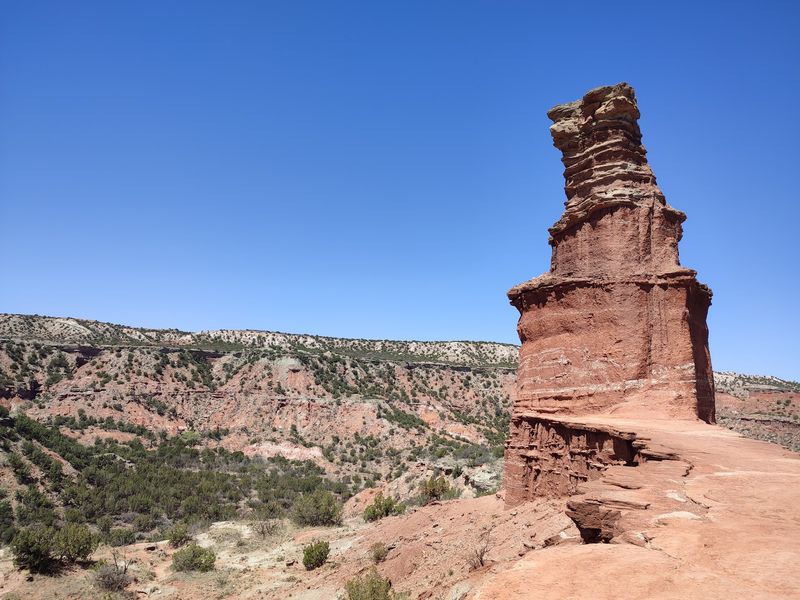
Cutting 120 miles across the Texas Panhandle, this massive gash in the earth drops 800 feet from the flat plains above, revealing millions of years of geological history in its layered walls. It’s the second-largest canyon system in the United States, yet many people outside Texas have never heard of it. Those who discover it find themselves stunned by the explosion of color: red, orange, yellow, and white rock layers striped across towering cliffs, creating a landscape that seems transported from the Southwest’s most iconic scenery.
The Prairie Dog Town Fork of the Red River carved this canyon over millions of years, exposing rock formations that tell the story of ancient seas, tropical forests, and changing climates. The Spanish explorer Coronado passed through here in 1541, and Comanche and Kiowa tribes used the canyon for shelter and hunting. In 1874, the U.S.
Army fought a decisive battle here against the Comanche, effectively ending their control of the Southern Plains.
Today, the park offers 30 miles of trails ranging from easy walks to challenging climbs. The Lighthouse Trail leads to the park’s most famous formation, a rock pillar that rises 310 feet from the canyon floor. Mountain bikers tackle technical terrain, horseback riders explore backcountry trails, and campers spend nights under star-filled skies undimmed by city lights.
Summer brings the outdoor musical drama “Texas,” performed in a natural amphitheater carved into the canyon wall.
Panhandle residents consider this canyon their own natural wonder, a source of pride in a region often dismissed as flat and featureless. They work to protect it from overuse, advocate for proper maintenance and funding, and introduce visitors to its hidden corners and secret spots. The canyon represents the unexpected beauty that Texas holds, proof that the state’s landscapes are far more diverse than stereotypes suggest.
Lose this place, and you lose a geological treasure that took millions of years to create and can never be replaced.
10. La Lomita Chapel (Mission)
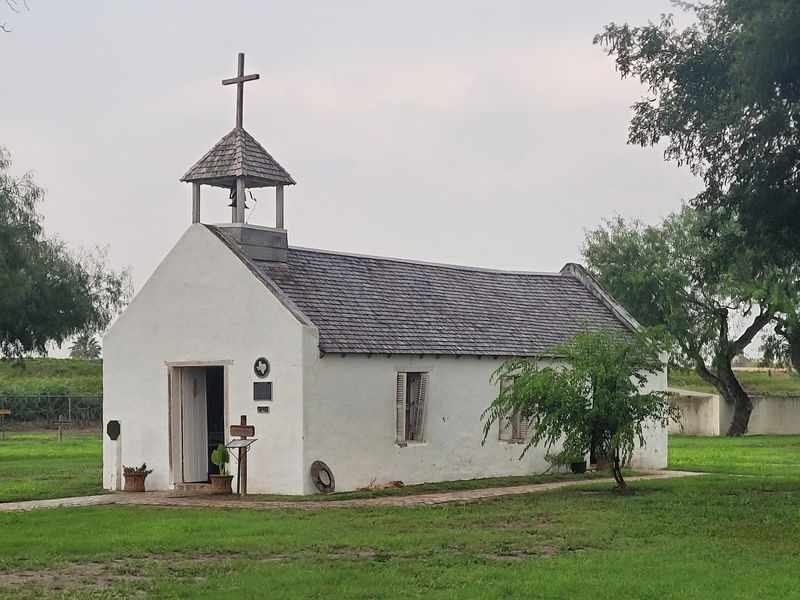
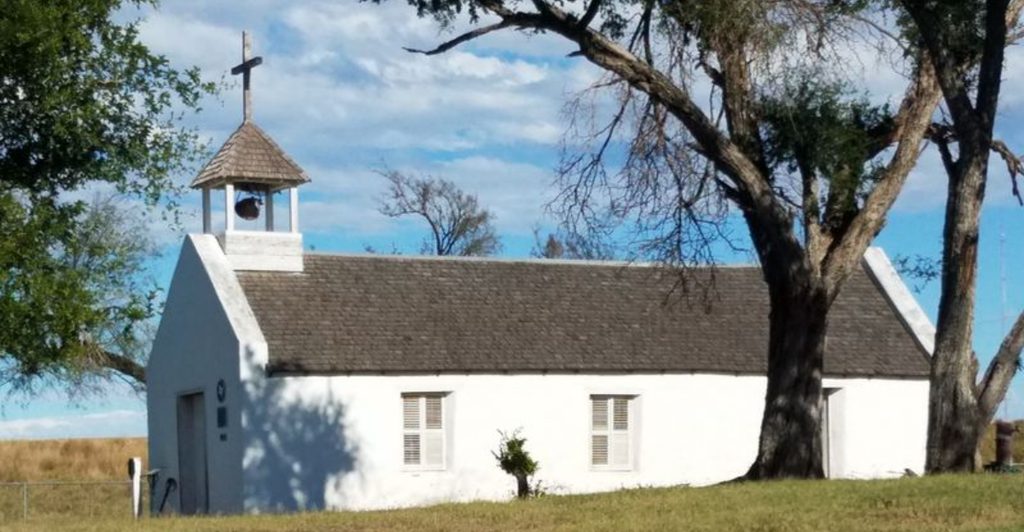
On a slight rise near the Rio Grande stands a tiny chapel that’s served as a spiritual beacon for travelers since 1865. Built by Oblate missionaries who worked among the poor communities along the border, the structure is simple: white stucco walls, a red tile roof, and a small bell tower. But its significance far outweighs its humble appearance.
For generations, this chapel marked a stopping point for missionaries traveling the river, a place to rest, pray, and gather strength before continuing their journeys through the harsh borderland.
The chapel’s name means “the little hill,” referring to the modest elevation that made it visible to travelers approaching from the surrounding flatlands. Inside, the space is intimate and spare, with room for perhaps a dozen people at most. The walls have witnessed countless prayers, christenings, and moments of quiet reflection.
Outside, native plants and palm trees create a peaceful setting that invites contemplation.
The Rio Grande Valley has changed dramatically since the chapel’s founding. Cities have grown, agriculture has transformed the landscape, and the border has become increasingly militarized. Through it all, La Lomita has remained, a constant in a region of constant change.
It survived floods, neglect, and the passage of time, thanks largely to local efforts to preserve and maintain it.
Valley residents see this chapel as a symbol of their region’s deep Catholic heritage and its history of serving the poor and marginalized. When preservation needs arise, the community responds with donations and volunteer labor. The chapel isn’t grand or famous, won’t appear on most tourist itineraries, and doesn’t draw massive crowds.
But for those who know its story, it represents the quiet faith and determination that built communities along the border. It’s a reminder that some of the most important landmarks aren’t the biggest or most impressive, but the ones that speak to the everyday experiences and enduring values of ordinary people trying to build meaningful lives in challenging circumstances.
11. Goliad State Park and Historic Site (Goliad)
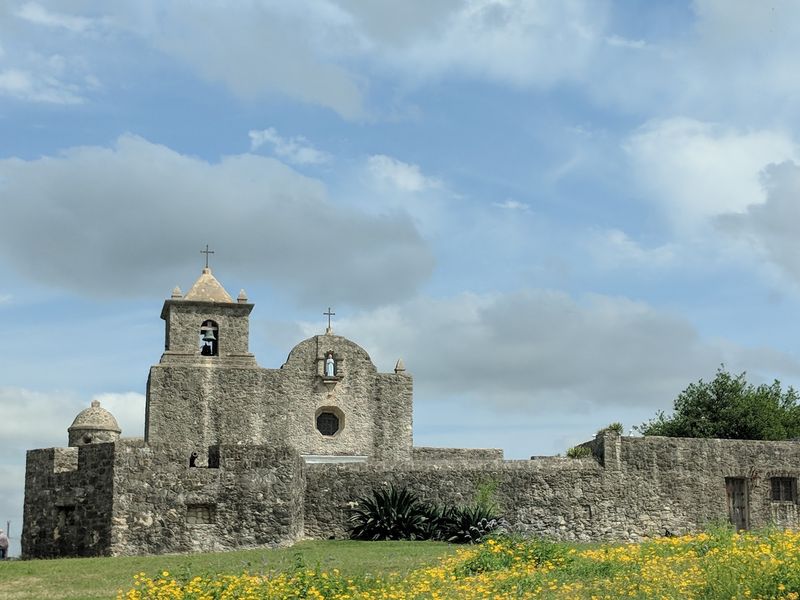
A reconstructed Spanish mission stands as a testament to Texas’s colonial past, while nearby monuments commemorate one of the darkest chapters in the fight for independence. Mission Espiritu Santo was originally founded in 1749, serving as a center for converting and educating Native Americans while supporting the nearby Presidio La Bahia. The mission’s church, granary, and workshops have been carefully reconstructed, giving visitors a sense of life in colonial Texas when Spain controlled this territory.
But Goliad is remembered most for tragedy. In March 1836, just weeks after the Alamo fell, Colonel James Fannin and his men surrendered to Mexican forces after the Battle of Coleto Creek. They were promised fair treatment as prisoners of war.
Instead, on Palm Sunday, Santa Anna ordered their execution. More than 340 Texans were marched out and shot, in what became known as the Goliad Massacre. The atrocity galvanized Texan resistance and added fuel to the cry “Remember the Alamo!
Remember Goliad!” that carried Sam Houston’s army to victory at San Jacinto.
Today, monuments mark the execution sites and a memorial stands in the town square. The presidio itself, located just outside the park, is one of the oldest forts in Texas and played a role in virtually every conflict that touched this region. Walking these grounds, you’re tracing paths walked by Spanish missionaries, Mexican soldiers, Texan revolutionaries, and countless others whose lives intersected with this strategic location.
South Texas communities, especially Goliad itself, guard these sites fiercely. They organize annual memorial services, maintain the grounds, and ensure the stories are told accurately and respectfully. The massacre is a painful part of Texas history, but one that locals believe must be remembered and understood.
These landmarks represent sacrifice, the cost of independence, and the complex, often violent history that shaped Texas. Protecting them means honoring those who died here and ensuring their sacrifice isn’t forgotten or diminished by time’s passage or historical revisionism.
Share this story