Sometimes the best weekends happen when you slow down and skip the crowded tourist spots. Texas has dozens of small towns where you can actually relax, explore at your own pace, and feel like you’ve stepped into a different world. Whether you want art galleries, river views, or just a good meal without waiting an hour for a table, these spots deliver the kind of peaceful escape that leaves you refreshed instead of exhausted.
1. Rockport
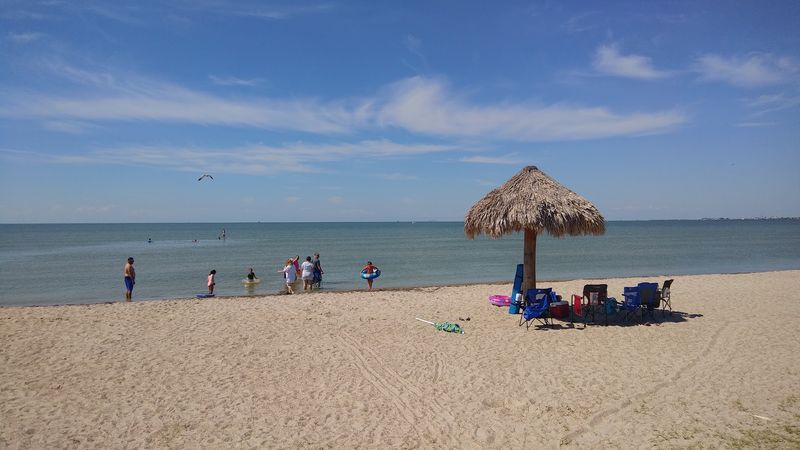
Tucked along the Gulf Coast, this fishing village feels like a secret even though it’s been welcoming visitors for decades. The pace here runs slower than most places, with mornings built around coffee on the waterfront and afternoons spent watching pelicans glide over the bay. You won’t find flashy resorts or chain restaurants cluttering the shoreline, just local seafood joints and art galleries run by people who actually live here year-round.
Birders flock to this area because the whooping cranes winter nearby, and even if you’re not into bird-watching, spotting one of these massive creatures feels like stumbling onto something rare. The beaches aren’t the sugary white sand kind you see in postcards, but they’re perfect for beachcombing and catching a sunrise without fighting for space. Families love the calm bay waters where kids can wade without parents panicking about undertows.
Art lovers get a kick out of the Rockport Art Center and the sculpture garden that overlooks the water. Local artists sell everything from driftwood carvings to watercolor seascapes, and browsing feels more like visiting a friend’s studio than shopping in a tourist trap. You can rent kayaks and paddle through the marshes, or just park yourself at a picnic table with tacos from one of the food trucks near the harbor.
Evenings here are made for strolling the downtown area, where boutiques stay open late and live music drifts out from small venues. The whole town shuts down early compared to city standards, which is exactly the point. You leave feeling like you actually rested instead of just changing locations for a few days.
2. Boerne
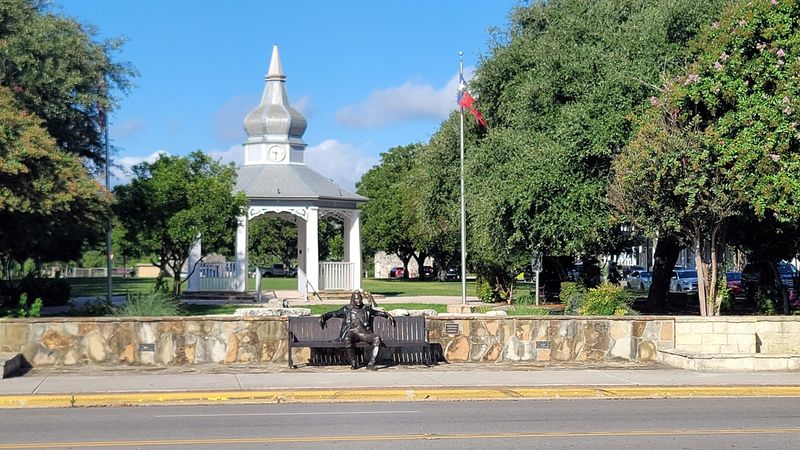
Nestled in the Hill Country just outside San Antonio, this German-settled town manages to feel both historic and surprisingly hip. The main drag runs through downtown with limestone buildings that date back over a century, now filled with antique stores, coffee roasters, and boutiques selling everything from handmade leather goods to locally designed jewelry. You can spend hours just wandering in and out of shops without ever feeling rushed or pressured to buy.
Cibolo Nature Center offers miles of trails that wind along the creek, perfect for morning hikes before the Texas heat kicks in. The trails aren’t grueling, so even kids and older visitors can enjoy them without needing to train beforehand. Deer wander through pretty regularly, and the bird population keeps things lively if you’re paying attention.
Food here leans toward comfort with a twist. You’ll find German bakeries serving kolaches alongside modern farm-to-table restaurants that change their menus based on what’s fresh. The local brewery scene has grown without turning obnoxious, and tasting rooms welcome families during the day before shifting to a more adult vibe in the evenings.
Weekends bring live music to the plaza, where locals spread out blankets and let kids run around while bands play everything from country to blues. Cave Without a Name sits just outside town and offers tours through stunning underground formations that stay a cool 66 degrees year-round, which feels like a gift during summer.
Lodging ranges from historic bed-and-breakfasts to modern hotels, but the smaller inns give you that personal touch where owners remember your name and recommend their actual favorite spots instead of just the most popular ones.
3. Jefferson
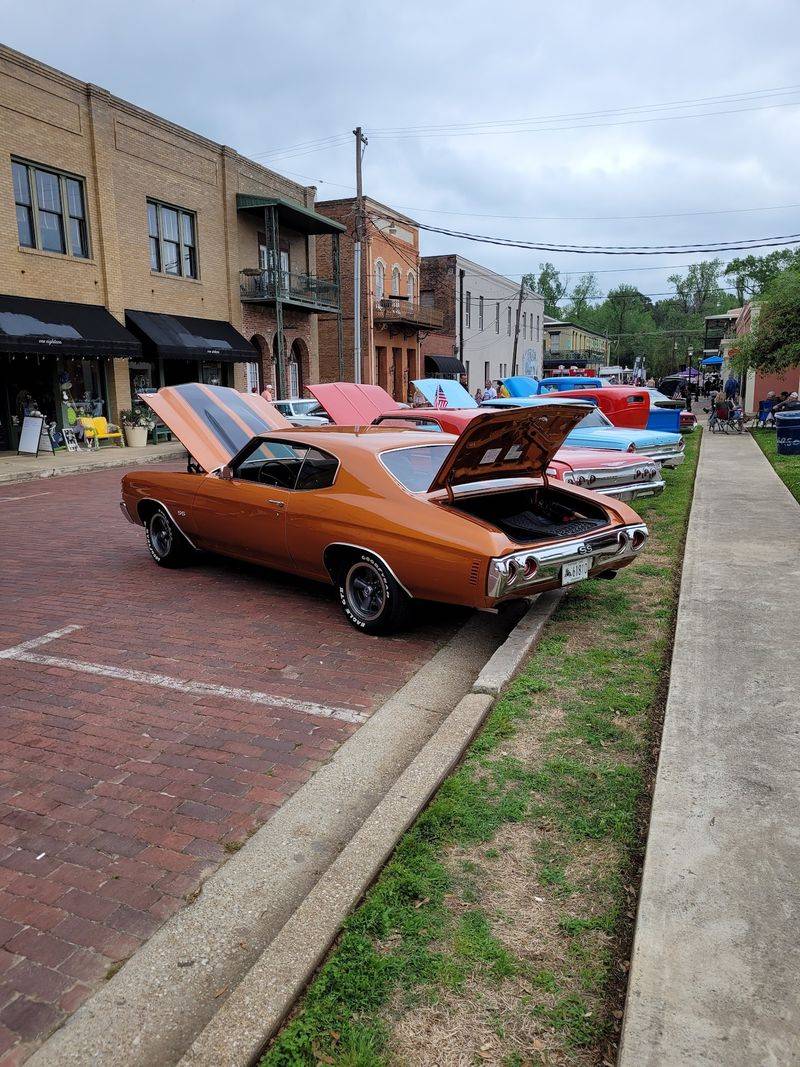
Moss hangs from centuries-old trees over brick streets that look like they haven’t changed much since the 1800s. This East Texas town once rivaled Galveston as a shipping hub before the railroads shifted trade routes and left Jefferson frozen in time. That loss turned into the town’s greatest asset because now you can walk past dozens of preserved Victorian homes and buildings that tell stories from another era.
Ghost tours run regularly, and whether or not you believe in spirits, the guides know their local history and spin tales that make evening walks genuinely entertaining. The Jay Gould Railroad Car sits in a museum downtown, a reminder of when this town thought it would become a major commercial center. Instead, it became something quieter and arguably more interesting.
Bed-and-breakfasts dominate the lodging scene, many housed in restored mansions with period furniture and hosts who serve actual homemade breakfasts instead of continental buffets. Staying in one feels like visiting a relative’s historic home, complete with creaky floors and stories about previous owners. Antiquing here is serious business, with shops packed full of everything from Depression glass to vintage farm equipment.
Caddo Lake sits nearby, offering kayaking through cypress trees draped in Spanish moss that create an almost otherworldly landscape. The water looks dark and mysterious, and paddling through the narrow channels feels like exploring somewhere far more remote than it actually is. Fishing guides know every spot where bass hide, and they’re usually happy to share local knowledge.
Restaurants serve Southern classics without trying to reinvent them. Expect fried catfish, chicken-fried steak, and pies that taste like someone’s grandmother made them because often someone’s grandmother did.
4. Wimberley
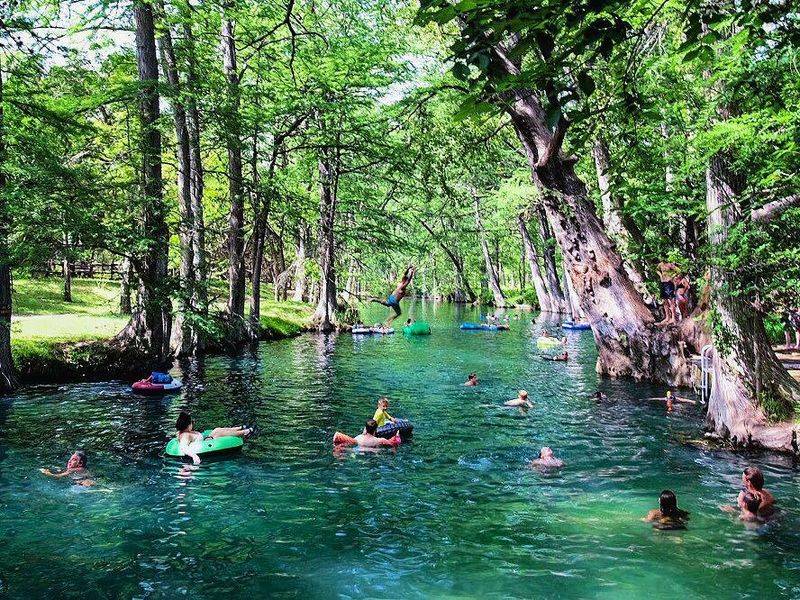
Cypress-lined creeks wind through this Hill Country artist community where the vibe skews bohemian without trying too hard. Blue Hole Regional Park draws swimmers to its spring-fed waters that stay refreshingly cool even when temperatures soar into the triple digits. The swimming area gets packed on summer weekends, but arrive early or visit on weekdays and you might have whole sections of creek to yourself.
Artists settled here decades ago, attracted by the natural beauty and affordable land, and their presence shaped the town into a hub for galleries and studios. The First Saturday Market runs monthly and transforms the town square into a sprawling arts and crafts fair where you can buy everything from pottery to paintings directly from the people who made them. It’s massive, so plan to spend a few hours if you actually want to see everything.
Jacob’s Well Natural Area protects one of the longest underwater caves in Texas, though swimming there requires advance reservations and fills up fast. Even if you don’t get in the water, the preserve offers hiking trails through the Hill Country landscape where wildflowers explode in spring and fall colors surprise people who think Texas doesn’t do autumn.
Wimberley Square anchors the downtown area with shops selling handmade goods, vintage finds, and enough quirky items that browsing never gets boring. Restaurants range from BBQ joints to upscale dining, though most places keep things casual enough that you don’t need to change out of your hiking clothes.
Lodging includes everything from riverside cabins to luxury resorts, depending on your budget and style. The town attracts both families looking for outdoor activities and couples seeking romantic getaways, somehow managing to serve both crowds without feeling split or trying too hard to please everyone.
5. Bandera
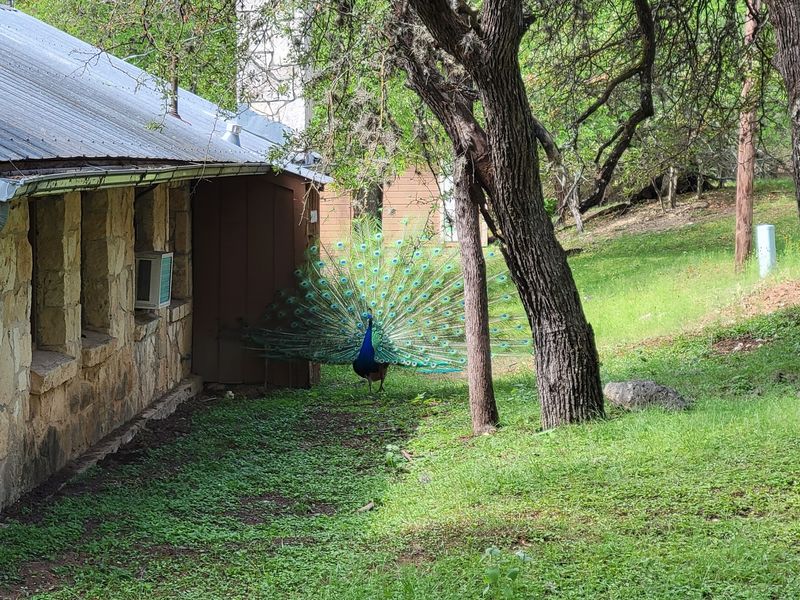
Calling itself the Cowboy Capital of the World might sound like marketing, but this Hill Country town backs it up with working dude ranches and rodeos that happen regularly instead of just for tourists. Real ranches surround the area, and many open their gates to visitors who want to ride horses, help with cattle work, or just experience ranch life without committing to actually becoming a rancher. The authenticity shows in details like worn saddles and horses that know their jobs better than most people.
Main Street runs through downtown with saloons, Western wear shops, and restaurants serving chicken-fried everything. Live music plays most nights, usually country or Texas swing, and locals two-step alongside visitors who are just learning the basic steps. Nobody judges if you mess up because everyone’s too busy having a good time to worry about perfect form.
The Medina River flows through town, offering tubing, kayaking, and swimming spots where you can cool off after a day in the saddle. The water runs clear and cold, fed by springs upstream, and the cypress trees provide plenty of shade along the banks. Outfitters rent tubes and provide shuttle services, though the scene stays more low-key than the party atmosphere you find on some Texas rivers.
Frontier Times Museum displays oddities and artifacts from the Old West, including shrunken heads alongside cowboy gear and Native American items. It’s delightfully weird and feels like the kind of place that couldn’t exist anywhere else. Hill Country State Natural Area offers miles of trails for hiking, mountain biking, and horseback riding through rugged terrain that shows you what this region looked like before development.
Guest ranches provide the full experience with meals, accommodations, and activities included, while hotels in town work for visitors who want flexibility in their schedule.
6. Fredericksburg
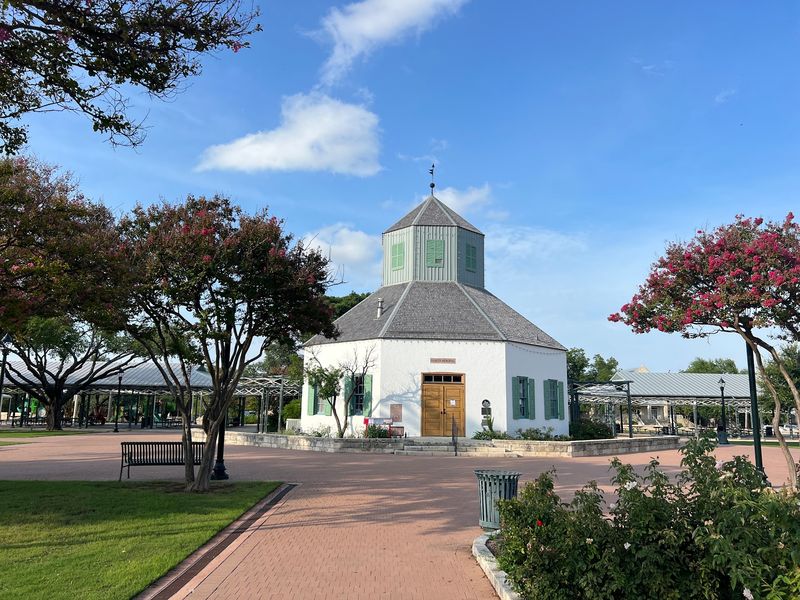
German heritage runs deep in this Hill Country town where you can still hear snippets of German spoken by older residents and see it written on signs throughout downtown. Main Street stretches for blocks, packed with boutiques, wine tasting rooms, and restaurants that serve both traditional German fare and modern Texas cuisine. The shopping alone could fill a weekend, with everything from home decor to gourmet foods to clothing that ranges from Western wear to contemporary fashion.
Wineries dot the surrounding countryside, and many offer tastings with views over vineyards and hills that could pass for Tuscany if you squint. The Texas wine industry took off here, and while snobs might argue about quality, the experience of sipping wine on a patio overlooking rows of grapes beats most fancy wine bars. Many wineries welcome families and have lawns where kids can run around while parents taste.
The National Museum of the Pacific War honors Admiral Nimitz, who grew up here, and provides a surprisingly comprehensive look at the Pacific Theater during World War II. Even people who don’t usually enjoy history museums find themselves absorbed by the exhibits and outdoor displays. It’s massive, so budget several hours if you want to see everything properly.
Enchanted Rock State Natural Area sits just outside town, offering hiking up a massive pink granite dome that rises 425 feet above the surrounding landscape. The climb isn’t technical, but it’s steep enough to get your heart pumping, and the views from the top stretch for miles. Arrive early on weekends because the park limits visitors and often reaches capacity.
Bed-and-breakfasts and guesthouses outnumber chain hotels, many housed in historic buildings or designed to match the German architectural style. Sunday Haus-style cottages dot the area, providing private accommodations perfect for couples seeking romantic escapes.
7. Granbury
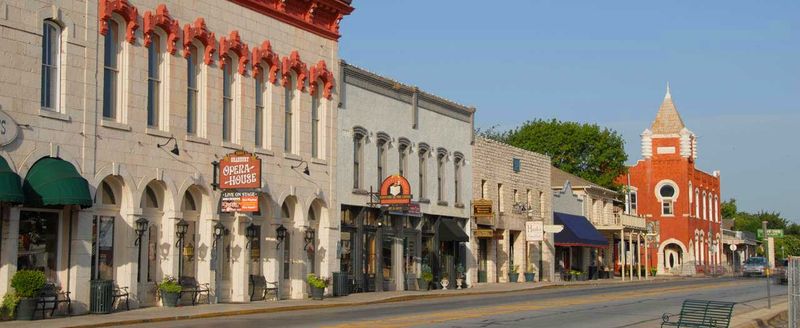
The town square here looks like it was designed for a movie set, with a Victorian courthouse at the center surrounded by buildings that house antique shops, restaurants, and a historic theater that still shows films and live performances. Granbury Opera House dates back to 1886 and hosts everything from classic plays to musicals, all performed in an intimate setting where no seat feels far from the stage. The production quality surprises people expecting small-town amateur hour.
Lake Granbury wraps around the town, creating miles of waterfront where you can fish, boat, or just watch the sunset from one of the many parks along the shore. Paddle boats and kayak rentals make it easy to get on the water without needing to own equipment, and the lake stays calm enough that even beginners feel comfortable. Fishing for bass and catfish keeps anglers busy, and local guides know exactly where to find them.
Shopping around the square takes you through stores selling everything from vintage clothing to handmade jewelry to Texas-themed gifts. The businesses are locally owned, so browsing feels more personal than hitting a mall, and shop owners actually talk to you about their merchandise instead of just hovering nearby. Several stores specialize in antiques and vintage items, perfect for treasure hunters who love digging through old stuff.
Dining options range from casual barbecue to upscale steakhouses, with several restaurants offering patio seating that overlooks the square. Brazos Drive-In Theatre shows double features on weekends, giving you that nostalgic experience of watching movies from your car while munching on snacks from the concession stand.
Bed-and-breakfasts fill historic homes throughout the residential areas, while modern hotels near the lake provide convenience for families. Ghost tours run regularly, combining local history with spooky stories that make evening walks more entertaining.
8. Marfa
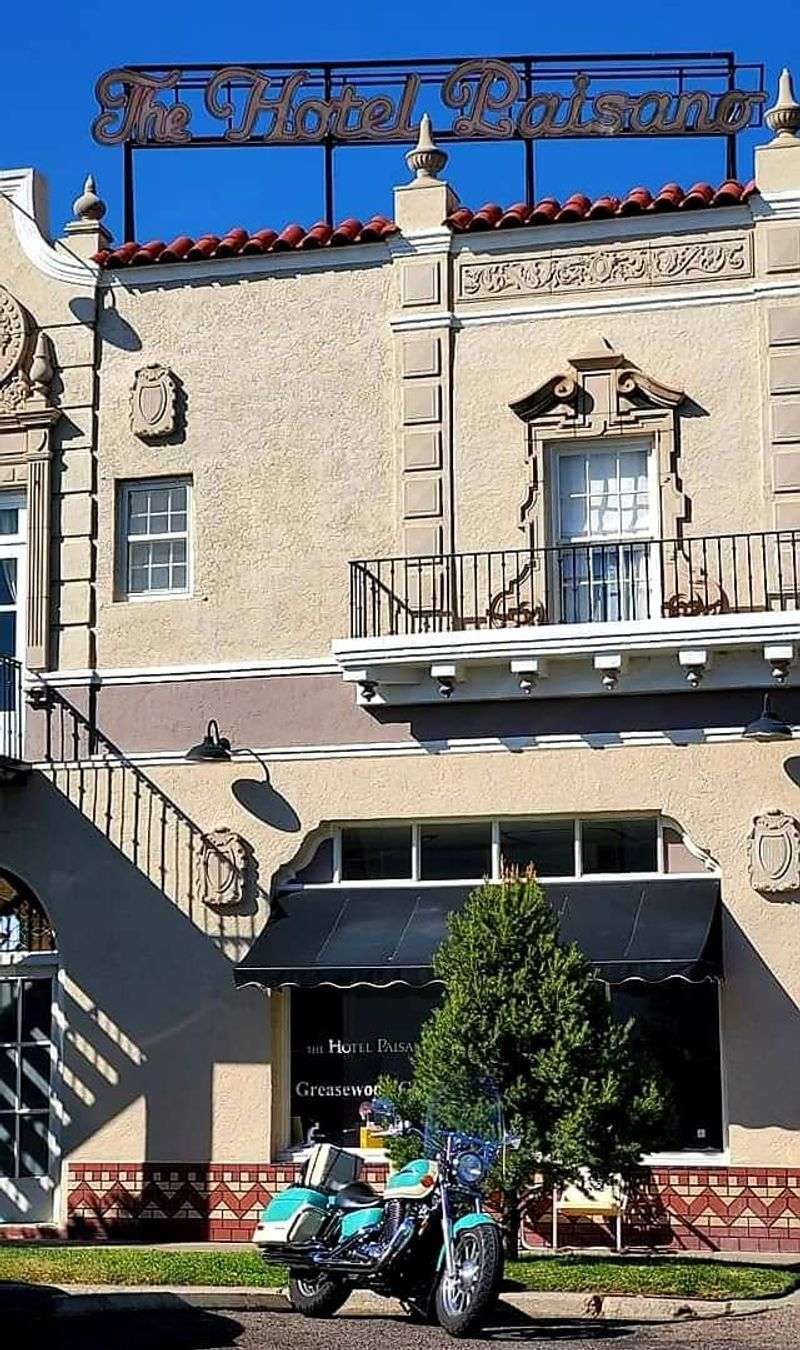
Out in the high desert of West Texas, this tiny town became an unlikely art destination when minimalist artist Donald Judd moved here in the 1970s and started transforming old military buildings into exhibition spaces. Today, art galleries and installations dot the landscape, creating a surreal contrast between the stark desert surroundings and the sophisticated art world that exists here. The Chinati Foundation showcases large-scale installations across multiple buildings and outdoor spaces, requiring hours to see properly.
Downtown consists of a few blocks where you’ll find boutique hotels, upscale restaurants, and shops selling art books and designer goods that seem wildly out of place in a town of less than 2,000 people. Yet somehow it works, attracting creative types and curious travelers who want to experience this weird cultural oasis. The vibe skews hipster without being obnoxious about it, and locals seem genuinely friendly rather than pretentious.
Prada Marfa sits about 40 miles outside town, a permanent sculpture designed to look like a Prada store complete with real handbags and shoes displayed in the windows. It’s become an Instagram favorite, though the art statement about consumerism gets lost on most people who just want photos. The drive out there takes you through stunning desert landscape where mountains rise in the distance and the sky stretches forever.
Marfa lights remain unexplained phenomena that appear as glowing orbs in the distance on certain nights. A viewing platform sits east of town where people gather after dark hoping to spot them, and whether you see lights or not, the star-gazing alone makes the trip worthwhile.
Hotel Saint George and other boutique accommodations provide stylish places to stay, while food options include everything from food trucks to fine dining. The whole experience feels like discovering a secret that you’re not sure you’re cool enough to be in on.
9. Brenham
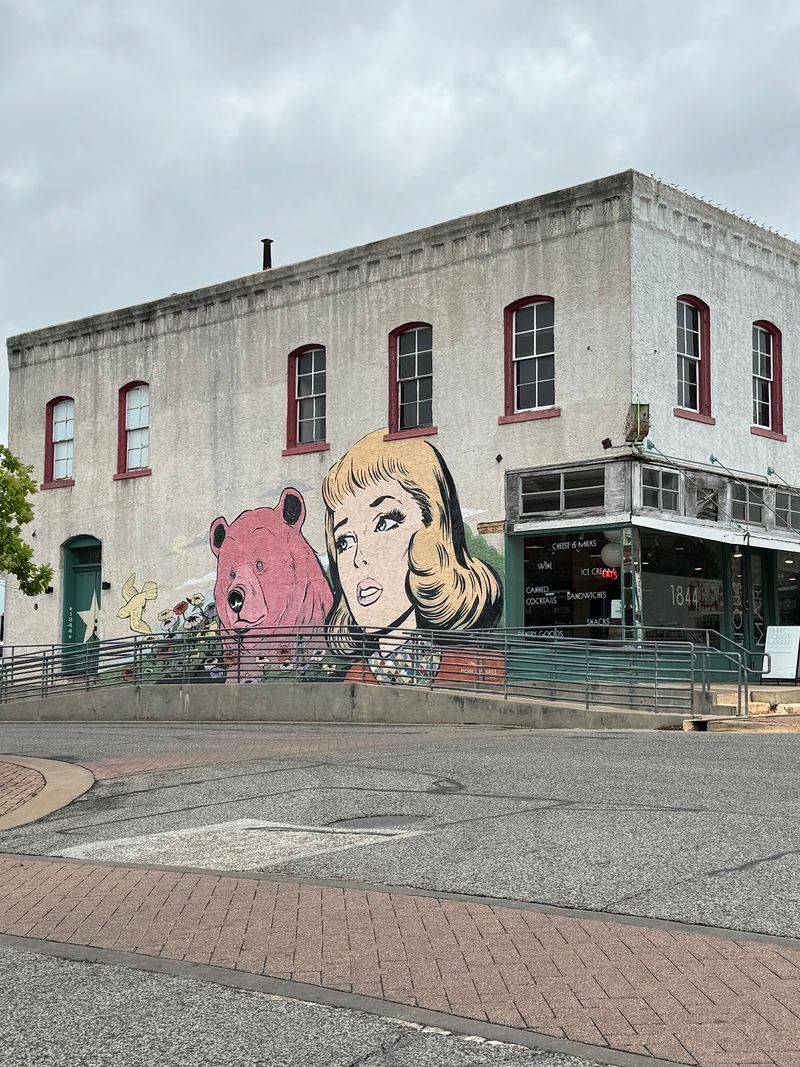
Ice cream made this town famous, and Blue Bell Creamery still churns out millions of gallons here while offering tours that let you watch the process and sample the results. The tour books up fast, especially during summer, so plan ahead if you want to see how they make the stuff that Texans consider the only acceptable ice cream brand. The company store sells flavors and merchandise, and yes, people drive hours just to visit.
Beyond frozen treats, this area is known as the bluebonnet capital of Texas, and when spring arrives, the wildflowers transform the countryside into a sea of blue and other colors. Photographers and families flock here for pictures among the blooms, and the locals embrace it rather than getting annoyed by the influx. The Washington County Courthouse sits downtown, surrounded by antique shops and local businesses that have served the community for generations.
Pleasant Hill Winery offers tastings in a restored Victorian house, combining Texas wines with beautiful grounds where you can picnic after sampling. The winery hosts events throughout the year, from concerts to festivals, always maintaining a laid-back atmosphere that feels more like visiting friends than attending a formal wine event. Several other wineries operate nearby, making this a good area for a self-guided wine tour.
Chappell Hill sits just down the road, even smaller than Brenham, with its own collection of antique stores and the famous Lavender Festival each summer. The whole region feels agricultural and authentic, with working farms and ranches surrounding the towns. Main Street in Brenham offers shopping and dining without the tourist-trap vibe that plagues some small towns.
Lodging includes historic bed-and-breakfasts and standard hotels, depending on your preferences. The town stays busy on weekends but never feels crowded, and you can explore at your own pace without fighting traffic or waiting in long lines.
10. Luckenbach
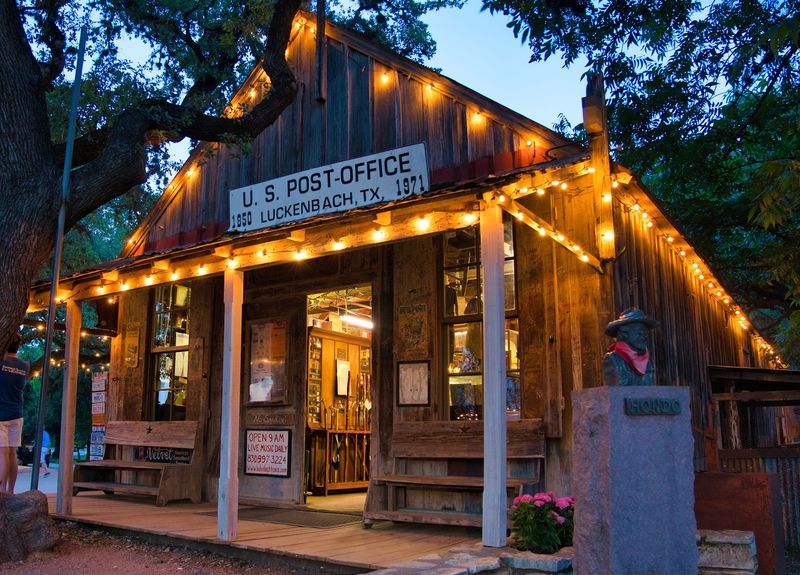
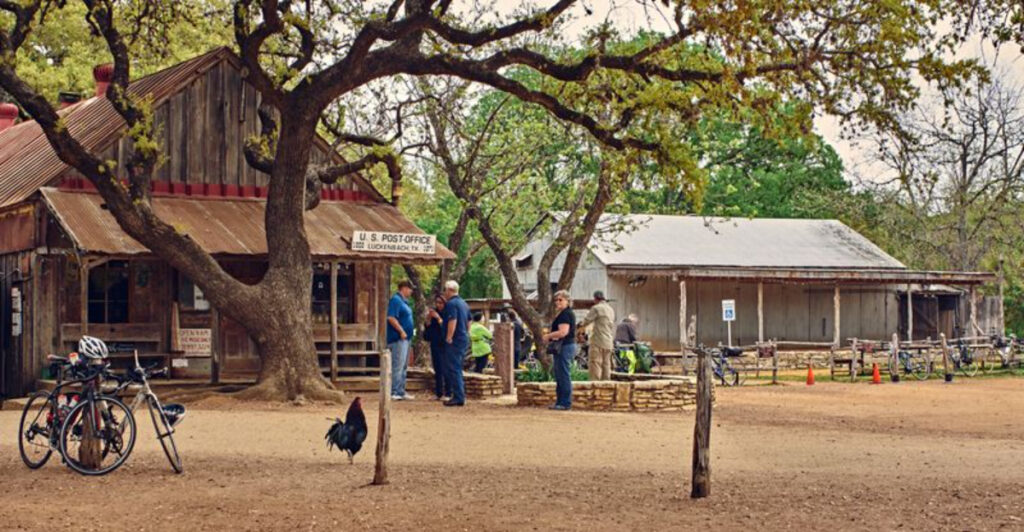
Population three, according to the signs, though that number swells on weekends when people gather at the old general store and dance hall for live music and cold beer. Willie Nelson made this place famous with his song, and the town embraced its role as a Texas music shrine without selling out or becoming overly commercialized. The whole “town” consists of the general store, dance hall, and a few outbuildings surrounded by oak trees where people spread out with lawn chairs and coolers.
Musicians play here regularly, usually country or Americana, and the quality varies from local pickers to nationally known artists who show up unannounced just to play. Nobody charges cover at the outdoor stage, though the dance hall sometimes requires tickets for bigger acts. The atmosphere stays casual and welcoming, with strangers chatting like old friends and kids running around while parents relax.
The general store sells T-shirts, hats, and other merchandise alongside cold drinks and snacks. You can mail postcards from here, and they’ll get stamped with the Luckenbach postmark, which makes them popular souvenirs. The walls inside are covered with photos, business cards, and memorabilia left by visitors over the decades.
Sunday afternoons bring picker circles where anyone can join in and play, creating impromptu jam sessions that sometimes sound amazing and sometimes sound like what they are: random people playing together for the first time. It doesn’t matter because the whole point is participating and enjoying the moment rather than performing perfectly.
Located between Fredericksburg and Austin, this makes a perfect stop during a Hill Country trip rather than a destination itself. You’ll spend an hour or two here, maybe more if live music is happening, but that’s enough to soak up the vibe and understand why this tiny spot holds such a special place in Texas culture.
11. Gruene
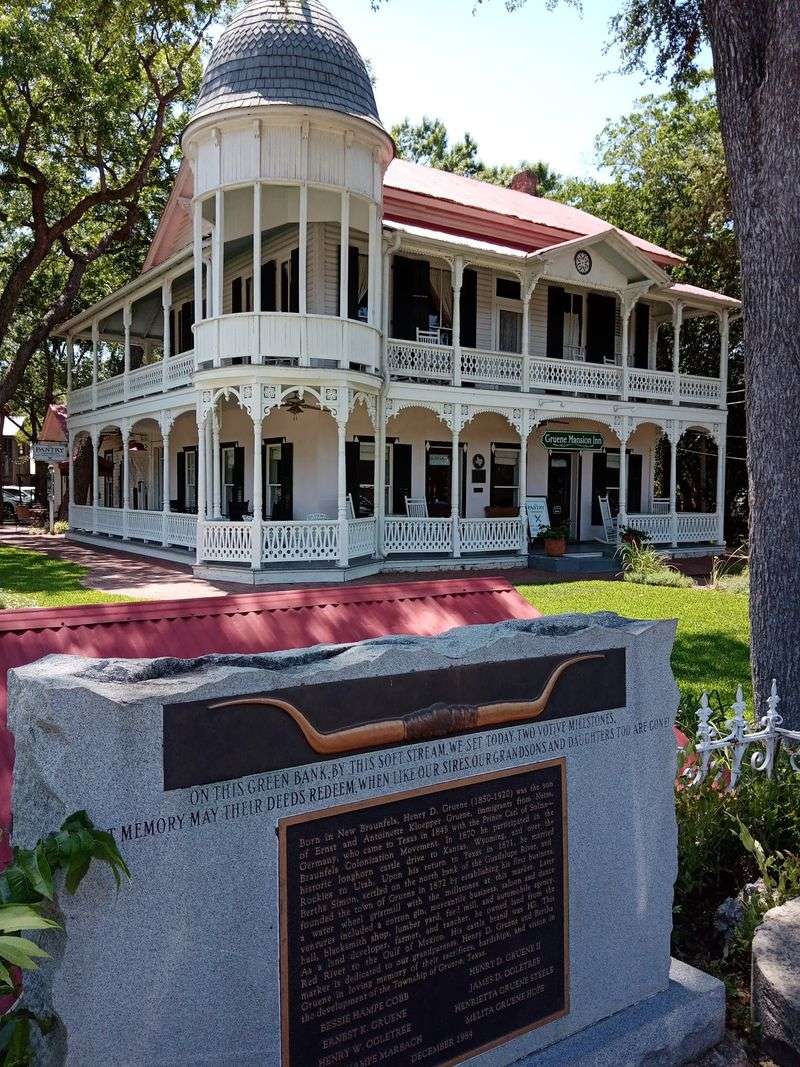
Technically part of New Braunfels now, this historic district maintains its own identity with a collection of 19th-century buildings that house shops, restaurants, and Texas’s oldest dance hall. Gruene Hall opened in 1878 and still hosts live music several nights a week, with big-name country artists playing the same stage where unknown locals perform on slower nights. The wooden floor slopes from decades of boots shuffling across it, and the walls are covered with posters and photos documenting the hall’s long history.
The Guadalupe River flows right past the historic district, making this a popular spot for tubing during summer months. Outfitters rent tubes and provide shuttle services, and the river section here runs gentle enough for families while still providing enough current to keep things interesting. The water stays cool year-round, fed by springs upstream, offering relief from the Texas heat.
Shopping in the historic buildings takes you through antique stores, boutiques, and specialty shops selling everything from Western wear to home decor. The Gristmill Restaurant occupies old cotton gin ruins overlooking the river, serving burgers and Texas fare on multiple levels of outdoor decks. It gets packed during peak times, but the setting makes waiting worthwhile.
Gruene Mansion Inn offers bed-and-breakfast accommodations in restored buildings on the original estate, while modern hotels in New Braunfels sit just a few minutes away. Winery tasting rooms have opened in recent years, adding to the food and drink options without cluttering the historic atmosphere.
Weekends bring crowds, especially during summer, but the area absorbs them without feeling overwhelmed. Live music at the hall ranges from country to Americana to Texas swing, and dancing is encouraged regardless of skill level. The whole place feels authentic rather than manufactured, probably because it actually is authentic and just happens to have become popular rather than being designed as a tourist attraction from the start.
Share this story