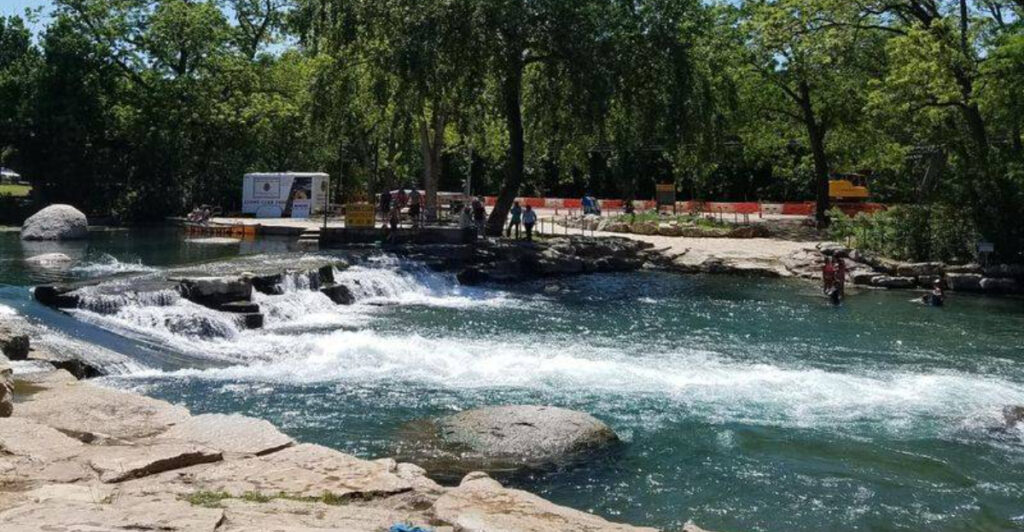
When Texas temperatures climb past 100 degrees, air conditioning only goes so far. There’s something about natural spring-fed water that cools you down in a way nothing else can. From crystal-clear pools hidden in Hill Country to lazy river bends perfect for tubing, these swimming spots offer relief that’s worth the drive.
1. Krause Springs (Spicewood)
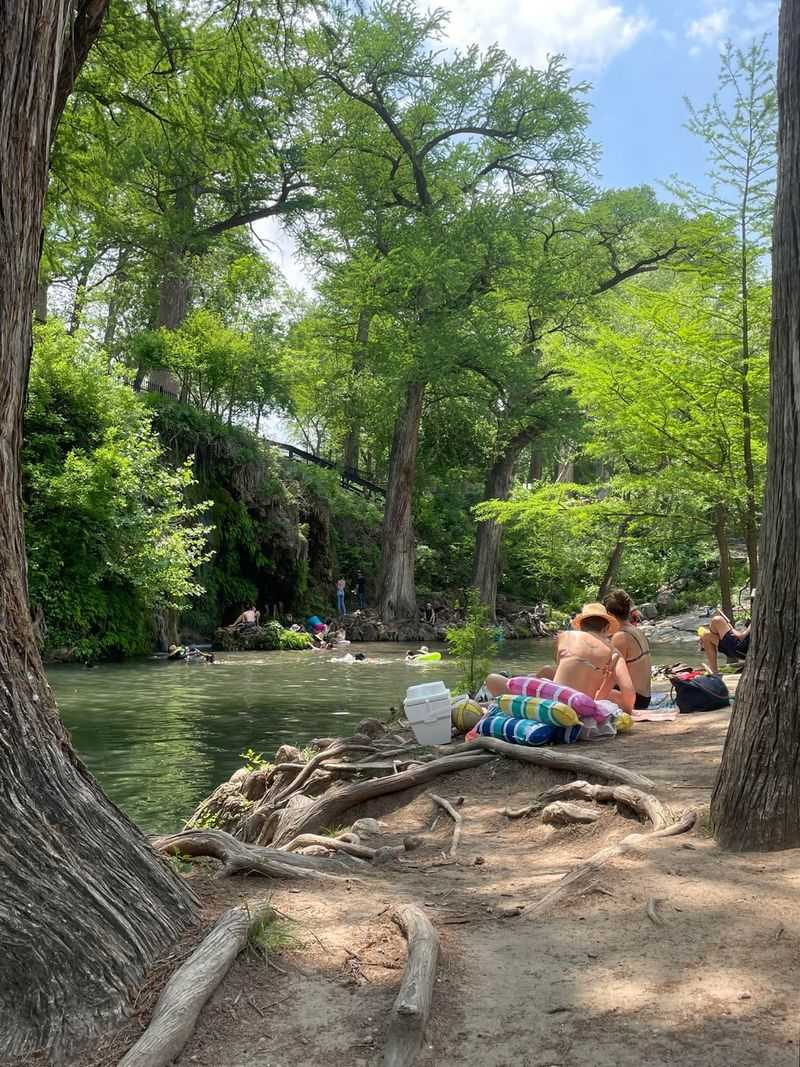
Tucked away on private land west of Austin, this spot features dozens of springs bubbling up from limestone rock to create multiple pools at different levels. Cold water flows year-round at a steady 68 degrees, which feels absolutely perfect when it’s blazing hot outside. The property has been in the same family since the 1950s, and they’ve kept it feeling rustic and natural rather than overdeveloped.
The main pool sits at the base of a small waterfall where kids love to play in the spray. Above it, several smaller pools cascade down the hillside, each with its own personality and shade situation. Cypress trees provide cover in most areas, so you’re not baking in direct sun all day.
There’s also a manmade pool if you prefer something a bit more controlled, plus a camping area if you want to make a weekend of it.
Getting there requires a short walk from the parking area, so pack light or be ready to make multiple trips. The path isn’t paved, which means you’ll want water shoes or sturdy sandals. Admission runs about $9 per person during peak season, and they’re only open certain days, so check ahead.
Weekends get crowded fast, especially in July and August.
Bring your own food and drinks since there’s no concession stand, just picnic tables scattered around the property. The water stays cold enough that most people don’t stay in for hours at a stretch—you’ll probably want to alternate between swimming and warming up on the grass. Dogs are welcome if they’re leashed, which is a nice bonus.
The whole place has a laid-back, community swimming hole vibe that feels authentically Texas rather than commercialized. Just remember to pack out everything you bring in, and respect the family that’s sharing their land with visitors.
2. Rio Vista Park (San Marcos)
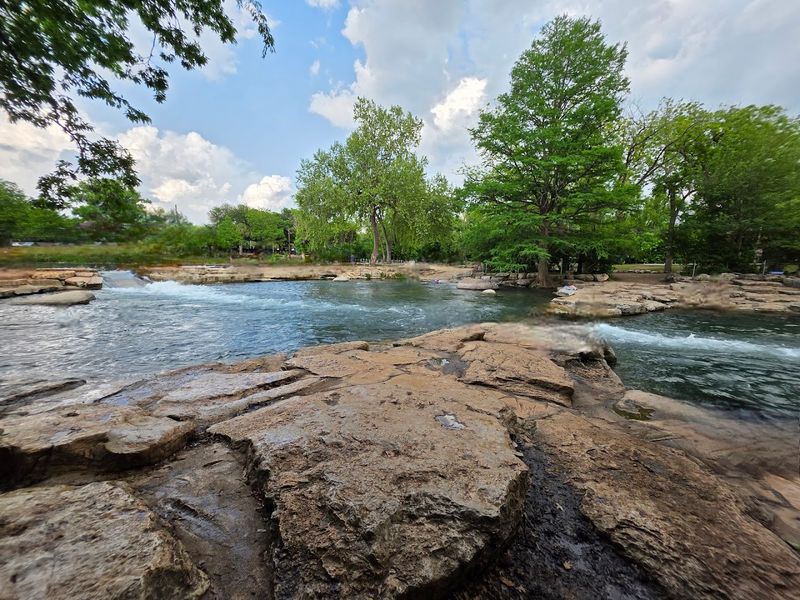
Right in the middle of San Marcos, this city park gives you access to the upper stretches of the San Marcos River without having to drive out to more remote locations. The river here flows from springs that keep the water at 72 degrees every single day, which means it’s refreshingly cool in summer but not shockingly cold. Families pack this place on weekends because it’s easy to get to and has actual amenities like restrooms and parking.
The park sits on several acres with massive oak and pecan trees providing natural shade over grassy areas perfect for spreading out blankets. You can wade right into the river from multiple access points, or rent tubes and float downstream to another park. The current moves along at a gentle pace, so even younger kids can handle it with supervision.
Water clarity here is impressive—you can see fish swimming around your feet and spot the sandy bottom even in deeper sections.
Tube rentals are available on-site during summer months, usually running around $15-20 for the day with shuttle service back from the endpoint. If you bring your own tubes, you’ll save money but need to arrange your own transportation back. The float takes about two hours depending on how often you stop to swim or hang out in calm spots.
Some people bring coolers on their tubes, though glass containers aren’t allowed for safety reasons.
Parking fills up quickly on Saturdays and Sundays, so arriving before 10 a.m. makes a big difference. There’s a small day-use fee per vehicle, usually around $5-7. Grills and picnic tables are available first-come-first-served, making this a solid option for birthday parties or family reunions.
The park closes at dark, and they’re pretty strict about clearing everyone out. San Marcos has several other river parks connected by the same waterway, so you can explore different sections if you’re there for multiple days.
3. Balmorhea State Park (Toyahvale)
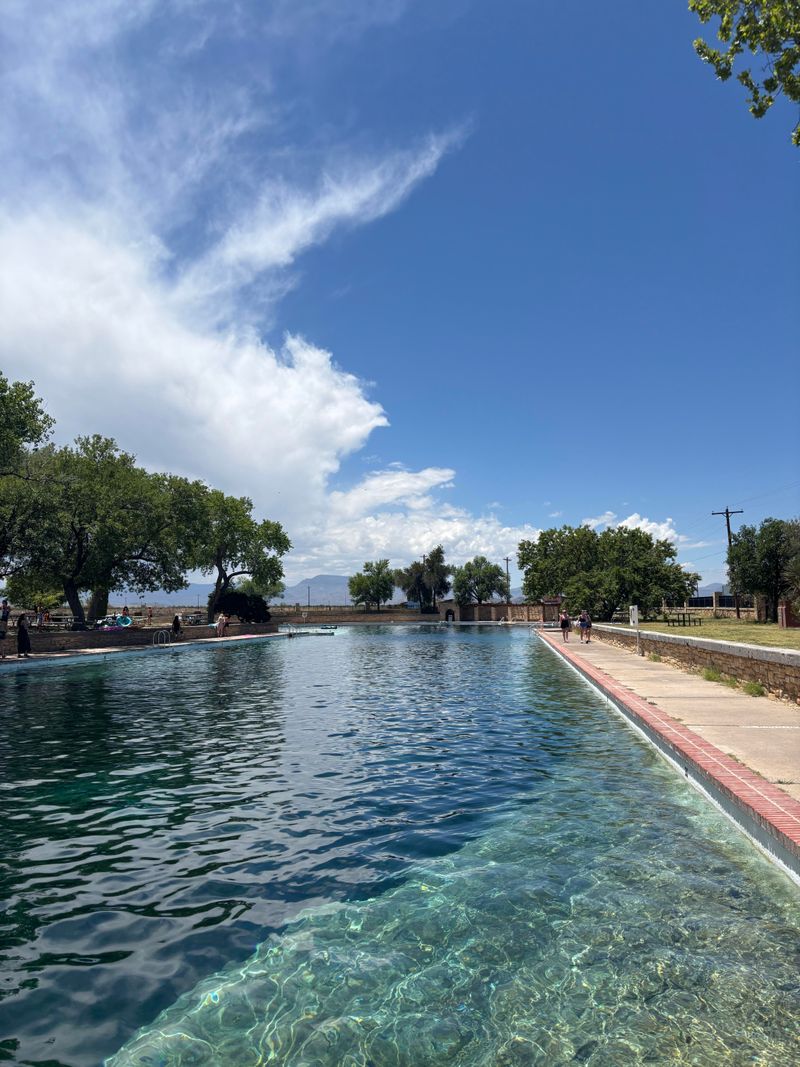
Way out in West Texas, this place feels like a mirage in the desert. The pool here isn’t natural—it was built by the Civilian Conservation Corps in the 1930s—but it’s fed by the San Solomon Springs, which pump out 15 million gallons of fresh water daily. That constant flow keeps the water pristine and maintains a temperature around 72-76 degrees year-round.
The pool covers 1.3 acres and reaches depths of 25 feet in spots, making it more like a small lake than a typical swimming hole.
What makes this spot truly unique is the underwater ecosystem. Several species of fish live in the pool, including two endangered species found nowhere else on Earth. Divers and snorkelers love exploring the underwater landscape, where you can see springs bubbling up from cracks in the limestone bottom.
Scuba diving is allowed with proper certification, and the visibility often exceeds 30 feet. If you’re not into diving, regular swimming and floating are just as enjoyable.
The park charges standard state park admission, which is $7 for adults. Camping is available if you want to stay overnight, and there’s a historic motel on the grounds with rooms that book up months in advance. The pool area has changing rooms, showers, and a grassy lawn with shade structures.
Because of its remote location—about 100 miles from El Paso and 200 from Midland—it doesn’t get as mobbed as Hill Country spots, even during peak summer.
Pack sunscreen and reapply often since there’s limited natural shade around the pool itself. The surrounding landscape is classic West Texas desert, so the contrast between the lush pool area and the arid environment is striking. Early mornings are magical here, with fewer crowds and wildlife coming to the water’s edge.
If you’re driving from Central or East Texas, this is definitely a destination that requires planning, but it’s worth the trek for something completely different from typical swimming holes.
4. Blue Hole Regional Park (Wimberley)
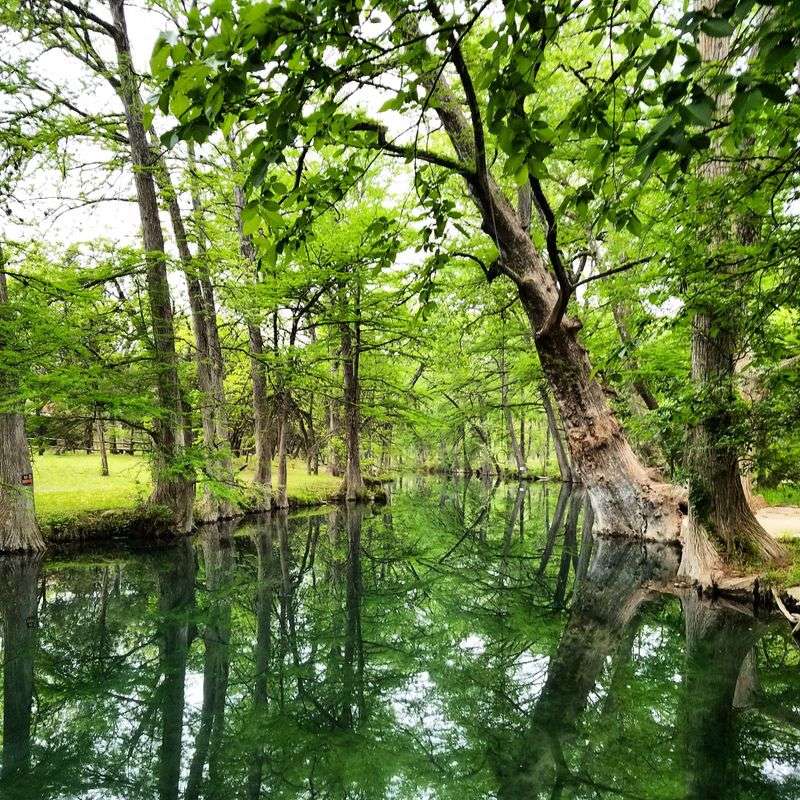
This Wimberley gem sits on Cypress Creek and features some of the bluest water you’ll see in Texas. The color comes from the limestone bottom and the way sunlight filters through the clear water—it’s genuinely stunning on a bright day. The swimming area centers around a deep pool carved out by the creek over thousands of years, with rocky ledges perfect for jumping.
A rope swing hangs from a massive cypress tree, and there’s usually a line of kids and teenagers waiting their turn.
The park opened to the public relatively recently after being private property for decades. Admission requires advance reservation during summer months because they limit daily visitors to protect the natural habitat. Reservations typically open up a few weeks ahead, and weekend slots disappear fast.
The fee is around $8-10 per person, and you’ll need to show your confirmation at the gate. This reservation system actually makes the experience better since you’re not fighting through massive crowds.
Water depth varies from shallow wading areas to spots over 15 feet deep near the main pool. The current is minimal, so it’s safe for swimmers of all levels as long as you stay aware. Rocks can be slippery, so water shoes help, especially if you’re climbing around the edges.
The park has restrooms and a small pavilion, but no concessions, so bring everything you need for the day.
Shade is plentiful thanks to mature trees throughout the park, making it comfortable to spend several hours even in peak afternoon heat. The park closes at sunset, and staff do a final sweep to make sure everyone’s out. No alcohol is allowed, and they enforce that rule pretty consistently.
Glass containers are also prohibited for obvious safety reasons. Dogs must stay leashed and aren’t allowed in the water, which keeps things cleaner for swimmers. The whole setup feels well-managed without being overly restrictive—they’ve found a good balance between access and conservation.
5. Prince Solms Park (New Braunfels)
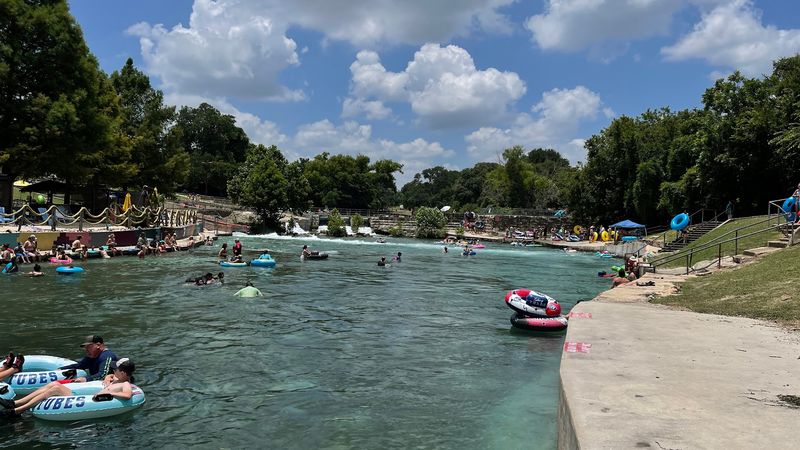
Located right where the Comal River begins its journey from the springs, this city park offers the coldest water you’ll find in the area. The Comal is one of the shortest rivers in the world but also one of the most popular for tubing in Texas. Water temperature holds steady at 72 degrees, which feels absolutely arctic when you first get in on a 100-degree day.
After a few minutes, your body adjusts, and it becomes incredibly refreshing.
The park features a tube chute where you can slide into the river and start your float. It’s a popular launch point for the short float down to Hinman Island Park, which takes about 45 minutes to an hour depending on the current and how often you stop. During peak summer weekends, hundreds of people start their river adventures here, so it can feel a bit chaotic.
Weekdays or early mornings offer a much calmer experience.
Parking is available but fills up quickly, especially on holidays and summer Saturdays. There’s a day-use fee per vehicle, typically around $7-10. The park has picnic areas with grills, playgrounds for kids, and plenty of grassy space for setting up camp for the day.
Massive pecan trees provide excellent shade, making it comfortable to hang out between swims. Restrooms and changing areas are available, though they can get busy during peak times.
If you’re bringing your own tubes, you can launch from here for free after paying park admission. Tube rental places are located nearby if you don’t have your own. The river here is shallow enough in most spots that you can stand up easily, but there are some deeper channels.
The current moves at a moderate pace—fast enough to be fun but not scary for beginners. Glass containers are banned on the river, and rangers patrol regularly to enforce rules.
The park can accommodate large groups, making it popular for family reunions and birthday parties. Pavilions can be reserved in advance for a fee. Because it’s right in town, you’re close to restaurants and shops if you need anything.
The combination of easy access, good facilities, and that incredibly cold spring water makes this a top choice for locals and visitors alike.
6. Garner State Park (Concan)
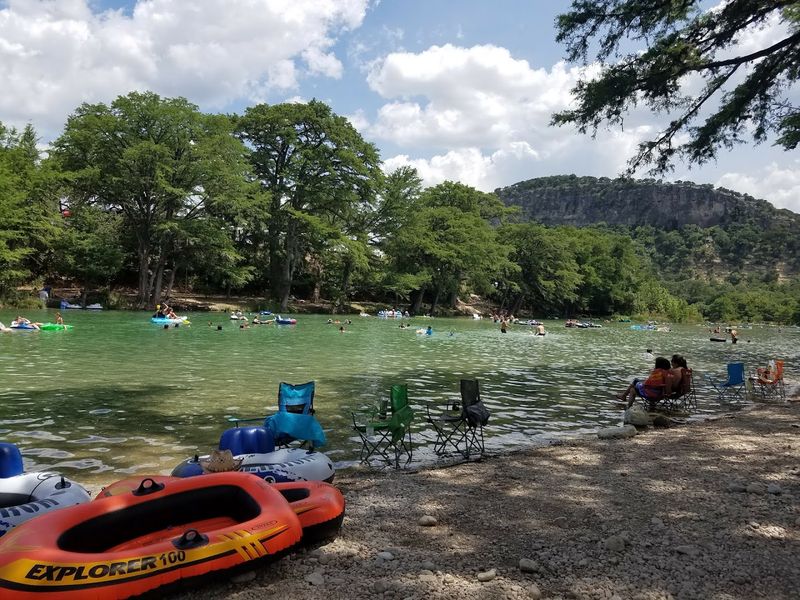
The Frio River runs right through this state park, creating miles of swimming opportunities among cypress-lined banks. Water color here ranges from emerald green to crystal clear depending on recent rainfall and the angle of the sun. During summer, the river becomes the park’s main attraction, with families claiming spots along the rocky shoreline from dawn until dusk.
The atmosphere is pure summer camp nostalgia—kids playing in the shallows, teenagers jumping from rocks, and parents floating on inner tubes with drinks in hand.
Old Baldy, a small limestone hill in the park, offers sunset views that draw crowds every evening. After a day of swimming, people hike up to watch the sun go down over the Hill Country landscape. The park also has a dance pavilion where they hold dances on summer weekends, complete with a jukebox playing oldies.
It’s charmingly retro and feels like stepping back to the 1950s.
Park admission is $7 per person for day use, and camping costs extra if you’re staying overnight. Campsites book up months in advance for summer weekends, so plan accordingly. Even if you’re not camping, arriving early for day use is essential—the park reaches capacity and closes the gates once parking fills up, typically by mid-morning on Saturdays.
Weekdays offer much better availability and a more relaxed vibe.
The river here is shallow to moderate depth, with most areas safe for wading and swimming. Some deeper holes attract cliff jumpers, though you need to know the spots and watch for rocks. The current is gentle enough that tubes float along at a leisurely pace.
You can rent tubes and other equipment from the park store, or bring your own. A concessionaire operates a small restaurant and snack bar near the main swimming area.
Cypress trees provide natural shade along much of the riverbank, and there are also picnic areas with shelters. Wildlife is abundant—you’ll likely see turtles sunning on logs, fish in the clear water, and various birds. The park spans over 1,400 acres, so there’s plenty of room to explore beyond just swimming.
Hiking trails wind through the property if you want a break from the water. Just be aware that summer temperatures can exceed 100 degrees, so water activities are definitely the main draw during those months.
7. Barton Springs Pool (Austin)
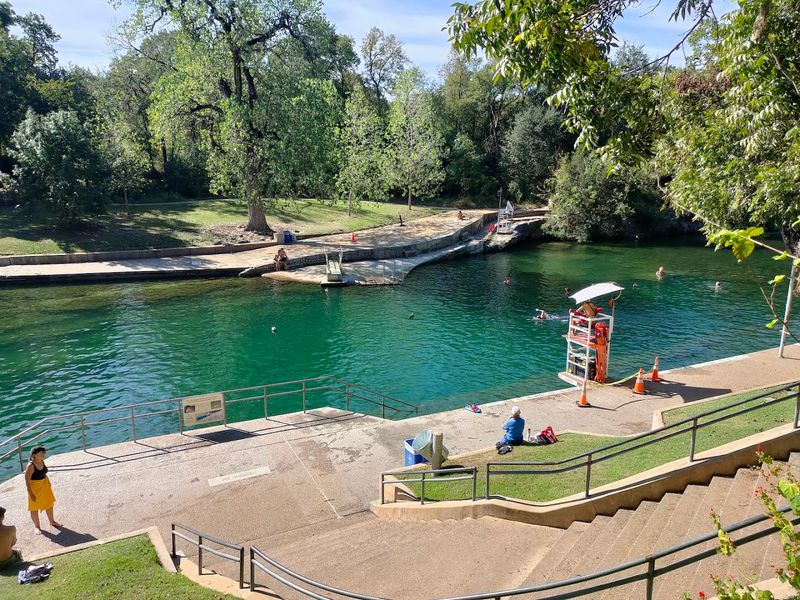
Sitting in the middle of Zilker Park, this iconic Austin landmark pumps out 18 million gallons of spring water daily to maintain a constant 68-70 degree temperature. The pool stretches about three acres and was built in the 1920s, though the springs themselves have been used for swimming for thousands of years. Austinites treat this place like a sacred community gathering spot—it’s where locals go to cool off, socialize, and feel connected to the city’s natural roots despite the urban development all around.
The pool is home to the endangered Barton Springs salamander, a tiny creature found nowhere else on Earth. Because of this, the pool closes periodically for cleaning and maintenance to protect the salamander habitat. Staff drain sections and scrub the limestone bottom by hand, which is pretty labor-intensive but necessary for maintaining water quality.
These closures are posted online, so check before you go.
Admission is $9 for adults during peak hours, with discounted rates for early morning swimmers and Austin residents with ID. The pool opens year-round, and you’ll find dedicated swimmers doing laps even in winter when the 68-degree water feels downright cold. Summer is obviously the busiest time, with the grassy areas surrounding the pool packed with sunbathers, picnickers, and people playing frisbee or volleyball.
The deep end reaches about 18 feet, while the shallow end is gradual enough for little kids. Lifeguards are on duty during open hours, and they’re pretty vigilant about enforcing rules. No glass, no alcohol, and no diving in shallow areas.
The limestone walls and bottom give the pool a natural aesthetic despite being maintained as a public facility. Changing rooms and showers are available, though they’re pretty basic.
Because it’s in the heart of Austin, you’re close to food trucks, coffee shops, and restaurants if you need to grab something. Zilker Park itself offers hiking trails, playgrounds, and open fields for other activities. The pool gets direct sun for most of the day, so shade is limited—bring an umbrella or tent if you’re sensitive to sun exposure.
Parking can be challenging on weekends, with the lot filling up by late morning. Many locals bike or walk to avoid the hassle. The pool closes at 10 p.m. most nights, and they do allow night swimming during summer, which is a magical experience with the city lights in the background.
8. Hinman Island Park (New Braunfels)
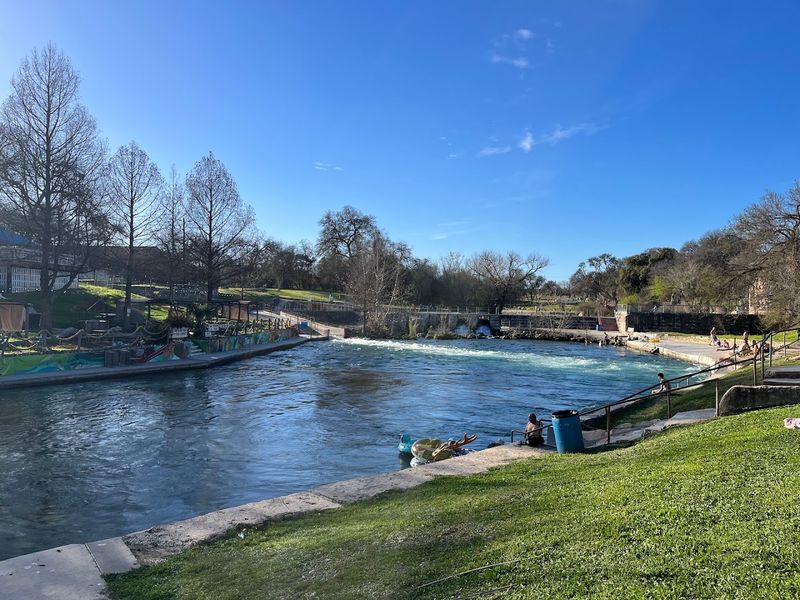
This small city park serves as the endpoint for the popular Comal River tube float that starts upstream at Prince Solms Park. The river here widens into a calm, shallow area perfect for wading and letting kids splash around. Since it’s the takeout point for tubers, there’s a steady stream of people arriving throughout the day during summer.
The atmosphere is festive and social, with groups of friends and families meeting up after their float.
Water depth here rarely exceeds a few feet, making it one of the safer spots for younger children. The bottom is mostly sandy with some rocks, and the current is minimal compared to other sections of the river. You can actually walk around and explore rather than just floating through.
The water maintains that signature 72-degree temperature from the springs upstream, providing excellent relief from the heat.
The park itself is small but well-maintained, with picnic tables, grills, and a playground area. Mature trees offer good shade coverage, which is crucial during July and August when temperatures soar. Restrooms and changing facilities are available, though they can get crowded on busy weekends.
Parking is limited, so carpooling or arriving early helps avoid frustration. There’s a day-use fee per vehicle, typically around $7.
Many people use this park as a base for the day, setting up their stuff, then walking up to Prince Solms to start a float before returning here. This strategy works well if you have a large group or family and want a central meeting point. The park doesn’t allow alcohol, and they enforce this pretty strictly with occasional ranger patrols.
Glass containers are also prohibited for safety reasons given all the barefoot swimmers.
Because the Comal is so popular, weekends here can feel hectic with hundreds of people coming and going. Weekdays offer a much more relaxed experience if your schedule allows it. The park closes at dusk, and staff clear everyone out promptly.
Despite the crowds during peak times, the natural beauty of the river and the refreshing water make it worth dealing with the busy atmosphere. The combination of easy access, family-friendly depths, and connection to the tubing route keeps this park consistently popular with locals and tourists alike.
9. Guadalupe River State Park (Spring Branch)
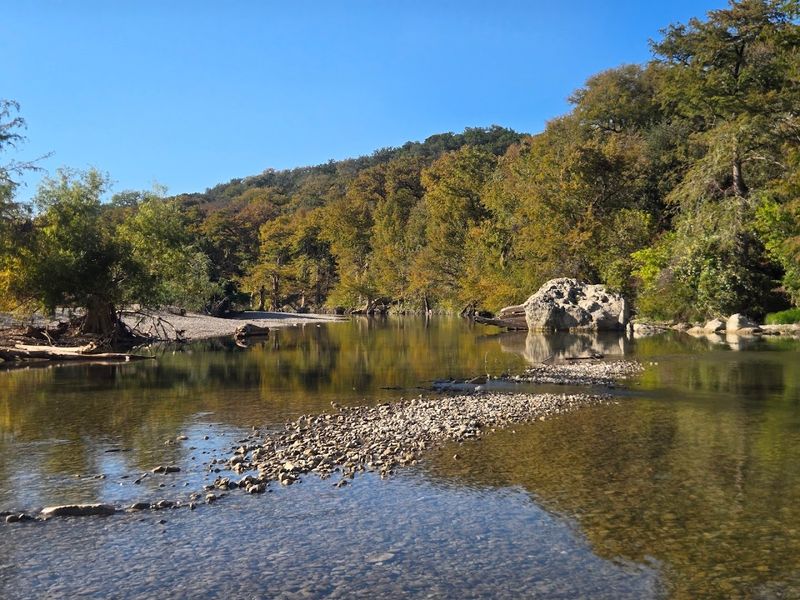
About 30 miles north of San Antonio, this state park protects four miles of the Guadalupe River as it winds through Hill Country terrain. The river here alternates between calm pools perfect for swimming and mild rapids that make tubing exciting. Massive bald cypress trees line the banks, their roots creating interesting underwater structures where fish hide.
The water runs clear most of the year, and while it’s not spring-fed like some other spots, it’s still refreshingly cool during summer.
The park features multiple river access points, so you can choose your experience. Some areas are shallow and gentle, ideal for families with small children. Other sections have deeper channels and faster current that appeal to more adventurous swimmers and tubers.
Rocky limestone outcroppings provide spots for sunbathing between swims. The scenery is classic Hill Country—rugged terrain, native plants, and wildlife sightings if you’re paying attention.
Standard state park entrance fees apply, which is $7 per person for anyone 13 and older. The park offers camping, hiking trails, and picnic areas beyond just river access. During summer weekends, the park can reach capacity and close the gates temporarily, so arriving early is smart.
Weekdays are significantly less crowded and offer a more peaceful experience. The river level fluctuates depending on rainfall and dam releases upstream, so check conditions before you go if you’re planning to tube.
Tubing here is popular but requires more skill than the lazy floats on the Comal or Frio. The rapids are mild by whitewater standards, but you will get bounced around a bit and potentially bump some rocks. Wearing shoes or water sandals protects your feet.
The park doesn’t rent tubes, so you need to bring your own or rent from outfitters in nearby towns. The float from the upper access point to the lower one takes roughly two hours.
Wildlife in the park includes white-tailed deer, armadillos, and numerous bird species. The hiking trails offer elevated views of the river valley and are worth exploring if you want a break from swimming. Interpretive signs throughout the park explain the geology, ecology, and history of the area.
The park has modern restrooms and changing facilities near the main river access points. Because it’s a state park, rangers patrol regularly and enforce rules about alcohol, littering, and proper behavior. The natural setting and variety of river conditions make this a solid choice for people who want more than just a swimming hole—it’s a full outdoor experience.
10. Sewell Park (San Marcos)
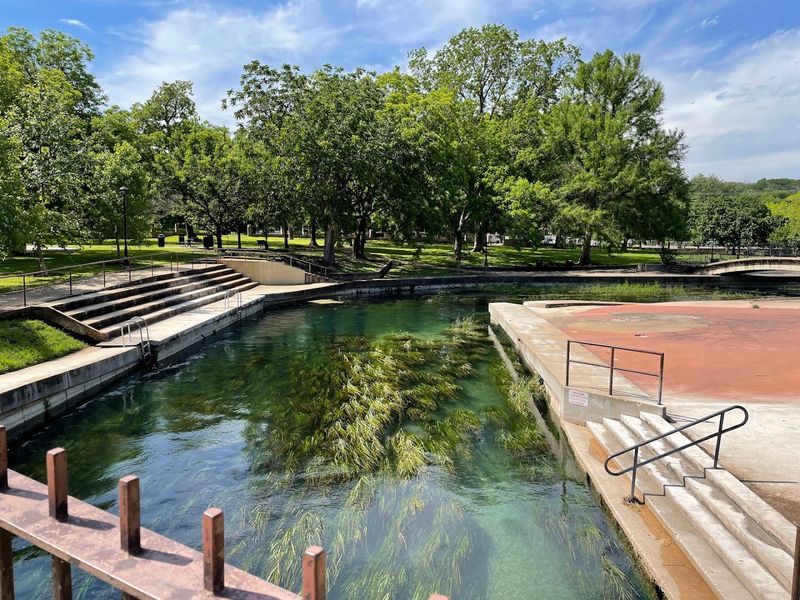
Right next to Texas State University campus, this park sits where Spring Lake feeds into the San Marcos River. Students pack this place during the school year, but it’s equally popular with locals and visitors during summer. The water here comes directly from the springs, maintaining that perfect 72-degree temperature year-round.
Clarity is exceptional—you can see every detail of the rocky bottom and watch fish swimming around. The constant flow from the springs means the water quality stays high even with heavy use.
The park features several distinct areas. There’s a shallow wading section where kids can play safely, a deeper swimming hole popular with teenagers, and a rope swing that sees constant action during peak hours. The rope swing has been there for decades and is something of a local tradition.
People line up to take their turn, and there’s an unspoken etiquette about waiting your turn and not hogging it.
Parking is available but limited, and the small lot fills up quickly on weekends. Street parking in the surrounding neighborhood is an option, though be mindful of posted restrictions. The park itself doesn’t charge admission since it’s a city facility, making it one of the more budget-friendly options.
There are picnic tables and some grassy areas, but shade is somewhat limited, so plan accordingly. Restrooms are available but basic.
Because of its proximity to campus, the vibe here skews younger, especially during the school year. Summer brings more diverse crowds with families and older visitors. The atmosphere is relaxed and social—people bring speakers, play music, and hang out in groups.
It’s not the place to go if you want solitude, but if you enjoy a lively scene with lots of people-watching, it’s perfect.
The river current here is gentle but noticeable, so keep an eye on younger swimmers. The bottom is mostly rock with some sandy patches, and it can be slippery in spots. Water shoes or sandals with good grip help.
Depth varies from a few inches in wading areas to over 10 feet in the main swimming hole. No alcohol is officially allowed, though enforcement varies. Glass containers are definitely prohibited and taken seriously.
The park doesn’t have official closing hours, but it’s primarily used during daylight. Night swimming happens occasionally but isn’t officially sanctioned. The combination of free access, great water quality, and central location makes this a go-to spot for San Marcos residents and anyone visiting the area.
11. Jacob’s Well Natural Area (Wimberley)
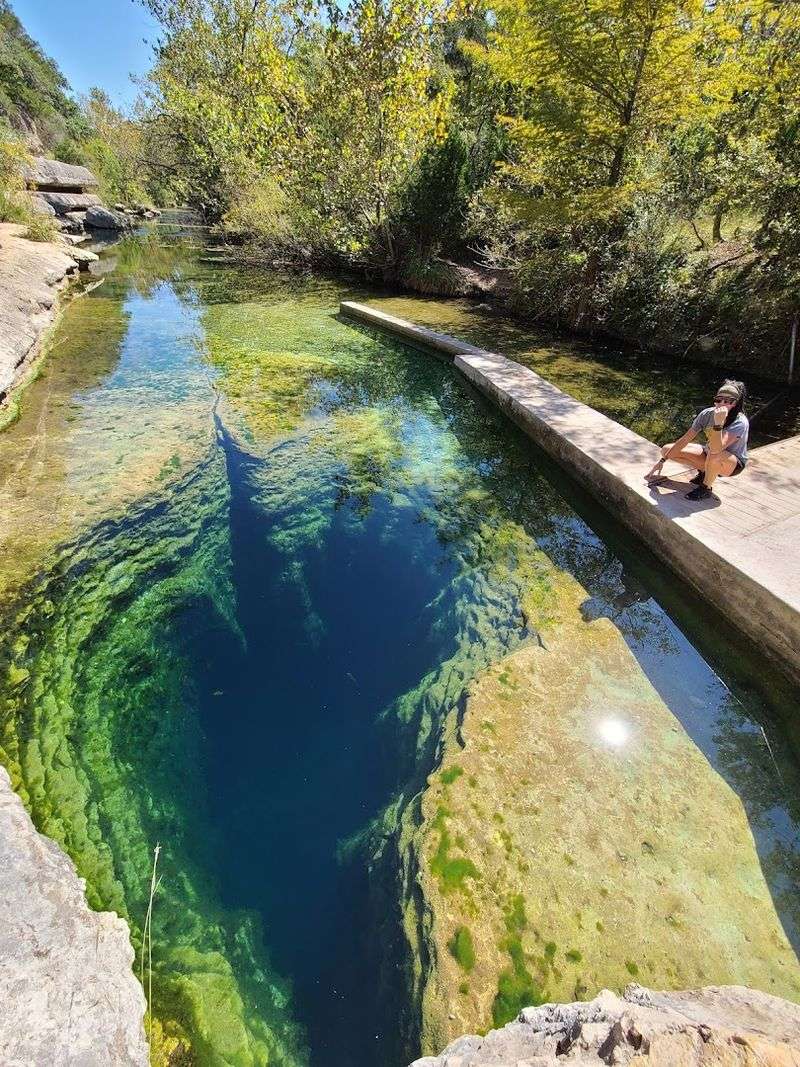
This natural spring in Wimberley is one of the most photographed swimming spots in Texas, and for good reason. The well is actually a karst spring that opens into an underwater cave system extending more than 140 feet deep. The opening measures about 12 feet in diameter, and the water is so clear you can see straight down into the depths.
The blue color of the water is striking against the white limestone, creating an almost surreal visual effect.
Swimming here requires advance reservations because the preserve limits daily visitors to protect the fragile ecosystem. Reservations open online several weeks ahead, and they sell out almost immediately for summer weekends. The reservation system includes timed entry slots, so you’ll need to arrive during your designated window.
Admission is around $9 per person, and parking is included. This controlled access keeps crowds manageable and preserves the natural setting.
The well itself is off-limits for diving after several cave diving fatalities over the years. You can swim around the opening and peer down into it, but entering the cave is strictly prohibited. The water temperature stays around 68 degrees year-round, fed by the underground aquifer.
The swimming area includes the well opening plus a shallow creek that flows from it. The creek section is only a few feet deep and perfect for wading and cooling off.
The natural area covers 81 acres with hiking trails through Hill Country vegetation. The trails are relatively easy and offer nice views of Cypress Creek valley. Interpretive signs explain the geology of karst springs and the importance of aquifer protection.
The preserve is managed by the Wimberley Valley Watershed Association, and they take conservation seriously. Rules are clearly posted and enforced—no alcohol, no glass, no diving, and no littering.
Facilities include portable restrooms and a small covered pavilion, but there’s no concession stand or store. Bring everything you need for your visit, including plenty of water and snacks. Shade is limited near the well itself, so sunscreen is essential.
Most people spend about two to three hours here, swimming, hiking, and taking photos. The preserve closes in the evening, and staff ensure everyone exits by the posted time. Because of the reservation requirement and visitor limits, the experience feels more intimate and less chaotic than many other swimming spots.
If you can snag a reservation, it’s absolutely worth the effort—the natural beauty and crystal-clear water make it one of the most memorable swimming holes in Texas.
Share this story