Texas is famous for its big cities and popular tourist spots, but some of the most amazing places hide away from the crowds. These hidden gems offer incredible adventures without the long lines and packed parking lots you find at well-known attractions. Whether you love nature, history, or just want to explore somewhere new, these underrated destinations show you a side of Texas most visitors never see.
1. Big Thicket National Preserve (Kountze)
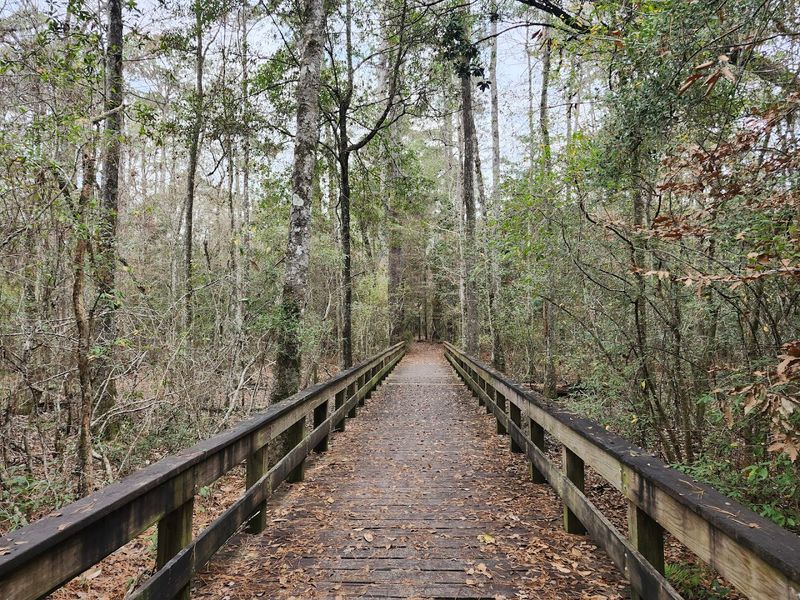
Most people think Texas is all deserts and cowboys, but this sprawling preserve proves them wrong with over 100,000 acres of lush forests, swamps, and wetlands. The preserve sits where multiple ecosystems collide, creating one of the most biodiverse areas in North America. You might spot an alligator sunning itself one minute and a rare orchid blooming the next.
More than 40 miles of hiking trails wind through different habitats, each offering something completely unique. The Kirby Nature Trail takes you through a cypress slough where the trees grow right out of the water, their knobby knees poking up through the murky surface. If you prefer paddling, the Neches River corridor offers peaceful canoeing where you can glide past towering trees draped in Spanish moss.
Birdwatchers go absolutely wild here because over 185 species call this place home at different times of the year. Spring brings migrating warblers in brilliant colors, while winter attracts ducks and other waterfowl. The preserve also protects several carnivorous plants, including pitcher plants and sundews that trap insects in their sticky leaves.
Rangers lead free guided walks on weekends, sharing fascinating stories about the area’s natural and cultural history. The preserve’s visitor center near Kountze offers maps, trail information, and exhibits explaining why this ecological crossroads matters so much. Most trails stay relatively empty even on beautiful weekends, giving you plenty of space to explore without bumping into crowds.
Summer gets hot and buggy, so spring and fall offer the best hiking weather. Bring plenty of water, wear long pants to protect against ticks, and don’t forget your camera. This place captures a side of Texas most people never imagine exists, with wilderness that feels a million miles from civilization even though major highways run nearby.
2. Balmorhea State Park (Toyahvale)
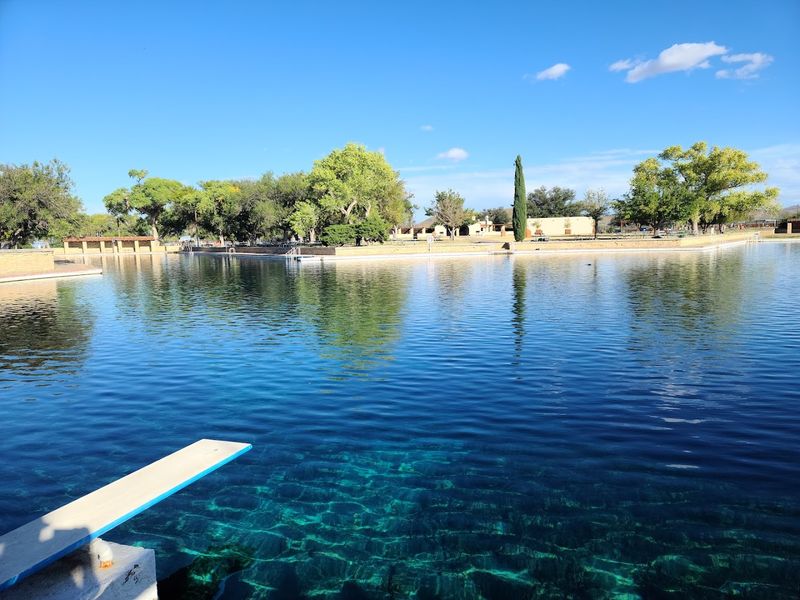
Hidden in the desert mountains of far West Texas, this state park centers around one of the world’s largest spring-fed swimming pools. The massive pool holds 3.5 million gallons of crystal-clear water that stays a refreshing 72-76 degrees year-round. Unlike chlorinated public pools, this one gets filled naturally by the San Solomon Springs, which pump out 15 to 26 million gallons daily.
You can actually see straight to the bottom in most spots, watching endangered Comanche Springs pupfish dart between underwater plants. Scuba divers love exploring the depths, where the springs bubble up from cracks in the limestone bedrock. The park offers dive certification courses if you want to experience the underwater world more closely.
Families spread out on the grassy areas surrounding the pool, setting up picnic lunches under the shade of desert willows. The shallow end stays perfect for little kids who are just learning to swim, while the deep sections challenge experienced swimmers. A historic bathhouse from the 1930s still stands at one end, built by the Civilian Conservation Corps during the Great Depression.
The park offers camping spots if you want to stay overnight and swim at sunrise when the water looks absolutely magical. Early morning visits mean fewer crowds and better chances of spotting the park’s wildlife, including roadrunners and jackrabbits. The nearby town of Balmorhea is tiny, so pack snacks and drinks before you arrive.
Summer weekends draw the biggest crowds as people escape the desert heat, but weekdays stay surprisingly quiet. The water feels especially amazing after hiking in nearby Davis Mountains State Park or exploring the Chihuahuan Desert. This oasis in the middle of nowhere offers a swimming experience you simply cannot find anywhere else in Texas, combining natural beauty with refreshing relief from the harsh desert climate.
3. National Cowgirl Museum & Hall of Fame (Fort Worth)

This museum celebrates women who shaped the American West, from rodeo champions to ranchers who ran massive cattle operations. The building itself looks striking with its modern architecture, standing out in Fort Worth’s Cultural District near other major museums. Inside, interactive exhibits bring the stories of over 200 remarkable women to life through photographs, artifacts, and multimedia displays.
You can test your roping skills on mechanical cattle or try sitting on a bucking barrel to feel what rodeo riders experience. The Hall of Fame honors women like Annie Oakley, the sharpshooter who amazed audiences worldwide, and Lucille Mulhall, considered America’s first cowgirl. Their personal belongings, including elaborate costumes and well-worn saddles, show the reality behind the legends.
Temporary exhibitions rotate throughout the year, focusing on different aspects of Western women’s contributions to American culture. Past shows have explored everything from Native American horsewomen to contemporary ranchers managing modern operations. The museum doesn’t shy away from the tough parts either, showing how these women overcame discrimination and dangerous working conditions.
Kids especially love the hands-on activities scattered throughout the galleries, making this more than just looking at old stuff behind glass. A research library on-site contains thousands of documents, photographs, and oral histories for anyone wanting to dig deeper into Western women’s history. The gift shop stocks books, jewelry, and cowgirl-themed items you won’t find at typical tourist traps.
Located right next to the Modern Art Museum and the Kimbell Art Museum, you can easily spend a whole day exploring Fort Worth’s cultural offerings. The Cowgirl Museum takes about two hours to see thoroughly, though you could easily spend longer if you watch all the video interviews and read every story. Admission prices stay reasonable, and the museum offers free entry on certain days throughout the year, so check their website before planning your visit.
4. Seminole Canyon State Park & Historic Site (Comstock)
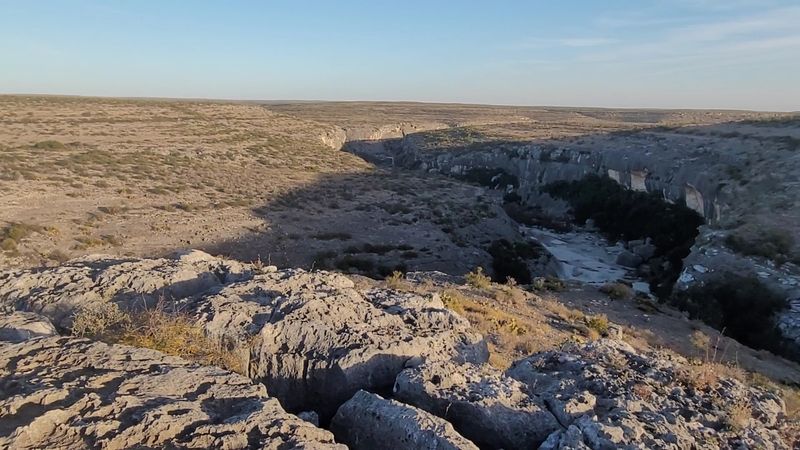
Ancient rock art covers the canyon walls here, created by Native Americans thousands of years ago using pigments that still glow with surprising color. The park protects some of the oldest and most complex pictographs in North America, with some dating back over 4,000 years. Rangers lead guided tours to Fate Bell Shelter, where massive painted figures stretch across the rock face, depicting mysterious ceremonies and daily life.
The canyon itself cuts deep into the limestone, creating dramatic cliffs and sheltered overhangs where ancient peoples lived and created their art. A moderately challenging trail descends into the canyon, following steep switchbacks with spectacular views across the rugged landscape. The guided tour is the only way to see the main pictograph sites, protecting these irreplaceable treasures from vandalism and accidental damage.
Besides the famous rock art, the park offers excellent hiking on trails that wind along the canyon rim. The Rio Grande Wild and Scenic River flows nearby, carving the border between Texas and Mexico through spectacular desert terrain. Birdwatchers spot golden eagles, peregrine falcons, and dozens of other species that thrive in this harsh but beautiful environment.
A visitor center near the park entrance displays artifacts and explains the different cultures that inhabited this region over millennia. The exhibits help you understand what life was like for people surviving in this unforgiving landscape with limited water and extreme temperatures. Camping is available if you want to experience the incredible star-filled skies that come with being far from city lights.
Summer temperatures regularly exceed 100 degrees, making spring and fall the best times for visiting and hiking. The guided pictograph tours require reservations and fill up quickly during peak season, so book ahead if possible. This remote location means you should bring all supplies with you, including plenty of water and sun protection.
The drive to get here takes you through some of the emptiest, most dramatic desert scenery in Texas, making the journey part of the adventure.
5. Galveston (Galveston)
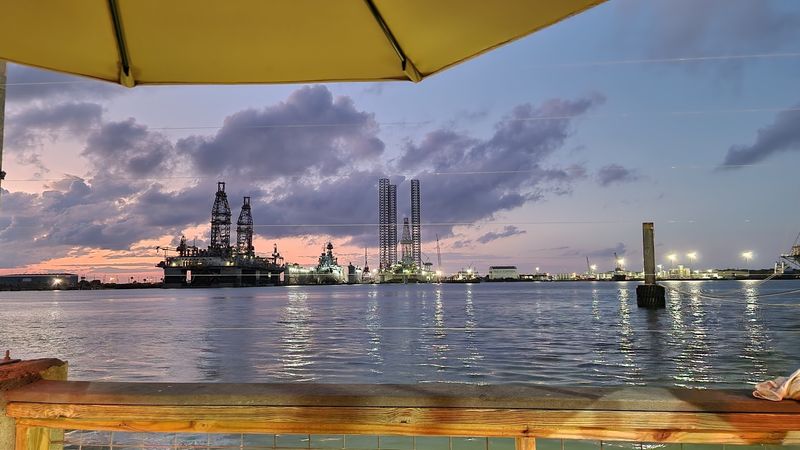
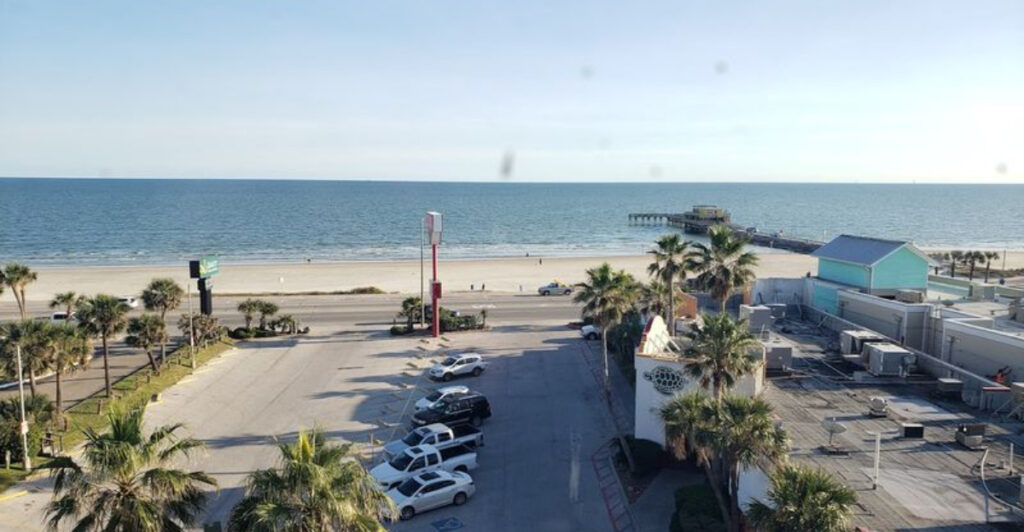
While tourists flock to South Padre Island, this historic beach town offers equally beautiful Gulf Coast waters with way more character and history. The island survived the deadliest natural disaster in American history—the 1900 hurricane that killed thousands—and rebuilt itself into a fascinating blend of Victorian architecture and beach town charm. You can explore historic districts filled with beautifully restored mansions, then walk a few blocks to stick your toes in the sand.
The Strand Historic District packs dozens of shops, restaurants, and galleries into restored 19th-century buildings that once made this the “Wall Street of the South.” Street performers and horse-drawn carriages add to the old-timey atmosphere, though modern restaurants serve everything from fresh Gulf seafood to international cuisine. Dickens on the Strand, a huge Victorian-themed festival, transforms the area each December with costumed performers and period entertainment.
Beyond downtown, 32 miles of beaches stretch along the island’s Gulf side, offering swimming, surfing, and fishing opportunities. Stewart Beach and East Beach attract families with their amenities and calmer waters, while San Luis Pass on the western end draws surfers and people seeking fewer crowds. The historic Pleasure Pier juts into the Gulf with amusement rides, games, and restaurants, providing classic seaside entertainment.
Moody Gardens features pyramids housing an aquarium, rainforest, and discovery museum, keeping kids entertained for hours even on rainy days. The Lone Star Flight Museum displays restored warbirds and offers flight experiences in vintage aircraft. For a dose of Texas history, tour the tall ship Elissa, a beautifully maintained 1877 sailing vessel docked at the Texas Seaport Museum.
Spring break and summer weekends get busy, but the shoulder seasons offer pleasant weather with smaller crowds. The island’s compact size means you can bike or walk to most attractions, though a car helps for reaching the less-developed western beaches. Local seafood restaurants serve incredible fresh catches, especially during shrimp season when boats bring in their hauls daily.
6. Balcones Canyonlands National Wildlife Refuge (Marble Falls)
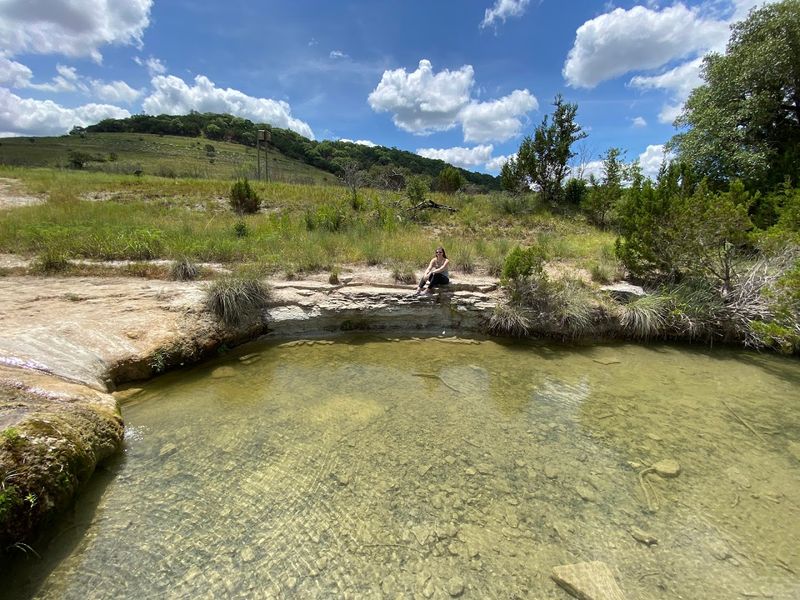
Two endangered songbirds—the golden-cheeked warbler and black-capped vireo—make this rugged refuge their home, protected within 27,000 acres of Hill Country wilderness. The refuge sprawls across multiple disconnected tracts of land, preserving crucial habitat in an area facing intense development pressure. Most people drive right past without knowing this wildlife sanctuary exists just minutes from busy highways and growing towns.
Multiple trails wind through juniper-oak woodlands and across limestone canyons, offering peaceful hikes where you might be the only person around. The Warbler Vista Trail provides an easy introduction to the refuge, while the more challenging Rimrock Trail climbs to viewpoints overlooking steep canyons. Spring brings wildflowers painting the hillsides in brilliant colors, along with the return of migratory birds that nest here.
The golden-cheeked warbler only nests in Central Texas, using strips of juniper bark to build its nests in old-growth trees. These small yellow-and-black birds arrive each March from their winter homes in Mexico and Guatemala, filling the woods with their buzzy songs. The refuge’s protection efforts have helped stabilize their declining populations, though they remain critically endangered.
Besides birds, the refuge shelters white-tailed deer, armadillos, and occasionally even a bobcat or mountain lion passing through. Butterflies flutter everywhere during warm months, attracted by native plants and wildflowers. The refuge doesn’t allow hunting or off-trail hiking, keeping disturbance to wildlife at a minimum.
Several access points exist around Marble Falls and Lago Vista, with the main visitor contact station offering maps and current trail conditions. Some areas close seasonally to protect nesting birds, so check before visiting during spring and early summer. The refuge sees far fewer visitors than nearby state parks, providing a quieter nature experience for those willing to seek it out.
Bring binoculars for birdwatching and wear sturdy shoes since trails can be rocky and uneven in spots.
7. Wild Basin Wilderness Preserve (Austin)
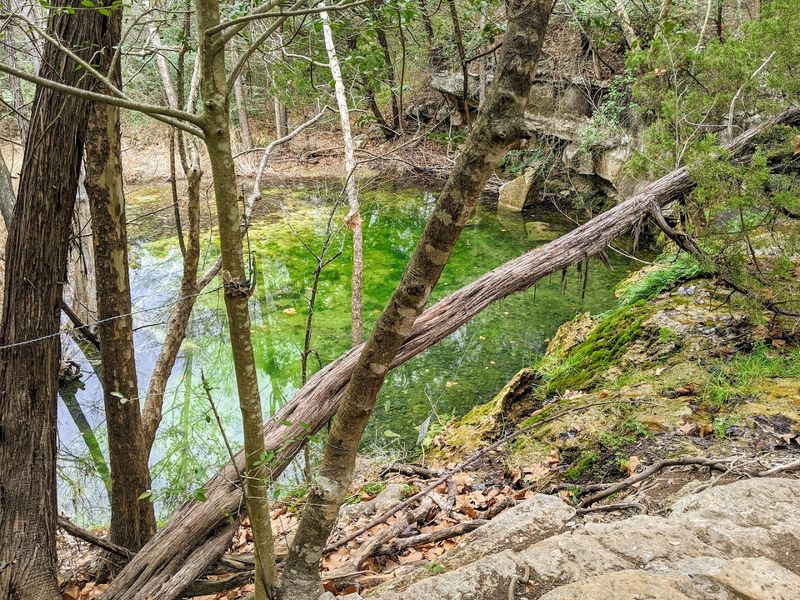
Right in Austin’s backyard, this 227-acre nature preserve protects a pristine Hill Country watershed with clear streams, limestone cliffs, and diverse plant communities. The preserve operates as an outdoor classroom and research facility, but welcomes visitors who want to explore its well-maintained trail system. Unlike crowded Barton Creek Greenbelt, this place stays relatively peaceful even on weekends when other Austin nature spots overflow with people.
Two and a half miles of trails loop through the property, crossing wooden bridges over creeks and climbing to scenic overlooks. The trails connect, allowing you to create routes of different lengths depending on your time and energy. Limestone outcrops provide perfect spots for taking breaks and observing the forest, where you might spot deer browsing or hawks circling overhead.
Creek beds lined with bald cypress trees stay shaded and cool even during hot summers, though the water levels drop significantly during dry periods. After good rains, small waterfalls cascade over the limestone ledges, creating picture-perfect scenes. The preserve’s location at the edge of the Edwards Plateau means it contains plants and animals from both eastern forests and western deserts.
Educational programs run throughout the year, teaching kids and adults about Hill Country ecology, native plants, and wildlife conservation. The preserve’s research efforts help scientists understand how to protect similar habitats facing development pressure across Central Texas. A small visitor center near the entrance provides trail maps and information about current wildlife sightings.
The preserve limits daily visitors to protect the fragile ecosystem, so arriving early ensures you get in, especially on nice weekends. Dogs must stay leashed, and visitors need to stay on marked trails to prevent erosion and protect sensitive plants. The entrance fee stays modest, with memberships available for frequent visitors.
Located just off Loop 360 in southwest Austin, the preserve offers a quick nature escape without requiring a long drive, making it perfect for morning hikes before work or peaceful afternoon walks.
8. El Paso (El Paso)
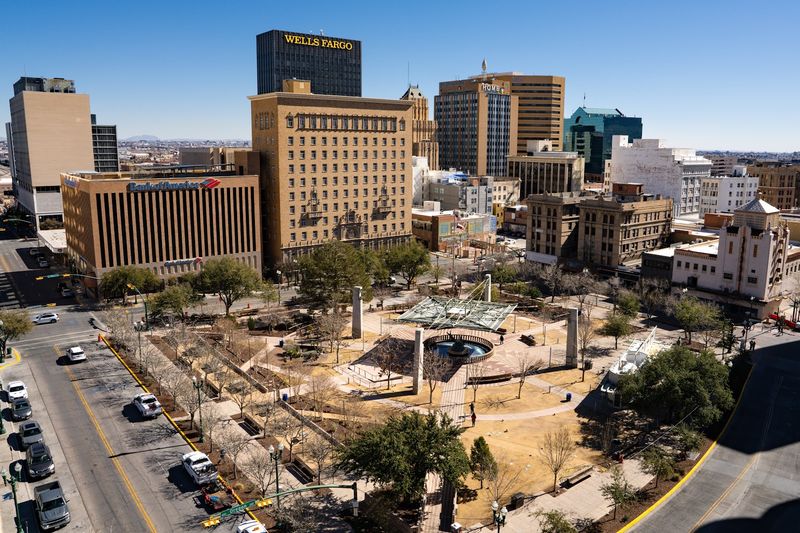
Sitting at the far western tip of Texas, this border city blends Mexican and American cultures in ways that create something entirely unique. The Franklin Mountains rise dramatically right through the middle of town, offering hiking and rock climbing within city limits. You can stand downtown and see three states—Texas, New Mexico, and the Mexican state of Chihuahua—all at once from certain viewpoints.
The historic Mission Trail connects three Spanish colonial missions dating back to the late 1600s, some of the oldest structures in Texas. These beautiful whitewashed churches still hold regular services, and their thick adobe walls and hand-carved wooden details transport you back centuries. Ysleta Mission, established in 1682, claims the title of the oldest continuously operating parish in Texas.
Franklin Mountains State Park covers over 24,000 acres, making it one of the largest urban parks in the country. Hiking trails range from easy nature walks to challenging mountain climbs that reward you with panoramic views across the Rio Grande Valley. The Wyler Aerial Tramway carries visitors up Ranger Peak, offering stunning vistas without the strenuous hike.
Downtown’s arts district has exploded with galleries, murals, and creative spaces that showcase local talent. The El Paso Museum of Art houses an impressive collection of European masterworks alongside contemporary pieces by regional artists. Food lovers discover incredible authentic Mexican cuisine and Tex-Mex variations you won’t find anywhere else, with family restaurants serving recipes passed down for generations.
Hueco Tanks State Park, located about 30 miles east, attracts rock climbers from around the world to its unique boulder formations. The site also preserves thousands of ancient pictographs created by Native Americans over many centuries. Nearby White Sands National Park in New Mexico makes an easy day trip, offering surreal landscapes of pure white gypsum dunes.
El Paso’s desert climate means hot summers but pleasant winters perfect for outdoor exploration. The city feels completely different from the rest of Texas, with its mountain backdrop, border location, and strong cultural ties to Mexico creating an atmosphere unlike anywhere else in the state.
9. Pedernales Falls State Park (Johnson City)
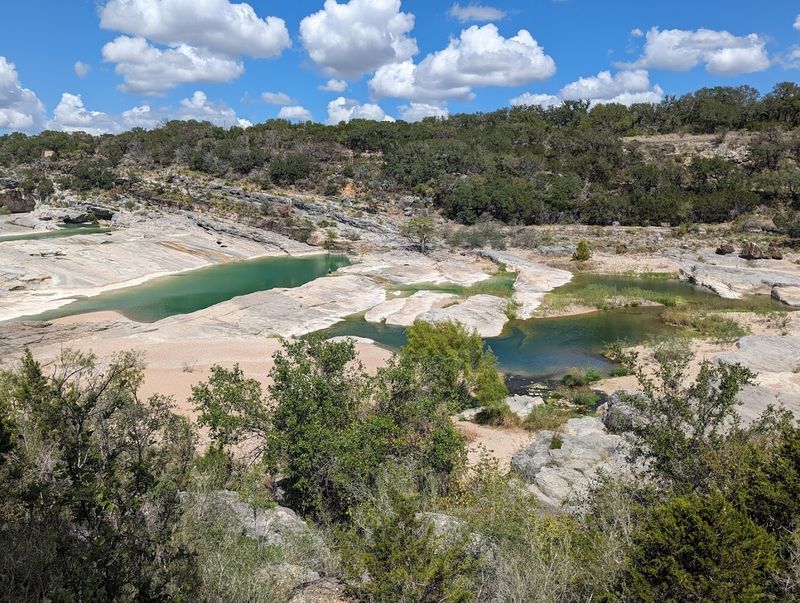
The Pedernales River cascades over layered limestone bedrock here, creating a series of falls and pools that look especially dramatic after spring rains. The river has carved intricate patterns into the rock over thousands of years, leaving behind smooth channels and deep potholes that fill with clear water. During dry periods, you can walk right out onto the exposed riverbed, examining the geological formations up close.
More than 20 miles of trails wind through the 5,212-acre park, passing through different Hill Country habitats. The main Falls Trail leads directly to overlooks of the river’s most scenic sections, while longer trails climb into the surrounding hills covered with juniper and oak trees. Mountain bikers enjoy the challenging terrain on designated trails that twist through rocky terrain and across creek crossings.
Swimming is allowed in certain areas when water levels permit, though the park warns about dangerous flash floods during rainy weather. The river’s flow can change dramatically within hours, transforming peaceful pools into raging torrents. Rangers post current conditions and warnings at the park entrance, and smart visitors pay attention to weather forecasts before planning water activities.
The park’s camping areas offer both developed sites with water and electricity and primitive backcountry spots for those seeking more solitude. Wildlife viewing opportunities abound, with white-tailed deer commonly spotted near campsites and along trails. Bird species include golden-cheeked warblers during nesting season, along with year-round residents like cardinals and roadrunners.
Located about an hour west of Austin near Johnson City, the park attracts locals looking for weekend getaways but stays less crowded than some other Hill Country destinations. Wildflowers bloom spectacularly in spring, carpeting meadows with bluebonnets, Indian paintbrush, and dozens of other native species. The park’s tubing area offers family-friendly fun during summer, though water levels must be sufficient for safe floating.
Day-use fees remain reasonable, and annual state park passes provide unlimited access if you plan multiple visits. Bring plenty of water, sun protection, and sturdy shoes for hiking the rocky terrain that defines this beautiful Hill Country landscape.
10. Fort Worth (Fort Worth)
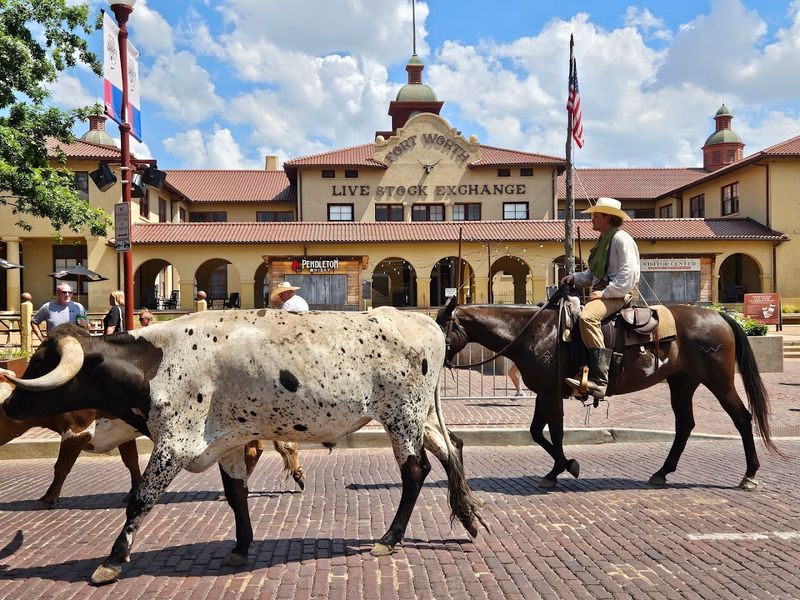
While Dallas gets more attention, its neighbor city keeps things more laid-back with genuine Western heritage and world-class cultural attractions. The historic Stockyards still feature twice-daily cattle drives down brick streets, with real longhorns guided by cowboys in authentic gear. Honky-tonk bars and Western-wear shops line the area, but this isn’t some fake tourist trap—Fort Worth earned its nickname “Cowtown” through real ranching history.
The Cultural District houses five major museums within walking distance of each other, including the Kimbell Art Museum with its stunning architecture and world-renowned collection. The Modern Art Museum showcases contemporary works in a building that’s itself a work of art, sitting beside a reflecting pool. The Amon Carter Museum focuses on American art, with extensive collections of Western paintings and photography.
Downtown’s Sundance Square offers 35 blocks of restaurants, shops, and entertainment venues, all pedestrian-friendly with attractive landscaping and public art. Bass Performance Hall hosts Broadway shows, concerts, and the Fort Worth Symphony in a gorgeous building modeled after European opera houses. Free outdoor concerts and festivals fill the square regularly during pleasant weather months.
The Fort Worth Zoo consistently ranks among the nation’s best, with innovative exhibits that house animals in naturalistic habitats. The Museum of Science and History includes a planetarium, IMAX theater, and hands-on exhibits that keep kids engaged for hours. The Botanic Garden provides 110 acres of beautiful landscapes, including the only Japanese Garden in the Southwest.
Trinity River trails stretch for miles through the city, offering walking, running, and biking paths that connect parks and neighborhoods. The river’s ecosystem supports surprising wildlife considering the urban setting, with herons, egrets, and even beavers making appearances. Kayakers paddle the Trinity’s calmer sections, exploring the city from a completely different perspective.
Fort Worth’s restaurant scene has exploded recently, moving beyond steakhouses to include innovative chefs creating exciting new concepts. The city maintains its Western roots while embracing growth, creating a balance that many Texas cities struggle to achieve. Hotel options range from historic properties downtown to modern chains near the Stockyards, with something fitting every budget and style preference.
11. Caddo Lake State Park (Karnack)
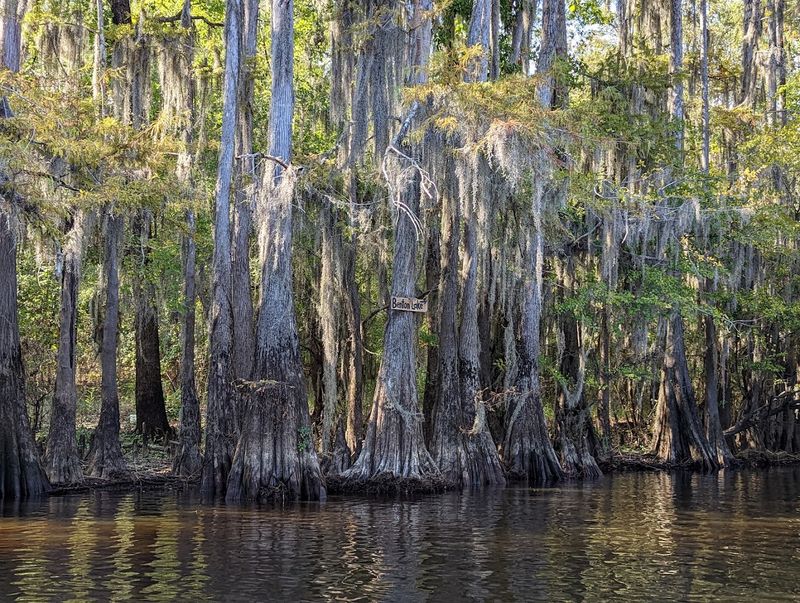
Spanish moss drapes from ancient bald cypress trees rising out of dark, mysterious waters that look more like Louisiana than Texas. This is Texas’s only natural lake, formed by a massive logjam on the Red River centuries ago. The shallow waters spread across 25,400 acres, creating a maze of channels, sloughs, and open pools that paddlers can explore for days without seeing everything.
Renting a canoe or kayak lets you glide silently through the cypress forest, where sunlight filters through the Spanish moss creating an almost magical atmosphere. The lake’s intricate waterways can confuse first-time visitors, so many people hire guides or stick to marked paddling trails. Alligators live here, though they generally avoid people and attacks are extremely rare if you follow common-sense precautions.
The park’s hiking trails wind through bottomland hardwood forest quite different from what you find in most of Texas. Prothonotary warblers nest in tree cavities near the water, their brilliant golden-yellow plumage standing out against the dark bark. Over 70 species of fish swim beneath the lily pads and submerged logs, making this a favorite spot for anglers pursuing bass, catfish, and crappie.
Screened shelters and campsites near the water let you fall asleep to the sounds of frogs, owls, and other nocturnal creatures. The park’s interpretive center explains the lake’s unique ecosystem and the ongoing battle against invasive plants threatening to choke the waterways. Giant salvinia, an aggressive aquatic fern, has caused major problems, requiring constant management efforts to keep channels navigable.
Located in the far northeastern corner of Texas near the Louisiana border, Caddo Lake feels remote despite being relatively close to Marshall and Longview. The lake’s dark, tannic water comes from decaying vegetation, not pollution, giving it that distinctive swampy appearance. Spring and fall offer the best paddling weather, with summer bringing heat and humidity along with afternoon thunderstorms.
This strange, beautiful place shows a side of Texas most people never imagine exists—a primordial swamp that seems frozen in time, where ancient trees stand like sentinels in waters that have flowed for thousands of years.
Share this story