Texas is more than just a state. It’s a feeling, a way of life, and a collection of experiences that shape who we are. Whether you were born here or chose to call it home, there are certain moments that connect us all as Texans.
From wide-open skies to time-honored traditions, these experiences remind us why this place is so special.
1. Watch the Sunset in Big Bend National Park
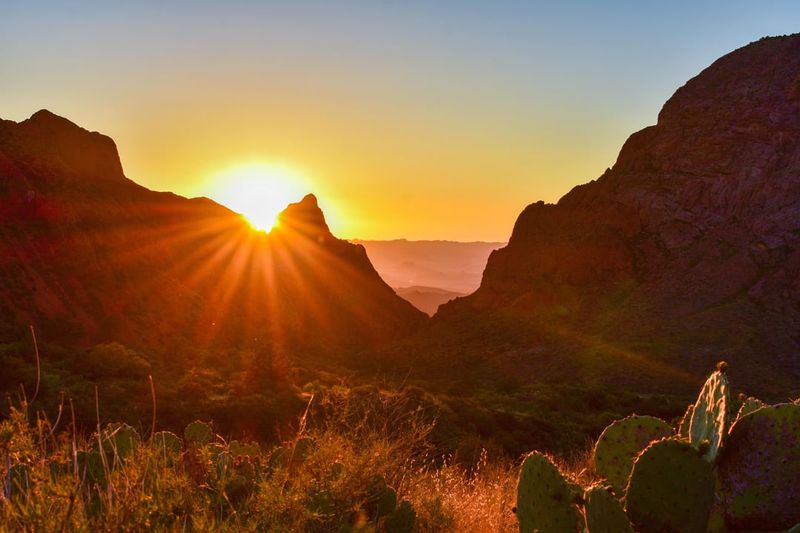
Standing at the edge of the Chihuahuan Desert as the sun dips below the jagged peaks feels like watching nature put on its greatest show. Big Bend sits in one of the most remote corners of Texas, where the sky stretches endlessly and the land whispers stories older than memory. The colors shift from gold to crimson to deep purple in a matter of minutes, and every sunset is different.
Most folks head to the Window Trail overlook or climb up to the South Rim for the best views. The light bounces off the rocky cliffs and paints the whole canyon in shades you didn’t know existed. It’s quiet up there, the kind of silence that makes you realize how loud the rest of your life has been.
Bring a jacket even in summer because the temperature drops fast once the sun goes down. A good pair of hiking boots helps too, especially if you’re planning to catch the sunset from one of the higher trails. Pack water and snacks, and give yourself plenty of time to get back before full dark.
The park is huge, covering over 800,000 acres, so plan your route ahead of time. Cell service is basically nonexistent, which is part of the charm but also means you need to be prepared. Download maps before you arrive and let someone know your plans.
Spring and fall offer the most comfortable weather, though winter sunsets have their own stark beauty. Summer can be brutally hot during the day, but the evenings cool down enough to make it bearable. Whenever you go, this is one of those moments that stays with you long after you’ve left the park.
There’s something about watching the sun set over Big Bend that makes you feel small in the best way possible. It reminds you that Texas is bigger than cities and highways. It’s wild, untamed, and absolutely unforgettable.
2. See the Bluebonnets in Full Bloom
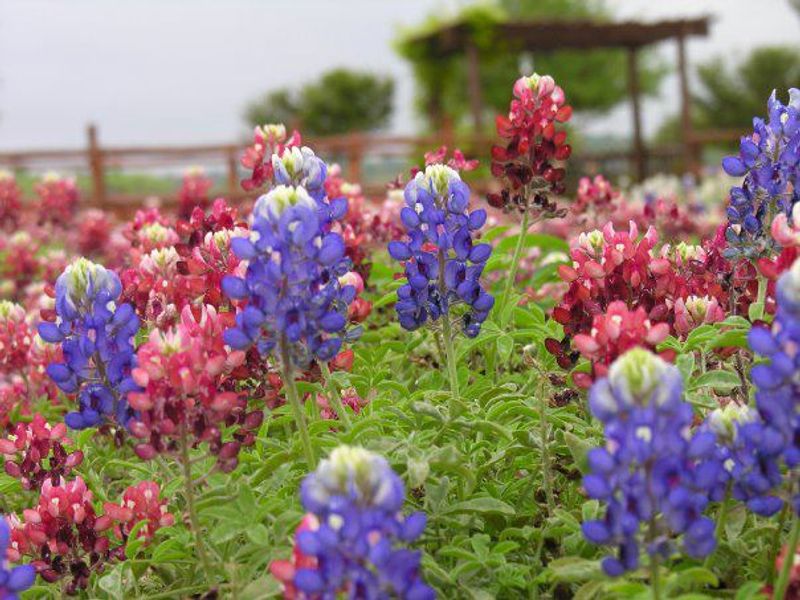
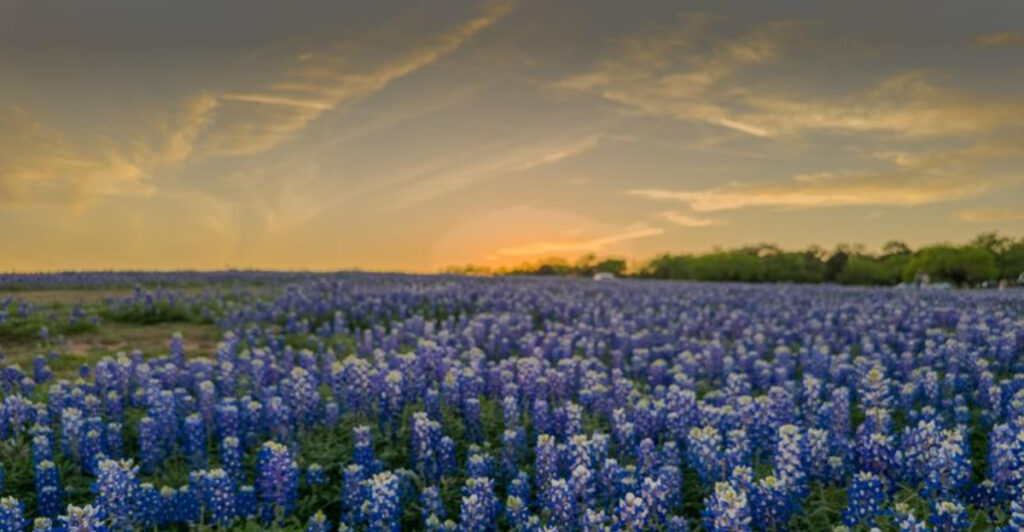
When spring arrives in Texas, the roadsides explode with color. Bluebonnets carpet the fields in waves of purple and blue, turning ordinary highways into scenic drives worth slowing down for. This wildflower has been the state flower since 1901, and Texans take it seriously.
The Hill Country offers some of the best bluebonnet viewing, especially around Fredericksburg, Marble Falls, and the Willow City Loop. Late March through mid-April is typically peak season, though it shifts depending on winter rainfall. Too little rain means fewer blooms, while a wet winter creates those legendary years when the flowers seem endless.
Families pull over to take photos, a Texas tradition as reliable as the blooms themselves. Kids sit among the flowers while parents snap pictures, creating memories that end up framed on living room walls. Just remember to stay on public land and respect private property when you’re hunting for the perfect photo spot.
The Texas Department of Transportation actually manages wildflower plantings along highways, seeding over 30,000 miles of roadway. They time their mowing schedules to let the flowers bloom and reseed naturally. It’s a coordinated effort that makes Texas one of the most beautiful places to drive in spring.
Indian paintbrush often blooms alongside bluebonnets, adding splashes of red and orange to the mix. The combination creates a patriotic palette that feels uniquely Texan. Other wildflowers like pink evening primrose and yellow coreopsis join the show, making every field a natural work of art.
Bring your camera and wear comfortable shoes for walking through fields. Early morning or late afternoon light makes for the best photos. Check local wildflower reports online before you go, as bloom times vary by region and weather conditions.
Seeing the bluebonnets in person beats any postcard or photograph. It’s a seasonal gift that reminds us why we love this state, and why spring in Texas is something truly special.
3. Float a Hill Country River
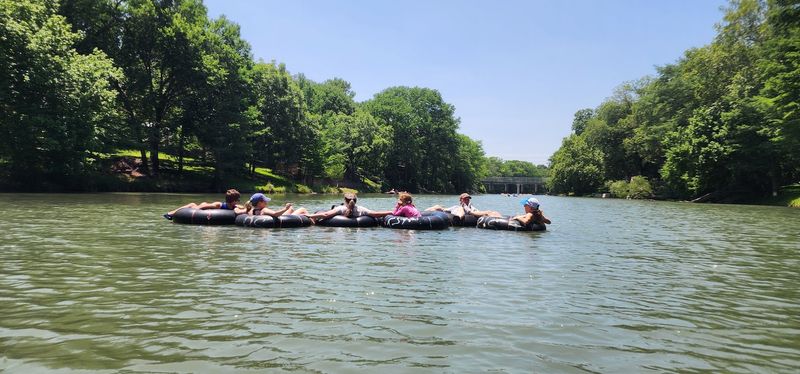
Nothing beats the Texas heat quite like spending a lazy afternoon floating down a cool, spring-fed river. The Hill Country is famous for its rivers, where the water stays refreshingly cold even when the air temperature climbs past 100 degrees. It’s a Texas summer tradition that brings together friends, families, and complete strangers who all share the same goal: staying cool and having fun.
The Guadalupe River near New Braunfels is probably the most popular float, drawing crowds every weekend from May through September. The Comal River, one of the shortest rivers in the world, offers a quick float that’s perfect for families with younger kids. For something less crowded, the San Marcos River provides a beautiful alternative with clearer water and more shade.
You’ll need a tube, which you can rent from dozens of outfitters along the river. Most places also rent cooler tubes so you can bring drinks and snacks along for the ride. Waterproof bags or cases for your phone are smart investments, and don’t forget the sunscreen because the sun reflects off the water and intensifies.
The current does most of the work, carrying you downstream while you relax and enjoy the scenery. Cypress trees line the banks, their roots creating natural obstacles and adding character to the journey. Small rapids and chutes add just enough excitement without being dangerous, though you might get splashed.
Weekdays are significantly less crowded than weekends, especially during peak summer months. Arrive early to secure parking and avoid the longest waits at tube rental spots. Most floats take between two to four hours depending on the river and water levels.
River etiquette matters: pack out your trash, respect other floaters, and follow all posted rules. The rivers are natural treasures that need protecting. Glass containers are typically prohibited, and alcohol rules vary by location, so check before you go.
Floating a Hill Country river is pure Texas summer magic. It’s simple, affordable, and the kind of experience that creates stories you’ll tell for years.
4. Attend a Real Texas Rodeo
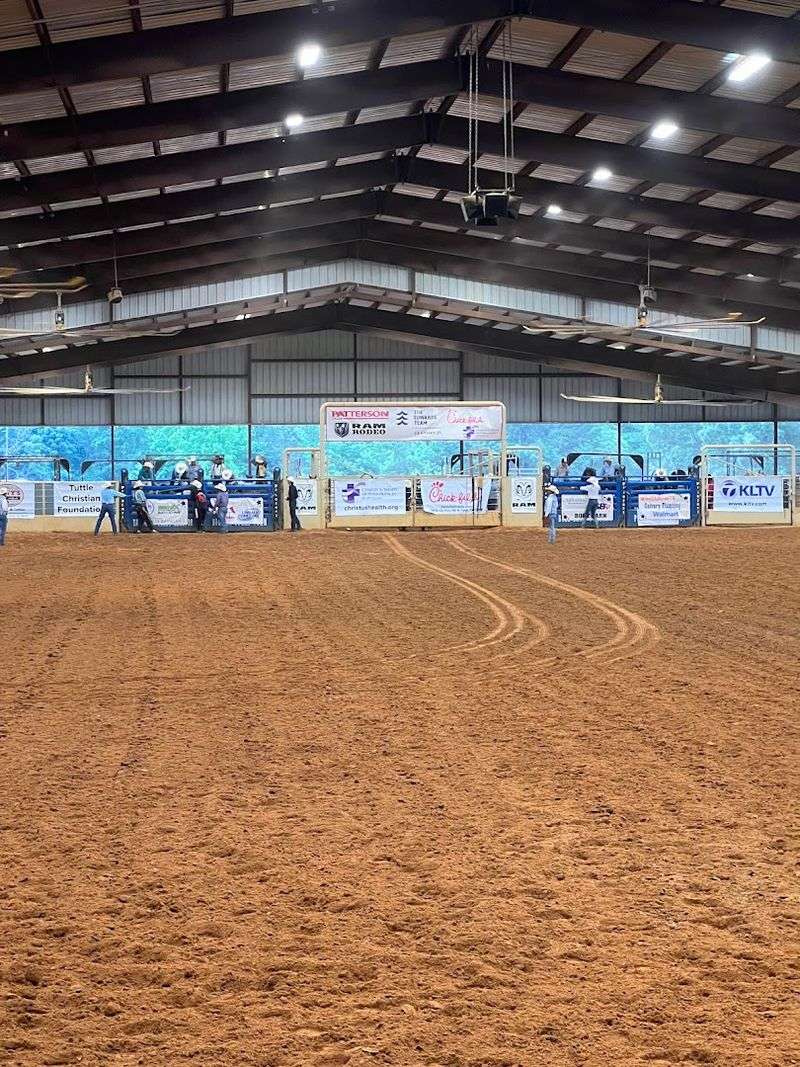
The smell of dust, leather, and livestock fills the air as cowboys and cowgirls prepare to test their skills against animals that outweigh them by hundreds of pounds. Rodeos are where Texas history comes alive, where the skills that built ranches and tamed wild country are still celebrated and competed for. It’s loud, exciting, and authentically Texan in every way.
The Houston Livestock Show and Rodeo is the biggest, drawing massive crowds and top-tier competitors every March. Fort Worth’s Stock Show and Rodeo runs in January and February, offering a more traditional Western experience. Smaller towns host rodeos throughout the year, and these local events often provide the most genuine atmosphere without the overwhelming crowds.
Bull riding is the main event that gets everyone on their feet. Watching a rider try to stay mounted for eight seconds on a spinning, bucking bull is equal parts terrifying and thrilling. Barrel racing showcases the speed and precision of horse and rider working as one team, while bronc riding demonstrates raw courage and skill.
Calf roping and steer wrestling require split-second timing and years of practice. These aren’t just entertainment; they’re actual ranching skills refined into competitive sports. The athletes are real working cowboys and cowgirls who’ve spent their lives perfecting these techniques.
Rodeo clowns provide comic relief between events, but they also serve a critical safety function by distracting bulls and protecting fallen riders. The announcer keeps the energy high, telling stories about competitors and explaining what’s happening for newcomers. Live country music often follows the competition, turning the whole event into an all-night celebration.
Wear comfortable boots and a hat if you have them, though it’s not required. Arrive early to watch the pre-show activities and grab good seats. Bring cash for food vendors because rodeo concessions serve up serious comfort food like funnel cakes, turkey legs, and loaded nachos.
Experiencing a rodeo connects you to Texas heritage in a way few other activities can. It’s wild, unpredictable, and completely unforgettable.
5. Eat Barbecue Straight From a Legendary Pit
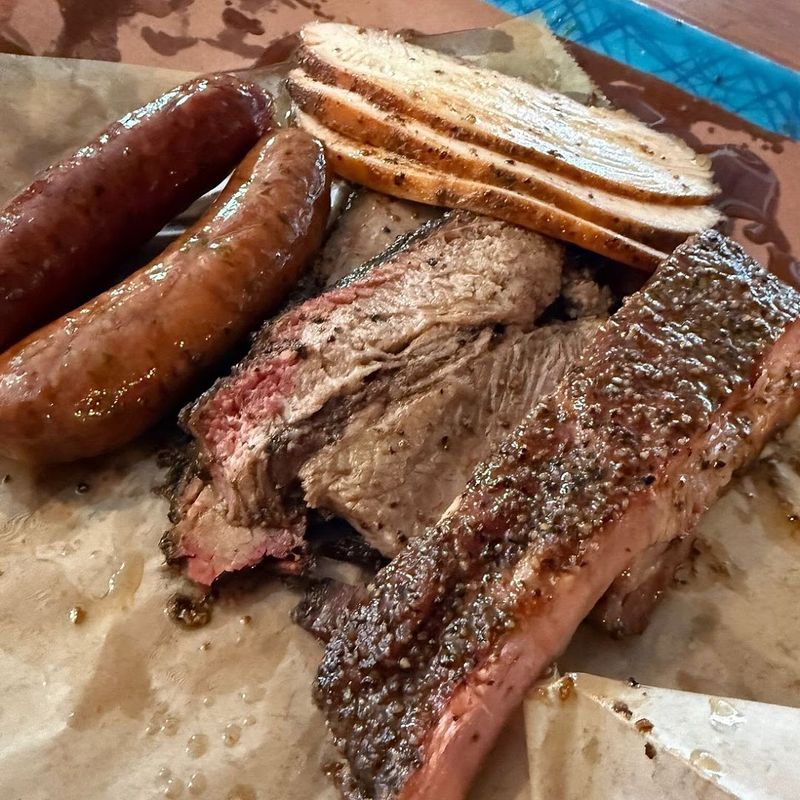
Texas barbecue isn’t just food. It’s religion, art, and cultural identity all rolled into one smoky, tender, perfectly seasoned package. The best barbecue comes from pitmasters who’ve spent decades perfecting their craft, tending fires through the night, and treating each brisket like it’s the most important one they’ll ever cook.
Central Texas style dominates the conversation, with places like Franklin Barbecue in Austin drawing lines that start before dawn. Lockhart claims to be the barbecue capital of Texas, with legendary spots like Kreuz Market and Smitty’s Market serving meat on butcher paper with no sauce needed. East Texas offers a different style with more sauce and often chopped meat, while South Texas throws mesquite into the mix.
Real Texas brisket should have a dark, almost black bark on the outside and a pink smoke ring just beneath. The meat should be so tender it barely holds together when you slice it, yet still have enough structure to pick up with your fingers. Fat renders into buttery goodness that melts on your tongue, and the smoke flavor penetrates every bite without overwhelming the beef.
Sides matter too, though they’re supporting actors to the main show. Pinto beans cooked low and slow, creamy coleslaw, potato salad, and thick slices of white bread are traditional accompaniments. Pickles and onions cut through the richness of the meat, cleansing your palate between bites.
Most legendary barbecue joints are no-frills operations. You might eat at picnic tables or even standing up. Paper towel rolls serve as napkins, and drinks come from coolers or basic fountains.
The lack of fancy atmosphere is part of the authenticity; all the effort goes into the meat.
Expect to wait, especially at famous spots. Arrive early or call ahead to check if they’re sold out. Many places close when the meat runs out, sometimes hours before their posted closing time.
Cash is often preferred, though more places now accept cards.
Eating barbecue from a legendary Texas pit is a pilgrimage every Texan should make. It’s a taste that defines us and a tradition worth preserving.
6. Stand Inside the Alamo
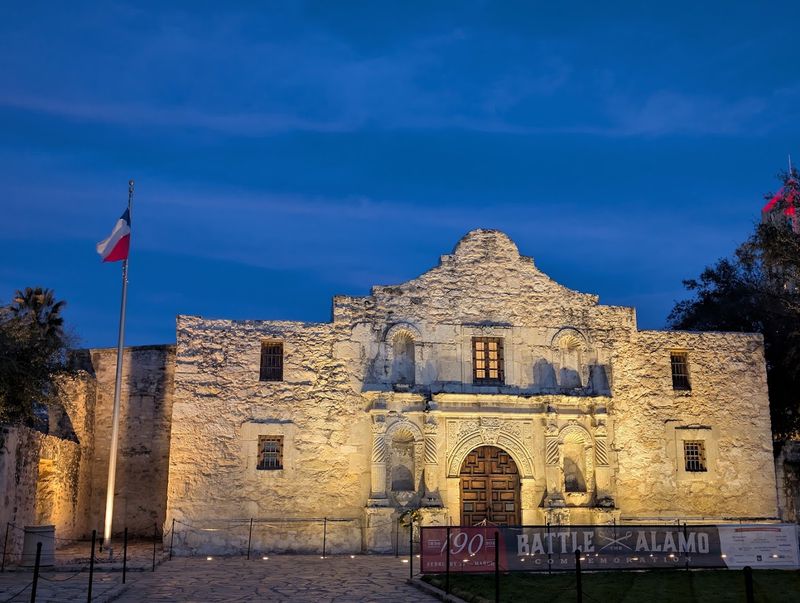
Walking through the doors of the Alamo means stepping into the most famous thirteen days in Texas history. This former Spanish mission became the site of a battle that shaped the identity of an entire state. The limestone walls have witnessed centuries of change, but the story of courage and sacrifice that unfolded here in 1836 still resonates.
The mission itself is smaller than most people expect. Movies and legends have built it up into something massive, but the actual building is intimate and surprisingly modest. That contrast makes the history even more powerful; fewer than 200 defenders held this small compound against thousands of Mexican troops.
Inside, you’ll find artifacts from the battle and the mission’s earlier days. Davy Crockett’s vest, old weapons, and personal items belonging to the defenders create tangible connections to real people who made impossible choices. The reverence inside is palpable; visitors instinctively lower their voices as if in a sacred space.
The Long Barrack Museum next door provides deeper context about the siege, the Texas Revolution, and the mission’s 300-year history. Interactive displays help younger visitors understand the timeline and significance. The grounds include the mission church, a well, and remnants of the original compound walls.
Downtown San Antonio has grown up around the Alamo, creating a strange juxtaposition of historic site and modern city. Skyscrapers tower above the mission, and the River Walk bustles nearby. Yet the Alamo maintains its dignity and importance despite the surrounding commercial activity.
Admission is free, though donations are encouraged to support preservation efforts. Guided tours offer additional insights and stories not found on the basic placards. Photography is allowed outside but restricted inside the church out of respect.
Plan to spend at least an hour exploring the site and reading the exhibits. Combine your visit with a walk along the River Walk or exploration of other San Antonio missions. Early morning visits avoid the biggest crowds and the intense Texas heat.
Standing inside the Alamo connects you to the moment when Texas truly became Texas. It’s essential history that every Texan should experience firsthand.
7. Spend a Weekend on the Texas Coast
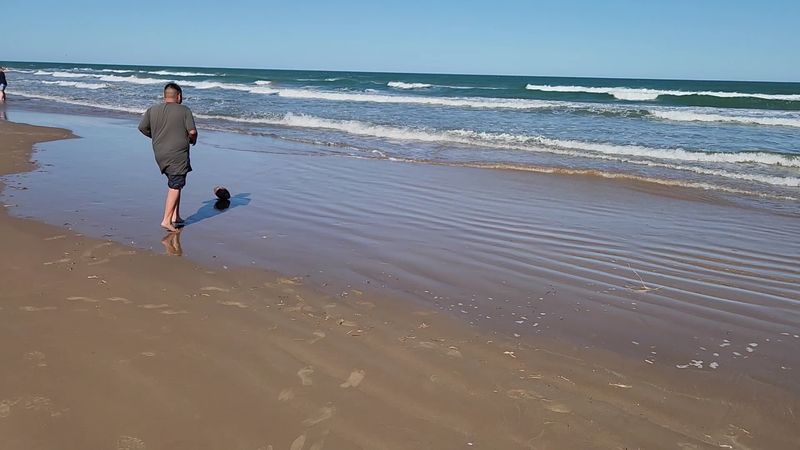
The Texas coast stretches for 367 miles along the Gulf of Mexico, offering everything from busy resort towns to isolated beaches where you might be the only person for miles. The water is warm, the seafood is fresh, and the laid-back coastal culture provides the perfect escape from inland heat and city stress.
South Padre Island draws the biggest crowds with its wide beaches and resort amenities. Port Aransas offers a more local vibe with excellent fishing and casual beach bars. Galveston combines history with beach fun, featuring Victorian architecture alongside modern attractions like Moody Gardens and the historic Strand district.
For something completely different, Padre Island National Seashore protects 70 miles of undeveloped coastline. You can drive on the beach for miles, camp under the stars, and experience the coast in its natural state. Sea turtle releases happen here during nesting season, offering a chance to witness conservation in action.
Fishing is practically mandatory on the Texas coast. Wade fishing in the surf, charter boats for deep-sea adventures, or fishing from piers and jetties all produce catches. Redfish, speckled trout, and flounder are popular targets, and many visitors bring coolers to take their catch home.
Fresh seafood is everywhere, from casual shrimp shacks to upscale restaurants. Gulf shrimp, oysters, and fish are caught daily and served within hours. There’s nothing quite like eating shrimp po’boys or fried fish while watching the sunset over the water.
Bring plenty of sunscreen and reapply often; the coastal sun is relentless. Beach chairs, umbrellas, and coolers are essential for a comfortable day. Check tide schedules and water conditions before swimming, and be aware of jellyfish, especially after storms.
Weekends from late spring through early fall are busiest, with Memorial Day, Fourth of July, and Labor Day being peak times. Shoulder seasons offer better deals and smaller crowds while still providing warm weather. Winter on the coast is mild and perfect for beachcombing and birdwatching.
A weekend on the Texas coast recharges your spirit and reminds you that Texas isn’t all desert and prairie. It’s diverse, beautiful, and full of surprises.
8. Climb to the Top of Enchanted Rock
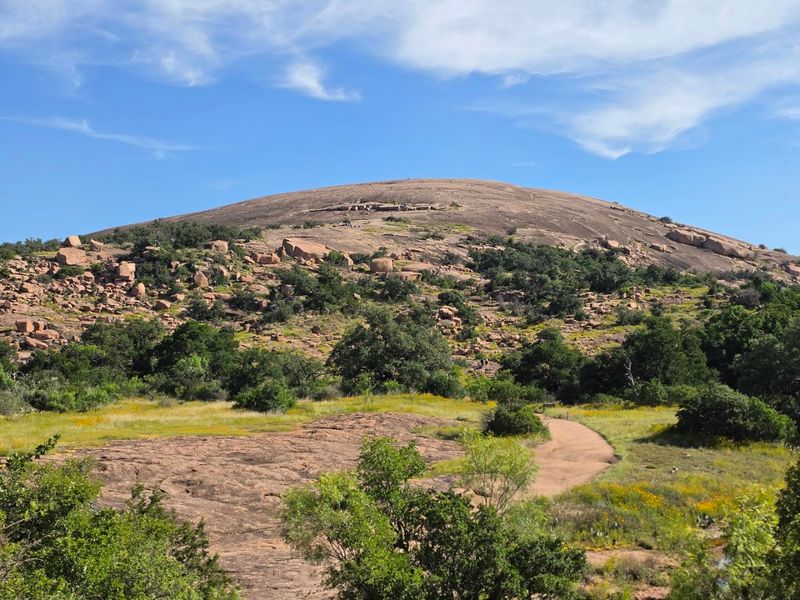
Rising 425 feet above the surrounding Hill Country, Enchanted Rock is a massive pink granite dome that has drawn people to its summit for thousands of years. Native Americans considered it a sacred place, and modern visitors quickly understand why. The rock seems to glow at sunset, and strange creaking sounds echo from within as the granite expands and contracts with temperature changes.
The Summit Trail is the most direct route to the top, climbing steadily for about a mile. The granite surface can be slippery, especially after rain or early morning dew, so proper footwear with good grip is essential. The trail is well-marked but steep in sections, requiring moderate fitness and careful footing.
Once you reach the summit, the 360-degree views stretch for miles in every direction. On clear days, you can see the entire surrounding Hill Country spread out like a map. Rock formations, valleys, and distant hills create layers of scenery that change with the light throughout the day.
Rock climbing routes of varying difficulty cover the dome’s surface, attracting climbers from across the state. Bouldering areas near the base offer challenges for different skill levels. If you’re interested in climbing, bring proper gear or join a guided group to stay safe.
The park encompasses more than just the main dome. Loop trails explore caves, creeks, and smaller rock formations. Spring wildflowers add color to the landscape, while fall brings cooler temperatures perfect for hiking.
Wildlife includes deer, armadillos, and numerous bird species.
Arrive early because the park limits daily visitors and often reaches capacity by mid-morning on weekends. Reservations are required and can be made online. Bring at least twice as much water as you think you’ll need; the exposed granite reflects heat and there’s no shade on the climb.
Sunrise and sunset hikes offer the most dramatic lighting and cooler temperatures. Night hikes under a full moon create an almost otherworldly experience. Whatever time you choose, the climb is challenging but absolutely worth the effort.
Standing atop Enchanted Rock gives you a perspective on Texas that few other places can match. It’s ancient, powerful, and unforgettable.
9. Dance at a Historic Texas Dance Hall
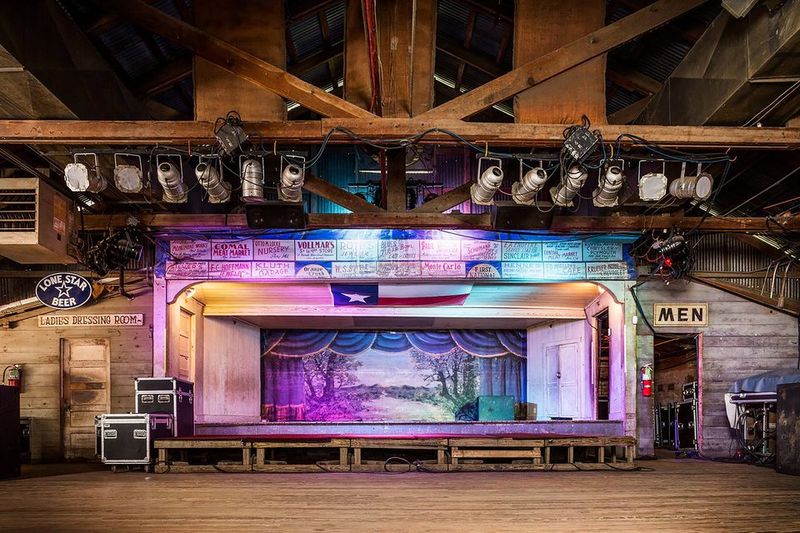
Before air conditioning, Texans gathered in dance halls to socialize, court, and escape the heat on Saturday nights. These wooden structures with their spring-loaded floors and open-air designs became community centers where generations learned to two-step, waltz, and swing. Many still operate today, preserving a tradition that’s purely Texan.
Gruene Hall near New Braunfels claims to be the oldest continually operating dance hall in Texas, built in 1878. The worn wooden floors and walls covered in band stickers and memorabilia tell stories of countless nights of music and dancing. Big names and local acts still play there, keeping the tradition alive.
Luckenbach Dance Hall became famous thanks to Waylon Jennings and Willie Nelson, but it was hosting dances long before that song. The tiny town consists of little more than the hall, a general store, and a post office, yet it draws visitors from around the world. Sunday afternoon picker circles and weekend dances maintain the laid-back atmosphere.
The German and Czech communities in Central Texas built many dance halls, and their influence shows in the architecture and music styles. Polkas and waltzes mix with country and western swing, creating a unique sound that’s distinctly Texan. The social atmosphere is welcoming; regulars happily teach newcomers the basic steps.
Live music is essential to the experience. Full bands with fiddles, steel guitars, and drums create the authentic sound that makes your feet want to move. The music is loud, energetic, and designed to keep people dancing all night.
Between sets, cold beer and conversation flow freely.
You don’t need fancy clothes or expert dancing skills. Jeans, boots, and a willingness to try are all that’s required. Watch others for a few songs to pick up the basic patterns, then jump in.
Most dancers are forgiving of beginners and appreciate anyone making the effort.
These halls represent a living piece of Texas culture that could disappear without support. Visiting and dancing keeps them viable and ensures future generations can experience this unique tradition. It’s history you can participate in, not just observe.
10. Experience the State Fair of Texas
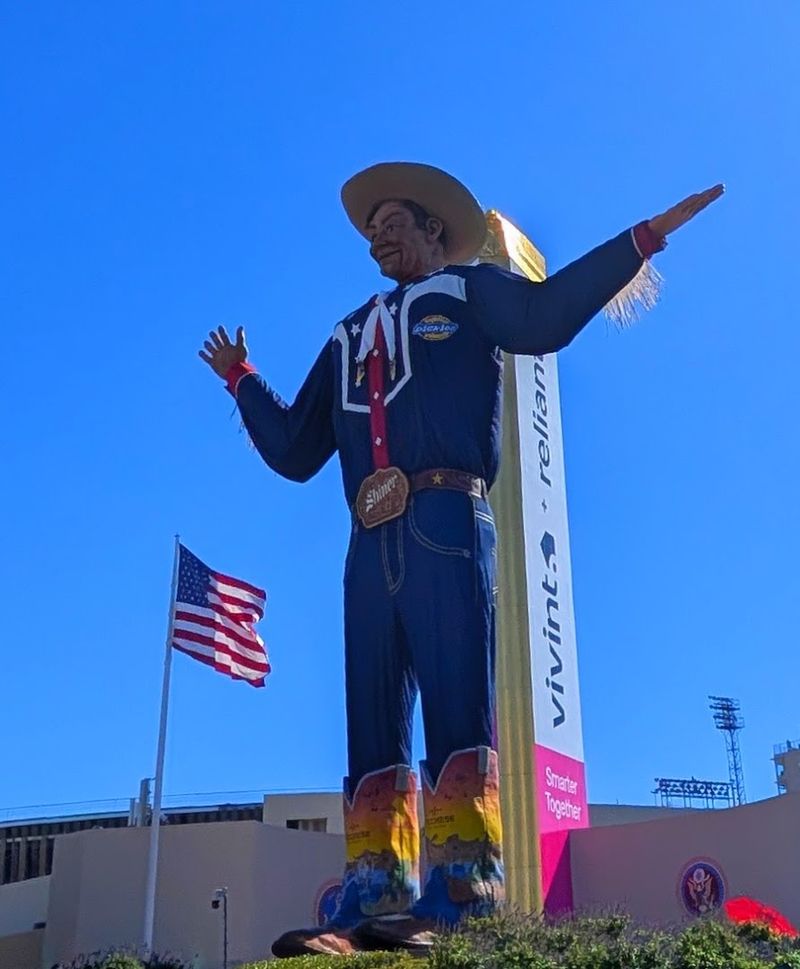
Every fall, Dallas transforms into carnival central when the State Fair of Texas opens its gates at Fair Park. For 24 days, over two million people flood through to experience everything from livestock shows to deep-fried experiments to concerts by major artists. It’s overwhelming, excessive, and absolutely quintessential Texas.
Big Tex towers over the midway, a 55-foot-tall cowboy statue that’s welcomed visitors since 1952. His booming voice and friendly wave have become symbols of the fair itself. Kids pose for photos at his boots while parents marvel at the sheer scale of the place.
The food is legendary and often ridiculous in the best way possible. Each year brings new deep-fried creations competing for attention: fried butter, fried beer, fried everything imaginable. Fletcher’s Corny Dogs, a fair staple since 1942, remain the most iconic food item.
Turkey legs, funnel cakes, and cotton candy round out the classic fair food experience.
The Cotton Bowl hosts the annual Red River Rivalry football game between Texas and Oklahoma, one of college football’s most intense matchups. The stadium sits right in the middle of the fairgrounds, and game day energy electrifies the entire area. Even if you’re not attending the game, the atmosphere is worth experiencing.
Livestock shows showcase prize-winning cattle, pigs, sheep, and other animals raised by young people from across the state. The auto show features the latest vehicles, and the creative arts building displays quilts, photography, and other handmade works. Educational exhibits teach kids about agriculture, science, and Texas history.
Carnival rides range from gentle kiddie attractions to stomach-churning thrill rides. The Texas Star Ferris wheel offers views of the entire fairgrounds and downtown Dallas skyline. At night, thousands of lights turn the midway into a glowing spectacle.
Weekdays are significantly less crowded than weekends. Wear comfortable shoes because you’ll walk miles. Bring cash since some vendors don’t accept cards.
Arrive when gates open to maximize your time and beat the biggest crowds.
The State Fair of Texas is sensory overload in the best way. It’s tradition, chaos, and fun all mixed together into one uniquely Texan experience.
11. Stargaze Beneath a Truly Dark West Texas Sky
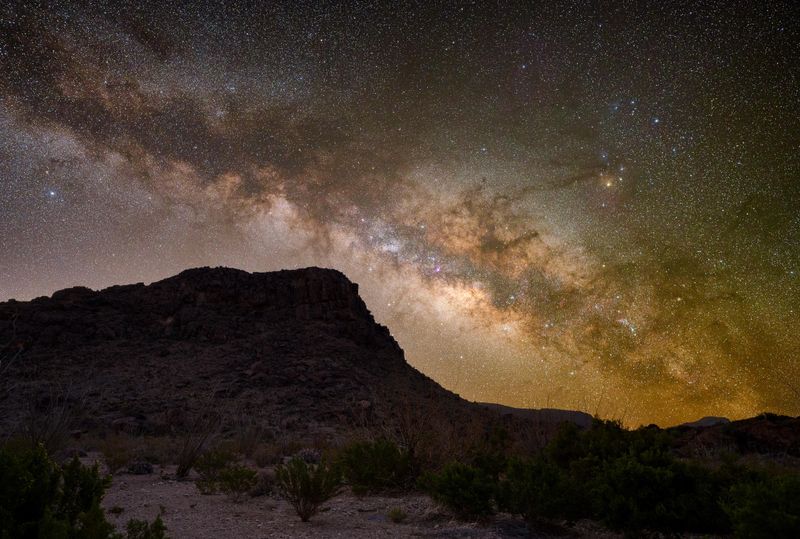
Most people have never seen the Milky Way. Light pollution from cities erases the stars, leaving only the brightest points visible. But in West Texas, far from urban glow, the night sky explodes with stars so numerous they seem impossible.
It’s the kind of darkness that makes you understand why ancient peoples were obsessed with the heavens.
Big Bend National Park is one of the darkest places in the continental United States. The park has been designated an International Dark Sky Park, recognizing its exceptional quality of starry nights. On moonless nights, you can see planets, nebulae, and galaxies with the naked eye.
McDonald Observatory near Fort Davis offers public star parties several nights a week. Professional astronomers guide visitors through telescope viewings of planets, star clusters, and distant galaxies. The visitor center features exhibits about astronomy and the research conducted at this world-class facility.
Daytime solar viewings let you safely observe our own star’s surface.
The Milky Way stretches across the sky like a river of light, so bright you can see colors in it. Shooting stars streak past regularly, especially during meteor showers. Satellites slowly cross the sky, and the International Space Station occasionally makes visible passes, looking like a fast-moving star.
Bring a blanket or reclining chair so you can lie back and look straight up without straining your neck. Red flashlights preserve your night vision better than white lights. Download a stargazing app to help identify constellations, planets, and other celestial objects.
Dress warmer than you think necessary; desert nights get surprisingly cold even in summer. The temperature can drop 30 or 40 degrees after sunset. Layers work best, allowing you to adjust as the night progresses.
New moon phases provide the darkest skies and best viewing conditions. Check lunar calendars when planning your trip. Clear weather is essential, so monitor forecasts and be flexible with your schedule if possible.
Fall and winter often offer the clearest skies with less atmospheric moisture.
Stargazing in West Texas reminds you how small we are and how vast the universe is. It’s humbling, inspiring, and an experience that changes how you see the world.
Share this story