Pennsylvania’s country stores and longtime markets offer more than a place to pick up groceries. They connect visitors with local food, handmade goods, regional specialties, and the everyday traditions that have shaped small communities for generations. Many still have the welcoming, old-fashioned atmosphere that makes browsing as enjoyable as shopping.
Some stops below are true general stores, while others are farm markets, specialty shops, or country destinations with a similar feel. A few names may need extra checking before you travel, but each offers a starting point for exploring Pennsylvania’s old-fashioned shopping spirit and discovering a little local character along the way.
1. Hickory Bridge Farm
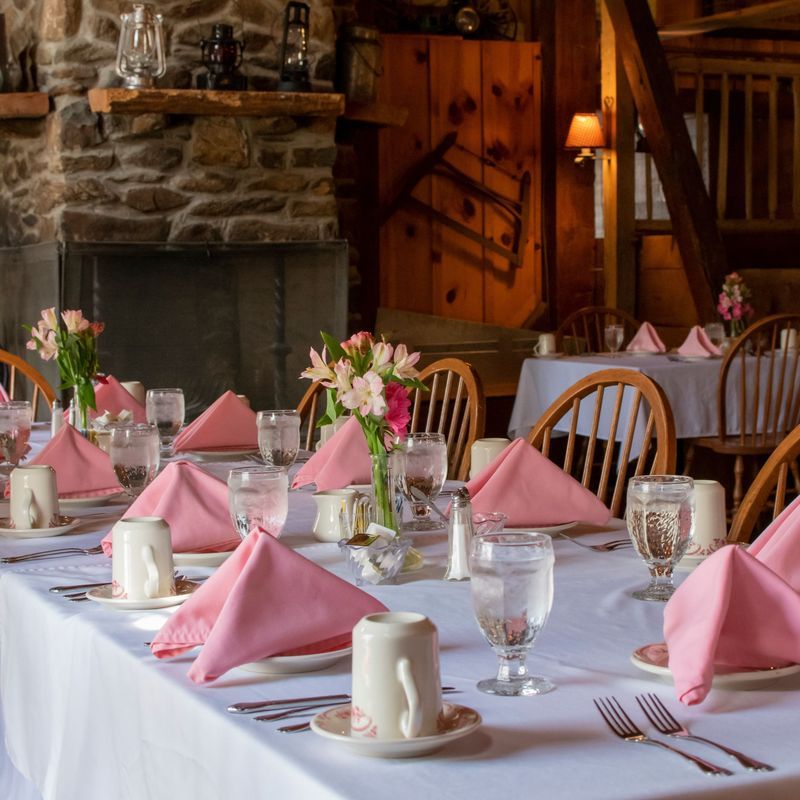
A country outing feels different when an old barn, a shared meal, and a rural landscape are part of the plan.
Hickory Bridge Farm, near Orrtanna in Adams County, offers that kind of experience, although it is better described as a country dining destination than a traditional general store.
The property is known for meals served in a historic barn setting.
Its appeal comes from the connection between Pennsylvania farm life, hearty cooking, and surroundings that encourage visitors to slow down rather than hurry through another stop.
For readers following a vintage store trail, that distinction matters.
Come for the country atmosphere and dining experience, not with the expectation of finding a full grocery aisle or a classic counter selling everyday household supplies.
Check the current dining schedule and reservation requirements before leaving home.
Service arrangements can differ from those at a walk-in restaurant, and a little planning helps keep a special outing from turning into an unexpected drive without lunch.
Allow time to notice the building itself.
Barn beams, farm structures, and the surrounding landscape help explain why this corner of Pennsylvania feels removed from busy shopping centers, even though Gettysburg is within reach for a broader day trip.
Families can make the visit more meaningful by talking about how farms once supplied much of a community’s food.
Older buildings become easier to appreciate when children understand that they were working spaces long before they became visitor attractions.
If your main goal is shopping, confirm which retail areas or additional attractions are currently available.
Avoid assuming that every feature mentioned in older travel articles still operates on the same schedule or offers the same selection.
Think of this stop as the welcoming meal on your Pennsylvania country-store journey.
Its character rests in hospitality, agricultural surroundings, and the pleasure of spending time somewhere that does not feel rushed.
2. Boyer’s Food Markets
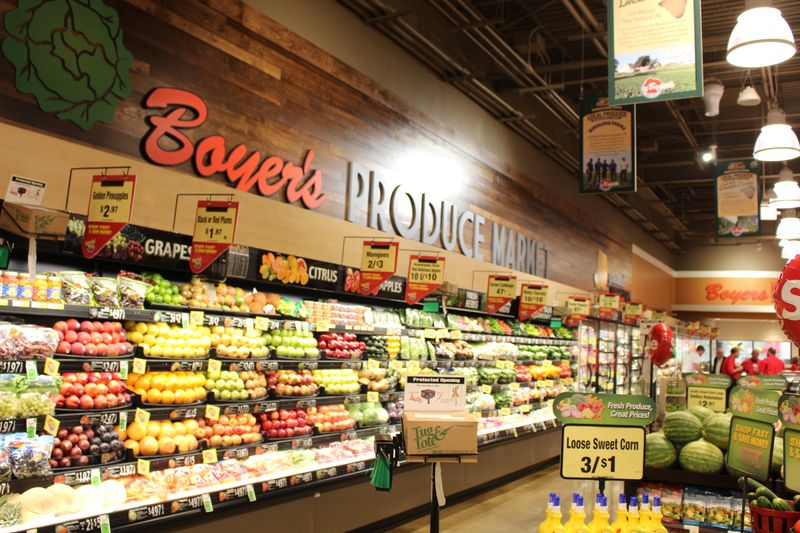
Everyday grocery shopping can tell you plenty about a town.
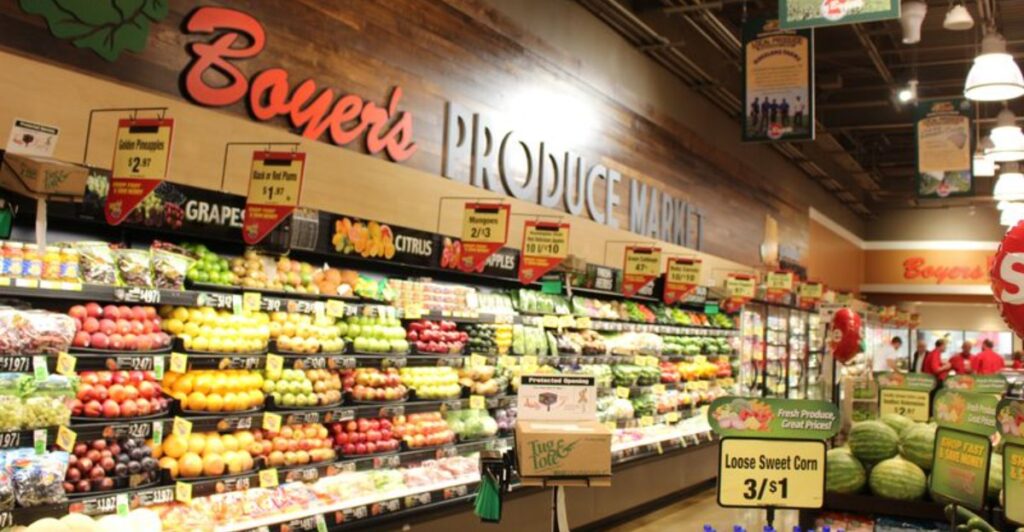
Boyer’s Food Markets belongs on this list for its Pennsylvania roots and community role, rather than because every location looks like a wooden general store from a century ago.
The business traces its beginnings to Orwigsburg in 1949 and grew into a regional supermarket chain.
That history gives it a different kind of character: a familiar local name that has served generations of shoppers across eastern Pennsylvania.
Expect a working grocery store, with practical departments and regular shopping needs taking priority over antiques or souvenirs.
Its vintage connection lies in the business story and neighborhood relationships, not a promise of creaking floors or period displays.
Choose a branch that fits your route, then check that location’s hours and services.
Since Boyer’s operates multiple stores, photographs, department offerings, and layouts from one address should not be treated as a guide to all the others.
A good way to explore is to look for foods made in Pennsylvania.
Regional snacks, baked goods, or other locally supplied products may give your shopping basket a stronger sense of place, though availability will vary by store and season.
Keep the outing simple and useful.
Pick up picnic supplies, replenish drinks for the car, or build an easy meal around products you would not usually notice at home; ordinary groceries can become part of a memorable road trip.
Visitors interested in local history can pair their stop with a walk through the surrounding community.
A supermarket alone will not explain a town, but its location and customer base offer a glimpse of how residents live today.
There is something appealing about a business that remains part of daily routines.
Boyer’s represents that practical side of Pennsylvania character, where a longstanding name matters just as much as decorative charm or a carefully staged old-fashioned storefront.
3. Lumberville General Store
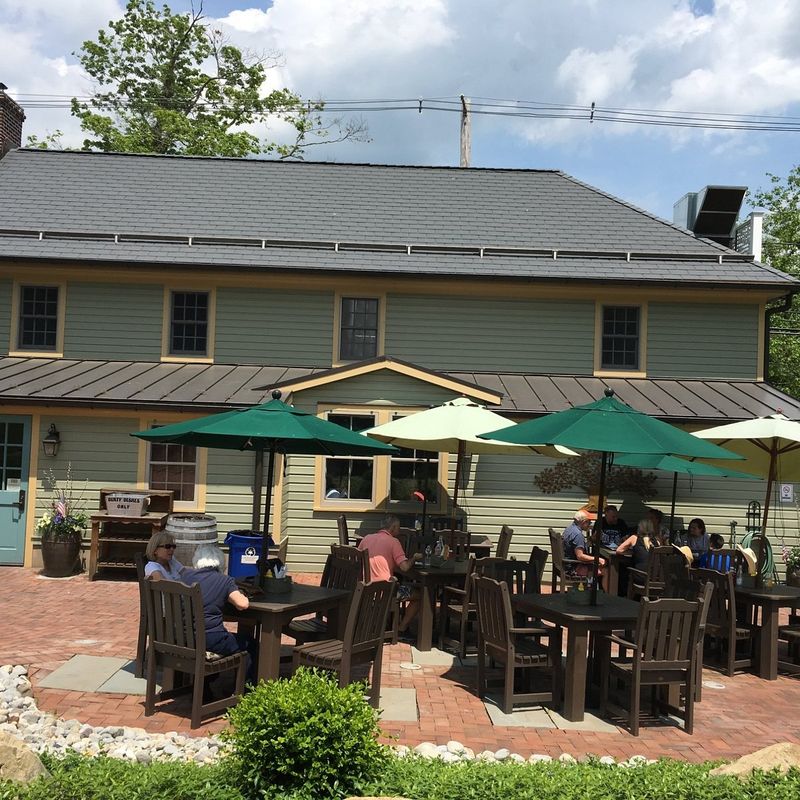
A river village gives even a quick coffee break a sense of occasion.
In Lumberville, Bucks County, the general store sits within a historic community beside the Delaware River, making the setting as much a draw as the stop itself.
Lumberville General Store carries a name rooted in the village’s long commercial history.
Today, visitors should think of it as a food and gathering stop with general-store heritage, rather than assume it stocks every household item a nineteenth-century shop once sold.
Before planning breakfast or lunch around your visit, review the current menu and opening hours.
Food service, seating arrangements, and seasonal schedules can change, especially in small destinations where a busy weekend feels very different from a quiet weekday.
Once there, let the village set the pace.
Look at the surrounding buildings, notice how closely the road follows the river landscape, and imagine the role a central store played when nearby residents depended on local trade.
The nearby pedestrian bridge toward Bull’s Island is a familiar feature of the area.
If you include a walk, check access conditions first and keep your Pennsylvania visit centered on Lumberville’s village streets, river views, and local businesses.
Parking deserves a little attention here.
Historic river communities were not designed around large visitor lots, so follow posted rules, avoid blocking driveways, and resist the temptation to stop wherever a pretty view happens to appear.
For photographs, step back far enough to show the storefront in its village setting.
Ask before photographing staff or indoor displays, and leave room for customers who are simply trying to collect an order or enjoy their meal.
This is a stop for people who like their history woven into an ordinary afternoon.
A bite to eat, a short walk, and a closer look at the riverfront can make Lumberville feel wonderfully personal without requiring a packed schedule.
4. Hillside Bulk Foods
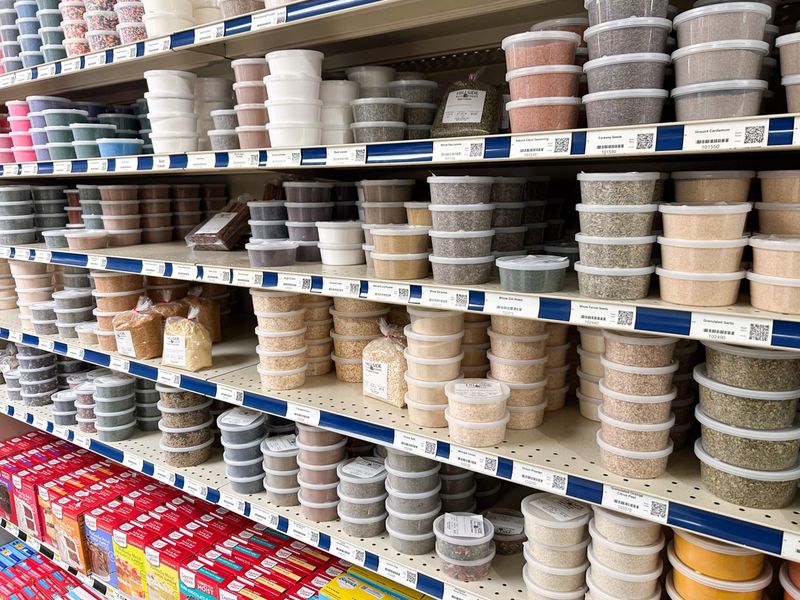
The name alone brings to mind a small shop tucked beside a country road.
Hillside Bulk Foods fits the spirit of this list, but its exact Pennsylvania address needs confirmation before any building history, merchandise selection, or travel directions can be stated confidently.
Similar business names can appear in different communities, and older listings sometimes remain online after a shop changes hands.
Treat the name as a lead to investigate, not as enough information to choose a destination or book nearby lodging.
Start by matching a current street address with recent business information.
A working phone number, recent customer photographs, and consistent listings can help separate the intended Pennsylvania store from another shop with a similar name elsewhere.
Once the location is confirmed, ask what the store actually sells.
Country stores can focus on food, household basics, crafts, or a mixture of goods, and those differences will shape whether your visit feels like shopping, browsing, or collecting picnic supplies.
Pay attention to the surroundings as well as the shelves.
A modest building serving nearby farms may reveal more about local life than an elaborate tourist display, especially when its products reflect what residents genuinely need during the week.
Keep expectations flexible rather than arriving with a checklist of imagined vintage features.
An old-fashioned name does not prove that a shop occupies a historic building, uses antique fixtures, or has operated continuously for generations.
If you find locally made goods, check labels and ask simple questions about their source.
Buying one useful item with a clear Pennsylvania connection is often more rewarding than taking home several souvenirs with little connection to the place.
The best approach here is curious but careful.
Verify the basics first, then enjoy whatever makes the confirmed store distinctive, whether that turns out to be friendly service, a practical selection, or a quiet setting along your route.
5. Fox Chase Farm Market
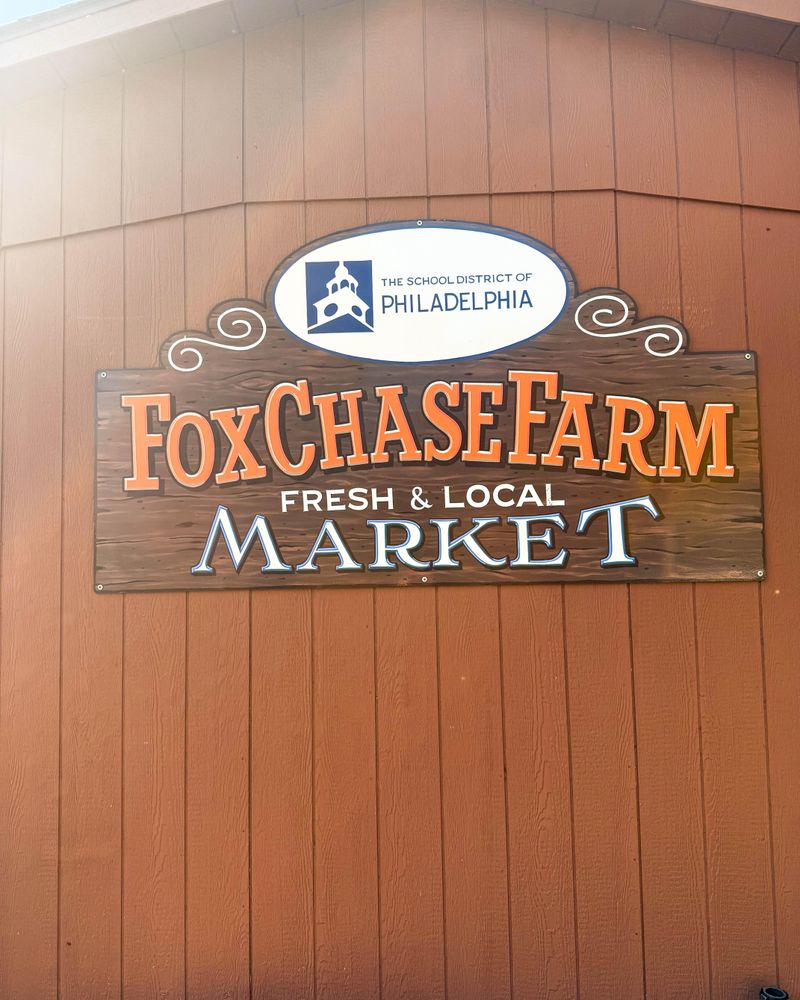
A basket of seasonal produce can make a better souvenir than another refrigerator magnet.
Fox Chase Farm Market suggests that fresh-from-the-farm side of Pennsylvania shopping, though the precise business identity should be checked before you make a special trip.
The name can be confused with Fox Chase Farm in Philadelphia, which is known as an educational farm.
Do not assume that an event at that property, a produce seller, and a business called Fox Chase Farm Market are the same operation.
Find a current address and confirm whether the market has regular retail hours or sells only on selected dates.
Farm-related shopping often follows growing seasons, weather, and harvest schedules instead of the predictable calendar of a large grocery chain.
If produce is available, ask what was grown locally and what came from other suppliers.
Both may be useful purchases, but clear information helps you understand the market’s connection to Pennsylvania agriculture without relying on a rustic display alone.
Shop with your travel plans in mind.
Tender fruit and leafy vegetables need more care than a jar of preserves, so bring a cooler when appropriate and avoid leaving fresh purchases in a warm car while you continue sightseeing.
Children can turn the visit into a simple seasonal lesson.
Comparing shapes, colors, and ripeness makes farm shopping engaging, while asking permission before handling delicate produce shows respect for the work behind each item.
For the vintage theme, look for genuine signs of continuity rather than invented nostalgia.
A longstanding customer relationship or a family’s farming story can provide character even when the sales area itself is modern, plain, or temporary.
Keep this stop on your list as a name requiring verification.
Once you identify the correct Pennsylvania market, its actual products and setting should guide the visit, giving you a more useful experience than any imagined general-store scene could offer.
6. S. Clyde Weaver
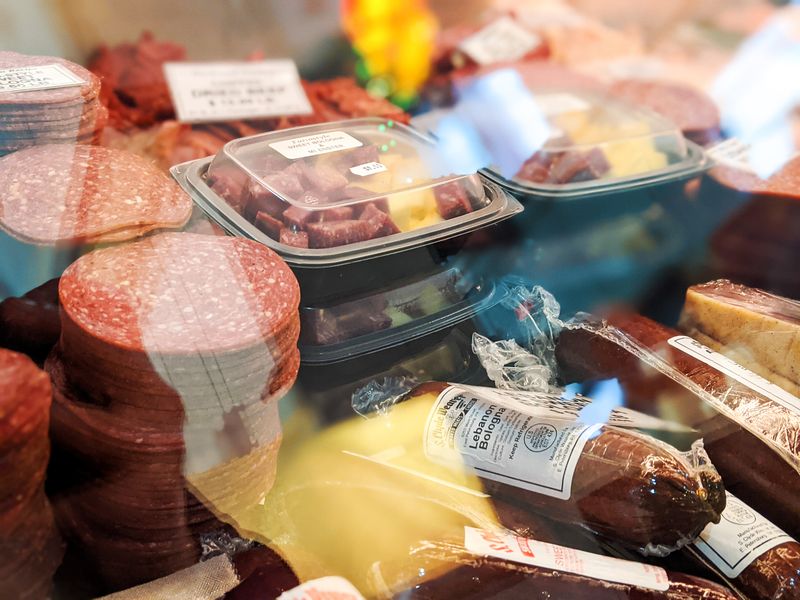
Smoked meats and cheese give this stop a personality you can taste.
S. Clyde Weaver is a longtime Lancaster County food business whose roots reach back to 1920, making it a strong choice for travelers interested in Pennsylvania’s food traditions.
Its history is tied to specialty foods rather than a classic general store carrying tools, fabric, and groceries together.
That difference does not lessen its appeal, but it helps explain why the counter and product selection deserve the most attention.
The East Petersburg store is a useful starting point when planning a visit.
Confirm the current address, hours, and available services directly, and remember that a retail store and a market stand may offer different experiences or selections.
Give yourself time to browse before ordering.
Read product labels, compare varieties, and ask staff for guidance if the choices feel unfamiliar; a small purchase selected thoughtfully can be more satisfying than a large order made in a hurry.
For a Pennsylvania picnic, consider pairing a meat or cheese selection with bread and something crisp or sweet.
Check what is available that day instead of counting on a specific combination described in an older review or travel article.
Food safety matters on a road trip.
Bring an insulated bag or cooler for products that require refrigeration, and ask how they should be stored if you plan to spend several more hours exploring Lancaster County afterward.
The historical interest here comes from a business built around recognizable local tastes.
Ask about the company’s story when staff have time, but avoid expecting a formal museum experience in a shop serving customers throughout the day.
Few souvenirs are as easy to share as something for the table.
A carefully packed food purchase lets the trip continue at home, where a sandwich, snack plate, or family meal can bring back memories of your Pennsylvania visit.
7. Olde Village Mercantille Store
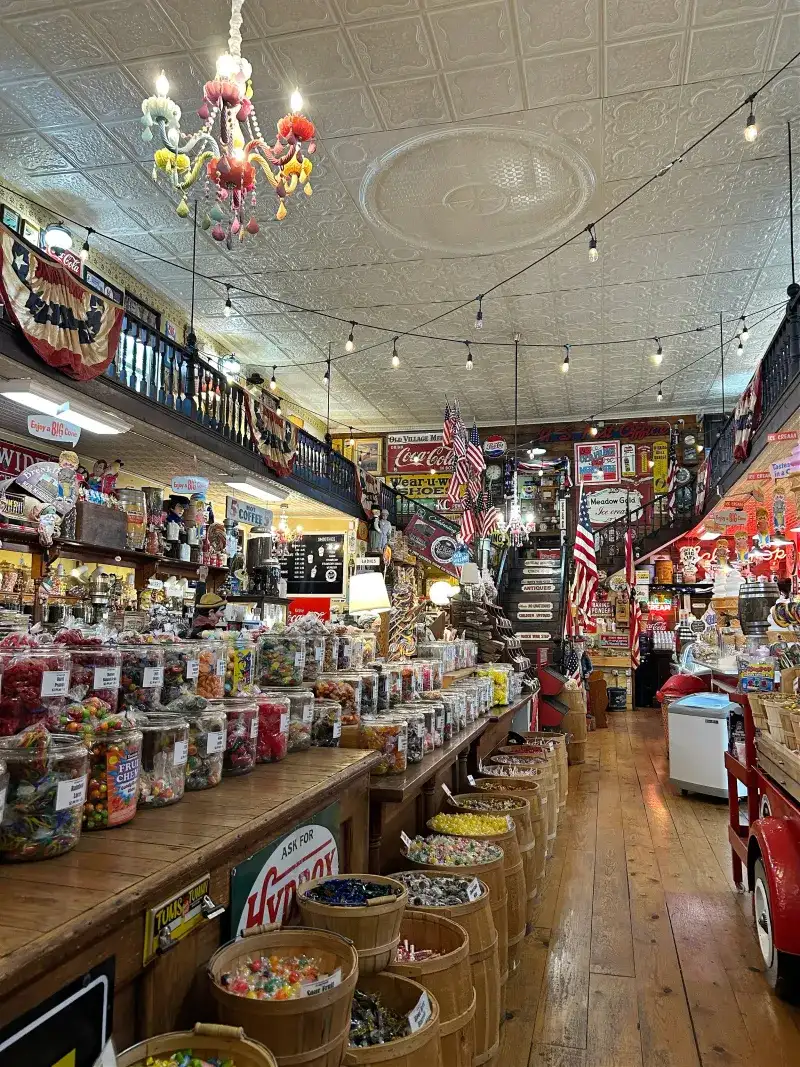
Words like village and mercantile promise the pleasure of browsing without a strict shopping list.
Olde Village Mercantille Store has that inviting ring, but the supplied name, including its spelling, needs to be matched to a current Pennsylvania business before specific claims are made.
Try searching both Mercantille and Mercantile when checking the listing.
A spelling difference can hide useful results or lead you toward the wrong shop, particularly when small businesses have limited websites or rely mainly on local directories.
Once you locate a likely match, compare its address across reliable sources.
Recent photographs and direct contact are especially helpful because a charming name alone cannot confirm whether the store is operating, historic, or even located in Pennsylvania.
A genuine mercantile-style visit is about noticing the mix of goods.
If the confirmed shop offers household items, gifts, foods, or handmade work, consider how those choices serve the surrounding community rather than judging everything by its decorative appeal.
Browse patiently and ask before opening packages or handling fragile pieces.
Small retail spaces often combine display stock with items ready for sale, and careful shopping keeps the experience pleasant for both visitors and the people working there.
When something catches your eye, learn where it was made.
An object crafted nearby carries a different story from a mass-produced decoration, though either can be worthwhile if the seller describes it clearly and the price suits your budget.
Do not treat weathered wood, old lettering, or antique-looking fixtures as proof of age.
Real history comes from records and confirmed business details, while atmosphere can be created recently and still make a shop enjoyable.
For now, regard this entry as a promising name rather than a fully documented destination.
A little checking will help you replace uncertainty with a real address, accurate expectations, and a visit built around the store’s own character.
8. Shady Maple Farm Market
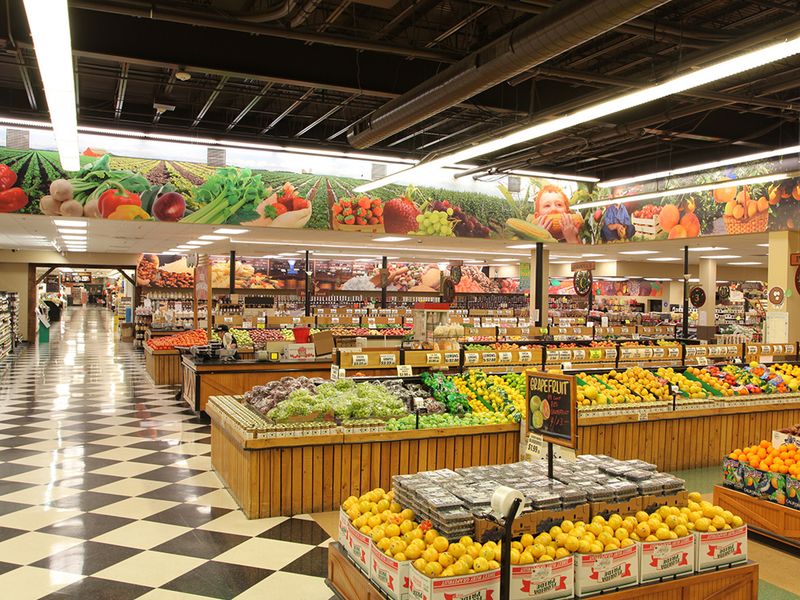
Bring a shopping list, because the scale here can surprise first-time visitors.
Shady Maple Farm Market in East Earl is a substantial Lancaster County food-shopping destination, not a tiny general store with just a few shelves and a porch.
The business grew from modest farm-market beginnings into a much larger operation.
That development is part of its character: it shows how Pennsylvania’s roadside food trade can expand while keeping a strong connection to regional shopping and eating habits.
Keep the farm market separate from the nearby Shady Maple Smorgasbord when planning your day.
They are related destinations, but grocery shopping and a buffet meal are different activities, with their own hours, costs, and time requirements.
Inside the market, focus on the departments that interest you most.
Produce, baked goods, and other grocery offerings can fill a basket quickly, so a little direction helps you avoid wandering until every purchase starts to seem necessary.
Check current hours before traveling, including the weekly closing schedule and holiday changes.
Lancaster County businesses do not all follow the same routines, and assuming that a major destination is open every day can derail an otherwise easy outing.
A cooler is useful if you plan to buy refrigerated foods.
Leave room in the car for your purchases, protect delicate baked goods from heavier bags, and think about how much your household can reasonably use after the trip.
For visitors seeking vintage charm, the draw is the farm-market story and regional food culture rather than untouched historic interiors.
Enjoy it on those terms instead of expecting the intimate scale of a village shop.
Make room for one unfamiliar item alongside your usual groceries.
Trying a Pennsylvania favorite can turn a practical stop into a small discovery, while a planned budget keeps the abundance fun rather than overwhelming when you finally reach the checkout.
9. The Old Country Store
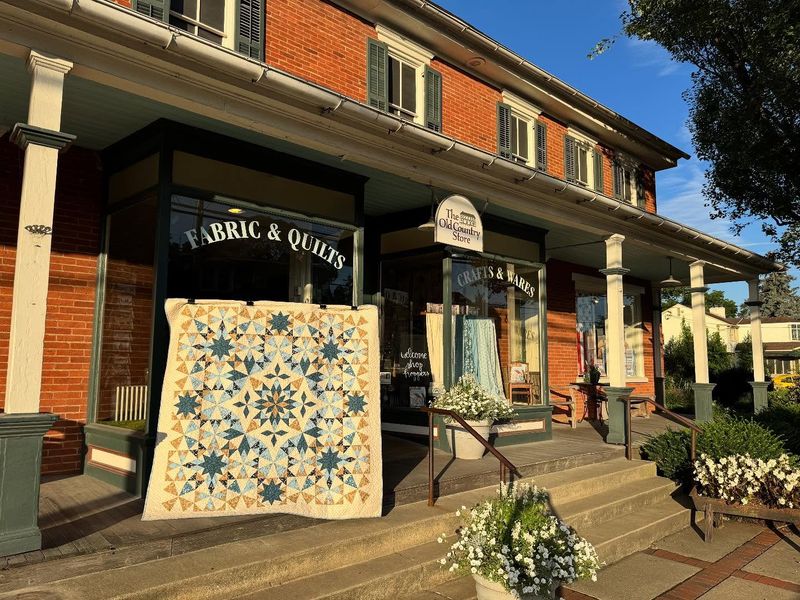
Color takes the lead at this Lancaster County stop.
The Old Country Store in Intercourse is especially known for fabrics, quilts, and sewing-related shopping, giving its country-store heritage a creative focus rather than a grocery-centered one.
The business traces its history to 1833, a detail that adds depth to a visit.
Its present-day selection, however, should be understood on its own terms: a historic name and setting do not mean that every original general-store function remains.
For anyone who sews, even a short browse can become absorbing.
Fabric patterns invite comparison, and the range of colors makes it easy to imagine a project before you have decided exactly what you want to make.
Bring measurements or a project list if you hope to buy supplies.
Knowing the amount of fabric you need, the colors you already own, and your budget will make the visit more useful than guessing at the cutting counter.
Non-sewers can still appreciate the skill behind finished quilts and textile work.
Look closely at repeated shapes, small stitches, and color choices, while respecting signs about handling or photography so that delicate merchandise stays protected.
A handmade item may cost more than a factory-made alternative, and that difference deserves thoughtful consideration.
Ask about materials and workmanship rather than assuming every quilt or gift has the same origin, construction, or connection to local makers.
Intercourse is a busy visitor destination, so plan enough time for parking and nearby foot traffic.
Stay alert around roads, respect private property, and remember that the surrounding countryside is a working community rather than an outdoor display.
The pleasure of this store is in the details.
Whether you leave with fabric for a future project or simply a better appreciation of quilting, the visit offers a hands-on link to Pennsylvania traditions that remain useful, expressive, and very much alive.
10. Darlington’s General Store
Sometimes the most promising travel lead is also the one that needs another phone call.
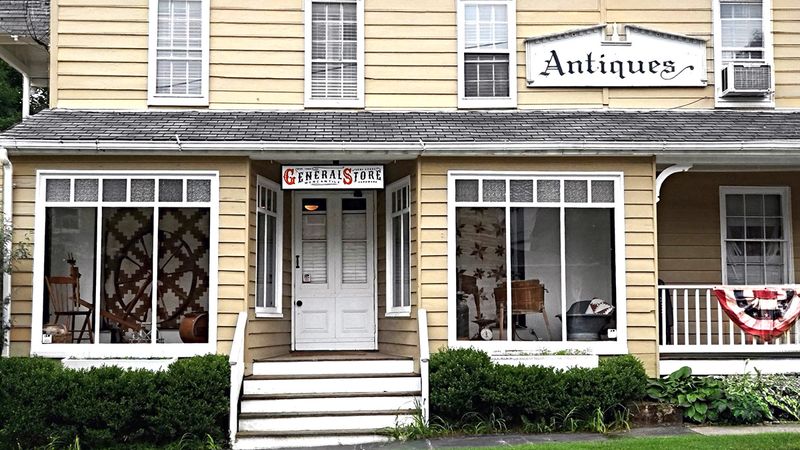
Darlington’s General Store sounds like a natural fit for a vintage shopping route, but a confirmed Pennsylvania location is needed before its history or appearance can be described reliably.
Be careful not to confuse a business named Darlington’s with a store located in the Pennsylvania community of Darlington.
Those are different clues, and search results may mix them together even when they refer to unrelated places.
Look for an exact street address, a current operating name, and recent evidence that customers can visit.
If those details do not line up, keep researching rather than building a day trip around an attractive but uncertain listing.
After confirming the business, ask whether it functions as a general store, a specialty shop, or another kind of retail stop.
That simple distinction helps you decide whether to arrive hungry, bring a shopping list, or plan mainly to browse.
History should be checked separately from present-day services.
A building can be old while its business is new, and a longstanding business can move into modern premises; either situation may be interesting without being described as something it is not.
During a visit, notice the practical details that make a store part of its community.
Useful merchandise, clear prices, and regular customers can reveal more about local character than a wall of decorative signs meant to suggest another era.
Ask permission before taking close photographs inside, especially if people are visible.
A general store is often somebody’s workplace and somebody else’s daily errand, so respectful curiosity is a better approach than treating it as a staged attraction.
Leave room for discovery once the address is settled.
The confirmed shop may offer a very different experience from the name’s promise, and that honest, ordinary reality can be the most memorable part of exploring Pennsylvania.
11. Zook’s Warehouse
A warehouse name hints at a treasure hunt rather than a polished boutique.
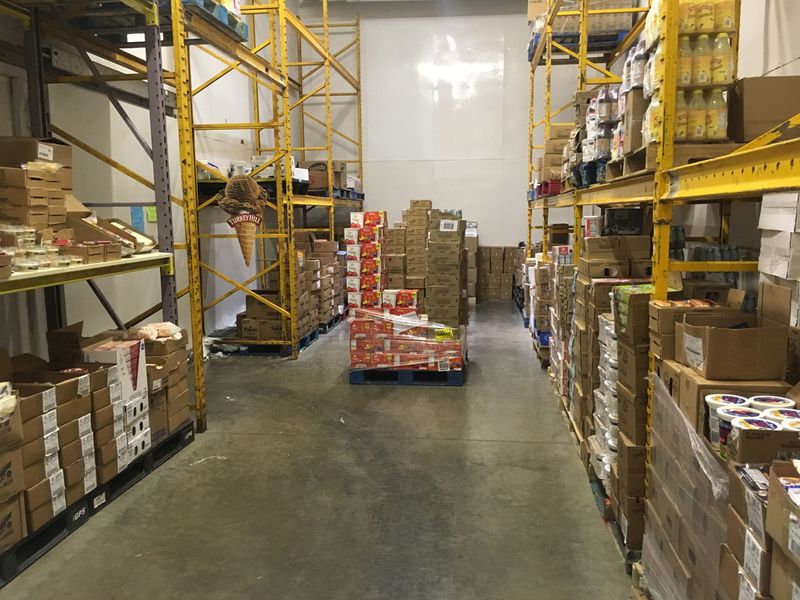
Zook’s Warehouse could offer a different pace from the smaller stops on this list, but its exact Pennsylvania identity and current retail purpose need confirmation before planning a visit.
The Zook name appears on several businesses in Pennsylvania, including shops with different specialties.
Do not assume that a fabric business, a food seller, and a warehouse listing all describe the same place or share the same ownership.
Begin with the full business name and street address.
Confirm that the location welcomes retail customers, since warehouse can describe a public shop, a wholesale operation, or storage space that is not intended for casual browsing.
Once the basics are clear, ask about the main product categories and current hours.
Those answers will tell you whether the stop belongs on a food trip, a craft-shopping route, or a broader search for useful household goods.
If the confirmed business offers a large selection, shop with a little discipline.
Walk through first, compare prices and condition, and return for your strongest choices instead of filling a basket before you understand what is available.
Measure at home before buying anything bulky, and check return policies before paying.
A bargain loses its appeal when it cannot fit in your car, suit your project, or be exchanged after you discover a problem.
For the vintage theme, keep the distinction between age and atmosphere clear.
Warehouse shelving does not prove historical significance, but a longstanding local business can still have character through its customer relationships, practical role, and connection to Pennsylvania makers or suppliers.
Finish your route with curiosity rather than assumptions.
After verifying the correct Zook’s Warehouse, judge the visit by what it actually offers; a useful find and an honest conversation can be more satisfying than any picture of old-fashioned shopping you brought along.
Share this story