Tennessee’s trails don’t all require serious hiking boots or a gym membership to enjoy. Whether you’re testing the waters after years away from the outdoors or simply want a peaceful walk without the burn, the state offers dozens of paths that won’t leave you gasping for air.
From lakeside loops to waterfall overlooks, these beginner-friendly routes prove that you don’t need to climb a mountain to experience Tennessee’s natural beauty.
1. Couchville Lake Trail — Hermitage
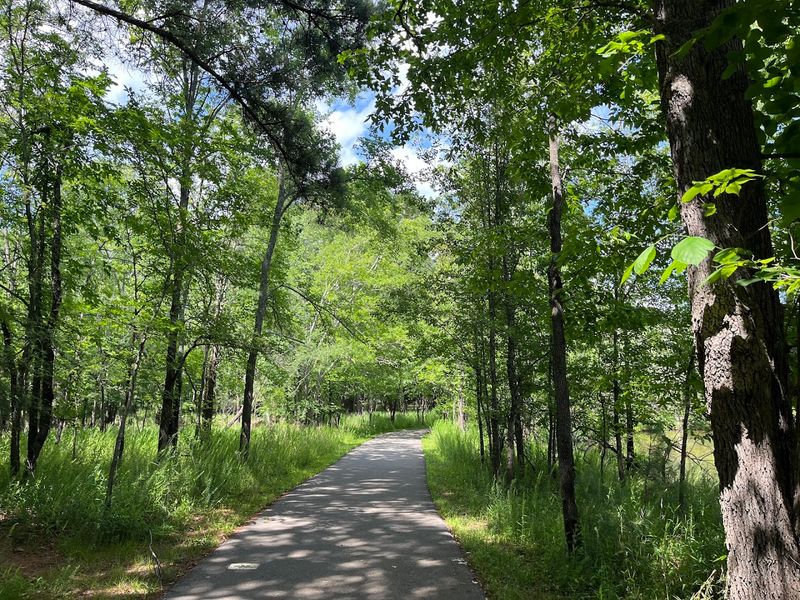
Couchville Lake sits just outside Nashville, and its paved loop is about as stress-free as hiking gets. The trail wraps around the water for roughly two miles, offering steady views without a single hill to slow you down. Families with strollers, older walkers, and anyone nursing a knee injury tend to love this spot because the surface stays smooth and predictable.
Wildlife sightings happen often here. Herons stalk the shallows, turtles sun themselves on logs, and if you’re quiet enough, you might spot a beaver cutting through the water at dusk. The loop doesn’t demand much from you, but it gives back plenty in return—especially if you time your visit for early morning when the mist hangs low over the lake.
Parking fills up on weekends, so aim for a weekday if you want elbow room. There are benches scattered along the way if you need a breather, and the whole trail stays open year-round. No dramatic overlooks or Instagram-famous waterfalls, but that’s exactly the point.
This is where you go when you want nature without the drama.
Dogs are welcome as long as they’re leashed, and the trail sees a mix of joggers, birdwatchers, and casual walkers. It’s not wilderness—you’ll hear cars from the nearby road—but it’s peaceful enough to clear your head. If you’ve been putting off getting outside because you’re worried about fitness or footing, this is your green light.
2. Cypress Boardwalk Trail — Reelfoot Lake State Park
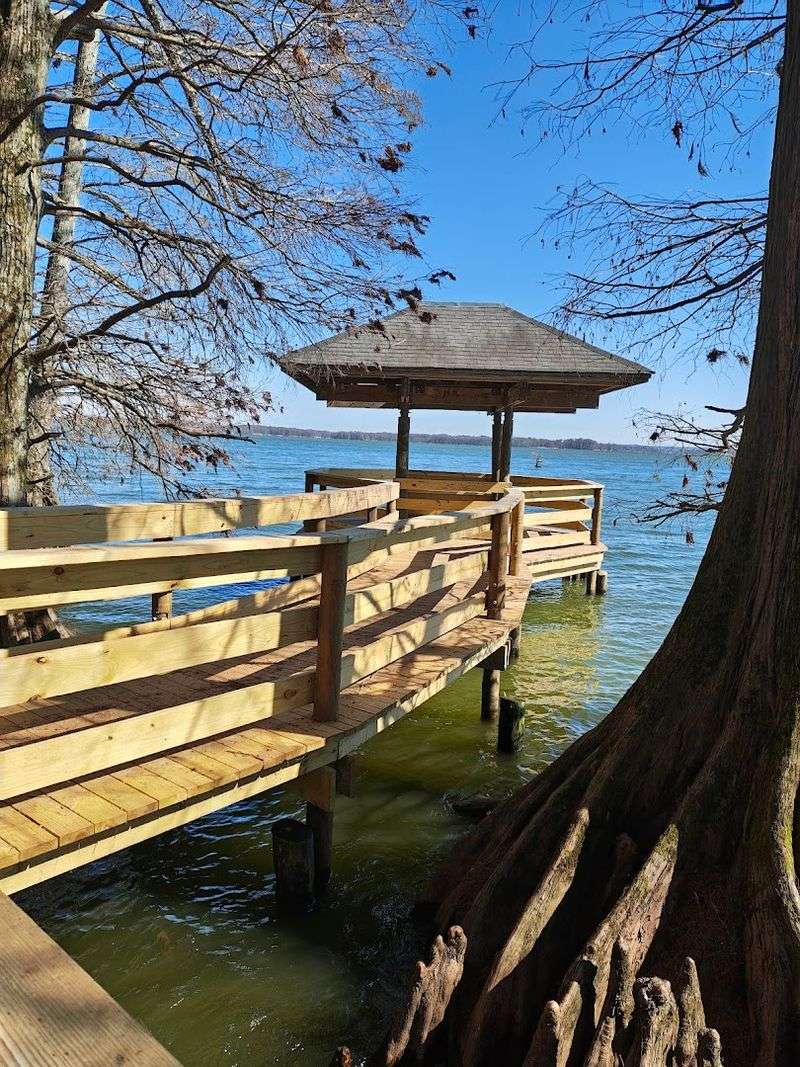
Reelfoot Lake formed after a series of earthquakes in the early 1800s, and today it’s one of the most unique landscapes in Tennessee. The Cypress Boardwalk Trail takes you right into the heart of it—floating above the water on a sturdy wooden path that requires almost no effort. You’re looking at a quarter-mile to half-mile stroll, depending on which section you take, and the whole thing feels more like a nature tour than a hike.
The cypress trees here are ancient and eerie in the best way. Their knobby knees poke up through the water, and Spanish moss drapes from the branches like something out of a gothic novel. It’s quiet, too—unnervingly so at times.
You might hear the splash of a fish or the call of an osprey, but mostly it’s just you and the swamp.
Because it’s a boardwalk, there’s no mud, no roots to trip over, and no elevation gain. That makes it perfect for anyone who wants a taste of Tennessee’s wetlands without committing to a full hike. Kids love it because it feels like an adventure, and older folks appreciate the lack of obstacles.
The park also offers boat tours if you want to see more of the lake, but the boardwalk alone is worth the trip.
West Tennessee doesn’t get as much attention as the Smokies, but Reelfoot has a wild beauty that’s hard to match. If you’ve never experienced a cypress swamp up close, this is your chance—and you won’t even break a sweat doing it.
3. Lakeshore Trail — Warriors’ Path State Park
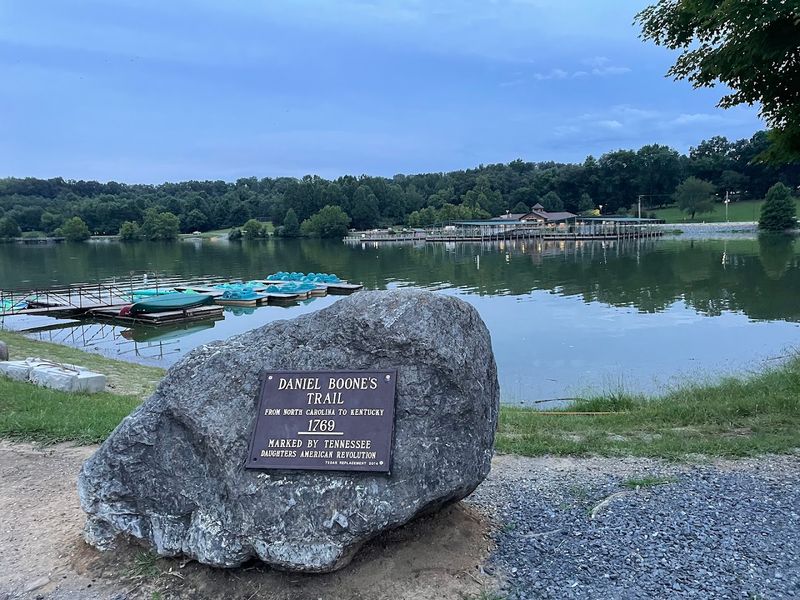
Warriors’ Path sits near Kingsport in the northeastern corner of Tennessee, and its Lakeshore Trail is about as gentle as they come. You’re walking along the edge of Patrick Henry Lake for roughly half a mile, with water on one side and trees on the other. No steep sections, no technical footing—just a straightforward path that anyone can handle.
This trail works well for families with young kids or anyone who hasn’t been on a trail in a while. The lake stays calm most days, and you’ll often see people fishing from the shore or kayaking in the distance. It’s a quiet spot, even on weekends, because the park has enough space to spread visitors out.
You won’t feel crowded or rushed here.
The park itself offers plenty of other activities—camping, picnic areas, a swimming pool—but the Lakeshore Trail is the go-to for a quick, easy walk. It’s also a good option if you’re traveling through the area and want to stretch your legs without committing to a full afternoon. The trail stays open year-round, though it’s prettiest in spring when the wildflowers start popping up along the path.
Bring water and maybe a snack if you want to linger by the lake. There are a few spots where you can step off the trail and sit by the water, and the view is worth a pause. It’s not the most dramatic landscape in Tennessee, but it’s peaceful and accessible, which is exactly what beginner-friendly means.
4. Lake Trail — Radnor Lake State Park
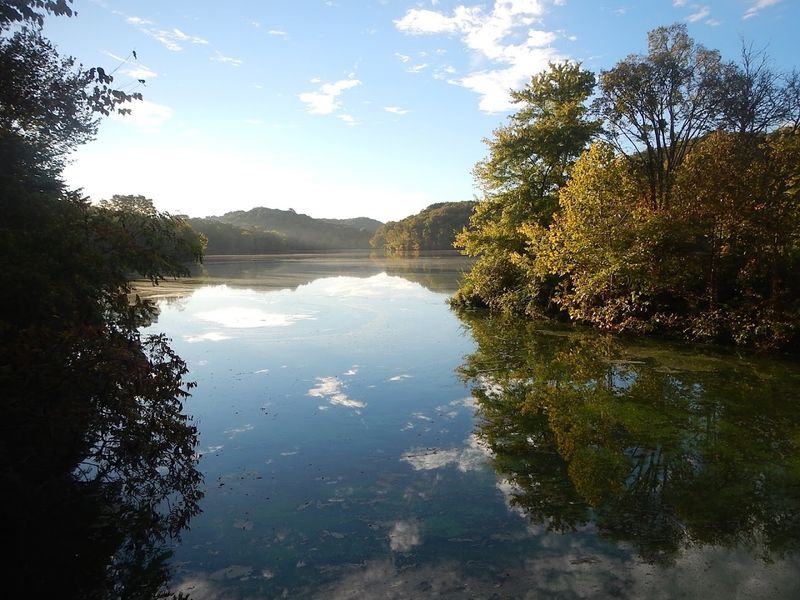
Radnor Lake is one of those rare places where you can feel like you’ve left the city without actually leaving the city. Located just south of Nashville, the Lake Trail loops around the water for about 1.3 miles, staying mostly flat and easy the entire way. It’s popular, though, so expect company—especially on weekends when families, dog walkers, and photographers all converge on the same path.
The wildlife here is the real draw. Deer wander through the woods like they own the place, and herons patrol the water’s edge. Beavers, otters, and turtles make regular appearances, and if you’re patient, you might catch a glimpse of something more unusual.
The park is a designated state natural area, so it’s protected from development, and that makes a difference. The trees feel older, the air feels cleaner, and the whole place has a stillness that’s hard to find this close to a major city.
Stick to the Lake Trail if you want to keep things beginner-friendly. Radnor has other trails that climb the ridges, and those are a different story—steep, rocky, and not forgiving. The Lake Trail, though, is gravel and well-maintained, with only a few gentle inclines.
It’s a good choice if you’re building up your stamina or just want a peaceful walk without the drama.
Parking can be tricky during peak times, so arrive early or plan for a weekday visit. The park doesn’t allow bikes or strollers on the Lake Trail, which keeps the path quieter and safer for walkers. It’s a short loop, but it’s one of the best easy nature walks in Middle Tennessee.
5. Burgess Falls River Trail — Burgess Falls State Park
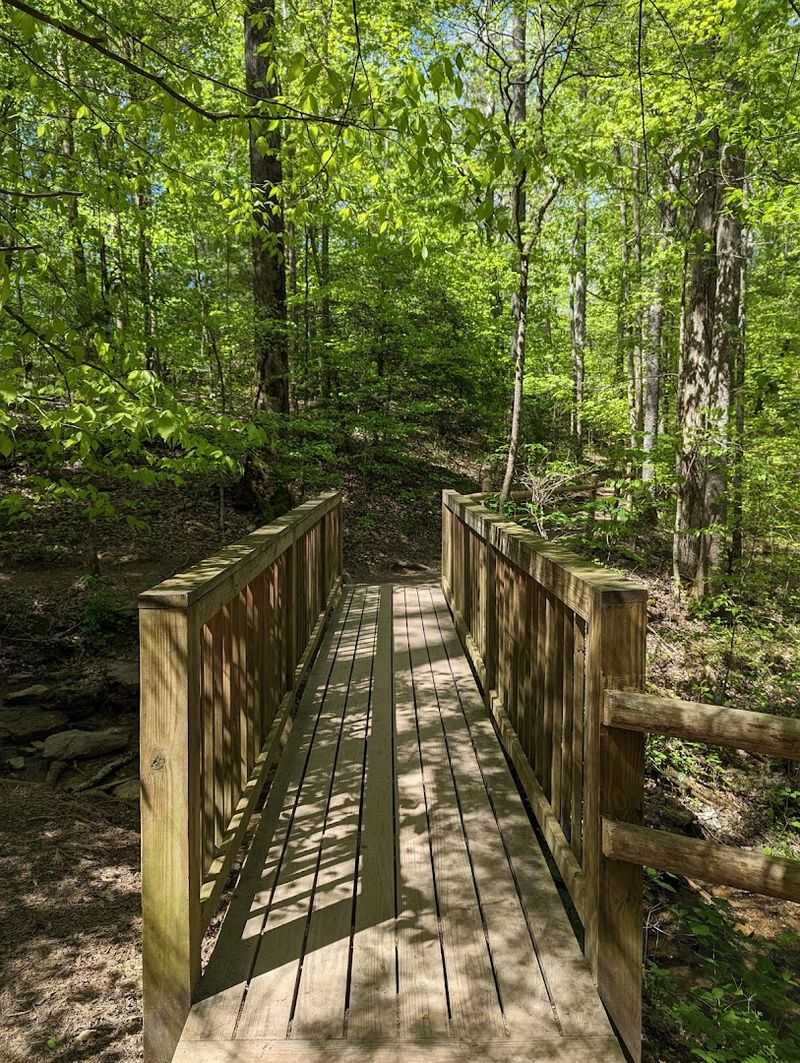
Burgess Falls delivers one of the best payoffs for beginners in Tennessee. The River Trail covers about 1.5 miles and takes you past four separate waterfalls, including the main 136-foot drop that steals the show. It’s not perfectly flat—there are some inclines and rocky sections—but it’s manageable if you wear decent shoes and take your time.
The trail follows the Falling Water River, and the sound of rushing water keeps you company the whole way. Each waterfall has its own viewing area, so you can stop, catch your breath, and soak in the scenery before moving on. The final waterfall is the most dramatic, and there’s a large overlook platform where you can stand and feel the mist on your face.
It’s worth the walk.
This trail sees a lot of traffic because it’s one of the more accessible waterfall hikes in the state. That means the path is well-worn and easy to follow, but it also means you’ll share the experience with other people. Weekdays are quieter, and early mornings offer the best light for photos.
The park has restrooms and picnic areas near the trailhead, which makes it easy to spend a few hours here.
One thing to note: the trail can get slippery near the waterfalls, especially after rain. Watch your footing on the rocks, and don’t let kids get too close to the edges. The park has railings in most places, but not everywhere.
If you’re looking for a beginner hike with a big scenic reward, Burgess Falls is hard to beat. It’s not a stroll in the park, but it’s not a mountain climb either—just a solid, rewarding walk.
6. Old Stone Fort Enclosure Trail — Old Stone Fort State Archaeological Park
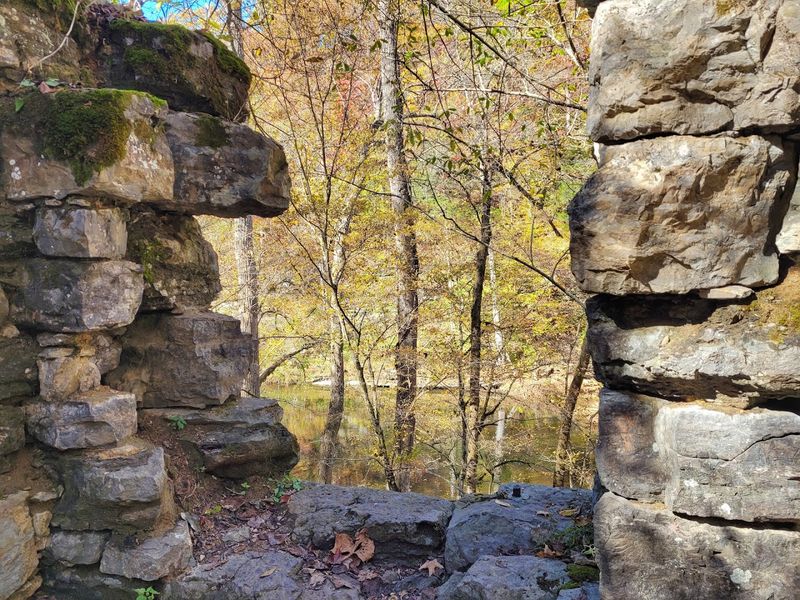
Old Stone Fort isn’t actually a fort. It’s a 2,000-year-old Native American ceremonial site surrounded by stone walls and waterfalls, and the Enclosure Trail gives you a front-row seat to all of it. The loop runs about 1.4 miles, and while there are a few short climbs, the trail stays manageable for most beginners.
You’ll walk along the bluffs above the Duck River and Big Fork Creek, with plenty of spots to stop and take in the views.
The stone walls are the main attraction, but the waterfalls are a close second. Two separate falls tumble into the gorge, and the trail brings you close enough to feel the spray. It’s a peaceful spot, even when other hikers are around, because the park has a quiet, reflective vibe.
You can tell it’s been a special place for a long time.
The trail is well-marked and easy to follow, with interpretive signs that explain the history of the site. If you’re into archaeology or history, this is one of the more interesting short hikes in Tennessee. If you just want a nice walk with some waterfall views, it still delivers.
The footing is mostly natural—dirt, roots, and rocks—so skip the flip-flops and go with something sturdier.
The park has picnic areas and a small museum near the trailhead, and it’s a good spot for a half-day outing. The trail stays open year-round, but spring and fall offer the best weather and scenery. If you’re looking for something a little more interesting than a basic lakeside loop, Old Stone Fort gives you history, nature, and waterfalls all in one short hike.
7. Fall Creek Falls Overlook Area — Fall Creek Falls State Park
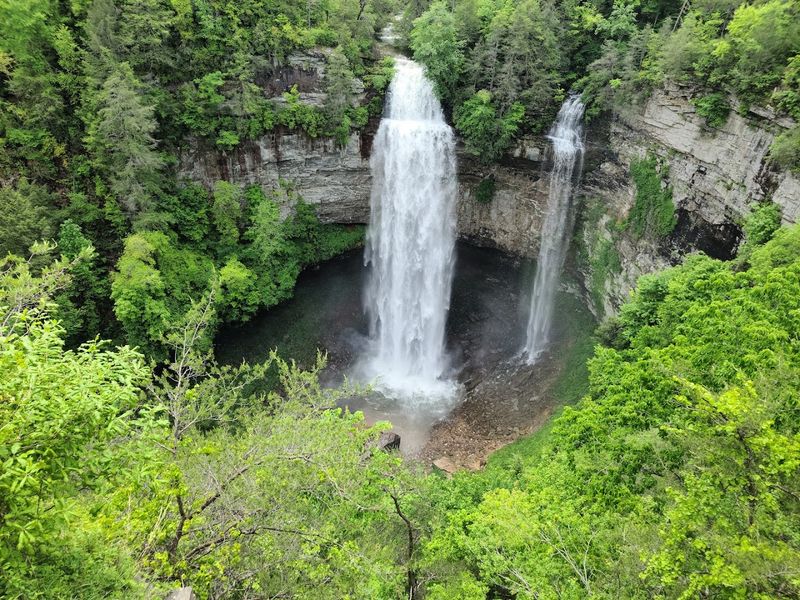
Fall Creek Falls is one of the tallest waterfalls east of the Mississippi, and you don’t need to hike down into the gorge to see it. The overlook area sits just a short walk from the parking lot, and it gives you a straight-on view of the 256-foot drop without the climb back up. It’s the easiest way to experience the park’s most famous feature, and it’s perfect for anyone who wants the wow factor without the workout.
The park has other trails that descend into the gorge, and those are beautiful—but they’re also steep, rocky, and exhausting on the way back up. Beginners should skip those and stick to the overlooks. Besides the main Fall Creek Falls overlook, the park has viewing areas for Cane Creek Cascades and several other waterfalls, all accessible with minimal effort.
You can see a lot of the park’s highlights without ever breaking a sweat.
There’s also a short paved trail around Fall Creek Lake, which is flat and easy if you want a little more walking. The lake trail doesn’t have the drama of the waterfalls, but it’s peaceful and family-friendly. The park is massive—over 26,000 acres—so there’s plenty to explore even if you’re sticking to the easy routes.
Fall Creek Falls gets crowded during peak season, so plan accordingly. The overlook areas fill up fast on weekends, and parking can be a challenge. Early morning or late afternoon visits give you a better chance at some solitude.
If you’re visiting Tennessee and can only hit one waterfall, this is the one—and you can do it without a serious hike.
8. Twin Falls Overlook — Rock Island State Park
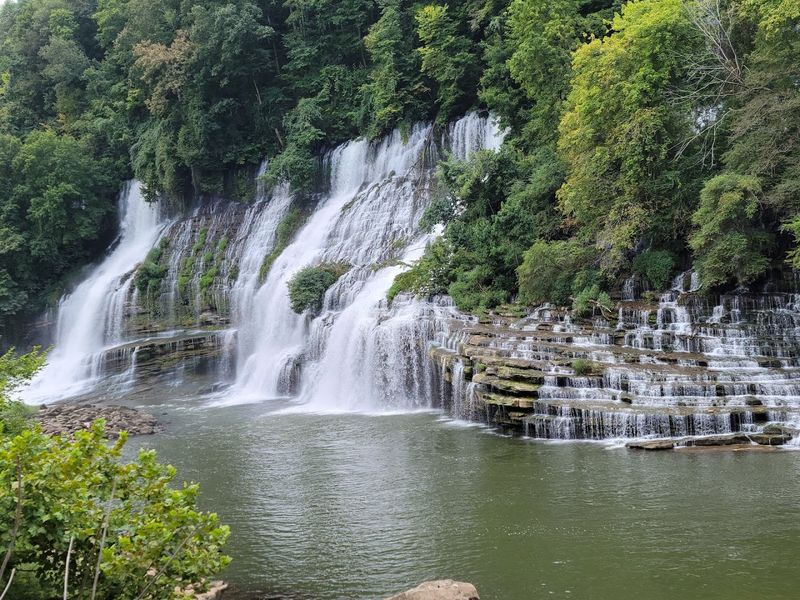
Rock Island is known for its gorge trails, which are steep, rugged, and definitely not beginner-friendly. But the park also has easier options, including the Twin Falls overlook, which gives you a great view without the scramble. The overlook sits near the parking area, and you can reach it with just a short walk.
It’s one of those spots where the scenery does all the work for you.
Twin Falls is actually two separate waterfalls that flow side by side into the Caney Fork River. The overlook platform gives you a straight view of both, and the sound of the water is loud enough to drown out any nearby conversation. It’s a powerful, impressive sight, and you don’t need to risk your ankles on a rocky descent to see it.
If you want more, the park has other short paths near the parking area, but avoid the gorge trails unless you’re ready for a serious climb.
The park is popular with kayakers and swimmers during the summer, and the swimming hole near the falls is a local favorite. If you’re just visiting for the overlook, though, you can skip the crowds and focus on the scenery. The overlook area stays open year-round, and it’s especially pretty in the fall when the leaves change color.
Rock Island is located between Cookeville and McMinnville, making it a good stop if you’re traveling through Middle Tennessee. The overlook is accessible enough for families, older visitors, and anyone who wants a quick nature fix without the commitment of a full hike. Just remember: if someone suggests you hike down into the gorge, politely decline unless you’re ready for a workout.
9. Keystone Trail — Reelfoot Lake State Park
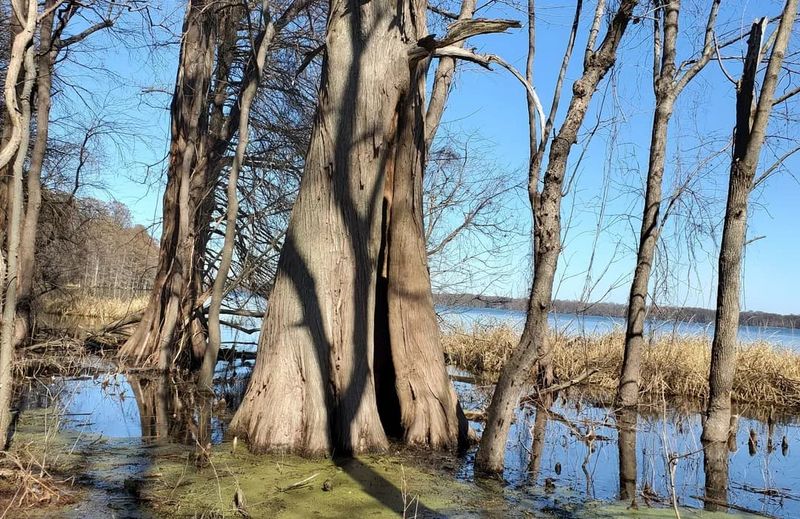
If the Cypress Boardwalk at Reelfoot Lake feels too short, the Keystone Trail gives you a little more distance without adding difficulty. This trail runs about 1.5 miles along the lakeshore, winding through cypress groves and offering plenty of chances to spot birds and other wildlife. It’s a natural surface trail, so expect some roots and uneven spots, but the elevation stays flat the entire way.
Reelfoot Lake is one of the best birdwatching spots in Tennessee, and the Keystone Trail puts you right in the action. Bald eagles nest here in the winter, and herons, egrets, and pelicans hang around year-round. Bring binoculars if you have them, because the birding here is no joke.
Even if you’re not into birds, the scenery alone is worth the walk—cypress trees, still water, and a landscape that feels untouched.
The trail doesn’t see as much traffic as the boardwalk, so it’s a good option if you want a little more solitude. It’s also a nice choice if you’re visiting the park for a full day and want to mix in some longer walking. The footing is a step up from the boardwalk in terms of difficulty, but it’s still beginner-friendly as long as you watch where you step.
Reelfoot Lake sits in the far northwestern corner of Tennessee, and it’s a bit of a drive from the major cities. But if you’re exploring West Tennessee or passing through on your way to Kentucky, it’s worth the detour. The Keystone Trail gives you a longer, quieter experience than the boardwalk, and it’s still easy enough for most beginners to handle without trouble.
10. Pioneer Springs Trail — Millington
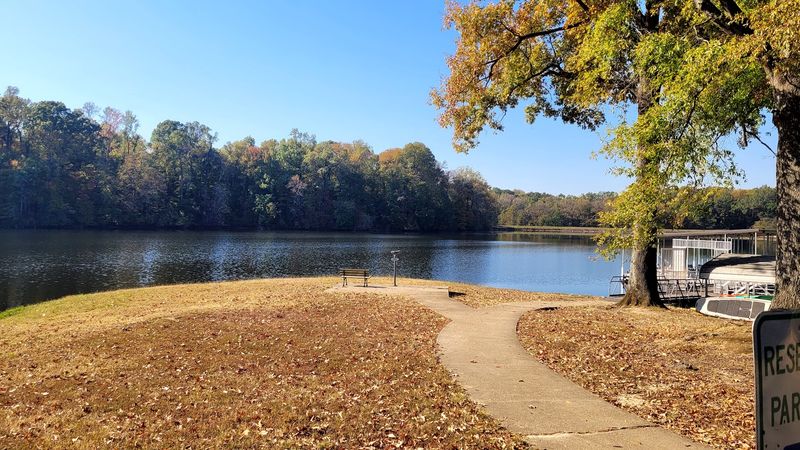
Millington sits north of Memphis, and the Pioneer Springs Trail offers a shorter, more manageable alternative to the much longer Chickasaw Bluff Trail system. At about two miles, it’s a good length for beginners who want a little more than a quick loop but aren’t ready for an all-day trek. The trail winds through hardwood forest and passes by natural springs, giving you a taste of West Tennessee’s backcountry without the commitment.
The footing here is natural—dirt, leaves, and the occasional root—so you’ll want real shoes, not sandals. The trail isn’t technical, but it’s not paved either, and that means you’ll need to watch your step in a few spots. The elevation is gentle, with only minor ups and downs, so it won’t test your endurance.
It’s a solid middle-ground option if you’ve done a few flat loops and want to try something a little more trail-like.
Wildlife sightings are common, especially deer and various bird species. The forest here is thick enough to feel secluded, even though you’re not far from town. It’s a quieter trail overall, without the crowds you’d find at more popular state parks.
That makes it a good choice for anyone who wants a peaceful walk without driving all the way to the Smokies or Fall Creek Falls.
The trail stays open year-round, but summer can be hot and humid, so spring and fall are the best times to visit. Bring water and bug spray, especially if you’re hiking in the warmer months.
11. Cane Creek Cascades Overlook Area — Fall Creek Falls State Park
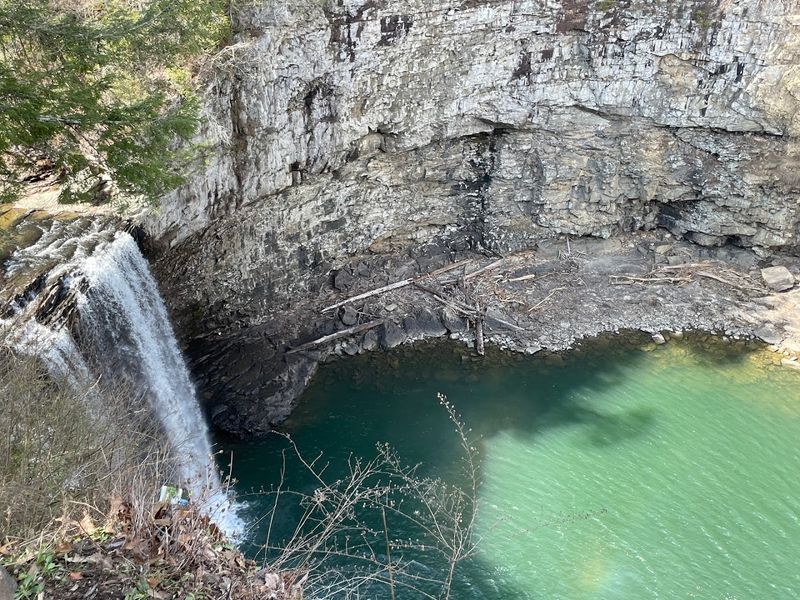
Cane Creek Cascades is another waterfall highlight at Fall Creek Falls State Park, and like the main falls overlook, it’s accessible without a serious hike. The overlook area sits a short walk from the parking lot, and it gives you a clear view of the cascading water without the steep descent that the base trail requires. If you want to see multiple waterfalls in one visit without exhausting yourself, this is one of the spots to hit.
The cascades are smaller than the main Fall Creek Falls, but they’re still impressive—especially after a good rain when the water is flowing strong. The overlook platform is sturdy and safe, making it a good option for families with kids or anyone who’s nervous about steep trails. You can stand there as long as you want, take photos, and enjoy the view without worrying about a difficult hike back.
The park’s overlook areas are spread out, so you’ll need to drive between them. That means you can see several waterfalls in one afternoon without stringing together a long hike. It’s an efficient way to experience the park if you’re short on time or just not interested in covering miles of trail.
The overlooks are also accessible year-round, though winter ice can make some paths slippery.
Fall Creek Falls is a massive park, and it’s easy to feel overwhelmed by all the options. If you’re a beginner, stick to the overlooks and the easy lakeside trails, and you’ll still see some of the best scenery Tennessee has to offer. Cane Creek Cascades is a perfect example—big views, minimal effort, and a reminder that not every great hike requires sweat and sore muscles.
12. Pinson Mounds Nature Trail — Pinson Mounds State Archaeological Park
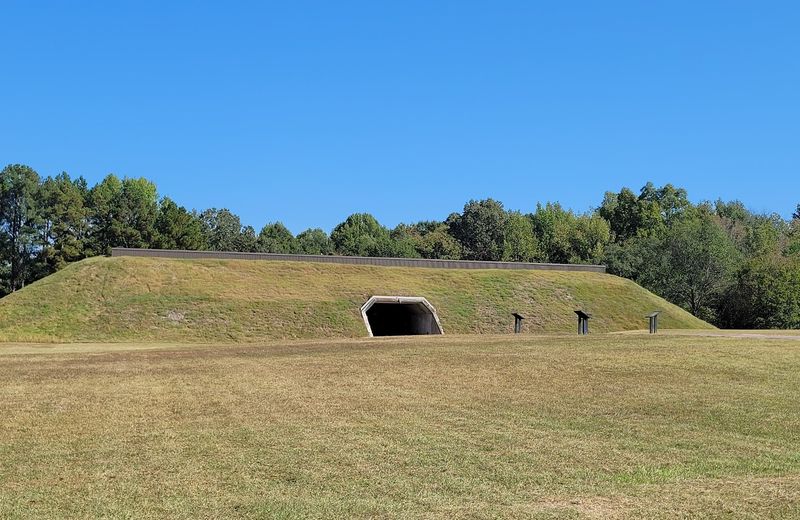
Pinson Mounds is one of the most significant Middle Woodland period sites in the United States, and the Nature Trail gives you a chance to walk among the ancient earthworks without a strenuous hike. The trail is short and mostly flat, winding through the forested park and passing by several of the large ceremonial mounds that were built over 2,000 years ago. It’s a unique experience that blends history with nature, and it’s accessible enough for anyone to enjoy.
The mounds themselves are impressive—some rise over 70 feet high—and walking among them gives you a sense of the scale and effort that went into building them. The park has interpretive signs along the trail that explain the history and significance of the site, so you’ll learn as you walk. It’s not a dramatic landscape in the traditional sense, but it’s deeply interesting if you have any curiosity about Tennessee’s ancient past.
The trail stays in the shade for most of the route, making it a good option even on warmer days. The footing is natural but well-maintained, with no steep sections or tricky obstacles. It’s a peaceful walk, and the park rarely gets crowded, so you’ll often have the trail to yourself.
That makes it a nice escape if you’re looking for solitude and a bit of history.
Pinson Mounds sits between Jackson and Memphis, and it’s worth a stop if you’re traveling through West Tennessee. The Nature Trail is short enough to fit into a busy schedule, but interesting enough to hold your attention. If you’ve never visited an archaeological site on foot, this is a great place to start—and you won’t need hiking boots or a map to enjoy it.
Share this story