Tennessee is home to some of the most charming fabric shops in the South, where you can find everything from antique quilts to reproduction prints that look like they came straight from your grandmother’s sewing room. Whether you’re piecing together a quilt, reupholstering a vintage chair, or creating something entirely new, these shops offer the perfect blend of old-fashioned charm and quality materials.
Each store on this list brings its own special touch, from historic buildings to museum-quality antiques displayed right alongside bolts of beautiful fabric. Get ready to discover the hidden gems where Tennessee crafters go to find fabrics that tell a story.
1. Tennessee Quilts – Jonesborough
Walking into this Jonesborough shop feels like stepping back in time, and that’s exactly what makes it so special for anyone hunting vintage-inspired materials. The space showcases traditional prints that quilters have loved for generations, giving your projects an authentic old-timey feel without having to scour estate sales.
You’ll find reproduction fabrics that mimic designs from the 1800s and early 1900s, perfect for historically accurate quilts or projects that need that genuine vintage look.
What really sets this place apart is the collection of actual antique quilts displayed throughout the store. These aren’t just decorations; they’re inspiration boards you can study up close to understand traditional patterns, color combinations, and stitching techniques.
Seeing how quilters worked decades or even centuries ago can completely transform how you approach your own projects. The staff knows the history behind many of these pieces and loves sharing stories about Tennessee’s quilting heritage.
The shop also carries vintage Singer Featherweight machines, which are legendary among sewists for their reliability and portability. These compact black machines from the 1930s through 1960s still run beautifully and are perfect for quilting.
Whether you’re looking to buy one or just admire the craftsmanship, it’s a treat to see them in person. The Featherweights connect you to generations of makers who created beautiful work with these exact machines.
Beyond the vintage angle, you’ll find all the modern supplies you need to actually complete your projects. Threads, batting, rulers, rotary cutters, and patterns fill the shelves, so you can gather everything in one trip.
The shop balances respect for traditional methods with practical tools that make sewing easier today. Jonesborough itself is Tennessee’s oldest town, so grabbing lunch on the historic Main Street before or after your fabric shopping makes for a perfect crafting day trip.
2. The Cherry Pit – Sevierville
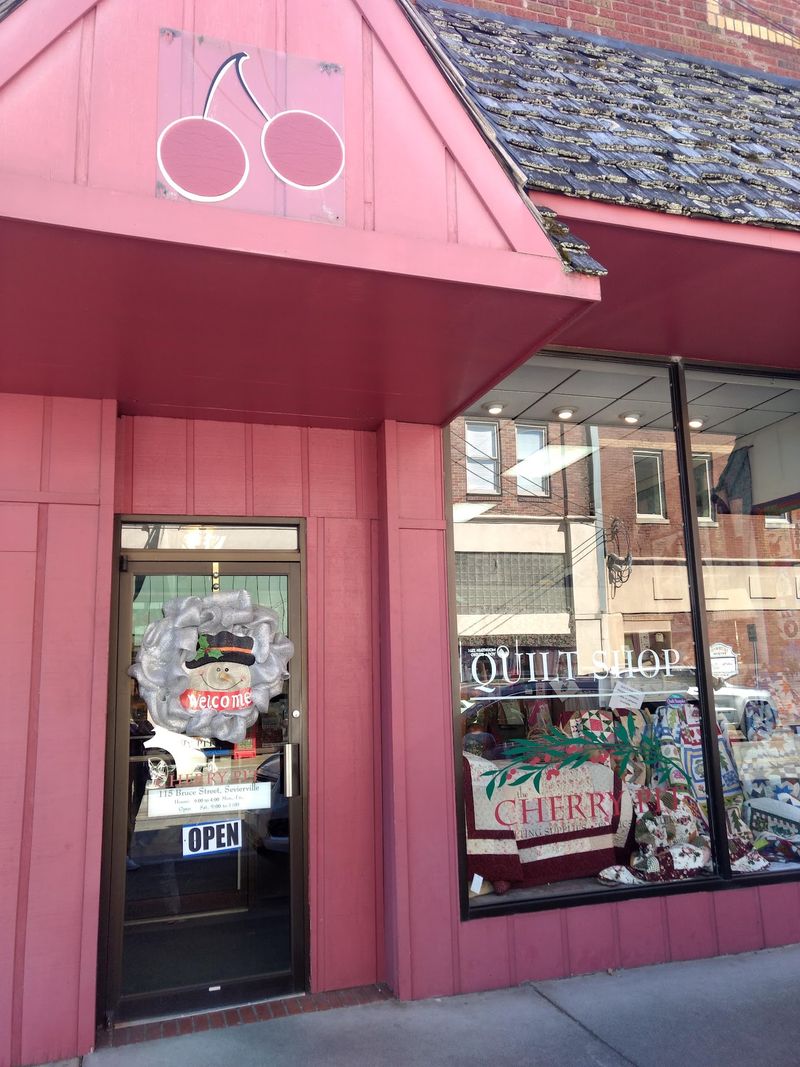
Housed in an actual 1800s home, this Sevierville shop wraps you in atmosphere before you even look at a single fabric bolt. The old wooden floors creak gently underfoot, the rooms flow from one to another like a real house, and quilts hang everywhere like family heirlooms waiting to be rediscovered.
Shopping here doesn’t feel like a retail experience; it feels like visiting a crafty aunt whose entire house is dedicated to sewing. That authentic setting makes choosing fabrics for vintage-themed projects so much easier because you’re already surrounded by inspiration.
The fabric selection leans heavily into traditional quilting cottons, with patterns and prints that work beautifully for country-style projects. You’ll spot florals, plaids, and reproduction prints that capture different eras of American quilting history.
The staff has curated collections that work together, so if you’re planning a scrappy quilt or need coordinating fabrics, you won’t spend hours agonizing over combinations. They’ve done much of that work for you, grouping fabrics by color family and style.
Patterns and notions fill the nooks and corners of each room, tucked onto shelves and displayed on vintage furniture pieces. You might find exactly the right template for a Grandmother’s Flower Garden quilt sitting on an antique dresser, or discover hand-quilting thread in a glass-front cabinet.
The layout encourages browsing and discovery rather than rushing through aisles. Take your time wandering from room to room because you never know what treasure you’ll spot next.
The Cherry Pit also displays finished quilts throughout the space, both vintage pieces and new creations that show what’s possible with the fabrics they sell. Studying these quilts helps you visualize how certain prints work together or how a pattern looks when actually stitched up.
The Sevierville location puts you near the Smoky Mountains, so combining a fabric run with mountain scenery makes for an excellent weekend adventure.
3. Mountain Creek Quilt Shop – Alcoa
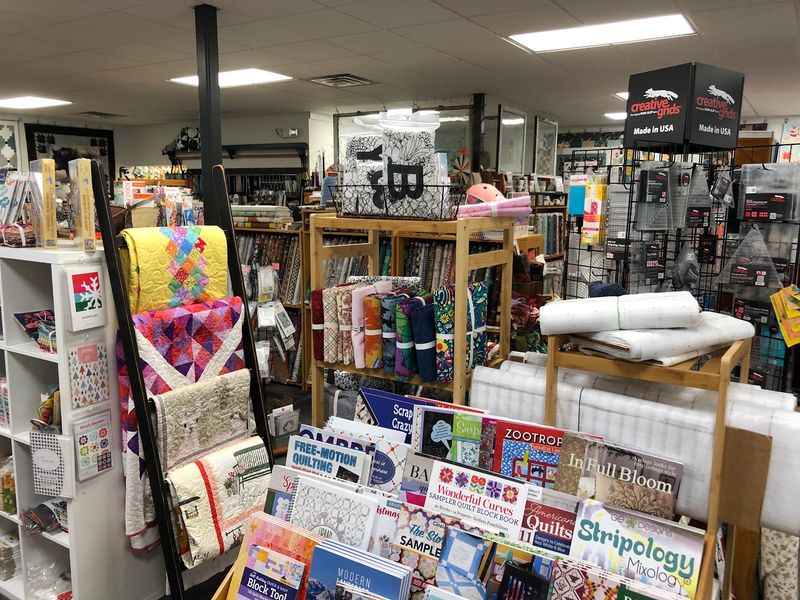
Quality matters when you’re investing time in a DIY project, and this Alcoa shop has built its reputation on carrying fabrics that hold up beautifully through washing, wearing, and years of use. Traditional prints dominate the selection, which means you’ll find the classic patterns that never go out of style rather than trendy designs that look dated in a few years.
For vintage-inspired projects, this approach works perfectly because you want fabrics that could have existed decades ago, and timeless florals, paisleys, and geometrics fit that bill exactly.
Hand-dyed wool is a specialty here, opening up possibilities beyond standard quilting cotton. Wool appliqué has become increasingly popular for creating folk-art style projects with a distinctly old-fashioned feel.
The colors in hand-dyed wool have depth and variation that solid cottons can’t match, giving your finished pieces a handcrafted quality that screams vintage. Whether you’re making penny rugs, wool appliqué quilts, or seasonal decorations, having access to quality wool in person rather than ordering online lets you see and feel the texture before committing.
Panels and precuts make starting projects less intimidating, especially if you’re newer to quilting or working with vintage-reproduction fabrics for the first time. Precut bundles like charm packs, jelly rolls, and layer cakes give you coordinated fabric collections in ready-to-use sizes.
Panels featuring vintage-style artwork or reproduction designs can become the centerpiece of a quilt with much less piecing required. These shortcuts don’t diminish your creativity; they just get you to the fun parts faster.
The shop’s focus on quilting cottons means the fabric weight and weave are consistent and predictable, which matters more than people realize when you’re piecing intricate patterns. You won’t encounter weird stretching, puckering, or fabric that frays excessively.
The staff understands fabric construction and can answer questions about thread count, shrinkage, and colorfastness. Alcoa sits conveniently near Knoxville, making this shop an easy stop whether you live nearby or you’re passing through East Tennessee.
4. Chattanooga Quilts – Collegedale
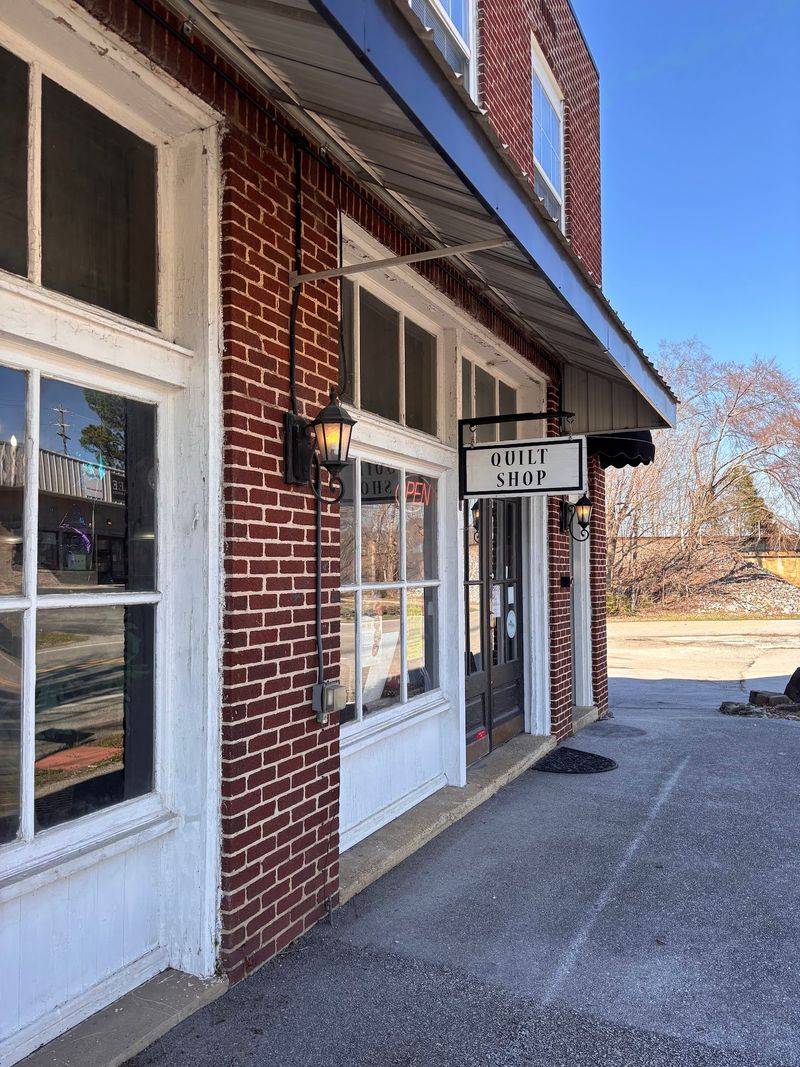
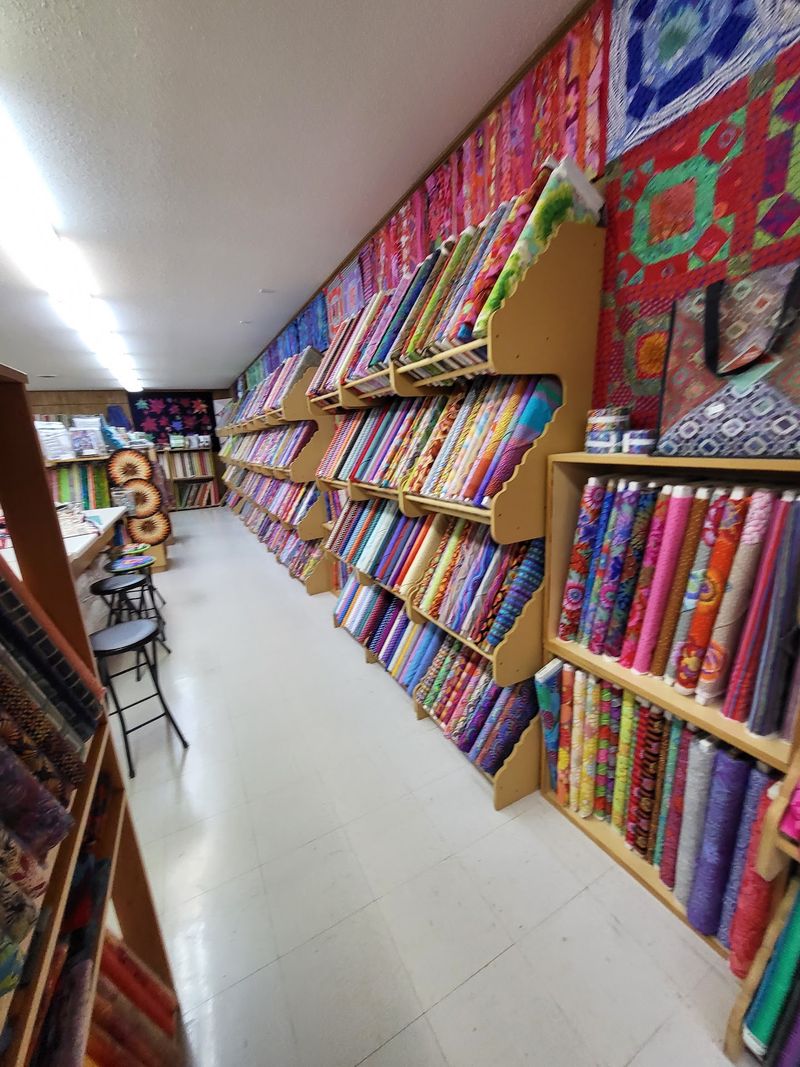
Thousands of fabric bolts create a rainbow of possibility in this Collegedale shop, where the selection runs deep enough that you could visit monthly and still discover new prints each time. Authentic reproduction fabrics form a major part of the inventory, giving you access to designs that accurately recreate patterns from the 1800s and early 1900s.
These aren’t vague approximations; they’re licensed reproductions based on actual historical fabrics, researched and recreated by designers who care about accuracy. For anyone creating heritage quilts or historically-inspired projects, having this level of authenticity available locally is remarkable.
Primitive fabrics bring that early American folk-art aesthetic to your work, with muted colors, simple patterns, and a handmade quality that looks like it came from a colonial homestead. These fabrics pair beautifully with wool appliqué and traditional piecing techniques.
On the opposite end of the spectrum, the shop also stocks batiks, which are hand-dyed using wax-resist techniques that create gorgeous mottled patterns. While batiks originated in Indonesia, they’ve become beloved in the quilting world for their rich colors and the way they read as solids from a distance but add visual interest up close.
Florals in every imaginable style fill entire sections, from delicate vintage-style calicos to bold modern botanicals. Whether you need tiny ditsy prints for doll quilts or large-scale blooms for statement pieces, the variety here covers every possibility.
The shop mixes antique tools, vintage sewing machines, and old quilts into the décor, so you’re shopping surrounded by quilting history. These antiques aren’t just pretty; they remind you that you’re part of a craft tradition stretching back generations.
The Collegedale location near Chattanooga makes this shop accessible from multiple states, and the staff’s knowledge matches the impressive inventory. They can help you choose reproduction fabrics that accurately represent specific time periods or suggest combinations that capture a vintage mood without strict historical accuracy.
Sometimes you want authentic 1930s reproduction, and sometimes you just want that general old-timey vibe; they understand both approaches and stock fabrics for either direction.
5. A Southern Accent Quilt Shop – Riceville
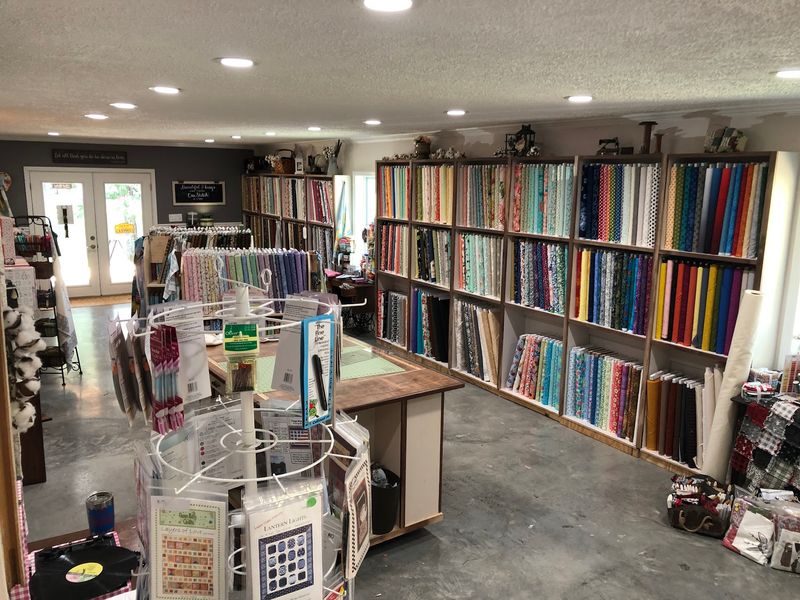
Small-town charm radiates from this Riceville shop, where the pace slows down and the focus shifts entirely to the joy of creating with your hands. Country shops like this one offer something big-box stores can’t replicate: personal attention, curated selections, and a sense of community among local crafters.
You’re not wandering endless aisles trying to make decisions alone; you’re getting help from people who genuinely care whether your project succeeds. That human connection transforms fabric shopping from a transaction into part of the creative process itself.
The fabric selection emphasizes coordination and usability rather than overwhelming variety. You’ll find collections grouped together so choosing complementary prints becomes intuitive rather than stressful.
Precuts make diving into projects easier, especially if you’re working with a new color palette or unfamiliar pattern style. For vintage-inspired work, having someone suggest which reproduction prints work well together or which background fabric will make your colors pop saves hours of second-guessing.
The staff’s experience becomes your shortcut to better design decisions.
Patterns available here tend toward classic quilt blocks and traditional designs that have proven themselves over decades of use. You won’t find a lot of ultra-modern, art-quilt patterns, but you will find reliable instructions for quilts your grandmother would recognize and admire.
These traditional patterns form the foundation of quilting knowledge, and mastering them gives you skills that transfer to any style you want to explore later. Starting with tried-and-true designs also means you’re more likely to finish your project successfully, which builds confidence for tackling bigger challenges.
Notions and quilting supplies round out the inventory, covering the practical tools every sewist needs: rotary cutters, cutting mats, rulers, marking tools, threads, needles, and batting. Having these essentials available locally means you don’t have to wait for shipping when you’re mid-project and realize you need something.
Riceville’s location in the Tennessee Valley puts it within reach of several larger towns, making it worth the scenic drive through rolling farmland. The shop embodies that slower, more intentional approach to crafting that vintage-inspired projects deserve.
6. Kudzu Cottage – Pikeville
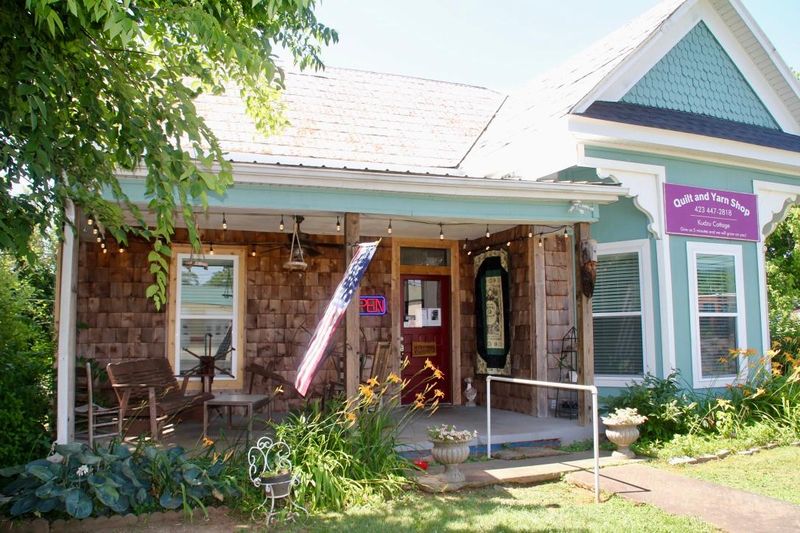
Family-owned shops bring a warmth that corporate chains simply cannot match, and this mother-daughter operation in Pikeville proves that point beautifully. When the people helping you choose fabric have personal investment in your success, the entire experience changes.
They remember your previous projects, suggest ideas based on what they know you like, and celebrate when you bring in photos of finished quilts. That ongoing relationship makes you a better crafter because you’re learning from experienced makers who want to share their knowledge, not just make a sale.
Moda fabrics form a cornerstone of the shop’s inventory, which matters because Moda has become synonymous with quality quilting cotton and beautiful designer collections. Their reproduction lines, in particular, excel at capturing vintage aesthetics with modern printing techniques that ensure colorfastness and durability.
Riley Blake and Robert Kaufman round out the selection, giving you access to multiple designers and style approaches. These three companies represent some of the quilting industry’s most trusted names, so you know the fabric quality will support your efforts rather than fighting against them.
Yarn adds another dimension to the shop’s offerings, opening up possibilities for mixed-media projects or simply giving you options when you need a break from sewing. Vintage-inspired knitting and crochet patterns pair wonderfully with reproduction fabrics for creating cohesive home décor.
Some crafters like combining fabric and yarn in single projects, using crochet edging on quilts or fabric backing on knitted pieces. Having both materials available in one shop sparks creative connections you might not make otherwise.
Hands-on sewing help sets this shop apart from places that just sell supplies and send you on your way. Whether you’re stuck on a technique, confused by pattern instructions, or trying something new, having experienced help available makes all the difference.
This teaching aspect connects directly to vintage crafting traditions, where skills passed from person to person rather than through YouTube videos. Learning in person, with someone who can see what you’re doing and correct mistakes in real time, accelerates your skill development dramatically.
Pikeville’s mountain setting adds to the shop’s appeal, making the trip feel like an escape to simpler times and traditional crafts.
7. Aunt Bee’s Farmhouse Quilt Shop & Bakery – Granville
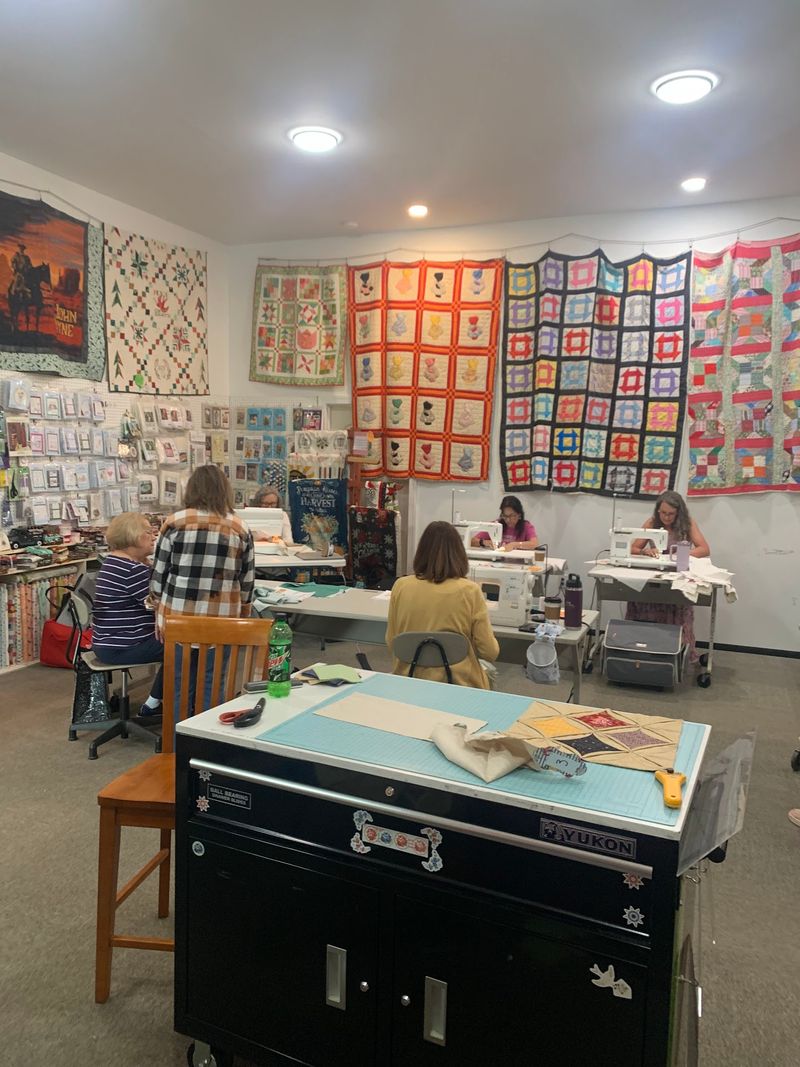
Few fabric shops can claim a location next to an actual quilt museum, but Granville’s Aunt Bee’s sits right beside the Tennessee Quilt and Textile Museum, creating an unbeatable combination for anyone serious about vintage textiles. You can study antique and heirloom quilts in the museum’s collection, analyzing construction techniques, color choices, and pattern variations that you simply cannot learn from books or online photos.
Seeing these historical pieces up close reveals details invisible in photographs: the actual thread used, the hand-quilting density, the way fabrics have aged and faded, and the small imperfections that prove real humans made these beautiful objects.
After soaking up inspiration from museum quilts, you walk next door to a shop stocked with modern fabrics that can help you recreate those historical styles. The proximity creates a perfect feedback loop: see vintage quilts, get inspired, buy reproduction fabrics, go home and create your own heirloom-quality piece.
This connection between past and present makes Aunt Bee’s uniquely valuable for anyone wanting their DIY projects to have genuine historical grounding rather than just vague vintage vibes. You’re not guessing what old quilts looked like; you’ve literally just studied them in detail.
The farmhouse setting reinforces that vintage aesthetic, surrounding you with the kind of environment where traditional quilting thrived. Country living and quilting have always gone hand-in-hand, partly out of necessity (using fabric scraps efficiently) and partly because the slower pace allowed time for handwork.
Shopping in this setting rather than a sterile modern retail space puts you in the right mindset for vintage-inspired creating. The attached bakery adds an unexpected bonus, letting you fuel your fabric shopping with fresh-baked goods.
Granville itself is a tiny community in Jackson County, making this destination worth planning a special trip rather than just happening by. The museum and shop together create an experience rather than just an errand.
Bring your camera, plan extra time for the museum, and prepare to leave with both fabric and renewed appreciation for Tennessee’s rich textile heritage.
8. Granny B’s Quilt Shop – Dickson
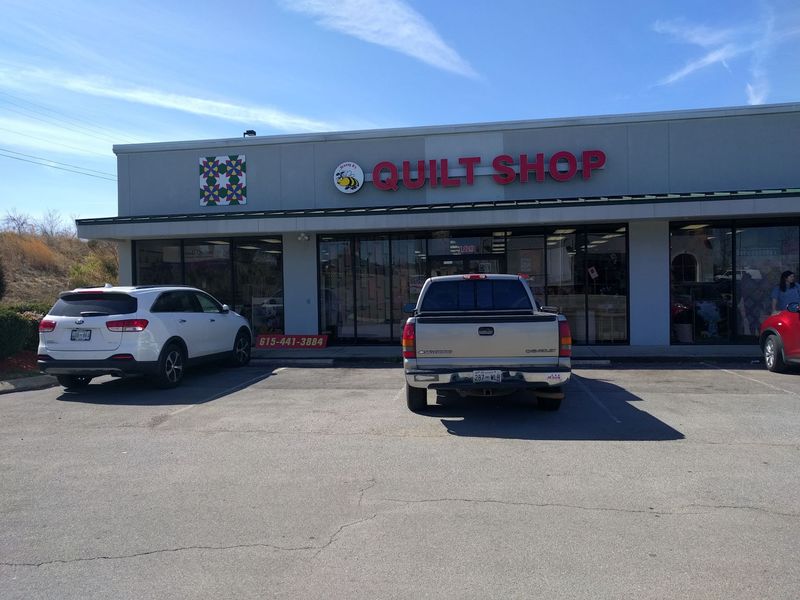
Operating from a house built in 1897 gives this Dickson shop instant vintage credibility that modern storefronts simply cannot achieve. The building itself tells a story, with original architectural details that transport you back to when quilting was a practical necessity rather than a hobby.
Victorian-era homes were designed with specific rooms for specific purposes, and wandering through Granny B’s feels like exploring a quilter’s personal workspace frozen in time. The structure’s age connects you physically to the era when many of the reproduction fabrics you’ll find inside were originally created and used.
Full-service means you’ll find everything needed to complete quilting projects from start to finish: fabrics, threads, batting, patterns, templates, rulers, cutting tools, and marking supplies. Kits take the guesswork out of fabric selection by providing pre-chosen, pre-cut materials with matching patterns.
For vintage-reproduction projects, kits are particularly helpful because the designer has already done the historical research and color matching. You get the satisfaction of creating something by hand without spending weeks researching what fabrics would have been used together in 1890 or 1930.
Handwork supplies deserve special mention because they support the slow-stitching movement that’s bringing traditional techniques back into popularity. Hand-piecing, hand-appliqué, and hand-quilting create results that machine work cannot replicate, with a softness and organic quality that perfectly suits vintage aesthetics.
The shop stocks needles, threads, thimbles, and other tools specifically for handwork, not just machine sewing. This emphasis on traditional techniques honors the way quilts were actually made throughout most of history, before electric sewing machines became household items.
Dickson’s location west of Nashville makes this shop convenient for Middle Tennessee residents and anyone traveling along I-40. The town has that classic small-city Tennessee feel, with local restaurants and antique shops that complement a fabric-shopping trip nicely.
Granny B’s proves that shopping environment matters just as much as product selection; buying vintage-inspired fabrics in an actual vintage building creates an experience that enhances your entire creative process. The building’s history becomes part of your project’s story.
9. The Quilting Squares of Franklin – Franklin
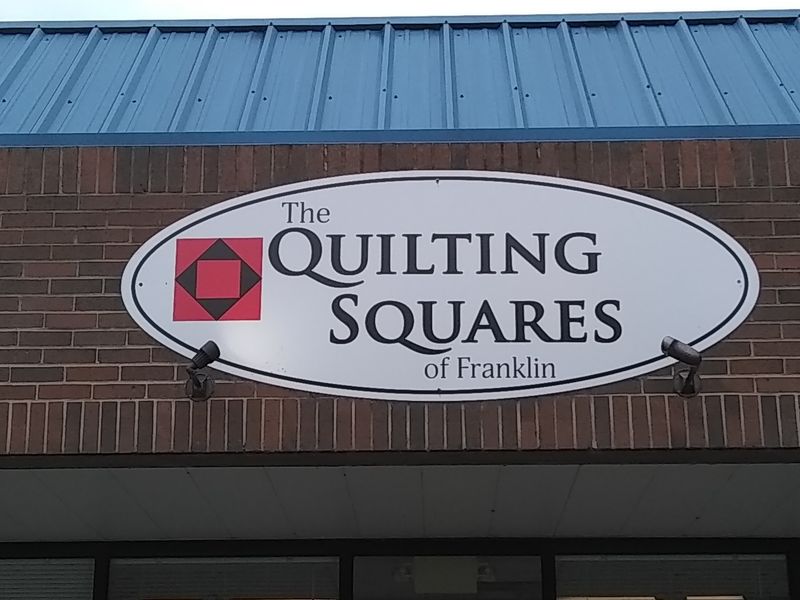
Franklin’s historic charm provides the perfect backdrop for a shop that balances traditional and contemporary quilting styles with equal respect. Locally owned businesses anchor communities in ways that chains never do, and supporting this shop means supporting Franklin’s vibrant downtown culture.
The staff’s local knowledge extends beyond fabric to include restaurant recommendations, parking tips, and insights about the town’s Civil War history. Shopping here becomes part of a larger Franklin experience rather than an isolated errand.
Moda collections receive prominent placement, which makes sense given Moda’s dominance in the quilting world and their exceptional reproduction lines. Designers like Jo Morton, Betsy Chutchian, and Barbara Brackman create Moda collections specifically focused on historical accuracy, using actual antique quilts and period textiles as source material.
When you buy these fabrics, you’re getting designs based on serious research, not just someone’s vague idea of what old fabric looked like. The difference shows in the final projects, which have authenticity that holds up to scrutiny from knowledgeable quilters.
Wool appliqué supplies open creative doors for folk-art style projects that pair beautifully with vintage reproduction cottons. Wool’s texture and depth create visual interest that flat cotton cannot match, and the technique connects to Pennsylvania Dutch, Scandinavian, and early American craft traditions.
Patterns for wool appliqué often feature simplified, primitive designs that look like they came from the 1800s: flowers, birds, stars, and geometric shapes arranged in charming, slightly naive compositions. These projects work up relatively quickly compared to intricate pieced quilts, making them perfect for seasonal decorations or gift-giving.
Kits provide inspiration and convenience, especially when you’re drawn to a particular pattern but feel overwhelmed choosing coordinating fabrics from thousands of options. The shop’s kits often feature those Moda reproduction collections, pre-selected to create cohesive vintage looks.
Patterns cover both traditional blocks that quilters have made for generations and newer designs that incorporate vintage aesthetics in fresh ways. Franklin’s location south of Nashville makes it accessible for day trips, and the town’s restaurants, boutiques, and historic sites create plenty of reasons to make an afternoon of your fabric shopping.
The downtown’s walkability means you can park once and explore multiple shops on foot.
10. The Quilt Connection – Murfreesboro
Breadth of selection matters when you’re looking for that perfect fabric to complete a vision in your head, and Murfreesboro’s Quilt Connection delivers with inventory from Moda, Hoffman, Robert Kaufman, Northcott, and Wilmington Prints. Each of these companies brings different strengths: Moda for designer collections and reproductions, Hoffman for batiks and tropical prints, Robert Kaufman for solid colors and basics, Northcott for Canadian-designed patterns, and Wilmington for affordable variety.
Having multiple brands means you’re not locked into one company’s aesthetic or color palette; you can mix and match to achieve exactly the look you want.
For vintage-inspired projects, this variety proves especially valuable because different eras and regional quilting traditions used different fabric types and color schemes. Depression-era quilts often featured pastel solids and small-scale prints in specific color combinations.
Civil War reproductions lean toward deep browns, reds, golds, and indigos in geometric or floral patterns. 1930s reproductions showcase cheerful, bright colors in whimsical prints. Having access to reproduction lines from multiple manufacturers increases your chances of finding exactly the right fabrics for whichever historical period inspires your current project.
Patterns and notions complete the shopping experience, turning the shop into true one-stop convenience. You can browse pattern books for inspiration, choose your design, select fabrics, and grab any tools or supplies you’re missing, all in one trip.
This efficiency matters more than people realize; creative momentum can evaporate if you have to make multiple stops or wait for online orders. Getting everything you need while enthusiasm runs high means you’re more likely to actually start the project rather than letting supplies sit in a closet for months.
Murfreesboro’s central location between Nashville and Chattanooga makes this shop accessible from much of Middle Tennessee and beyond. The city has grown substantially but maintains pockets of small-town character, especially around the historic downtown square.
The shop’s professional atmosphere and deep inventory attract serious quilters who want quality materials and knowledgeable help. Whether you’re a beginner tackling your first vintage-reproduction quilt or an experienced maker seeking specific fabrics for a complex project, the combination of selection and expertise makes this shop worth visiting.
11. Beyond Stitches – Clarksville
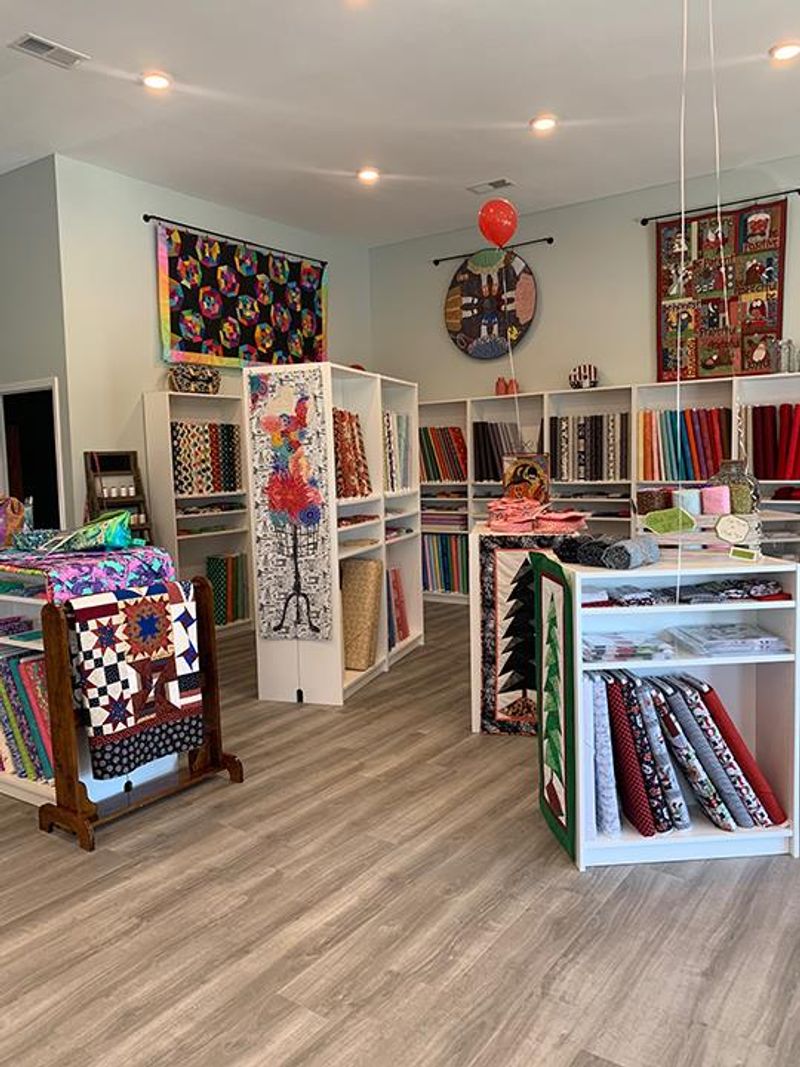
Female ownership matters in the quilting world, where women have always been the primary creators, innovators, and tradition-keepers. This Clarksville shop represents that lineage, run by women who understand firsthand the challenges and joys of fabric crafting.
Their perspective shapes everything from which products get stocked to how the space feels when you walk in. Supporting women-owned businesses also means supporting economic equality and keeping profits in communities rather than funneling them to distant corporate headquarters.
Your fabric purchases become small acts of supporting local women entrepreneurs.
The fabric selection hits the sweet spot for quilters seeking both traditional and contemporary options. Moda provides those essential reproduction lines and designer collections that serious quilters love.
Riley Blake offers fun, affordable prints including vintage-inspired designs at accessible price points, perfect for larger projects where budget matters. Northcott and Quilting Treasures round out the selection with unique designs you won’t find everywhere.
This curated approach means you’re seeing fabrics that passed someone’s quality and style filter rather than wading through everything any distributor offers.
Holiday fabrics deserve special attention for vintage-inspired crafters because seasonal decorations connect so strongly to nostalgia and tradition. Vintage Christmas, Halloween, Easter, and Thanksgiving prints let you create decorations that feel like family heirlooms even when they’re brand new.
Table runners, wall hangings, pillows, and small quilts made from seasonal reproduction fabrics bring that cozy, traditional holiday feeling into your home. The shop’s selection changes with the seasons, encouraging repeat visits to catch new arrivals before they sell out.
Patterns and kits provide project inspiration when you’re feeling creative but not sure what to make next. Sewing supplies cover the practical necessities every stitcher needs on hand: threads in every color, needles for different purposes, rotary blades, marking tools, and specialty rulers.
Clarksville’s location near Fort Campbell means the shop serves a diverse military community alongside longtime Tennessee residents, creating an interesting mix of perspectives and project ideas. The shop’s community focus shows in the helpful atmosphere and willingness to support crafters at every skill level, from absolute beginners to experienced quilters tackling complex patterns.
12. The Fabric House – Nashville
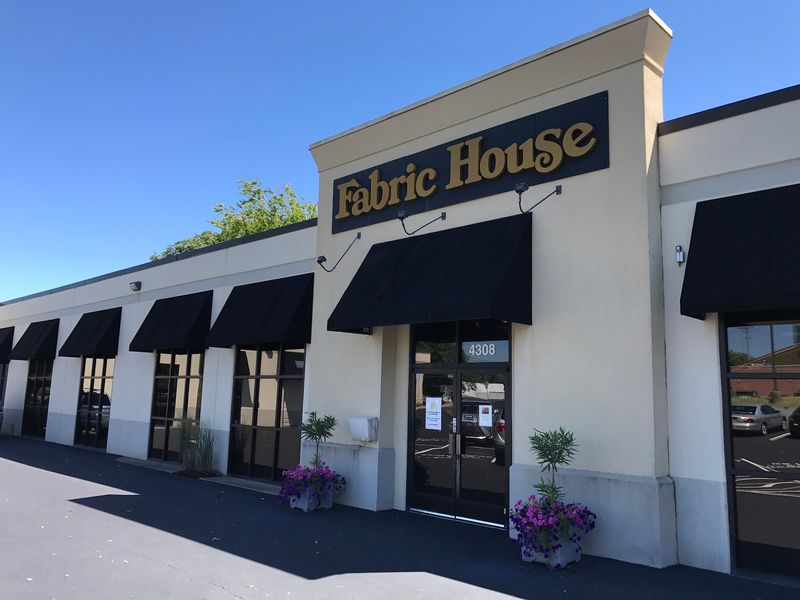
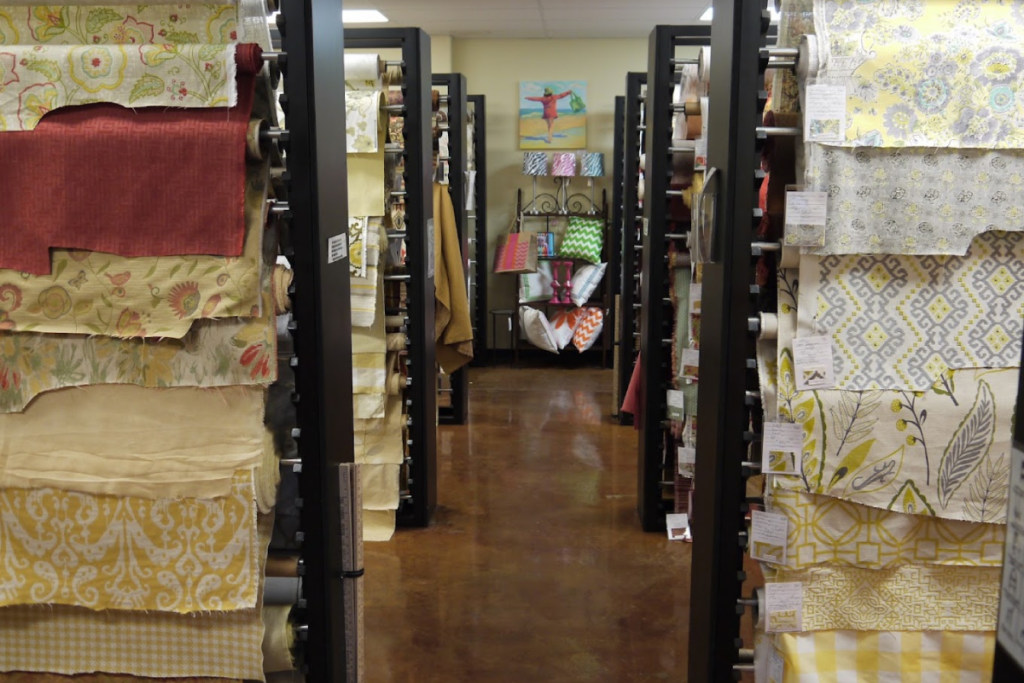
Nashville’s Fabric House stands apart from the other shops on this list by specializing in decorator, drapery, and upholstery fabrics rather than quilting cottons. This difference makes it invaluable for vintage-inspired DIY projects that extend beyond quilts into furniture restoration, window treatments, and home décor.
Reupholstering a mid-century modern chair, recovering vintage dining seats, or creating custom curtains for a historic home all require heavier-weight fabrics with different characteristics than quilting cotton. Having a local source for these materials, with staff who understand upholstery construction, saves you from expensive mistakes.
Decorator fabrics come in weights and weaves designed to withstand the wear that furniture and drapery endure. These aren’t delicate cottons that fray easily; they’re substantial textiles engineered for durability.
Many feature classic patterns that work beautifully for vintage aesthetics: damasks, toiles, florals, stripes, and geometric designs that have remained popular across decades. When you’re restoring or decorating with vintage furniture, choosing period-appropriate fabric makes the difference between a project that looks authentic and one that feels off somehow.
The shop’s inventory includes patterns that could have existed in the 1940s, 50s, 60s, and beyond.
Upholstery requires more fabric than most people expect, and buying in person lets you see and feel the material at scale before committing to expensive yardage. You can drape fabric over furniture, hold it up to windows, and assess how colors look in different lighting.
These physical evaluations matter tremendously for home décor projects where the fabric becomes a permanent part of your living space. Online shopping cannot replicate the certainty you gain from seeing ten yards of fabric unfurled rather than judging from a tiny screen image.
The staff’s knowledge of construction techniques, yardage calculations, and fabric performance helps beginners avoid costly errors. They can explain which fabrics work for which applications, how much extra to buy for pattern matching, and whether you need backing or interfacing.
This expertise transforms intimidating projects into manageable ones. Nashville’s growing reputation as a design-forward city means the shop serves professional decorators alongside DIY enthusiasts, keeping inventory fresh and trend-aware while maintaining classic options.
For anyone whose vintage DIY vision extends beyond quilts into comprehensive home decorating, this shop provides materials and knowledge that specialized quilt shops simply don’t offer.
Share this story