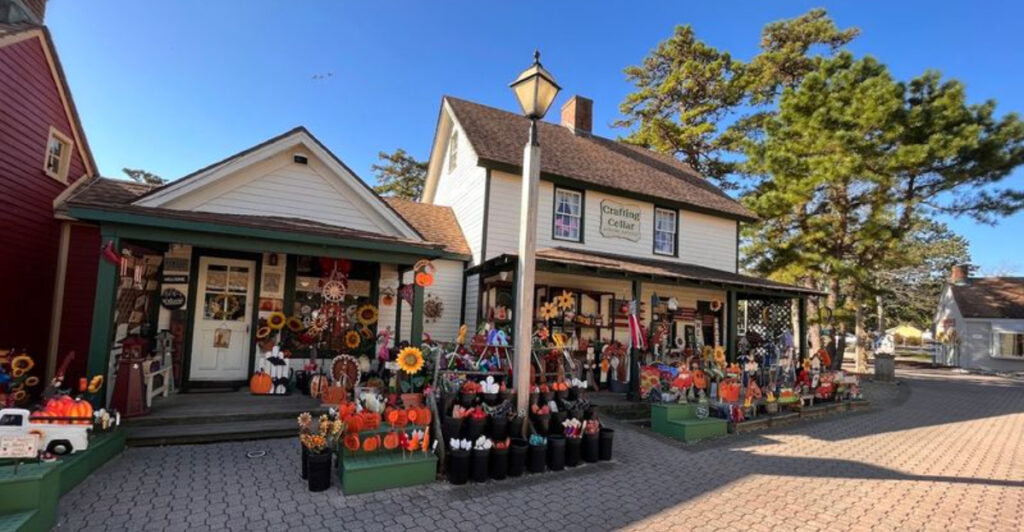
At 9 a.m., you could be sipping coffee beside Princeton’s stone archways; by lunch, you might be watching the Delaware River slide past an antique-shop window; before sunset, you could have your shoes off on a quiet stretch of Jersey Shore sand. New Jersey makes this kind of day-trip indecision wonderfully easy.
Its most rewarding towns are compact enough to explore without a military-grade itinerary, yet full enough to keep a Saturday from turning into one long search for parking and lunch. Some lean historic, with mills, taverns, and Revolutionary landmarks built right into the streetscape.
Others deliver ocean breezes, galleries, independent shops, serious food, or leafy parks where the best plan is simply to keep walking. These 12 places cover nearly every version of a satisfying escape, from polished college-town energy to tiny river villages and relaxed beach communities.
Pick one, leave early, and let the day unfold at street level.
1. Princeton
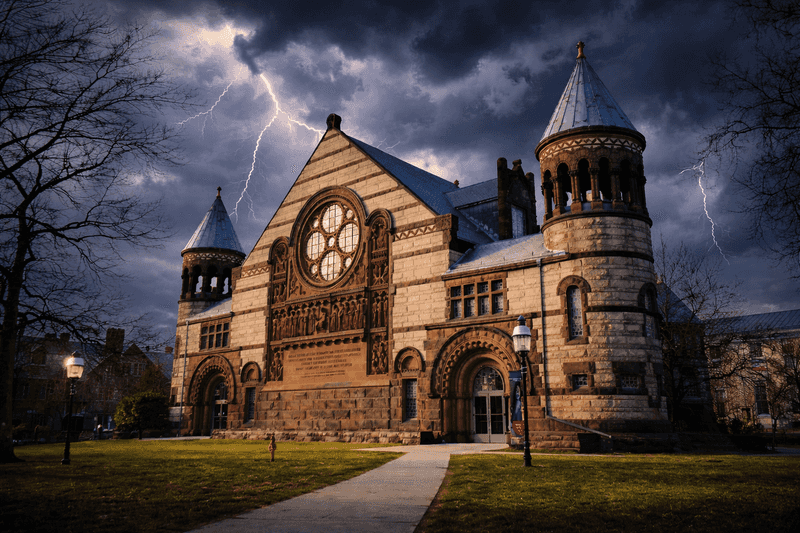
Stone archways, shaded courtyards, and students hurrying across Nassau Street give this central New Jersey stop an energy that feels both centuries old and very much awake.
Begin with a walk through Princeton University’s campus, where Gothic towers, modern sculptures, and quiet greens create an unusually rewarding place to wander without a strict route.
Nassau Hall is the obvious landmark, but the smaller passages and courtyards are where the campus becomes most memorable. From there, cross Nassau Street for bookstores, cafés, and boutiques before drifting toward Palmer Square, whose brick walkways and benches make it an easy place to reset over coffee.
History-minded visitors can continue to Morven Museum & Garden, the former home of Declaration of Independence signer Richard Stockton and later a New Jersey governor’s residence.
Save room for The Bent Spoon, a tiny Palmer Square shop known for rotating small-batch ice creams and sorbets; choosing whatever seasonal flavor sounds slightly strange is usually the right move.
Princeton works especially well without a car once you arrive. The local rail shuttle connects Princeton Junction with the station beside campus, while drivers will find municipal garages close to the downtown core.
Come on a weekday morning for quieter paths, or embrace a busy Saturday when the sidewalks, patios, and campus lawns make the whole place feel like one large neighborhood gathering.
2. Cape May
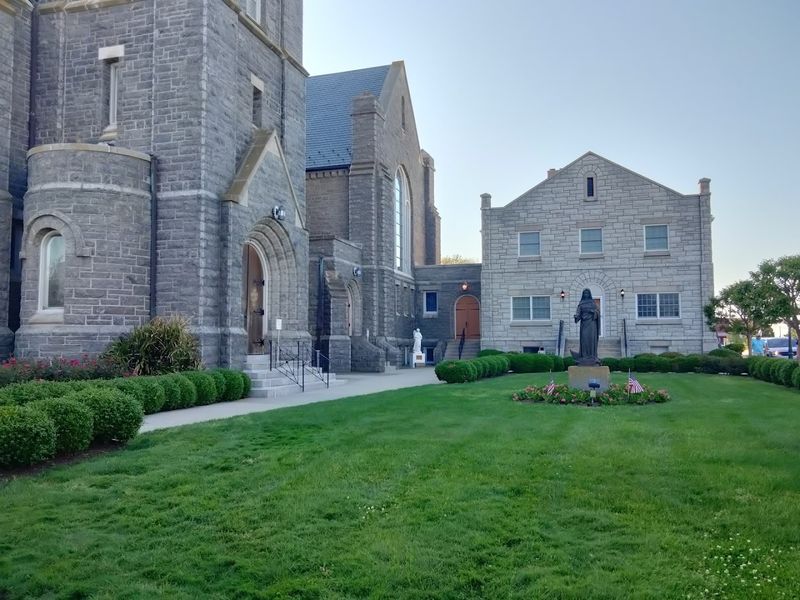
Few day trips begin as dramatically as a slow drive past Cape May’s extravagant Victorian houses, where turrets, gingerbread trim, wraparound porches, and paint colors that should clash somehow work together. Park once and spend the morning on foot.
The Washington Street Mall forms the easy center of the day, with several pedestrian blocks of shops, restaurants, sweets, and people-watching. From there, wander the residential streets toward the ocean rather than making a straight dash for the sand; the architecture is half the reason to come.
The beach gives the afternoon a natural pause, while a short drive to Cape May Point adds the 1859 lighthouse, climbable for visitors willing to earn the coastal view. Cape May also rewards an appetite.
The Lobster House overlooks the harbor and is supplied in part by the commercial fishing fleet at its docks, making it a fitting stop for simply prepared seafood, chowder, or something from the fish market. In summer, arrive early because parking and dinner waits can turn leisurely plans into competitive sport.
Spring and fall are easier, with cooler walking weather and fewer beach crowds, yet the town still feels active. Stay through early evening if possible.
Once the day-trippers begin leaving and porch lights come on across the historic district, Cape May shifts from pretty seaside resort to something closer to a living movie set.
3. Lambertville
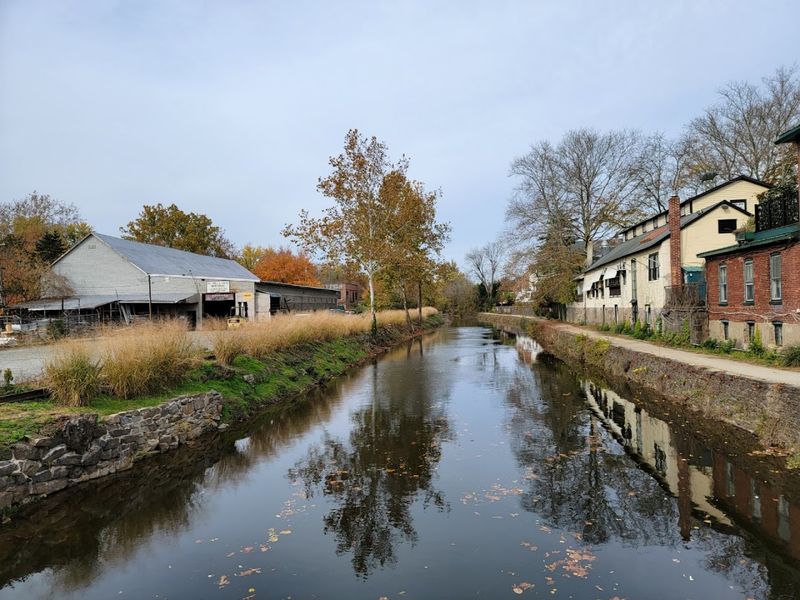
Antique hunters know the danger of Lambertville: one quick look inside a Bridge Street shop can quietly consume an hour. That is part of the fun.
This Delaware River city packs galleries, vintage dealers, design stores, cafés, and handsome old rowhouses into a downtown that feels made for unhurried browsing. Start near the river, then follow Bridge Street and its side roads wherever the windows pull you.
The Delaware and Raritan Canal towpath offers a welcome change of pace, with a level route for walking or cycling beside the water and remnants of the town’s transportation history along the way.
Crossing the pedestrian-friendly bridge into New Hope, Pennsylvania, adds another state to the day without requiring another parking search, though Lambertville has enough personality to fill the schedule on its own.
Lunch can be casual or polished, but a table near the water makes the setting do some of the work. The former train station, now home to Lambertville Station Restaurant and Inn, remains one of the town’s defining riverfront buildings.
Weekends bring the biggest crowds, especially during warm weather and seasonal events, so arrive before late morning if you want a central parking spot.
The ideal Lambertville day has very little structure: browse until you are hungry, walk the towpath until your feet object, then return downtown for coffee and one last shop you definitely did not plan to enter.
4. Clinton
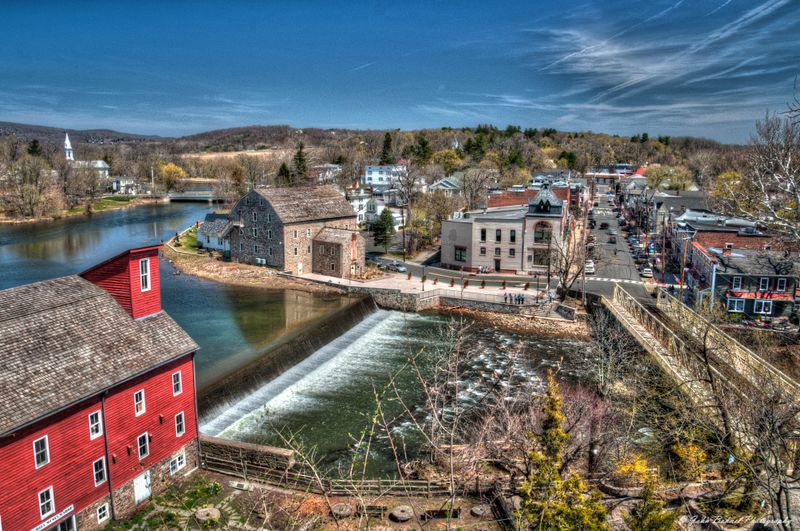
The bright red mill beside the South Branch of the Raritan River is not merely Clinton’s best photo opportunity; it is the anchor for an unusually satisfying small-town loop. The 1810 Red Mill now sits at the heart of a 10-acre museum village that explores the region’s industrial, agricultural, and social history.
Across the water, the Hunterdon Art Museum occupies a 19th-century stone mill and brings contemporary art, craft, and design into a building with rough-hewn walls and serious old machinery energy. Together, the two landmarks give visitors a reason to do more than snap the familiar river view.
Afterward, cross the bridge to Main Street, where independent shops, cafés, and historic storefronts stretch through a compact downtown. Clinton is especially good for travelers who want a full afternoon without covering miles on foot.
You can move from museum exhibits to lunch, browse a few stores, and return to the river in a matter of minutes. Check museum schedules before leaving home, since operating days and exhibition hours can vary, and expect the prettiest weekends to draw photographers and wedding parties to the bridge.
Parking is generally easier in public lots just beyond the most obvious Main Street spaces. The town’s appeal comes from its balance: enough history to give the day substance, enough shopping and food to keep it casual, and a riverfront that makes even a bench break feel well chosen.
5. Frenchtown
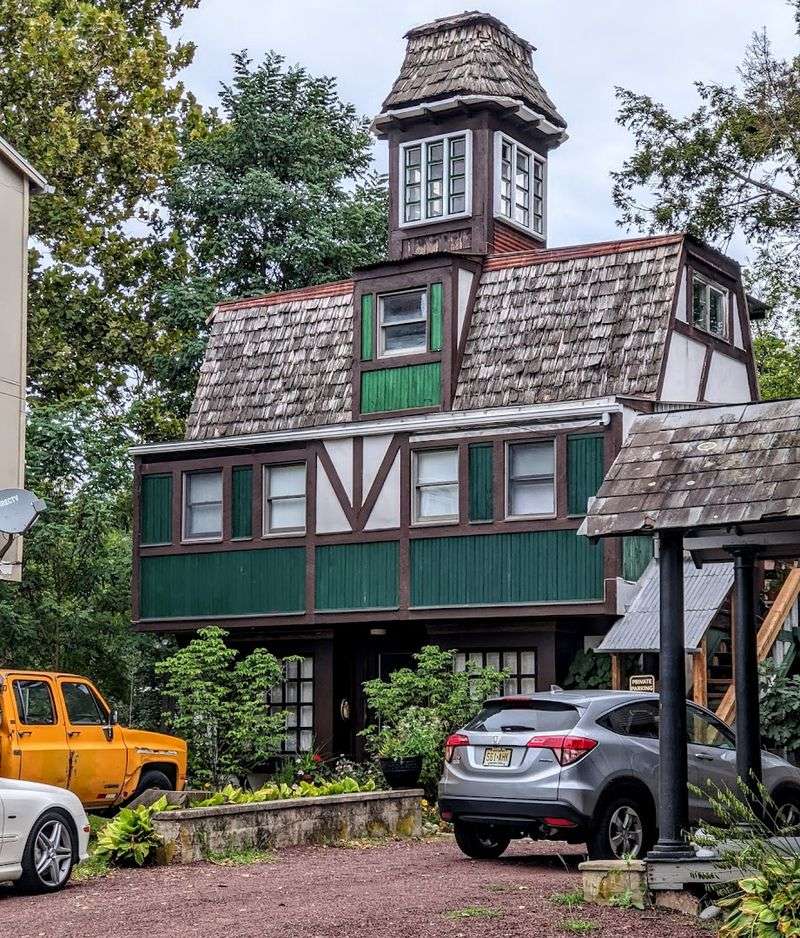
Color arrives before any itinerary does in Frenchtown. Painted storefronts, handmade signs, gallery windows, and Victorian houses give this Delaware River village a creative streak that feels relaxed rather than curated.
The downtown is small enough to explore by instinct, so begin on Bridge Street, duck into the independent shops, and follow Front Street toward the water. ArtYard adds real cultural weight to the visit with contemporary exhibitions, film, theater, and live performances in a striking modern building that still fits the town’s offbeat character.
When the weather cooperates, the river becomes part of the plan. Walk along the bank, bring bikes for the nearby towpath routes, or book a paddling or tubing outing if you want the day to involve more than shopping and lunch.
Cafés and casual restaurants make it easy to linger, and outdoor tables are especially appealing when the Delaware is visible through the trees. Frenchtown is less about collecting major attractions than enjoying a place where the bookstore, bakery, gallery, and river all feel connected.
Street parking can fill quickly during festivals and sunny weekends, but the village is compact once you find a spot. Before leaving, walk across the bridge toward Pennsylvania for the broad view back at town.
The rooftops, church steeples, wooded hills, and curve of the river explain the place better than any souvenir ever could.
6. Haddonfield
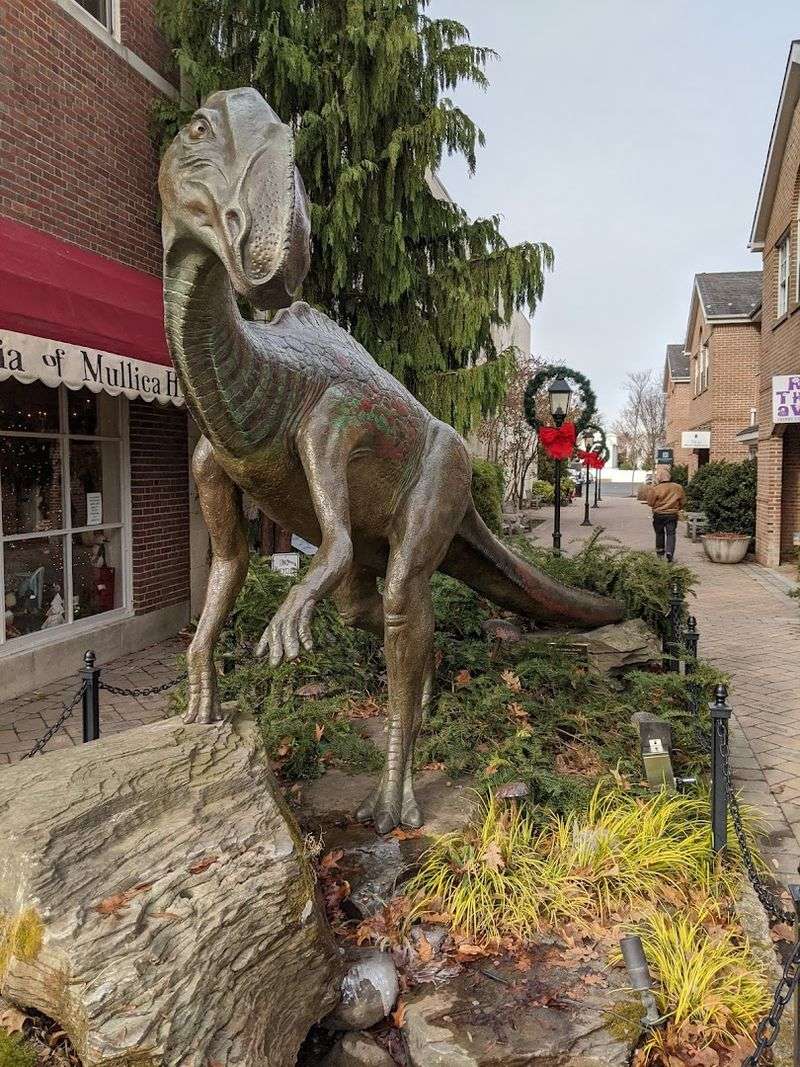
A bronze dinosaur on Kings Highway is your first clue that Haddonfield does history differently. The sculpture honors Hadrosaurus foulkii, the nearly complete dinosaur skeleton discovered locally in the 1850s, and it gives families an irresistible photo stop before the serious colonial stories begin.
A few blocks away, the Indian King Tavern Museum preserves the building where New Jersey’s legislature met during the Revolutionary era and formally replaced “colony” with “state” in official use.
Between those landmarks, downtown Haddonfield supplies the pleasures of a polished main street: independent clothing shops, home stores, galleries, cafés, and restaurants lining a broad, tree-shaded stretch that rewards slow browsing.
The historic district includes hundreds of contributing buildings and sites, so even an aimless detour onto a residential side street turns into an architecture walk. Lunch options range from quick bakery stops to sit-down meals, and the town’s compact footprint makes it easy to adjust the day around weather or tired feet.
Drivers can use municipal lots tucked behind the business district, while PATCO offers a convenient alternative from Philadelphia and nearby South Jersey communities. Weekend events can make Kings Highway busy, but that bustle suits Haddonfield.
It feels less like an outdoor museum than a functioning town that happens to have colonial walls, dinosaur history, and excellent window shopping built into the same few blocks.
7. Red Bank
Broad Street can take you from a strong cup of coffee to a record shop, a stylish boutique, and a theater marquee before you have walked off breakfast. Red Bank’s downtown is denser and busier than many places on this list, which makes it the right choice when a day trip needs more than quiet scenery.
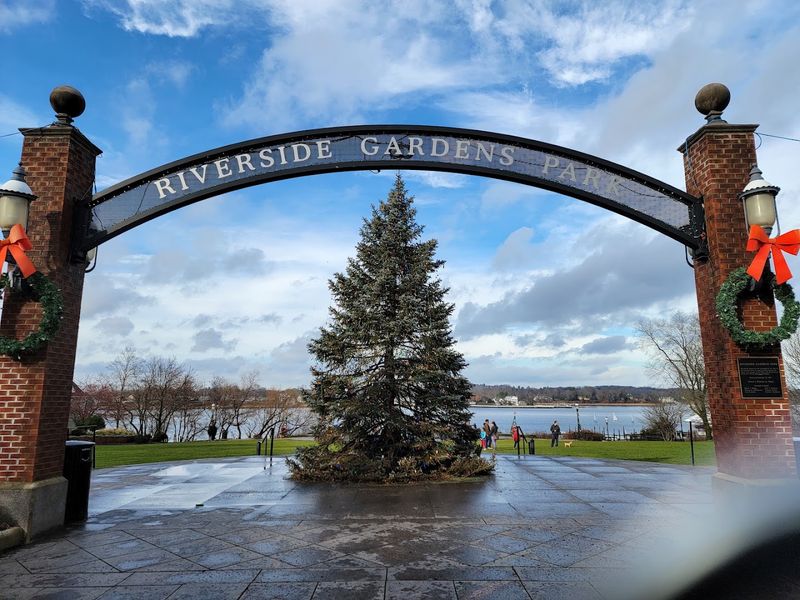
Shopping fills Broad, Monmouth, and West Front streets, while Riverside Gardens Park opens the town toward the Navesink River with lawns, benches, and a waterfront view that feels surprisingly calm beside the commercial district. Culture is not an afterthought here.
The historic Count Basie Center for the Arts hosts touring musicians, comedians, and stage productions, and Two River Theater gives visitors another reason to plan the trip around a performance.
For a meal with a distinctly local purpose, JBJ Soul Kitchen operates as a nonprofit community restaurant where paying guests can make a suggested donation and help cover meals for neighbors in need.
Its rotating three-course menu makes the experience feel like dinner out, not a token charitable stop. Red Bank is reachable by NJ Transit, and the station sits within walking distance of downtown.
Drivers should expect metered spaces and public lots, with extra competition on show nights. Come for an afternoon of browsing, then stay for a performance; the shift from riverside daylight to glowing marquees is when Red Bank makes its strongest case.
8. Ocean Grove
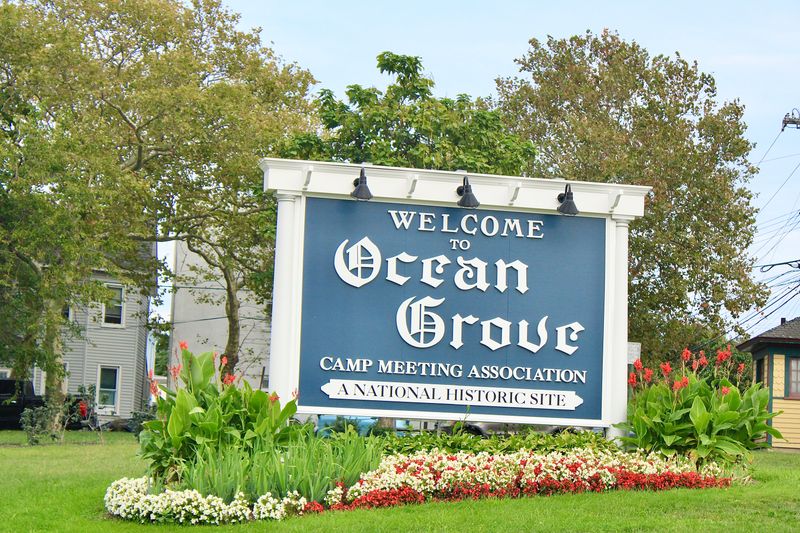
Porches do much of the talking in Ocean Grove. Elaborate Victorian cottages sit close together along narrow, tree-lined streets, their railings, flags, flowers, and rocking chairs making the walk from Main Avenue to the beach feel like a neighborhood tour.
At the center stands the Great Auditorium, the enormous wooden gathering hall that reflects the community’s origins as a Methodist camp meeting destination founded in 1869.
The seasonal tent colony surrounding it remains one of the most unusual sights at the Jersey Shore: canvas-fronted summer homes arranged beside small wooden sheds, all within an easy stroll of the ocean.
Continue east to the quiet boardwalk and broad beach, then loop back through town rather than retracing your steps. Main Avenue offers galleries, gift shops, casual dining, and places to assemble picnic supplies.
The Starving Artist at Day’s is a dependable breakfast-and-lunch stop inside one of the town’s historic buildings, while an ice cream afterward keeps the day appropriately old-fashioned. Ocean Grove is compact, but summer parking requires patience; arriving early pays off, especially on concert and event dates.
Check the Great Auditorium schedule before visiting because tours and performances can transform the day. The town works best when you resist comparing it with louder neighbors.
Its pleasures are slower: detailed houses, shaded parks, sea air, and a boardwalk that leaves room to hear the waves.
9. Spring Lake
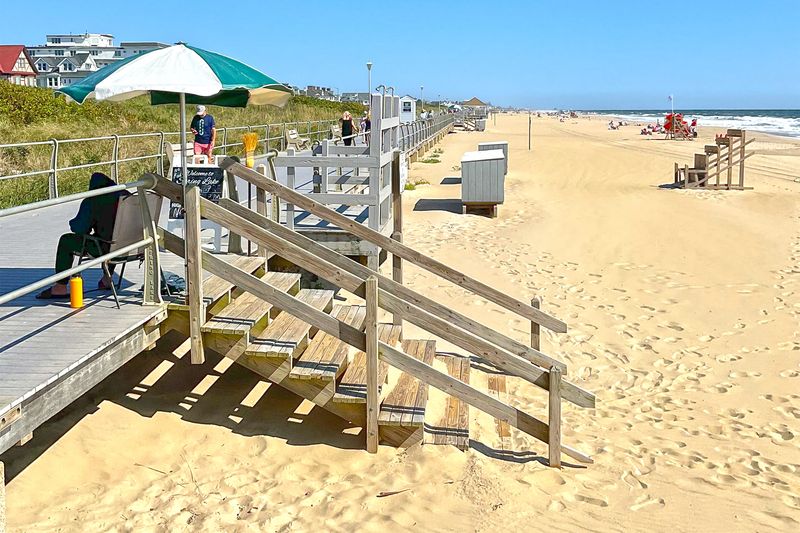
There are no funnel-cake stands, thumping arcades, or souvenir shops competing with the ocean along Spring Lake’s boardwalk. That absence is the point.
The two-mile, non-commercial promenade is built for walkers, runners, and anyone who prefers waves without a soundtrack. Begin early beside the beach, then head inland toward the spring-fed lake that gives the borough its name.
A path circles the water through Divine Park, passing footbridges, mature trees, and benches positioned for watching swans and ducks glide past. The surrounding streets add stately homes, tidy gardens, and enough architectural detail to make the walk feel longer than it is.
Downtown sits a few tree-lined blocks from the lake and beach, with independent shops and cafés centered around Third and Morris avenues. The Scone Pony is the obvious bakery stop; arrive before the best selection disappears and choose a scone, muffin, or whatever still looks warm.
Summer beach access requires badges, and parking near the ocean becomes scarce on hot weekends, so morning arrivals have a real advantage. Outside peak beach season, Spring Lake becomes an excellent walking trip with fewer logistics and plenty of open space.
This is not the Shore town for packing every minute. It is for a long loop, a good pastry, and the rare satisfaction of having nowhere louder to be.
10. Collingswood
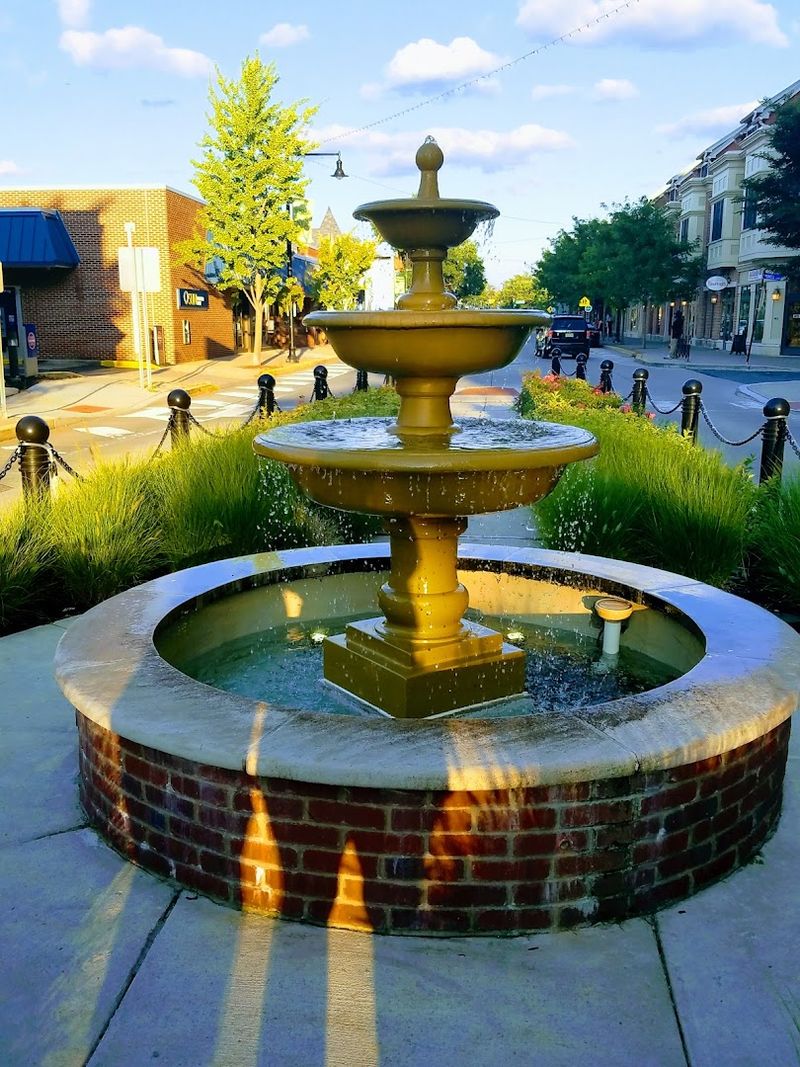
Come hungry, because Collingswood’s main attraction is not a single landmark but the delicious concentration of restaurants along Haddon Avenue. The downtown has earned its food-first reputation through intimate dining rooms, global menus, bakeries, cafés, and a strong BYOB culture that turns dinner into the centerpiece of a day trip.
Zeppoli is a standout for simple Sicilian cooking in a tiny 35-seat space, which means reservations matter far more than spontaneity. Plenty of easier walk-in choices sit nearby, so the day does not collapse if your first plan is full.
Before eating, browse independent shops selling art, gifts, clothing, records, and home goods, or walk through the surrounding residential blocks to admire porches and older homes.
Saturday mornings from late spring into fall bring the Collingswood Farmers’ Market, where local produce, baked goods, prepared foods, and live community energy make breakfast grazing almost unavoidable.
Knight Park offers room to stretch out after the market or before dinner, with broad lawns and shaded paths close to downtown. PATCO service makes Collingswood particularly convenient from Philadelphia, and drivers can use public lots and street parking around Haddon Avenue.
The best schedule starts with the market or coffee, leaves several hours for wandering, and ends with a reservation. In Collingswood, lunch can easily become dinner planning, and nobody should pretend that is an accident.
11. Cranbury
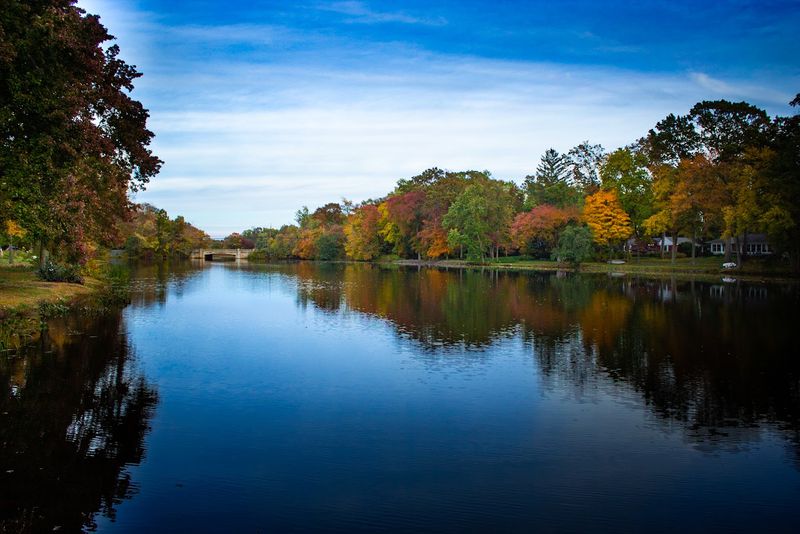
Cranbury feels like the sort of place you discover after making a wrong turn and immediately decide not to correct it. Main Street runs through a remarkably intact historic district where 18th- and 19th-century houses, churches, shops, and civic buildings create a streetscape that invites slow walking.
More than 200 buildings contribute to the district, yet the village never feels like a staged heritage attraction. Start near Brainerd Lake, follow the sidewalks past shaded lawns and old façades, and let the small details carry the visit: fanlights above doorways, weathered markers, garden fences, and porches close enough to study.
The Cranbury Museum, housed in an 1830s home, opens on Sunday afternoons and offers the most direct introduction to local life and history, so timing the trip for its limited hours is worthwhile. For lunch or dinner, the Cranbury Inn brings another layer of history to Main Street.
The long-running tavern traces its roots to the 18th century and remains a functioning restaurant rather than a roped-off relic. Cranbury does not demand a dawn arrival or an elaborate parking strategy, though museum hours and restaurant reservations deserve a quick check.
Pair the village walk with time at nearby parks or preserves if you want a longer outing. Its real strength, however, is restraint: one lovely main street, one lake, and enough history to make two unhurried hours feel complete.
12. Morristown
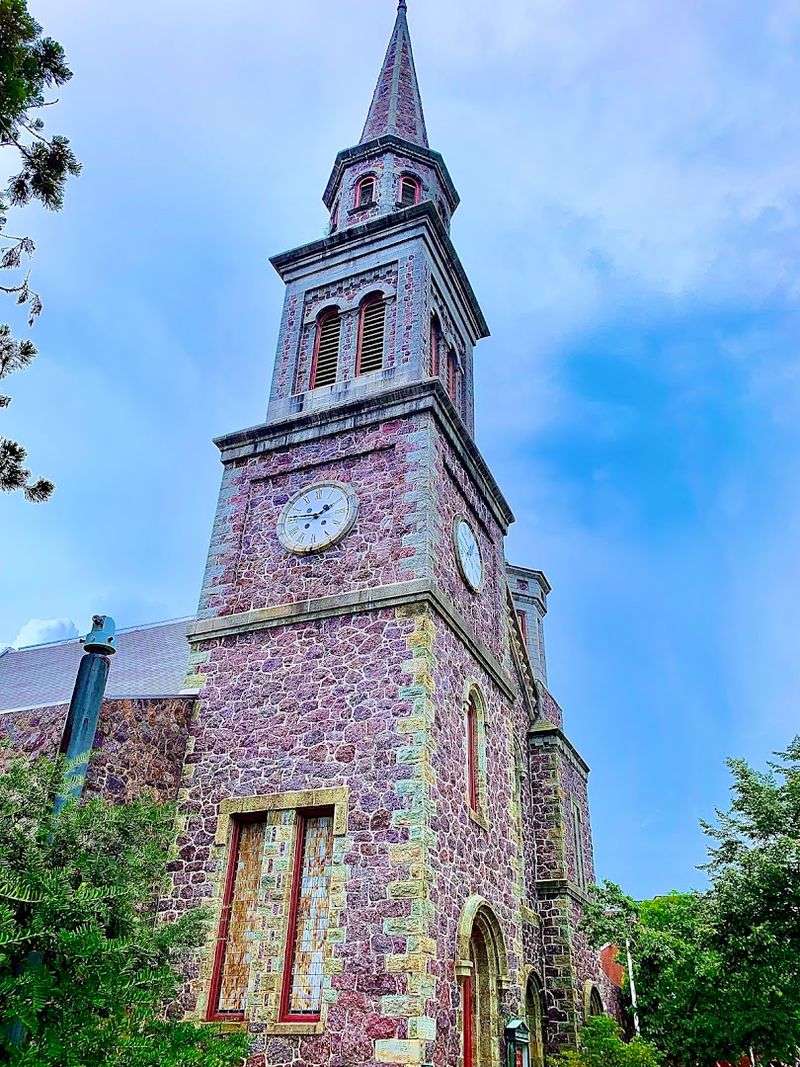
History here does not sit politely behind glass. It stretches from the busy Morristown Green to the wooded trails of Jockey Hollow, where the Continental Army endured the punishing winter of 1779–1780.
Begin downtown at the Green, a compact public square surrounded by restaurants, shops, and civic buildings. From there, Washington’s Headquarters Museum and the Ford Mansion bring the Revolutionary story into sharper focus; guided access can depend on the day, so confirm the National Park Service schedule before setting out.
A short drive south reaches Jockey Hollow, where walking trails connect reconstructed soldier huts, the Wick House, and landscapes that make the scale of the winter encampment easier to grasp.
Back downtown, South Street and its neighboring blocks offer enough cafés, international restaurants, pubs, and boutiques to turn a history trip into a full afternoon.
The Mayo Performing Arts Center adds concerts, comedy, dance, and family shows, making an evening extension easy. Morristown also works well by train, with NJ Transit service placing visitors close to the center, while drivers will find garages more practical than circling the busiest blocks.
Build the day around one major historic site rather than trying to conquer them all. Morristown is most enjoyable when there is time left for the Green, a proper meal, and the realization that one of New Jersey’s liveliest downtowns grew directly beside some of its most consequential ground.
Share this story