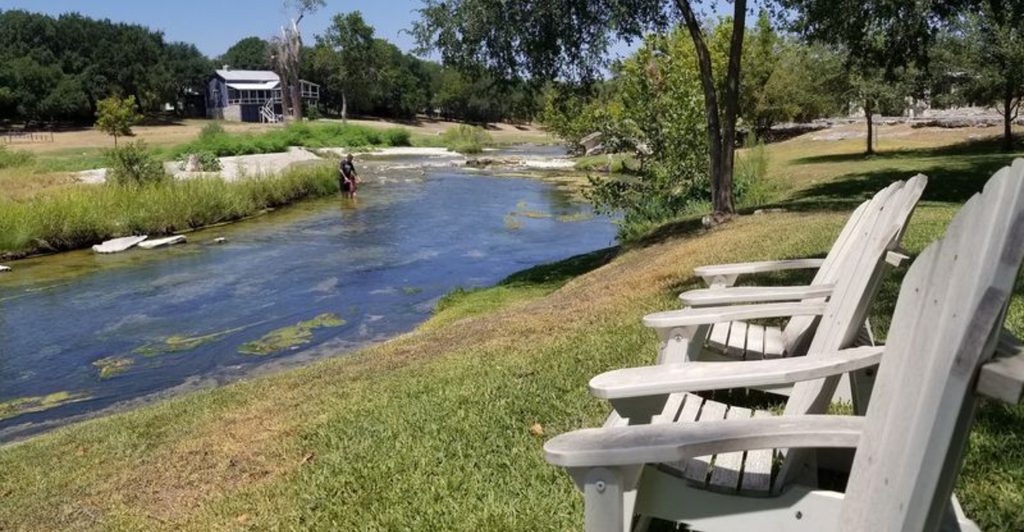
Texas is packed with charming small towns that offer way more than just a quick weekend getaway. From historic streets lined with antique shops to natural swimming holes and quirky art scenes, these destinations have the kind of magic that keeps families coming back season after season. Whether you’re craving Hill Country wineries, coastal breezes, or mountain vistas, the Lone Star State has a town that’ll steal your heart.
Here are twelve enchanting spots where your family can build memories worth repeating.
1. Wimberley
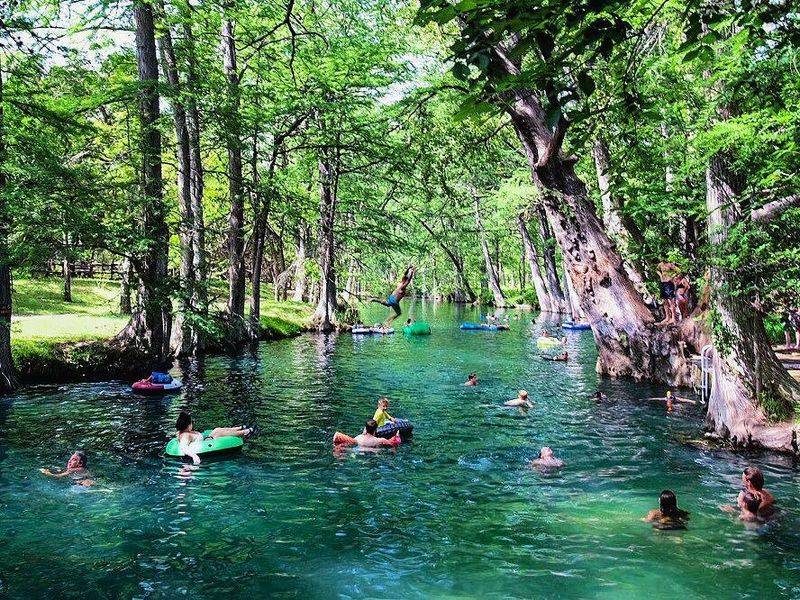
Tucked into the Hill Country between Austin and San Antonio, this artsy little town has become a family favorite for good reason. The natural springs and swimming holes here are legendary, especially Blue Hole, where kids can spend hours jumping off rocks into crystal-clear water. Jacob’s Well is another stunner, though it gets crowded fast on summer weekends.
The town square buzzes with local artists selling everything from pottery to paintings, and the first Saturday of each month brings Market Days, a massive outdoor shopping event that’s been running since 1982. Your teenagers might actually enjoy browsing the handmade jewelry and vintage finds. Parents love the local wineries and breweries tucked into the countryside.
Cypress Creek runs right through town, offering tubing and kayaking when the water’s flowing. Pioneer Town is a quirky collection of old buildings that kids find fascinating, and it’s free to explore. The dining scene punches above its weight for such a small place, with farm-to-table spots and classic Texas BBQ joints.
Spring brings wildflowers that blanket the roadsides in bluebonnets and Indian paintbrush. Fall means perfect weather for hiking the trails around the Blanco River. Winter is surprisingly cozy, with fewer crowds and holiday lights strung through the town square.
Lodging ranges from riverside cabins to bed-and-breakfasts with front-porch swings. Many families rent houses with creek access and spend entire weeks here without running out of things to do. The vibe is laid-back and welcoming, the kind of place where strangers wave and local shop owners remember your name by day three.
2. Jefferson
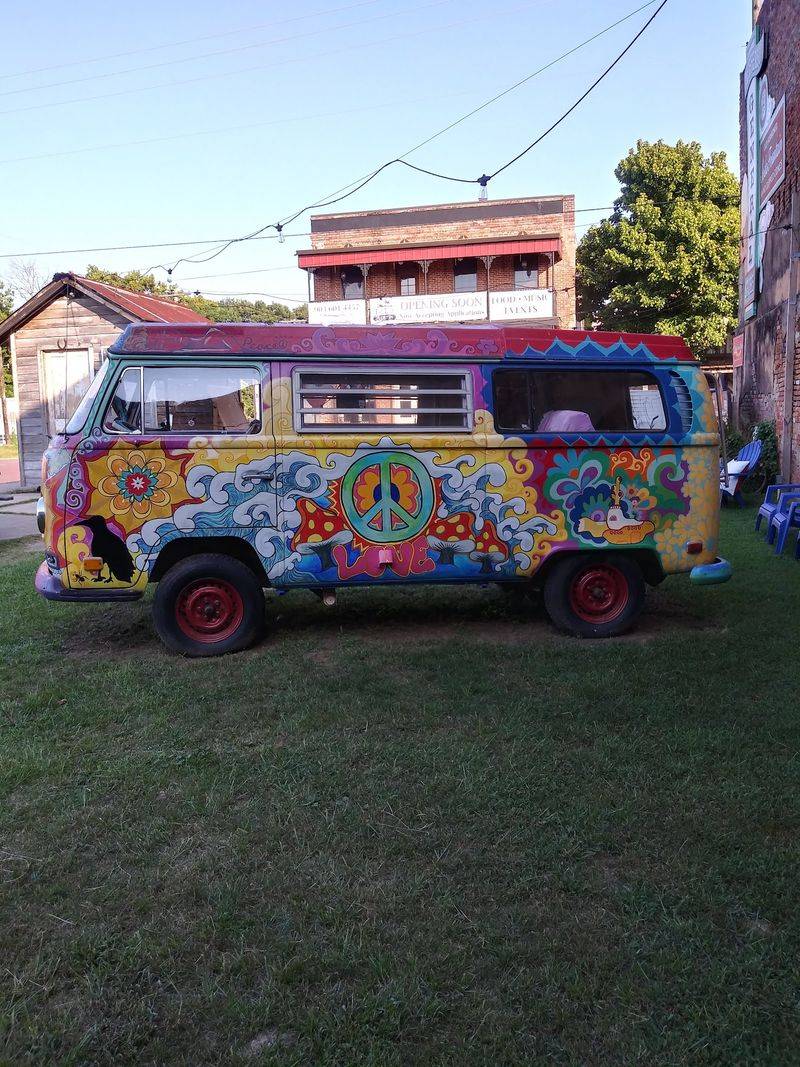
Way up in East Texas near the Louisiana border sits a town that time forgot in the best possible way. Victorian mansions line brick streets, and Spanish moss drapes from ancient oak trees like something out of a storybook. This was once the biggest inland port in Texas, back when steamboats ruled the rivers, and that history is everywhere you look.
Ghost tours are huge here, and yes, several historic hotels claim to be genuinely haunted. Kids eat this stuff up, especially the tales from the Jefferson Hotel and the Grove, a restored plantation home with documented paranormal activity. Even if you’re skeptical, the stories make for great campfire conversation later.
Carriage rides through the historic district give you the full rundown on the town’s wild past, from Civil War intrigue to the railroad barons who built those stunning homes. The Excelsior House Hotel has hosted everyone from Ulysses S. Grant to Lady Bird Johnson.
You can actually stay in the same rooms, complete with period furniture.
Caddo Lake is a short drive away, offering some of the most unique paddling in Texas. The cypress trees rise straight out of the water, creating a maze of channels perfect for kayaking. Alligators live here, which sounds scary but they’re generally shy.
Guided boat tours are available if you want expert navigation.
Downtown antique shopping is serious business, with dozens of shops packed into a few blocks. Christmas is magical, with historic homes decked out in Victorian-era decorations and candlelight tours running nightly. The whole town smells like pine and cinnamon.
Summer can be swampy and hot, so spring and fall visits work best for most families.
3. Boerne
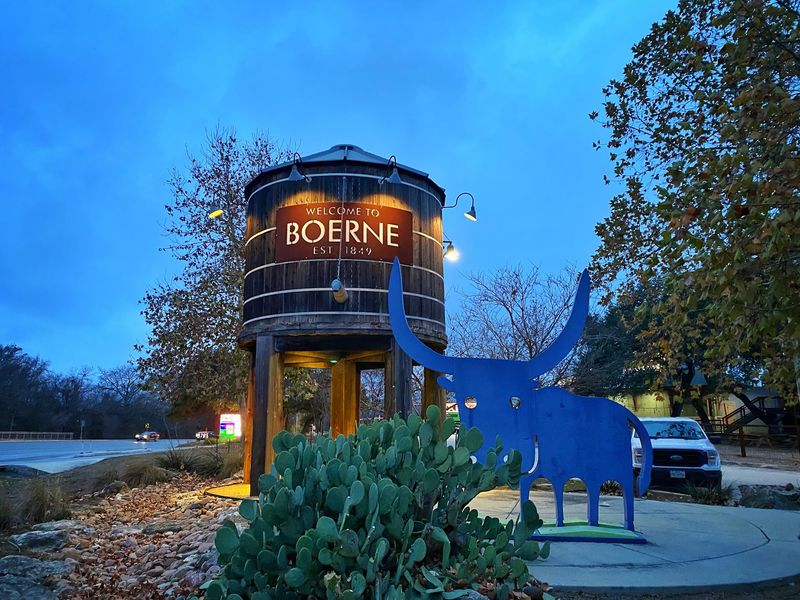
Pronounced “Bernie” by locals who’ll gently correct you with a smile, this Hill Country gem sits just 30 minutes from San Antonio but feels worlds away. German heritage runs deep here, dating back to the 1840s when settlers arrived and built a community that still celebrates its roots. The main drag is lined with limestone buildings housing boutiques, coffee shops, and restaurants that range from schnitzel spots to modern farm-to-table.
Cibolo Nature Center offers 100 acres of trails, ponds, and wildlife right in town. Kids can spot turtles, birds, and if they’re lucky, armadillos shuffling through the undergrowth. The prairie restoration area explodes with wildflowers in spring.
It’s free, well-maintained, and a perfect spot to burn off energy between shopping stops.
Cave Without a Name is a hidden treasure just outside town, featuring stunning rock formations and a comfortable 66-degree temperature year-round. The guided tours are genuinely interesting without being too long for younger attention spans. The cave got its unusual name when a contest to name it produced such terrible suggestions that the owner gave up and went with the ironic choice.
Cascade Caverns is another underground option, this one with an actual 90-foot waterfall inside. Above ground, the property has hiking trails and picnic areas. Both caves stay busy during summer when families seek relief from the Texas heat.
The Kendall County Fair in September is old-school fun, with livestock shows, carnival rides, and fried everything. Boerne also hosts Berges Fest each June, celebrating that German heritage with polka music, beer, and sausage. Main Street comes alive with vendors and stages.
Lodging options include historic inns, modern hotels, and vacation rentals in the surrounding hills where you can see stars that city dwellers forgot existed.
4. Port Aransas
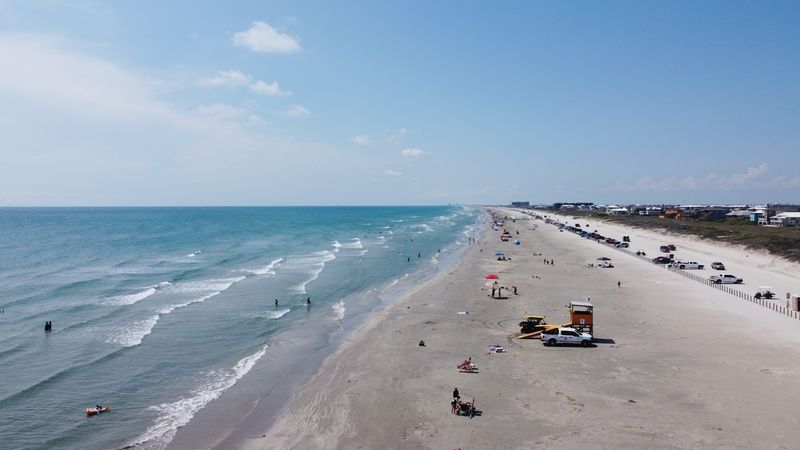
This barrier island beach town on the Gulf Coast has been a Texas family tradition for generations. Unlike some coastal spots that got too fancy for their own good, Port A keeps things refreshingly casual. Flip-flops are acceptable everywhere, and nobody cares if you track a little sand into restaurants.
The beaches stretch for miles, with soft sand perfect for castle-building and waves gentle enough for younger swimmers. Beachcombing after storms can turn up interesting shells, driftwood, and occasionally shark teeth that kids guard like pirate treasure. Several beach access points have facilities and lifeguards during peak season.
Fishing is practically a religion here. The jetty offers free shore fishing where you might catch redfish, speckled trout, or flounder. Charter boats take families out into deeper water for bigger game.
Even if nobody catches dinner, being on the water beats sitting in traffic back home.
The University of Texas Marine Science Institute runs a small aquarium and nature center that’s educational without feeling like homework. Touch tanks let kids handle sea stars and hermit crabs. The research happening here is legitimate, studying everything from dolphin behavior to coastal erosion.
Golf cart rentals are huge, and cruising around town in one becomes its own adventure. Teenagers think they’re hilarious, parents appreciate not fighting for parking, and younger kids love the wind in their hair. Most rentals are street-legal for the slower roads around town.
Dolphin-watching tours almost guarantee sightings, especially during morning trips. Whooping cranes winter in the area, and birders come from everywhere to spot them. Summer is peak season but can be crowded and hot.
Spring break draws college crowds, so families might prefer fall when the water’s still warm but the masses have gone home.
5. Fredericksburg
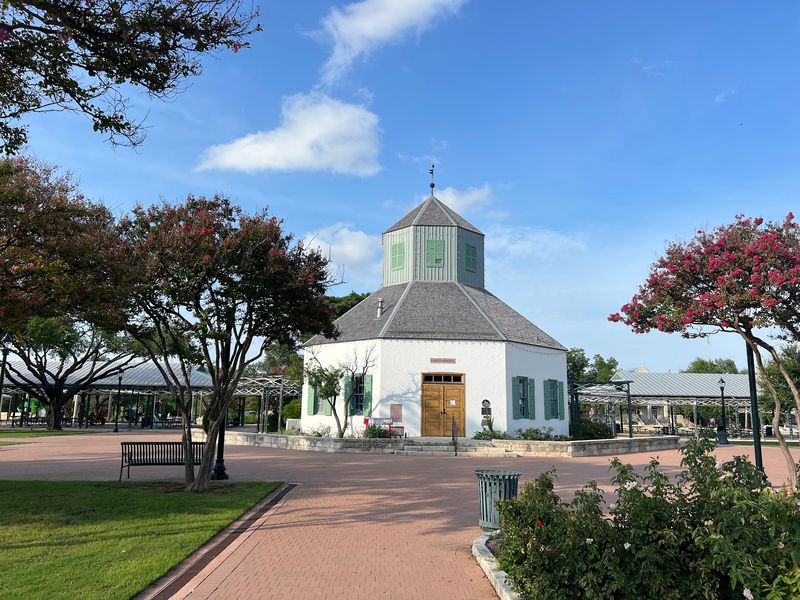
German flags flutter alongside Texas ones on lampposts running down Main Street, a visual reminder that this Hill Country town hasn’t forgotten where it came from. Founded in 1846 by German immigrants, the culture is still alive in the architecture, food, and annual festivals that draw massive crowds. But beyond the schnitzel and strudel, there’s enough variety here to keep every family member happy.
Enchanted Rock State Natural Area is the main outdoor attraction, a massive pink granite dome that rises 425 feet above the surrounding landscape. The hike to the summit is challenging enough to feel like an accomplishment but doable for reasonably fit kids over eight or so. Views from the top stretch for miles across the Hill Country.
Go early because the park closes when parking fills up, which happens most weekends.
Peach season in summer turns the surrounding farms into U-pick destinations where families can fill buckets and eat way too many samples. Lavender farms bloom purple in June and July, offering photo opportunities that’ll dominate your social media. Many farms have gift shops selling everything from lavender ice cream to soaps and sachets.
The National Museum of the Pacific War honors Fredericksburg’s native son, Admiral Chester Nimitz. The exhibits are extensive and genuinely moving, with restored aircraft and a Pacific Combat Zone that recreates battlefield conditions. It’s heavy subject matter, but older kids interested in history find it fascinating.
Wine tasting might not seem kid-friendly, but many Hill Country wineries have adapted. Some offer grape juice tastings for kids, others have playgrounds or lawn games. Parents can sample Texas wines, which have gotten seriously good in recent years, while children chase peacocks around the grounds.
Shopping ranges from tacky tourist traps to genuine antique stores and art galleries. Lodging includes everything from chain hotels to historic bed-and-breakfasts and ranch stays outside town where you might see longhorns grazing.
6. Georgetown
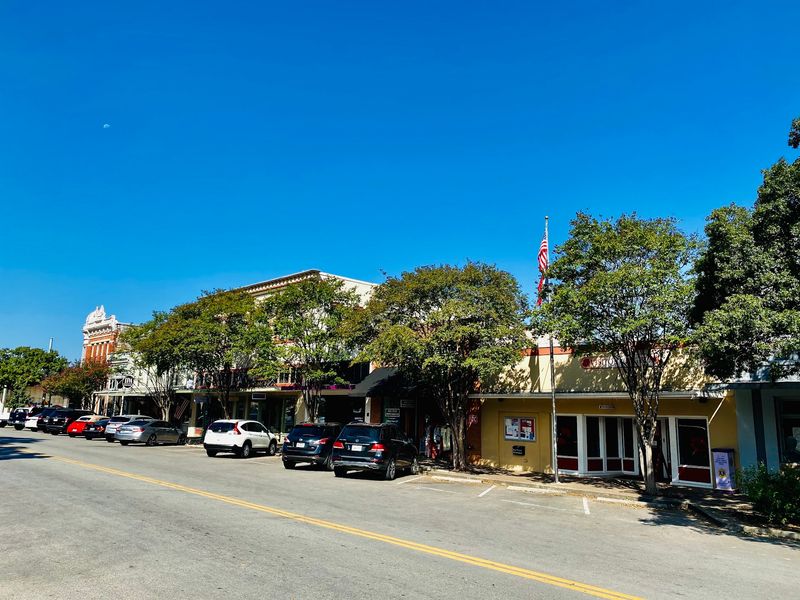
Sitting just north of Austin, this town has managed to grow without losing its soul. The historic courthouse square is the real deal, with a working county courthouse surrounded by locally owned shops and restaurants. Victorian homes line shaded streets where people actually sit on front porches and wave to passersby.
Blue Hole Park is the summer destination, a spring-fed swimming hole on the San Gabriel River that stays refreshingly cold even when August heat gets brutal. Rope swings, diving boards, and a sandy beach area make it feel like a natural water park. It gets packed on weekends, so locals hit it on weekday mornings when they can.
Inner Space Cavern was discovered accidentally in 1963 when highway workers drilled into it. Now it’s a full tourist cave with formations dating back millions of years. The temperature stays around 72 degrees, making it a perfect escape from summer heat or winter chill.
Fossils of Ice Age animals were found here, including a mammoth whose bones are displayed inside.
Lake Georgetown offers boating, fishing, and camping just minutes from downtown. Good Rock Shelter is a hiking trail leading to an actual prehistoric rock shelter where Native Americans lived thousands of years ago. The trail is moderate, with some rocky sections, but the destination makes it worthwhile.
The square hosts events constantly: Farmers markets on Saturdays, Red Poppy Festival in spring, Christmas Market in winter. Most Fridays feature live music on the courthouse lawn where families spread blankets and let kids run wild while parents relax. Food truck rodeos happen monthly, bringing everything from tacos to gourmet grilled cheese.
Chain restaurants exist on the highways, but the square has the good stuff: locally roasted coffee, scratch bakeries, farm-to-table dining. The library is award-winning and hosts tons of family programs. Schools are highly rated, which is why so many Austin commuters have moved here, though that growth is changing the town’s character somewhat.
7. Granbury
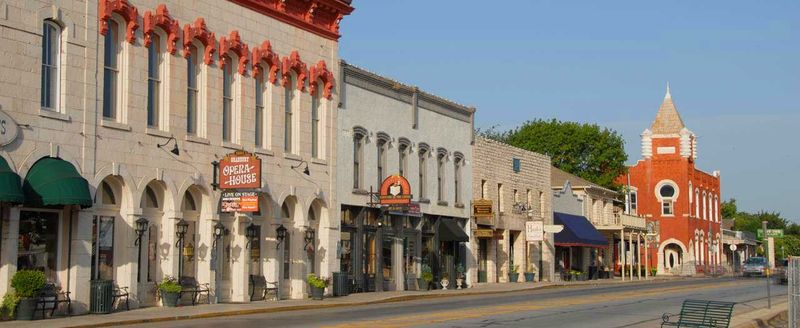
An hour southwest of Fort Worth, this lake town wraps around one of the prettiest courthouse squares in Texas. The 1890s buildings have been restored without turning into a theme park, housing actual businesses locals use alongside the tourist shops. Weekends bring classic car shows, farmers markets, and live music that spills out from the Granbury Opera House.
Lake Granbury is the town’s playground, offering 8,300 acres of water for skiing, fishing, and just floating around on a hot afternoon. Public beaches provide access, though many visitors rent lakefront houses with private docks. Sunsets over the water are spectacular, painting the sky in oranges and purples that look almost fake.
The Granbury Opera House has been entertaining folks since 1886. Today it runs a full season of musicals, comedies, and dramas that are genuinely good community theater. Shows are family-friendly, and tickets are reasonable compared to big-city venues.
The building itself is worth seeing, with original architectural details preserved throughout.
Fossil Rim Wildlife Center sits just outside town, a 1,800-acre conservation center where you can drive through and feed exotic animals from your car window. Giraffes stick their heads right through your window, zebras crowd around hoping for pellets, and cheetahs lounge under trees looking bored with the whole spectacle. It takes a couple hours to drive the full loop, longer if you stop at all the overlooks.
Revolver Brewing offers tours and tastings in a renovated granary building. Parents can sample craft beers while kids play in the outdoor area. Food trucks usually park outside on weekends.
The whole operation feels very Texas, from the branding to the beer names.
Brazos Drive-In Theatre is old-school entertainment, showing double features under the stars. Bring lawn chairs or watch from your car. The snack bar serves all the classics: popcorn, candy, and hot dogs that taste better outdoors somehow.
It’s cash-only, so hit the ATM first.
8. Marfa
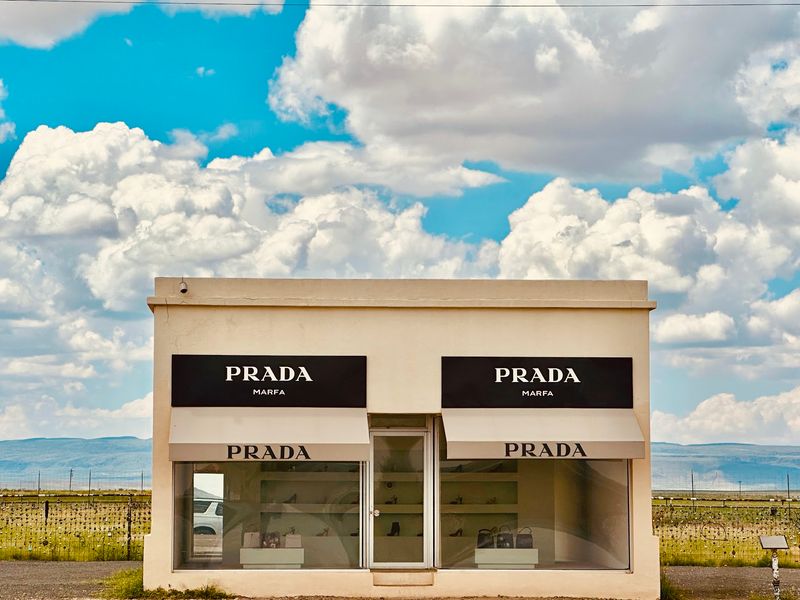
Way out in West Texas, where the landscape turns to high desert and the nearest city is hours away, sits the most unlikely art town in America. Ranchers and artists coexist here, creating a vibe that’s part cowboy, part Brooklyn gallery opening. It’s weird and wonderful, and families either love it or wonder what the fuss is about.
The Marfa Lights Viewing Area sits about nine miles east of town, where mysterious lights have appeared in the night sky for over a century. Scientists have theories ranging from atmospheric reflections to car headlights, but nobody knows for sure. Kids love the mystery, and even if you don’t see the lights, the star-gazing out here is unmatched.
Light pollution doesn’t exist in this part of Texas.
Prada Marfa is the most photographed art installation for miles, a fake luxury store sitting alone on Highway 90. It’s never been open, never will be, and that’s the whole point. The shoes and handbags inside are real Prada from 2005, slowly deteriorating behind glass.
Teenagers love it for Instagram, parents appreciate the commentary on consumerism, and younger kids just think it’s odd.
The Chinati Foundation showcases large-scale installations by Donald Judd and other minimalist artists. The permanent collection spreads across former military buildings and the surrounding desert. Tours run Wednesday through Sunday and take several hours.
It’s not typical kid-friendly art, but older children interested in contemporary work find it fascinating.
Hotel Paisano is where the cast stayed during filming of Giant in 1955. James Dean, Elizabeth Taylor, and Rock Hudson all slept here, and the hotel plays it up with memorabilia and photos. Rooms are comfortable, blending historic character with modern amenities.
The restaurant serves solid food in a dining room that feels like stepping back in time.
Summer heat is intense, winter nights get cold, so spring and fall are ideal. Bring layers because desert temperatures swing wildly. The town is small, walkable, and quirky in ways that take time to appreciate.
9. Gruene
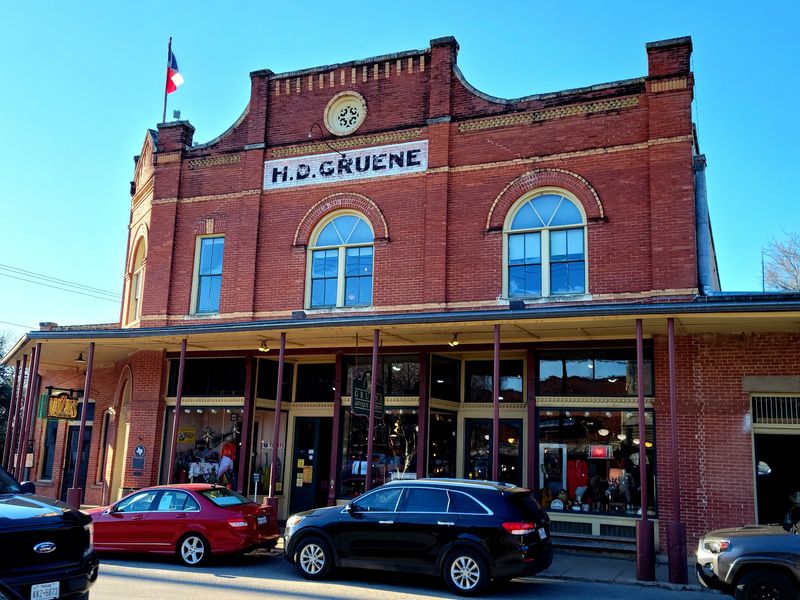
Technically part of New Braunfels but with its own distinct identity, this tiny historic district packs more character into a few blocks than most towns manage in square miles. The whole place is on the National Register of Historic Places, and walking through feels like visiting a movie set of Old Texas.
Gruene Hall is Texas’s oldest continually operating dance hall, built in 1878 and still hosting live music almost every night. Big names play here, from Willie Nelson to up-and-coming country stars. The floor is original wood, worn smooth by generations of boots.
Families can catch early shows on weekends, though the real magic happens during late-night sets when the beer flows and the dancing gets serious.
The Guadalupe River runs right past town, making this a prime tubing destination. Several outfitters rent tubes and provide shuttle service back to your car. The float takes a few hours, depending on water levels, passing through gentle rapids and calm stretches perfect for floating with a cooler tied behind you.
Kids as young as four or five can handle it with proper supervision.
Gruene General Store has been selling goods since 1878, now stocking everything from local honey to handmade boots. It’s touristy but in a charming way, with creaky wooden floors and old-timey advertising signs. The fudge counter is dangerous, offering samples until you give in and buy a pound.
Shopping includes antique stores, art galleries, and boutiques selling everything from Texas wine to handcrafted furniture. The Grapevine tasting room offers samples of Texas wines in a relaxed setting. Live music spills from porches and patios most afternoons.
Gruene Mansion Inn offers bed-and-breakfast accommodations in restored cottages surrounding the original 1872 mansion. Staying here puts you in the heart of everything, though parking can be tricky during peak times. New Braunfels hotels are nearby if you want more conventional lodging.
Summer weekends get absolutely packed, so weekday visits or off-season trips offer a more relaxed experience.
10. Alpine
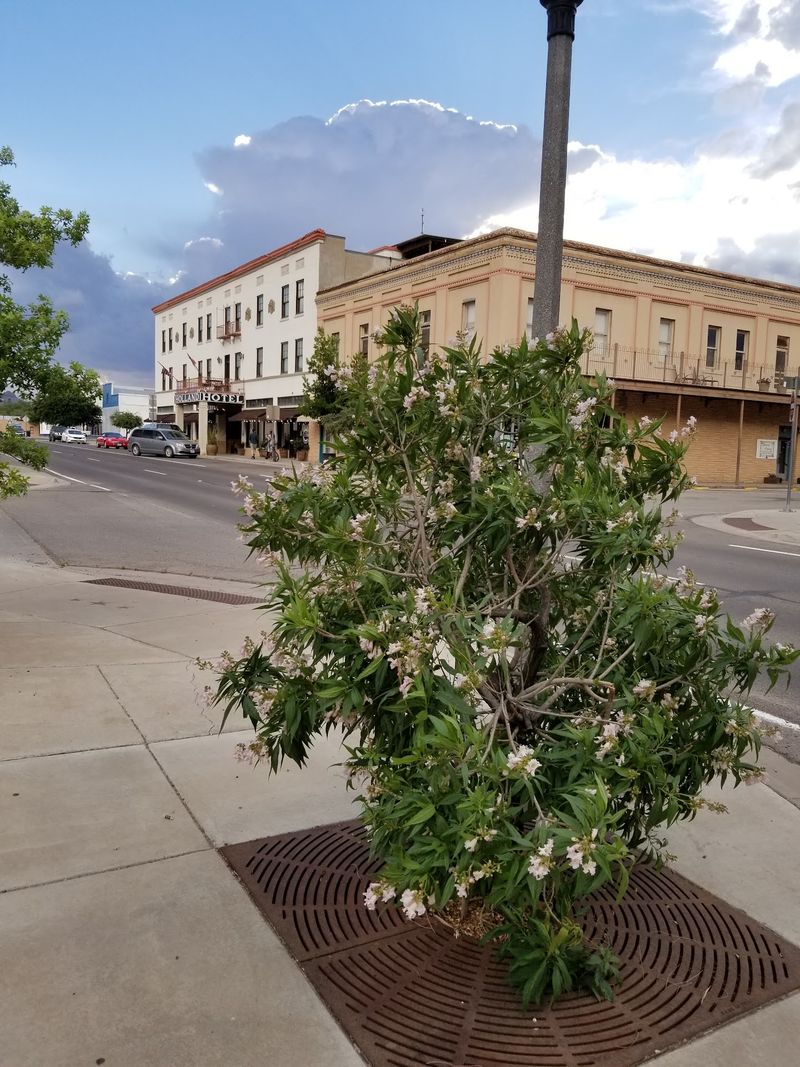
Sitting at 4,500 feet elevation in the Davis Mountains, this college town serves as the gateway to Big Bend country. Sul Ross State University gives it a youthful energy unusual for remote West Texas, with coffee shops, bookstores, and a surprising food scene. The surrounding landscape is pure high desert, with mountains that actually deserve the name.
McDonald Observatory is the main attraction, perched on Mount Locke about an hour northwest of town. The star parties held several nights a week are genuinely special, with astronomers guiding visitors through the night sky using powerful telescopes. Seeing Saturn’s rings or Jupiter’s moons through a research-grade telescope beats any planetarium show.
Daytime solar viewing is also available, showing sunspots and solar flares in real-time.
The Museum of the Big Bend on the Sul Ross campus covers the natural and cultural history of the region. Exhibits range from prehistoric fossils to pioneer artifacts to contemporary art. It’s small enough to see in an hour but thorough enough to give real context for the landscape outside.
Davis Mountains State Park offers hiking, camping, and the restored Indian Lodge, a pueblo-style hotel built by the Civilian Conservation Corps in the 1930s. The rooms are simple but comfortable, with thick adobe walls keeping things cool in summer. Trails range from easy nature walks to challenging climbs with panoramic views.
Downtown Alpine has art galleries, antique shops, and restaurants serving everything from Mexican food to farm-to-table cuisine. The Reata is a local institution, serving upscale ranch cooking in a historic building. Holland Hotel offers boutique accommodations right on the main drag.
Fall and spring offer perfect weather for exploring. Summer days get hot but nights cool down significantly. Winter can bring occasional snow, which transforms the desert into something magical.
This isn’t a quick weekend trip from most of Texas, but families making the drive to Big Bend National Park should absolutely spend time in Alpine before or after the park visit.
11. Salado
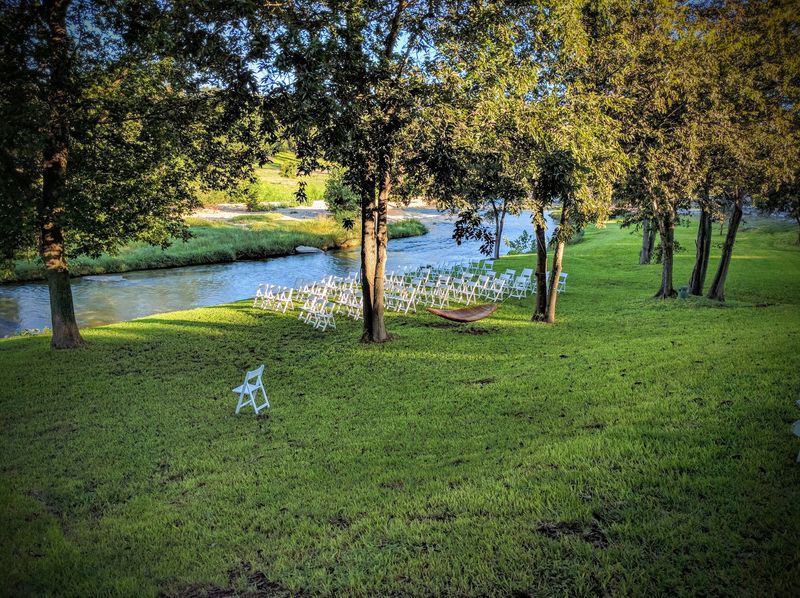
Right off Interstate 35 between Austin and Waco, this village has been a stopping point for travelers since stagecoach days. Salado Creek runs through the middle of town, creating a shaded oasis that feels worlds away from the highway traffic just minutes away. Artists and craftspeople have claimed the historic buildings, turning them into studios and galleries worth browsing.
Salado Creek offers several access points for wading and splashing. Pace Park has a nice swimming area where kids can cool off on hot days. The water is shallow in most places, flowing over limestone bedrock that’s been worn smooth over centuries.
Bring water shoes because the rocks can be slippery.
Shopping is the main activity, with dozens of galleries, antique stores, and specialty shops lining the main roads. Salado Glassworks offers demonstrations where you can watch artists shaping molten glass into vases and sculptures. Many studios welcome visitors and don’t pressure you to buy.
The quality ranges from genuine art to tourist kitsch, but browsing is free and the buildings themselves are charming.
Tablerock Amphitheater hosts outdoor dramas and concerts in a natural limestone setting. The annual Salado Legends production tells local history through music and drama. Bring blankets or lawn chairs and plan for mosquitoes near the creek.
The Stagecoach Inn has been feeding travelers since 1861, serving Southern comfort food in dining rooms that still have original architecture. The hush puppies are legendary, and the atmosphere feels genuinely historic without being stuffy. Inn on the Creek offers bed-and-breakfast accommodations in restored historic buildings, some with creek views and porches perfect for morning coffee.
Christmas brings the annual Lighting of Salado, when the whole village decorates and hosts special events. Summer Art Fair showcases regional artists with booths lining the streets. The town is small enough to walk easily, and most shops cluster within a few blocks.
It makes a perfect lunch stop on longer road trips or a relaxing overnight getaway from Austin or Dallas.
12. Dripping Springs
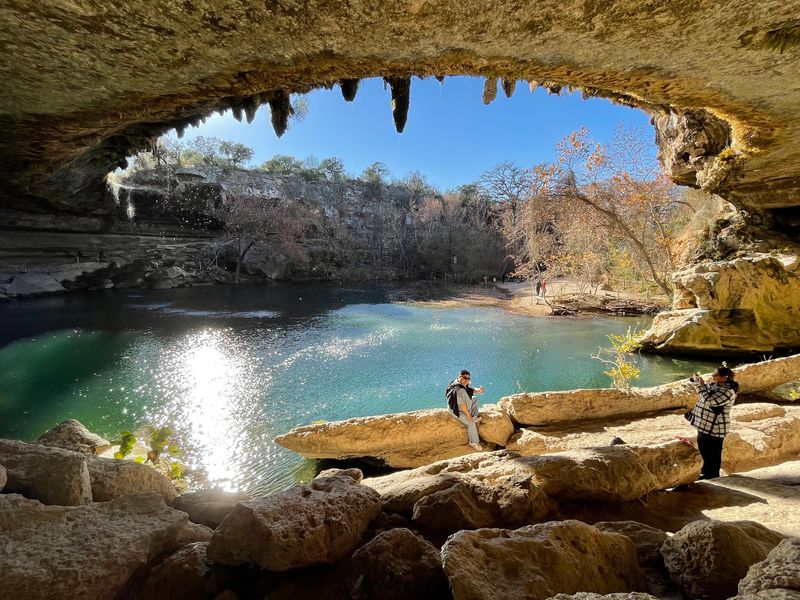
Self-proclaimed as the Wedding Capital of Texas, this Hill Country community west of Austin has exploded in recent years but still maintains access to some of the region’s best natural attractions. Rolling hills covered in juniper and oak surround the town, with ranch land giving way slowly to development as Austin sprawls westward.
Hamilton Pool Preserve is the crown jewel, a collapsed grotto creating a stunning natural pool beneath a 50-foot waterfall. Reservations are required now because it got too popular for its own good. The hike down to the pool is short but rocky, and swimming is allowed when bacteria levels are safe, which they check regularly.
Even when the water is closed, the scenery alone justifies the trip.
Reimers Ranch Park offers rock climbing, mountain biking, and access to the Pedernales River. Climbers come from all over to tackle the limestone cliffs, which range from beginner-friendly to seriously challenging. The river access provides swimming and fishing, though water levels vary dramatically depending on recent rains.
The distillery and brewery scene has grown substantially, with Dripping Springs Vodka, Treaty Oak Distilling, and several craft breweries offering tours and tastings. Many have food trucks, live music, and outdoor spaces where families can hang out. Treaty Oak has a full restaurant and sprawling grounds that feel more like a destination than a tasting room.
Wildflower season transforms the roadsides into blankets of color, with bluebonnets, Indian paintbrush, and dozens of other species blooming from March through May. Photographers flock here for the iconic Texas spring shots. Ranch Road 12 between Dripping Springs and Wimberley is particularly spectacular.
The town itself is growing fast, with new restaurants and shops opening regularly. The old downtown area maintains some character, but much of the development is typical suburban sprawl. Still, the natural attractions nearby make it worth visiting, and the location between Austin and Hill Country destinations makes it a convenient base for exploring the region.
Lodging includes vacation rentals, a few hotels, and ranch stays outside town limits.
Share this story