Forget the big-box grocery stores and their pale tomatoes that taste like cardboard. Texas has a thriving network of farm markets where real farmers sell what they grow, bake, and preserve, and the difference is something you can taste in every bite. From sunrise peaches in the Hill Country to handmade preserves in East Texas, these markets connect you directly to the people who work the land.
You’ll find flavors, friendships, and a shopping experience that makes grabbing groceries feel like a weekend adventure.
1. Historic Boggy Creek Farm (Austin)
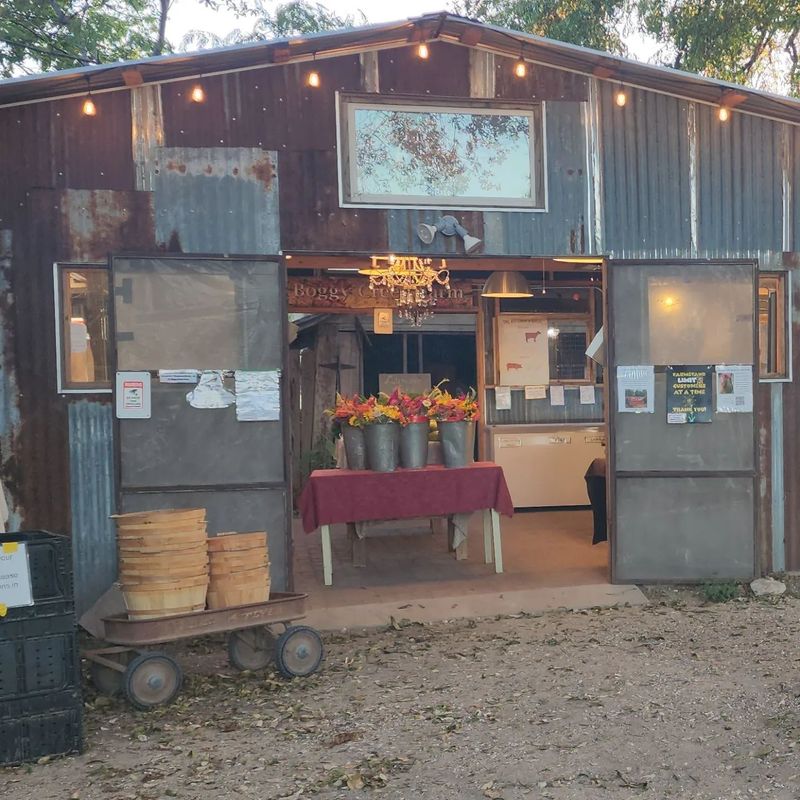
Right in the middle of Austin, this urban farm feels like stepping into a different era. Carol Ann Sayle and her husband have been growing vegetables here since the 1990s, turning what was once neglected land into a flourishing garden that feeds the city. Wednesdays and Saturdays bring the farm stand to life with bundles of greens, heirloom tomatoes, and whatever else is ripe that week.
The market operates on honesty and trust. You’ll find a cash box where you drop your payment, and the whole setup runs on the honor system most of the time. Regulars know to arrive early for the best selection, especially during tomato season when varieties you’ve never heard of pile up in baskets.
What makes this place special goes beyond the produce. Carol Ann herself often works the stand, sharing recipes and growing tips with anyone who asks. Her knowledge of organic farming and seasonal eating has influenced countless home cooks and chefs across Austin.
The farm grows everything without synthetic chemicals, relying instead on compost, crop rotation, and beneficial insects. You’ll taste the difference in carrots that actually taste like carrots and lettuces so fresh they still have morning dew. Herbs come in huge, fragrant bunches that cost less than the sad little plastic containers at regular stores.
Beyond vegetables, you might find farm-fresh eggs, seasonal fruits, and occasionally baked goods from local producers. The atmosphere stays low-key and friendly, with dogs wandering around and neighbors catching up while they shop. It’s the kind of place where buying groceries becomes a pleasant ritual instead of a chore, and where you remember that food comes from soil, not supermarkets.
2. Restoration Fields Farm (Ranger)
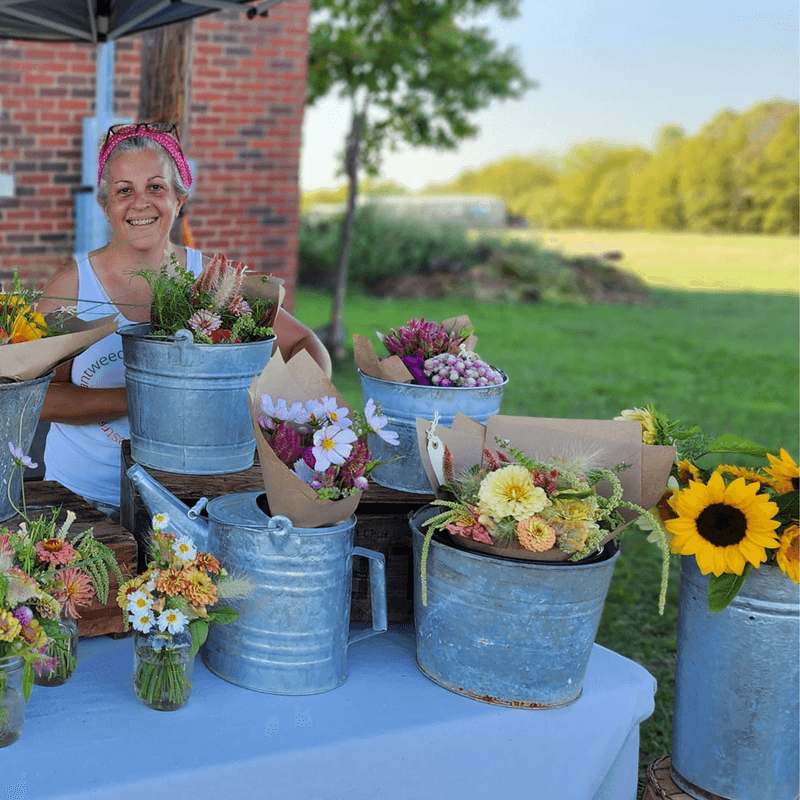
Out in Ranger, where the population barely cracks 3,000, this farm operates on principles that sound old-fashioned until you taste what they produce. The owners focus on regenerative agriculture, which means they’re actively trying to improve the soil with every growing season. Their methods bring back nutrients, encourage biodiversity, and create food that’s packed with flavor.
Shopping here feels personal. You’re not just another customer pushing a cart through fluorescent aisles. The farmers know their regulars by name and remember what you bought last time.
They’ll tell you which squash variety works best for roasting and which greens hold up in summer heat.
The market carries vegetables you won’t find in typical grocery stores. Kohlrabi, unusual pepper varieties, and heirloom beans share space with more familiar crops. Everything gets harvested at peak ripeness, which makes a shocking difference if you’re used to produce picked green and shipped across the country.
Seasonal offerings change constantly. Spring brings tender greens and early peas. Summer means tomatoes, melons, and peppers in abundance.
Fall delivers winter squash, root vegetables, and the last of the year’s herbs. Even winter has its treasures, with cold-hardy greens and stored crops.
Beyond fresh produce, the farm often has value-added products. Jams made from their own fruit, dried beans, and sometimes baked goods appear depending on the season. The prices reflect the real cost of growing food responsibly, but most customers find the quality worth every penny.
Getting to Ranger requires a bit of a drive for most folks, but that’s part of the charm. You’re making a trip specifically to get good food, and the rural setting reminds you where that food actually comes from.
3. Froberg’s Farm (Alvin)
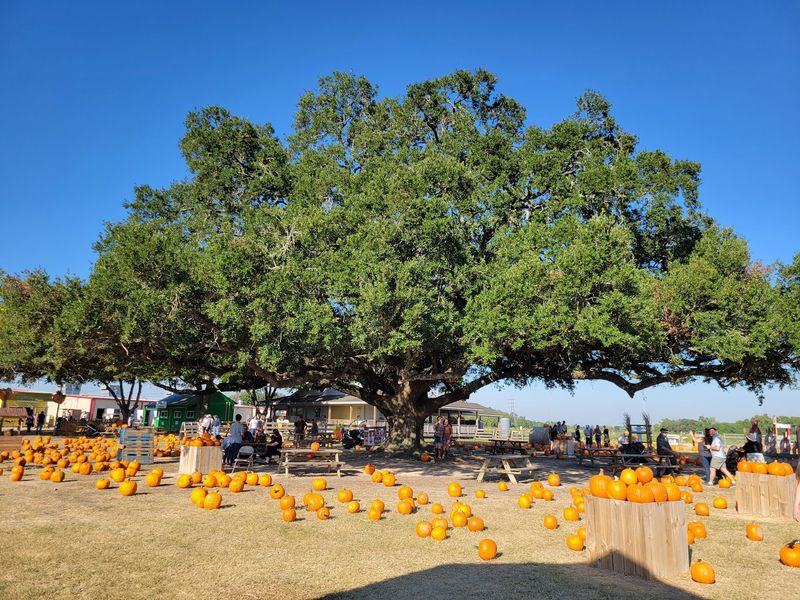
Strawberry season in Alvin means one thing: Froberg’s. Families drive from Houston and beyond to pick their own berries or buy them already harvested, and the farm has built a reputation that spans generations. What started as a simple strawberry operation has grown into a full-scale farm market that operates year-round.
The you-pick experience draws crowds, especially on spring weekends. Kids run between rows of strawberry plants, eating as many as they pick, while parents fill flats with fruit destined for jams, pies, and freezer bags. The farm provides everything you need, from containers to directions, making it easy even for first-timers.
Inside the farm store, you’ll find way more than strawberries. Seasonal vegetables, fresh eggs, and locally produced honey fill the shelves. The bakery section deserves special attention, with fruit pies that sell out fast and cookies that taste like someone’s grandmother made them.
Froberg’s also stocks a impressive selection of jams, jellies, and preserves. Strawberry dominates, obviously, but you’ll also find blackberry, peach, and mixed-fruit varieties. They make excellent gifts or pantry staples, depending on your self-control.
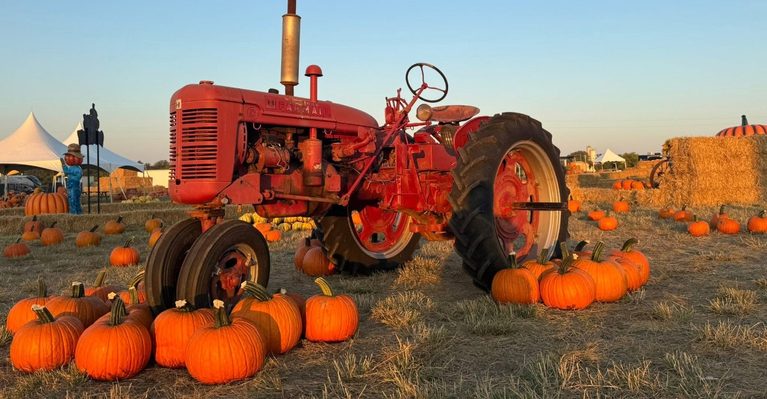
The farm operates a full calendar of seasonal events. Fall brings pumpkin patches and hayrides. Spring focuses on berries.
Throughout the year, the market keeps regular hours, serving as a reliable source for fresh produce in the area.
Prices stay reasonable, especially considering the quality and the experience. You’re paying for food that was growing yesterday, picked at perfect ripeness, and sold without a long supply chain inflating costs. The farm’s location makes it accessible for day trips, and many visitors make it a regular stop during peak seasons.
The atmosphere stays friendly and unpretentious, focused on good food and the simple pleasure of knowing where it comes from.
4. Heritage Square Farmers Market (Taylor)
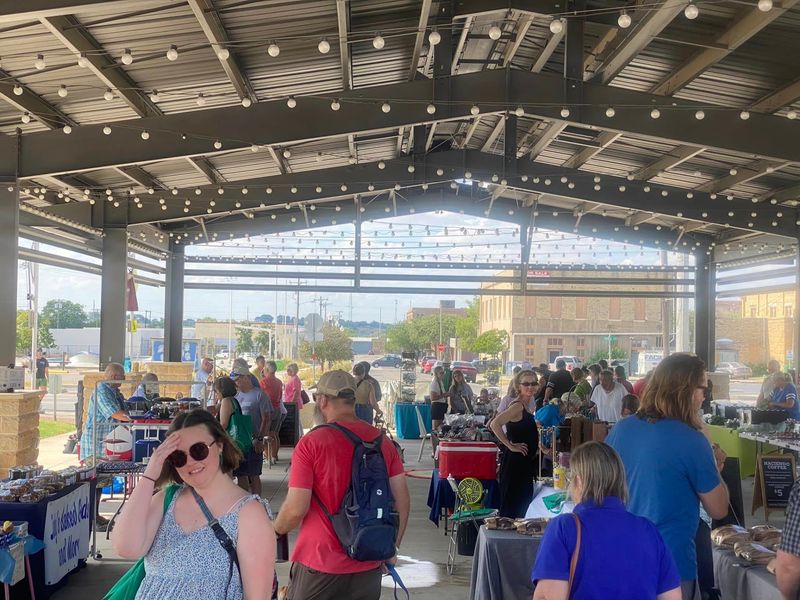
Taylor’s downtown square transforms into a bustling market that captures what small-town Texas should feel like. Vendors set up around the historic courthouse, creating a shopping experience that’s equal parts practical and social. You come for tomatoes and leave with recipes, gossip, and maybe a new friend.
Local growers bring whatever’s in season, which means the offerings change dramatically throughout the year. Summer markets overflow with melons, corn, and enough tomatoes to can for winter. Fall brings pecans, winter squash, and the last peppers before frost.
Spring starts slow with greens and herbs, building toward the abundance of summer.
The baked goods vendors attract serious attention. Homemade pies appear in flavors that follow the harvest: peach in summer, pumpkin in fall, pecan year-round. Breads range from simple sandwich loaves to elaborate sourdoughs, all made in home kitchens by people who actually care about what they’re selling.
Jam makers compete for your attention with creative flavors and family recipes. You’ll find standards like strawberry and grape alongside more adventurous combinations. Many vendors offer samples, which helps when you’re trying to choose between competing jars of peach preserves.
The market serves as Taylor’s weekly gathering spot. Musicians sometimes play, kids run around, and neighbors catch up on the week’s news. Shopping becomes a social activity instead of a solitary chore, and the slower pace feels like a relief if you’re coming from a bigger city.
Prices vary by vendor, but most keep things affordable. You’re buying directly from producers, cutting out middlemen and their markups. The quality typically exceeds what you’d find in supermarkets, and the freshness makes a noticeable difference in how long things last in your fridge.
Plan to arrive early for the best selection, especially during peak season when popular items sell out fast.
5. Cooper Farms Country Store (Fairfield)
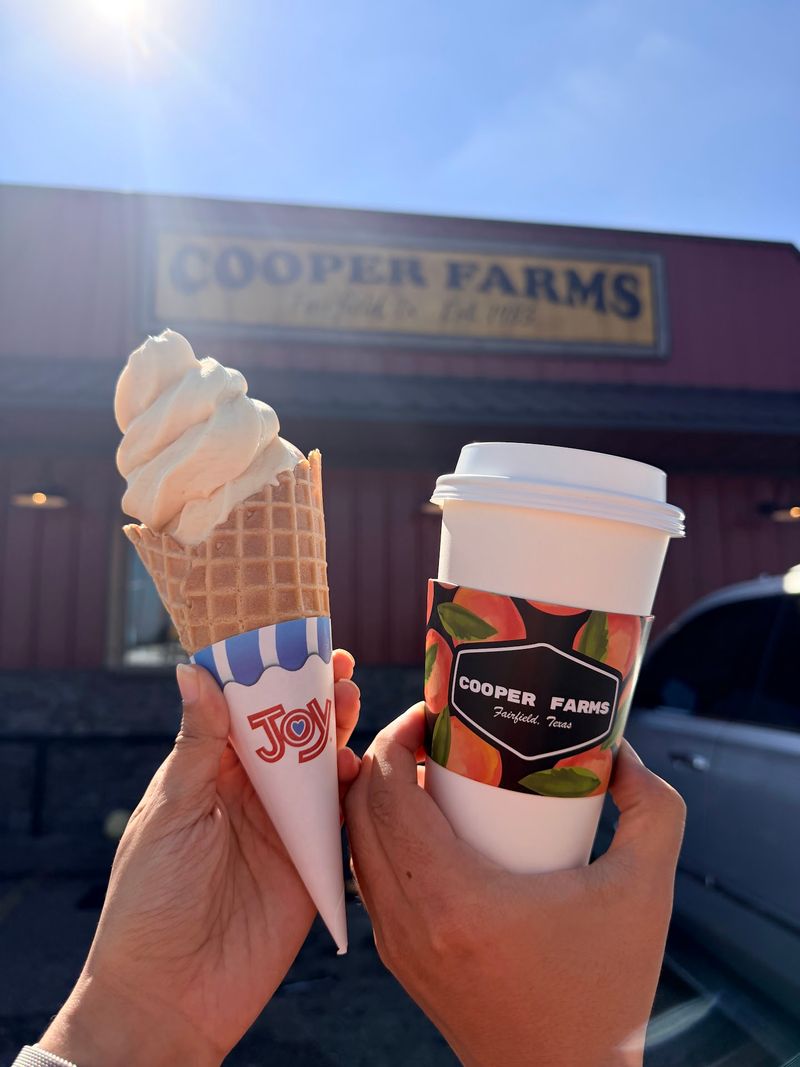
Driving through Freestone County, you might miss this place if you’re not paying attention. Cooper Farms sits off the main highway, marked by signs that promise fresh eggs, seasonal produce, and the kind of country store that barely exists anymore. Inside, you’ll find exactly what those signs advertise, plus a whole lot more.
The egg selection alone makes the trip worthwhile. Free-range chickens produce eggs with deep orange yolks that stand up tall in the pan. You can actually taste the difference between these and the pale supermarket versions, especially when you’re making something simple like scrambled eggs where quality matters.
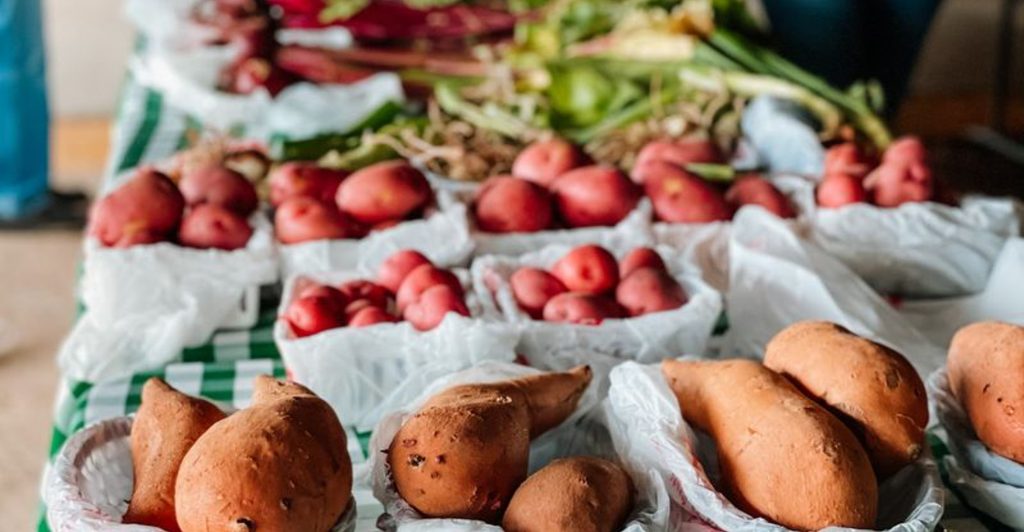
Seasonal produce follows what grows well in East Texas. Tomatoes, peppers, and okra dominate summer. Fall brings sweet potatoes, greens, and storage crops.
The store doesn’t try to stock everything year-round, which means what you find was probably growing nearby very recently.
The jam and jelly section deserves careful browsing. Flavors range from classic strawberry to muscadine grape, fig, and various berry combinations. Many recipes come from family traditions, passed down and refined over generations.
Small-batch production means quality control stays high and flavors stay intense.
Beyond produce and preserves, the store carries local honey, pecans during season, and occasionally baked goods. The selection changes based on what’s available, which keeps regular customers coming back to see what’s new. The staff knows their products and can tell you exactly where things come from.
The atmosphere stays casual and welcoming. This isn’t a fancy boutique farm store with designer packaging. It’s a working store that serves locals and travelers alike, focused on good food at fair prices.
Cash is preferred, though they’ve modernized enough to accept cards. The whole experience reminds you that shopping for food used to be about relationships and seasonality, not just scanning barcodes under artificial lights.
6. The Farmers Market in Pharr (Pharr)
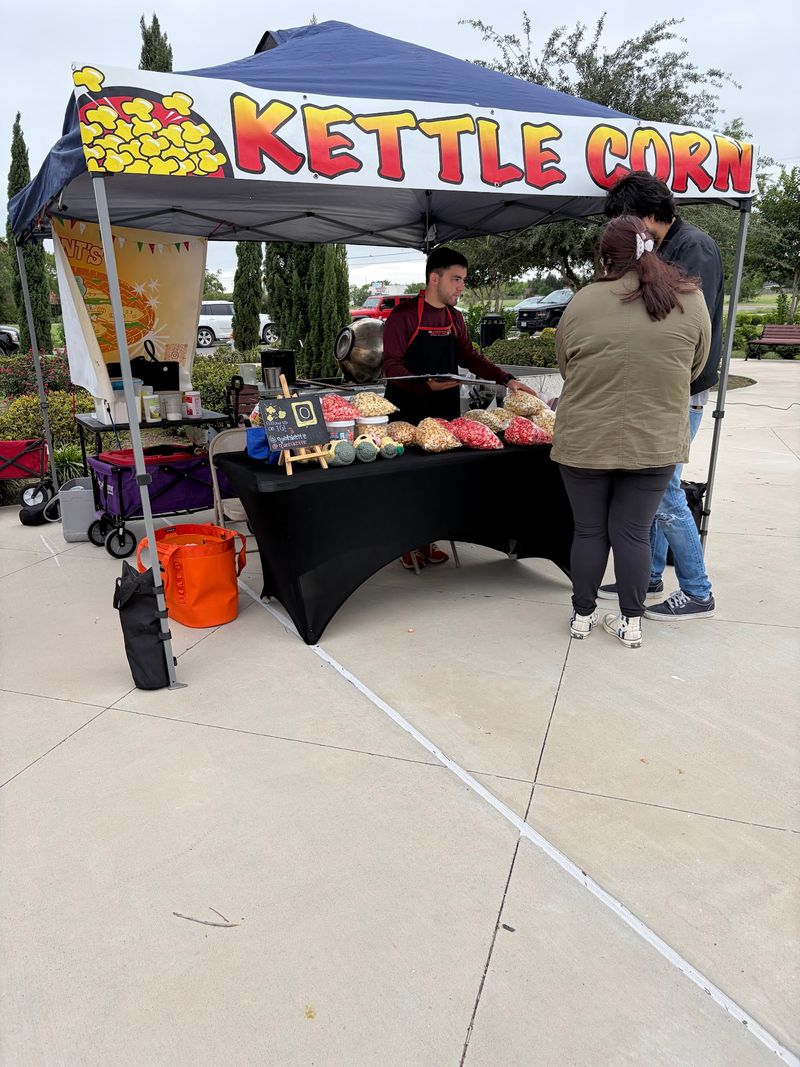
Down in the Rio Grande Valley, Pharr’s farmers market captures the region’s agricultural abundance and cultural richness. The climate allows for growing seasons that make northern farmers jealous, and the market reflects that with produce you simply can’t grow in most of Texas. Citrus, tropical fruits, and vegetables that need serious heat all show up here.
The vendor mix reflects the Valley’s diversity. You’ll hear Spanish and English, sometimes in the same conversation, and the food represents both sides of the border. Traditional Texas crops share space with ingredients essential to Mexican and South Texas cooking.
Nopales, fresh chiles, and cilantro by the bunch sit alongside tomatoes and squash.
Winter citrus season brings the market to life in ways that surprise visitors from colder parts of the state. Grapefruit, oranges, and specialty citrus varieties pile up in fragrant pyramids. The quality rivals anything from commercial groves, often exceeding it because small growers can let fruit ripen fully before picking.
Prepared foods and value-added products deserve attention. Salsas range from mild to face-melting, often made from recipes that never get written down. Tamales appear seasonally, made by vendors who’ve perfected their masa and fillings over decades.
Baked goods include both American-style pies and Mexican pastries.
The market serves as a community hub where shopping blends with socializing. Regular customers have their favorite vendors and know when specific items will be available. The pace stays relaxed, with time for conversation and catching up on local news.
Prices stay competitive, especially for produce that’s in season locally. The Valley’s agricultural advantages mean abundance often translates to affordability. You can fill bags with fresh vegetables and fruit for less than you’d spend at chain stores, and the quality difference is immediately obvious.
The market operates year-round, though offerings shift with the seasons and what’s currently being harvested in surrounding farms.
7. Headlong Farm (Elgin)
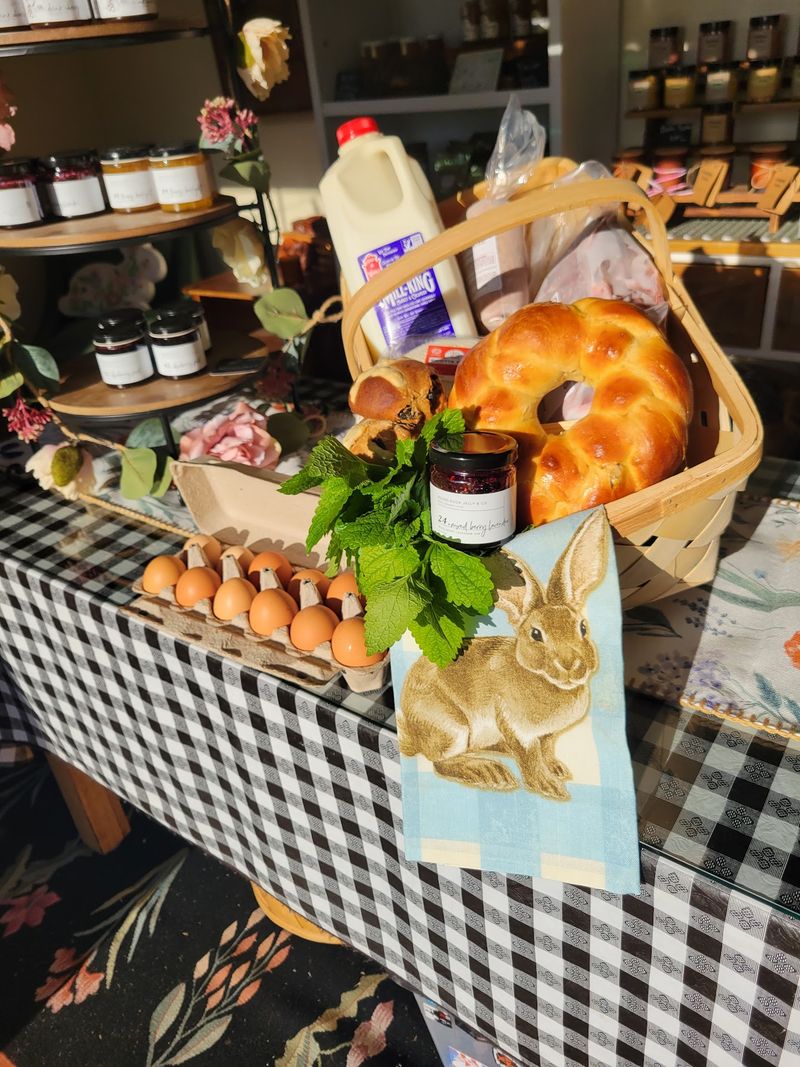
Just outside Elgin, this farm takes organic growing seriously without being preachy about it. The focus stays on producing nutrient-dense food using methods that improve rather than deplete the soil. You won’t find lectures or manifestos here, just really good vegetables grown by people who know what they’re doing.
The farm operates on a CSA model primarily, but also sells at local markets and from the farm itself. CSA members get weekly boxes of whatever’s ready, which means eating seasonally becomes automatic. The variety keeps things interesting, and you’ll discover vegetables you might not have tried otherwise.
Specialty crops set this farm apart. You’ll find Asian greens, unusual herbs, and heirloom varieties that commercial growers ignore. The farmers experiment constantly, testing new crops and varieties to see what grows well in Central Texas heat.
Their successes end up in customer boxes and at market stands.
The growing methods emphasize soil health and biodiversity. Cover crops, compost, and careful crop rotation build fertility without synthetic inputs. Pest management relies on beneficial insects, companion planting, and accepting that some bug damage is natural.
The result is food that tastes like it should and lasts longer in your fridge.
Beyond vegetables, the farm sometimes offers eggs from their chickens and seasonal fruits when available. The chickens roam freely, eating bugs and kitchen scraps, producing eggs with rich yolks and sturdy shells. Fruit production stays small-scale, focused on varieties that thrive locally.
Shopping here requires planning since the farm doesn’t operate like a regular store. Check their schedule for market days or farm stand hours. The extra effort pays off in quality and freshness that supermarkets simply can’t match.
Prices reflect the real cost of growing food sustainably, but most customers find the value in flavor, nutrition, and supporting local agriculture. The farmers are approachable and happy to share growing tips or recipe ideas for unfamiliar vegetables.
8. Bastrop 1832 Farmers Market (Bastrop)
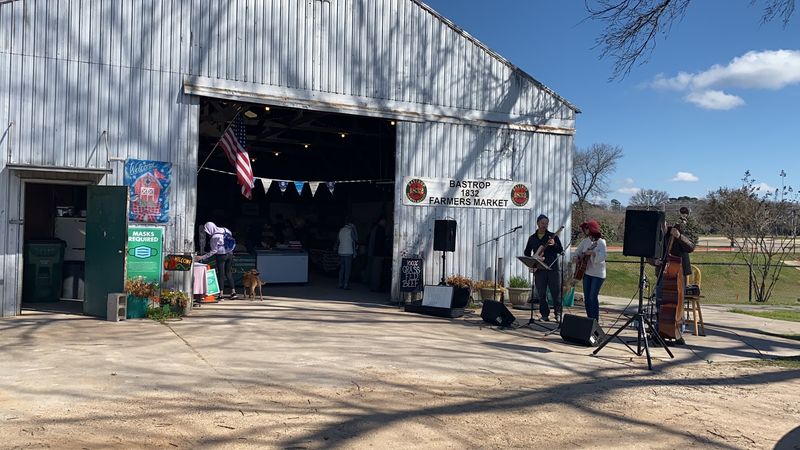
Bastrop’s farmers market takes its name from the year the town was founded, and that historical connection runs deep. The market happens downtown, bringing together local growers, artisans, and food producers in a weekly celebration of regional agriculture. You’ll find everything from just-picked vegetables to handcrafted goods that make perfect gifts.
The produce selection reflects what grows well in the Lost Pines region. Sandy soil and hot summers favor certain crops, and experienced growers know how to work with local conditions. Tomatoes, peppers, and melons thrive here.
Greens do well in cooler months. Root vegetables and brassicas appear when temperatures drop.
Baked goods vendors bring serious talent. Pies made with seasonal fruit sell out quickly, especially during peach and berry season. Breads range from simple farmhouse loaves to complex sourdoughs with crackling crusts.
Cookies, muffins, and other treats appear in rotating varieties, all made in small batches with actual butter and real ingredients.
The jam and jelly selection showcases local fruits and family recipes. You’ll find traditional flavors alongside creative combinations that work surprisingly well. Many vendors use minimal sugar, letting fruit flavors dominate.
The quality exceeds anything on supermarket shelves, and prices stay reasonable for handmade preserves.
Beyond food, the market includes local craftspeople selling everything from woodwork to jewelry. This mix creates a browsing experience that goes beyond grocery shopping. You might come for tomatoes and leave with a hand-turned wooden bowl and a jar of pepper jelly.
The market serves as a weekly social event for Bastrop residents. Musicians often perform, creating a festive atmosphere. Kids play while parents shop.
Dogs on leashes wander through. The whole scene feels relaxed and friendly, more like a community gathering than a transaction. Regular hours make planning easy, and the central location means you can combine market shopping with other downtown errands.
9. Farmer Dave’s (Spicewood)
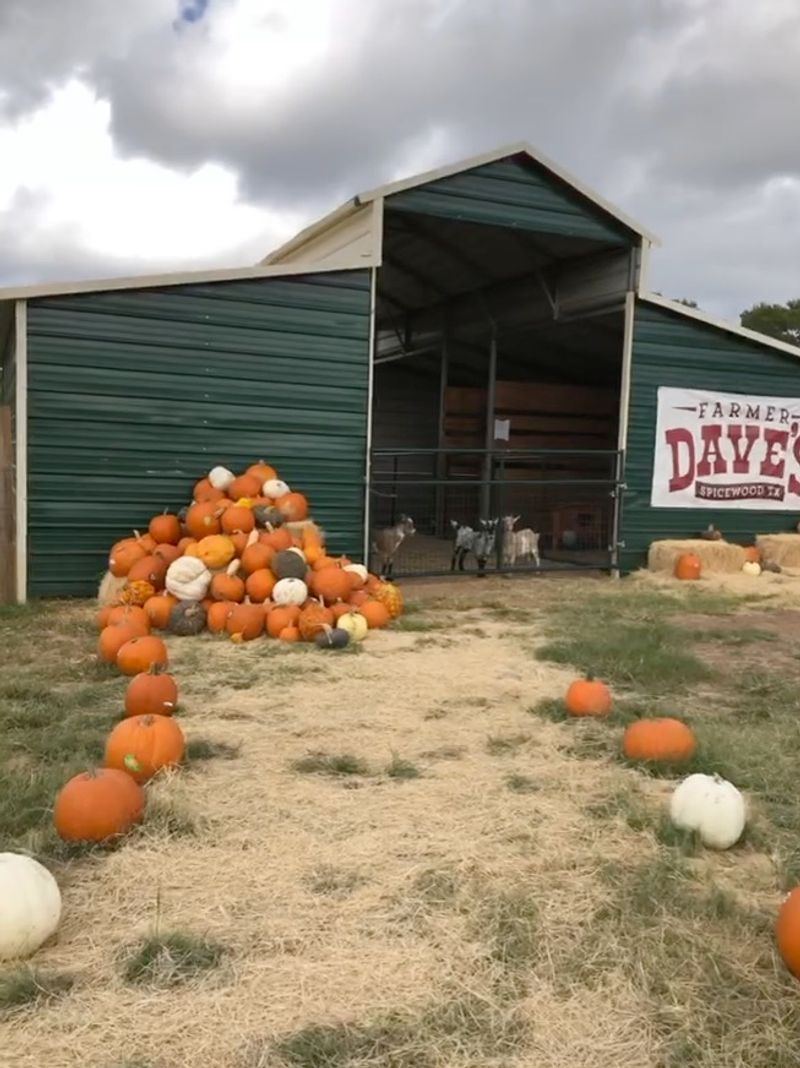
In the Hill Country near Spicewood, this farm has built a loyal following through consistent quality and genuine hospitality. The operation stays small enough that you’ll likely meet Dave himself, but large enough to offer a good variety throughout the growing season. The focus remains on vegetables, fruits, and value-added products that showcase what the farm grows.
The location takes advantage of Hill Country microclimates. Elevation changes and limestone soils create growing conditions that differ from the surrounding areas. Certain crops thrive here that struggle elsewhere, and the farmers have learned to work with these advantages.
You’ll find produce that tastes distinctly of this place.
Tomatoes deserve special mention. Multiple varieties ripen throughout summer, from early season varieties to late-producing heirlooms. The flavor intensity comes from mineral-rich soil, careful watering, and allowing fruit to ripen fully before picking.
Once you’ve tasted these, grocery store tomatoes become hard to accept.
The farm makes its own preserves using fruit grown on-site or sourced from neighboring farms. Jams, jellies, and pickled vegetables fill shelves in the farm store. Recipes balance sweetness with fruit flavor, and the small-batch approach ensures quality control.
These make excellent pantry staples or gifts for people who appreciate real food.
Seasonal availability shapes what you’ll find. Spring brings greens, herbs, and early vegetables. Summer means tomatoes, peppers, squash, and melons in abundance.
Fall delivers winter squash, root crops, and the last tomatoes. Winter slows down but doesn’t stop completely, with cold-hardy greens and stored crops.
The farm store operates on a schedule that works around farming tasks, so checking ahead prevents wasted trips. The informal atmosphere encourages questions and conversation. You can ask about growing methods, get recipe suggestions, or just chat about the weather.
Prices reflect quality and the real costs of small-scale farming, but most customers find the value obvious in every bite.
10. Graham Texas Farmers Market (Graham)
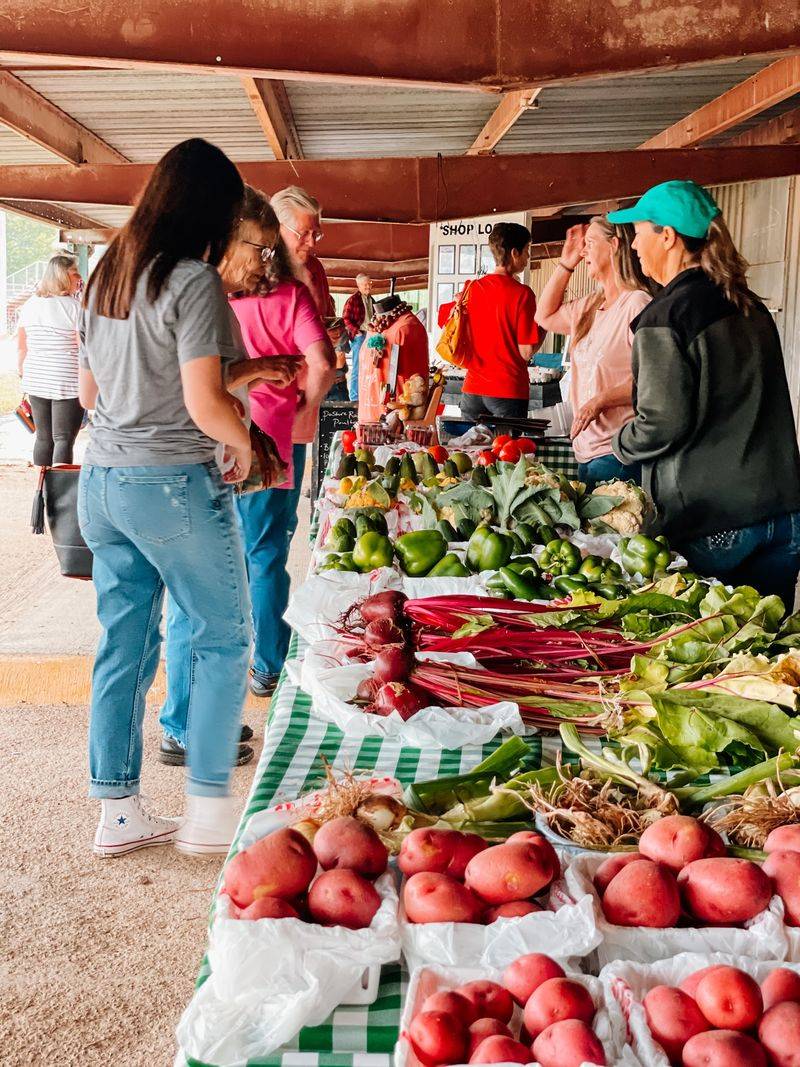
Up in Young County, Graham’s farmers market serves a rural community that still remembers when most food came from nearby farms. The market keeps that tradition alive, connecting local growers with neighbors who appreciate fresh, seasonal food. The scale stays manageable, with enough vendors to offer variety but not so many that it becomes overwhelming.
Vendors bring what’s ready on their farms, which means the selection changes week to week. Early summer might feature snap peas, lettuce, and radishes. Mid-summer brings tomatoes, corn, and melons.
Fall delivers pumpkins, winter squash, and late peppers. This constant change keeps regular shoppers interested and ensures everything is at peak quality.
The baked goods section attracts serious attention. Home bakers bring pies that would win ribbons at any county fair. Fruit pies dominate during harvest season, with fillings that reflect what’s currently ripe.
Cream pies appear year-round, along with cakes, cookies, and breads. Everything gets made in small batches using real butter, fresh eggs, and quality ingredients.
Preserves and canned goods represent traditional food preservation skills. You’ll find jams, jellies, pickles, and relishes made from family recipes. The quality varies by vendor, but most take pride in their products and use tested recipes that deliver consistent results.
These items extend the harvest, letting you enjoy summer flavors during winter months.
The market doubles as a community gathering spot. Neighbors catch up on local news, kids play, and shopping becomes a social activity. The pace stays slow and friendly, with time for conversation and connection.
This social aspect matters as much as the food for many regular customers.
Prices stay fair, reflecting the real costs of small-scale production without excessive markups. You’re buying directly from producers, which eliminates middlemen and keeps more money in the local economy. The quality typically exceeds what you’d find in supermarkets, and the freshness makes a noticeable difference in taste and shelf life.
11. Kingsville Farmers Market (Kingsville)
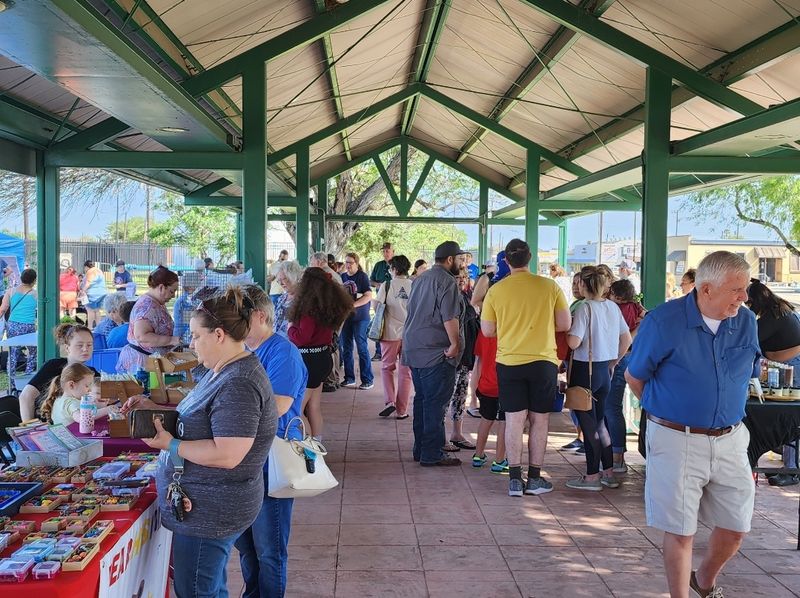
Down in South Texas, Kingsville’s market reflects the region’s agricultural heritage and cultural diversity. The climate allows for extended growing seasons and crops that won’t survive in colder parts of the state. You’ll find produce that looks familiar alongside ingredients essential to South Texas and Mexican cooking, creating a shopping experience that spans cultures.
The vendor mix includes both commercial growers and backyard gardeners who bring surplus from their plots. This variety means you might find certified organic vegetables next to traditionally grown produce from someone’s grandmother’s garden. Quality matters more than certifications here, and regular customers know which vendors consistently deliver the best.
Citrus appears when it’s in season locally, offering an alternative to commercial varieties. The flavor of tree-ripened grapefruit or oranges beats anything shipped from far away. Vendors often let you sample before buying, which helps when you’re choosing between different varieties or growers.
Prepared foods reflect the region’s culinary traditions. Fresh tortillas, tamales, and salsas appear alongside more typical farmers market fare. The quality comes from vendors who’ve been making these foods for decades, using recipes that never needed to be written down because they’ve been passed through generations.
The jam and preserve section includes both familiar flavors and regional specialties. Prickly pear jelly, made from the fruit of native cacti, offers a taste you won’t find in most places. Traditional fruit jams and jellies fill out the selection, made with varying sugar levels and techniques.
Many vendors offer samples, which helps when you’re trying to decide between competing products.
The market operates year-round, though the selection varies with seasons. Winter brings cooler-weather crops and citrus. Summer focuses on heat-loving vegetables and melons.
The consistent schedule makes planning easy, and the central location serves both Kingsville residents and visitors from surrounding areas. Prices stay competitive, especially for locally abundant items, and the quality justifies any price differences you might notice.
12. Aledo Farmers Market (Aledo)
West of Fort Worth, Aledo’s market serves a community that values fresh food and local connections. The market brings together growers from surrounding areas, creating a shopping destination that draws from both Aledo and nearby towns. You’ll find a mix of full-time farmers and part-time growers, all focused on quality over quantity.
The produce selection reflects what grows well in North Central Texas. Hot summers and unpredictable weather favor certain crops, and experienced growers know how to work with these conditions. Tomatoes, peppers, and okra thrive in summer heat.
Greens and root vegetables dominate cooler months. The changing selection keeps regular customers interested and ensures peak freshness.
Baked goods vendors bring impressive skill and creativity. Fruit pies showcase seasonal harvests, with fillings that actually taste like fruit instead of sugar. Breads range from simple sandwich loaves to artisan varieties with complex flavors.
Cookies, brownies, and other treats appear in rotating selections, all made in small batches with quality ingredients.
The jam and jelly offerings include both traditional flavors and creative combinations. Vendors compete on quality rather than price, which means you’re getting preserves made with care and good ingredients. Many use low-sugar recipes that let fruit flavors dominate.
The difference between these and supermarket versions is obvious from the first taste.
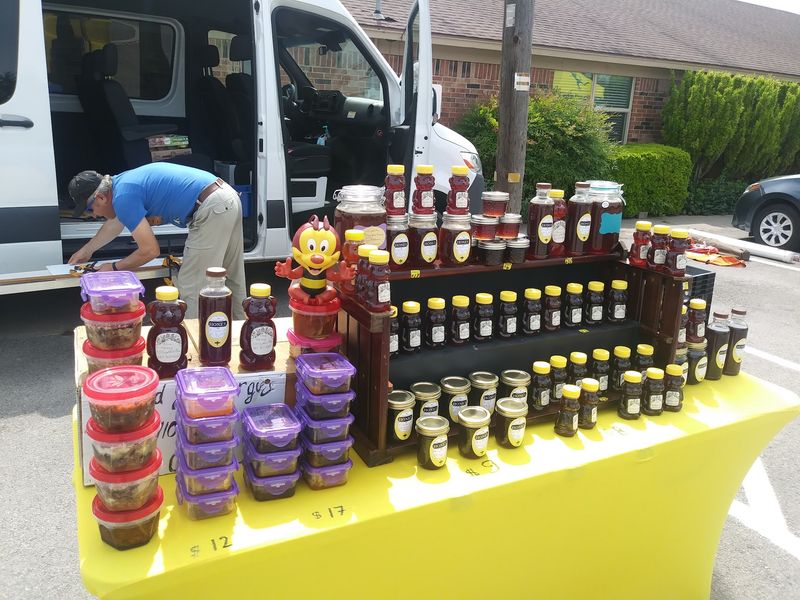
Local honey appears from multiple vendors, each reflecting different areas and flower sources. The flavor varies based on what bees were visiting, creating subtle differences between producers. Raw, unfiltered honey retains pollen and enzymes that processing removes, offering potential health benefits alongside superior taste.
The market atmosphere stays friendly and relaxed. Vendors know their regular customers and remember preferences. Shopping becomes a social activity rather than a chore, with time for conversation and catching up.
The location makes it accessible for day trips from Fort Worth or as a weekly stop for locals. Prices reflect quality and direct-from-producer sales, typically offering better value than grocery stores despite sometimes higher per-unit costs. The freshness and flavor make the difference obvious.
Share this story