Tennessee holds layers of American history within its borders, from ancient Native American mounds to Civil War battlefields and presidential homes. Whether you’re drawn to early frontier trails, legendary music venues, or stories of courage and conflict, the Volunteer State offers tangible connections to the past at every turn.
These twelve sites represent different chapters of Tennessee’s story, each one preserving moments that shaped not just the state, but the nation. Get ready to step back in time and see why Tennessee’s heritage runs so deep.
1. Shiloh National Military Park — Shiloh
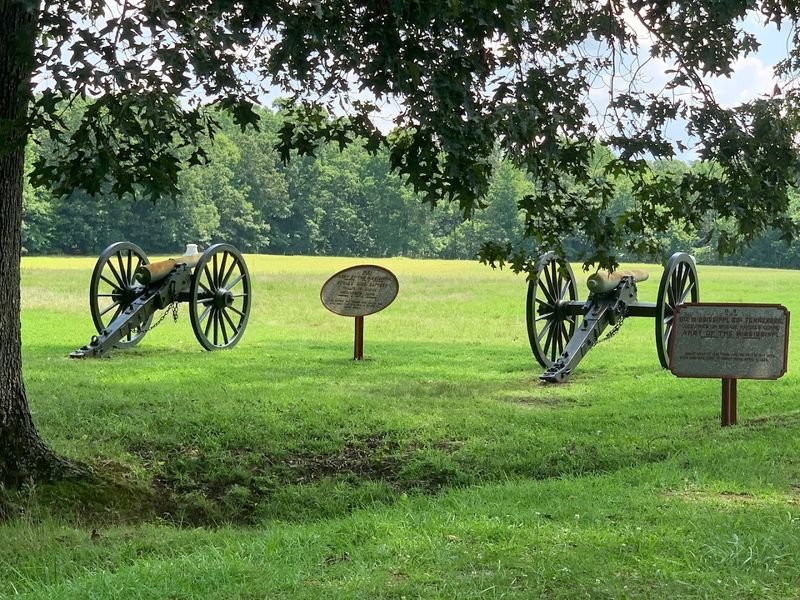
Walking across the quiet fields at Shiloh, it’s hard to imagine the chaos that unfolded here in April 1862. This battlefield witnessed one of the Civil War’s bloodiest early clashes, with over 23,000 casualties in just two days. Today, visitors can follow preserved roads where soldiers marched, pause at monuments marking key moments, and stand where generals made decisions that altered the course of the war.
The park does more than preserve battle lines. It also protects the Shiloh Indian Mounds, ancient structures built over a thousand years ago by Native peoples. These earthworks remind us that this land held significance long before the Civil War, connecting modern visitors to generations who shaped this landscape centuries apart.
Rangers offer guided tours that bring the battle to life with vivid storytelling. You can explore the visitor center’s exhibits, watch a film that sets the stage, and then drive or bike the tour route at your own pace. Each stop along the way reveals another piece of the puzzle—how terrain influenced tactics, where troops camped, and why this battle mattered so much.
Shiloh sits near the Tennessee River in the state’s southwest corner, making it a peaceful spot for reflection. The grounds are well-maintained, with clear signage and plenty of room to roam. Whether you’re a history buff or just curious about the past, this park offers a powerful reminder of sacrifice, strategy, and the human cost of war.
It’s a place where history feels close enough to touch.
2. Pinson Mounds State Archaeological Park — Pinson
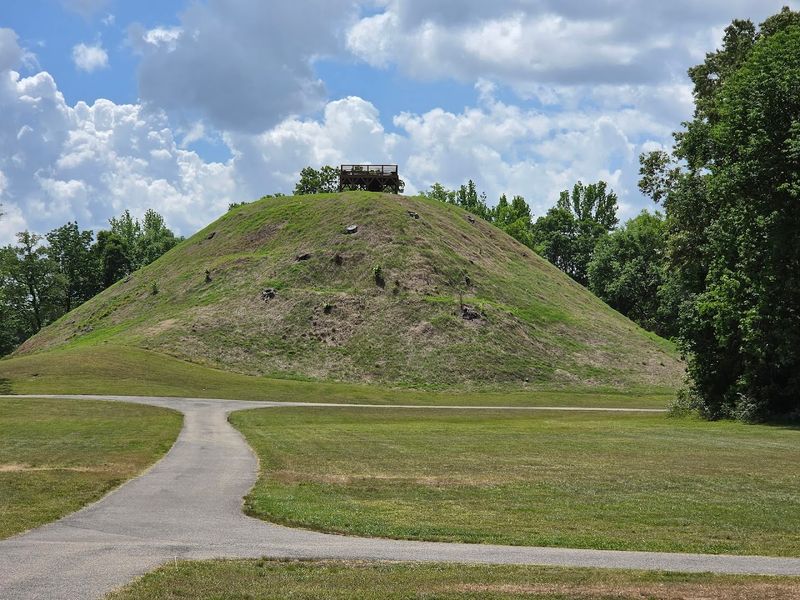
Long before Tennessee became a state, Native peoples built towering earthworks at Pinson that still stand today. These ceremonial mounds date back over 2,000 years to the Middle Woodland period, representing one of the largest and most intact ancient sites in the United States. Walking among them feels like stepping into a forgotten chapter of American history that predates anything written in textbooks.
The park protects at least 17 mounds, including Sauls Mound, which rises 72 feet and ranks among the tallest structures of its kind in the country. Archaeologists believe these earthworks served religious and social purposes, drawing communities together for ceremonies and gatherings. The sheer scale of construction hints at sophisticated engineering and deep cultural significance.
A museum on-site helps visitors understand what life looked like for the people who built these mounds. Exhibits showcase artifacts like pottery, tools, and ornaments discovered during excavations. You’ll also learn about the ongoing research that continues to unlock mysteries about trade networks, daily life, and spiritual practices.
Trails wind through the park, letting you explore the landscape at your own speed. Interpretive signs explain what you’re seeing, and the peaceful setting invites quiet contemplation. Pinson Mounds adds essential depth to Tennessee’s story, proving that the state’s heritage stretches far beyond European settlement and the Civil War era.
It’s a place that honors the original stewards of this land and their remarkable achievements.
3. Casey Jones Home & Railroad Museum — Jackson
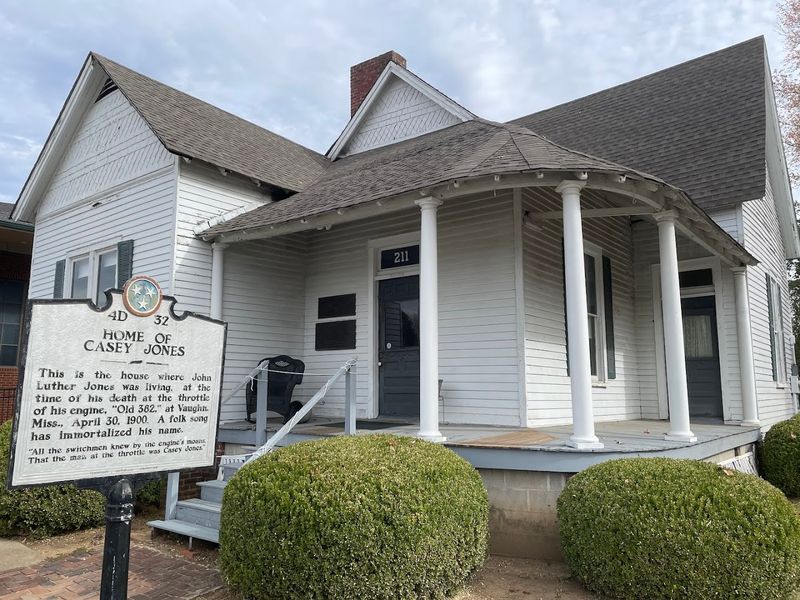
Casey Jones became a legend the night he died trying to save his passengers in a train wreck near Vaughan, Mississippi, in 1900. His story of bravery and quick thinking turned him into a folk hero, inspiring songs, stories, and a lasting place in American railroad lore. At this Jackson museum, you can visit the home where Casey lived and explore the golden age of railroading in West Tennessee.
The restored Victorian house offers a glimpse into turn-of-the-century family life. Period furnishings, photographs, and personal items help you imagine what daily routines looked like for the Jones family. It’s not just about trains—it’s about the people who built communities around the rails and depended on them for connection and commerce.
Outside, the museum grounds feature vintage railroad equipment, including engines, cabooses, and passenger cars you can climb aboard. Kids especially love exploring the old trains, imagining what it felt like to travel cross-country by rail when steam engines ruled the tracks. Interactive exhibits explain how railroads transformed Tennessee, linking small towns to bigger markets and speeding up the pace of life.
Jackson played a vital role in regional rail history, and this museum captures that energy. Whether you’re a train enthusiast or just curious about Casey Jones, the site delivers engaging stories and hands-on experiences. It’s a fun, educational stop that honors a local hero and the era when railroads powered America’s growth.
You’ll leave with a deeper appreciation for the men and women who kept the trains running.
4. Alex Haley Museum and Interpretive Center — Henning
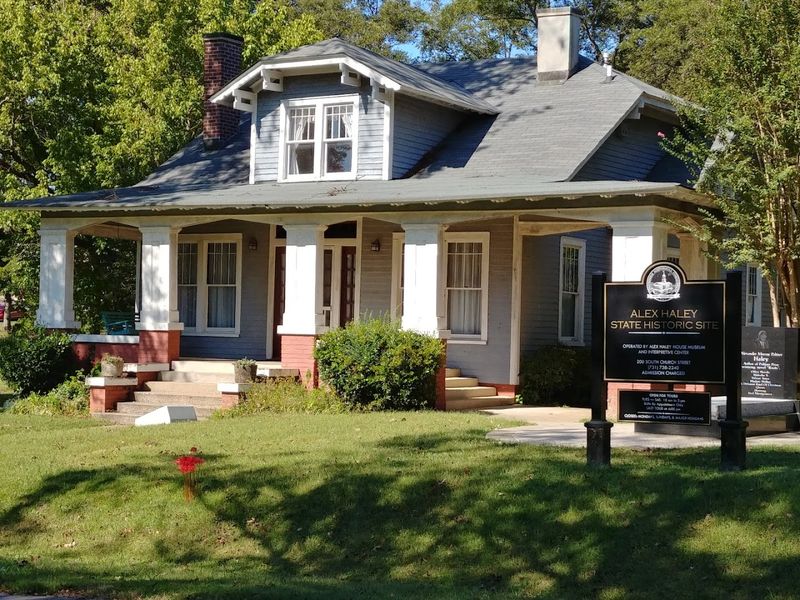
Alex Haley grew up in this modest house in Henning, listening to his grandmother’s stories about their ancestors. Those tales stayed with him and eventually became the foundation for Roots, the groundbreaking book and miniseries that changed how millions of Americans understood family history and the African American experience. Visiting this museum means stepping into the very rooms where Haley’s imagination took root.
The house remains much as it was during Haley’s childhood, filled with family photographs, personal belongings, and the voices of generations past. Guided tours share stories about Haley’s upbringing, his career as a writer, and the painstaking research that went into tracing his family lineage back to Africa.
An interpretive center on the property expands the experience with exhibits about Haley’s work and its cultural impact. You’ll learn how Roots sparked a nationwide interest in genealogy and inspired countless people to dig into their own family histories. The center also explores broader themes of heritage, resilience, and the importance of preserving oral traditions.
Henning may be a small town, but this museum carries big significance. It connects Tennessee to a national conversation about race, history, and the stories we tell ourselves. Whether you’ve read Roots or seen the series, visiting Haley’s boyhood home adds layers of meaning to his work.
It’s a place that honors one man’s journey while celebrating the universal need to know where we come from.
5. Fort Donelson National Battlefield — Dover
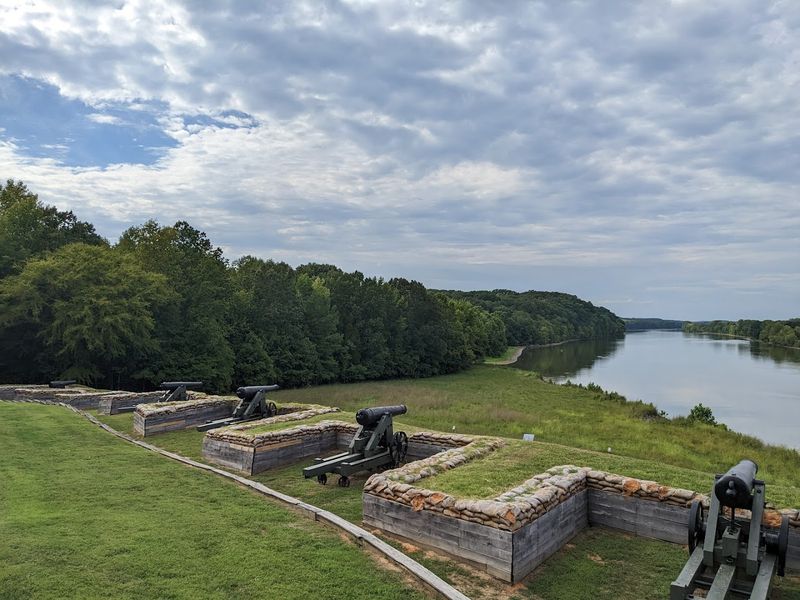
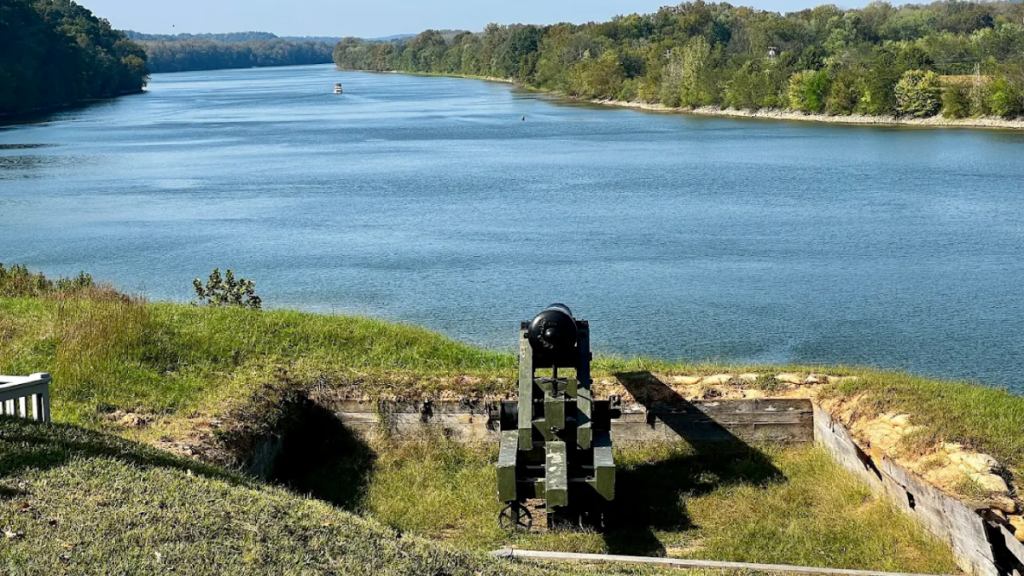
Fort Donelson sits on a bluff overlooking the Cumberland River, where Union and Confederate forces clashed in February 1862. The Union victory here opened a path into the heart of the South, giving Ulysses S. Grant his first major success and earning him the nickname “Unconditional Surrender” Grant.
This battle shifted momentum in the war and proved that the Confederacy’s western defenses could be broken.
Today, visitors can walk the earthworks that soldiers dug by hand, stand beside the river batteries that fired on Union gunboats, and explore the Dover Hotel where Confederate generals surrendered. The park preserves the battlefield landscape, letting you see how terrain influenced tactics and why this fort mattered so much strategically.
The visitor center offers exhibits, artifacts, and a film that sets the stage for understanding the battle’s significance. Rangers lead talks and tours that bring the human side of the conflict into focus—stories of courage, confusion, and the harsh realities of winter warfare. You’ll also find a national cemetery on the grounds, a solemn reminder of the cost paid by soldiers on both sides.
Fort Donelson’s location along the river adds natural beauty to the historical experience. The views are striking, and the trails invite quiet walks through woods and fields where history unfolded. Whether you’re tracing Grant’s rise or exploring Civil War strategy, this battlefield delivers powerful insights.
It’s a place where you can feel the weight of decisions made under pressure and the impact they had on a divided nation.
6. Ryman Auditorium — Nashville
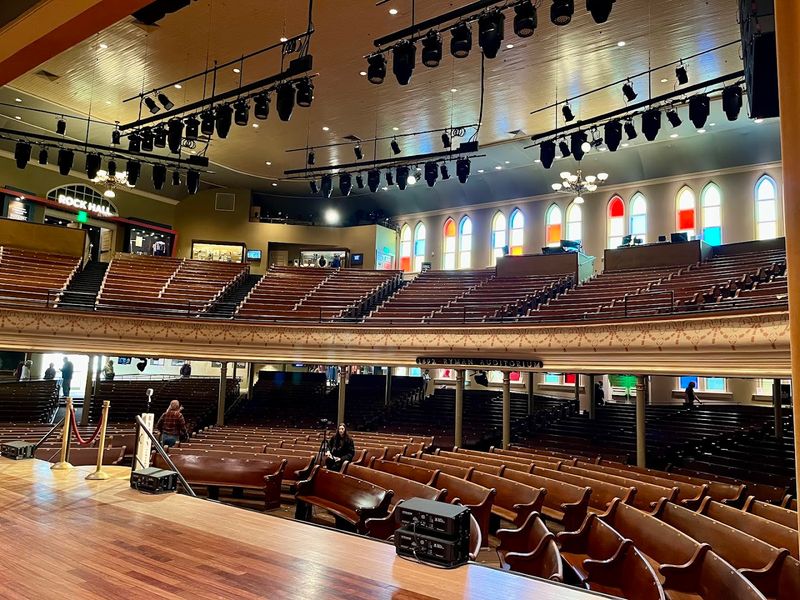
Step inside the Ryman Auditorium and you’re walking into the soul of country music. Built in 1892 as a church revival hall, this red-brick building became home to the Grand Ole Opry in 1943 and hosted legends like Hank Williams, Patsy Cline, and Johnny Cash. The acoustics are so pure that musicians still call it one of the best places in the world to perform, and the history soaked into the wooden pews makes every visit feel sacred.
The Ryman earned its nickname, the “Mother Church of Country Music,” not just for its origins but for the role it played in launching careers and shaping the sound of a genre. For decades, Saturday night broadcasts from this stage reached millions of listeners, turning Nashville into Music City and making stars out of unknowns.
Even after the Opry moved to a new venue in 1974, the Ryman remained a beloved landmark and eventually reopened as a premier concert hall.
Daytime tours let you explore the auditorium at your own pace, learning about its history through exhibits and multimedia displays. You can stand on the stage where legends performed, sit in the pews where audiences listened, and even record yourself singing in a mock studio. The backstage area reveals dressing rooms covered in signatures and messages from artists who’ve graced the stage over the years.
Catching a live show here is unforgettable. The intimate setting, the wooden interior, and the sense of history create an atmosphere you won’t find in modern arenas. Whether you’re a country music fan or just curious about American culture, the Ryman delivers an experience that connects past and present, honoring tradition while staying vibrant and relevant.
7. The Hermitage — Hermitage
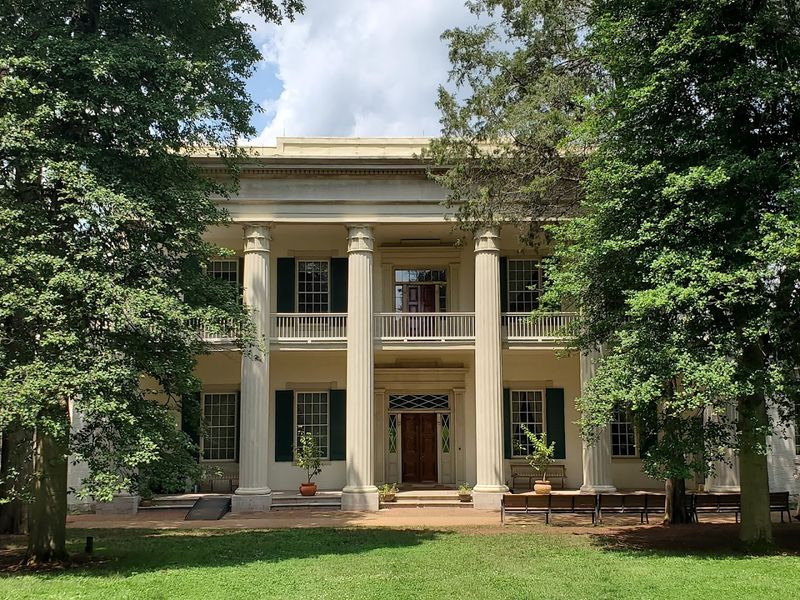
Andrew Jackson’s plantation home sits just outside Nashville, offering a window into the life of one of America’s most controversial presidents. Jackson lived here from 1804 until his death in 1845, shaping national politics while managing a sprawling estate. The Hermitage preserves not just the mansion but also the complex realities of the era, including the stories of the enslaved people who labored on the property.
The Greek Revival mansion impresses with its grand columns and elegant interiors, but the real value lies in the layers of history revealed during tours. Guides discuss Jackson’s military career, his presidency, and his personal life, including his deep love for his wife Rachel. You’ll also learn about the plantation economy and the lives of the enslaved individuals who made the estate run, adding essential context to Jackson’s legacy.
Beyond the main house, the grounds include Jackson’s tomb, original slave cabins, and beautiful gardens that reflect 19th-century landscaping. A museum on-site digs deeper into Jackson’s impact on American democracy, westward expansion, and Indian removal policies. The exhibits don’t shy away from difficult topics, making the Hermitage a place for honest reflection on how we remember historical figures.
Visitors often spend hours exploring the property, walking the same paths Jackson once walked and imagining life in the early 1800s. The Hermitage remains one of Tennessee’s most visited historic sites, drawing people interested in presidential history, architecture, and the complicated narratives that shape our understanding of the past.
It’s a place where history feels personal and immediate, challenging us to think critically about the stories we tell.
8. Stones River National Battlefield — Murfreesboro
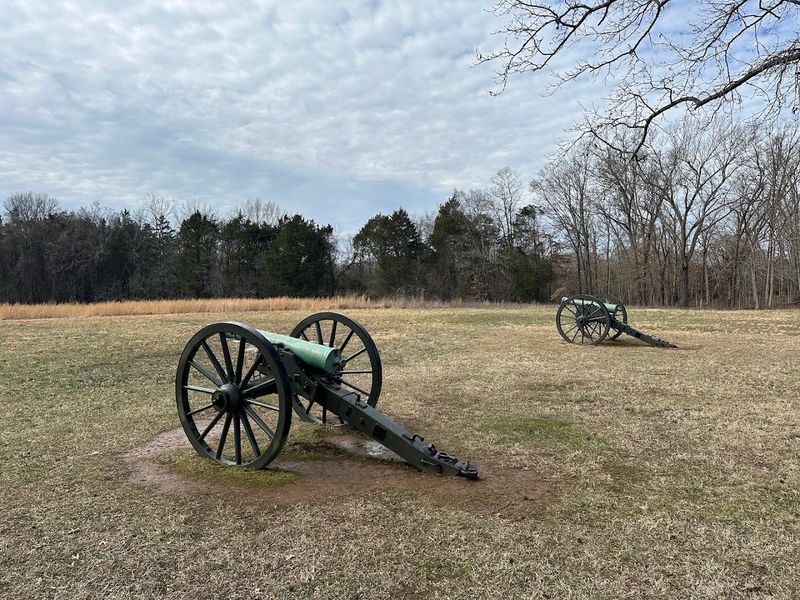
Stones River witnessed one of the Civil War’s fiercest winter battles, fought over New Year’s 1862-1863. The three-day clash left nearly 24,000 soldiers dead, wounded, or missing, making it one of the war’s bloodiest engagements in proportion to the forces involved. Though tactically inconclusive, the Union army held the field, boosting Northern morale after a string of setbacks and securing Middle Tennessee for the Union cause.
The battlefield today preserves key sites where the fighting raged, including the spot where Union forces formed a defensive line that held against repeated Confederate attacks. Monuments, artillery placements, and interpretive signs mark the landscape, helping visitors understand how the battle unfolded. The national cemetery on the grounds holds the remains of over 6,000 soldiers, most of them unknown, a powerful reminder of the human toll.
A visitor center provides context with exhibits, artifacts, and a detailed film that explains the battle’s strategic importance. You can walk or drive the tour route, stopping at significant points like the Slaughter Pen and the Round Forest, where some of the most intense combat occurred. Rangers offer programs and walks that dive into specific aspects of the battle, from leadership decisions to the experiences of common soldiers.
Stones River sits just outside Murfreesboro, making it easy to combine with a visit to the historic downtown or nearby historic sites. The park’s trails and open spaces invite quiet reflection, and the well-preserved landscape helps you visualize the chaos of battle.
Whether you’re a Civil War enthusiast or simply interested in American history, Stones River offers a moving and educational experience that honors the sacrifice of those who fought here.
9. Carnton — Franklin
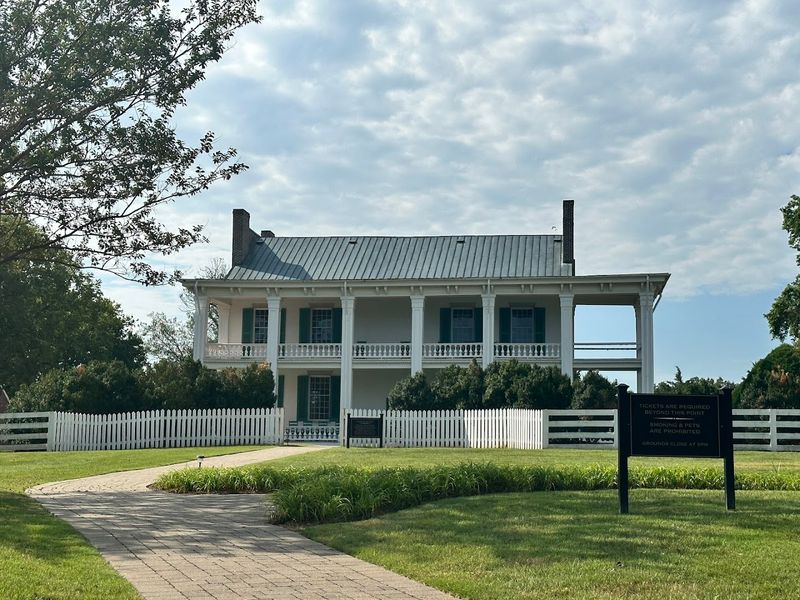
Carnton stands as one of Tennessee’s most haunting historic sites, a place where the Battle of Franklin left an indelible mark. On November 30, 1864, Confederate forces launched a desperate frontal assault against entrenched Union troops, resulting in one of the war’s bloodiest short battles. After the fighting ended, Carnton became a field hospital, and the family who lived there tended to hundreds of wounded and dying soldiers throughout the night.
The mansion itself tells a powerful story. Blood stains still visible on the floors speak to the horror of that night, and the family cemetery holds the remains of nearly 1,500 Confederate soldiers, making it the largest private Confederate cemetery in the nation. Walking through the rooms where surgeons operated and men died gives visitors a visceral connection to the cost of war.
Guided tours explore both the battle and the lives of the McGavock family, who owned Carnton and made the courageous decision to turn their home into a place of healing. You’ll hear about Carrie McGavock, who became known as the “Widow of the South” for her tireless work caring for the wounded and later ensuring the soldiers received proper burials. Her story adds a deeply human dimension to the site.
The grounds also include a restored garden, outbuildings, and access to parts of the battlefield itself. Carnton connects to the larger Franklin battlefield experience, and many visitors spend time exploring the surrounding area to piece together the full story.
It’s a place that doesn’t let you forget the realities of war, offering a sobering but essential perspective on courage, loss, and memory.
10. Andrew Johnson National Historic Site — Greeneville
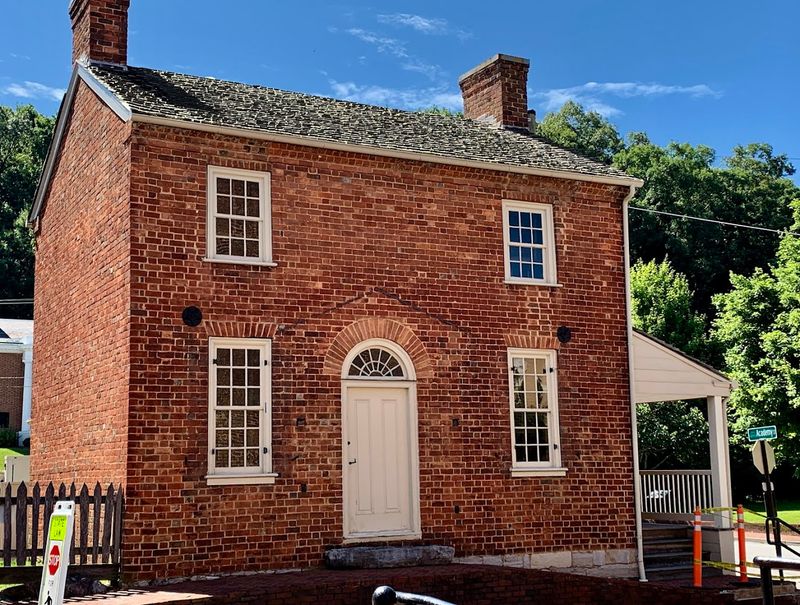
Andrew Johnson’s story is one of the most unusual in American presidential history. Born into poverty, he never attended school and taught himself to read with his wife’s help. He worked as a tailor in Greeneville before entering politics, eventually rising to become Abraham Lincoln’s vice president and then president after Lincoln’s assassination.
This historic site preserves the places where Johnson lived and worked, offering insight into his complicated legacy.
The tour includes Johnson’s tailor shop, where he stitched clothes and debated politics with customers, his two homes, and the national cemetery where he’s buried. Each location reveals different chapters of his life, from his humble beginnings to his tumultuous presidency and impeachment. The site doesn’t shy away from controversy, addressing Johnson’s opposition to Reconstruction policies and his conflicts with Congress over civil rights for freed slaves.
A visitor center provides context with exhibits about Johnson’s political career, the Reconstruction era, and the challenges of reuniting a fractured nation. You’ll learn about his impeachment trial, the first in U.S. history, and how he narrowly avoided removal from office by a single Senate vote. The exhibits encourage visitors to grapple with difficult questions about leadership, justice, and the unfinished work of the Civil War.
Greeneville itself is a charming East Tennessee town with a strong sense of history. The Johnson site fits naturally into the community, reminding residents and visitors alike of the complex figures who shaped American democracy. Whether you’re interested in presidential history or the Reconstruction period, this site offers valuable lessons about ambition, principle, and the consequences of political decisions.
It’s a place that challenges simple narratives and invites deeper thinking.
11. Cumberland Gap National Historical Park — Cumberland Gap
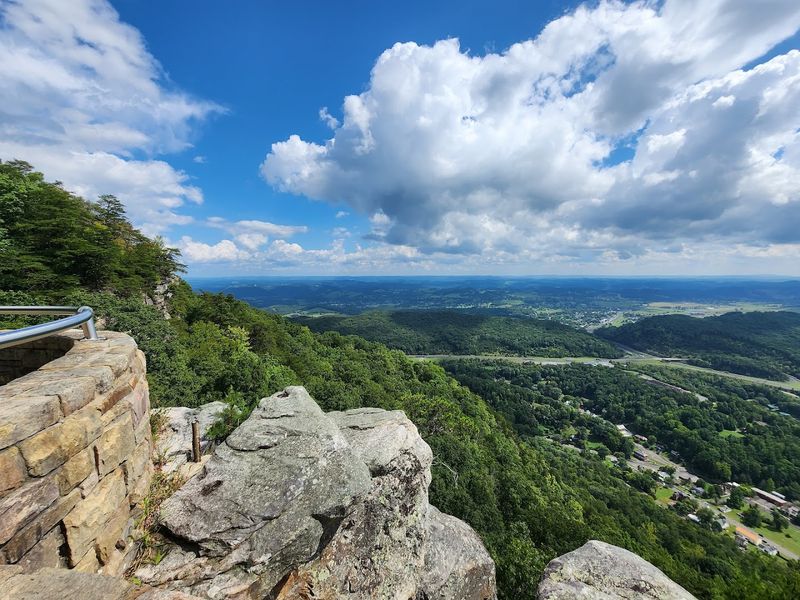
For centuries, the Cumberland Gap served as a gateway through the Appalachian Mountains, used first by Native peoples and later by pioneers pushing westward. Daniel Boone blazed the Wilderness Road through this natural passage in 1775, opening the frontier to thousands of settlers seeking new lives in Kentucky and beyond.
Standing at the Gap today, you can still sense the significance of this route and imagine the courage it took to cross these mountains into the unknown.
The national park preserves not just the Gap itself but also miles of rugged trails, historic sites, and breathtaking mountain scenery. Visitors can hike to Pinnacle Overlook for views across three states—Tennessee, Kentucky, and Virginia—or explore the remains of Civil War fortifications built to control this strategic passage. The park’s trails range from easy walks to challenging backcountry routes, offering something for every fitness level.
A visitor center near the Gap provides exhibits about the region’s natural and human history, from ancient migrations to pioneer settlement and Civil War conflicts. You’ll learn about the diverse people who passed through the Gap over the centuries and the challenges they faced navigating the wilderness. Ranger programs and guided walks add depth to the experience, bringing stories to life with vivid detail.
Cumberland Gap remains a place of stunning beauty and historical resonance. The forested mountains, clear streams, and quiet trails create a peaceful setting for reflection on the journeys that shaped America. Whether you’re hiking, history hunting, or simply soaking in the views, the Gap delivers a powerful connection to the past.
It’s a reminder that Tennessee’s heritage includes not just battles and presidents, but also the everyday people who dared to cross mountains in search of a better future.
12. Chickamauga and Chattanooga National Military Park — Chattanooga
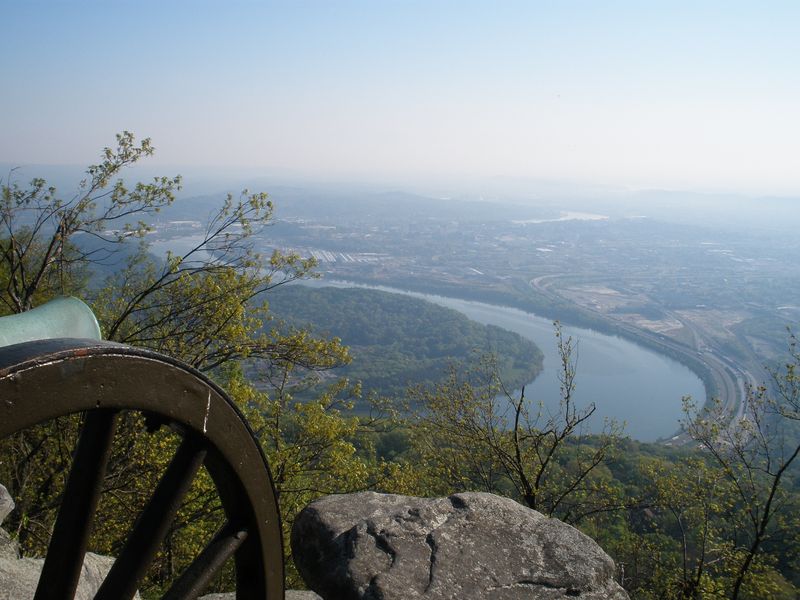
Established in 1890, Chickamauga and Chattanooga National Military Park became the first federally preserved battlefield in the United States, setting the standard for how the nation honors its military history. The park protects sites where two major Civil War battles unfolded in the fall of 1863, battles that determined control of Chattanooga and opened the door for Union forces to march into Georgia and the Deep South.
The Chickamauga Battlefield, located just across the Georgia line, sprawls across nearly 9,000 acres of woods and fields where one of the war’s bloodiest battles raged for two days. Monuments, markers, and historic artillery positions dot the landscape, and a driving tour takes you through key sites where the fighting was fiercest. The visitor center features a museum with artifacts, uniforms, and weapons that bring the battle into sharp focus.
On the Chattanooga side, the park includes Lookout Mountain and Missionary Ridge, where Union forces launched dramatic assaults that broke the Confederate siege of the city. You can drive to the top of Lookout Mountain for sweeping views and explore the site of the famous “Battle Above the Clouds.” Point Park offers interpretive displays and stunning vistas that help you understand the strategic importance of these heights.
The park’s size and dramatic landscapes make it one of the most impressive Civil War sites in the country. Whether you’re exploring the dense woods of Chickamauga or standing atop Lookout Mountain, the experience is both educational and awe-inspiring. Rangers offer programs, and the well-maintained trails invite exploration at your own pace.
It’s a place where history and natural beauty intersect, honoring the soldiers who fought here while preserving the land for future generations to learn from.
Share this story