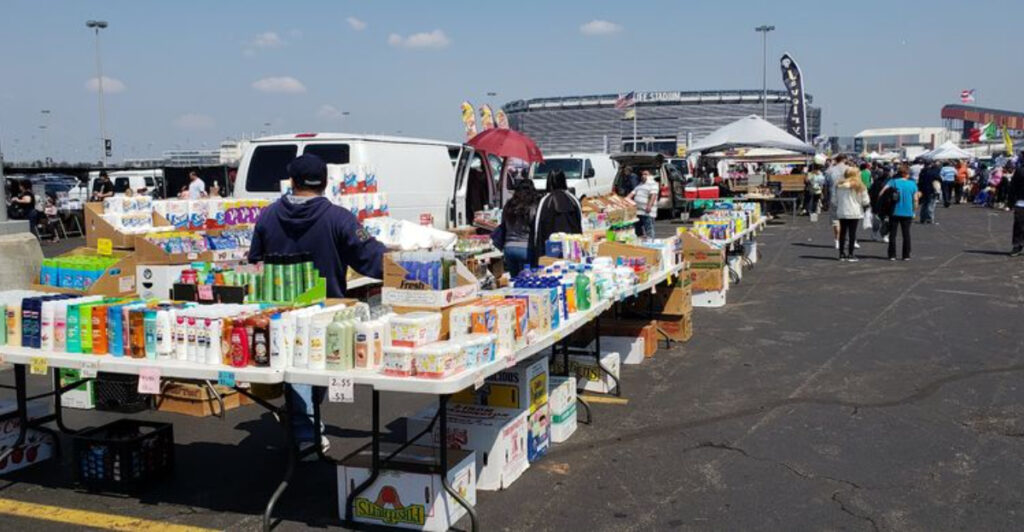
There is a particular kind of optimism required to pull into a New Jersey flea market at 8 a.m. with cash in your pocket and absolutely no idea what you are looking for. Ten minutes later, you are considering a 1970s lamp, a box of vinyl records, three tomato plants, and a piece of furniture that definitely will not fit in the car.
That unpredictability is exactly the point. Across the state, sprawling outdoor lots, old-school market buildings, antique stalls, permanent shops, and gloriously cluttered vendor tables reward shoppers willing to slow down and dig.
Some places lean toward serious antiques; others mix produce, tools, clothing, collectibles, toys, food, and household odds and ends into one enormous browsing session. Wear comfortable shoes, bring some cash, and resist the urge to declare the first bargain your best find of the day.
At these 12 New Jersey markets, there is almost always another aisle.
1. Columbus Farmers Market & Flea Market
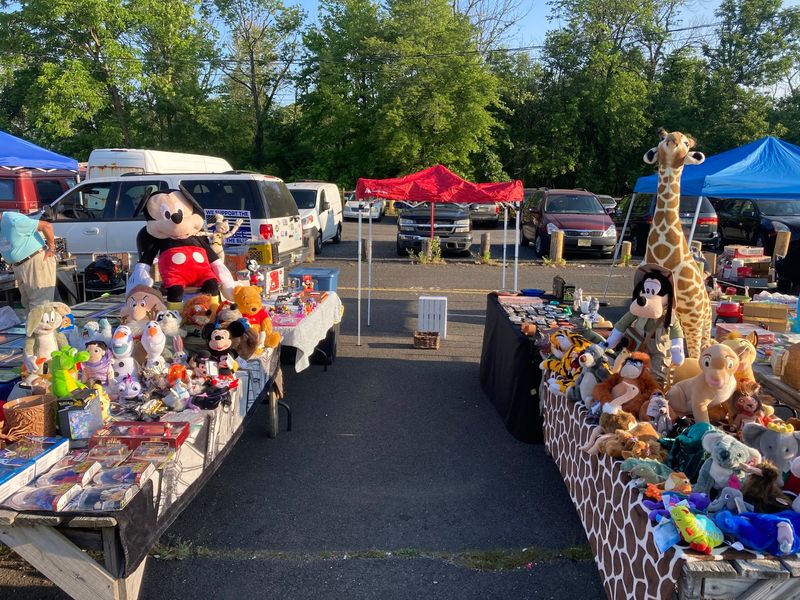
If your ideal flea-market trip involves starting with an old toolbox and somehow ending with fresh produce and Amish baked goods, Columbus is the place to lose track of your shopping list.
Operating in Burlington County since 1929, this sprawling Route 206 market combines an outdoor flea market with an indoor farmers market, Produce & Seafood Row, food vendors, garden goods, and permanent shops.
That variety is what makes Columbus feel less like a single market and more like several different shopping trips stitched together. Outdoors, the fun comes from scanning tables loaded with used household goods, collectibles, clothing, tools, décor, and whatever else sellers decided to unload that morning.
The inventory changes constantly, so going in with a rigid wish list is almost beside the point. Indoors, things get more structured, with meats, seafood, baked goods, specialty foods, and other vendors giving you a convenient reason to take a break from digging through boxes outside.
Serious treasure hunters should give themselves a few hours rather than attempting a quick lap. The outdoor flea market currently operates Thursday, Saturday, and Sunday from 8 a.m. to 3 p.m., while the indoor market keeps longer hours on its operating days.
Columbus is especially satisfying when you arrive hungry and leave wondering why you now own a vintage sign.
2. Englishtown Auction Sales
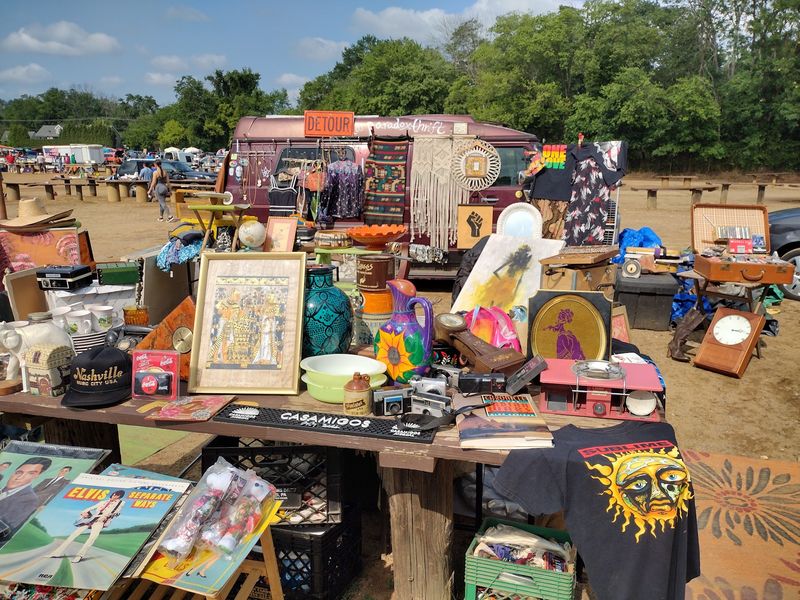
You know a flea market means business when shoppers are advised to remember the street name and booth number if they want to find a vendor again. Englishtown is that big.
Despite the familiar name, the market sits on Wilson Avenue in Manalapan, where its maze of outdoor sellers and indoor shopping areas has been attracting bargain hunters for generations. The appeal here is volume.
One row might be mostly tools and household items, the next clothing and accessories, and the next a jumble of collectibles that rewards anyone patient enough to inspect the bottom of a cardboard box. There is enough ground to cover that comfortable shoes are more useful than any carefully planned shopping strategy.
When the weather turns or you need a break, the indoor sections add another layer, including food vendors serving a range of cuisines and merchants who generally accept major credit cards. The outdoor side is where the classic hunt really happens, though, particularly when the weather is good and sellers have filled the rows.
Englishtown runs every Saturday and Sunday from 8 a.m. to 4 p.m., rain or shine, so there is no need to save the trip for a rare special event. Come early if you enjoy first crack at the tables; come later if your favorite flea-market sport is negotiating with sellers who would rather not pack everything back into the van.
3. New Meadowlands Market
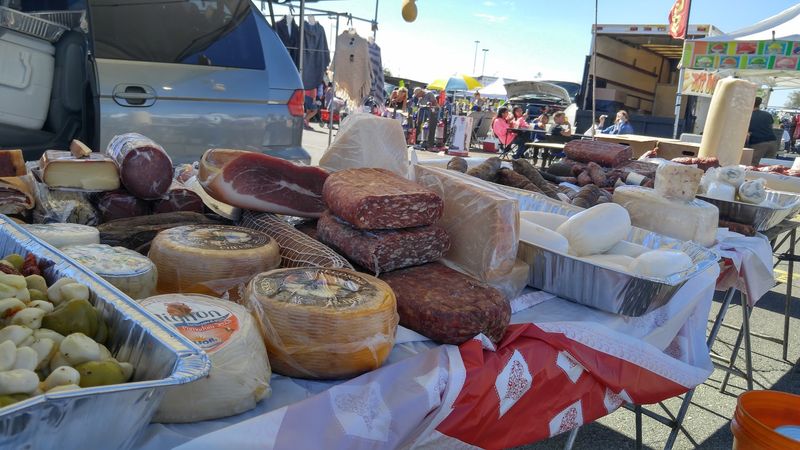
There is something wonderfully New Jersey about going bargain hunting in the parking lot of an NFL stadium. On market Saturdays, Lot J at MetLife Stadium trades tailgates for rows of vendors selling clothing, accessories, household goods, collectibles, electronics, and all kinds of unpredictable finds.
Hundreds of sellers can set up here, so the scale becomes apparent quickly: this is not the kind of place where you circle ten tables and head home. Part of the fun is the mix.
Shoppers looking for inexpensive everyday merchandise share the aisles with people scanning for oddities, gifts, old items, and things they did not know they needed until thirty seconds ago.
Food vendors, entertainment, and games give the market more of an outing feel than a strictly transactional one, while free admission and free parking make it easy to show up just to browse.
Under its normal schedule, the market runs Saturdays from 8 a.m. to 4 p.m., though stadium events can bump individual dates, so checking the calendar before leaving home is smart.
There is an especially important wrinkle in summer 2026: the market is temporarily closed because of operations at MetLife Stadium and is scheduled to reopen Saturday, August 29. Once it returns, expect the familiar giant-parking-lot treasure hunt to resume.
4. Berlin Farmers Market
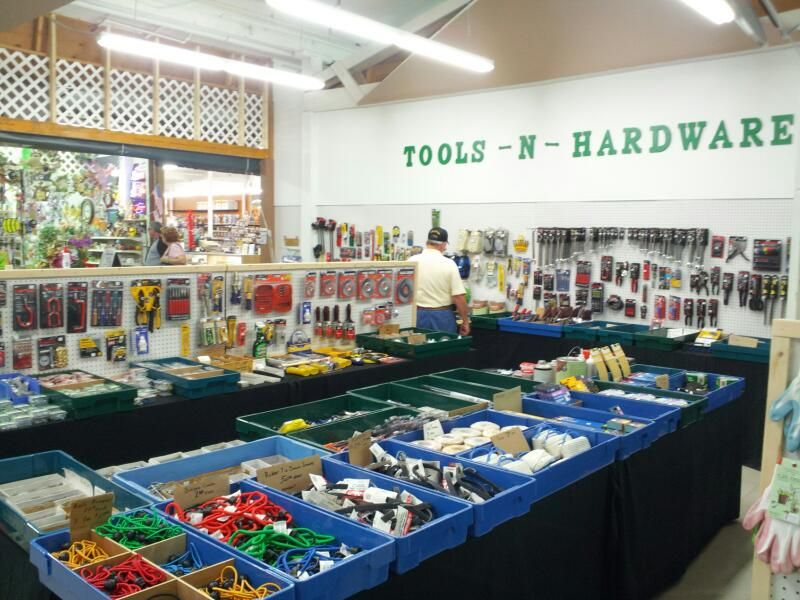
The first decision at Berlin is not what to buy. It is whether to start inside or outside.
Choose the outdoor market and you have room for as many as 700 vendors, with tables covering everything from antiques and tools to toys, electronics, furniture, flowers, produce, and yard-sale discoveries. Choose the indoor shopping center and more than 65 permanent businesses keep the browsing going under one roof.
The correct answer, naturally, is to do both. Berlin has been around since 1940, and that longevity shows in the way it functions as both an old-fashioned flea market and an everyday shopping destination.
Outdoors is where the unpredictable finds live: the dusty object you pick up because you cannot quite identify it, the old kitchenware that suddenly looks perfect for your house, or the tool priced low enough to justify buying it “just in case.”
Inside, the experience shifts toward established retailers, food counters, services, and specialty sellers. That combination makes Berlin particularly useful when your shopping group cannot agree on what kind of market it wants.
The outdoor flea market currently runs Friday through Sunday from 8 a.m. to 4 p.m., while the indoor center opens Thursday through Sunday and stays open later. Give yourself enough time to wander rather than treating this as a quick stop; 700 potential vendor spaces have a way of turning one planned hour into three.
5. Collingwood Auction & Flea Market
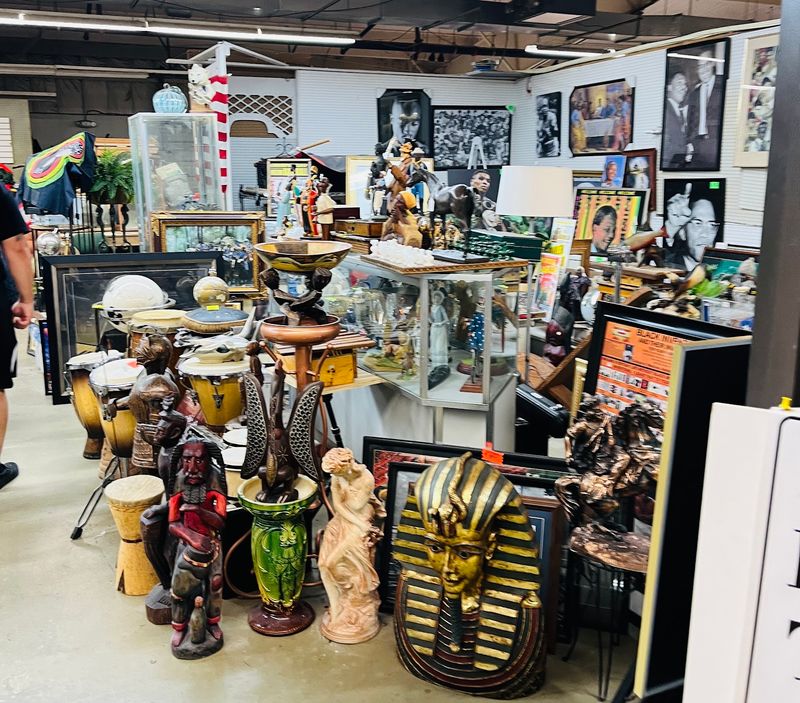
Twenty-five acres gives sellers plenty of room to get weird, and that is part of Collingwood’s charm.
Located near the Route 33/34 area on the border of Howell and Wall townships, this long-running market spreads more than 500 outdoor merchants across the property and backs them up with a 60,000-square-foot building containing around 100 indoor tables and booths.
Translation: do not judge the place by the first row you walk down.
The merchandise can swing dramatically from one seller to the next, covering closeouts, surplus goods, clothing, jewelry, sports items, furniture, housewares, country collectibles, antiques, and secondhand pieces whose original purpose may require a conversation with the person selling them.
That inconsistency is a feature, not a flaw. Collingwood works best when you browse without rushing and let the interesting tables stop you.
The indoor building is especially handy in poor weather and gives collectors another set of booths to investigate once the outdoor energy starts to wear on you. Snack shops provide an easy refueling stop, which is useful because this is a lot of ground to cover on foot.
The market is currently open Friday, Saturday, and Sunday from 8 a.m. to 5 p.m. year-round. Fridays have traditionally carried a bargain-day reputation, but any good-weather weekend can produce the kind of seller turnout that makes digging worthwhile.
6. Golden Nugget Antique Flea Market
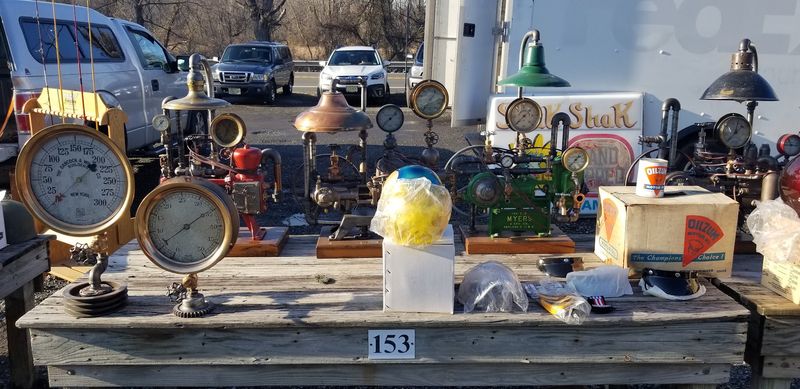
This is where the casual browser risks becoming the person crouched beside a table examining the maker’s mark on a piece of pottery. Golden Nugget has been part of the Lambertville-area antique scene since 1967, and its focus is noticeably different from markets dominated by inexpensive new merchandise.
Antiques, art, vintage clothing, jewelry, glassware, pottery, collectibles, ephemera, and decorative pieces are the main event, making it one of the stronger stops on this list for shoppers who genuinely enjoy objects with some age behind them.
The outdoor tables reward early arrivals and patient scanning, while the indoor antique shops give you a more curated second round when you are ready to stop squinting into boxes.
Ask vendors questions when something catches your attention; knowledgeable dealers often have more inventory elsewhere and may be able to point you toward exactly the type of piece you collect.
The market sits along Route 29 a couple of miles south of Lambertville, which makes it easy to build a full antique-hunting day around the trip.
Parking and admission are free, and there is food on-site when a morning of negotiating over old signs and glassware catches up with you. Golden Nugget operates Wednesday, Saturday, and Sunday, with outdoor shopping beginning early.
For the best selection, this is one place where setting the alarm is genuinely worth it.
7. Cowtown Farmers Market
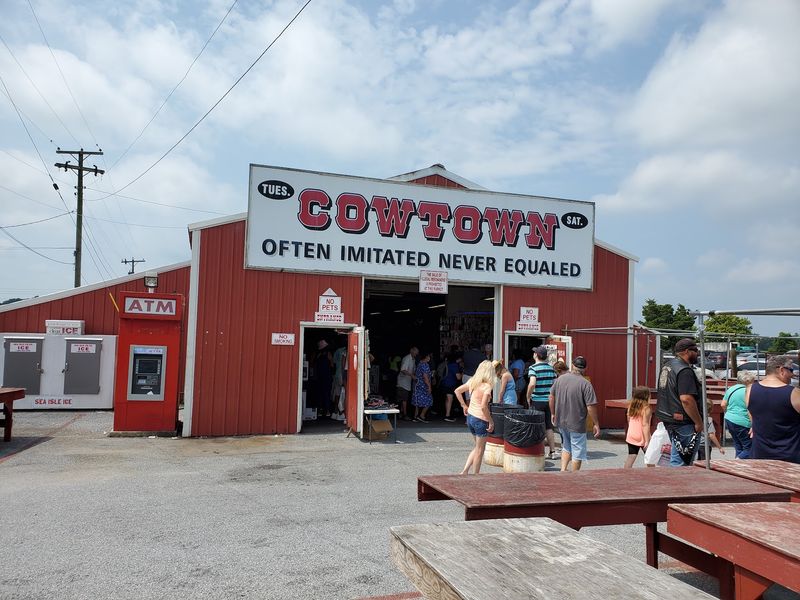
Cowtown does not need a manufactured vintage aesthetic; it has nearly a century of history doing the work. The Pilesgrove market traces its roots to 1926, when the operation began around livestock, and in 2026 it marks its 100th year.
The livestock auction is long gone, but the market remains enormous, with more than 400 vendors using outdoor spaces and heated indoor facilities. That combination gives it a distinctly South Jersey feel: practical, unpretentious, and filled with people who came to shop rather than pose with their purchases.
Merchandise covers the broad flea-market spectrum, so expect clothing, household goods, inexpensive everyday items, produce, accessories, collectibles, and tables that appear to contain the contents of somebody’s garage in the best possible way.
Because part of the operation is indoors, a questionable forecast does not automatically ruin the trip.
Cowtown is open year-round, rain or shine, every Tuesday and Saturday from 8 a.m. to 4 p.m., which also makes it one of the rare giant markets where a weekday visit is genuinely worthwhile. Saturdays can be turned into a full Cowtown day during rodeo season, when the neighboring rodeo holds evening events on select dates.
Even without that bonus, the market is big enough to justify the drive. Bring cash, leave room in the trunk, and do not assume you have seen everything after the first building.
8. New Egypt Flea Market Village
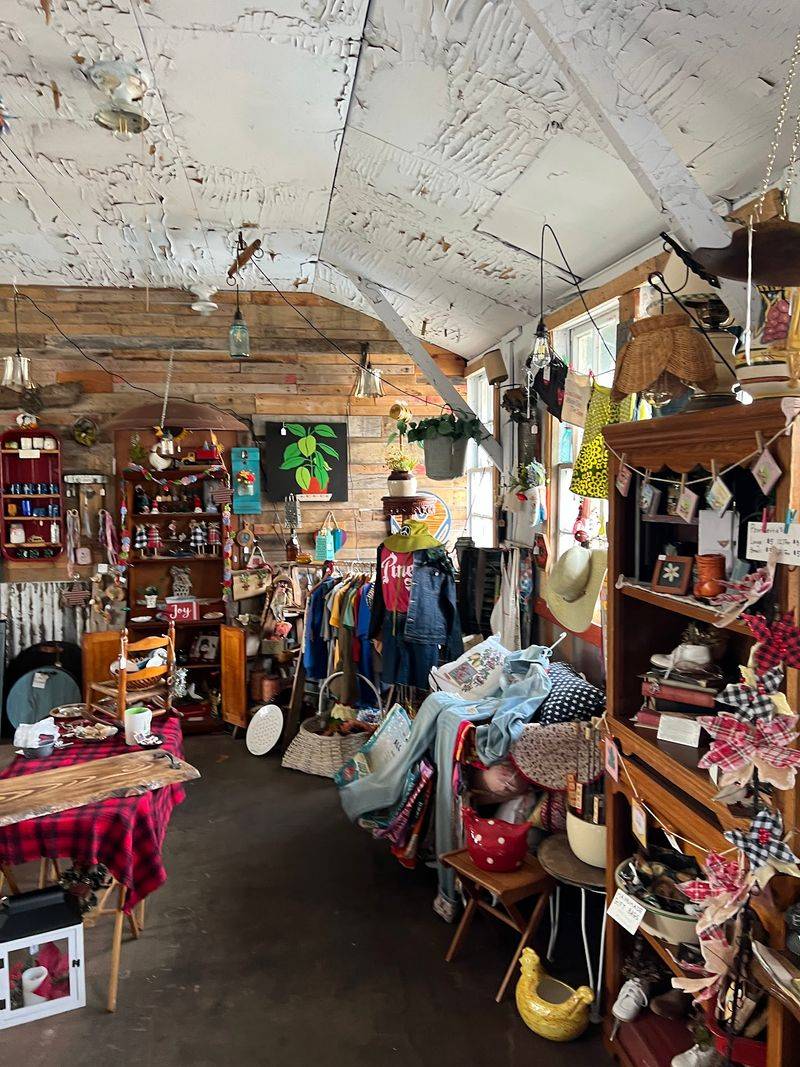
Forget endless identical rows for a moment. New Egypt looks more like someone built a tiny rustic shopping village and then invited treasure hunters to fill it.
Set along Route 537 in the Cream Ridge area, the market mixes outdoor tables with small permanent buildings, giving each turn a slightly different feel.
One doorway might lead to collectibles and décor; another seller may have jewelry, handmade pieces, crystals, vintage odds and ends, or something so specific that you wonder who else could possibly have been looking for it.
That patchwork layout is the reason New Egypt earns a spot among larger, more conventional markets. You are not simply marching down one long aisle; you are poking into little shops, circling outdoor setups, and discovering pockets of merchandise that are easy to miss if you move too quickly.
Recent market events have also mixed in food, Amish baked goods, art activities, and specialty vendors, so repeat visits do not necessarily feel identical. The regular market schedule is Wednesday and Sunday, generally from morning into early afternoon, and admission is free.
Sunday makes the most sense if you want the fullest leisurely treasure-hunting experience, while Wednesday has a pleasing midweek, locals-know-the-secret quality.
The best strategy is wonderfully low-tech: wander slowly, look inside every open building, and investigate any table where the objects seem to have absolutely nothing in common.
9. Manahawkin Flea Market
A few miles from the bustle of Long Beach Island traffic, Manahawkin offers a completely different kind of shore-area shopping stop.
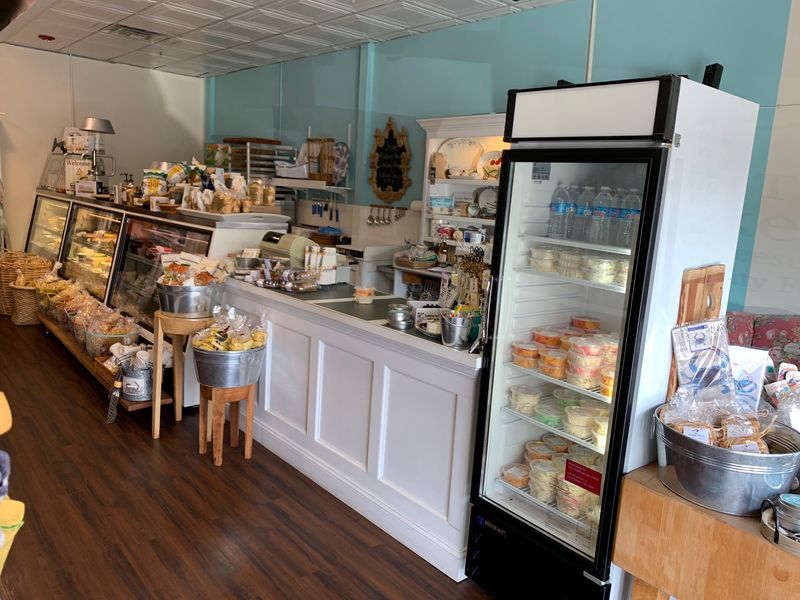
Established in 1977, the market spreads across roughly four acres and combines indoor shops with seasonal outdoor vendors, giving vacationers an easy excuse to trade a beach morning for a treasure hunt when the mood strikes.
More than 80 merchants have been associated with the property, and the appeal comes from the range rather than one specialty.
Depending on the day, you might encounter crafts, collectibles, secondhand household pieces, decorative items, small gifts, and the sort of miscellaneous flea-market inventory that makes browsing more interesting than simply shopping from a list.
The indoor shops are worth checking even when the outdoor turnout is lighter, particularly because the outside portion is seasonal and weather dependent. Outdoor vendor season currently runs from April through December, with Saturday and Sunday spaces available, so summer naturally brings the market into its element.
This is not a polished antique show where every object arrives with a provenance card, and that is precisely why it works. Manahawkin is better approached as a casual dig: walk the four acres, inspect the shops, talk to vendors, and see what turns up.
If you are staying on or near LBI, it also provides a handy change of pace when everyone has reached their personal limit on sand and sunscreen.
10. Avenel Flea Market
Some flea markets are destinations you plan a day around. Avenel is the kind locals can visit because it is Thursday morning and they suddenly feel like seeing what turned up this week.
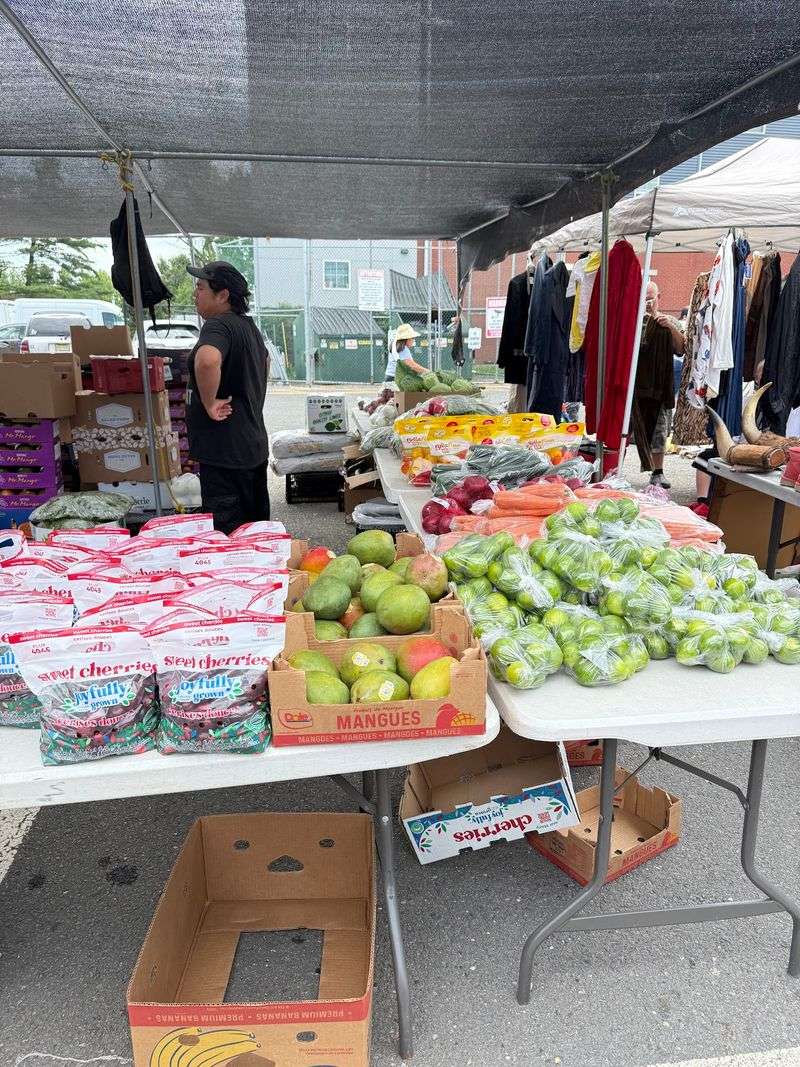
Located on Rahway Avenue in Woodbridge Township, the market operates year-round and combines vendor spaces, sheds, and shops with a broad assortment of new, used, and antique merchandise. That mix keeps it from becoming too specialized.
You can browse inexpensive clothing and practical household items, then stumble across an older collectible or secondhand piece that immediately becomes the only thing you care about.
With more than 150 vendor spaces associated with the market, there is enough variety for a proper hunt without requiring the military-level planning of some giant fairgrounds.
Avenel is especially useful for North Jersey bargain hunters who want an old-school market experience without making a long drive south. Admission and parking are free, so the barrier to an impulsive visit is basically nonexistent.
The market currently operates Thursday, Saturday, and Sunday, with the official schedule listing hours from 7:30 a.m. to 4 p.m. Weekend mornings are the natural choice if you want more time to browse, but Thursday has its own appeal for shoppers who prefer fewer weekend distractions.
Arrive with a general category in mind, perhaps, but not a specific object. Avenel is much better at surprises than it is at following instructions.
11. Route 70 Auction & Flea Market
The alarm clock is part of the experience at Route 70. This Lakewood-area market starts early enough that dedicated bargain hunters can be halfway through their first row while everyone else is still deciding what to eat for breakfast.
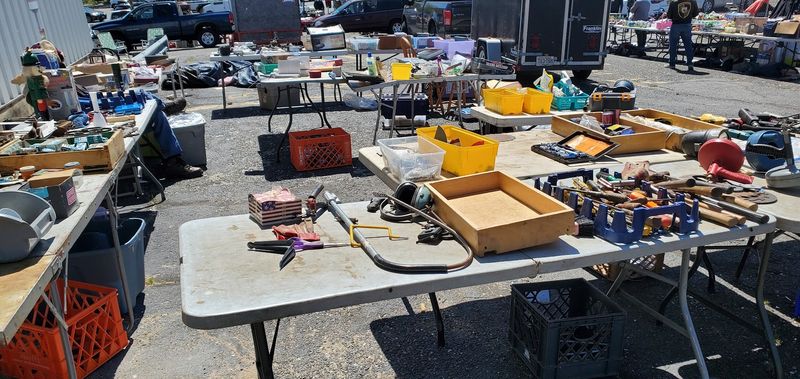
More than 600 outdoor spaces give the market its serious scale, while two buildings house additional vendors, making this one of those places where “I’ll just take a quick look” is an unrealistic promise.
The merchandise spans both new discounted goods and classic flea-market categories, including household items, clothing, electronics, audio equipment, antiques, collectibles, and miscellaneous used pieces.
Because the outdoor section is so large, vendor turnout and weather can change the personality of the market from one trip to another. That variability is exactly what repeat shoppers tend to enjoy: the table that was not there last week may hold the best thing you see all month.
Route 70 operates year-round on Friday, Saturday, and Sunday, with an additional Wednesday session during the warmer months. Current listed hours begin around 6 a.m. Friday and 6:30 a.m. on weekends, wrapping up by early afternoon. In other words, this is not a noon-arrival kind of flea market.
Come early, bring cash in small denominations, and make the first lap before you spend too freely. With hundreds of spaces ahead, premature bargain confidence can become expensive.
12. Trenton Punk Rock Flea Market
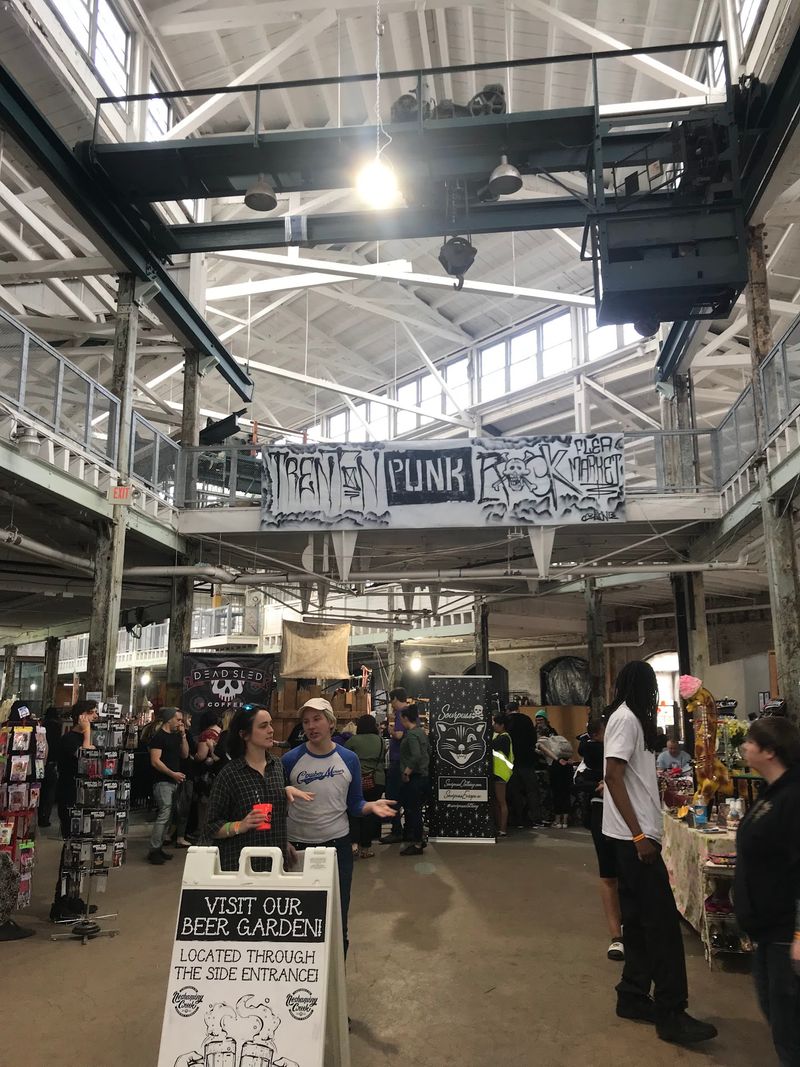
Expect more tattoos, taxidermy, band shirts, strange art, and vinyl than baskets of tomatoes. The market longtime New Jersey shoppers know as the Trenton Punk Rock Flea Market operates in a completely different universe from the traditional weekly flea.
It is part shopping event, part arts festival, part alternative-culture gathering, bringing together hundreds of independent artists, makers, vintage sellers, record dealers, oddities vendors, tattoo and piercing artists, food trucks, performers, and other creative businesses.
This is where to look for handmade jewelry that would never survive a corporate buying meeting, horror-themed art, obscure records, vintage clothing, patches, prints, unusual home décor, and gifts for the friend who is impossible to shop for at a mall.
Unlike the other markets on this list, it is not a free weekly browse; events are ticketed and held on specific dates, so planning ahead matters.
There is also one important update for anyone who remembers going to the old Trenton events: current 2026 gatherings are being staged at the New Jersey Convention and Exposition Center in Edison.
Upcoming events include the Jersey Devil Night Market in October and Wreck the Halls in December. The location may have changed, but the core idea has not.
Go expecting less “garage cleanout” and more wonderfully strange independent marketplace, with enough visual distractions to make buying only one thing a serious test of discipline.
Share this story