Tennessee’s lakes offer some of the most peaceful camping spots you’ll ever find, where the water meets the wilderness in perfect harmony. Whether you’re pitching a tent under towering trees or parking your RV with a waterfront view, these lakeside campgrounds deliver the kind of outdoor experience that keeps families coming back year after year.
From the misty mountains of East Tennessee to the rolling hills near the Kentucky border, each destination brings its own flavor of adventure and relaxation. Get ready to discover where the state’s best lake camping happens and why these spots have earned their reputation among those who truly love the outdoors.
1. Dale Hollow Lake State Resort Park Campground — Byrdstown
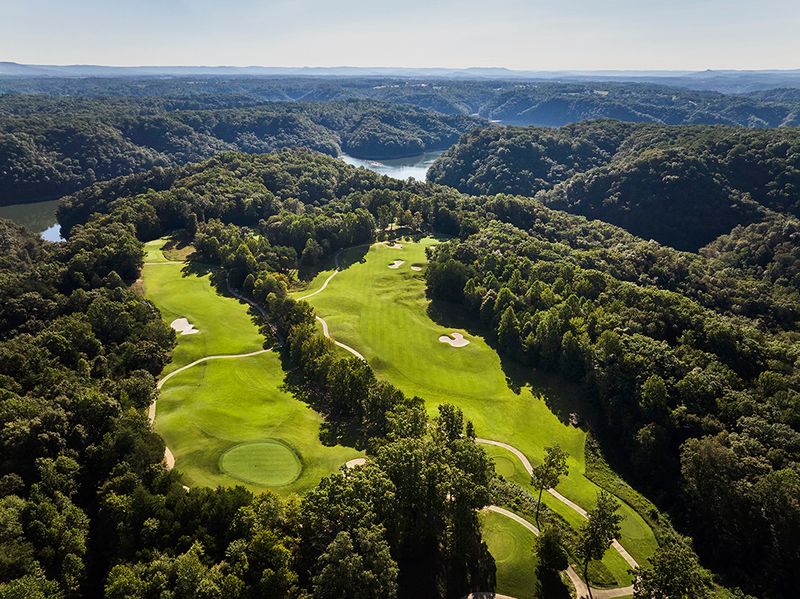
Straddling the Tennessee-Kentucky border, Dale Hollow Lake shimmers with some of the clearest water you’ll find anywhere in the South. The campground here gives you direct access to that famous clarity, whether you’re launching a kayak at sunrise or just soaking your feet after a day of hiking.
Anglers especially love this spot since the lake holds state records for smallmouth bass that anglers still talk about decades later.
The campground itself offers a mix of tent sites and RV hookups, all tucked among shady hardwoods that keep things cool even during summer’s peak heat. You won’t feel crowded here because the park spreads sites out thoughtfully, giving each camping party enough breathing room to feel like they’ve found their own slice of paradise.
Restrooms stay clean, and the staff genuinely cares about making your stay memorable.
Beyond camping, the park maintains excellent hiking trails that wind through forests and along ridgelines offering stunning lake views. Water sports dominate the activity list, from fishing and swimming to boating and paddling.
When evening settles in and the lake goes glassy, you’ll understand why people drive hours to spend their weekends right here on this beautiful shoreline.
2. Pickwick Landing State Park Campground — Counce
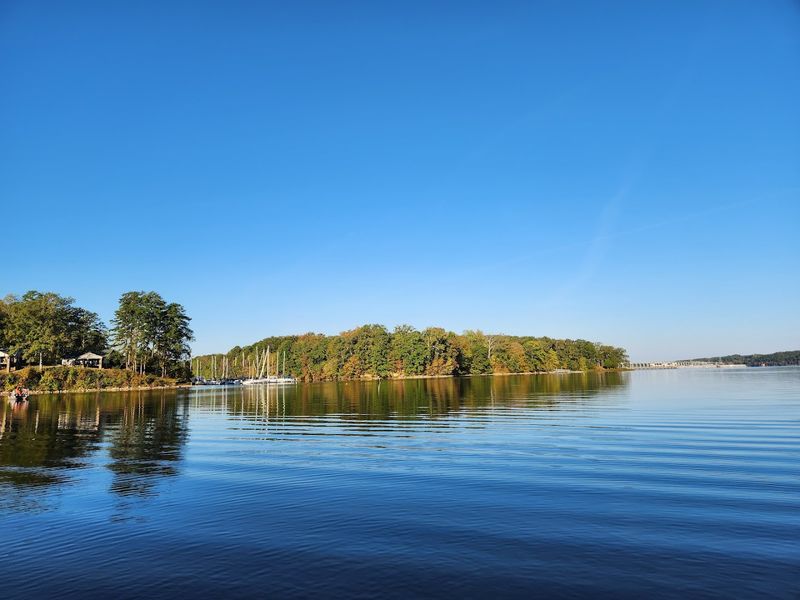
Down in Tennessee’s southwestern corner, Pickwick Landing sits where the Tennessee River widens into a massive reservoir that stretches for miles. This isn’t your quiet mountain lake experience—Pickwick brings energy with boat traffic, water skiers, and anglers chasing catfish and crappie that grow impressively large in these fertile waters.
The campground accommodates everyone from tent campers to big-rig travelers with full hookups and amenities that make extended stays comfortable.
What makes Pickwick special is how the park balances recreation with nature. Yes, you’ll see plenty of boats, but you’ll also spot great blue herons fishing at dawn and deer wandering through campsites at dusk.
The park features an excellent marina, a golf course for those who want to mix up their activities, and a swimming pool that kids absolutely love after hot afternoons exploring.
Campsites here offer varying degrees of waterfront access, with some right on the shore and others set back under the trees. The park’s restaurant serves solid meals when you don’t feel like cooking over the campfire.
Spring and fall bring the best weather, though summer weekends pack the place with families making memories on the water and around evening campfires.
3. Paris Landing State Park Campground — Buchanan
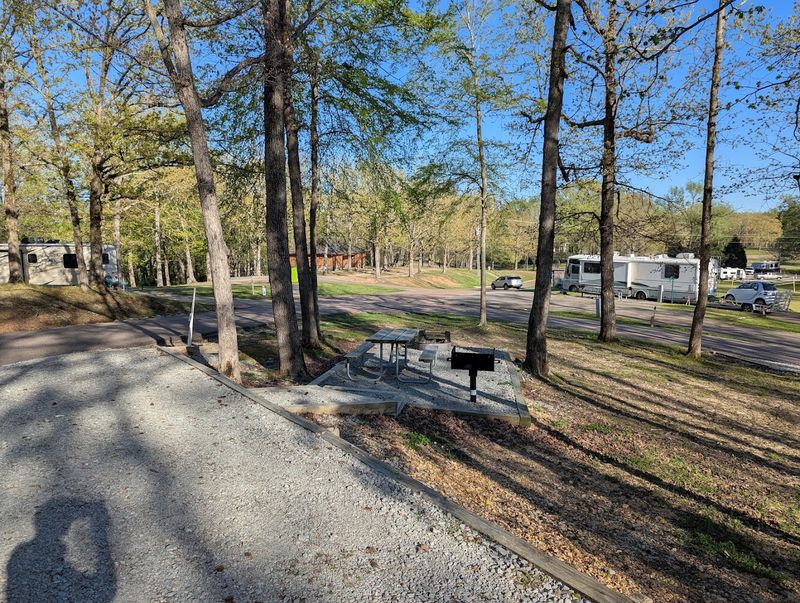
Kentucky Lake dominates the landscape at Paris Landing, offering campers access to one of the largest man-made lakes in the eastern United States. The campground sprawls across well-maintained grounds where mature trees provide shade and the lake breeze keeps mosquitoes manageable most evenings.
Families appreciate the variety of site options, from basic tent pads to premium RV spots with all the connections you need for comfortable camping.
The park goes beyond just camping by offering a full-service inn and restaurant for those times when you want a break from camp cooking. An 18-hole golf course surprises many first-time visitors, along with an Olympic-sized swimming pool that becomes the social hub during summer months.
But the real star remains the lake itself, where fishing tournaments regularly take place and recreational boating creates a lively atmosphere.
Hiking trails meander through the park’s wooded sections, though most visitors spend their time on or near the water. The marina rents boats and sells supplies, making it easy even if you didn’t bring your own watercraft.
Sunsets over Kentucky Lake paint the sky in colors that photographs never quite capture, and those evening views alone make the trip worthwhile for many returning campers.
4. Edgar Evins State Park Campground — Silver Point
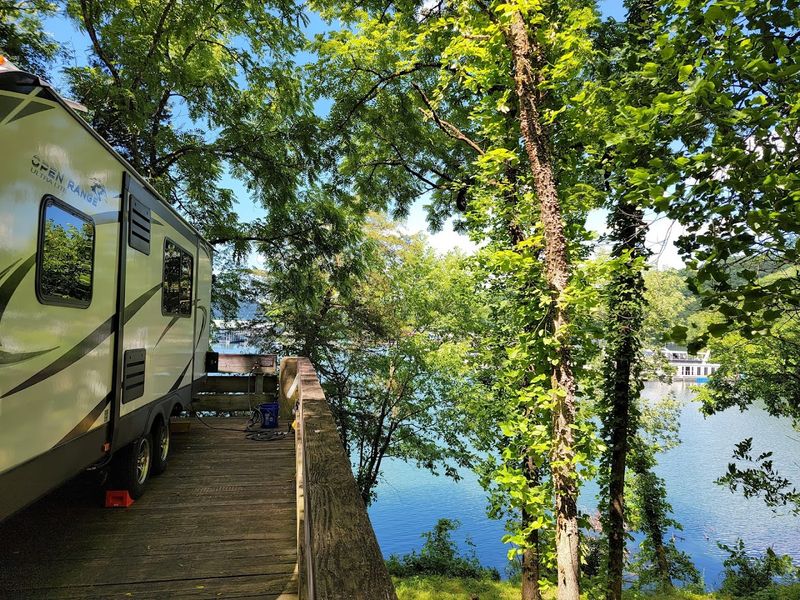
Perched on a peninsula jutting into Center Hill Lake, Edgar Evins gives campers that surrounded-by-water feeling without actually being on an island. The campground’s location means you’re never far from the shoreline, and the views from certain sites make you feel like you’re camping on a private estate rather than a public park.
Center Hill’s deep, clear waters attract scuba divers exploring submerged rock formations and old structures from before the dam created this massive reservoir.
Campsites range from primitive to modern, with many offering electrical hookups and water access. The park maintains excellent facilities including clean bathhouses that feature hot showers—a luxury appreciated after chilly spring mornings or dusty summer hikes.
A playground keeps younger children entertained, while the swimming beach provides a designated area for safe water fun away from boat traffic.
Fishing here targets bass, walleye, and crappie, with local anglers happy to share tips about productive spots around the lake’s many coves and creek channels. The park’s trail system isn’t extensive but does include a pleasant lakeside path perfect for morning walks.
Winter camping is possible for the hardy souls who want the park nearly to themselves, though most visitors choose the warmer months when the lake truly comes alive.
5. Norris Dam State Park Campground — Lake City
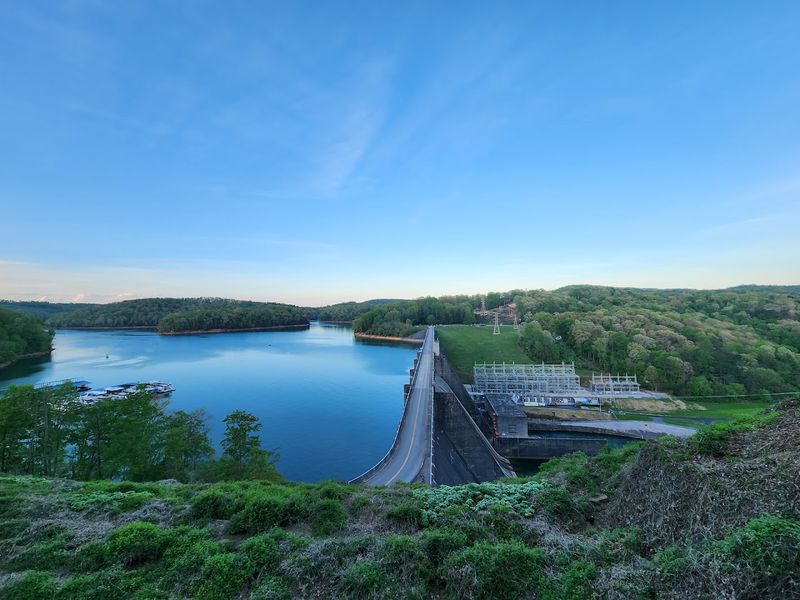
History runs deep at Norris Dam, the first major project completed by the Tennessee Valley Authority back in the 1930s. The park surrounding this engineering marvel offers camping that connects you to both natural beauty and American history.
Norris Lake’s clear mountain waters and 800 miles of shoreline create endless opportunities for exploration, while the campground itself maintains that classic state park feel with well-spaced sites under a canopy of mature forest.
Campers here enjoy access to multiple recreational areas, including an excellent swimming beach and boat launch facilities that make getting on the water straightforward. The park’s museum tells the fascinating story of how the dam transformed this region, providing both flood control and electricity that changed countless lives.
Kids find the exhibits engaging, especially the displays about the Civilian Conservation Corps workers who built much of the park’s infrastructure.
Hiking trails connect the campground to various points of interest, including overlooks where you can see the dam and lake stretching into the distance. Fall colors are spectacular here as hardwood forests explode in reds, oranges, and golds that reflect beautifully on the water.
The campground rarely feels overcrowded even during peak season, and the peaceful atmosphere makes it ideal for families seeking a genuine escape from city noise and stress.
6. Big Ridge State Park Campground — Maynardville
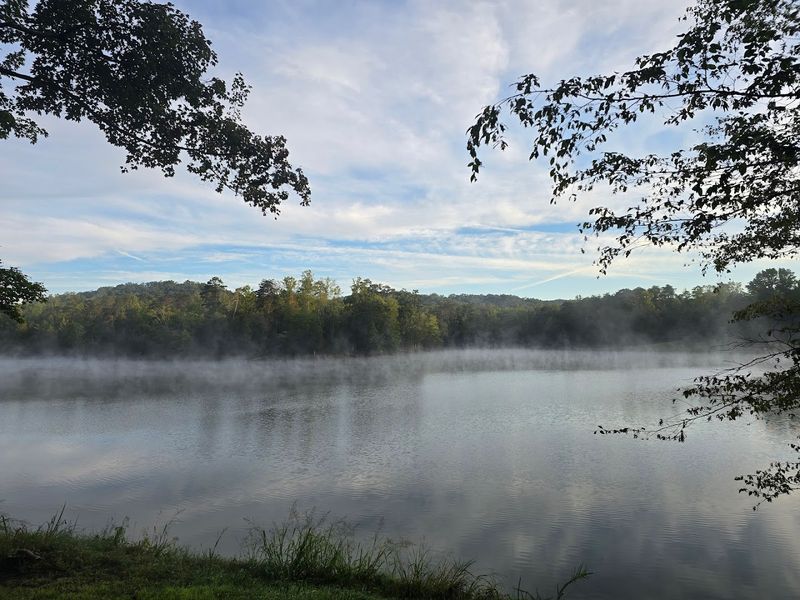
Tucked away in the ridges north of Knoxville, Big Ridge feels like a secret that hasn’t spread far beyond East Tennessee locals. The lake here is smaller than the big reservoirs, creating an intimate atmosphere where you can paddle across the entire width in less than an hour.
That smaller scale means less boat traffic and more wildlife sightings, from beavers building dams in quiet coves to turtles sunning themselves on half-submerged logs.
The campground maintains a rustic character that appeals to traditional campers who value simplicity over luxury amenities. Sites nestle among the trees with enough space between neighbors to maintain privacy.
While facilities are basic, they’re well-maintained and adequate for comfortable camping. The park’s swimming area features a sandy beach that’s perfect for young children, with roped-off sections keeping swimmers in shallow water.
Hiking trails wind throughout the park, including a pleasant lakeside path that’s perfect for evening strolls after dinner. Fishing is productive for bass and bluegill, though you won’t find the trophy-sized fish that inhabit larger lakes.
What you will find is tranquility, especially on weekdays when you might have entire sections of shoreline to yourself. This park suits campers seeking genuine peace rather than constant activity and entertainment options.
7. Indian Boundary Campground — Tellico Plains
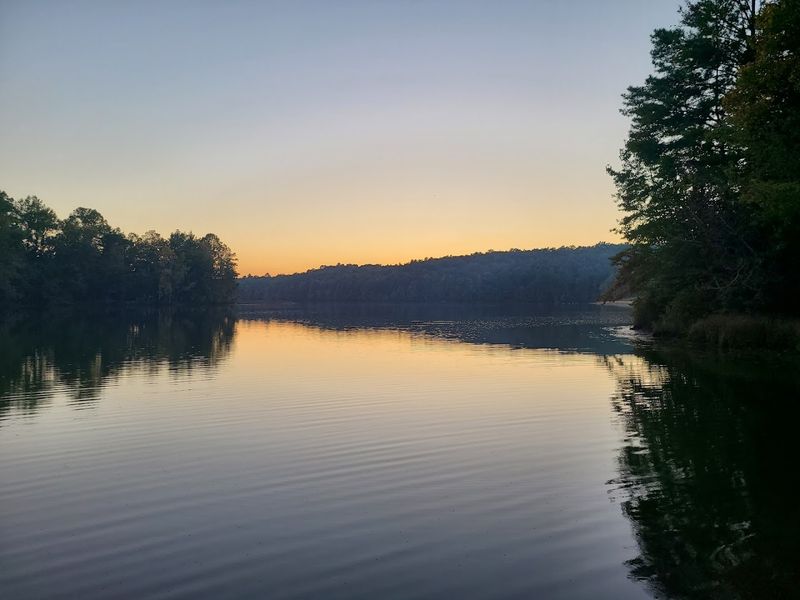
Deep in the Cherokee National Forest, Indian Boundary Lake sits in a mountain bowl that captures morning mist like something from a fairy tale. This Forest Service campground operates differently than state parks, with a more primitive feel that serious outdoors enthusiasts appreciate.
The lake itself is small but stunning, fed by cold mountain streams that keep the water refreshingly cool even during August heat waves.
Campsites circle portions of the lake, with some offering direct water access and others set back in the rhododendron thickets that bloom spectacularly in late spring. The campground doesn’t offer hookups, keeping things simple and focused on the natural experience.
A paved trail loops around the entire lake, making for an easy family walk that showcases different perspectives of the water and surrounding peaks.
Fishing here targets trout, and the lake is regularly stocked to maintain good populations. Swimming is popular, though the cold water temperature surprises many first-timers.
The nearby Cherohala Skyway provides one of the most scenic drives in the Southeast, making this campground an excellent base for exploring the broader region. Wildlife is abundant, with black bears occasionally spotted, so proper food storage becomes essential rather than optional at this mountain location.
8. Warriors’ Path State Park Campground — Kingsport
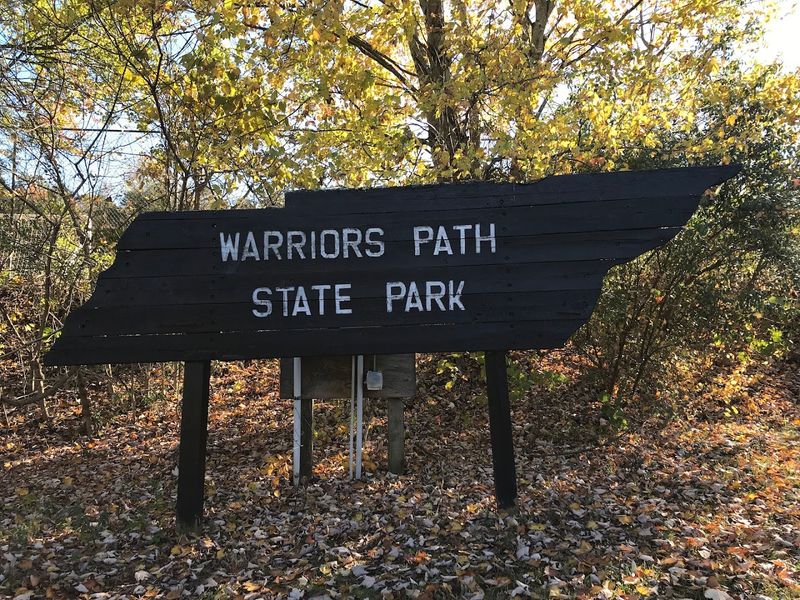
Warriors’ Path brings big-park amenities to Northeast Tennessee, sitting on Fort Patrick Henry Lake just outside Kingsport’s city limits. Don’t let the urban proximity fool you—once you’re inside the park boundaries, the city disappears behind trees and rolling terrain.
The campground features modern sites with full hookups, appealing to RV travelers who want comfort alongside their outdoor adventure. Tent campers also find plenty of good spots, though the RV section definitely dominates the landscape.
The park’s size means plenty of activities beyond just camping and lake time. An 18-hole golf course, multiple playgrounds, and an excellent equestrian center give families options when someone needs a break from water activities.
The lake itself offers good fishing and boating, with rental options available for visitors without their own equipment. A marina store stocks basics and fishing supplies.
One unique feature is the park’s BMX track, which attracts riders from across the region and provides entertainment even if you’re just watching. Mountain bike trails wind through wooded sections, offering varied terrain that challenges riders while remaining accessible to intermediates.
The campground’s proximity to Kingsport means easy resupply runs if you forget something, though most campers find everything they need right in the park without leaving until checkout day arrives.
9. Cherokee Dam Campground — Jefferson City
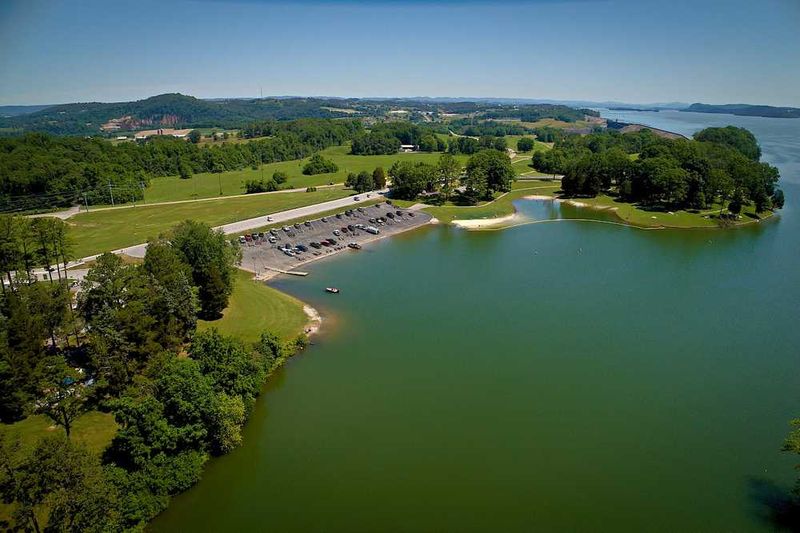
Cherokee Lake stretches for miles through East Tennessee’s rolling countryside, and the campground near the dam puts you right in the heart of the action. Operated by the Tennessee Valley Authority, this campground maintains a no-frills approach that keeps costs reasonable while still providing essential amenities.
Sites spread across grassy areas with scattered shade trees, and many offer excellent views of the lake and surrounding hills.
Boating and fishing dominate activities here, with the lake known for producing quality bass, crappie, and catfish that keep anglers returning season after season. The boat ramp handles heavy traffic during spring and fall fishing peaks, but it’s well-designed and rarely creates long waits.
Swimming happens informally along the shoreline since there’s no designated beach area, giving the place a more relaxed, do-your-own-thing atmosphere.
The campground’s location near Jefferson City means you’re close to grocery stores and restaurants for supply runs or the occasional meal out. Historic sites dot the surrounding area, including old mills and covered bridges that make for pleasant afternoon drives.
Evening brings spectacular sunsets over the water, and the lack of bright lights means stargazing reaches another level on clear nights. This campground suits campers who prioritize lake access and fishing over fancy facilities and organized activities.
10. Mousetail Landing State Park Campground — Linden
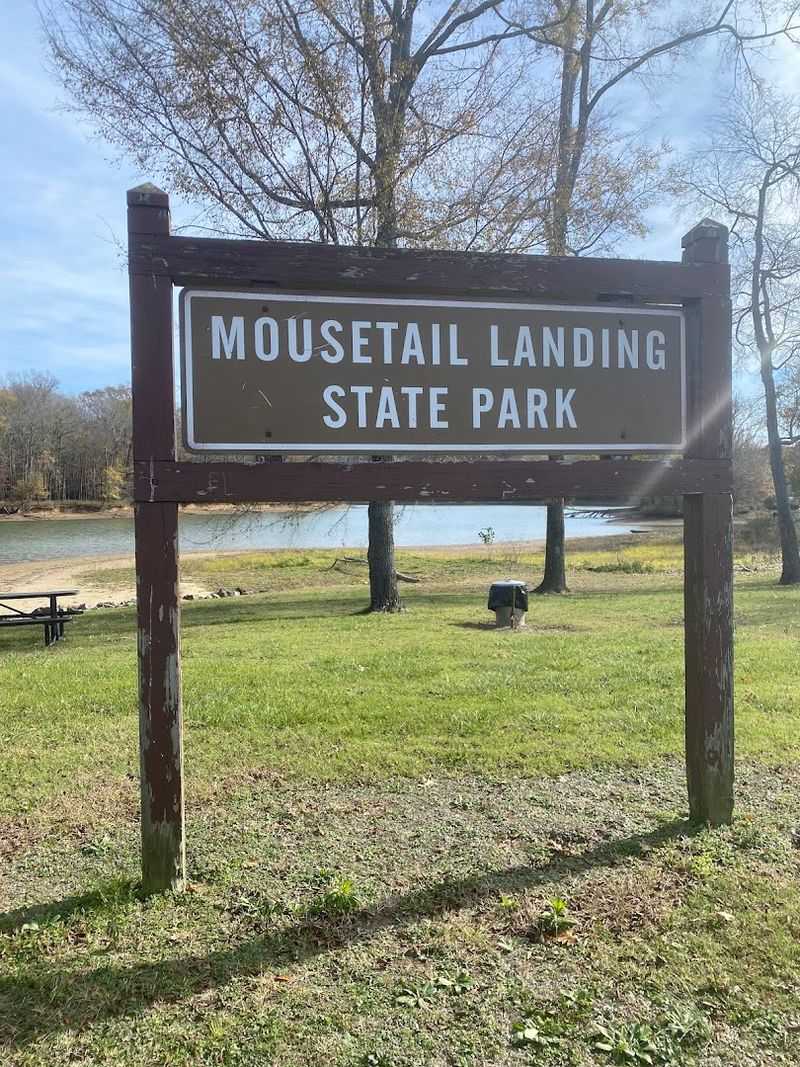
Way out in Middle Tennessee’s rural Perry County, Mousetail Landing remains one of the state’s lesser-known camping gems. The Tennessee River flows past the campground, creating a different experience than the still-water lakes most people picture.
Current moves steadily here, and watching the river’s constant motion becomes almost meditative after a few days of camping. The park’s remote location means fewer crowds and a genuine sense of getting away from everything.
Campsites vary from basic to equipped with electrical hookups, all spread across terrain that rolls gently down toward the water. The park maintains several miles of hiking trails that explore both riverfront and inland forest areas where spring wildflowers create colorful displays.
A small museum tells the story of the area’s steamboat era when river traffic was the primary transportation method for goods and people.
Fishing from the bank or by boat targets catfish primarily, with some bass and crappie mixed in. The park rents canoes for those wanting to explore the river’s quieter backwater areas where wildlife viewing opportunities increase dramatically.
Bald eagles nest in the area, and spotting one soaring overhead adds a special moment to any camping trip. This park suits adventurous campers comfortable with remoteness and willing to drive a bit for supplies since nearby towns are small and services limited.
11. David Crockett Birthplace State Park Campground — Limestone
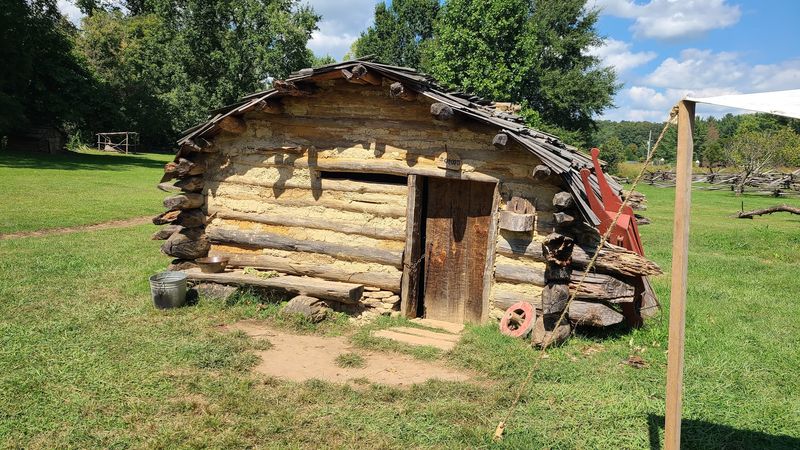
Where Davy Crockett was born along the Nolichucky River, a state park now commemorates the famous frontiersman while offering camping that connects visitors to both history and nature. The campground sits near the river, providing that soothing sound of flowing water that helps city dwellers finally relax and sleep deeply.
Sites accommodate both tents and RVs, though the park maintains a quieter, more historical atmosphere than some of the larger recreational-focused destinations.
The Nolichucky River offers excellent opportunities for wading and fishing, with smallmouth bass and trout both present in these clear mountain-fed waters. A monument marks Crockett’s birthplace, and interpretive signs throughout the park tell stories about frontier life in the late 1700s.
Kids find the history engaging, especially when parents help them imagine life without electricity, running water, or any of the conveniences we take for granted.
Hiking trails aren’t extensive but do provide pleasant walks through riverside forests where you might spot deer, wild turkeys, or various songbirds. The park hosts occasional living history events where costumed interpreters demonstrate frontier skills like blacksmithing and pioneer cooking.
Fall brings stunning colors to the surrounding mountains, and the combination of autumn leaves reflected in the river creates photography opportunities that fill memory cards quickly. This smaller park offers charm and character that some larger destinations sacrifice in favor of extensive amenities.
12. Roan Mountain State Park Campground — Roan Mountain
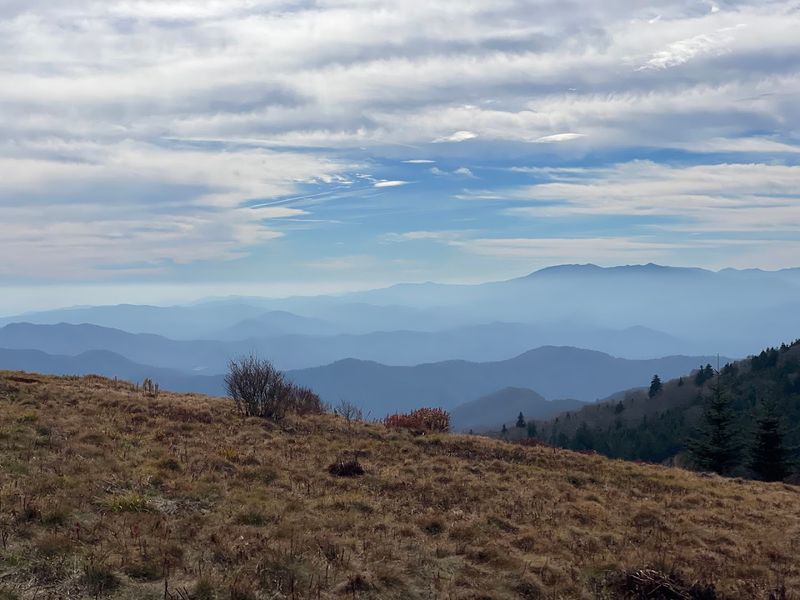
Up where Tennessee meets North Carolina, Roan Mountain rises to elevations where the air feels thin and cool even in summer. The state park campground sits lower than the mountain’s famous rhododendron gardens, but you’re still high enough to enjoy mountain temperatures and stunning views.
This isn’t technically lakeside camping, but a small swimming pool and the nearby Doe River provide water recreation that fits the mountain setting perfectly.
Campsites nestle among hardwoods and evergreens, with some offering views across the valley toward distant peaks. The park serves as a gateway to the Appalachian Trail, with serious hikers using the campground as a base for day hikes or overnight backpacking trips.
Even casual walkers enjoy the park’s trails, which showcase the diverse plant life that thrives at these elevations including rare Fraser firs.
The famous rhododendron gardens bloom in June, creating a spectacle that draws visitors from across the country to see acres of pink and purple flowers covering the mountain’s slopes. Outside bloom season, the park remains beautiful with year-round appeal for those seeking cooler temperatures and genuine mountain atmosphere.
The campground offers a peaceful retreat where night skies sparkle with stars and morning mist fills the valleys below, creating views that remind you why people have always been drawn to high places.
Share this story