Texas flea markets are treasure troves where bargain hunters score incredible deals on everything from vintage furniture to handmade crafts. Whether you’re furnishing a new apartment, searching for unique gifts, or just love the thrill of finding hidden gems, these sprawling markets offer endless possibilities without draining your wallet. With a fifty-dollar budget and an empty trunk, you can walk away with armloads of finds that would cost ten times more at retail stores.
1. Traders Village San Antonio (San Antonio)
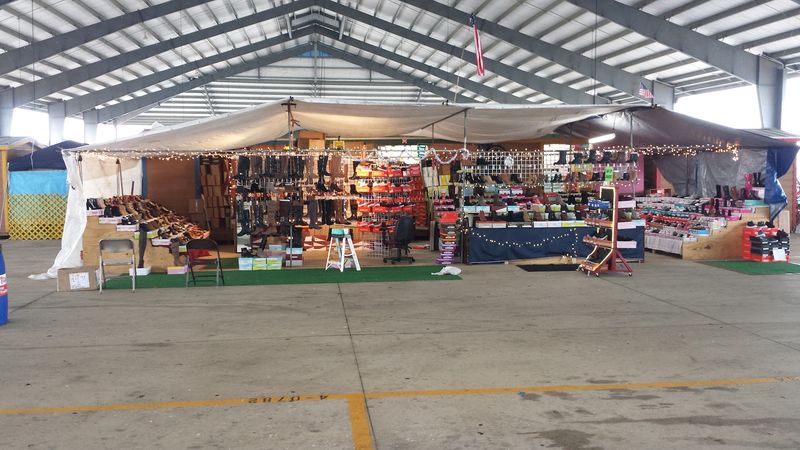
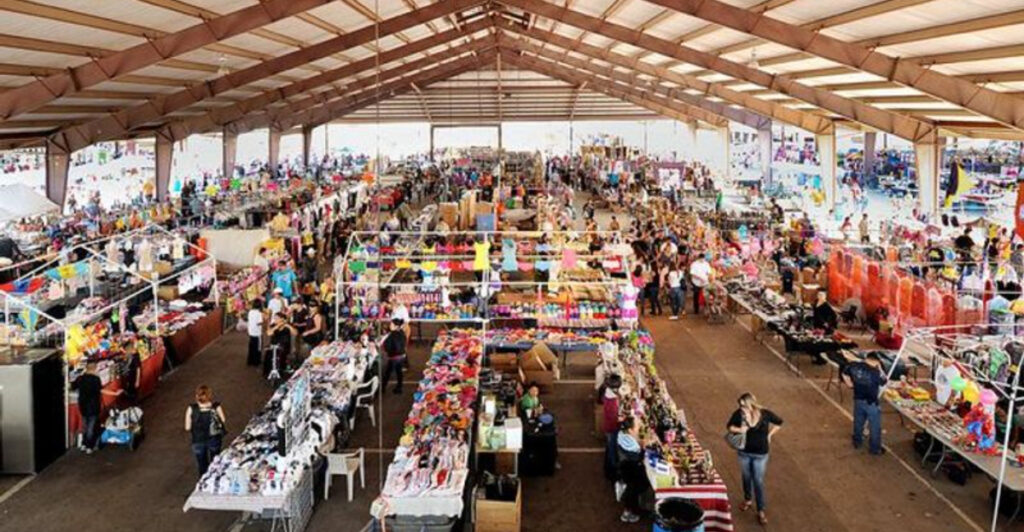
Spread across 70 acres on the south side of San Antonio, this weekend wonderland transforms ordinary Saturdays and Sundays into full-blown treasure hunts. Over 1,600 vendors set up shop here, hawking everything from cowboy boots to kitchen gadgets, and the sheer size means you’ll need comfortable shoes and a game plan. Families flock here not just for shopping but for the carnival rides, live music, and food trucks that make it feel like a festival every weekend.
Your fifty bucks goes surprisingly far when you know how to work the aisles. Early birds snag the best furniture deals before 10 a.m., while late-afternoon shoppers often negotiate even steeper discounts as vendors prepare to pack up. Clothing racks overflow with barely-worn jeans, vintage tees, and Western wear at prices that make retail stores look ridiculous.
The real magic happens in the back sections where local artisans sell handcrafted goods alongside folks clearing out their garages. You’ll find hand-painted pottery, refurbished tools, and quirky home décor that adds character to any space. One shopper’s junk truly becomes another’s prized possession here.
Bring cash because many vendors don’t accept cards, and don’t be shy about haggling—it’s practically expected. The atmosphere stays friendly and laid-back, with everyone from college students to retirees wandering the pathways. Pack sunscreen and water during summer months, as the Texas heat doesn’t play around.
Before you leave, check out the permanent shops near the entrance that sell everything from boots to electronics year-round. Traders Village has earned its reputation as San Antonio’s go-to spot for budget-friendly shopping adventures that feel more like community gatherings than simple errands.
2. Treasure City Flea Market (Waco)
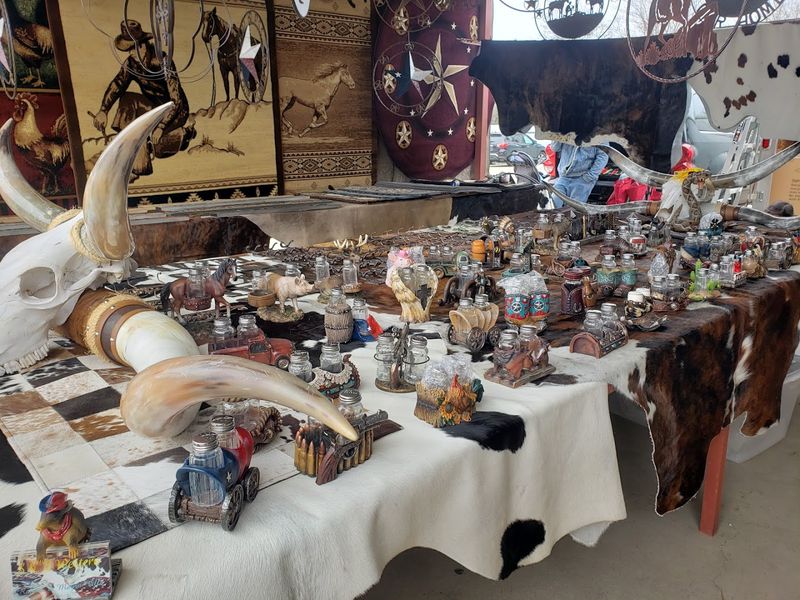
Nestled off Interstate 35 between Dallas and Austin, this Waco institution has been serving deal-seekers for decades with a no-frills approach that keeps prices rock-bottom. The sprawling complex mixes indoor air-conditioned comfort with outdoor vendor spaces, giving shoppers options whether it’s blazing hot or surprisingly chilly. Weekends bring the biggest crowds and the widest selection, though weekday visits offer more elbow room and equally good finds.
What sets this market apart is the incredible variety packed into a manageable space—you won’t exhaust yourself walking miles like at some mega-markets. Furniture flippers love the constant stream of dressers, tables, and chairs that just need a little TLC. Vintage enthusiasts dig through boxes of old records, retro kitchen gadgets, and mid-century décor that’s suddenly trendy again.
Clothing sections rival thrift stores but with better organization and friendlier pricing. Racks of kids’ clothes, name-brand athletic wear, and work boots mean families can outfit everyone without breaking the bank. Jewelry cases sparkle with costume pieces and occasionally real silver or turquoise that savvy shoppers snap up immediately.
The food vendors deserve special mention—authentic Mexican tacos, funnel cakes, and cold drinks keep your energy up during marathon browsing sessions. Local farmers sometimes set up with fresh produce and homemade jams that beat grocery store quality any day. Cash remains king here, though some vendors now accept payment apps.
Regulars know to circle back through favorite sections before leaving because new items appear throughout the day as vendors restock. The community vibe runs strong, with friendly conversations happening at every turn and vendors who remember repeat customers by name.
3. McAllen Flea Market (McAllen)
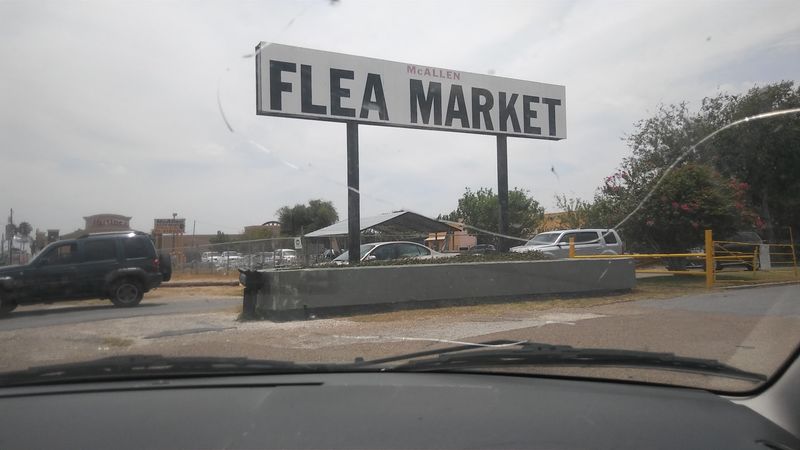
Down in the Rio Grande Valley where Texas meets Mexico, this market pulses with cross-cultural energy that makes every visit feel like a mini-vacation. Bilingual conversations flow naturally between vendors and customers, and the merchandise reflects a beautiful blend of American bargains and Mexican imports. Saturday mornings hit peak busy, but that’s when you’ll find the freshest selection and most energetic atmosphere.
Border proximity means unique shopping opportunities you won’t find in North Texas markets. Handwoven blankets, leather goods from Monterrey, and authentic talavera pottery sit alongside American electronics and clothing. Prices start low and go lower if you’re willing to chat and build rapport with sellers who appreciate friendly banter.
The produce section alone justifies the trip—massive avocados, fresh chilies, tropical fruits, and herbs that make grocery stores look pathetic. Local honey, homemade tamales, and pan dulce from Valley bakeries turn shopping trips into culinary adventures. Fifty dollars buys enough fresh ingredients to cook for a week plus a few fun extras.
Clothing vendors stock everything from quinceañera dresses to work uniforms, with children’s sections that help budget-conscious parents stretch their dollars. Boot and shoe dealers offer quality leather footwear at prices that seem too good to be true but absolutely are. Don’t skip the tool sections where you’ll find everything needed for home repairs or ranch work.
The market’s location near the border makes it a cultural experience as much as a shopping destination. Families make it a weekly ritual, grabbing breakfast tacos before spending hours browsing, chatting, and discovering unexpected treasures. Parking fills up fast on weekends, so arriving before 9 a.m. gives you the best spots and first pick of newly arrived merchandise.
4. First Monday Trade Days (Canton)
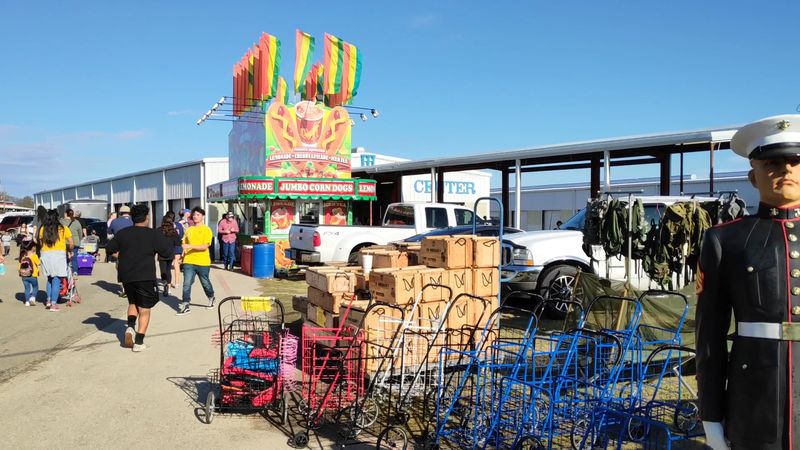
Picture the Super Bowl of Texas flea markets, and you’re getting close to understanding Canton’s legendary monthly extravaganza. Covering over 400 acres with thousands of vendors, this isn’t just a market—it’s a phenomenon that draws shoppers from across the country. Despite the name, the action actually happens the weekend before the first Monday of each month, Thursday through Sunday, so plan accordingly or you’ll show up to empty fields.
The scale intimidates first-timers, but smart shoppers develop strategies: hit the shaded pavilions during midday heat, focus on specific sections rather than trying to see everything, and wear your most comfortable shoes because you’ll log serious mileage. Some folks bring wagons or carts to haul their finds, which isn’t a bad idea when deals are this good.
Antique lovers find heaven here among vintage signs, old farm equipment, and genuine collectibles mixed with clever reproductions. Furniture ranges from shabby-chic pieces needing love to fully restored statement items that still cost less than retail chains. Garden décor, metal art, and rustic home goods fill entire sections, perfect for decorating ranches or adding Texas flair to suburban homes.
Food trucks and permanent food stands keep everyone fed with everything from barbecue to funnel cakes, and eating here becomes part of the experience. Live music often drifts through certain areas, adding to the festival atmosphere. Restrooms and ATMs are plentiful, which matters when you’re spending all day exploring.
Your fifty-dollar budget might feel limiting given the temptations, but disciplined shoppers walk away with amazing hauls by focusing on needs versus wants. Vendors expect negotiation, especially on Sunday afternoons when they’d rather sell than pack. Some shoppers camp nearby to maximize their time, treating it like an annual pilgrimage to bargain-hunting Mecca.
5. Corpus Christi Trade Center (Corpus Christi)
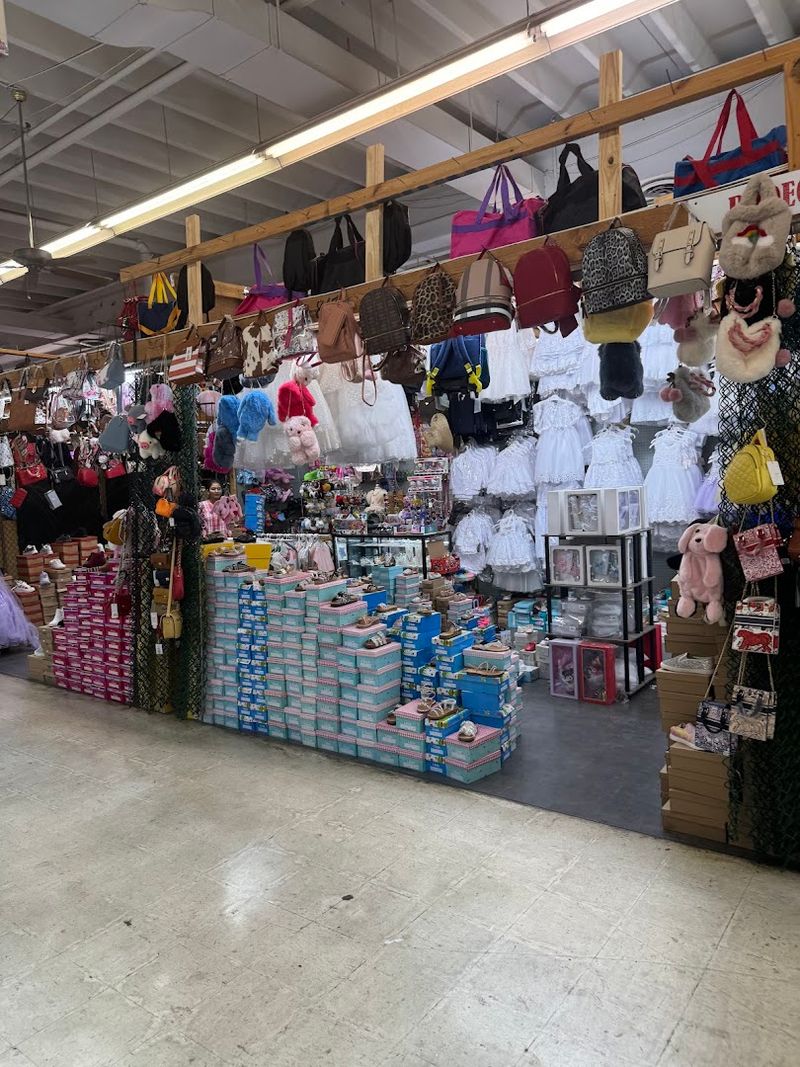
Salt air and bargain hunting mix beautifully at this coastal market where beach-town vibes meet serious deal-making. Located just miles from the Gulf of Mexico, this trade center attracts both locals and tourists looking to score deals between beach visits. The covered pavilion offers relief from coastal sun and occasional rain, making it a year-round shopping destination that never closes due to weather.
Beach-related merchandise naturally dominates here—coolers, fishing gear, beach chairs, and coastal décor at prices that make resort shops look like highway robbery. But you’ll also find the usual flea market staples: clothing, tools, housewares, and electronics. The vendor mix changes seasonally, with more tourist-oriented goods appearing during summer and more practical items in winter when locals have the place mostly to themselves.
Seafood vendors sometimes set up with fresh catches from local boats, offering shrimp, fish, and crab at prices that beat grocery stores. Local craftspeople sell driftwood art, shell jewelry, and beach-themed creations that make perfect souvenirs or gifts. The laid-back Corpus vibe extends to the vendors, who tend to be more relaxed about pricing than their big-city counterparts.
Weekend mornings bring the biggest crowds, but weekday visits reward you with easier parking and more one-on-one attention from vendors. Some sellers specialize in surplus goods from nearby naval facilities, offering military-grade gear and equipment at civilian-friendly prices. Nautical antiques and vintage fishing equipment attract collectors who know this market often yields rare finds.
Bring a cooler if you’re buying seafood or produce, and don’t forget sunscreen even inside the covered areas. The market’s proximity to tourist attractions makes it easy to combine shopping with beach time or visits to the Texas State Aquarium, turning a simple flea market trip into a full coastal day trip.
6. 77 Flea Market (Brownsville)
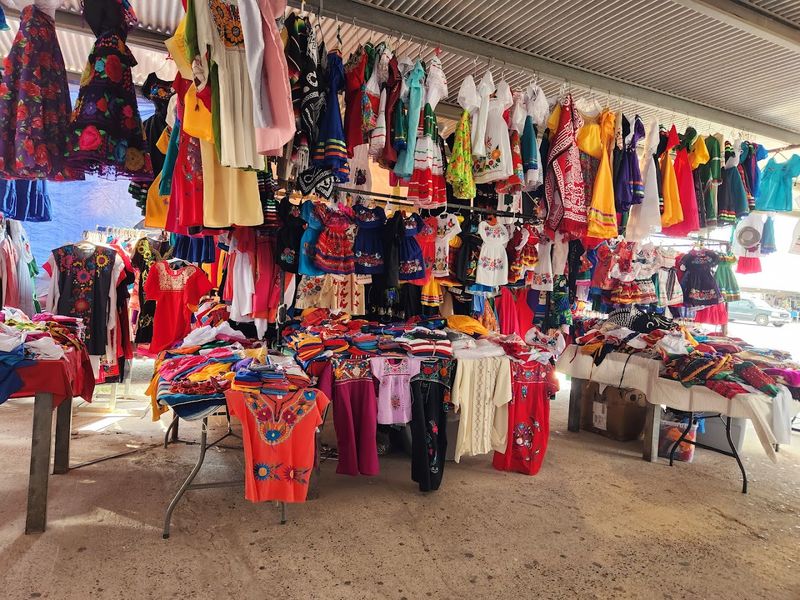
Way down in the Valley where Highway 77 meets the Mexican border, this market thrives on international flavor and unbeatable prices. Brownsville’s proximity to Matamoros creates a unique shopping environment where cultures blend seamlessly and bargains reflect both sides of the Rio Grande. Weekends transform the property into a bustling bazaar where Spanish and English mix freely and everyone’s hunting for the next great deal.
Mexican imports steal the show here—hand-tooled leather belts, silver jewelry, colorful blankets, and religious items you won’t find at mainstream stores. Piñatas in every imaginable character hang from vendor stalls while racks of guayaberas and embroidered dresses showcase traditional craftsmanship. Prices start incredibly low and drop even further with friendly negotiation conducted in whichever language you prefer.
American goods balance the inventory with electronics, tools, clothing, and household items at flea market prices that make retail shopping feel foolish. Vendors selling refurbished appliances, slightly irregular merchandise, and overstock items help budget-conscious families furnish entire homes. The toy section rivals discount stores but costs half as much, making it parent paradise during birthday season.
Food vendors serve authentic border cuisine that alone justifies the visit—barbacoa tacos, elotes, raspas, and fresh fruit cups topped with chili powder. The market atmosphere feels like a neighborhood gathering where everyone knows someone and newcomers quickly become regulars. Cash moves faster than cards, and having small bills makes negotiating easier.
The Valley heat requires strategic planning—arrive early before temperatures soar, or visit during winter months when pleasant weather makes browsing comfortable. Parking lots fill quickly on Sundays, the busiest day when families make market visits part of their weekly routine. Fifty dollars here buys more than at almost any other Texas market, thanks to border economics and vendor competition.
7. Austin Country Flea Market (Austin)
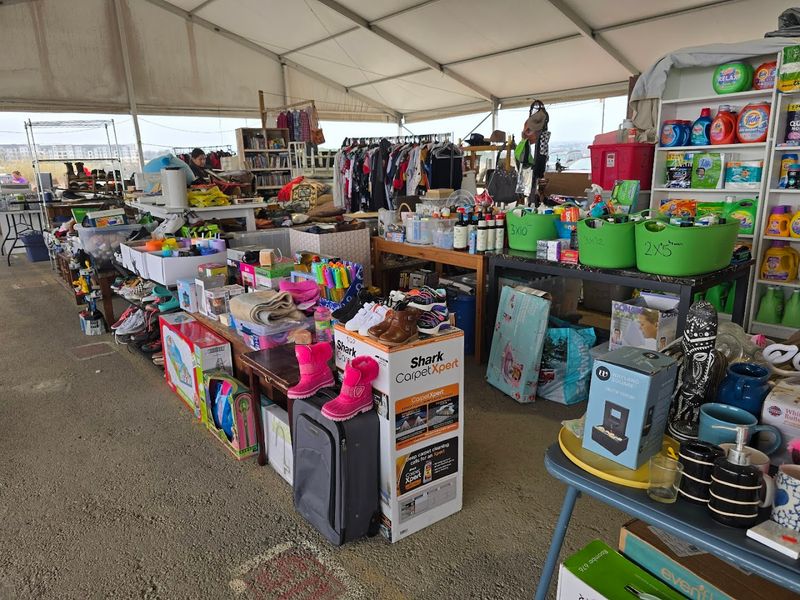
Keep Austin Weird applies perfectly to this sprawling market where counterculture meets country living just south of the city. Open every Saturday and Sunday, this market has evolved from humble beginnings into a must-visit destination for locals and tourists seeking authentic Austin character. The mix of vendors reflects the city’s diverse population—hippies selling crystals next to ranchers offloading tools next to artists hawking original paintings.
Vintage clothing sections rival the best thrift stores with curated selections of band tees, cowboy shirts, and retro dresses that fit Austin’s eclectic style. Record bins overflow with vinyl from every era, and music memorabilia celebrates Austin’s live music heritage. Furniture hunters find mid-century modern pieces, rustic farmhouse tables, and quirky accent pieces perfect for decorating eclectic Austin homes.
Local artists and craftspeople use this market as their gallery, offering handmade jewelry, leather goods, pottery, and artwork at prices that support creativity without requiring trust fund budgets. Food trailers serve everything from breakfast tacos to Thai food, and the coffee stays strong all day. The atmosphere feels more like a community festival than a commercial enterprise.
Fifty dollars stretches impressively here if you shop smart—arrive early for furniture deals, save haggling for late afternoon, and don’t be afraid to walk away since you can always circle back. Vendors appreciate genuine interest and conversation, often throwing in extras or discounting bundles. The market attracts everyone from UT students furnishing dorm rooms to established Austinites hunting for unique pieces.
Parking requires patience on sunny weekends when everyone has the same idea, but the crowds thin during occasional rain showers when brave shoppers score amazing deals. The market’s location near downtown makes it easy to combine flea market hunting with other Austin activities, creating perfect Saturday adventures that capture the city’s independent spirit.
8. The National Flea Market (Lubbock)
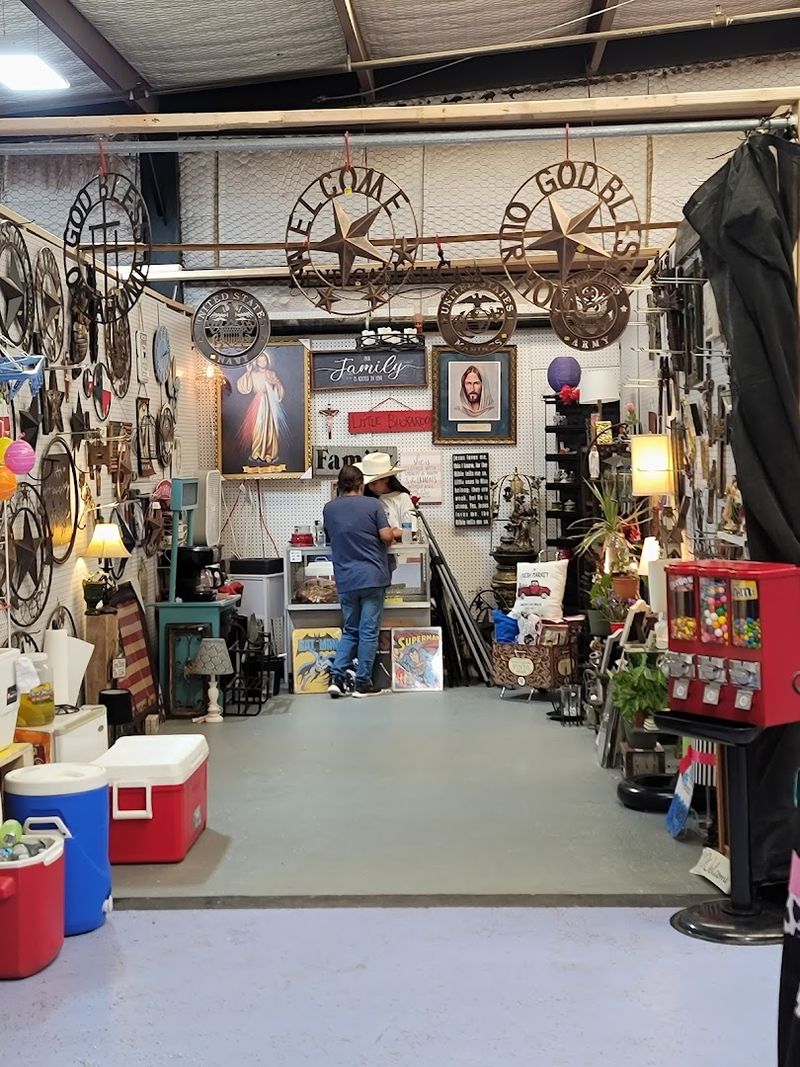
Out on the High Plains where West Texas stretches endlessly in every direction, this market serves a region where self-reliance and thriftiness aren’t just values but necessities. The no-nonsense approach matches the landscape—straightforward pricing, honest descriptions, and vendors who’d rather build repeat customers than make quick bucks. Saturday mornings bring the best selection when fresh merchandise arrives from estate sales, storage unit cleanouts, and overstocked warehouses.
Agricultural and ranching supplies get serious attention here, reflecting the region’s economy. Fencing materials, livestock equipment, work gloves, and heavy-duty tools cost significantly less than farm supply stores. But don’t assume it’s all utilitarian—home décor, clothing, and entertainment options fill plenty of booths.
The vendor mix includes retirees supplementing social security, young entrepreneurs building businesses, and families clearing out inherited estates.
Furniture deals stand out as particularly strong since Lubbock’s market doesn’t face the competition of larger cities. Solid wood pieces, vintage metal patio sets, and gently used appliances move quickly at prices that make buying new seem wasteful. Electronics vendors sell everything from gaming systems to power tools, often with informal warranties based on handshakes and reputation.
The food situation stays simple but satisfying—classic fair food, cold drinks, and usually someone grilling burgers or selling homemade tamales. West Texas hospitality shows in friendly conversations and vendors who remember customers from previous visits. Cash remains the preferred payment method, though more vendors now accept digital payments.
Wind can be a factor on the open plains, so dress in layers and secure any lightweight purchases. The market reflects Lubbock’s character—practical, unpretentious, and focused on value over flash. Your fifty-dollar budget here buys quality items that last, from sturdy furniture to reliable tools, all while supporting a community marketplace that serves as social hub and economic engine.
9. Las Esperanza Flea Market (San Antonio)
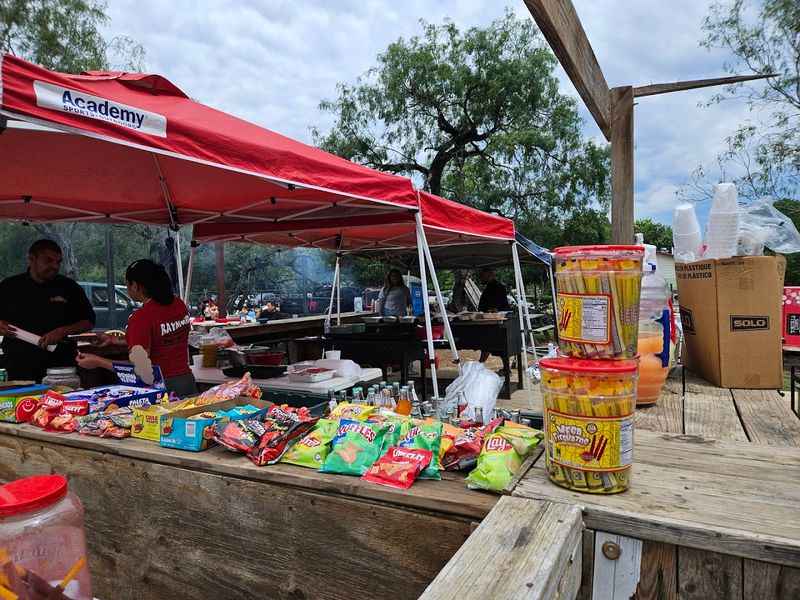
On San Antonio’s West Side, this market pulses with the heartbeat of the city’s Mexican-American community, offering cultural authenticity alongside incredible bargains. The name means “The Hope,” and for many families, it represents hope for stretching tight budgets while maintaining cultural connections. Sunday afternoons hit peak energy when extended families shop together, turning errands into social events filled with catching up and shared meals.
Religious items, quinceañera supplies, and traditional clothing fill dedicated sections serving the community’s cultural needs. But you’ll also find everyday necessities—work clothes, children’s shoes, kitchen supplies, and household goods at prices that help working families make ends meet. Vendors understand their customers’ budgets and price accordingly, creating a market where dignity and affordability coexist.
Fresh produce vendors compete with each other, driving prices down and quality up. Seasonal fruits, vegetables, herbs, and chilies arrive fresh from Valley farms and local gardens. Homemade goods include tamales, pan dulce, tortillas, and salsas that taste like abuela’s recipes because they probably are.
Food stalls serve authentic street food—tacos, elotes, aguas frescas, and treats that make this market a culinary destination.
The clothing sections cater to all ages with practical, affordable options from baby clothes to work uniforms. Boot and shoe vendors offer leather goods at prices that acknowledge the reality of working-class budgets. Toy sections help parents afford birthday and holiday gifts without sacrificing quality or going into debt.
Spanish dominates conversations, though vendors happily switch to English for non-Spanish speakers. The welcoming atmosphere makes everyone feel included in this community space that serves purposes beyond commerce. Fifty dollars here supports local vendors while filling your trunk with necessities, treats, and cultural treasures that connect San Antonio’s present to its roots.
10. Houston Flea Market (Houston)
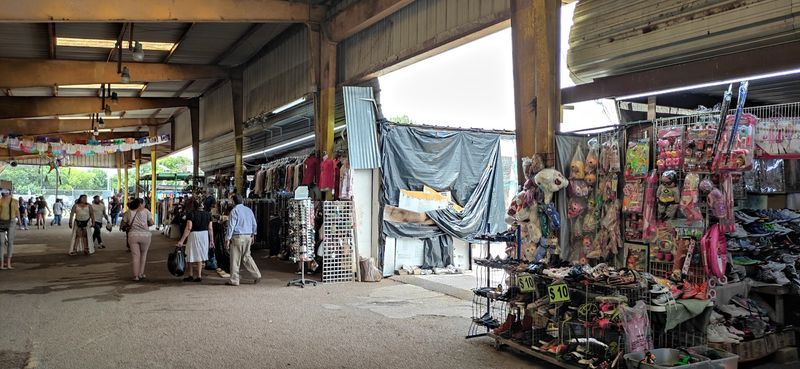
Everything really is bigger in Texas, and Houston’s sprawling flea market proves it with acres of vendors representing the city’s incredible diversity. Open weekends year-round, this market reflects Houston’s international character with vendors from Vietnamese, Nigerian, Mexican, Indian, and dozens of other communities. Walking the aisles feels like traveling the world while hunting for bargains, with each section offering different cultural treasures and perspectives.
International foods and spices alone justify the visit—exotic produce, imported snacks, specialty ingredients, and cooking equipment you won’t find in regular stores. African fabrics, Asian electronics, Latin American imports, and Middle Eastern goods create shopping opportunities unavailable elsewhere. Prices stay competitive because vendors know customers can comparison shop just aisles away.
American goods fill the remaining spaces with clothing, furniture, tools, and household items at standard flea market prices. The sheer size means you’ll find multiples of everything—ten vendors selling tools, twenty selling shoes, countless clothing racks. This competition keeps prices low and selection high, rewarding shoppers who take time to compare before buying.
Food options match the market’s diversity with cuisine from around the globe. Vietnamese pho, Mexican tacos, Nigerian jollof rice, Indian samosas, and American barbecue all compete for your attention and appetite. The food court atmosphere encourages trying new flavors without committing to full restaurant meals.
Navigating requires strategy since you can’t see everything in one visit. Some shoppers focus on specific sections, while others wander randomly and let serendipity guide them. Weekday visits offer breathing room, but weekend energy makes the experience more exciting.
The parking lot resembles a small city, so note your location or risk wandering for ages.
Your fifty-dollar budget faces serious temptation with so many options, but disciplined shoppers walk away with amazing international finds, quality basics, and memorable experiences that capture Houston’s multicultural magic in marketplace form.
11. T Anchor Flea Market (Amarillo)
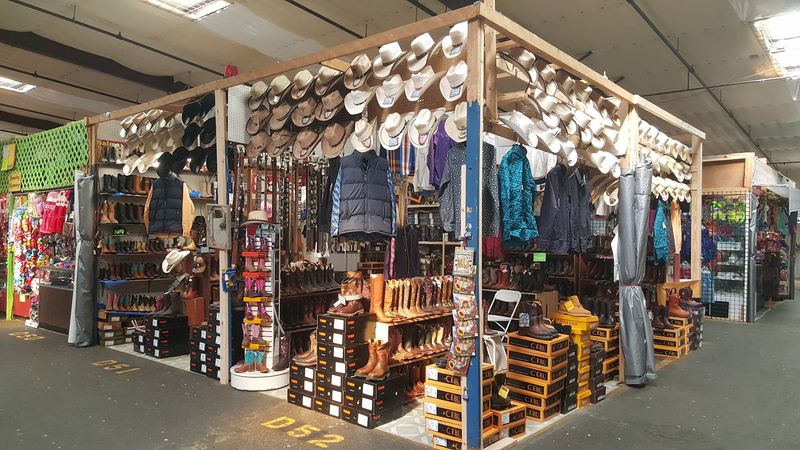
Up in the Texas Panhandle where I-40 cuts through endless plains, this market serves a region where the nearest big city feels worlds away and self-sufficiency matters. The vendors reflect Amarillo’s ranching heritage and working-class values—straight shooters who price fairly and stand behind their merchandise. Weekend mornings bring ranchers, oil field workers, and families who’ve made this market part of their routine for generations.
Western wear gets serious attention with boots, hats, belt buckles, and denim from working brands, not fashion labels. Prices reflect actual value rather than trendy markups, and quality matters more than labels. Ranch and farm equipment, tools, and supplies cater to folks who fix things themselves rather than hiring help.
Automotive parts, mechanic’s tools, and DIY supplies help Panhandle residents maintain vehicles and equipment in a region where breakdowns mean real problems.
Home goods lean practical—sturdy furniture, functional appliances, reliable kitchen equipment. Decorative items tend toward rustic, Western, and patriotic themes that match local tastes. Vintage finds include old farm implements, Western memorabilia, and collectibles that tell stories of Panhandle history.
The hunting and fishing section stocks gear for outdoorsmen who actually use equipment rather than just collect it.
Food stays simple and hearty—barbecue, burgers, and classic fair food that fuels serious shopping. Vendors know many customers by name, and conversations flow easily about weather, cattle prices, and local news. The market serves as community hub where information gets shared and connections maintained.
Weather varies wildly in the Panhandle—blazing summer heat, bitter winter cold, sudden spring storms. Dress appropriately and check forecasts before heading out. The market’s modest size compared to urban giants actually works as advantage, letting you see everything without exhausting yourself.
Cash remains preferred, reflecting the region’s traditional values.
Fifty dollars buys quality goods built to last rather than trendy items designed to break. The market embodies Panhandle character—honest, unpretentious, focused on value and function over flash and fashion.
12. Ascarate Flea Market (El Paso)
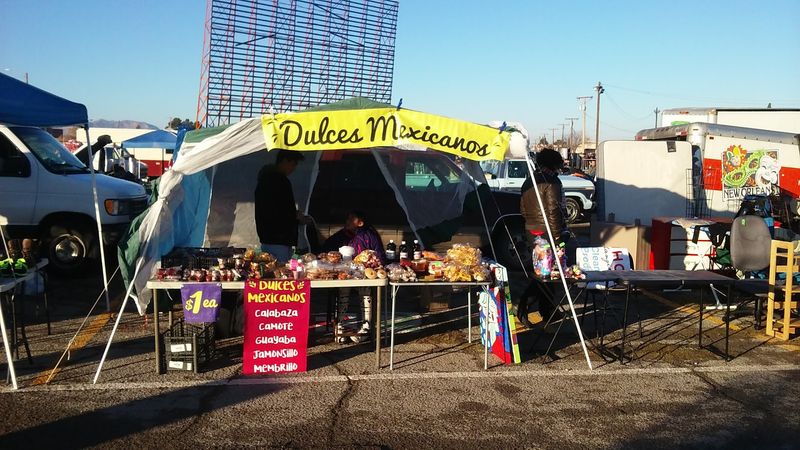
Where the Rio Grande separates Texas from Mexico and the Franklin Mountains dominate the skyline, this market thrives on border culture and binational commerce. El Paso’s unique position creates shopping opportunities found nowhere else in Texas, with merchandise flowing from both sides of the border. Saturday and Sunday crowds reflect the city’s bilingual, bicultural character, and the market atmosphere feels more like a Mexican mercado than a typical American flea market.
Mexican imports dominate certain sections—handcrafted pottery, leather goods from Chihuahua, silver jewelry, blankets, and religious items. Vendors maintain connections across the border, ensuring fresh inventory and authentic products. Prices reflect border economics where competition stays fierce and customers know value.
Haggling happens naturally in both languages, and building rapport with vendors leads to better deals and insider tips.
American goods balance the mix with electronics, clothing, tools, and household items at competitive prices. Military surplus from nearby Fort Bliss occasionally appears, offering quality gear at civilian-friendly costs. The clothing sections cater to desert climate needs—sun protection, light layers, sturdy boots for rough terrain.
Children’s sections help families outfit growing kids without breaking budgets already stretched by border region economics.
Food vendors serve both Tex-Mex and authentic Mexican cuisine, with recipes that reflect generations of border cooking traditions. Fresh produce includes desert-adapted varieties and Mexican specialties rarely seen in other Texas markets. Spice vendors offer chilies and seasonings that transform home cooking.
The desert setting requires preparation—sunscreen, water, hats, and comfortable shoes for walking on hard-packed dirt. Mountain views provide stunning backdrop for bargain hunting, and cooler morning temperatures make early visits pleasant before desert heat builds. Parking fills quickly on popular weekends when families from both sides of the border converge.
Your fifty-dollar budget here buys unique border treasures, practical necessities, and cultural experiences that capture El Paso’s distinctive character as the place where Texas meets Mexico and desert meets mountains.
Share this story