A church bell carries farther when there is no traffic competing with it. That is the appeal of these New Jersey escapes: not emptiness, but room to notice things.
A millrace sliding past old stone buildings. Sailboats leaning into a Barnegat Bay breeze.
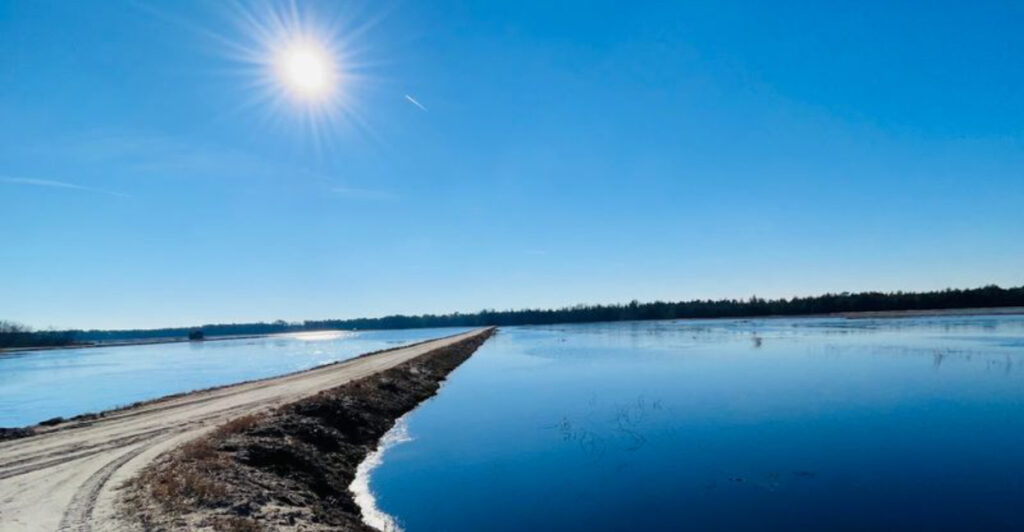
A cranberry road disappearing between dark pines. None of these places requires a color-coded itinerary or a battle for the last parking space.
They reward a slower kind of day—one built around a walk, a good lunch, a historic house, or an hour spent watching water move. Some are tiny river towns with polished Main Streets; others are beach communities, farming villages, or nearly abandoned settlements where the quiet is part of the story.
Together, they prove that charm does not need a crowd to validate it. When the usual hotspots feel more exhausting than restorative, point the car toward one of these twelve places and let New Jersey lower the volume.
1. Oldwick – Tewksbury Township
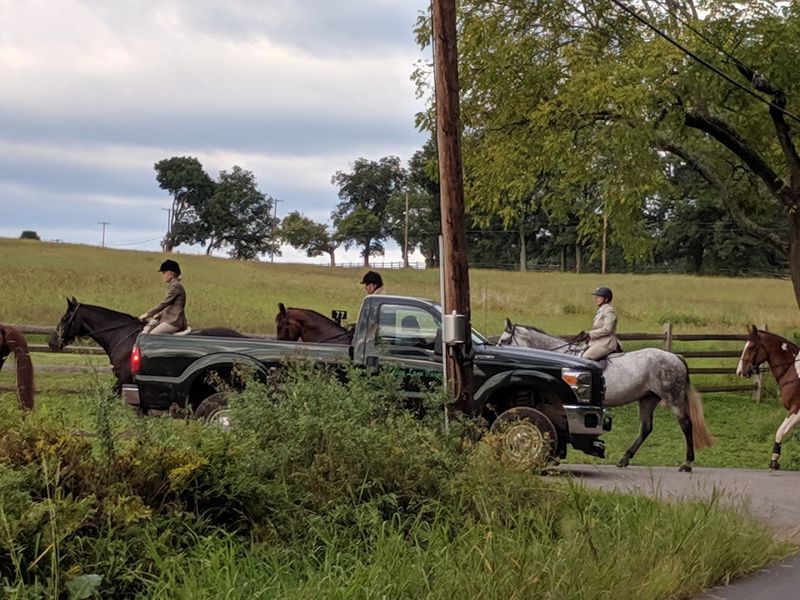
White-steepled churches, clipped hedges, and old houses sit close to the road in this Hunterdon County village, giving even a casual drive the feeling of a carefully composed scene. The best approach is to park once and wander Main Street without trying to turn the visit into a checklist.
Oldwick’s historic district contains buildings from several architectural periods, and the former academy that now serves as the Tewksbury Library dates to around 1806. That mix keeps the village from feeling like a museum set; these handsome old structures still have jobs to do.
Pause at the library, look for the Zion Lutheran Church, and take the side streets slowly enough to notice stone walls, barns, and broad lawns. Lunch at the Tewksbury Inn gives the day a satisfying center.
The building has anchored the village for generations, and the dining room works equally well for a relaxed midday meal or an unhurried dinner; reservations are a sensible move on weekends. Oldwick is not the place for a packed agenda.
Its pleasures are smaller and sharper: a quiet sidewalk, a well-kept doorway, a country road that looks promising enough to follow. Come in fall for peak postcard effect, but a gray winter afternoon can be even better if your idea of charm includes having the village almost to yourself.
2. Califon – Hunterdon County
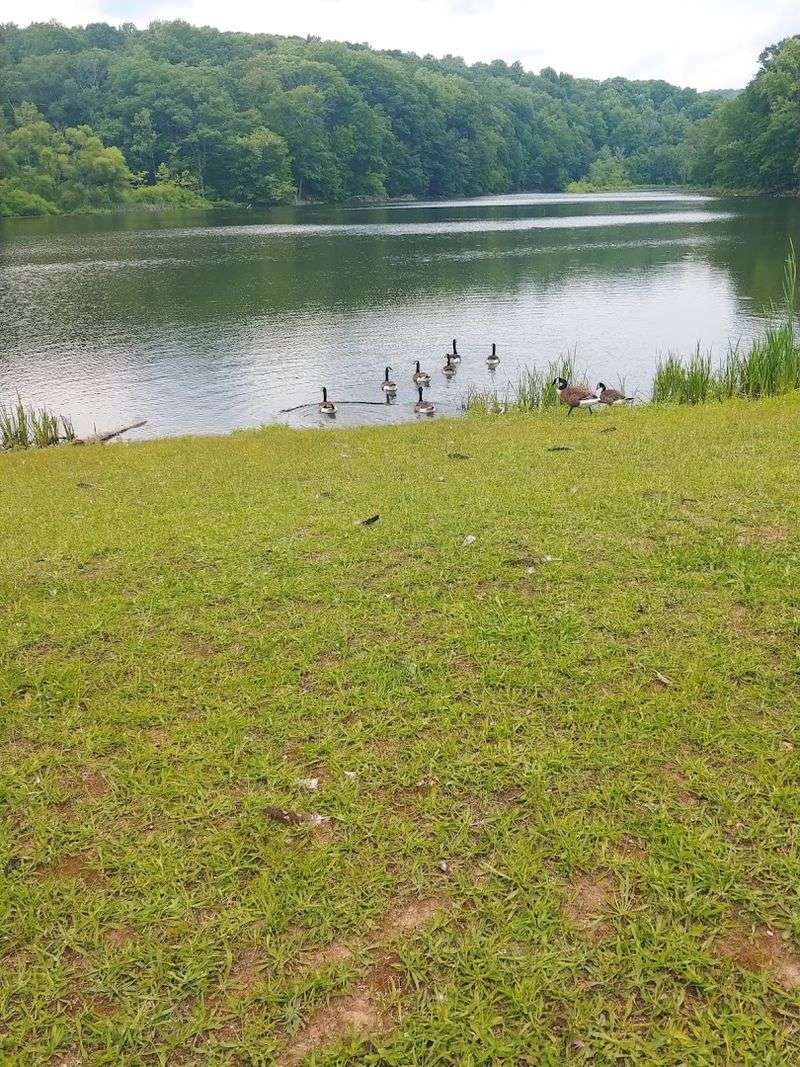
Start with the historic Main Street bridge over the South Branch of the Raritan River, the sort of landmark that instantly gives a small town its identity.
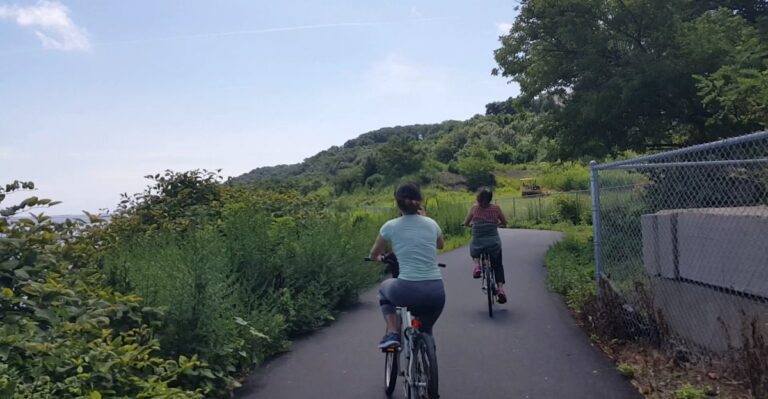
From there, the day naturally spills onto the Columbia Trail, a multiuse path built along a former railroad corridor that runs for more than 15 miles through Hunterdon and Morris counties.
You do not need to tackle a serious distance. A short walk or bike ride from town is enough to trade storefronts for trees, river sounds, and the occasional cyclist appearing around a bend.
Back in the compact center, grab coffee or lunch and find a bench rather than rushing onward. Califon works because its outdoor access and village scale fit together so neatly: trail first, sandwich second, river view whenever you feel like it.
Families can make use of local park space, while photographers will find their best angles around the bridge and old rail route. Parking is generally straightforward, though sunny autumn weekends bring more trail users than usual.
Even then, the town rarely feels overrun. It is a practical escape for anyone who wants fresh air without committing to a rugged hike, and a charming downtown without the retail parade of a larger destination.
3. Stockton – Hunterdon County
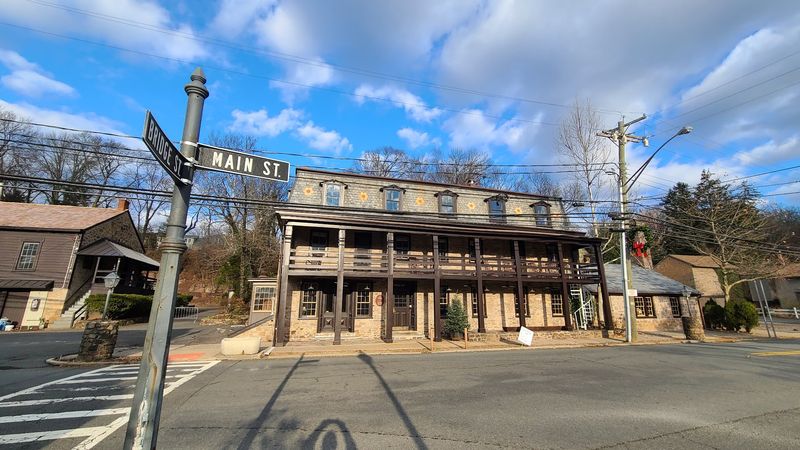
The Delaware River sets the pace here, and it is not in a hurry. Stockton stretches along Route 29 with just enough activity to support a full afternoon, yet it remains far calmer than better-known river towns nearby.
Begin at Prallsville Mills, a 10-building historic complex beside the D&R Canal feeder. The grist mill, sawmill, granary, and other structures tell the story of early industry without requiring you to spend the day behind velvet ropes.
Even when the interiors are not open, the grounds are excellent for a slow walk, photographs, and a closer look at the canal. From the mill, join the towpath for an easy stroll under trees, with the river never far away.
The route is flat, so this is more pleasant ramble than athletic undertaking. Stockton’s Victorian-era buildings now house places to eat, sleep, and browse, but the town’s strongest feature is how little pressure it puts on you to buy anything.
Pick up lunch, sit near the water, or continue north toward Bull’s Island if you want more time outdoors. Parking around the mill and town can fill during events, so ordinary weekends are ideal.
This is the river escape for people who like history in the landscape: old machinery, weathered brick, canal water, and a towpath still doing exactly what a good path should—inviting you to keep going.
4. Belvidere – Warren County
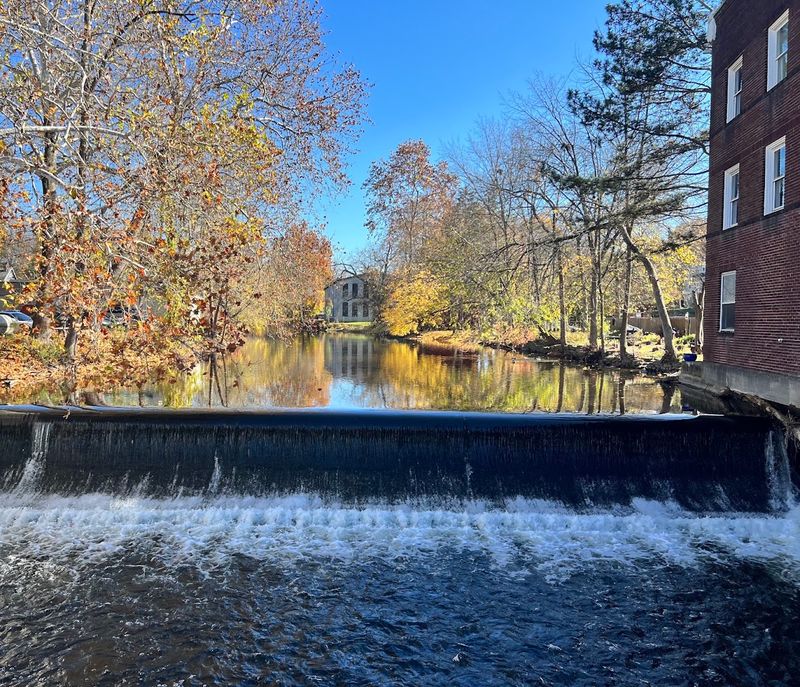
A four-acre green faces the Warren County Courthouse, and that generous town square tells you almost everything about Belvidere. This is a place designed for walking at human speed.
Garret D. Wall Park gives the center an open, leafy pause, with benches, mature trees, and room for a picnic before you explore the surrounding streets.
Belvidere sits along the Delaware and Pequest rivers, and its historic district contains an unusually rich collection of Federal, Greek Revival, and Victorian buildings. The fun is in the variety: brick civic structures, ornate porches, old churches, and houses that seem to compete politely over who has the best trim.
Follow the streets outward from the courthouse, then make your way toward the river for a change of scenery. A casual lunch in town keeps the day easy, though packing pastries or sandwiches for the park is an equally good move.
Belvidere becomes busier during major community events, especially its well-known Victorian celebration, so choose a regular weekend if quiet is the priority. Street parking is usually uncomplicated, and the compact center means the car can stay put.
Among New Jersey’s small historic towns, Belvidere feels notably unpolished in the best way. It is beautiful without performing beauty too aggressively, which leaves visitors free to enjoy the architecture, rivers, and green space without elbowing through a crowd.
5. Walpack Center – Sussex County
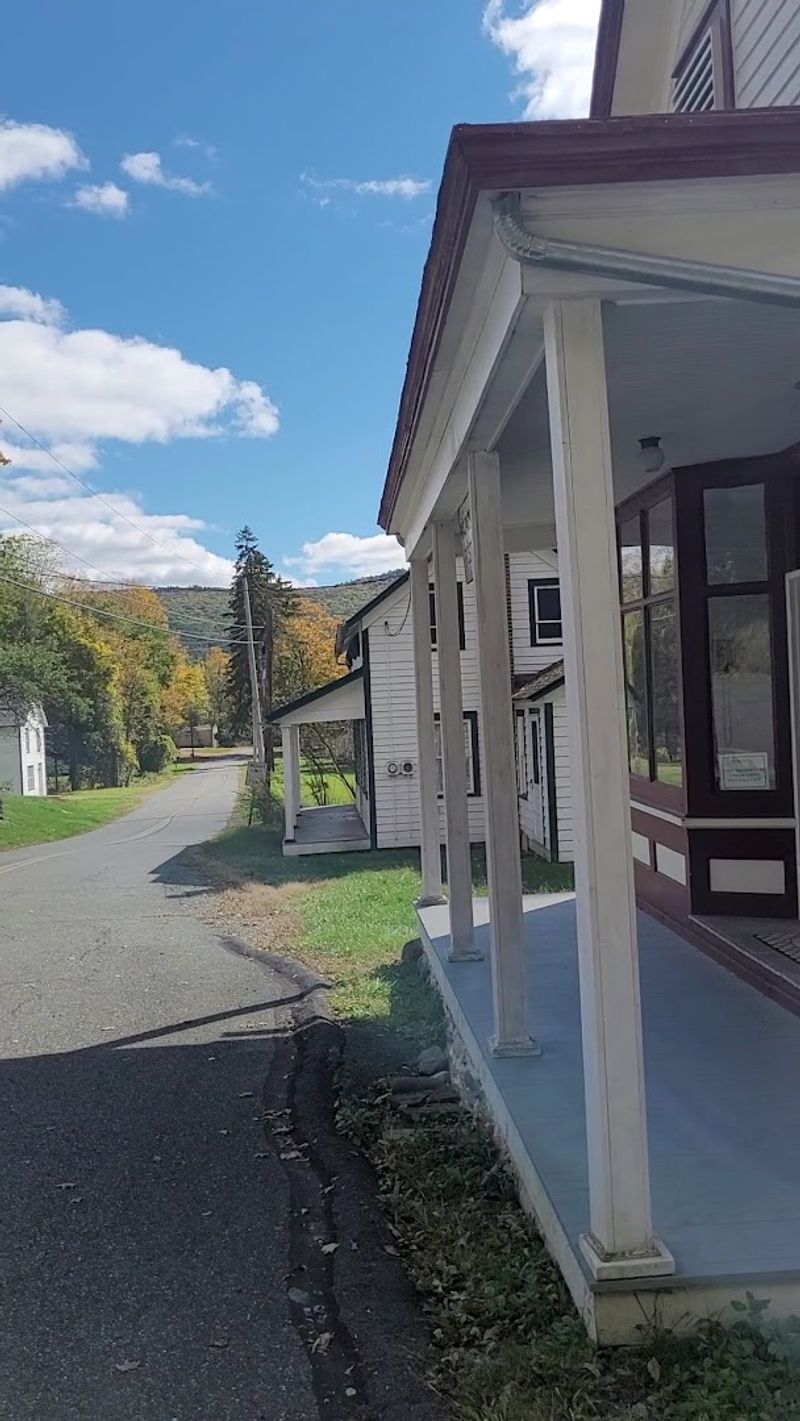
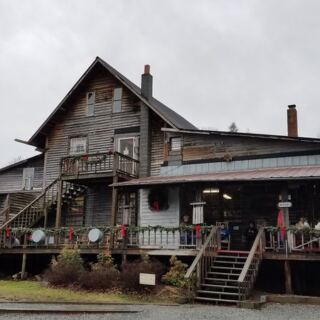
There are quiet towns, and then there is Walpack Center, where an old church, former community buildings, and long stretches of road sit inside the Delaware Water Gap National Recreation Area. The former farming community is no conventional downtown escape.
There are no boutiques to browse and no café waiting with a latte. Bring food, water, and a willingness to let the landscape carry the day.
The Walpack Historical Society maintains a museum in the Rosenkrans House, with open houses held on select dates, so checking the schedule before leaving home matters. Otherwise, simply walking the small historic center and driving the surrounding roads offers a striking look at an isolated rural settlement.
Pair the visit with nearby outdoor scenery. Buttermilk Falls is one of New Jersey’s tallest waterfalls, and a steep trail climbs beside it toward the Appalachian Trail, though seasonal road closures and current access conditions deserve attention.
Easier pleasures are available too: forest pull-offs, old farm fields, and the broad quiet of the Flat Brook Valley. Cell service can be unreliable, facilities are limited, and this is not a spontaneous “we’ll figure it out” destination.
Download directions and maps first. Do that small bit of homework, and Walpack delivers something increasingly rare: a day that feels genuinely removed from the state’s usual pace.
6. Allentown – Monmouth County
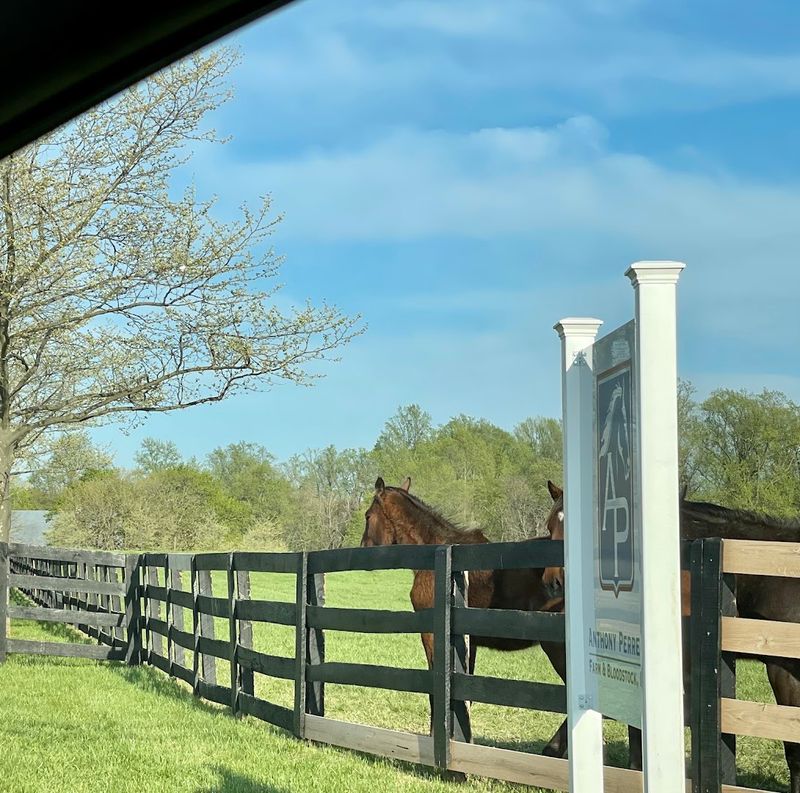
Main Street bends gently past brick storefronts, colorful doors, and old houses rather than marching in a perfectly straight commercial line. That slight irregularity gives Allentown much of its personality.
The borough sits amid western Monmouth County farmland and has protected a walkable center where boutiques, antique shops, cafés, and restaurants fit into historic buildings instead of sprawling shopping centers. Begin near the heart of downtown and browse without a target.
This is a good place to buy a candle, a vintage kitchen piece, or a gift you had no intention of purchasing when you parked. Afterward, pick a café table for coffee and something sweet, or settle in for lunch before walking toward Connines Millpond and the nearby green spaces.
The pond adds an easy nature break to a shopping-centered day, especially if you bring a picnic or fishing gear. Allentown’s scale is its advantage: enough doors to open, not so many that browsing becomes a project.
Weekends can be active when seasonal events are underway, but ordinary mornings stay relaxed. Street parking and small public lots serve the center, and comfortable shoes matter more than a detailed route.
This is an especially good escape for mixed-interest groups. One person can hunt antiques, another can photograph architecture, and everyone can meet for lunch without needing a shuttle, reservation spreadsheet, or debate about which end of town to tackle first.
7. Cranbury – Middlesex County
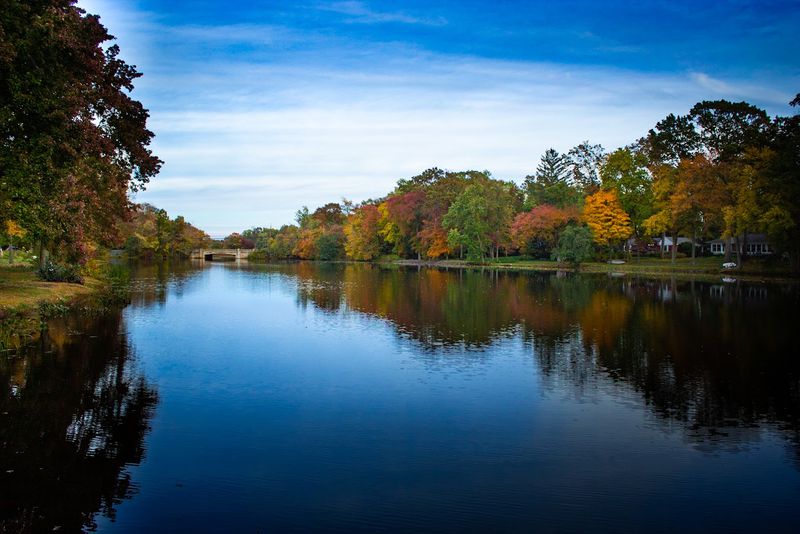
The first surprise is how quickly suburban Central Jersey gives way to a Main Street that looks composed for a period drama. Cranbury’s center is lined with historic homes, churches, shops, and dining rooms, while the village lake adds a reflective stretch of water near the historic core.
Walk beside the water first, especially in the morning when the paths and benches are quiet, then turn toward Main Street for the town’s older architecture. The Cranbury Museum, housed in a furnished 19th-century home, opens for docent-led visits on select days and is worth planning around if local history is your thing.
Food is part of the appeal here, too. Teddy’s Luncheonette supplies the classic small-town breakfast-and-lunch mood, while the Cranbury Inn brings a more formal sense of occasion from an establishment officially dating to 1780.
Choose pancakes and coffee for a casual day or make dinner the finale if you want the escape to feel like a proper outing. Antique and collectible shops can fill the time between lake and meal without creating the frenzy of a major retail district.
Parking is generally manageable, but the historic streets reward patience and attention to posted restrictions. Cranbury is charming because the water, houses, shops, and restaurants all sit close together.
You can experience the town properly without racing across it, which is exactly the point.
8. Island Heights – Ocean County
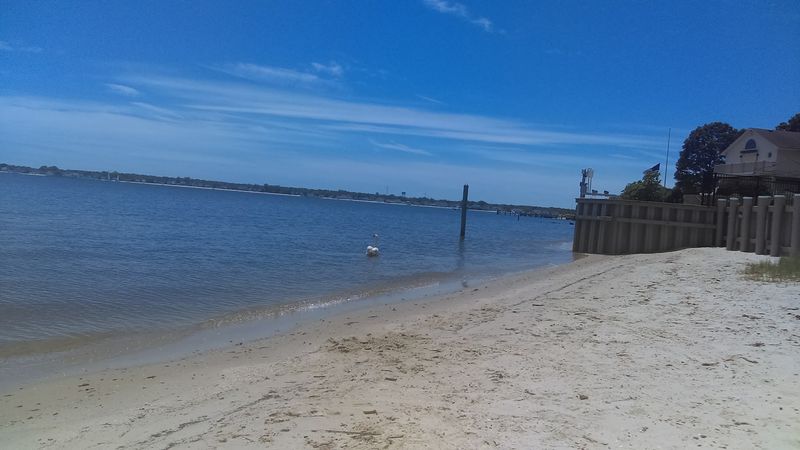
Sailboats, not roller coasters, define the horizon in this small Ocean County borough. Island Heights rises above the Toms River, and its waterfront boardwalk offers a long, simple pleasure: walking beside the water while masts shift, gulls circle, and boats make slow progress toward Barnegat Bay.
There is no boardwalk arcade competing for your attention. Instead, the route passes docks, benches, and views that change with every patch of light on the river.
The town’s creative side gives the escape more substance than a pretty promenade alone. The Ocean County Artists’ Guild, John F.
Peto Studio Museum, and local galleries connect Island Heights to a longstanding arts tradition, though hours vary and are best checked before a visit. In summer and fall, the farmers market can add produce and baked goods to the morning.
Bring those finds to a bench or build a picnic around them. The streets above the water are worth wandering for older homes, shaded gardens, and glimpses down toward the river.
Recreational badges may be required for certain beach and fishing facilities, so verify seasonal rules if those are part of your plan. For a low-key visit, however, the boardwalk and village streets are enough.
Arrive early, park respectfully in the residential area, and let the river provide the entertainment. Few Shore towns make doing very little feel this complete.
9. Tuckerton – Ocean County
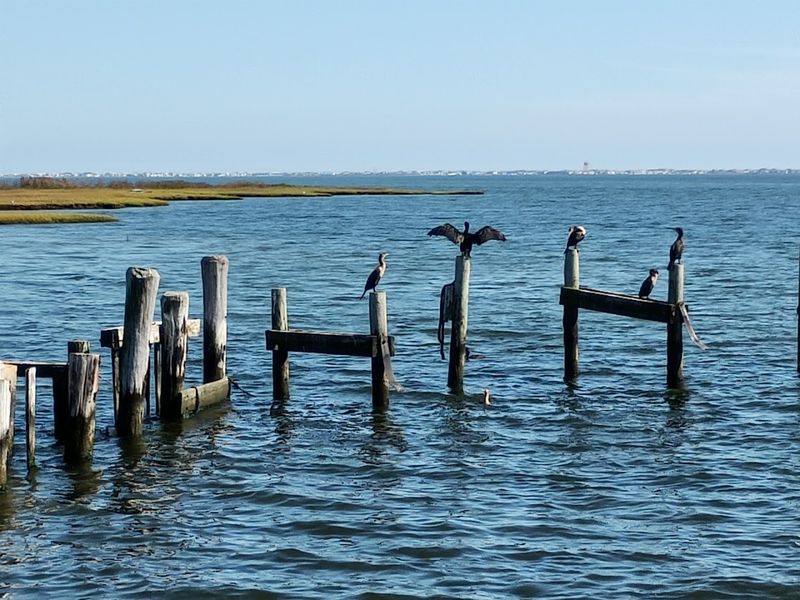
Climb a lighthouse, watch a decoy carver work, and take a boat along a tidal creek—all without entering a Shore traffic jam. Tuckerton’s main draw is the Tuckerton Seaport, a working maritime village and cultural center spread along the water off Main Street.
Its exhibits cover coastal traditions, boats, fishing, duck decoys, and life along the bay, with enough hands-on elements to keep the visit from becoming a sequence of display cases.
The current $5 admission makes it easy to drop in for a few hours, while seasonal creek tours and ferry service can turn the museum stop into the centerpiece of a full day.
Check schedules in advance; boat experiences do not run continuously, and weather has opinions. After the Seaport, walk the boardwalk paths, look for wildlife around the water, and browse the small shops before finding lunch in town.
Seafood is the natural choice, though a coffee and pastry stop works well if you are saving room for dinner elsewhere along the coast. Tuckerton feels different from barrier-island destinations because its story is tied to marshes, creeks, boatbuilding, and working-bay culture rather than beaches alone.
Parking at the Seaport is straightforward, and the compact setting is family-friendly without feeling manufactured. It is the rare attraction where learning something and having a pleasantly aimless waterfront afternoon happen at the same time.
10. Mauricetown – Cumberland County
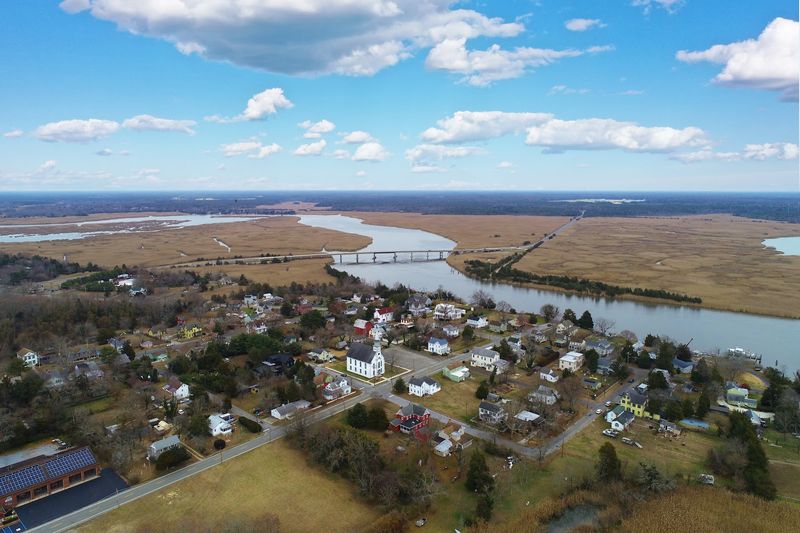
Front Street faces a broad, tidal river that once supported the livelihoods of sea captains, oyster workers, and shipbuilders. Mauricetown still bears that maritime history in its large old homes and quiet lanes, but today the soundtrack is more likely to be wind in the trees than commerce on the water.
Begin with a slow walk near the Maurice River, keeping an eye out for birds over the marsh and architectural details on the village’s historic houses. The Mauricetown Historical Society museum adds context, displaying artifacts and documents tied to the community and surrounding river settlements.
Its grounds also include a cookhouse and an 1830s New Jersey stackhouse, though public hours are limited and private tours may need to be arranged. That makes advance planning worthwhile.
This is not a town where you arrive expecting a string of open businesses. Pack a picnic or plan a meal in another riverside community, then treat Mauricetown as the contemplative heart of the day.
Nearby waterways—including portions of the Maurice and its tributaries—are recognized for their scenic and ecological importance, giving birders and paddlers plenty of reasons to linger in the region.
The village’s appeal lies in what has not been crowded in: no dense commercial strip, no loud attractions, no pressure to keep moving.
You come for river light, maritime history, and the pleasure of discovering how much character can fit into a place that barely raises its voice.
11. Strathmere – Upper Township

At the northern edge of Sea Isle City, the road narrows, the commercial clutter falls away, and Strathmere begins almost without announcing itself. This Upper Township beach community has no boardwalk, no amusement rides, and—still a small Jersey Shore miracle—no beach tags.
Street parking is free, though summer weekends reward an early arrival and careful attention to signs. Once settled, the plan can remain beautifully basic: swim at a guarded beach, explore the natural shoreline, or head to designated areas for surfing and fishing.
Lifeguard coverage varies by location and day, while beach projects can temporarily change access, so use protected beaches and confirm current conditions before entering the water.
Families can break up the beach hours at the Webster Avenue playground and picnic area, while kayakers and small-boat users have access points on the bay side.
When hunger takes over, Strathmere has a few longstanding places where seafood, cold drinks, and sunset views replace the usual boardwalk snack circuit. Expect prices to reflect the waterfront setting, but the meal feels like part of the escape rather than another stop on a crowded strip.
The community is at its best on a weekday morning or in September, when the pace drops even further. Strathmere proves that a Shore day does not need flashing signs or a wristband.
Sometimes sand, salt air, and one good meal are the entire itinerary.
12. Whitesbog Historic Village – Browns Mills
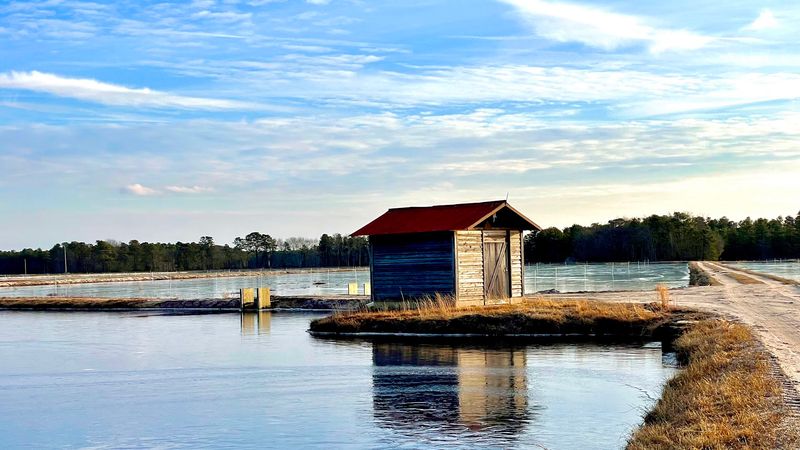
The road into Whitesbog runs through pines and past dark bog water before a cluster of weathered buildings appears in the forest. This historic farm village inside Brendan T.
Byrne State Forest was founded in 1857 and is closely tied to New Jersey’s cranberry industry and Elizabeth White’s work cultivating commercial highbush blueberries. That agricultural history is not sealed behind glass.
It spreads across roughly 3,000 acres of bogs, creeks, fields, and woods, with trails leading past former workers’ homes, farm structures, blueberry areas, and quiet water. Start with a self-guided walk, then visit the 1924 General Store when it is open.
Its shelves carry jams, honey, chocolates, local goods, books, and hiking supplies, making blueberry preserves or cranberry treats the obvious souvenir. Scheduled tours, markets, seasonal hikes, and festivals add activity, but an ordinary day may be even more atmospheric.
Trails are open from dawn to dusk, while building and store hours are more limited, so check the calendar before driving into the Pines. Bring water, insect repellent, and shoes that can handle sandy or damp ground.
Whitesbog feels remote without requiring a wilderness expedition. The village gives you history, nature, and a little farm-store browsing in one place, with enough silence between stops to hear frogs, birds, and your own footsteps.
Share this story