A four-and-a-half-tatami tea room hidden inside a Quaker-style building. A Victorian mansion from 1898.
A tea parlor where the china doesn’t match on purpose and even the chandeliers have stories. New Jersey’s best tea experiences are anything but interchangeable.
Some lean hard into the English tradition, complete with clotted cream, finger sandwiches, and tiered trays. Others take the ritual in an entirely different direction, from Japanese matcha ceremonies to modern tea-and-dessert pairings that would never be mistaken for your grandmother’s afternoon tea.
Then there are the settings: historic homes, Main Street storefronts, gardens, porches, and rooms crowded with vintage treasures. That makes this list just as much about where you’re sitting as what’s in your cup.
Whether you want to dress up for a proper afternoon tea, disappear into a peaceful garden, or simply demolish a warm scone with an unreasonable amount of lemon curd, these 12 New Jersey tea houses deliver.
1. Boukakuan Japanese Tea House and Garden
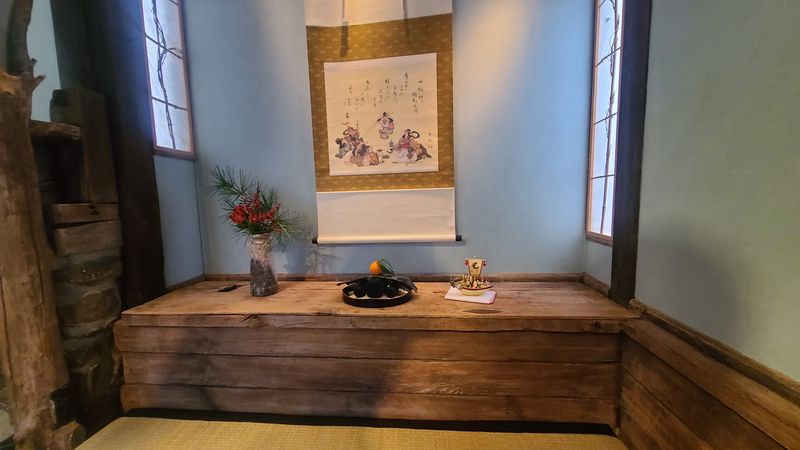
Forget tiered trays and cucumber sandwiches for a moment. A visit to Boukakuan in Columbus is about chanoyu, the Japanese Way of Tea, and the difference is apparent before the matcha even reaches your hands.
The tea house opened in 1997 on the grounds of the historic Copany Friends Meeting House. From outside, the building deliberately echoes the restrained lines of a Quaker structure.
Step inside, however, and you find a traditional four-and-a-half-tatami tea room with a preparation area and sunken hearth. This isn’t a conventional restaurant where you wander in for lunch.
Private visits are arranged in advance, generally at least a week ahead, and the tea house can comfortably accommodate small groups. Arrive early and you may have time to wander through the garden and take in the koi pond before the ceremony begins.
Guests are served a traditional Japanese confection followed by a bowl of green tea, with the ritual offering as much to pay attention to as the drink itself. Boukakuan also offers lectures and lessons in the Urasenke tradition for anyone interested in moving beyond observation and actually learning the practice.
Come here when you want tea to feel intentional rather than incidental. The garden, compact tea room, utensils, movements, and quiet pacing all work together.
It’s one of the most distinctive tea experiences in the state precisely because it asks you to slow down and notice the details.
2. Prince Tea House – Princeton
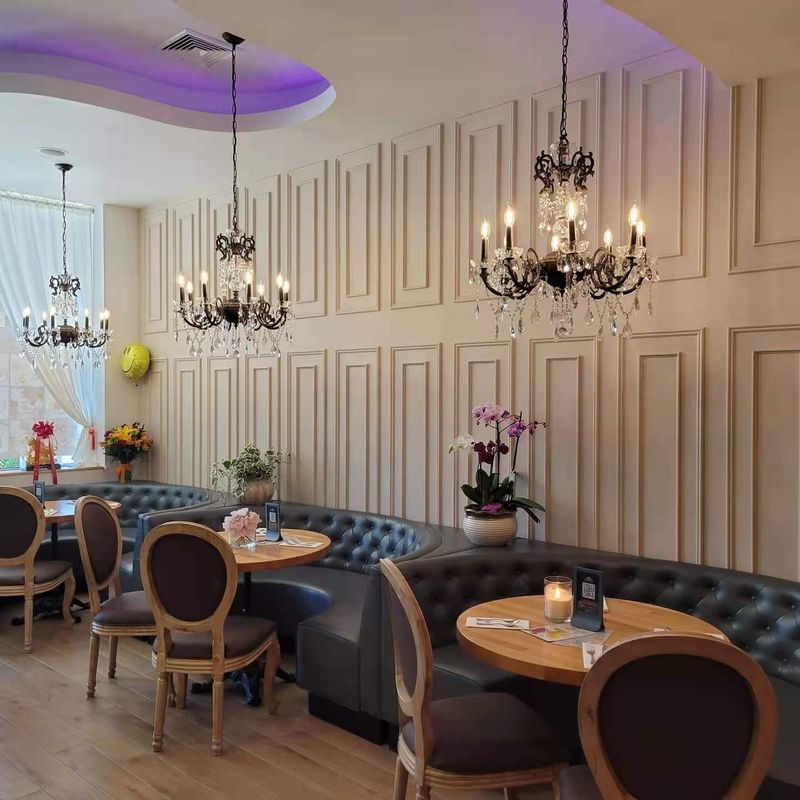
There is no rule saying afternoon tea has to look as though it was frozen in 1890. Prince Tea House proves the point with an Asian-European approach that pairs classic tea-service touches with modern desserts, brunch dishes, and a few menu curveballs.
The Princeton location feels more contemporary than the lace-and-floral tea rooms people sometimes picture when they hear the words “afternoon tea.”
The signature tea service brings together finger sandwiches, scones, mini pastries, and tea, while the larger menu leaves plenty of room to go off-script. Handmade desserts are a major draw, with options such as mille crêpes cake, mille-feuille, strawberry shortcake parfait, and molten lava cake often stealing attention from the tea itself.
Then you have savory choices like takoyaki and sandwiches, which make Prince especially useful when half the table wants tiny cakes while somebody else wants something more substantial. The broad tea selection also makes it easy to experiment instead of defaulting to Earl Grey yet again.
This is one of the easier entries on the list to treat casually. You don’t necessarily need to build an entire special occasion around the visit.
Stop in after an afternoon around Princeton, split a dessert, order a pot, and stay awhile. For groups with mixed appetites—or anyone who likes the ceremony of afternoon tea but prefers a cleaner, more modern setting—Prince is an easy choice.
3. Harmony Tea Room
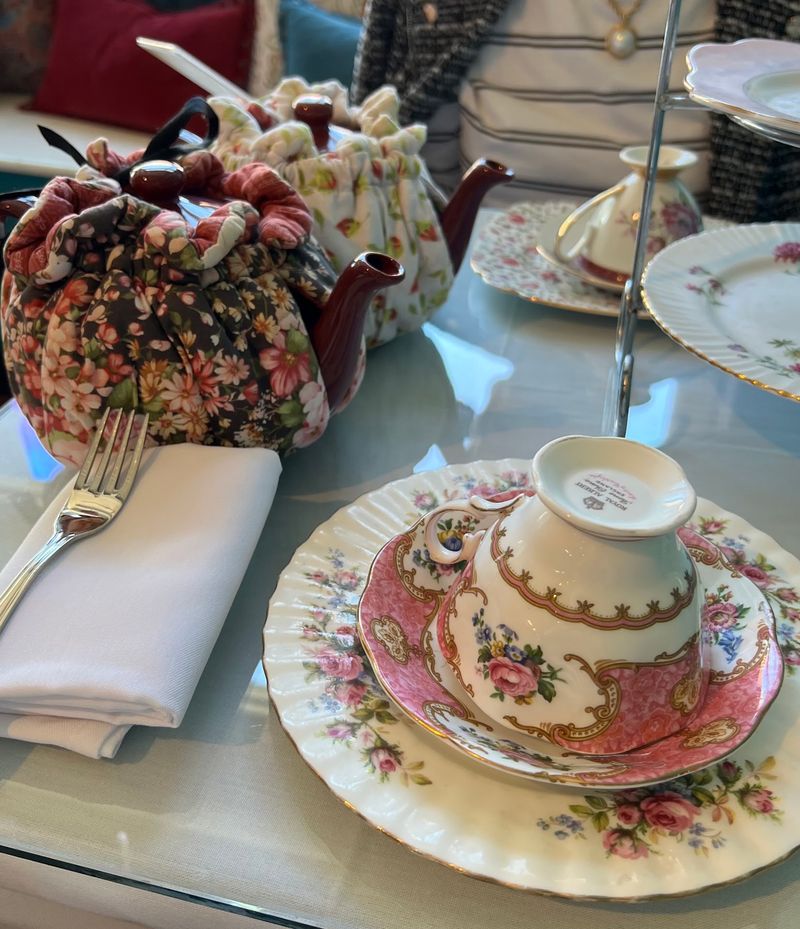
Warm scones hit the table, tiny sandwiches start disappearing, and suddenly choosing among dozens of teas becomes the hardest decision of the afternoon. Harmony Tea Room in Westwood takes its cues from English afternoon tea without turning the experience into costume theater.
The emphasis is on the familiar pleasures: properly brewed tea, savory finger sandwiches, fresh scones, and enough time at the table to actually catch up with whoever you brought. The tea selection is part of the fun.
Traditional drinkers can stay close to classic black and herbal varieties, while flavored blends give more adventurous visitors something different to try. Food changes with the seasons, but the classic tea-room structure remains reassuringly intact.
If you’re going with someone who thinks finger sandwiches are merely a prelude to “real food,” Harmony also serves lunch, making it easier to keep everyone happy. The one thing not to improvise is your arrival.
Reservations are required, and seatings are scheduled rather than handled like a typical walk-in café. Tables are usually given enough time for a leisurely visit, so showing up late mostly cuts into your own tea time.
Guests with dietary needs should mention them when booking instead of hoping for an easy swap after they arrive. Harmony works especially well when you want the classic afternoon-tea experience without making it feel overly formal.
Come hungry enough for the scones, and don’t rush the second pot.
4. High SocieTea House
The building has been serving the Wayne community in one form or another since long before anyone was photographing teacups for social media. High SocieTea occupies a historic structure on Old Newark Pompton Turnpike that dates to the late 19th century and once housed a general store and post office.
That history gives the tea room something no amount of newly purchased “vintage” décor can manufacture: an actual past. Inside, the mood is unapologetically old-fashioned.
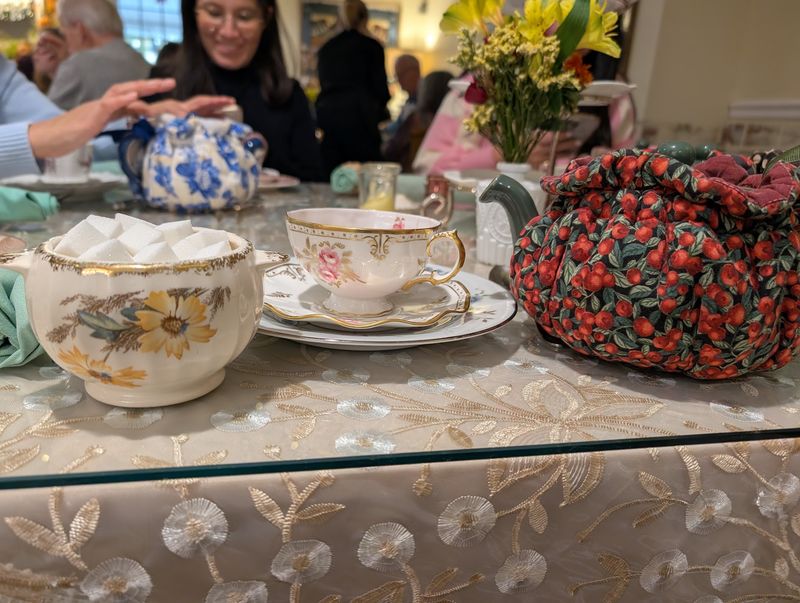
Guests can choose from a wide range of black, green, white, rooibos, and herbal teas, with seasonal blends joining the lineup throughout the year. Each person receives an individual pot wrapped in a handmade cozy, a small touch that is practical as well as charming because the final cup has a fighting chance of staying hot.
Afternoon-tea options build around the expected pleasures of scones, savories, sweets, and heartier courses depending on the service you select. The rooms are cozy enough that reservations are a smart move, particularly on weekends and during themed or holiday teas.
That limited scale is part of the appeal. High SocieTea feels less like a restaurant designed to turn tables and more like a place built around the idea of spending an afternoon talking over a pot of tea.
Go with a friend you haven’t seen in too long. The historic setting does half the work; the personal pot takes care of the rest.
5. Teaberry’s Tea Room
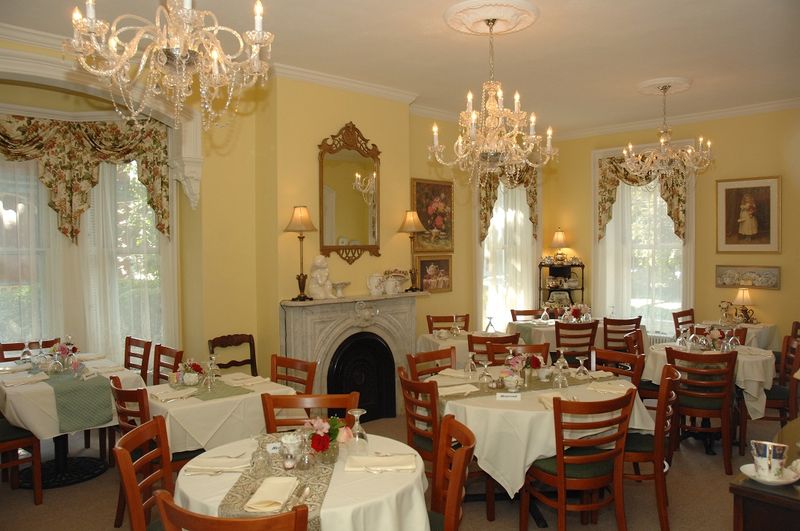
Teaberry’s has changed addresses over the years, but it has never abandoned the idea that a tea room should feel like a place where lingering is encouraged. Its home on Main Street in Flemington continues a story that has remained firmly rooted in town for decades.
The rooms are polished without feeling stiff, and in warmer weather the porch adds another tempting place to settle in. Then there is the tea list: a huge assortment of loose-leaf choices spanning traditional teas, herbal blends, and fruit tisanes.
If you want the full production, the afternoon-tea options include sandwiches, a scone with lemon curd, clotted cream and preserves, bite-size desserts, and a pot of tea, with larger services adding soup, salad, or both. Lunch is equally serious, with sandwiches, soups, salads, quiche, and sweets that make it easy to stay longer than planned.
Reservations are recommended, especially on weekends and around holidays when afternoon tea is exactly the kind of thing everyone suddenly decides would be fun. Parking is also less stressful than at many Main Street destinations, with options available nearby and valet service making special-occasion visits easier.
This is the place for tea drinkers who enjoy having too many choices. Give yourself permission to stare at the tea list for a while.
Everybody does. And if you’re torn between two blends, ordering a second pot is hardly the worst decision you’ll make all week.
6. The Secret Tea Room
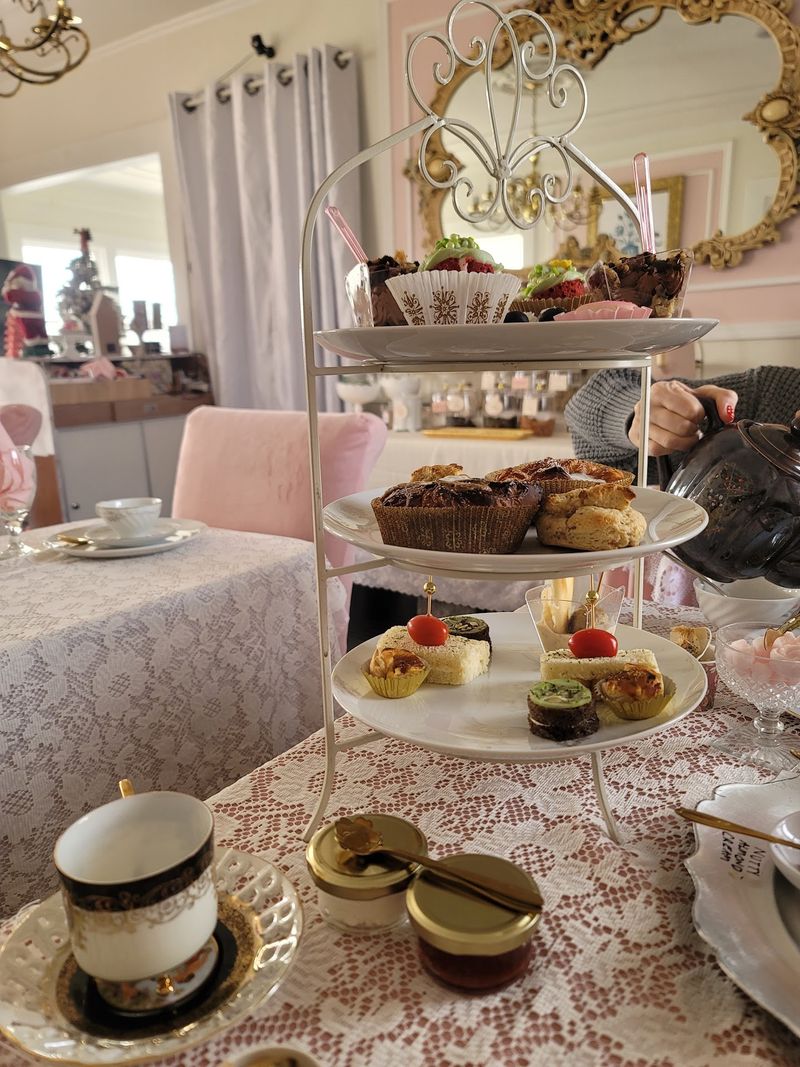
The “secret” here is that there isn’t one permanent tea room at all. Instead, this traveling English-style afternoon tea experience pops up inside some of New Jersey’s loveliest historic houses and gardens, including locations in places such as Summit, Princeton, and Montclair.
That moving format is precisely why The Secret Tea Room belongs on a list about settings. One visit might put you beside manicured gardens; another could give you an excuse to spend part of the day inside a historic estate.
Instead of trying to manufacture an English-country-house mood in a storefront, the experience borrows the architecture, grounds, and history of places that already have plenty of character.
The tea itself follows a more traditional English path, so expect the familiar rhythm of brewed tea, scones, sandwiches, and sweets rather than experimental drinks or elaborate café creations.
Dates are event-driven, not based on daily restaurant hours, which means this is one place where planning ahead matters. Popular seasonal teas can fill quickly, particularly when the host venue is a destination in its own right.
Treat this less like deciding where to grab tea and more like choosing an afternoon outing. Check which property is hosting next, make the reservation, and leave extra time to explore the grounds before or after your seating.
The changing backdrop is half the reason to go, and it gives repeat visits a completely different feel.
7. Mathis House at 600 Main
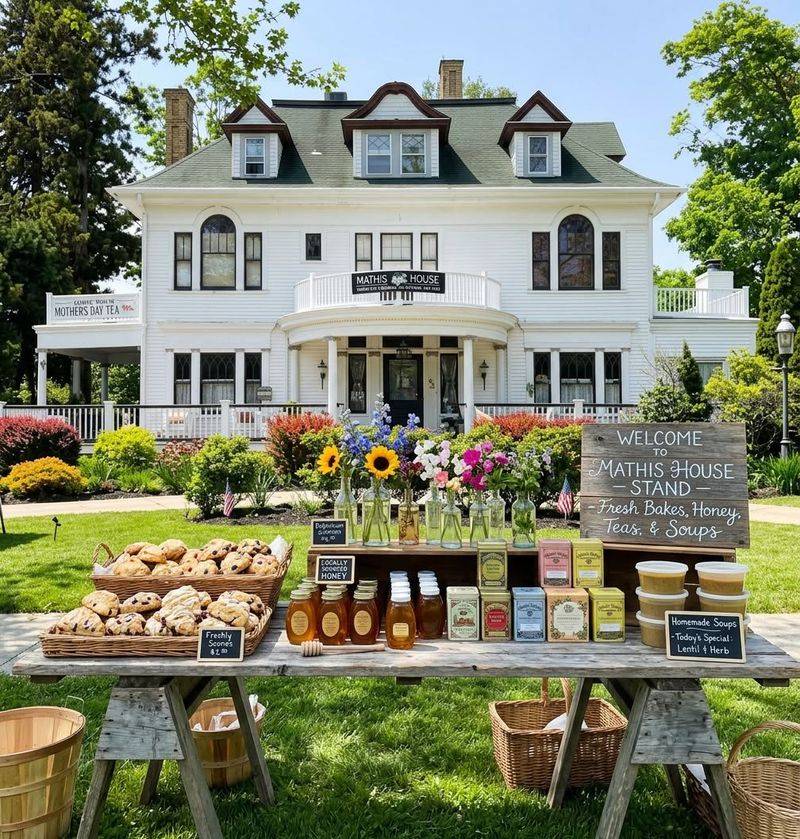
Before the tea arrives, take a second to look at the house. Built in 1898, the Mathis House is the sort of grand historic residence that makes a three-tiered tray seem completely reasonable.
Oversized windows, period detailing, a prominent porch, and a widow’s watch give the mansion a distinctly late-19th-century presence in downtown Toms River. Tea-room visitors can also learn about the property’s history, so this is one of the rare places where ordering another scone may come with an architectural history lesson.
The experience leans enthusiastically into Victorian afternoon tea. You’re not sitting in a themed restaurant built to resemble an old mansion; you are actually having tea inside one.
Restored rooms and period flourishes turn a pot of tea into something closer to an occasion, which explains why the Mathis House is popular for birthdays, showers, holiday teas, and other celebrations. Special programming can get even more theatrical, with themed teas and dinner events appearing on the calendar throughout the year.
Reservations are worth arranging rather than leaving the visit to chance, particularly around weekends and special events. Its Toms River location also makes it an easy detour when you want something far removed from Shore-town pizza and boardwalk snacks.
This is the pick for anyone who believes the room should be every bit as memorable as the tea service—and who doesn’t mind feeling a little fancy for an afternoon.
8. The New Leaf Tea Room & Gift Shoppe
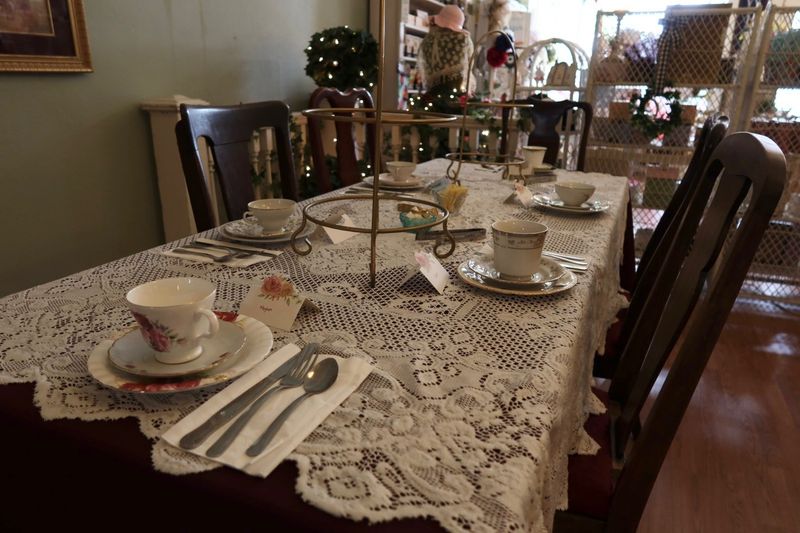
At The New Leaf, you may find yourself wearing a vintage hat before the first cup is poured. Guests can lean into the old-fashioned fun, and somehow it makes perfect sense inside a business that has spent decades embracing Riverton’s Victorian character.
The tea room occupies a restored historic property close to the Delaware River, giving the whole experience a setting that feels naturally suited to china cups and tiered trays. The standard afternoon tea covers all the bases: a freshly baked scone, seasonal fruit, assorted tea sandwiches, desserts, and a pot of tea.
A substantial tea selection gives you room to experiment, although there is nothing wrong with choosing a dependable black tea and focusing your attention on the pastry tier. New Leaf also distinguishes itself with themed events that can incorporate music, history, or theatrical touches, giving repeat visitors a reason to watch the calendar.
This is not the kind of place where you should assume a spontaneous weekend stop will work out. Afternoon tea is served by reservation, and the intimate dining rooms can book well ahead during busy periods.
There is parking available behind the property, which removes one minor headache from the outing. Build in time for the gift shop and a walk around Riverton afterward.
Between the historic rooms, vintage flourishes, and small-town surroundings, New Leaf makes leaning into the whole production surprisingly easy without making the afternoon feel stiff or overly precious.
9. Jane’s Tea House
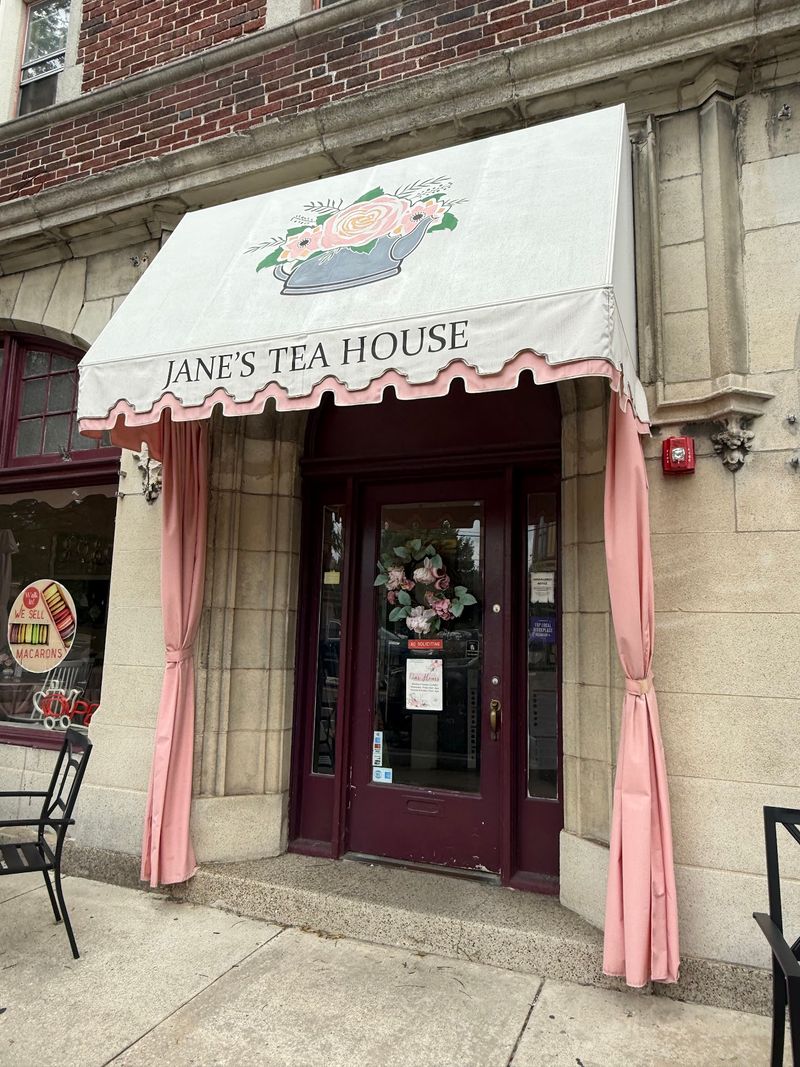
Some tea rooms want you to whisper over antique china. Jane’s would rather make sure you remember to have fun.
The Haddon Heights tea house was founded by sisters Maggie Pajak and Jenny Bellizia, who named the business after their mother, and that personal backstory fits the welcoming tone of the place. The look is more chic farmhouse than Victorian parlor, with vintage accents and playful details that make the room feel relaxed rather than formal.
Fresh scones are a specialty, with sweet and savory varieties offering a good excuse to abandon any plan of “just having something small.” Afternoon tea brings together the expected sandwiches, sweets, and pots of tea, but the mood stays casual enough that nobody needs to worry about knowing the correct order for pouring milk.
Jane’s is also BYOB, which means a bottle of sparkling wine can turn an ordinary reservation into a small celebration with very little effort.
Another advantage is flexibility. There are options for more casual visits as well as the full afternoon-tea experience, which is generally handled by reservation.
The Station Avenue location puts you right in downtown Haddon Heights, surrounded by small businesses that make it easy to stretch tea into a longer afternoon. Choose Jane’s when the occasion calls for tea but nobody in your group is interested in acting overly proper.
The scones can be serious even if you aren’t.
10. Sally Lunn’s Tea Room & Restaurant
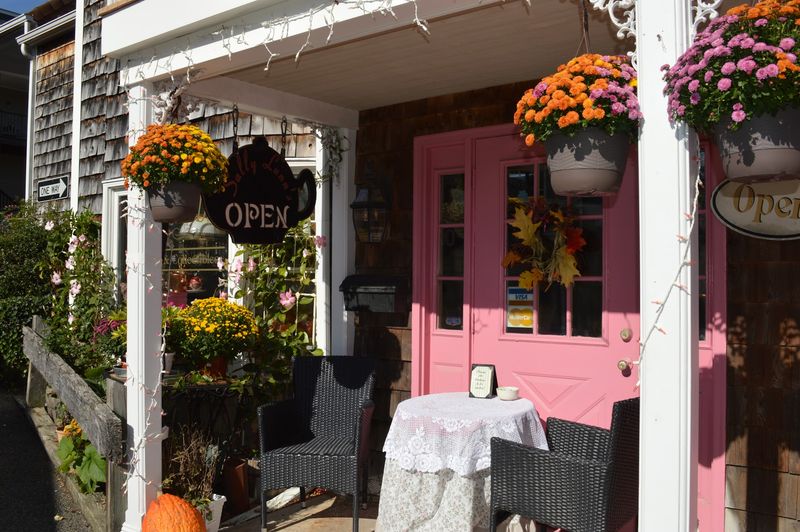
There are scones, and then there are the buttermilk scones at Sally Lunn’s. Served warm with clotted cream and preserves, they are the obvious place to begin at this longtime Chester institution.
Sally Lunn’s goes deeper into British comfort food than most tea rooms, which is exactly what makes it such a useful stop when you want more than finger sandwiches.
Yes, you can order cucumber-and-cream-cheese sandwiches and a proper pot of loose-leaf tea, but you can also tuck into cottage pie, a Cornish pasty, a sausage roll, or a Ploughman’s-style lunch.
A wide tea selection and shelves of English imports reinforce the theme, while the Victorian-inspired interior supplies the setting without requiring you to treat lunch like a formal ceremony.
For the classic experience, afternoon tea includes finger sandwiches, a warmed scone with clotted cream and preserves, and tea, with larger versions adding miniature desserts.
A simpler cream tea works well if your ambitions begin and end with tea, scones, and something sweet. Sally Lunn’s is especially convenient when you’re already spending time around Chester’s shops and want lunch to become part of the outing rather than a separate destination.
Arrive hungry. The hearty British dishes make pretending you came only for a delicate cup of tea rather difficult, and the scones have a way of convincing people to order more than originally planned.
11. Sweet Tease Tea Room
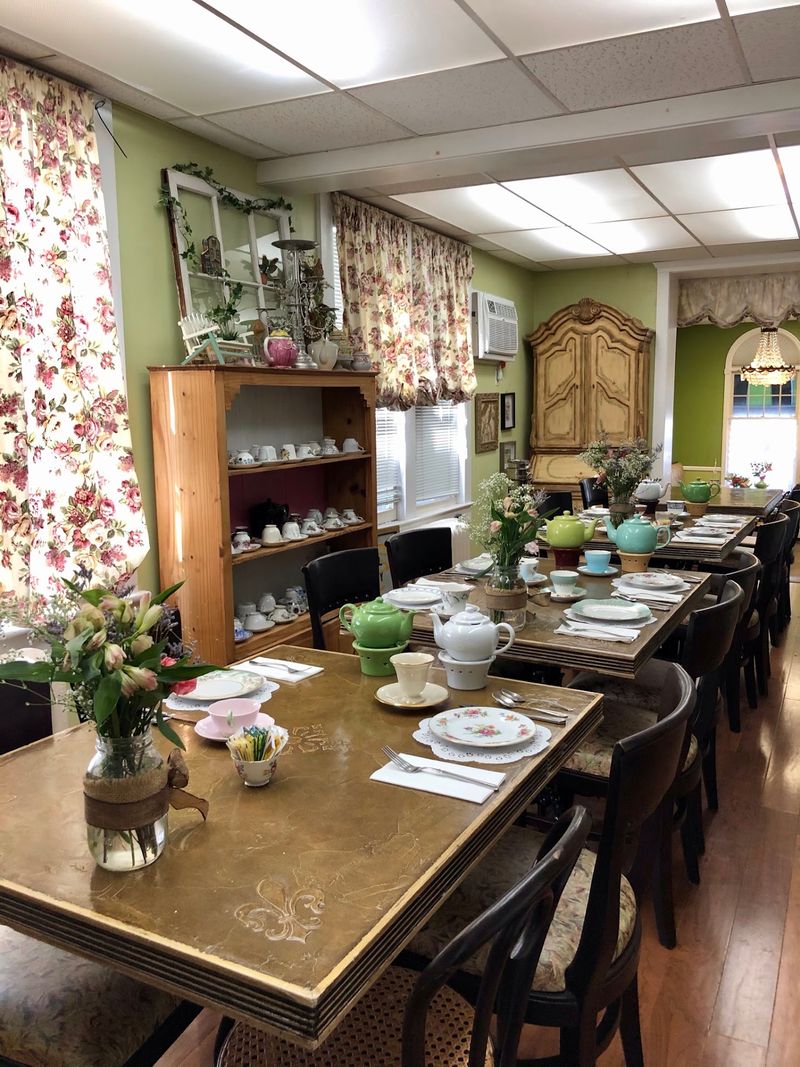
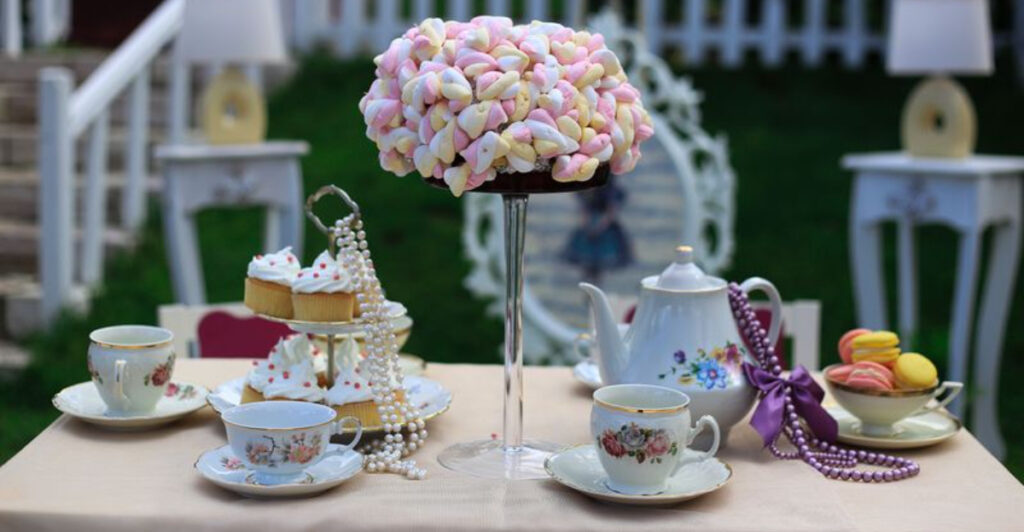
Nothing at Sweet Tease seems to have been ordered from a “how to decorate a tea room” catalog. The mismatched cups and teapots have histories, vintage pieces fill the room, and the result feels collected over time rather than decorated in one shopping spree.
That sense of personality is a big part of what separates the Belmar tea room from more traditional spots. Afternoon tea is a multi-course affair with savories, scones, sweets, tea, and seasonal touches, and the themes change regularly enough that one visit can look noticeably different from the next.
Fantasy-inspired, holiday, and seasonal menus are part of the fun rather than an occasional afterthought. This is more “planned afternoon” than casual cup of tea, and reservations are required in advance.
Dietary accommodations may be possible with notice, so anyone with restrictions should mention them when booking instead of waiting until arrival. Parking requires a little attention because the most obvious nearby spaces are not always available to tea-room guests, but street and municipal options can usually solve the problem.
Sweet Tease is the right choice for someone who wants afternoon tea to feel playful rather than restrained. You’re not coming here for minimalist décor or barely there portions.
You’re coming for whimsical china, themed courses, and a room that rewards looking around between bites. Perfectly coordinated cups would almost spoil the point.
12. Tipple & Rose Tea Parlor and Apothecary
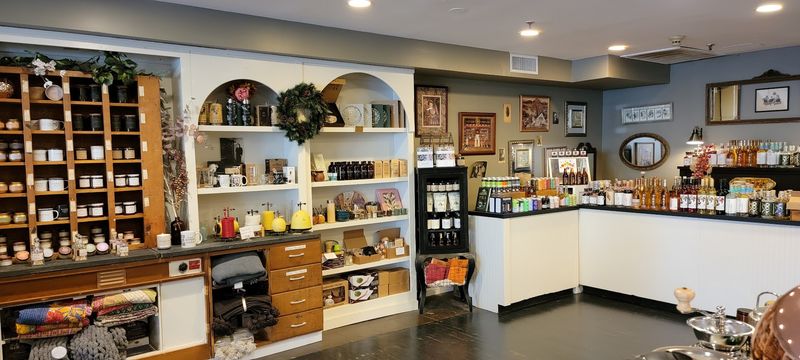
You can smell your way toward a decision at Tipple & Rose. The Princeton tea parlor invites guests to explore loose-leaf blends before choosing what to drink or take home, which tells you something important about the place: tea isn’t treated as background scenery for sandwiches and macarons.
It shares top billing with them. The Nassau Street space mixes tea parlor, mercantile, and apothecary, filling its shelves with brewing accessories, bath and body goods, herbs, spices, honey, and gifts alongside the tea itself.
Antique and vintage pieces keep the room from feeling slick, but the menu is anything but stuck in the past. Formal afternoon teas can range from traditional spreads of cucumber sandwiches, smoked salmon, house-made scones, macarons, and sweets to more playful themed menus and seasonal variations.
The useful distinction is that walk-ins can order from the daily menu without committing to a full tea service, while formal afternoon tea requires advance planning. The everyday menu is good enough to justify its own visit, with options such as cream tea, quiche, warm cheese dishes, flatbreads, and inventive sandwiches.
Metered parking around Nassau Street means giving yourself a few extra minutes before the reservation. You’ll want that time back once you’re inside anyway.
The mercantile has a habit of turning “just one pot of tea” into an afternoon and “just looking” into a bag of loose-leaf tea going home with you.
Share this story