May in Ohio feels electric when migration peaks and the trees seem to sparkle with warblers, thrushes, and tanagers. If you have ever dreamed of spotting a dozen lifers before lunch, this is your moment to lace up, pack binoculars, and chase that rising birdsong.
I will guide you to the spots where lake breezes funnel rarities, wetlands brim with shorebirds, and forest edges light up at dawn. Bring curiosity and patience, and you will leave with stories you will retell all year.
1. Magee Marsh Wildlife Area, Oak Harbor, Ohio
Early light here can feel like stepping into a living canopy where every twig flickers with color. You move slowly along the boardwalk, pausing when soft chips rise like sparks from willow and cottonwood.
Within minutes, your checklist starts growing as if the marsh itself is whispering names.
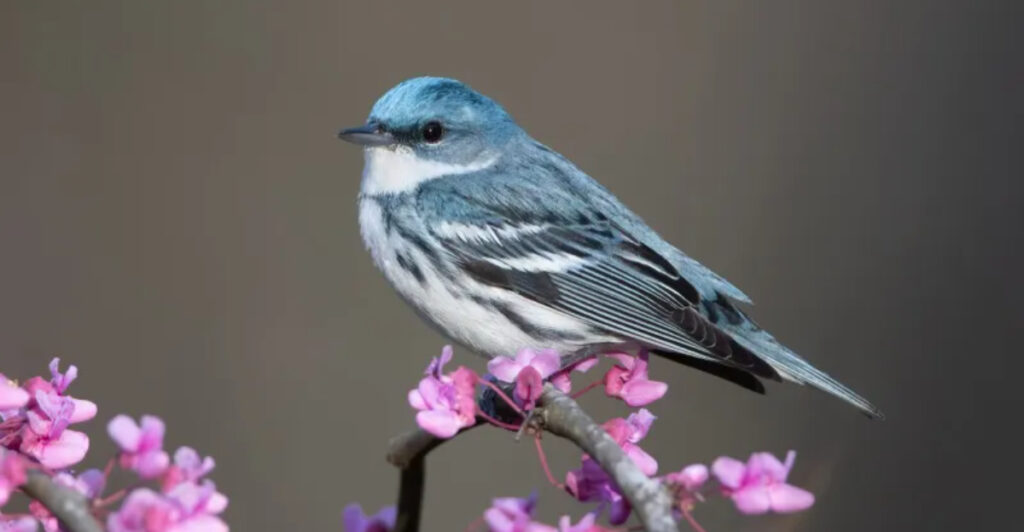
Mixed flocks push through at eye level, giving generous views of Blackburnian, Cape May, and Bay-breasted warblers. Turn a corner and you might catch a Canada warbler glowing in the understory while a scarlet tanager gleams above.
When the wind swings south, song surges and you can ride that wave for hours.
Strategy matters, so work edges where sun warms insects and birds forage most actively. Mornings are best, yet a midday lull can break open if clouds thicken and migration drops.
Keep ears open for thrushes padding the leaf litter and for a sudden burst of cuckoo notes.
Traffic can be intense during festival weeks, but kindness and patience turn crowded boardwalks into shared celebration. Make short, steady scans rather than hurried sweeps, and you will spot movement others miss.
Bring layers, a lens cloth, and snacks, because you will not want to leave when the trees begin glittering again.
2. Ottawa National Wildlife Refuge, Oak Harbor, Ohio
Broad vistas stretch in every direction, and your scope becomes the key to unlocking hidden motion. From a dike, you scan a mosaic of water, mudflat, and cattail where shorebirds stitch restless paths.
Every pass reveals new shapes rising from the gleam of shallow pools.
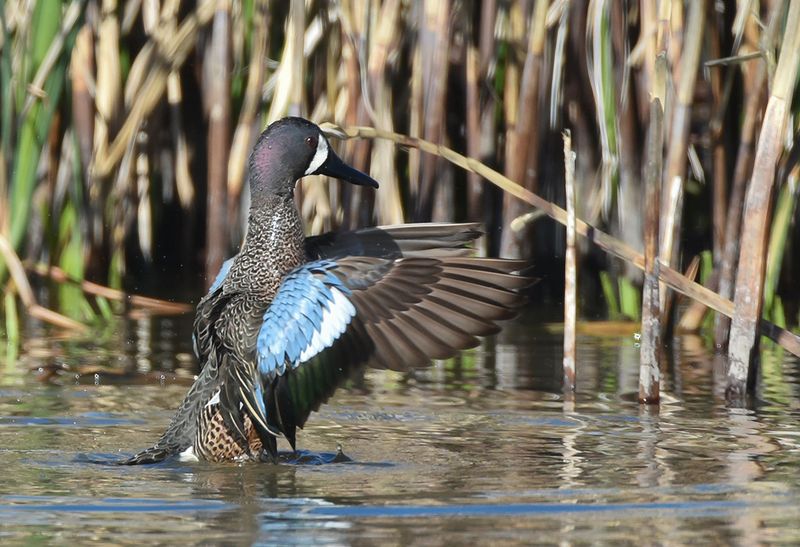
Yellowlegs yip across the breeze while dunlins pulse in tight flocks that twist like smoke. Great egrets step through reflections beside blue-winged teal, and a marsh wren rattles from a reed crown.
Some days, glossy ibis add a surprise stroke of ink to the palette.
May favors a patient rhythm, so let the morning warm and the insects wake the marsh. Revisit units as water management shifts, drawing birds into fresh corners.
When light softens, raptors stir, and a northern harrier ghosts low over the grass.
Pack a scope for distant peeps and a field guide that clarifies subtle plumage. Watch for black terns picking insects from the air and for a quick snipe zigzagging between hummocks.
You will leave with a sense that the marsh moved around you, arranging moments you were ready to meet.
3. Metzger Marsh Wildlife Area, Bono, Ohio
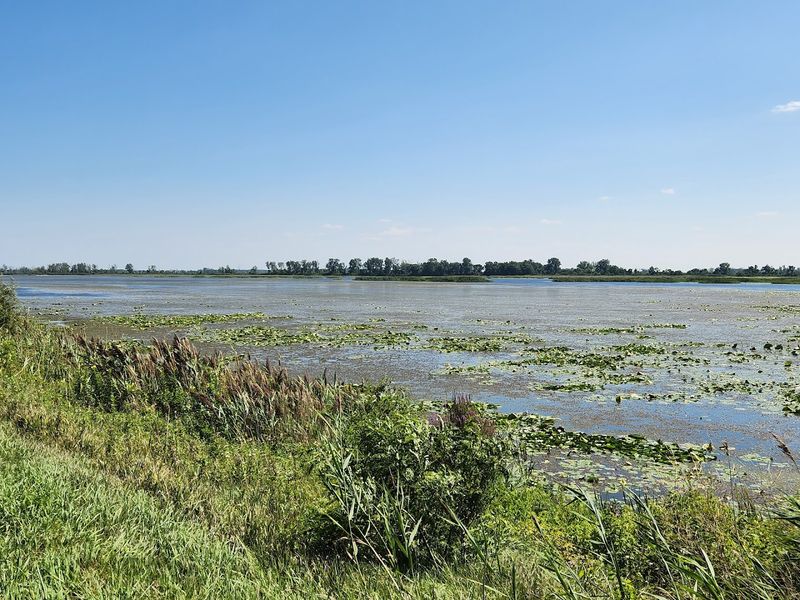
Still mornings here unfold with a hum of swallows and the rustle of reeds. You slip along the causeway, listening for subtle wren trills and the drip of water under a calm sky.
The first heron lifts off like a curtain rising on a patient performance.
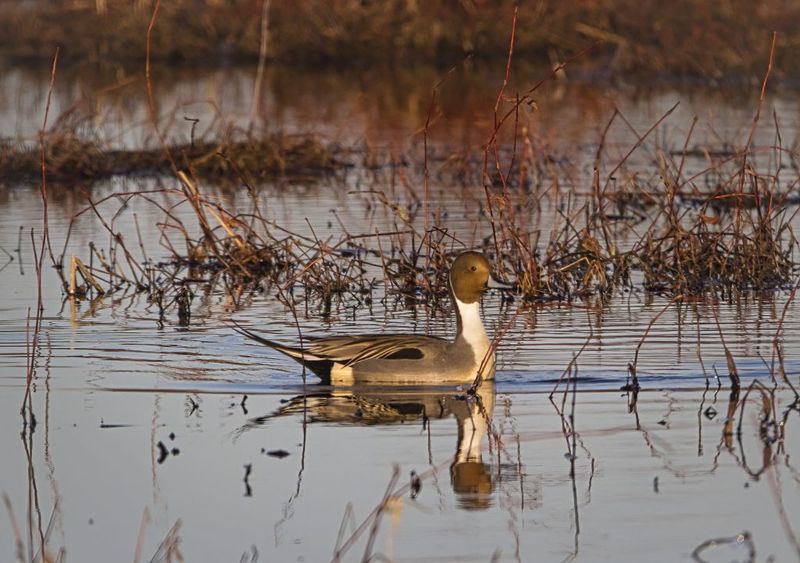
Shallow coves hold teal and gadwall while distant grebes trace fine lines. When the wind turns gentle, sparrows pop up, and a bittern may boom from the concealment of cattails.
Black-crowned night-herons can appear with dusk, hunched and thoughtful above mirrored channels.
Scanning from multiple angles helps reveal birds tucked behind reed walls. Work the transitions where open water meets emergent vegetation, because prey concentrates there.
Shorebird numbers shift daily, and one tide of migrants can look unlike the next.
Bring a scope, but do not forget to lower it and simply listen. You will notice patterns in the chorus that point your eyes before your brain names the bird.
Comfortable shoes, bug spray, and a steady pace turn a quiet loop into a day full of steady discovery.
4. Howard Marsh Metropark, Curtice, Ohio
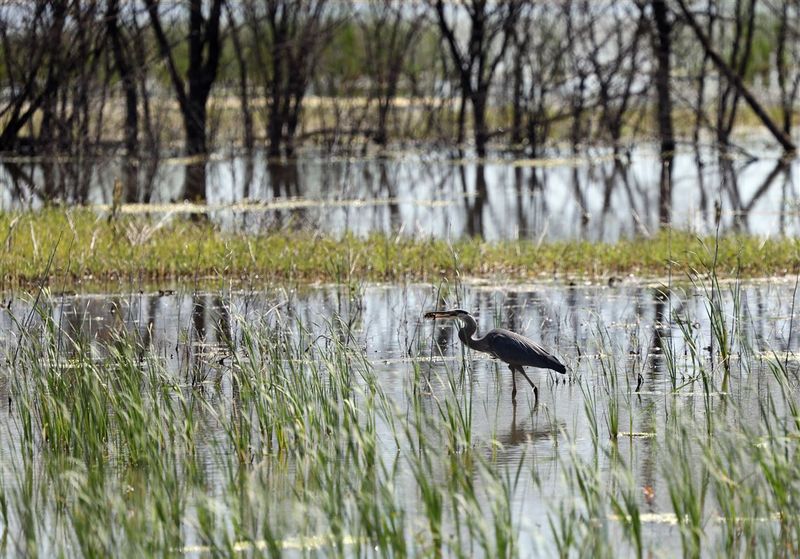
Restoration stories come alive when you watch birds claim new water. Here, broad cells shimmer in bands of pale green and blue, each a different stage of life.
Your footsteps crunch softly on crushed stone while avocets carve crescents beside black-necked stilts.
With wind at your back, the air smells clean and lively, and swallows skim insects from the path ahead. A raft of ruddy ducks spins, and a coot line churns like tiny tugboats.
You scan for surprise guests, maybe a whimbrel arcing over fresh tide-like edges.
May invites long, unrushed loops that reward persistence. Shift vantage points whenever glare builds, and ride the sun behind your shoulder.
As water levels fluctuate, shorebirds gather on newly exposed seams that did not exist yesterday.
Pack light to wander farther and keep a steady scope for distant sleepers. You will appreciate a hat, sunscreen, and a notebook to track sudden pulses of movement.
By afternoon, the marsh breathes deeper, and you will sense migration stretching beyond the horizon you can see.
5. Maumee Bay State Park, Oregon, Ohio
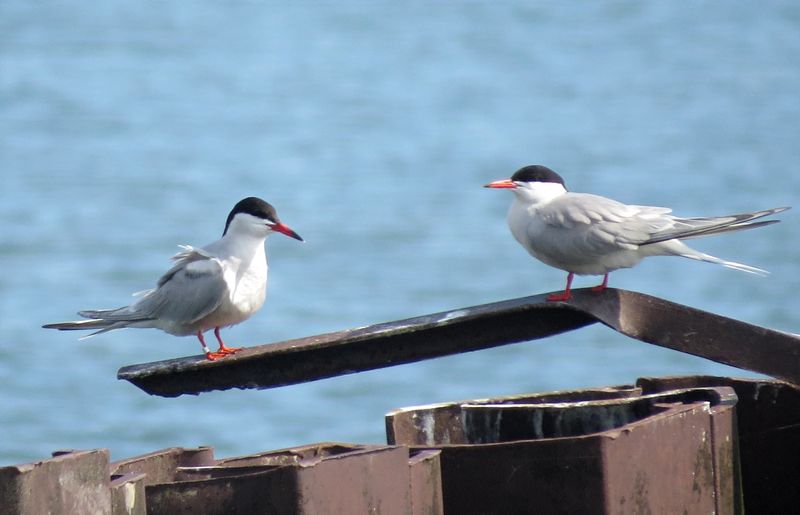
Some mornings begin with the lake whispering at your back and a bright chorus ahead. You step off the boardwalk into willow shade where insects shimmer like dust motes.
Warblers thread the thickets, and every flicker hints at a new puzzle to solve.
As sun warms, you can drift from marsh to beach and back again. Terns slice the horizon while spotteds patrol wet sand, tapping tiny prints into gloss.
In sheltered pockets, orchard orioles and catbirds stir a musical tangle around you.
Switch habitats often because this park is a sampler platter in prime season. When winds stack migrants along the shore, trees feel heavy with restless color.
A quick storm can flip the switch, dropping fresh arrivals within arm’s reach.
Keep binoculars at chest height and move like a heron, stretching moments instead of chasing them. You will find that patience builds sharper looks and unexpected photo chances.
With snacks in your bag and curiosity leading, you will leave the shoreline buzzing with possibility.
6. Oak Openings Preserve Metropark, Whitehouse, Ohio
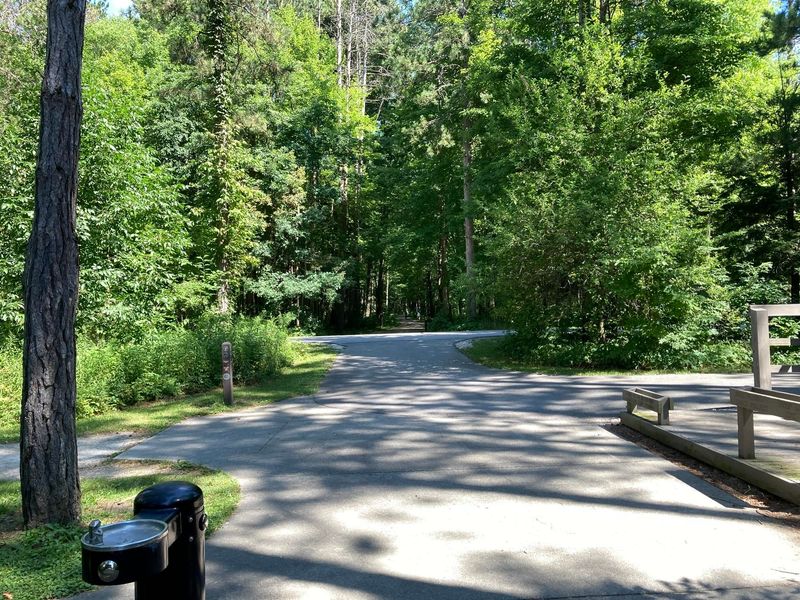
Here, the landscape opens like a lightly held secret, part sand, part savanna, all sky. You wander through ribbons of oak and pine where sunlight pools on pale soil.
Every pause can reveal a flick of wings against quiet, wind-washed space.
Red-headed woodpeckers drum from snags while towhees scratch from shrub edges. If you linger near lupine patches, you might hear the soft chatter of bluebirds riding fence lines.
A passing kestrel hangs briefly, then skims the clearing like a bright blade.
May favors the ecotones where scrub meets open ground and insects lift in warm swirls. Early and late hours glow beautifully, and midday stillness can hide surprises under shade.
Short walks between habitats keep your senses refreshed and tuned.
Bring water and a lens cloth for sandy breezes, and mark waypoints so you re-find fruitful glades. You will come to savor the park’s measured pace and room to breathe.
On the best days, the sky feels enormous and the birds seem to write across it.
7. Headlands Dunes State Nature Preserve, Mentor, Ohio
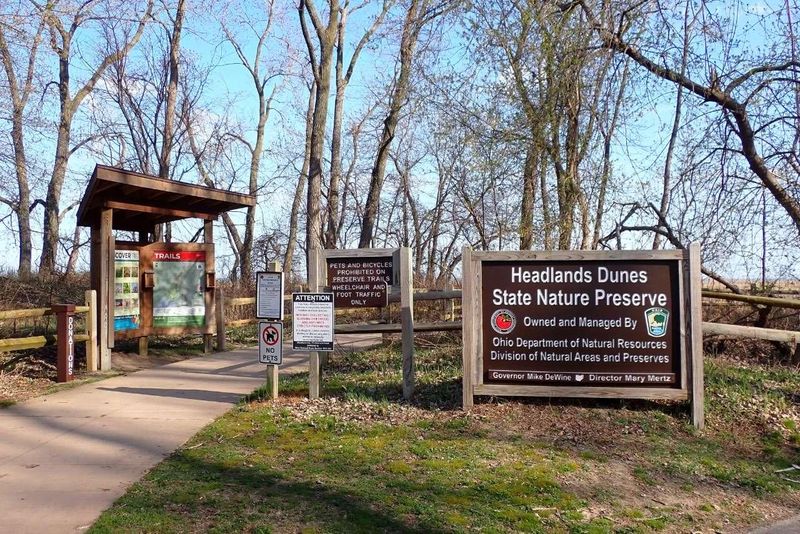
Wind carries a clean edge here, and the dunes answer with rustling grass. You skirt willow clumps and watch the lake arrange sky into quick-moving patterns.
Every gust shuffles migrants along the green ribbon behind the beach.
Warblers hop low in beach plum while orioles flash over sunlit driftwood. On lucky mornings, a wave of thrushes steps from shadow to shadow like careful dancers.
Terns write exclamation points offshore as they chase bait into silvering swells.
Use the wind to your advantage by working leeward sides of shrubs. Birds feed where insects collect, and shelter concentrates both.
Cloud cover can pin movement close, turning a sparse path into a lively corridor within minutes.
Carry water, tread lightly on protected sand, and keep eyes open for rare surprises. You may spot a moody olive-toned visitor that sends phones buzzing down the beach.
Even when the headline rarity eludes you, the quiet rhythm of dunes and song will feel like a win.
8. Sandy Ridge Reservation, North Ridgeville, Ohio
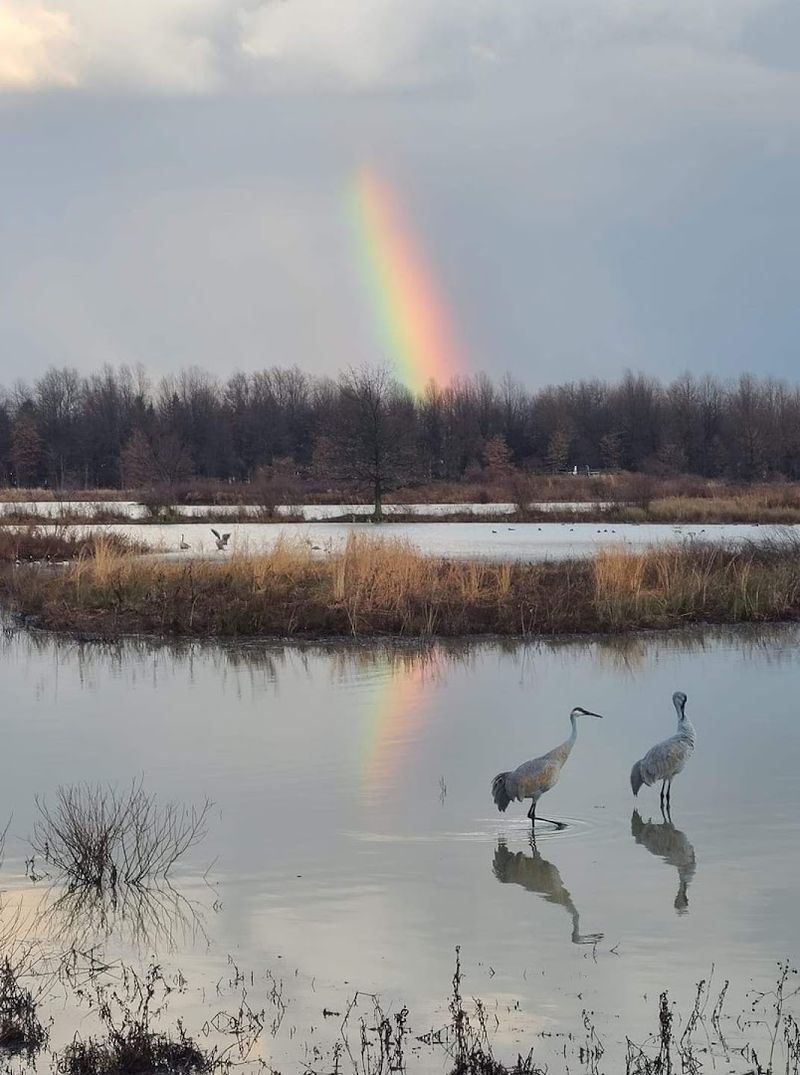
Wetlands unfold in tidy geometry, yet they brim with wild energy. You walk past quiet ponds where swallows crease the surface, stitching together mirrored clouds.
A soft cluck draws your gaze to a wood duck sliding from willow shade.
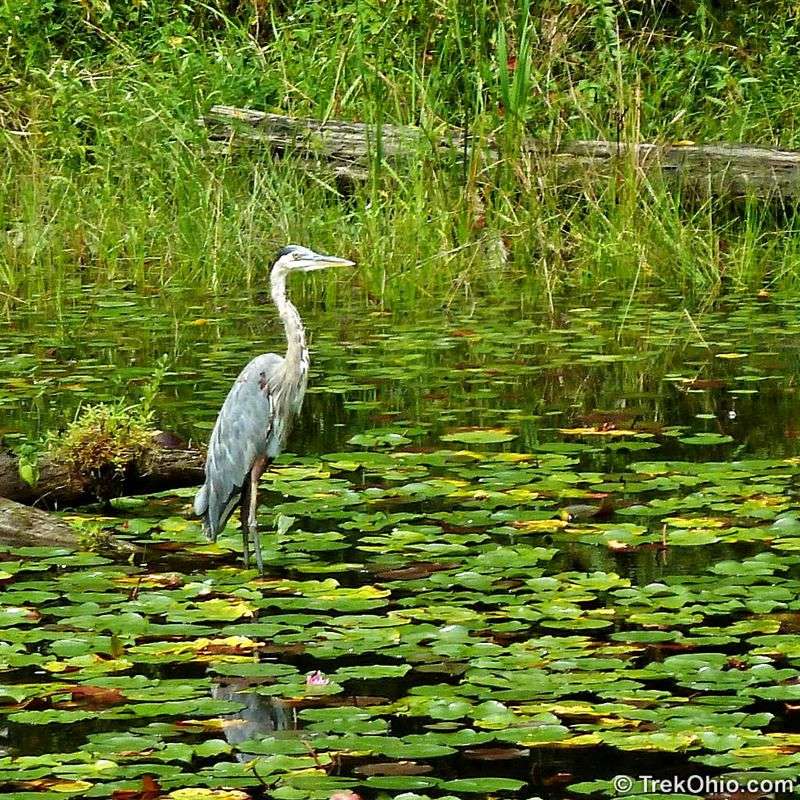
Herons patrol like measured metronomes, and a green heron can appear with a sly crouch. Look overhead for a sudden blizzard of swallows when hatches rise.
On still afternoons, turtles take sunny attendance on every half-sunken log.
May brings a surge of passerines through bordering trees, so scan edges as much as water. Red-eyed vireos turn leaves like librarians, and warblers flash coded notes between branches.
A patient sit on a bench can bring the show to you.
Pack a light scope for island nests and a camera for obliging perches. You will appreciate bug spray and a gentle walking pace to catch subtle motion.
By day’s end, the tidy paths feel like invitations to return and read another chapter.
9. Meadowbrook Marsh, Marblehead, Ohio
Small places can hold big surprises when migration runs hot. You follow a slim boardwalk into cattails that buzz with blackbird commentary.
The air smells green and sweet, and the breeze feels gentle on your sleeves.
Swamp sparrows ping from low perches while a sora hints at presence with nervous notes. Warblers sift through shrubs along the meadow margin, trading places like busy shopkeepers.
Overhead, swifts scissor the sky and then vanish like tossed sparks.
Work slowly around the meadow edge where insects gather and birds stage quiet forays. Cloudy moments can pop with movement as migrants drop to feed.
Scan fence lines for flycatchers that sally out and return to the same post.
Bring light gear and a flexible plan, because timing rules this tiny stage. You will grow fond of second passes that suddenly reveal what hid before.
On a soft May evening, the marsh settles like a lullaby, and you will be the last to leave.
10. Killdeer Plains Wildlife Area, Harpster, Ohio
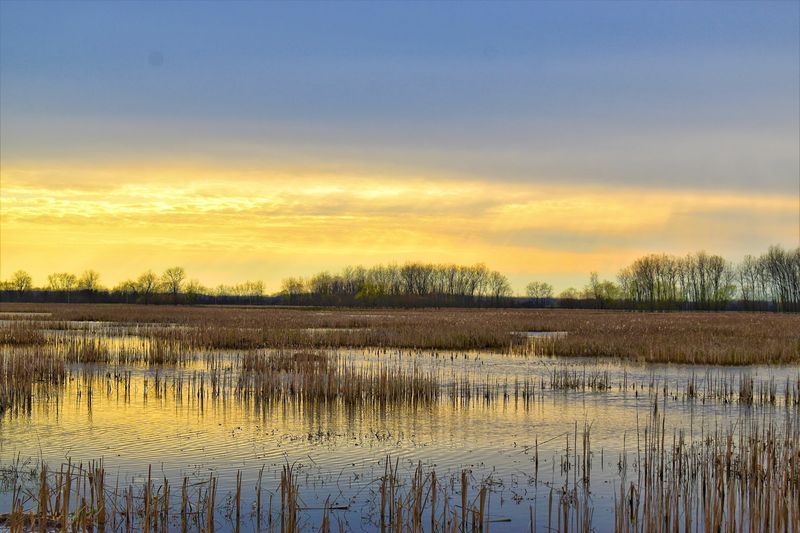
Big sky birding reshapes your sense of scale out here. You stand with wind in your ears, scanning plains that seem to tilt into horizon.
Every ripple of grass hints at wings about to lift.
Northern harriers course low, tipping white rumps across the field’s broad sentences. Upland sandpipers yodel from posts while bobolinks tumble in bubbly flights.
Shorebirds stitch mudflats into living quilts after rain reworks the basin edges.
May demands patience and a car-as-blind approach to minimize disturbance. Drive slow, pull over safely, and glass from windows to catch skittish targets.
Evening light turns everything gold and invites nighthawks to flicker overhead.
Pack a scope for distant shapes and pay attention to fresh water on gravel lots. That shallow sheen can magnetize peeps and yellowlegs for clean looks.
When the wind cools and the sky thins, you will feel the day exhale across open country.
11. Lake Hope State Park, McArthur, Ohio
Forest song wraps around the lake like a soft scarf at dawn. You take the trail into oak and hickory, where shade carries the scent of rain.
Footsteps hush and the world narrows to birdsong and breath.
Wood thrush phrases ring like liquid bells beneath a rising canopy. Cerulean and hooded warblers trade notes between midstory and high perches.
Along creeks, Louisiana waterthrushes pitch sturdy, rhythmic lines over the spill of riffles.
May rewards slow climbs that let your ears map the slope. Pause where sun fingers the canopy and flying insects sparkle.
A brief pocket of warmth can pull the birds within perfect viewing height.
Bring trail shoes, water, and a small stool for listening stops under tall trees. You will appreciate short, quiet sits where patience tunes every note brighter.
By late morning, the lake shines, and the forest still murmurs with secret music if you linger.
12. Shawnee State Park, West Portsmouth, Ohio
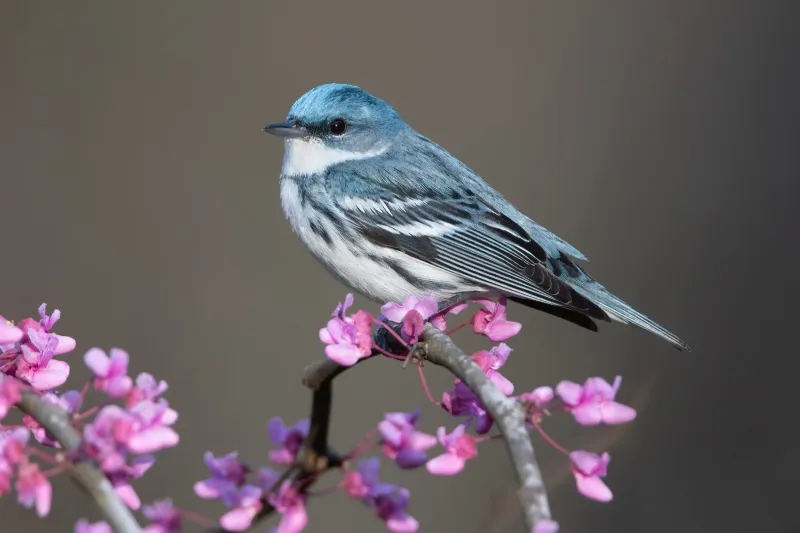
Ridges fold like a green accordion, and dawn seeps into the hollows. You ease along a curving road with windows cracked to welcome birdsong.
The first notes arrive tentative, then build into a bright, layered choir.
Cerulean warblers thread the canopy while Kentucky warblers ring from brushy slopes. A blue-gray gnatcatcher flicks its tail like punctuation between phrases.
On lucky mornings, a worm-eating warbler rasps from a leaf-littered incline.
Work ridge lines at sunrise, then drop into shaded drainages as heat grows. Listening is your compass, pointing up or down with each species’ favored niche.
Overlooks give sweeping views and a place to mark progress on your map.
Carry extra water, a calm schedule, and the willingness to turn around for one more listen. You will find that repeating a half-mile stretch can yield brand new birds.
When the day softens, the hills keep singing, and you will drive away already planning a return.
Share this story