Ohio has more than small towns, big cities, and sports history. Tucked across the state are churches that look like they were lifted from old parts of France, Germany, Italy, Poland, and Spain, then carefully set down beside Ohio streets, hills, and rivers.
Their tall towers, stained glass, carved stone, painted ceilings, and quiet prayer spaces tell stories about the immigrant families and local communities that built them with skill, patience, and deep faith. Visiting these places can be a fun way to learn about art, history, and design without leaving the Midwest, and each stop shows how much beauty can be found in everyday corners of Ohio.
Some stand high above downtown blocks, while others feel almost hidden until you step close and notice the brickwork, domes, arches, and bells. A few are grand cathedrals with huge interiors and formal details, while others feel warm and personal, like neighborhood treasures that have watched generations grow up around them.
Even if you are not visiting for worship, these buildings are worth seeing for their craftsmanship alone, because every window, altar, statue, and ceiling pattern adds something special to the experience. If you enjoy places that feel old, meaningful, and a little surprising, these churches offer a memorable look at Ohio through the lens of European style.
1. Cathedral Basilica of St. Peter in Chains, Cincinnati
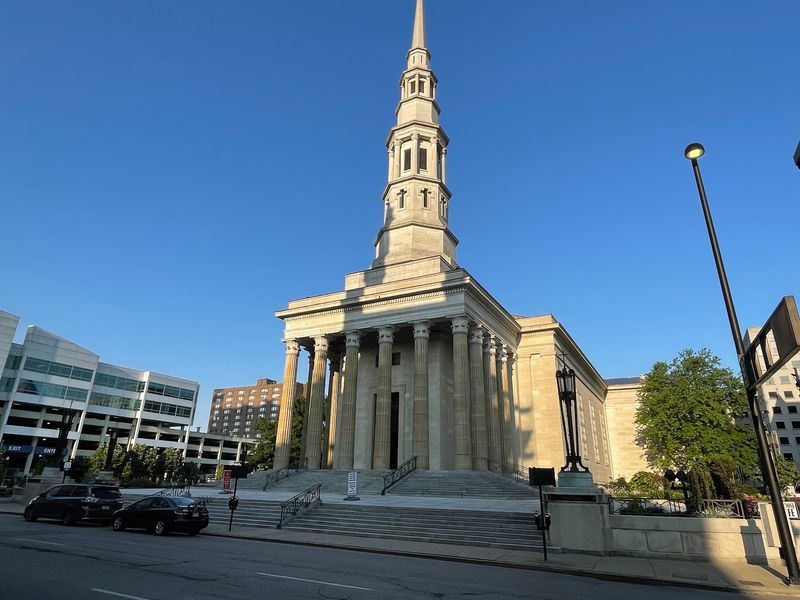
Few church buildings in Ohio make a first impression as strong as this one. Set in downtown Cincinnati, the Cathedral Basilica of St. Peter in Chains rises with a bold stone front, tall columns, and a calm sense of order that feels closer to Rome than the Midwest.
The design is mainly Greek Revival, but the overall effect has the weight and dignity many people connect with great European churches.
Inside, the space opens up in a way that can stop visitors mid-step. High ceilings, long sight lines, and richly colored details draw your eyes forward, while the light filtering through stained glass softens the whole room.
One of the most talked about features is the large white marble statue of Saint Peter, which adds drama and gives the church a museum-like beauty.
History matters here too, because this cathedral has served Cincinnati for generations and stands as the mother church of the archdiocese. Its name refers to Saint Peter’s imprisonment, and that theme gives the building an unusual identity compared with many other American cathedrals.
Art, faith, and local history all meet in one place, making it more than just a pretty stop on a driving tour.
If you plan a visit, go slowly and look up often. The front facade is best appreciated from across the street, while the interior rewards quiet time on a bench so you can notice the altar, columns, and artwork in layers.
Pairing the church with a walk around downtown Cincinnati makes the visit even better, since the contrast between busy city life and the stillness inside is part of what makes the place memorable.
For anyone searching Ohio for architecture that feels deeply rooted and classically European, this cathedral is an easy choice. It is grand without feeling cold, historic without seeming distant, and beautiful in a way that lingers after you leave.
2. Holy Cross-Immaculata Parish, Cincinnati
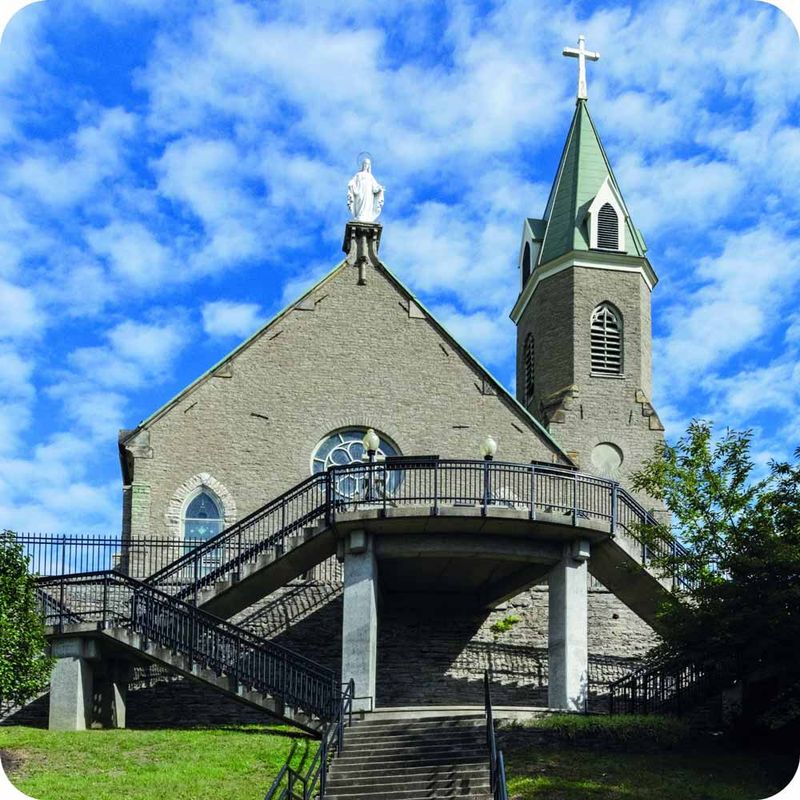
Climbing toward this church feels like part of the experience. Holy Cross-Immaculata Parish sits high on Mount Adams in Cincinnati, and its hillside location gives it the kind of dramatic setting that makes old European churches so unforgettable.
Long before you study the brickwork or towers, the sense of arrival already tells you this place is special.
The building blends history, faith, and neighborhood identity in a way that feels warm rather than formal. Its exterior has a strong, old-world presence, with brick walls, pointed details, and a look that fits the winding streets around it.
From certain angles, the church seems almost tucked into the hill, like it grew there over time instead of simply being placed there.
Inside, visitors find a quieter kind of beauty. The sanctuary carries the charm of a historic parish church, with stained glass, devotional artwork, and a layout that encourages reflection.
It does not try to overwhelm with size, yet that is part of its appeal, because many beloved churches across Europe feel personal first and monumental second.
One reason people remember Holy Cross-Immaculata is the connection to Cincinnati traditions, especially the famous steps pilgrims and locals climb during the Good Friday pilgrimage. That practice gives the site a living sense of purpose and ties the architecture to movement, effort, and community memory.
A beautiful building becomes even more meaningful when people continue to use it in ways that shape local culture.
For a great visit, spend time outside as well as in. The church works best when you notice the setting, the stairways, and the views of the city below, because the landscape is part of the church’s personality.
If you like places that feel romantic, historic, and slightly hidden from the modern world, Holy Cross-Immaculata offers one of Ohio’s most atmospheric church experiences.
3. St. Mary Catholic Church, Dayton

At first glance, the sharp lines and soaring shape of this church make it feel like a page from a Gothic storybook. St. Mary Catholic Church in Dayton is known for its striking Gothic Revival design, and its tall spire gives the skyline a lift that feels both graceful and serious.
The building carries the kind of vertical energy that many people associate with older churches in Germany or France.
Red brick and pointed arches help define its look, but the beauty is not just on the outside. Step indoors and the church reveals a rich interior with stained glass, carved details, and the hushed feeling that makes historic sacred spaces so compelling.
Light plays an important role here, because it moves across the glass and surfaces in a way that changes the mood throughout the day.
St. Mary also tells an immigrant story, which adds depth to its architecture. Dayton’s Catholic communities built and supported churches like this as centers of worship, education, and neighborhood life.
When you see the craftsmanship, it becomes easier to understand how much pride people placed in creating a church that looked enduring, noble, and full of meaning.
Visitors who enjoy photography should take time to view the church from different corners of the block. The tower, windows, and entry details reveal new patterns as the light shifts, and the outside view helps you appreciate just how intentionally the structure reaches upward.
Once inside, slowing your pace helps you catch details that are easy to miss on a quick walk through.
What makes St. Mary memorable is the balance between grandeur and closeness. It has the drama of a European-inspired Gothic church, yet it still feels grounded in Dayton’s local story.
For travelers looking beyond the state’s most famous landmarks, this church offers a rewarding stop with real character.
4. St. Bernard Catholic Church, Akron
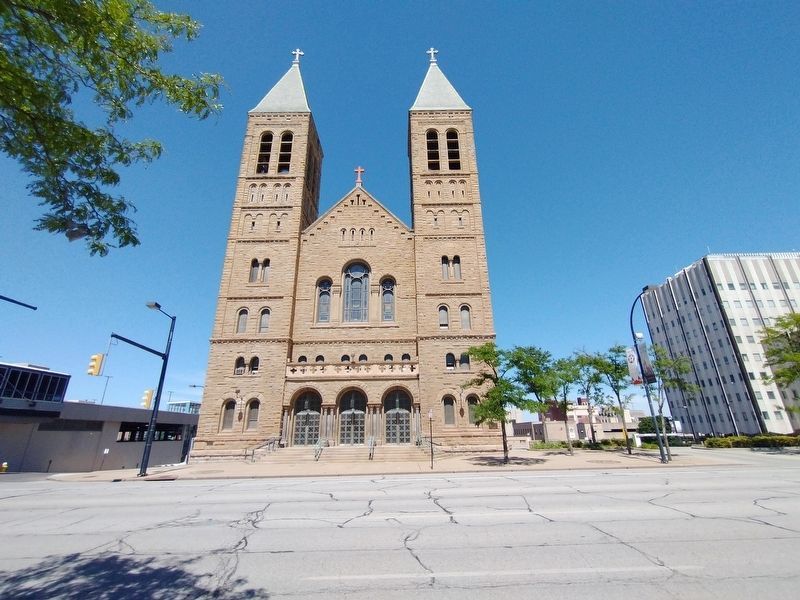
Some churches impress with height, while others win people over with mass and richness. St. Bernard Catholic Church in Akron belongs in the second group, offering a bold, deeply textured look that recalls Romanesque and Byzantine churches found across parts of Europe.
From the outside, the building has a powerful shape that feels steady, weighty, and built to last.
Once inside, the beauty becomes even more dramatic. Arches, decorative surfaces, and carefully planned sacred art create a layered experience that encourages visitors to keep looking from one feature to the next.
The church is especially admired for its ornate interior, where color, pattern, and structure work together in a way that can feel almost transportive.
There is also a strong sense of heritage here. Ethnic Catholic communities in Ohio often built churches that reflected memories of the places their families came from, and St. Bernard carries that spirit well.
The result is not a copy of one single European church, but a local masterpiece shaped by European ideas, local labor, and generations of devotion.
Practical visitors should plan a little extra time, because this is not the sort of place you understand in two minutes. Stand at the back first to take in the full sweep of the interior, then move closer to notice side altars, ceiling treatments, and the way the arches frame the sanctuary.
If you appreciate buildings that reveal themselves slowly, St. Bernard is a rewarding stop.
Akron has many pieces of industrial and civic history, yet this church adds an artistic and spiritual dimension that broadens the story of the city. Its architecture feels serious, beautiful, and rooted in tradition.
For anyone interested in Ohio churches that echo Europe’s oldest sacred spaces, St. Bernard deserves a place near the top of the list.
5. St. Mary Catholic Church, Columbus
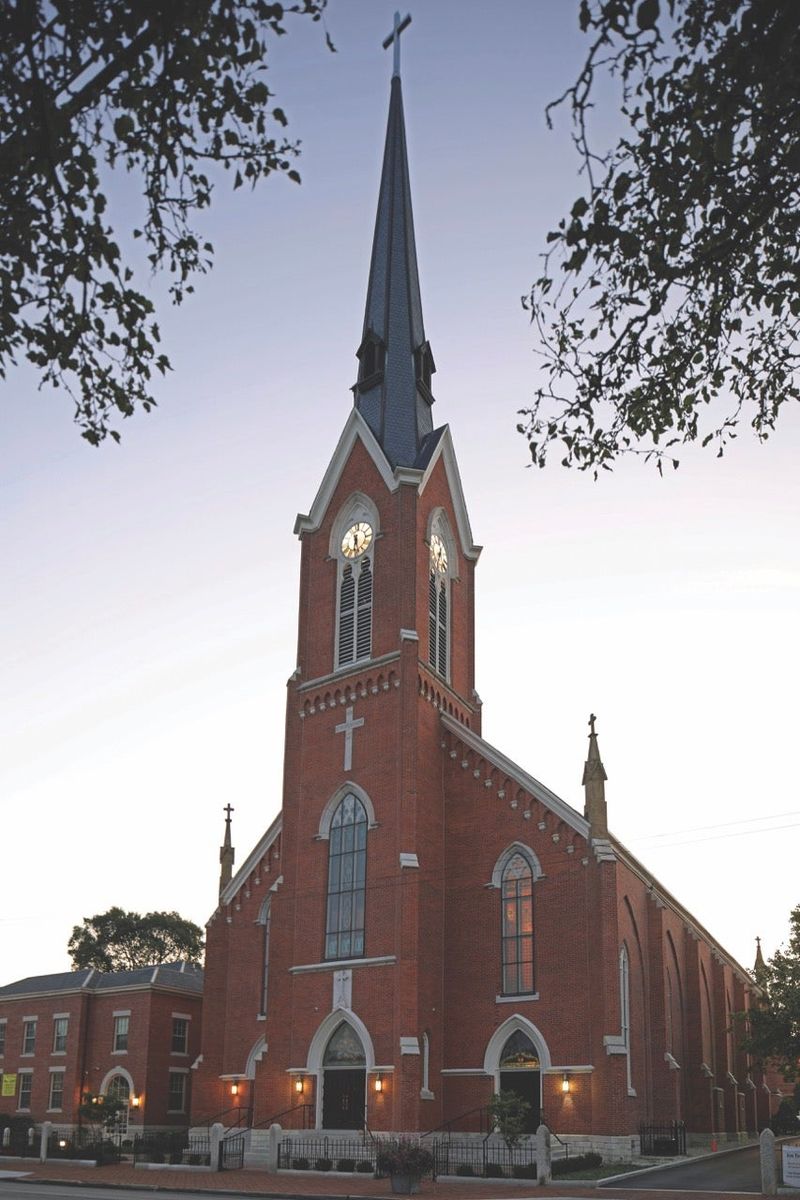
Walk through German Village in Columbus and the setting already hints that something old and beautiful is nearby. St. Mary Catholic Church fits the neighborhood perfectly, with historic brickwork, Gothic Revival details, and a graceful presence that feels tied to European parish life.
The church seems to belong to the streets around it, which makes the whole area feel more complete.
Its architecture reflects the story of German immigrants who shaped this part of Columbus. That background helps explain the church’s old-world character, because it was built not just as a place of worship but also as a cultural anchor.
The result is a building that carries both religious importance and neighborhood memory in equal measure.
Inside, the church feels welcoming rather than distant. Stained glass, warm materials, and traditional Catholic design create a peaceful room where beauty comes through in many small touches instead of one giant feature.
Visitors often respond to that feeling of balance, because the church is elegant without becoming overwhelming.
A smart way to visit is to pair the church with a walk through German Village’s brick streets and historic homes. Seeing the church in context helps you understand why it matters so much, since architecture is not only about one building but also about how that building shapes the place around it.
On a quiet day, the neighborhood and church together can feel like a little corner of Europe in central Ohio.
What makes St. Mary stand out is its sense of belonging. Some landmarks impress because they are huge, but this one leaves a mark because it feels lived in, loved, and woven into daily life.
For travelers who enjoy architecture with story, atmosphere, and a strong local identity, St. Mary Catholic Church is one of Columbus’s most appealing historic treasures.
6. St. Joseph Cathedral, Columbus
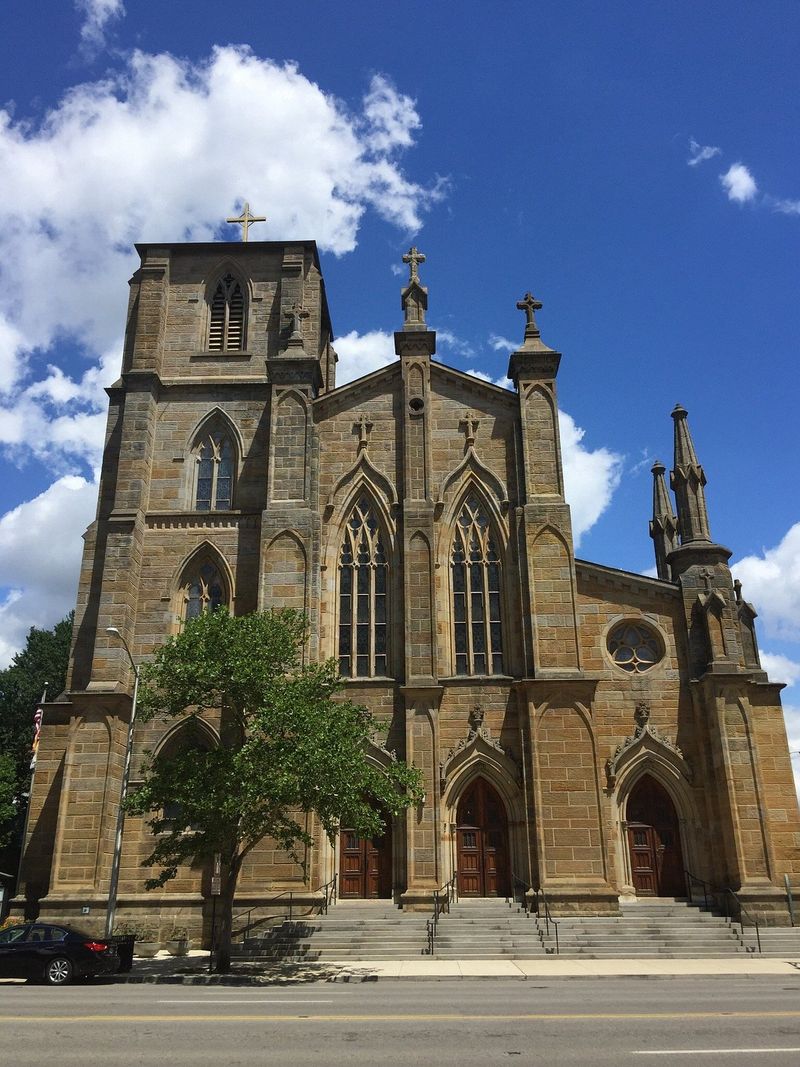
Right in downtown Columbus, St. Joseph Cathedral offers a different mood from the city’s offices and busy streets. Its Romanesque Revival design gives it a grounded, old-world appearance, with rounded arches and a sturdy facade that suggests the church has been quietly holding its place for a very long time.
That contrast makes it especially appealing to visitors who enjoy finding history in the middle of modern life.
The cathedral is the seat of the Diocese of Columbus, so it carries both architectural and religious importance. Buildings with that role are often designed to feel dignified, and St. Joseph does exactly that without looking stiff.
There is beauty in its proportions, in the way the entry invites people inward, and in how the interior opens into a formal yet calm worship space.
Inside, the details reward attention. Stained glass windows bring color, while the altar area and surrounding features give the sanctuary a clear focal point.
The church does not rely on one flashy element to impress people. Instead, it creates a complete atmosphere, where structure, light, and decoration work together in a steady and satisfying way.
If you visit, try seeing it from both near and far. From a distance, the full shape of the cathedral stands out among downtown buildings, but close up you can appreciate the texture of the materials and the careful design choices that give it character.
A short visit can be meaningful, though architecture lovers will probably want to linger longer.
St. Joseph Cathedral is a reminder that European-inspired beauty does not only live in small towns or older neighborhoods. Sometimes it rises right in the center of a capital city and offers a pocket of quiet, history, and craftsmanship.
For anyone exploring Columbus with an eye for architecture, this cathedral is a stop well worth making.
7. Basilica of St. Mary of the Assumption, Marietta
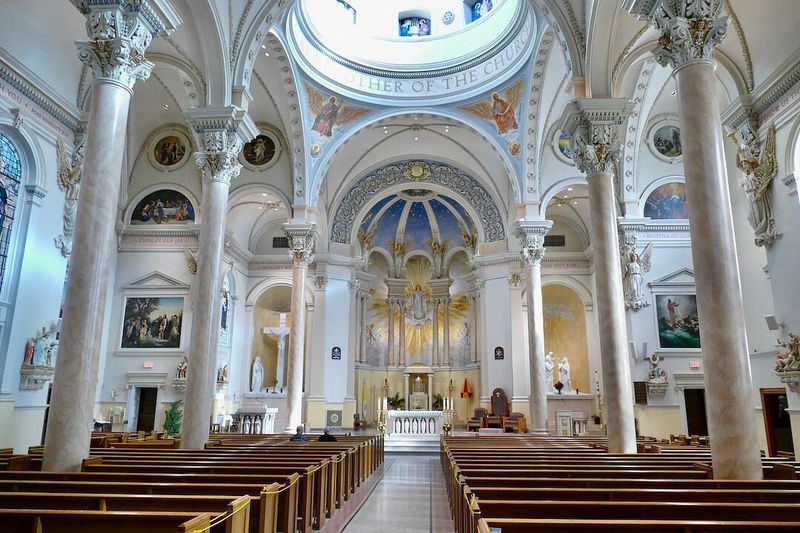
In a river town known for deep history, this basilica feels like one of Marietta’s most impressive surprises. The Basilica of St. Mary of the Assumption has a commanding presence, and its design brings together the kind of scale and ornament many people expect from older European churches.
Even before stepping inside, you can sense that the building was meant to be both beautiful and lasting.
The exterior stands out with strong form and carefully shaped details, while the interior offers a more elaborate experience. Rich artwork, stained glass, and traditional Catholic features give the church a sense of ceremony that fits its basilica status.
There is a fullness to the space, as though every part was planned to lift the eye and focus the mind.
Marietta itself adds to the charm. Because the city has one of Ohio’s oldest settled histories, the church feels connected to a wider story about community, identity, and long memory.
European-inspired architecture often gains power from the setting around it, and here the historic surroundings make the basilica feel even more authentic.
Visitors should take a little time to notice how the church works from several viewpoints. The front can appear formal and stately, while interior details reveal warmth, artistry, and devotion on a more personal scale.
Looking closely at windows, altars, and decorative surfaces helps show why basilicas are often remembered for more than just size.
One of the best things about this church is how naturally it fits Marietta’s older character. It does not feel like an isolated attraction.
Instead, it feels woven into the city’s historic fabric, giving visitors a strong sense of place. For anyone drawn to architecture that feels grand, rooted, and quietly European, the Basilica of St. Mary of the Assumption is a rewarding Ohio destination.
8. Basilica and National Shrine of Our Lady of Consolation, Carey
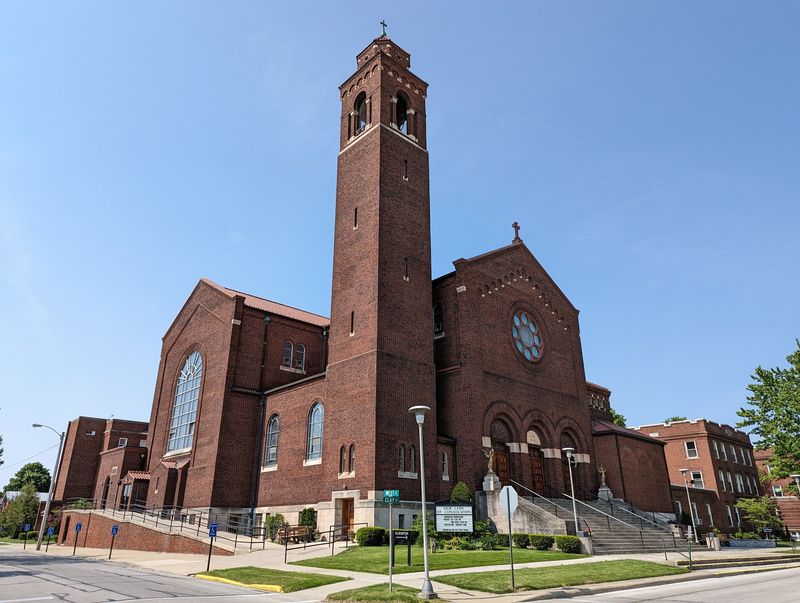
Not every small Ohio town holds a church with the feel of a major pilgrimage site, but Carey does. The Basilica and National Shrine of Our Lady of Consolation combines sacred beauty with a strong sense of destination, giving visitors an experience that feels larger than the town around it.
The architecture carries the dignity and richness people often link with famous European shrines.
From the outside, the basilica has a stately presence with towers, balanced lines, and a layout that suggests purpose. The grounds matter too, because shrines are not only about one building but also about movement through space, prayer, gathering, and reflection.
Statues, walkways, and outdoor devotional areas help the site feel complete and inviting.
Inside, the church offers the kind of visual depth that encourages quiet attention. Traditional Catholic art, stained glass, and carefully arranged liturgical spaces create a setting that feels reverent and memorable.
Pilgrims come here for spiritual reasons, yet even visitors interested mainly in architecture can appreciate the craftsmanship and atmosphere.
The story of this shrine adds another layer. It has long been a place of devotion connected to Our Lady of Consolation, and that reputation gives the site a living energy that many historic buildings lack.
Beauty matters more when it is tied to real community use, and this basilica continues to welcome people seeking prayer, tradition, and comfort.
If you go, plan enough time to explore both the interior and exterior spaces. Walking the grounds helps you understand why shrines often feel different from ordinary parish churches, since the setting is designed for both worship and pilgrimage.
In Ohio, few church properties combine architectural charm, spiritual history, and European-inspired presence as successfully as this one in Carey.
9. Our Lady, Queen of the Most Holy Rosary Cathedral, Toledo
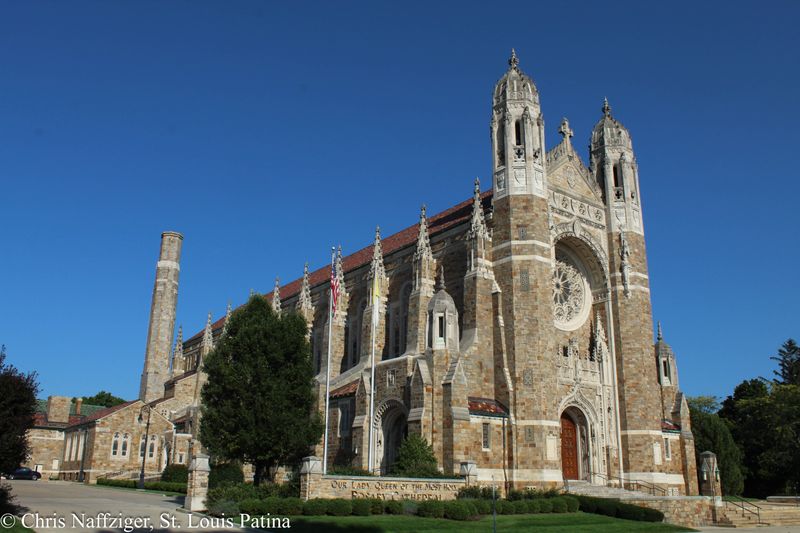
There is nothing shy about the design of this Toledo landmark. Our Lady, Queen of the Most Holy Rosary Cathedral, often called Rosary Cathedral, catches attention with an ornate exterior that draws from Spanish Plateresque architecture.
That style gives the building a richly decorated face, making it one of the most distinctive church designs in Ohio.
Instead of relying only on height or size, the cathedral wins people over through detail. Carved stonework, carefully framed entrances, and strong visual patterns make the outside feel almost like a piece of sculpture.
It is the sort of church that invites you to pause before going in, because there is so much to absorb on the facade alone.
The interior continues the experience with spacious design, sacred art, and an atmosphere suited to a major cathedral. Light, color, and form work together to create a room that feels formal but not severe.
As the seat of the Diocese of Toledo, the church carries a civic and spiritual presence that adds to its sense of significance.
One practical tip for visitors is to look at photographs of Spanish churches before going. Doing that can help you notice how unusual this cathedral is within Ohio, since its style stands apart from more common Gothic or Romanesque examples.
Once there, compare the decorative approach outside with the calmer beauty inside for a fuller understanding of the building.
Rosary Cathedral proves that European influence in Ohio church architecture is not limited to one region or one tradition. Its Spanish-inspired design gives the state a different flavor of old-world beauty, and that variety makes Ohio’s religious architecture even more interesting.
For travelers who enjoy craftsmanship, symbolism, and standout facades, this Toledo cathedral is a must-see.
10. St. Mary’s Catholic Church, Sandusky
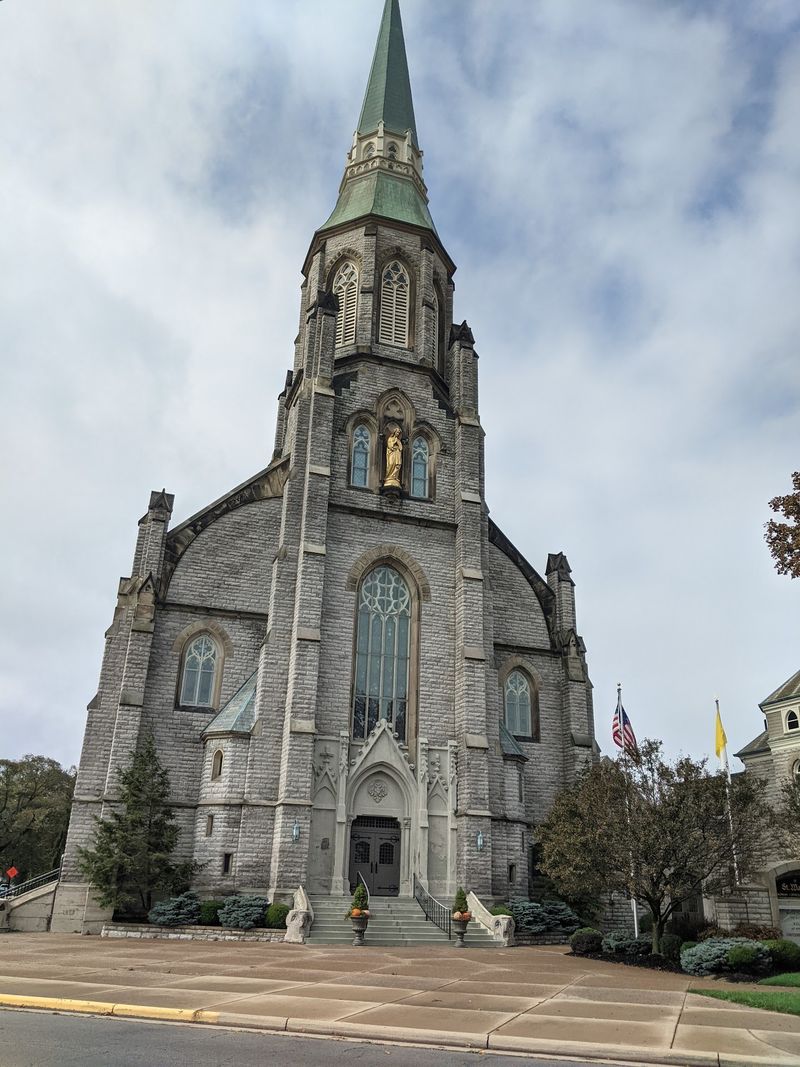
Near the Lake Erie shoreline, St. Mary’s Catholic Church gives Sandusky a touch of old-world grace. Its historic design, rooted in Gothic Revival style, brings pointed arches, vertical lines, and a strong tower presence to the cityscape.
For many visitors, the church feels like a quiet counterbalance to Sandusky’s better-known tourist energy.
The beauty here is tied to both architecture and setting. In a lakeside city with layers of history, a church like this helps show that Sandusky is more than summer fun and waterfront views.
Buildings such as St. Mary’s reveal the older civic and spiritual life of the community, and that wider context makes the church even more interesting to explore.
Inside, the atmosphere is often what stays with people most. Stained glass softens the light, and the traditional layout creates a sense of focus and peace.
Gothic-inspired churches tend to guide your eyes upward, and St. Mary’s uses that effect well without feeling too heavy or distant.
A good visit starts outside, where you can take in the tower, windows, and overall profile from different spots on the street. Then move indoors and let your eyes adjust slowly so the colors and details can come forward.
Even a short stop becomes more rewarding when you pay attention to how the church shifts from public landmark outside to reflective space inside.
St. Mary’s may not always top statewide lists of famous churches, but that is part of its appeal. It feels like a genuine local treasure, one that quietly preserves the look and mood of a European-style parish church in northern Ohio.
For travelers who enjoy meaningful places that do not feel overexposed, this Sandusky church offers beauty with a calm, steady charm.
11. Shrine Church of St. Stanislaus, Cleveland
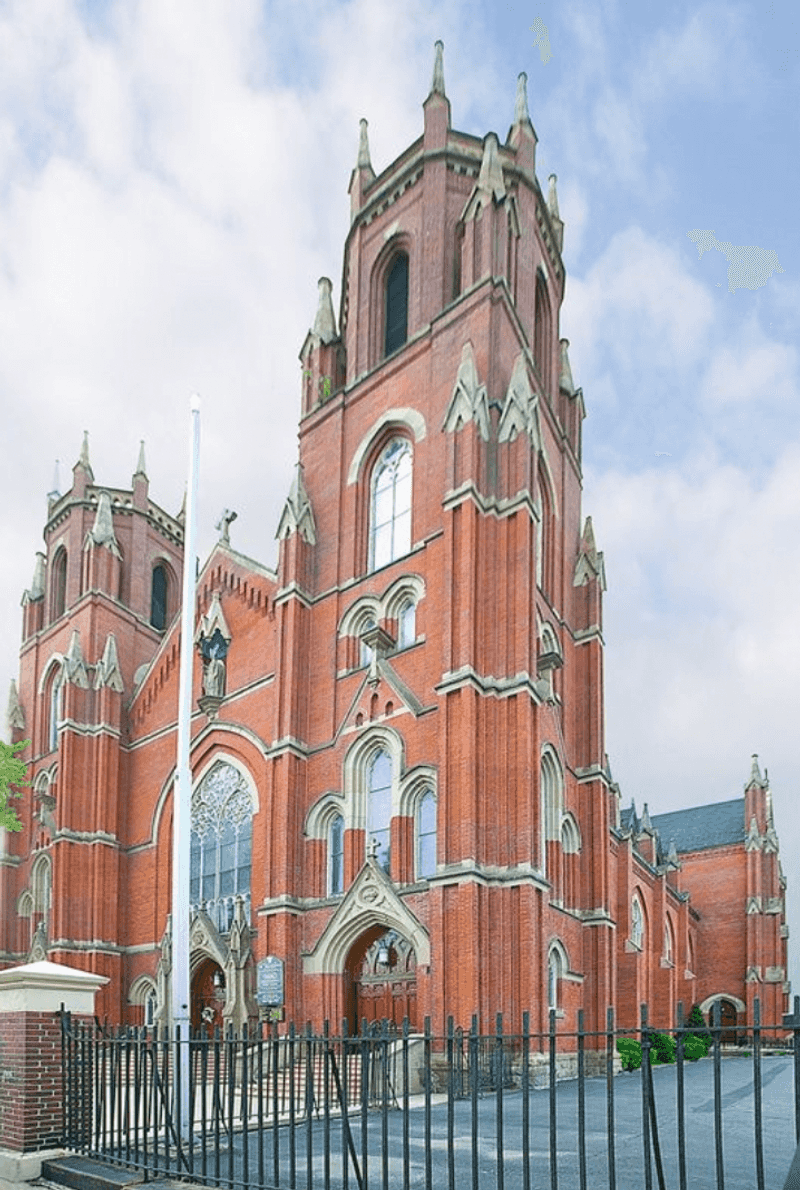
Built from the dreams of Cleveland’s Polish community, this church carries both beauty and heart. The Shrine Church of St. Stanislaus is one of the city’s most important historic Catholic landmarks, and its architecture reflects the pride of immigrants who wanted a sacred space worthy of their faith and heritage.
That sense of purpose still comes through in the building today.
The exterior has a strong, traditional presence, with towers and historic detailing that give it the look of an established European parish. While many churches are attractive, St. Stanislaus has the added power of cultural memory.
It does not just represent a style. It represents a community that built something lasting and deeply meaningful in its new home.
Inside, the church becomes even more captivating. Ornate altars, stained glass, and devotional artwork create a richly layered environment that feels personal and ceremonial at the same time.
Visitors who know something about Polish church traditions may notice that the beauty here carries a special warmth, with details that feel expressive and lovingly maintained.
A thoughtful way to experience the church is to read a little about Cleveland’s immigrant history before visiting. Doing so helps connect the architecture to the people behind it, which makes every carved detail and every window feel more alive.
Great buildings often become greater when you understand the lives that shaped them.
St. Stanislaus is not only a handsome church. It is also a living reminder that Ohio’s architectural treasures were built by families who brought skills, customs, and artistic ideas from Europe to the Midwest.
In Cleveland, few places show that story more clearly. For anyone interested in architecture with soul, this shrine church offers a moving and memorable stop.
12. Cathedral of St. John the Evangelist, Cleveland
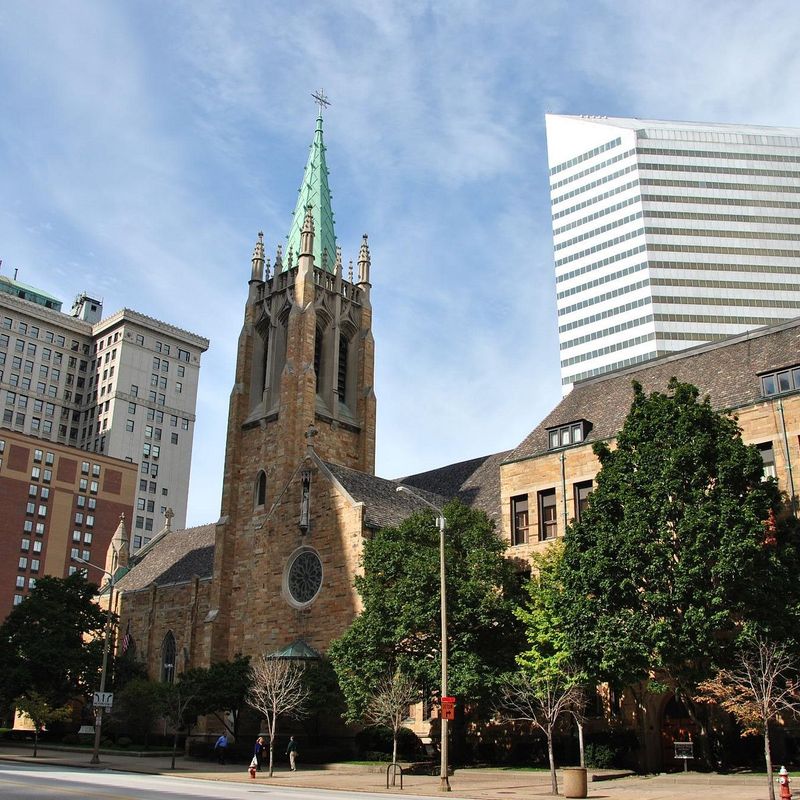
Amid downtown Cleveland’s busy streets, this cathedral brings a sense of age and lift that feels almost cinematic. The Cathedral of St. John the Evangelist is a Gothic Revival landmark, and its pointed forms, stone exterior, and vertical emphasis echo the spirit of great European cathedrals.
It stands as a powerful reminder that sacred architecture can shape a city’s identity just as much as office towers and arenas.
The building serves as the cathedral for the Diocese of Cleveland, which gives it an important public role. Even so, what many visitors notice first is not status but feeling.
There is a certain drama in the way the structure rises and in how the interior gathers light, color, and height into one unified experience.
Inside, stained glass and traditional church design create a setting that feels both solemn and inviting. Gothic architecture often aims to direct attention upward, and that effect works beautifully here.
You may find yourself slowing down without meaning to, simply because the space encourages a different pace from the city outside.
For the best experience, try visiting at a time when natural light is moving through the windows. The changing color can make the interior feel almost alive, and it highlights why stained glass has remained such an admired part of church architecture for centuries.
If you enjoy urban photography, the contrast between the cathedral and modern downtown surroundings is especially striking.
What makes this church stand out is its ability to feel monumental without losing warmth. It is a major city cathedral, yet it still offers the quiet, reflective beauty people seek in old sacred spaces.
Among Ohio churches with a distinctly European look, the Cathedral of St. John the Evangelist easily earns its place on the list.
Share this story