Tennessee’s food culture runs deeper than tourist menus and trendy restaurants. Across the state, from mountain towns to river valleys, families and cooks still practice the same techniques their grandparents used generations ago.
These aren’t recreations or theme-park versions of old traditions—they’re the real deal, kept alive by people who never stopped doing things the way they’ve always been done.
1. Ordering Nashville Hot Chicken on White Bread With Pickles
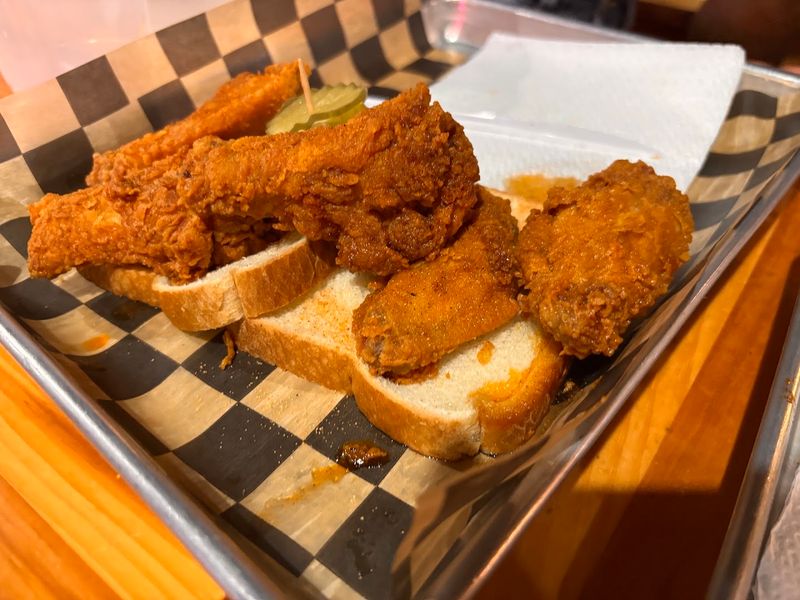
Walk into Prince’s Hot Chicken Shack and you’ll notice something different right away. There’s no fancy plating, no artisan brioche buns, no sriracha aioli. Just fried chicken so spicy it glows, served on plain white sandwich bread with a handful of pickle chips.
That’s how Nashville hot chicken was born back in the 1930s, and that’s how Prince’s still serves it today. The story goes that Thornton Prince’s girlfriend tried to punish him for staying out all night by loading his fried chicken with cayenne pepper. He loved it.
She probably didn’t expect that revenge dish to become a citywide obsession.
The white bread isn’t just a cheap placeholder. It actually serves a purpose, soaking up the fiery oil and cayenne paste that coats each piece of chicken. The pickles provide a sharp, vinegary contrast that cuts through the heat and grease.
Prince’s still uses the family recipe, coating chicken in a cayenne-spiked paste after frying. The heat levels range from mild to extra hot, though even mild will make most people reach for their drinks.
Regulars know to pace themselves and let the bread do its job.
Other restaurants have added hot chicken to their menus, some with creative twists and modern touches. But Prince’s keeps it simple, honoring the tradition that started in a small kitchen nearly a century ago.
The line out the door most days proves that sometimes the original way is still the best way.
If you want to experience Nashville hot chicken the way it was meant to be eaten, skip the gourmet versions and head to Prince’s. Order it on white bread, grab your pickles, and prepare for heat that doesn’t quit.
2. Eating Dry-Rubbed Pork Ribs in a Memphis Barbecue Joint
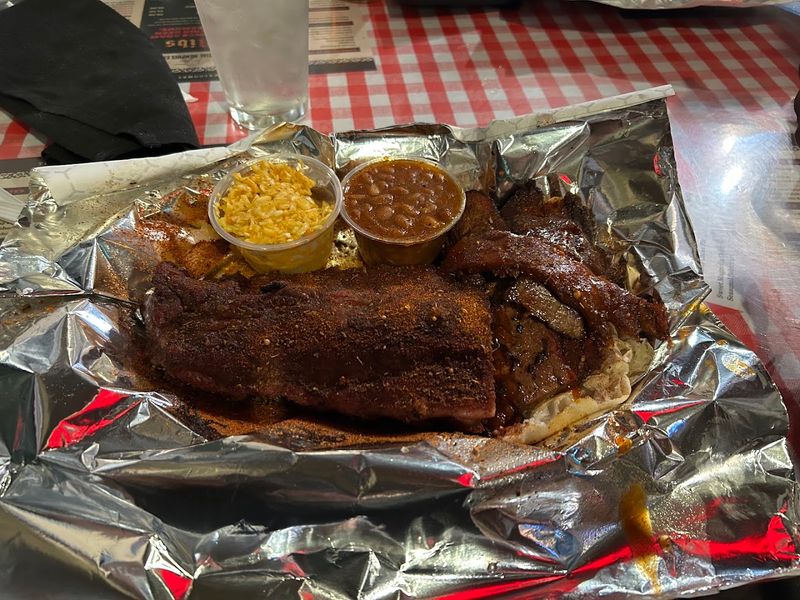
Memphis barbecue tells you everything you need to know about the city’s approach to pork. Forget drowning meat in sauce—the dry rub does all the talking here.
Heavy on paprika, black pepper, garlic and a dozen other spices, the crust forms a dark, flavorful bark that needs nothing else.
The Rendezvous has been serving ribs this way since Charlie Vergos opened the basement restaurant in 1948. Tourists stumble down the alley looking for it, but locals have known the address by heart for decades.
The ribs come out charred and crusty, cooked over charcoal until the spices form a crust you can see and taste.
Dry ribs aren’t unseasoned or bland. The rub penetrates the meat during cooking, creating layers of flavor that sauce would only cover up. When done right, each bite delivers smoke, spice and pork in perfect balance.
Memphis pit masters take their rub recipes seriously. Some families guard their spice blends like state secrets, passing them down through generations.
The exact ratios matter—too much sugar and the ribs burn, too little salt and they taste flat.
Visitors from other barbecue regions sometimes expect sauce on the side, and most Memphis joints will provide it if asked. But regulars know that’s missing the point entirely.
The dry rub method developed here because it works, highlighting the quality of the pork and the skill of the cook.
At the Rendezvous and other old-school Memphis spots, the ribs arrive on butcher paper with slaw and beans. No frills, no fuss. Just ribs that taste like Memphis has tasted for seventy-five years, proving that sometimes less really is more when it comes to barbecue.
3. Loading Up a Meat-and-Three Plate
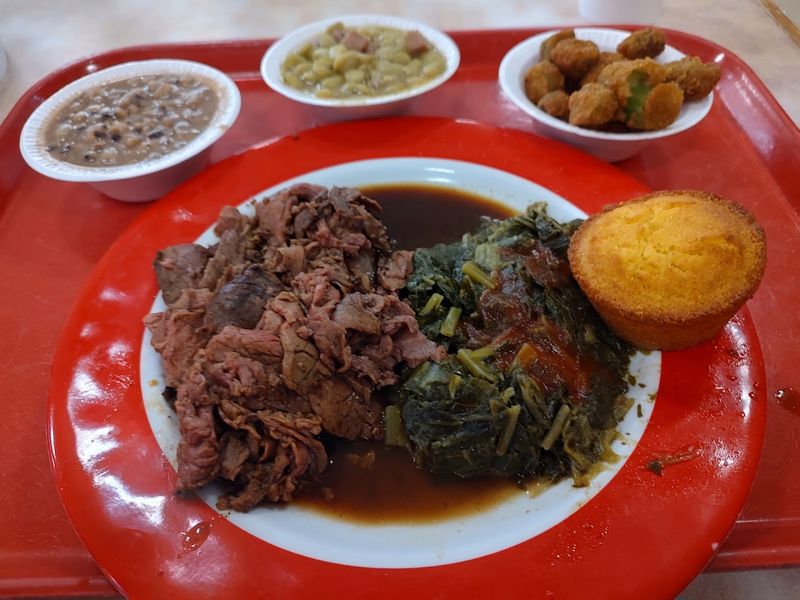
Lunchtime in Tennessee often means one thing: meat-and-three. The concept is simple—pick one protein and three side dishes from whatever’s steaming behind the cafeteria line.
But simple doesn’t mean boring, especially when the sides include fried okra, turnip greens, squash casserole, macaroni and cheese, candied yams, and a dozen other options.
Arnold’s Country Kitchen in Nashville has been serving meat-and-three plates since 1982, though the tradition itself goes back much further. These restaurants grew out of boarding houses and cafeterias where working people needed filling, affordable food fast.
The steam table setup meant everything stayed hot and ready, no waiting for orders to cook.
Choosing your three sides requires strategy. Some people go all vegetables to balance the fried chicken or meatloaf. Others load up on comfort—mac and cheese, mashed potatoes, and creamed corn. There’s no wrong answer, though regulars have strong opinions about which combinations work best.
The meat options typically include fried chicken, meatloaf, pot roast, fried catfish, ham, or pork chops. Everything’s cooked Southern style, which means plenty of seasoning and no fear of butter or bacon grease.
Vegetables often cook low and slow with pork for flavoring, the way grandmothers across the South have done it for generations.
Meat-and-three restaurants serve lunch cafeteria-style but feel more personal than any chain. The same ladies often work the line for years, remembering regular customers and their favorite sides. Cornbread or rolls come with every plate, and sweet tea flows freely.
Arnold’s closes when the food runs out, usually mid-afternoon. That’s part of the tradition too—everything’s made fresh that morning in limited quantities.
When it’s gone, it’s gone until tomorrow. This isn’t fast food or convenience dining. It’s Tennessee’s version of home cooking, served to anyone willing to stand in line.
4. Gathering for Fried Catfish and Hushpuppies
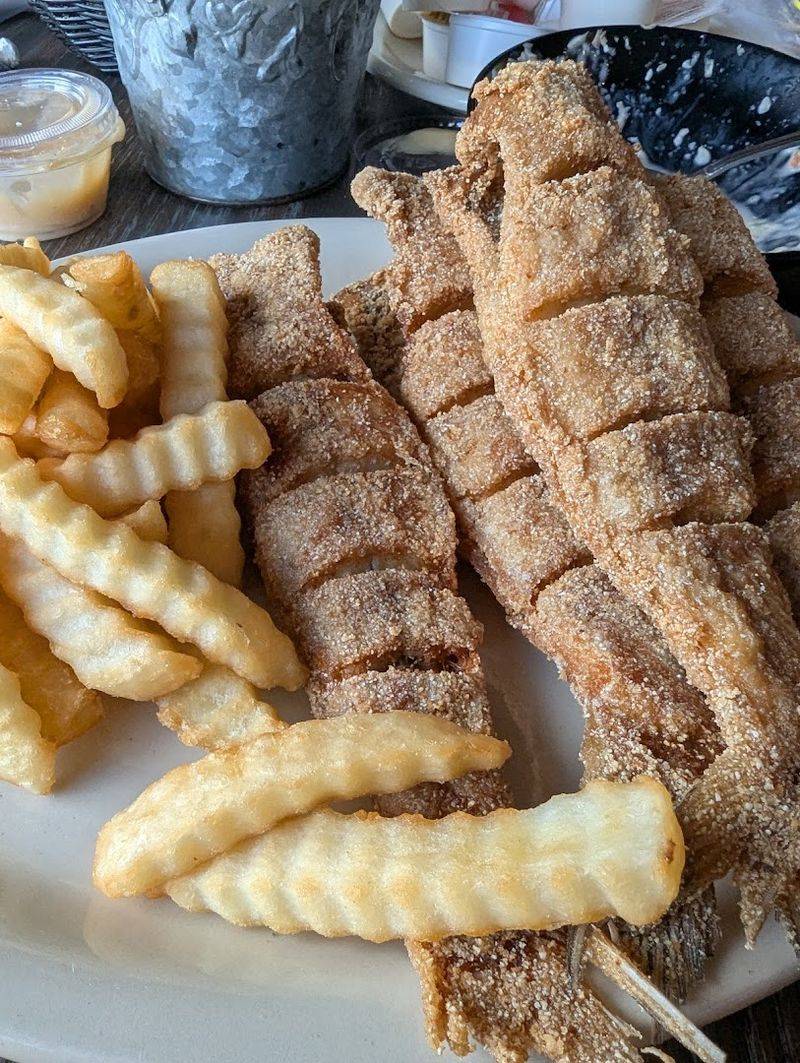
Before catfish became a restaurant staple, Tennessee families gathered at riverbanks for fish fries. Someone would catch a mess of catfish, others would bring cornmeal and oil, and everybody ate until the fish ran out.
Hagy’s Catfish Hotel started from those riverside cookouts back in the 1930s, eventually moving indoors but keeping the same cooking methods.
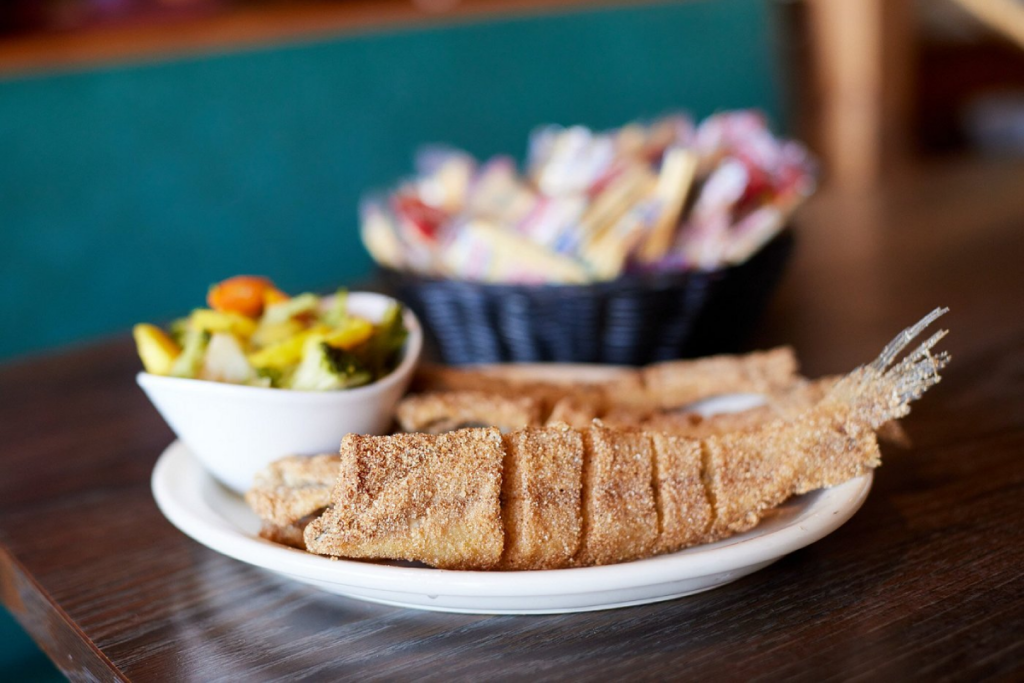
Proper Tennessee catfish gets dredged in seasoned cornmeal, not fancy batters or breadcrumbs. The coating should be thin enough to taste the fish but thick enough to create a crunchy golden crust. Hot oil does the rest, cooking the fish until it flakes easily and the outside shatters with each bite.
Hushpuppies always come alongside, those crispy cornmeal fritters that supposedly got their name from cooks tossing scraps to quiet barking dogs. True or not, hushpuppies soak up fish grease and add another layer of cornmeal crunch to the meal.
Some cooks add onions or jalapeños to the batter, others keep them plain.
The traditional sides haven’t changed much either—coleslaw for crunch and tang, french fries for filling up, maybe baked beans or white beans. Sweet tea washes it all down. Fancy restaurants might add remoulade or spicy aioli, but old-school fish fries stick with tartar sauce or hot sauce.
Catfish farming made the fish available year-round, but the cooking traditions stayed rooted in those riverside gatherings. Many Tennessee fish fry restaurants still feel casual and communal, with long tables and family-style service.
You might share space with strangers, just like folks did at the riverbank.
Hagy’s and other longtime catfish spots prove that simple food done right never goes out of style. Fresh catfish, hot oil, cornmeal coating, hushpuppies on the side—it worked in the 1930s and it works now.
Some traditions don’t need updating.
5. Smoking and Aging Country Ham the Old-Fashioned Way
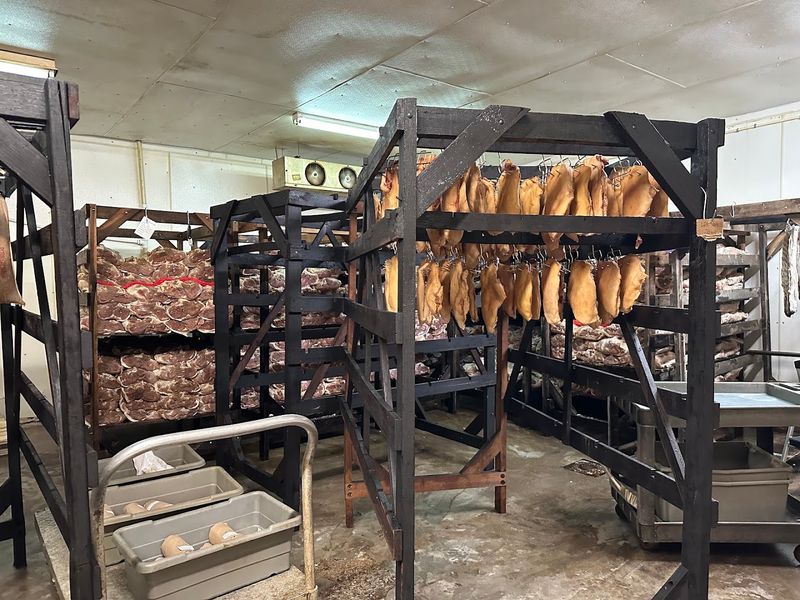
Country ham tastes nothing like the deli meat most people know. Salt-cured and hickory-smoked for months, it’s intensely salty, deeply savory, and completely different from anything made in a factory.
Benton’s Smoky Mountain Country Hams still uses the same curing methods Appalachian families developed before refrigeration existed.
The process starts with fresh pork hams covered in salt, lots of it. The salt draws out moisture and prevents spoilage, essentially preserving the meat through chemistry rather than cold storage.
After several weeks in salt, the hams get rinsed and hung in a smokehouse where hickory fires burn low and slow.
Smoking takes time—weeks or months depending on the ham’s size and the weather. The smoke penetrates deep into the meat, adding flavor and creating that distinctive mahogany color.
Then the hams age, sometimes for a year or more, developing complex flavors that only time can create.
Allan Benton learned these techniques from older generations and refused to modernize them, even when it seemed impractical. His hams hang in old smokehouses, cure on his schedule rather than a production timeline, and taste the way country ham tasted a hundred years ago.
Chefs across the country now seek out Benton’s hams, but he’s still doing it the mountain way.
Eating country ham requires adjustment if you’re used to mild supermarket ham. It’s salty enough to make your eyes water, best served in thin slices with biscuits or red-eye gravy.
Some people soak thick slices before cooking to reduce the salt, but purists fry it straight and let the salt speak for itself.
This preservation method developed out of necessity—mountain families needed protein that would last through winter without spoiling. What started as practical survival became a culinary tradition, one that Benton’s and a handful of other producers keep alive by refusing to take shortcuts.
6. Pouring Sorghum Syrup Over Hot Biscuits
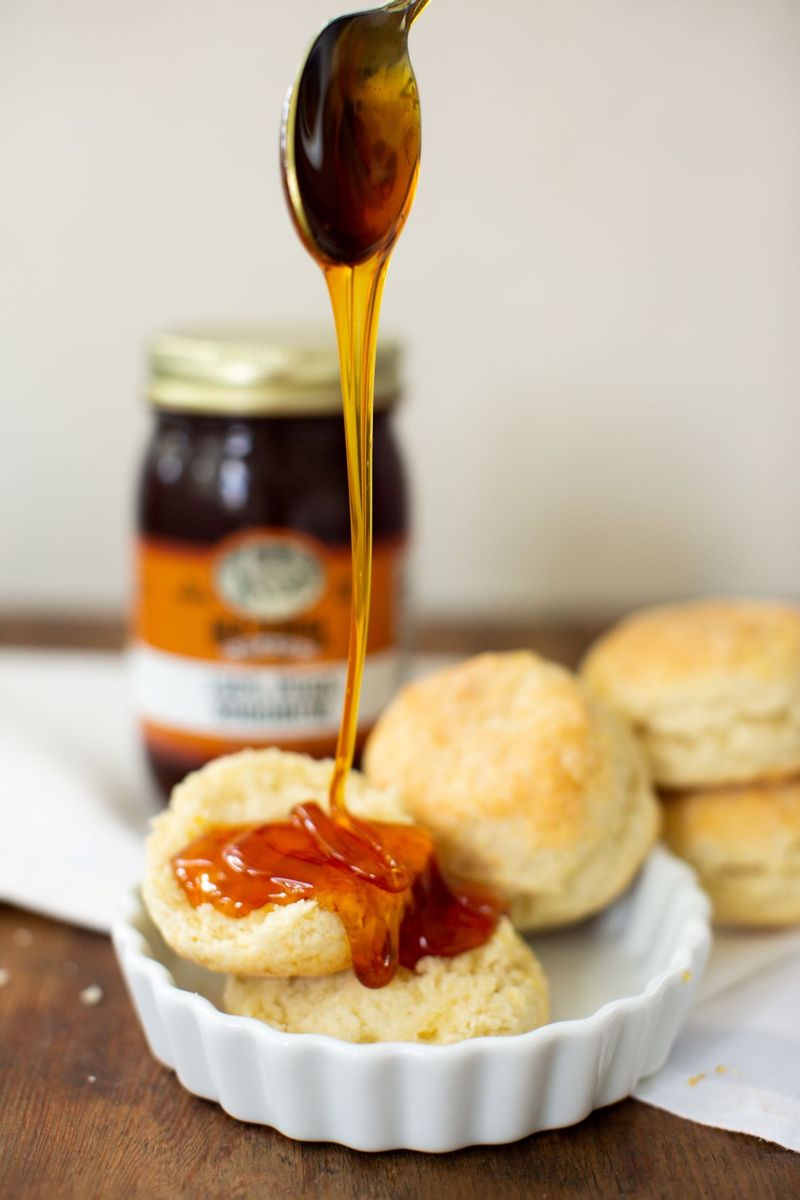
Sorghum syrup doesn’t taste like maple syrup or honey. It’s darker, earthier, with a slight tang that comes from the sorghum cane itself.
Before sugar became cheap and available, mountain families grew sorghum and pressed it into syrup for sweetening everything from biscuits to cornbread.
Muddy Pond Sorghum Mill still makes syrup the old way every fall when the cane ripens. Visitors can watch the entire process—stalks fed through a mule-powered press, juice collected and boiled in wide pans, impurities skimmed off as the liquid thickens into syrup.
The smell of cooking sorghum fills the air for miles.
Making sorghum syrup is hot, sticky work that requires constant attention. The juice must boil at the right temperature, getting stirred and skimmed regularly to prevent burning.
Too much heat and it scorches, too little and it won’t thicken properly. The finished syrup should pour slowly, coating a spoon without being too thick.
Sorghum over hot biscuits remains a mountain breakfast staple. The syrup soaks into the biscuit’s flaky layers, adding sweetness and moisture. Some people add butter first, letting it melt before the syrup goes on. Others pour the sorghum straight, preferring the pure flavor without interference.
Commercial pancake syrups pushed sorghum aside in many homes, but it never disappeared completely. Small producers like Muddy Pond kept making it, and now a new generation is rediscovering what their great-grandparents knew—sorghum tastes like something real, not a factory’s idea of sweetness.
The fall production season at Muddy Pond draws crowds who want to see how syrup was made before corn syrup and refined sugar took over. The process hasn’t changed because it doesn’t need to.
Sorghum cane, a press, heat, and patience—that’s all it takes to make syrup the way Tennessee mountain families have done it for generations.
7. Serving Appalachian Apple Stack Cake at Gatherings

thebittenword.com, licensed under CC BY 2.0. Via Wikimedia Commons.
Apple stack cake looks unusual to anyone expecting a typical layer cake. Six to eight thin cake layers stack up with cooked dried apples spread between each one, creating a tall cake that tastes more like spiced apples than traditional cake.
The layers should be thin—almost cookie-like—so the apple filling becomes the star.
This cake developed in Appalachian communities where ingredients were scarce and expensive. Dried apples kept through winter when fresh fruit was impossible to find. The thin layers used less butter and eggs than rich cakes, making it affordable for families with limited resources.
Traditionally, wedding guests each brought a layer, and the bride assembled them into one tall cake. The more layers, the more popular the couple.
This communal approach to celebration fit mountain culture, where neighbors helped each other and shared what they had.
The apple filling cooks low and slow, dried apples simmering with sugar and spices until they break down into a thick, dark paste. Cinnamon, allspice, and sometimes ginger season the filling. The mixture should be spreadable but not runny, holding the layers together as the cake sits.
Stack cake actually tastes better after a few days. The moisture from the apple filling softens the cake layers, and the flavors meld together.
Fresh stack cake can seem dry, but give it time and the texture transforms into something cohesive and moist.
Church suppers, family reunions, and holiday gatherings still feature apple stack cake across East Tennessee. Some cooks guard their layer recipes, tweaking the spices or sweetness to create their signature version. Others follow family recipes passed down through generations, making the cake exactly as their grandmothers did.
Modern bakeries sometimes make stack cake, but it’s really a home baker’s specialty. The time investment—making multiple thin layers, cooking the filling, assembling everything—doesn’t suit commercial production.
This remains a cake made with patience and tradition, best shared at gatherings where everyone knows its history.
8. Putting Coleslaw Directly on a Pulled-Pork Sandwich
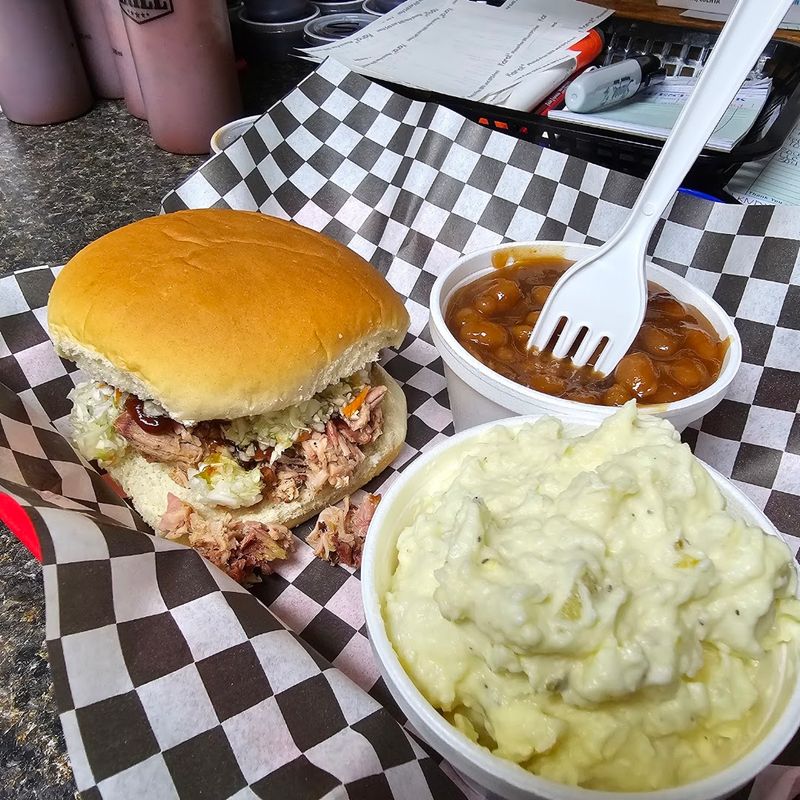
In West Tennessee, barbecue sandwiches come dressed with coleslaw already on them. Not on the side, not as an optional topping, but piled right on top of the pulled pork before the top bun goes on.
If you’re not from here, it seems strange. If you are, it’s the only way a pork sandwich should be built.
The slaw adds crunch and coolness that contrasts with warm, smoky pork. Tangy dressing cuts through the richness of the meat and any sauce you’ve added.
Without slaw, the sandwich is all soft textures and heavy flavors. With it, every bite has balance.
West Tennessee slaw tends toward the vinegary side rather than creamy. Shredded cabbage gets tossed in a dressing made with vinegar, a little sugar, salt, and pepper. Some versions add a touch of mayo, but not enough to make it heavy or mask the tang. The goal is crunch and acid, not creamy richness.
Barbecue restaurants in Memphis and surrounding areas don’t ask if you want slaw on your sandwich—it’s assumed. The sandwich comes assembled, slaw and all, unless you specifically request otherwise.
This isn’t a new trend or fusion experiment. It’s how people have been eating pulled pork here for decades.
The slaw-on-sandwich method likely developed because it works. Barbecue is rich and fatty, slaw is light and acidic.
Putting them together in each bite creates a more interesting sandwich than eating them separately. Plus, it’s practical—less juggling of side dishes when you’re eating with your hands.
Other regions serve slaw on the side, letting people choose whether to add it. Some places use creamy slaw, others prefer vinegar-based. But in West Tennessee, the tradition is clear: pulled pork, tangy slaw, soft bun, all together. Try it once and you’ll understand why locals wouldn’t have it any other way.
9. Pairing Country Ham With Red-Eye Gravy
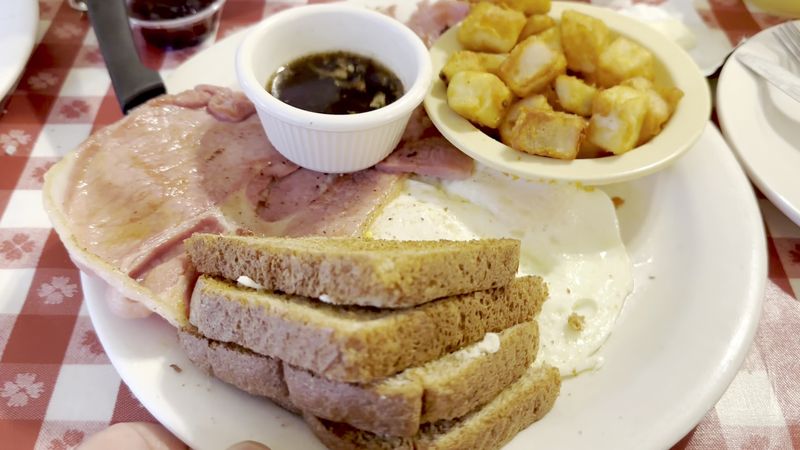
Red-eye gravy sounds strange until you taste it. Ham drippings mixed with strong black coffee create a thin, intensely savory gravy that’s nothing like thick white sausage gravy.
It’s dark, slightly bitter from the coffee, salty from the ham, and completely addictive spooned over biscuits or grits.
The name supposedly comes from the gravy’s appearance—drops of grease floating on the surface look like eyes staring up from the plate. Others say it refers to the bloodshot eyes of someone who needs strong coffee in the morning.
Either way, the name stuck, and the gravy became a breakfast staple across Tennessee.
Making red-eye gravy requires country ham, not regular ham. After frying thick slices of salt-cured ham, you pour strong black coffee into the hot skillet with all those salty drippings.
The coffee sizzles and steams, picking up all the browned bits stuck to the pan. Some cooks add a tiny bit of sugar, but traditional red-eye gravy stays thin and slightly bitter.
The gravy should be thin enough to soak into biscuits or pool around grits, not thick like cream gravy. It’s more of a flavored liquid than a sauce, meant to add moisture and intense ham flavor rather than cover everything up.
A little goes a long way—the saltiness and coffee bitterness can overwhelm if you use too much.
Restaurants serving traditional Southern breakfasts often offer country ham with red-eye gravy, especially in East Tennessee where country ham remains popular. Biscuits come on the side for sopping, and grits provide a neutral base that benefits from the salty gravy.
This combination developed from practicality—using every bit of flavor from expensive country ham and adding moisture to a breakfast that could otherwise be dry. The coffee provided a morning caffeine boost while creating gravy.
Waste nothing, flavor everything, eat well. That’s the mountain way, and red-eye gravy proves it still works.
10. Making Banana Pudding for Church Suppers and Family Reunions
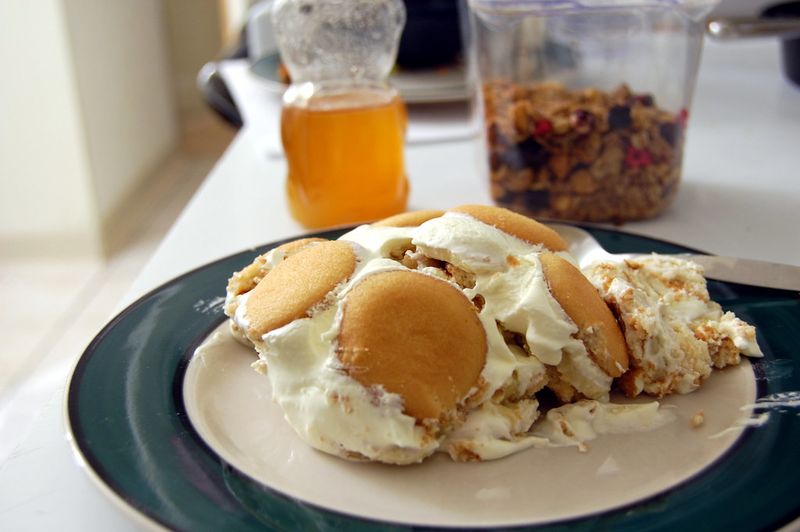
Every Tennessee church supper and family reunion features banana pudding. Not fancy individual portions or deconstructed versions—just layers of vanilla pudding, sliced bananas, and vanilla wafers in a big dish, topped with meringue or whipped cream.
It’s expected, required even, like sweet tea and fried chicken.
The dessert itself isn’t complicated. Vanilla pudding, either homemade or from a box, gets layered with banana slices and vanilla wafers. The wafers soften as they sit, soaking up pudding and becoming cake-like. Fresh bananas add sweetness and texture. Meringue or whipped cream tops everything off.
Centerville takes banana pudding so seriously they host the National Banana Pudding Festival every October. Thousands of people show up to celebrate layers of pudding, compete in baking contests, and eat more banana pudding than seems humanly possible.
The festival started small but grew because banana pudding means something here—it’s comfort, tradition, and community all in one dish.
Family recipes differ in small but important ways. Some cooks insist on homemade pudding, others swear by instant. Meringue versus whipped cream divides families. The ratio of wafers to pudding to bananas varies by who’s making it.
But the basic concept stays the same—layers assembled in a dish and served cold.
Banana pudding appears at celebrations because it feeds a crowd easily and holds up well. You can make it the night before, and it actually tastes better after the flavors meld.
It’s sweet enough for dessert but not so rich that people can’t eat a good-sized serving. Plus, almost everyone likes it.
The dessert might seem ordinary to outsiders, but Tennesseans know better. Banana pudding represents shared meals, family gatherings, and the kind of simple food that brings people together.
When someone brings banana pudding to a reunion, they’re not just bringing dessert—they’re continuing a tradition that connects generations.
11. Enjoying an RC Cola and MoonPie Together

RC Cola and a MoonPie once made up the working person’s lunch across the South. For a dime or less, you got a cold drink and a filling snack—two graham crackers with marshmallow filling, all covered in chocolate.
Factory workers, farmers, and laborers relied on this combination to get through the day without spending much money or time on lunch.
The pairing became so iconic that Bell Buckle started hosting an RC Cola and MoonPie Festival every June. The small town fills with people celebrating what was essentially a Depression-era survival meal.
There’s a MoonPie toss, an RC Cola chug, a parade, and more MoonPies than anyone should eat in one day.
MoonPies originated in Chattanooga at the Chattanooga Bakery, where they’re still made today. The marshmallow sandwich cookie was designed to be filling and cheap, something coal miners could afford and enjoy during short lunch breaks.
RC Cola, produced by Royal Crown Company, positioned itself as the affordable alternative to Coke and Pepsi.
Together, RC and MoonPie represented value and accessibility. You didn’t need money for a restaurant or time for a proper meal. Grab your RC and MoonPie, take a short break, and get back to work. The combination filled you up and gave you a sugar rush to finish the day.
Modern snack options have replaced RC and MoonPie for most people, but the nostalgia remains strong. The Bell Buckle festival celebrates not just the snacks themselves but what they represented—making do with what you could afford, finding satisfaction in simple things, and sharing common experiences across economic lines.
You can still buy RC Cola and MoonPies in most Tennessee stores. They taste exactly like they always did—sweet, simple, unpretentious.
Having them together might not be necessary anymore, but doing it anyway connects you to generations of Tennesseans who knew this combination well. Some traditions stick around because they’re worth remembering, even when necessity no longer drives them.
12. Cooking Seasonal Ramps, Beans and Cornbread
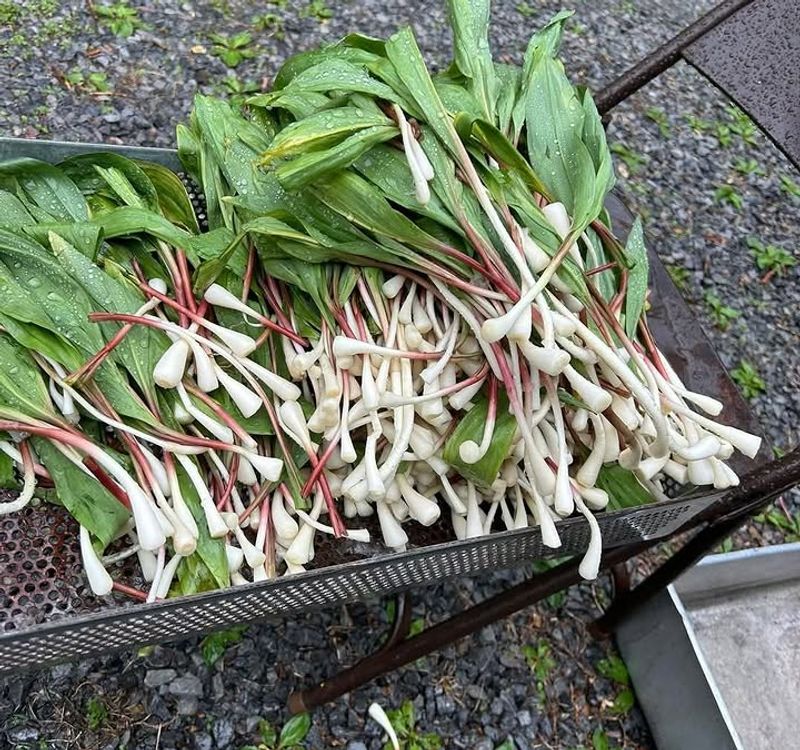
Spring in the Appalachian mountains means ramp season. These wild leeks grow in shaded forests for just a few weeks each year, and mountain families have been foraging them for generations.
The smell is unmistakable—pungent, garlicky, stronger than any onion. Cooked with beans or scrambled with eggs, ramps announce that winter is finally over.
Ramp festivals happen across East Tennessee every spring, celebrating the stinky little plants with eating contests, cook-offs, and community meals. People drive hours to dig ramps, cook ramps, and eat ramps until their breath could knock over a fence post.
The social aspect matters as much as the food—gathering together after a long winter, sharing food from the mountains, reconnecting with tradition.
Beans and cornbread appear year-round but taste especially right with spring ramps. Slow-cooked pinto beans, seasoned with pork and cooked until creamy, pair perfectly with skillet cornbread made in a cast-iron pan. Add ramps to the beans or cook them on the side, and you’ve got a meal that mountain families have eaten for centuries.
This combination developed from what was available and what kept. Dried beans stored through winter provided protein.
Cornmeal ground from stored corn made bread. Ramps grew wild and free every spring. Pork, either fresh or preserved, added fat and flavor. Nothing wasted, everything used, meals built from seasonal availability and practical storage.
Modern grocery stores mean Tennesseans could eat any food any time, but many still cook ramps, beans, and cornbread when spring arrives. It connects them to place and tradition, to ancestors who ate the same meal for different reasons.
The food tastes good, but the meaning goes deeper.
Foraging ramps requires knowing where to look and taking only what you need, leaving enough for next year’s growth. Cooking beans takes time and attention. Making real cornbread in cast iron takes practice.
These aren’t convenience foods or quick meals. They’re traditions that require effort, knowledge, and patience—exactly the kind of cooking worth preserving.
Share this story