If your Ohio travel plans usually circle around big cities, stadiums, and amusement parks, you are missing a deeper layer of the state that feels far more surprising, personal, and unforgettable. Across Ohio, ancient earthworks, preserved frontier forts, abolitionist landmarks, rebuilt villages, and presidential homes quietly hold stories that changed communities, shaped national debates, and still leave you with that rare feeling of having stumbled onto something important before the crowds did.
What makes these places especially worth adding to a 2026 itinerary is not just their historical value, but how approachable they feel when you are actually there – standing on sacred landscapes, walking old streets, climbing porches where freedom seekers once found refuge, or moving room to room through the lives of leaders whose names you know but whose worlds you may never have fully imagined. If you want a travel list that gives you more than a photo stop and instead offers mystery, context, beauty, and the kind of stories you will keep retelling long after the drive home, these overlooked historical sites in Ohio deserve a serious place on your route.
1. Serpent Mound
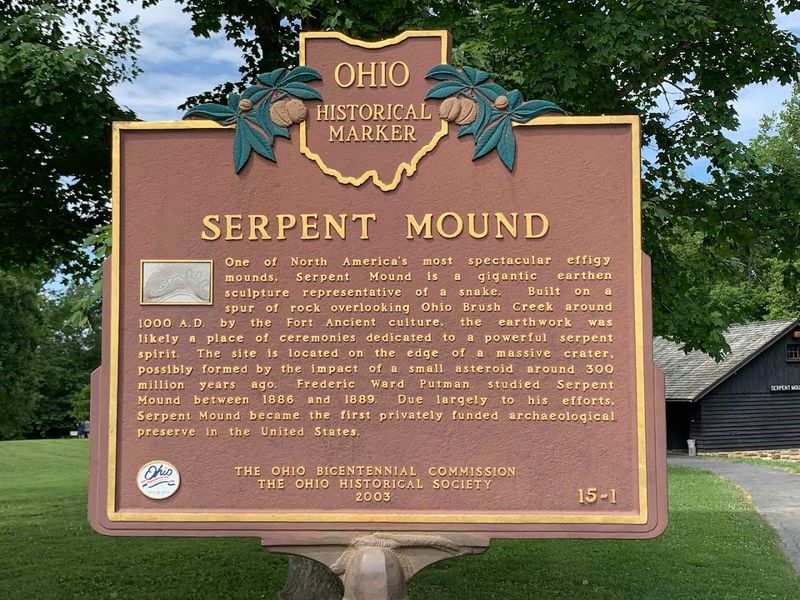
You do not need to be an archaeologist to feel that this place is extraordinary the moment you arrive. The long earthen serpent curves over the landscape with a presence that feels both graceful and mysterious.
Standing nearby, you can sense why Serpent Mound remains one of Ohio’s most compelling historical sites.
Located in Adams County, this prehistoric effigy mound stretches more than 1,300 feet and is widely considered the largest surviving serpent effigy in North America. Scholars still debate aspects of its origin and purpose, with connections often discussed in relation to the Adena or Fort Ancient cultures.
That uncertainty only adds to the site’s magnetic appeal.
What makes a visit rewarding is how the mound combines archaeology, astronomy, and landscape. The serpent’s coils and oval head have inspired generations of theories, including celestial alignments tied to solstices and lunar events.
Even if you arrive without knowing the details, the setting encourages you to slow down and look more carefully.
The surrounding preserve gives you room to appreciate the natural ridge-top environment as part of the story rather than just a backdrop. Trails, observation points, and the museum help translate a complex past into something accessible.
You leave with a stronger sense that Ohio’s history reaches far beyond nineteenth-century towns and battlefields.
For a 2026 travel list, this is the kind of stop that turns an ordinary road trip into something memorable. It is quiet, powerful, and unlike almost anywhere else in the Midwest.
If you want a site that sparks curiosity long after you leave, Serpent Mound easily earns its place.
2. Fort Ancient Earthworks And Nature Preserve
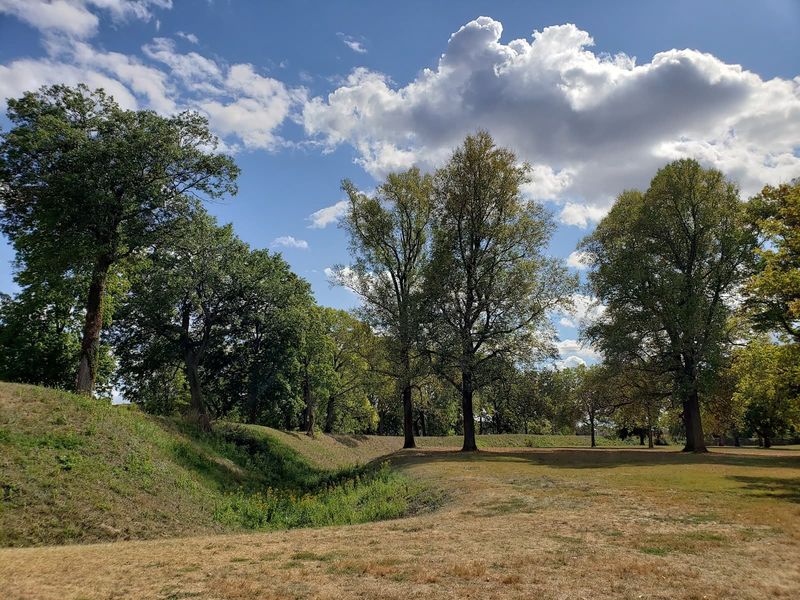
Few places in Ohio make ancient history feel as vast and visible as this remarkable hilltop complex. Earthen walls stretch across the landscape in a way that immediately makes you wonder how and why such an ambitious place was created.
When you walk the grounds, Fort Ancient feels less like a ruin and more like a conversation across centuries.
Set above the Little Miami River, the site includes miles of embankments and dozens of gateways enclosing a large area. Although people once assumed it was a military fortification, many researchers now believe it served ceremonial, social, and community purposes.
That shift in understanding makes a visit especially interesting, because you are not just seeing earthworks, you are seeing the limits of old assumptions.
The museum helps ground the experience with exhibits on Native history, archaeology, and the regional cultures tied to the site. Outside, the preserve’s trails and scenic overlooks add another layer, reminding you that the landscape itself mattered deeply to the people who shaped it.
It becomes easier to see the earthworks as part of a lived environment rather than an isolated monument.
What I like most about Fort Ancient is that it rewards both quick stops and longer visits. You can take in the scale from key viewing points, or spend time walking the grounds and letting the geometry unfold gradually.
Either way, the place encourages patience and curiosity.
If you are building a 2026 Ohio itinerary around overlooked landmarks, this belongs near the top. It offers beauty, complexity, and one of the strongest reminders that Ohio’s story began long before statehood.
Fort Ancient Earthworks and Nature Preserve is the kind of site that quietly resets your sense of time.
3. Flint Ridge Ancient Quarries And Nature Preserve
It is easy to pass through Ohio without realizing how important stone once was to life, trade, and technology. This site changes that instantly by showing you a landscape where people quarried flint for thousands of years.
The result is a historical stop that feels both grounded and unexpectedly eye opening.
Flint Ridge in eastern Ohio preserves one of the most significant prehistoric quarry areas in North America. The colorful flint found here was prized for making tools and traveled widely through trade networks far beyond the region.
That means a visit here does not just tell a local story, it points to a much larger map of interaction and movement.
The museum gives you a useful introduction to the geology and archaeology, especially if you have never thought much about how raw materials shaped ancient societies. Outside, the preserve lets you explore a quieter side of history through trails, woodland scenery, and interpretive stops.
It does not overwhelm you with spectacle, but it leaves you with a sharper understanding of how people valued this land.
One of the best things about this destination is how tangible the subject feels. Flint may sound abstract in a textbook, yet seeing the ridge and learning how carefully material was extracted makes the past seem immediate.
You start to appreciate craftsmanship, labor, and exchange in a very human way.
For travelers planning a richer Ohio route in 2026, this is exactly the kind of overlooked site that deserves more attention. It connects natural history, Indigenous history, and long-distance trade in one peaceful setting.
Flint Ridge Ancient Quarries and Nature Preserve proves that even a quiet wooded stop can completely reshape how you understand the state.
4. John Rankin House
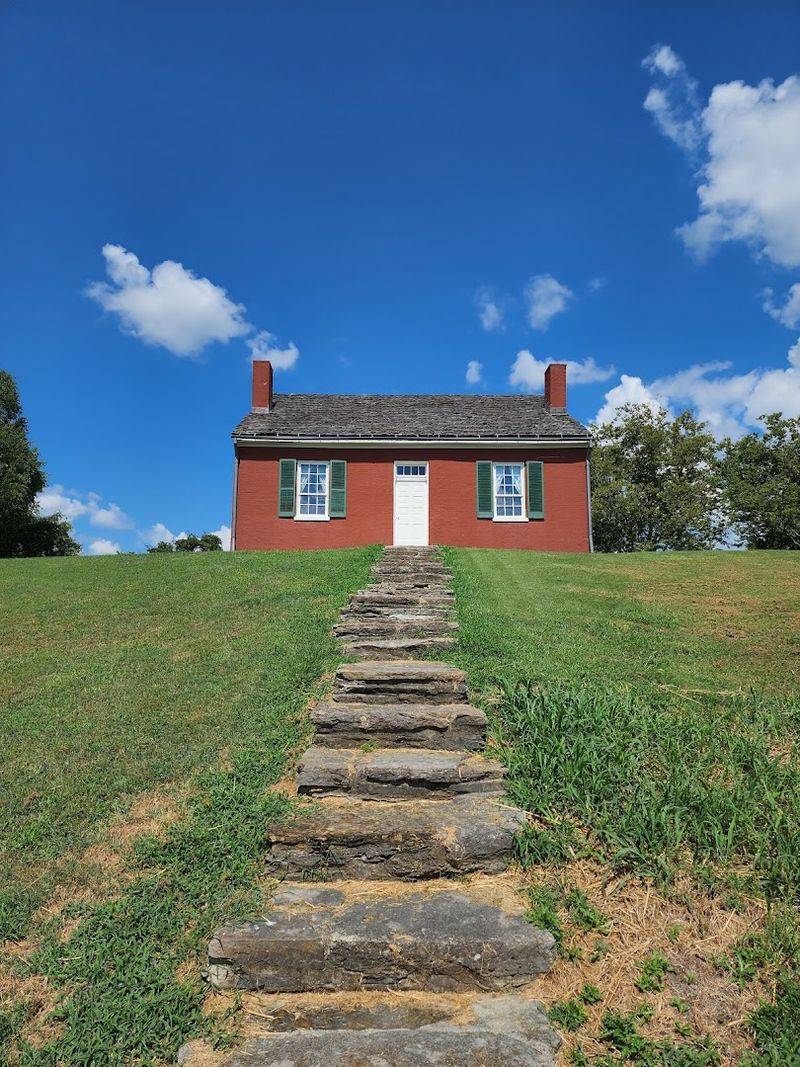
Some historical sites stay with you because the view is beautiful, and some because the story is impossible to shake. This one gives you both.
Perched above the Ohio River, the house connected to Reverend John Rankin stands as one of Ohio’s most moving landmarks tied to the fight against slavery.
From this hillside in Ripley, Rankin and his family helped freedom seekers escaping from slaveholding Kentucky across the river. The location mattered, because it offered a lookout point and a measure of safety after an incredibly dangerous crossing.
Visiting today, you can look over that river and understand how small the physical distance was and how enormous the moral divide became.
The house itself helps make the Underground Railroad more personal than symbolic. Instead of thinking only in broad historical terms, you start imagining the fear, urgency, and courage packed into a single night journey.
Stories connected to the Rankin family turn abstract history into lived experience.
What makes the visit especially powerful is that it does not rely on grand scale. The rooms, furnishings, and interpretation encourage reflection rather than distraction.
You leave thinking less about dates alone and more about choices people made when those choices carried real risk.
If your 2026 Ohio plans include even one site tied to abolition and the Underground Railroad, make it this one. The combination of location, national significance, and emotional impact is hard to overstate.
John Rankin House offers the kind of visit that deepens your understanding of Ohio while also asking you to consider what courage looked like when it mattered most.
5. Schoenbrunn Village
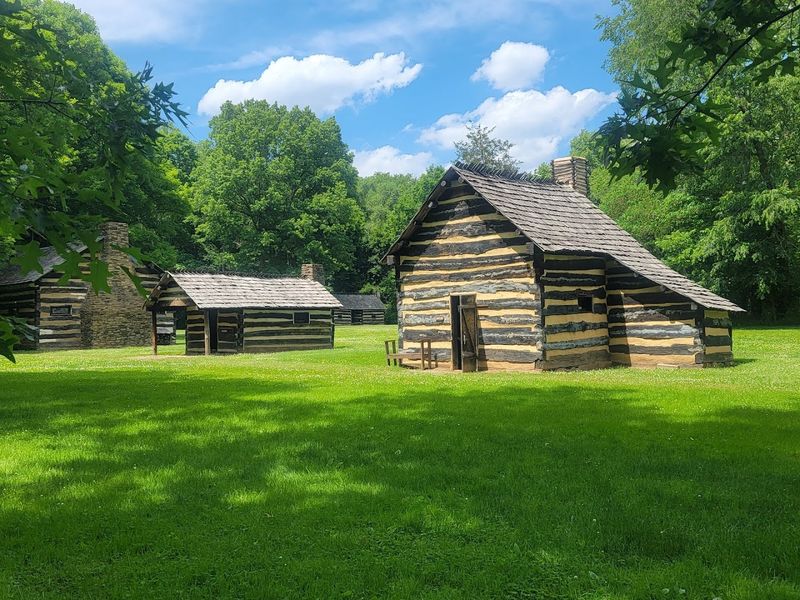
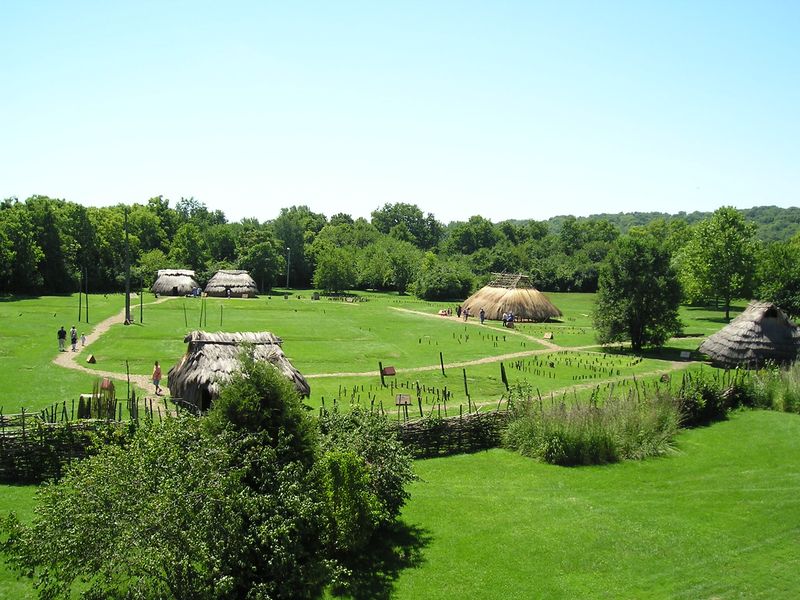
You can learn a lot about Ohio’s colonial era from a book, but walking through a reconstructed village gives the story a different weight. Here, the scale feels human, the streets feel intentional, and the past stops seeming distant.
That is what makes this destination such a rewarding detour.
Schoenbrunn Village in Tuscarawas County interprets the site of Ohio’s first organized settlement, founded in 1772 by Moravian missionaries and Delaware people. The village was planned with homes, a school, and a church, making it an unusually vivid window into daily life on the eighteenth-century frontier.
Its story also reflects cultural exchange, faith, diplomacy, and tension in ways that resist simple summaries.
The reconstructed buildings help you imagine what early community life looked like beyond military campaigns and political maps. Instead of focusing only on conflict, the site invites you to consider education, worship, agriculture, and the rhythms of ordinary days.
That broader perspective makes the history feel more complete.
There is also something quietly absorbing about the landscape itself. Open space, simple structures, and interpretive details create a setting that encourages you to move slowly and notice things.
You are not rushed from exhibit to exhibit, which suits a place centered on community and settlement.
For a 2026 Ohio travel list, Schoenbrunn works especially well if you want a stop that is reflective rather than flashy. It fills in an essential part of the state’s early history while remaining easy to explore in a relaxed visit.
Schoenbrunn Village may be overlooked compared with bigger attractions, but it offers one of the clearest and most personal introductions to Ohio’s beginnings.
6. Fort Meigs Historic Site
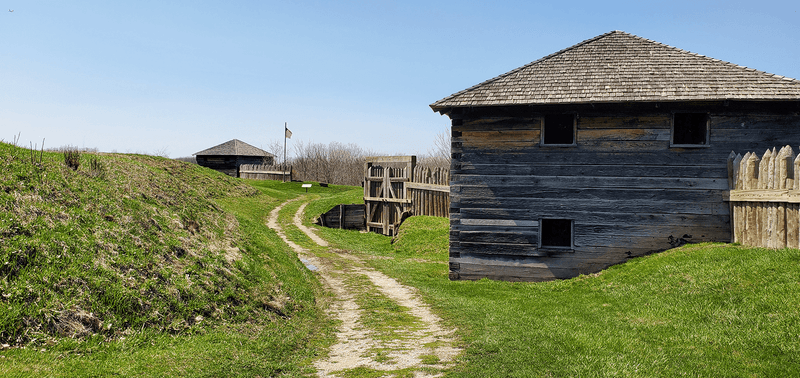
When you want military history that still feels immersive instead of remote, this is one of Ohio’s strongest picks. Massive wooden walls, open grounds, and river views help you imagine the tension of a frontier fort under threat.
The experience feels immediate in a way that maps and timelines rarely deliver.
Fort Meigs, near the Maumee River, played a major role during the War of 1812 and was the site of important American defenses against British and Native allied forces. Reconstructed on its original location, it gives you a stronger sense of scale than many battlefield stops.
You can understand how strategic geography, supply, and fort design shaped survival.
The site does a good job of balancing big history with practical detail. Exhibits and interpretation explain why the fort mattered in the broader war, while the physical space shows you where soldiers lived, worked, and prepared for attack.
That combination makes the story easier to absorb, even if the War of 1812 is not your usual area of interest.
If you visit during a reenactment or special program, the atmosphere becomes even richer. Demonstrations, costumed interpreters, and period activity can turn the fort from an educational stop into a memorable experience.
Even on a quieter day, the reconstructed earthworks and structures carry real presence.
For anyone building a 2026 Ohio itinerary with overlooked historical depth, Fort Meigs deserves serious consideration. It offers one of the best places in the state to understand conflict in the Old Northwest without losing sight of the people inside the story.
Fort Meigs Historic Site is substantial, accessible, and far more interesting than many travelers expect.
7. Fort Laurens
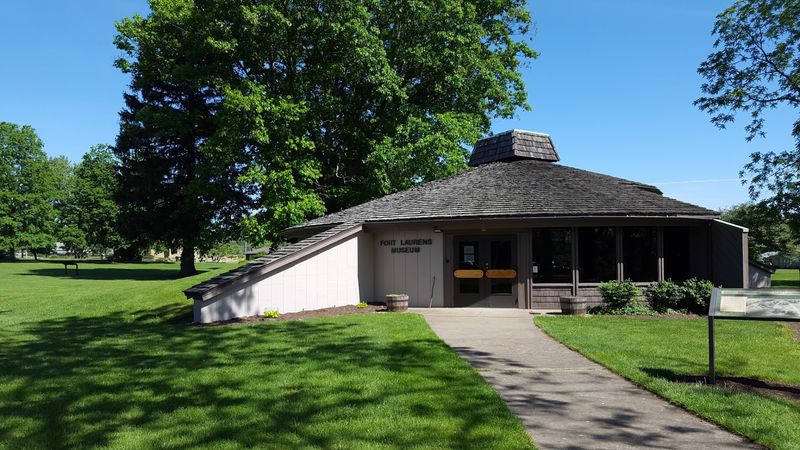
Ohio is not always the first place people associate with the Revolutionary War, which is exactly why this site feels like such a find. It tells a western frontier chapter of the conflict that many travelers never learn about in school.
By the time you leave, the war feels bigger, messier, and much closer to Ohio’s own beginnings.
Fort Laurens, near Bolivar, was the only Revolutionary War fort built in what is now Ohio. Established in 1778, it represented an ambitious but difficult American push into the western theater.
The outpost endured hardship, isolation, and conflict, making its story as much about vulnerability as military planning.
Because the original fort no longer stands in full form, the site relies on interpretation, archaeology, and partial reconstruction to bring the past into focus. That might sound understated, but it actually works in its favor.
You are encouraged to imagine the uncertainty of the frontier rather than simply admire a polished replica.
The museum adds context through artifacts and exhibits that connect national events to the local landscape. Nearby memorial elements and the open setting help emphasize how exposed the soldiers were in this remote environment.
It is a sobering visit, but an illuminating one.
If your 2026 trip through Ohio includes places that reveal lesser-known national history, Fort Laurens should be on your list. It expands the map of the American Revolution and shows how the region was tied to struggles far beyond the Atlantic coast.
Fort Laurens may not have the fame of better-known forts, but it offers exactly the kind of overlooked significance that makes travel more rewarding.
8. Historic Zoar Village
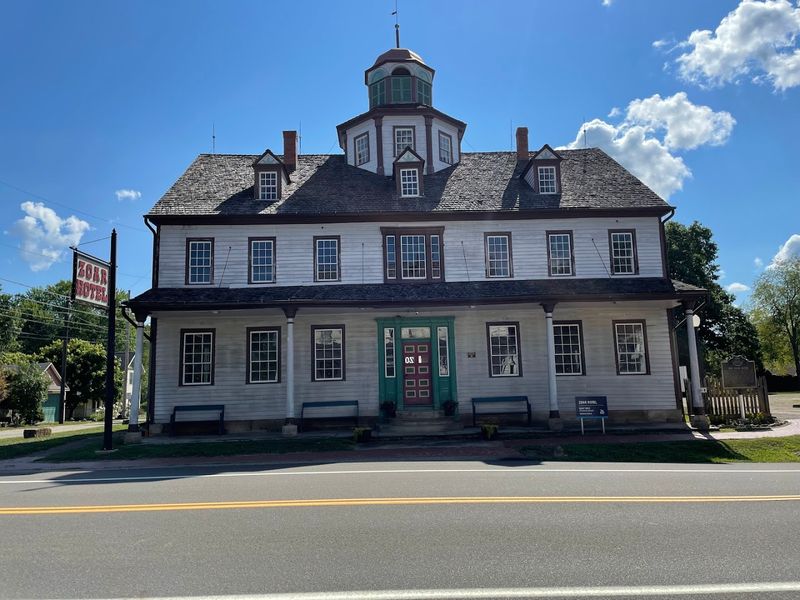
Some historic villages impress you with reenactments or dramatic architecture, but this one stands out because its story is so unusual. Founded by German separatists seeking religious freedom, it preserves a communal experiment that once thrived in rural Ohio.
Walking through it, you get a sense of how idealism and practicality shaped everyday life.
Historic Zoar Village was established in 1817 by the Society of Separatists of Zoar, who built a cooperative community in Tuscarawas County. Their system emphasized shared labor, shared resources, and a collective way of living that lasted for decades.
That social history gives the site a different flavor from forts, mansions, or battlefield landmarks.
The preserved buildings, gardens, and streetscape make it easy to imagine the rhythms of village life. Homes, workshops, and public spaces reveal how much organization and discipline were needed to keep a communal settlement functioning.
Instead of a single famous event, the place invites you to appreciate the historical importance of routine and structure.
What makes a visit especially rewarding is the balance between architecture and ideas. You are not just seeing old buildings, you are encountering a vision of how people believed society could work.
That makes the village feel unexpectedly current as well as historical.
For a 2026 Ohio travel list, Zoar is a strong choice if you want something distinctive and layered. It offers immigrant history, religious history, social experimentation, and beautiful preservation in one compact destination.
Historic Zoar Village may be less famous than some heritage sites in the state, but it is exactly the kind of place that leaves you talking about it long after the visit ends.
9. Rutherford B. Hayes Presidential Library And Museums
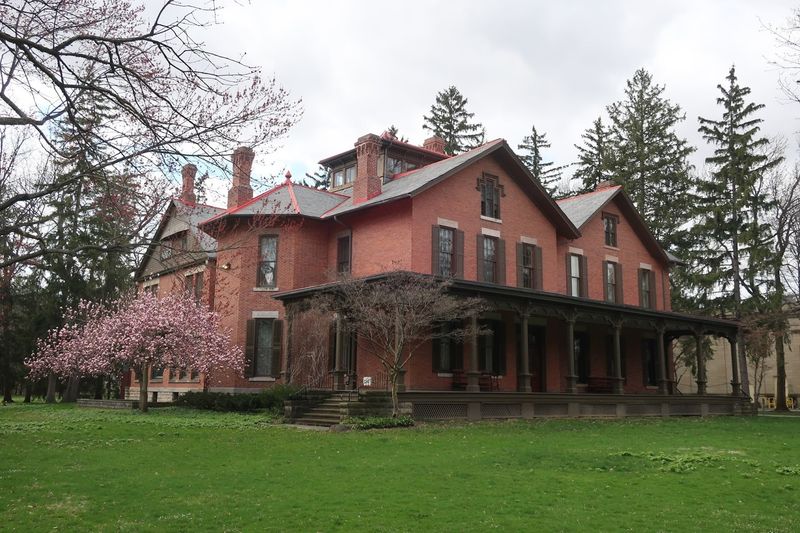
Presidential sites can sometimes feel formal or distant, but this one has a more welcoming rhythm. Set within the beautiful Spiegel Grove estate, it combines museum learning with the pleasure of wandering a historic landscape.
The result feels less like checking off a monument and more like stepping into a layered chapter of Ohio and national history.
Located in Fremont, this was the home of Rutherford B. Hayes, the nineteenth president whose career touched the Civil War, Reconstruction, and the changing politics of the Gilded Age.
The site includes the Hayes Home, museum exhibits, a research library, and the president’s tomb. That range gives you several ways to engage, whether you care most about political history, family life, or architecture.
One of the best parts of visiting is that the interpretation does not reduce Hayes to a name on a list. You get a fuller picture of his public service, his marriage to Lucy Webb Hayes, and the world of postwar America.
It becomes easier to see how national policy debates connected to real households and decisions.
The grounds add a lot to the experience. Mature trees, open space, and the estate setting create an atmosphere that invites you to linger rather than rush through.
If you like historical sites that offer both substance and calm, this one delivers.
For a 2026 Ohio itinerary, the Rutherford B. Hayes Presidential Library and Museums deserves more attention than it often gets.
It is polished without feeling overwhelming, informative without being dry, and scenic enough to satisfy even casual visitors. Among Ohio’s historical sites, it offers one of the strongest combinations of presidential history, preservation, and simple enjoyment.
10. Campus Martius Museum
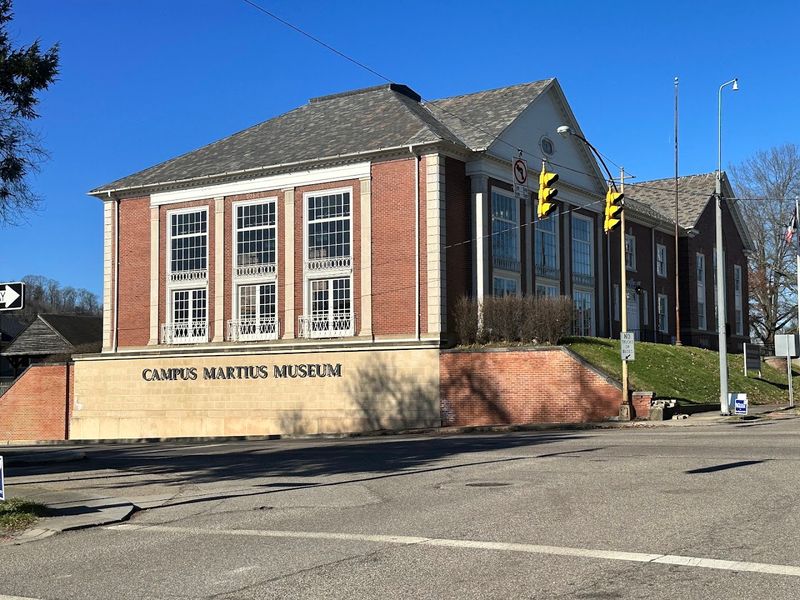
If you want to understand how Ohio moved from frontier uncertainty toward organized settlement, this museum is a smart place to start. It focuses on Marietta, the first permanent settlement in the Northwest Territory, and the story feels foundational without becoming dull.
You leave with a better sense of how ambitious and fragile the early American west really was.
Campus Martius Museum stands in Marietta and interprets the fortified community established by the Ohio Company in 1788. The site explores the settlement’s military precautions, political significance, and everyday life in the early Northwest Territory.
Because Marietta played such a central role in Ohio’s early development, the museum provides context that strengthens many other stops across the state.
Inside, exhibits and preserved spaces bring the period to life through artifacts, narratives, and the surviving Putnam House. You can trace how settlers adapted to conflict, logistics, weather, and isolation while trying to build stable civic life.
That practical dimension makes the frontier story more believable and more interesting.
What stands out most is the museum’s sense of place. Marietta’s river setting and deep early-American history make the visit feel anchored in a real landscape rather than an abstract lesson.
If you pair the museum with time exploring the town, the broader story becomes even richer.
For travelers planning a 2026 Ohio trip around overlooked historical depth, Campus Martius Museum is absolutely worth the stop. It helps explain why the Northwest Territory mattered and why Marietta still deserves recognition far beyond southeastern Ohio.
Campus Martius Museum may not be the loudest attraction on your route, but it quietly provides one of the most important historical foundations in the state.
11. William Howard Taft National Historic Site
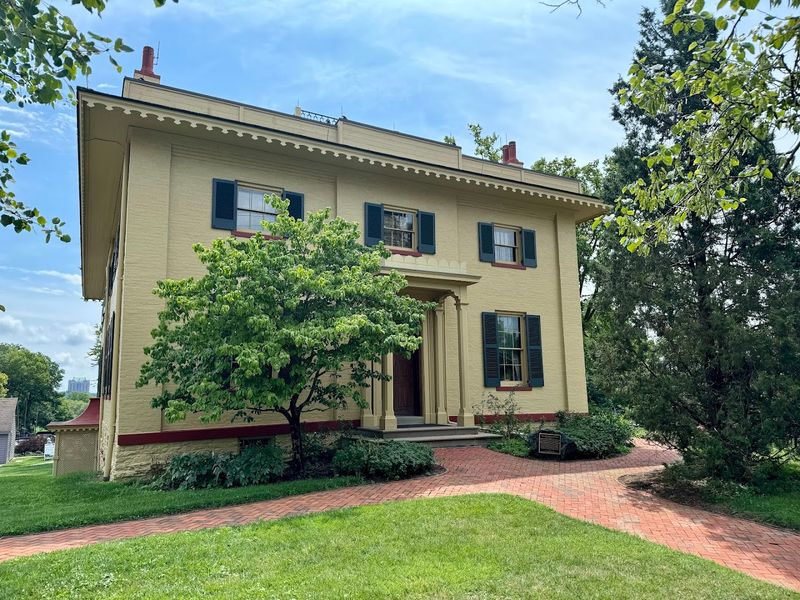
Not every presidential site needs grand estates or sweeping landscapes to leave an impression. Sometimes a childhood home tells a more intimate story, and that is exactly the appeal here.
In Cincinnati, this well-preserved house offers a closer look at the early world of a man who became both president and chief justice.
The William Howard Taft National Historic Site preserves Taft’s birthplace and childhood home in the Mount Auburn neighborhood. That setting matters because it places him within a specific urban, political, and family environment rather than presenting him only as a national figure.
The result is a more grounded and personal interpretation of power, ambition, and public service.
Touring the restored interiors helps you picture nineteenth-century domestic life as well as the values that shaped Taft’s upbringing. Exhibits also trace his unusual career path, including his presidency and later role on the Supreme Court.
Even if you do not arrive as a presidential-history enthusiast, the story becomes surprisingly accessible.
Another reason this site works well is that it fits naturally into a broader Cincinnati visit. You can combine it with neighborhood exploring, local museums, and architecture, making it an easy addition rather than a single-purpose detour.
That convenience makes it especially appealing for travelers trying to build varied itineraries.
For a 2026 Ohio travel list, this site earns its place by offering substance in a compact, approachable format. It connects local history to national institutions and shows how a familiar house can hold a very consequential story.
William Howard Taft National Historic Site is easy to overlook, but once you visit, it feels like one of the state’s smartest historical stops.
12. James A. Garfield National Historic Site
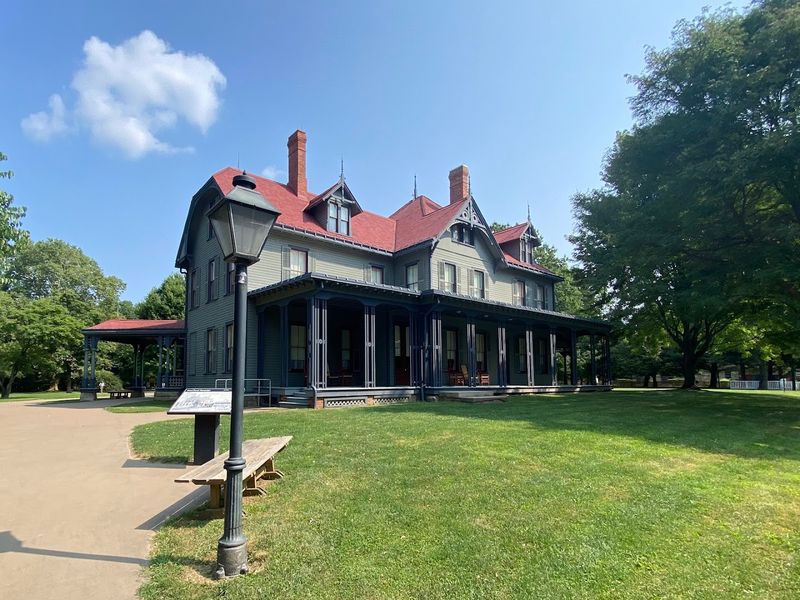
There is something especially compelling about a site tied to a presidency cut short, and this one carries that feeling in a powerful way. The home at Lawnfield lets you step into the life of James A.
Garfield at a moment when ambition, intellect, and national expectation all converged. It feels personal, thoughtful, and more affecting than many travelers expect.
Located in Mentor, the James A. Garfield National Historic Site preserves Garfield’s home and interprets his rise from humble beginnings to congressman, senator-elect, and president.
Because Garfield’s assassination ended his presidency so early, the house becomes an important place for understanding the fuller arc of his life. You are invited to see more than tragedy and remember the depth of his political and personal story.
The home itself is impressive without feeling inaccessible. Rooms, furnishings, and exhibits reveal a family environment shaped by education, conversation, and public life.
One especially interesting detail is Garfield’s front-porch campaign, which turned the house into a stage for national politics.
That blend of domestic space and political history gives the site unusual energy. You are not simply moving through preserved rooms, you are tracing how one home became part of a presidential campaign and a national narrative.
The interpretation helps keep that balance clear and engaging.
If you are mapping out overlooked Ohio destinations for 2026, this site belongs on the list. It offers architectural interest, presidential history, and a moving reminder of how much promise Garfield seemed to hold.
James A. Garfield National Historic Site is the kind of place that quietly deepens your understanding of both Ohio and the American presidency.
Share this story