Tennessee’s landscape is packed with trails that don’t require serious hiking boots or a full day’s commitment. From the misty Smokies to the rolling hills near Nashville, you’ll find dozens of walks that deliver big scenery without the big effort.
Whether you’re looking for a quick waterfall stop, a shaded riverside stroll, or a quiet spot to watch for birds, these twelve trails offer the perfect balance of beauty and ease—no sweat required.
1. Sugarlands Valley Nature Trail — Gatlinburg
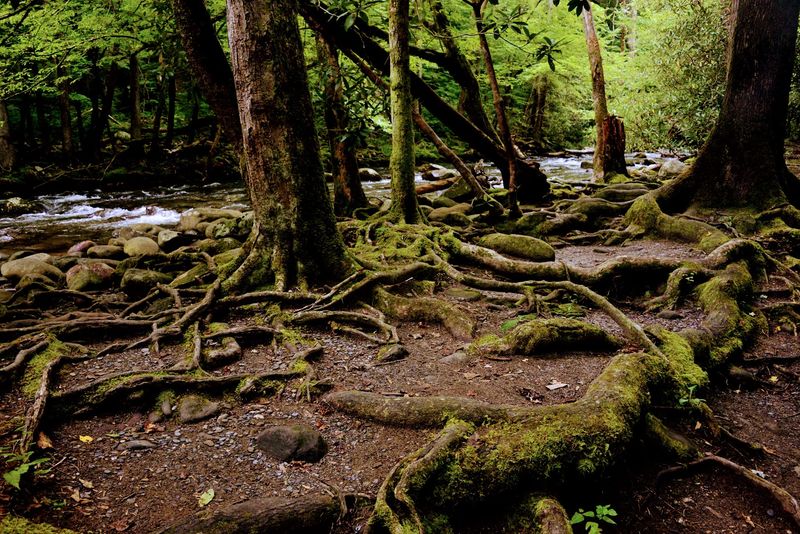
Right next to the busiest visitor center in the Smokies sits one of the park’s most relaxed walks. Sugarlands Valley Nature Trail loops just half a mile through shaded forest, following a gentle paved path that’s smooth enough for wheelchairs, strollers, and anyone who prefers not to scramble over roots. It’s a rare find in a park known for rugged terrain.
The trail hugs a small stream for most of the loop, so you get that classic mountain creek soundtrack without needing to hike deep into the backcountry. Interpretive signs along the way point out native plants and explain the forest’s history, making it a solid choice if you’re traveling with curious kids or just want to learn a bit while you walk.
Because it’s ADA-accessible and close to the visitor center, this trail does see steady foot traffic during peak season. But the canopy stays cool even in summer, and the loop is short enough that it never feels crowded for long. Early morning or late afternoon visits tend to be quieter.
If you’re new to the Smokies or traveling with someone who can’t tackle steep climbs, this is one of the best starting points. It gives you a real taste of the forest without any of the usual barriers. Plus, you can grab trail maps and advice from rangers just steps away before or after your walk.
2. Cataract Falls Trail — Gatlinburg
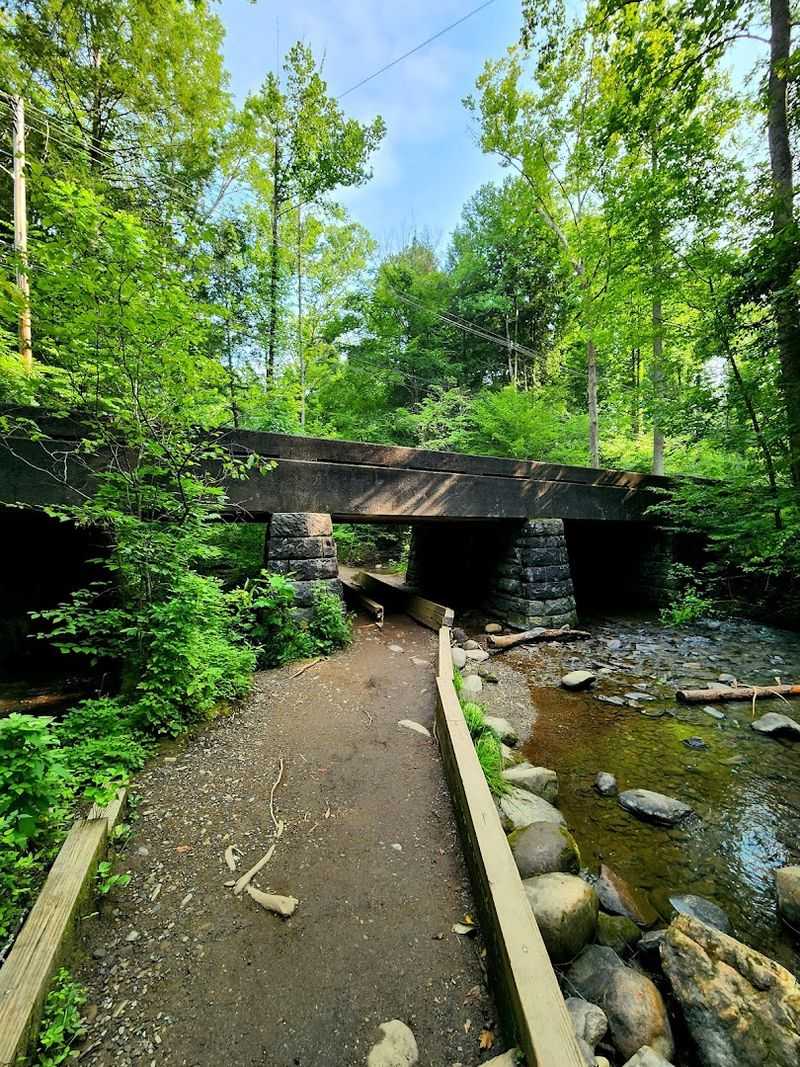
Tucked behind Sugarlands Visitor Center, Cataract Falls Trail is the kind of walk that feels like a secret even though it’s right off the main road. The trail runs just 0.7 miles through thick forest, climbing gently before delivering you to a 40-foot waterfall that spills over layered rock in a quiet hollow. It’s a quick payoff for minimal effort.
The path itself is well-maintained but not paved, so expect some roots and uneven ground. Still, it’s manageable for most walkers, and the shade keeps things comfortable even on warm days. You’ll cross a couple of small footbridges along the way, and the sound of moving water starts to build as you get closer to the falls.
Cataract Falls isn’t the tallest or most dramatic cascade in the Smokies, but that’s part of its charm. It’s a peaceful spot that rarely gets mobbed, and the viewing area gives you a clear look at the falls without requiring any rock-hopping or scrambling. It’s ideal if you want a waterfall experience without committing to a long or strenuous hike.
Plan for about 30 to 45 minutes round trip, depending on how long you linger at the falls. It’s a solid add-on if you’re already visiting the Sugarlands area, and it pairs well with the paved nature trail nearby if you want to stretch your legs a bit more.
3. Gatlinburg Trail
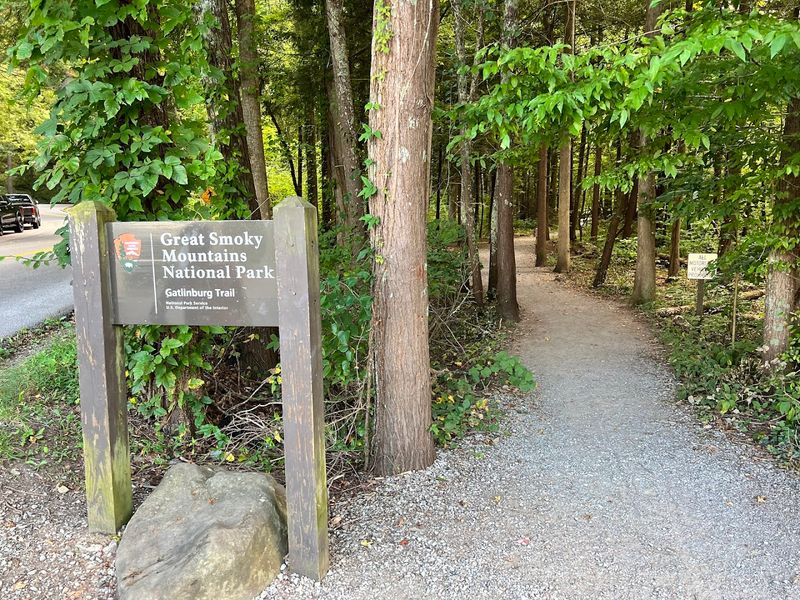
Most Smokies trails ban dogs and bikes, but the Gatlinburg Trail breaks the mold. This 1.9-mile one-way path connects downtown Gatlinburg to Sugarlands Visitor Center, following the West Prong of the Little Pigeon River the whole way. It’s one of the flattest, easiest walks in the park, and it’s open to leashed pets and cyclists—a rare combo in this part of Tennessee.
The trail hugs the river closely, so you get constant water views and the kind of soothing creek noise that makes any walk better. The path is wide and mostly level, with just a few gentle rises. You’ll pass through mixed forest, cross a couple of footbridges, and spot plenty of spots where the river spreads out over smooth rocks.
Because it’s dog-friendly and starts right in town, this trail gets a lot of use, especially on weekends. But it’s long enough that crowds tend to spread out, and the scenery stays pretty the entire way. If you’re staying in Gatlinburg and want a morning walk that doesn’t require driving, this is your best bet.
You can turn around at any point or arrange a shuttle back if you walk the full distance. Either way, it’s a mellow, riverside stroll that shows off the Smokies without demanding much from your legs.
4. Radnor Lake Lake Trail — Nashville
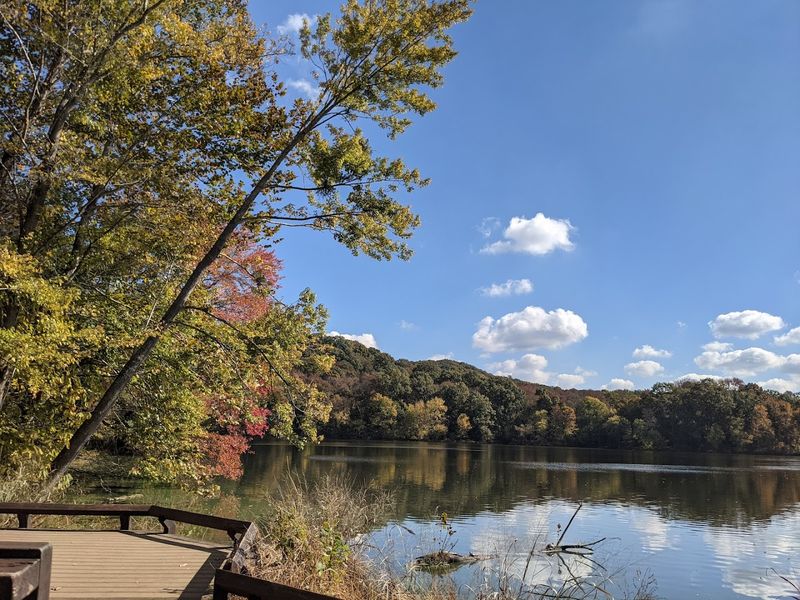
Radnor Lake sits just minutes from Nashville’s urban sprawl, but it feels like a different world. The Lake Trail-Otter Creek Road Loop circles the water for about two miles, offering flat, easy terrain with lake views, wildlife sightings, and plenty of spots to pause and take in the quiet. It’s one of Middle Tennessee’s best-loved nature walks for good reason.
The trail itself is wide and well-maintained, with several observation decks positioned along the shore. These platforms are perfect for birdwatching—herons, egrets, wood ducks, and migrating waterfowl all make regular appearances. Bring binoculars if you have them, because the lake’s protected status means the wildlife here is used to humans and doesn’t spook easily.
Radnor Lake State Park enforces a no-pets policy to protect the ecosystem, so leave the dog at home. But that restriction helps keep the atmosphere peaceful and the wildlife abundant. You’ll also find that the park limits access during peak times to prevent overcrowding, which means your walk stays serene even on busy weekends.
The loop takes about an hour at a relaxed pace, and there are benches scattered along the way if you want to sit and soak in the scenery. It’s a solid choice for anyone who needs a quick escape from the city without driving far, and it’s especially beautiful in early morning when mist hangs over the water and the birds are most active.
5. Shelby Bottoms Greenway — Nashville
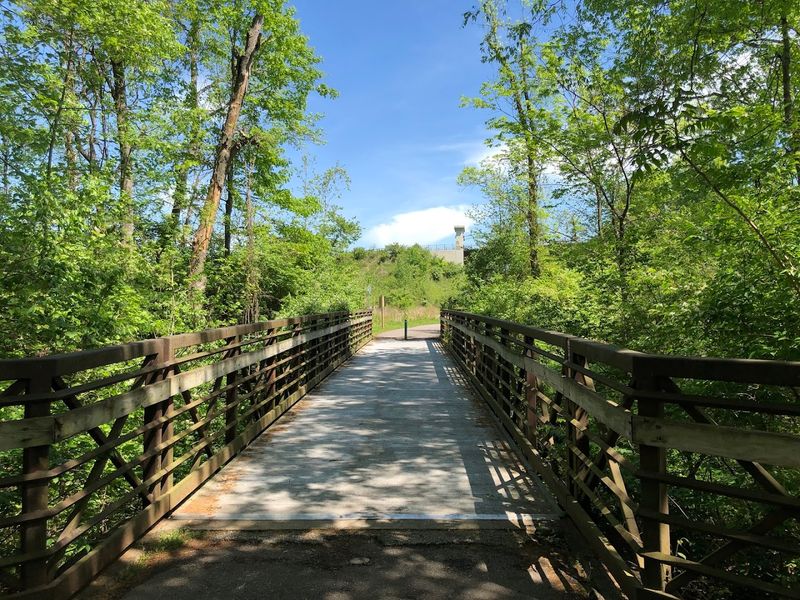
Shelby Bottoms sprawls across 950 acres of floodplain along the Cumberland River, offering a network of paved trails that feel more like a nature escape than an urban greenway. The main loop runs about five miles, but you can easily shorten your walk by turning around whenever you like. The terrain stays flat the entire way, making it accessible for all fitness levels.
The greenway winds through bottomland forest, wetlands, and open meadows, with several overlooks that give you clear views of the river. Depending on the season, you might spot turtles sunning on logs, wading birds in the shallows, or deer grazing in the meadows. It’s a surprisingly wild place considering it’s still technically inside Nashville city limits.
Because the trail is paved and wide, it’s popular with cyclists, joggers, and families pushing strollers. But there’s enough space for everyone, and the natural scenery keeps things peaceful even when the path is busy. Shaded sections provide relief on hot days, and the wetland areas stay lush and green through most of the year.
If you’re looking for a longer walk without leaving town, this is one of Nashville’s best options. The greenway connects to other trail systems, so you can extend your route if you’re feeling ambitious. But even a short out-and-back stroll gives you a solid dose of nature, river views, and fresh air—all without fighting traffic to get there.
6. Seven Islands State Birding Park — Kodak
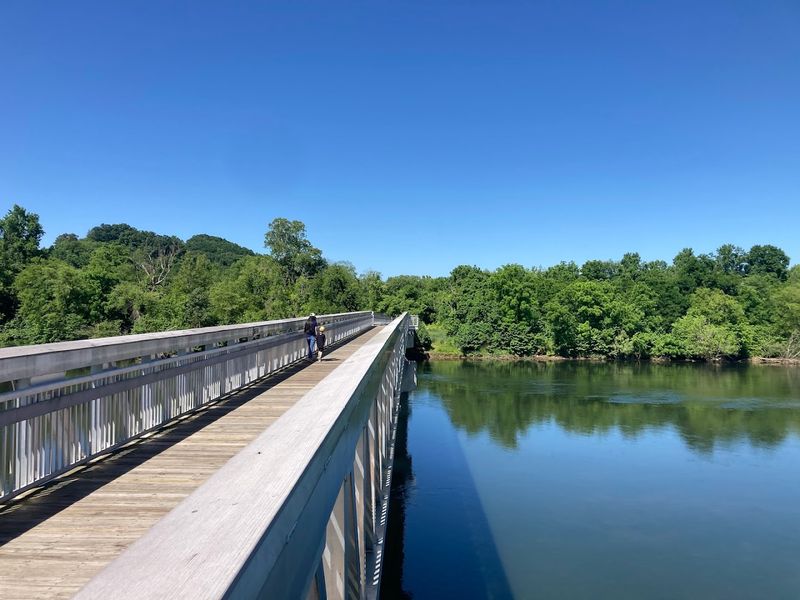
Seven Islands State Birding Park was designed with one goal: to give birds—and the people who love watching them—a place to thrive. The park blends grasslands, wetlands, forests, and French Broad River frontage into a landscape that attracts more than 190 bird species throughout the year. For walkers, that translates to easy trails with big views and plenty of reasons to stop and look around.
The Kelly Lane Greenway is the most approachable route, running flat and wide through open terrain with interpretive signs that help you identify what you’re seeing. You’ll pass observation platforms, benches, and overlooks that frame the river and the mountains beyond. It’s a low-effort walk that rewards you with scenery that shifts with the seasons.
Because the park prioritizes habitat over heavy development, the trails feel more natural and less manicured than typical greenways. That means you’re more likely to spot wildlife, but it also means the paths can get muddy after rain. Check conditions before you go, especially in winter or early spring.
Seven Islands is a bit off the beaten path compared to Smokies hotspots, so it tends to be quieter even during peak tourist season. If you’re a birder, bring your field guide and binoculars—you’ll want them. If you’re just looking for a peaceful walk with river views and mountain scenery, this park delivers without requiring much effort or planning.
7. Cedar Glade Trail — Lebanon

Cedar glades are one of Tennessee’s most unusual ecosystems, and Cedar Glade Trail at Cedars of Lebanon State Park gives you an easy way to explore one up close. This paved, ADA-accessible path loops through a landscape that looks nothing like the rest of Middle Tennessee—think exposed limestone, scattered eastern red cedars, and wildflowers that thrive in shallow soil and full sun.
The trail is short and flat, making it an easy walk for all ages and abilities. Interpretive signs along the way explain the ecology of cedar glades, including the rare plants and animals that have adapted to this harsh, dry environment. It’s a surprisingly educational stroll, and the scenery feels almost otherworldly compared to the typical Tennessee forest.
Because the trail is mostly open and exposed, it can get hot in summer. Plan your visit for early morning or late afternoon if you’re walking in warm weather, and bring water. Spring is the best time to see the wildflowers in bloom, and fall offers cooler temperatures and fewer bugs.
Cedars of Lebanon is less crowded than many state parks, so you’ll likely have the trail mostly to yourself even on weekends. It’s a quick, easy walk that offers something genuinely different from the usual Tennessee trail experience—proof that you don’t need mountains or waterfalls to find interesting scenery.
8. Falls Overlook Trail — Cummins Falls State Park
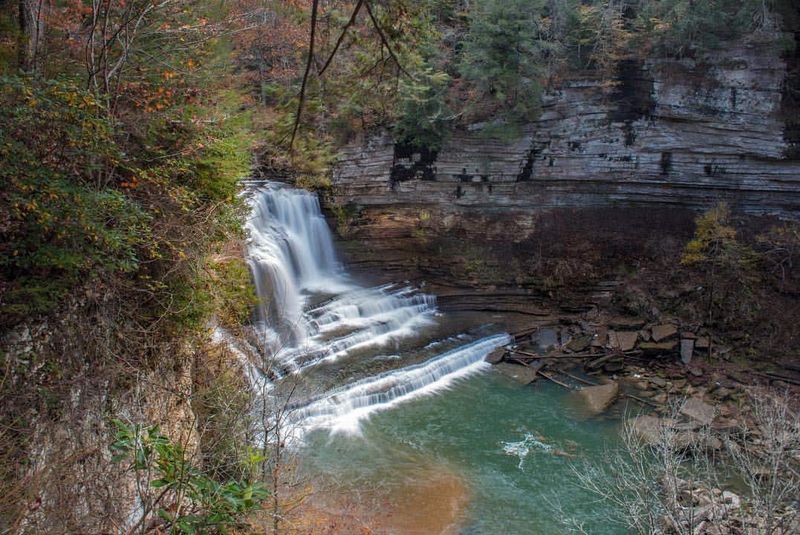
Cummins Falls is famous for its rugged gorge trail that leads swimmers and scramblers down to the base of a 75-foot waterfall. But not everyone wants to navigate slippery rocks and river crossings just to see the falls. That’s where Falls Overlook Trail comes in—a short, easy 0.4-mile path that delivers a top-down view without requiring a permit or any serious effort.
The overlook trail stays up on the rim, following a well-maintained path through the woods before opening up to a viewing platform. From there, you get a clear look at the waterfall as it drops into the gorge below. It’s not the same as standing at the base, but it’s still an impressive sight, and you can enjoy it without worrying about crowds, slippery rocks, or permit quotas.
Because the gorge trail requires a free access permit that often fills up during peak season, the overlook trail is a reliable backup option. It’s also a better choice for families with young kids, older visitors, or anyone who prefers to keep their feet dry. The walk is short enough that you can fit it into a busy day without much planning.
If you’re visiting Cummins Falls and the gorge permits are sold out—or if you just want a quick waterfall stop without the full adventure—this trail is your answer. It’s proof that you don’t always need to work hard to see something beautiful.
9. River Trail / Service Road Loop — Burgess Falls State Park
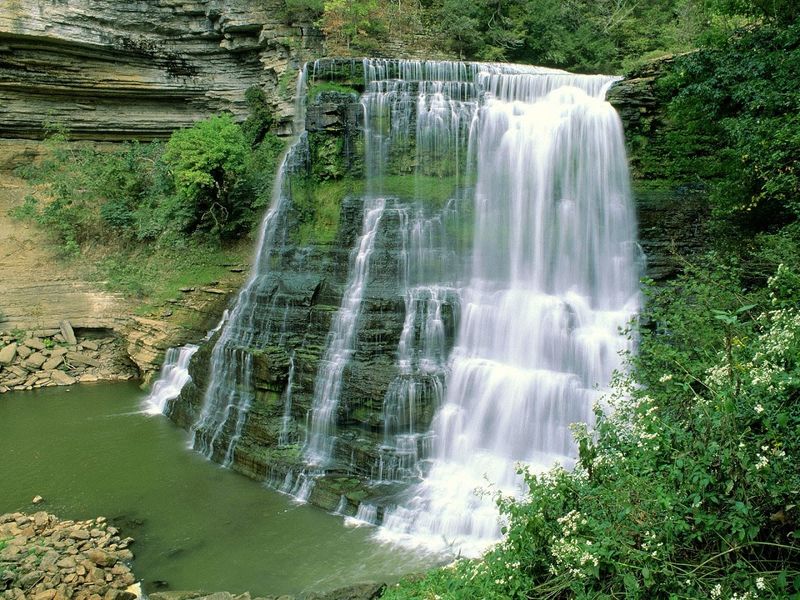
Burgess Falls packs a lot of waterfall action into a short distance. The River Trail and Service Road Loop combine to form a 1.5-mile round trip that passes four waterfalls, including the park’s star attraction—a 136-foot cascade that plunges into a deep pool at the base of a limestone gorge. It’s a little more effort than a flat paved stroll, but the payoff is worth every step.
The trail starts on a wide service road that’s easy to navigate, then transitions to a more natural path as you get closer to the falls. You’ll pass smaller cascades along the way, each one worth a quick pause, before reaching the viewing platform at the main falls. The platform gives you a safe, clear view of the big drop, and the mist from the falls cools things off on warm days.
Because the trail involves some elevation change and uneven footing near the end, it’s not quite as beginner-friendly as some other walks on this list. But it’s still manageable for most people, and the variety of waterfalls makes it feel like you’re getting more than your effort’s worth. Just wear sturdy shoes and take your time on the steeper sections.
10. Old Stone Fort Loop — Manchester
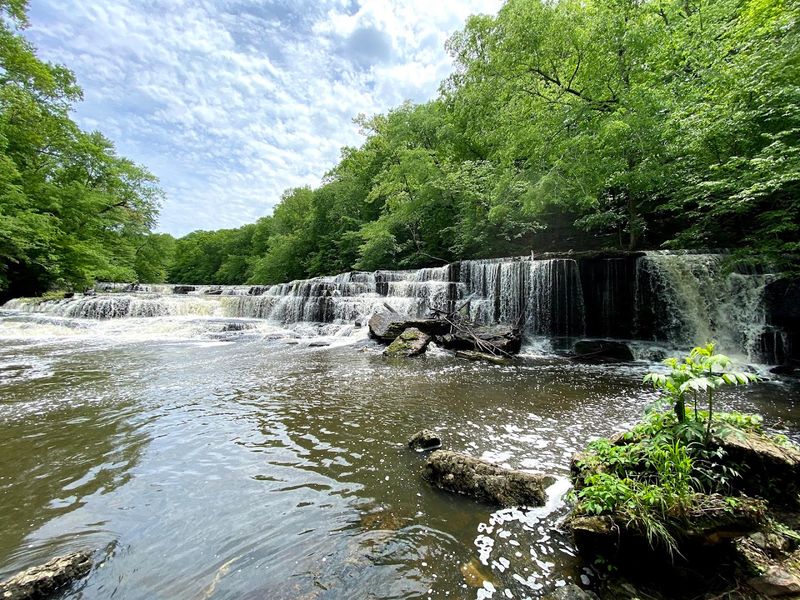
Old Stone Fort isn’t actually a fort—it’s a 2,000-year-old ceremonial earthwork built by Native Americans, and it sits at the confluence of two rivers in a spot that’s both historically significant and naturally beautiful. The main loop trail follows the perimeter of the enclosure for about a mile and a half, weaving through forest, past waterfalls, and along bluff edges that overlook the river gorges below.
Interpretive signs along the trail explain the site’s history and the mystery surrounding its original purpose. Archaeologists still aren’t entirely sure what the earthwork was used for, which adds a layer of intrigue to the walk. Meanwhile, the natural scenery—waterfalls, river views, and lush forest—keeps things visually interesting even if history isn’t your thing.
The trail is mostly easy, with a few short climbs and descents as it follows the contour of the land. You’ll cross a couple of footbridges and pass several spots where you can see waterfalls tumbling into the gorges. It’s a peaceful walk that blends cultural history with natural beauty in a way that feels unique to Tennessee.
Old Stone Fort State Archaeological Park is less crowded than many state parks, so you can often walk the loop without seeing many other people. It’s a solid choice if you want a walk that offers more than just scenery—history, waterfalls, and quiet forest all rolled into one easy loop.
11. Montgomery Bell State Park — Burns
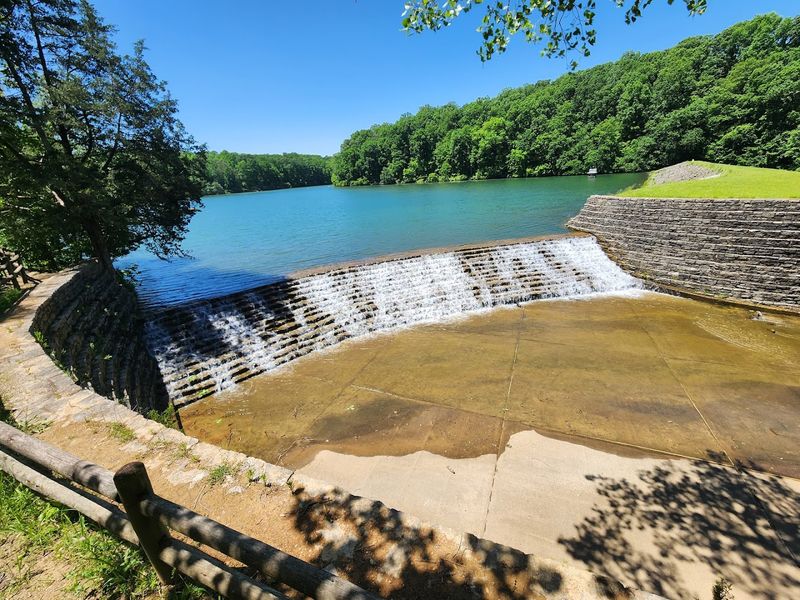
Montgomery Bell State Park sprawls across more than 3,700 acres of rolling hills west of Nashville, offering a mix of lakes, forests, and trails that cater to different energy levels. For an easy, scenic walk, head to the Lake Woodhaven spillway area, where you’ll find gentle paths that loop around the water and through shaded woods. It’s a low-key spot that invites you to slow down and enjoy the surroundings.
The park’s trails range from short nature walks to longer backcountry routes, so you can tailor your visit to match your mood and fitness level. The paths around Lake Woodhaven stay relatively flat and offer plenty of benches and overlooks where you can pause and take in the view. The lake itself is calm and pretty, especially in fall when the leaves turn and reflect in the water.
Because Montgomery Bell is a bit off the main tourist trail, it tends to be quieter than parks closer to Nashville or the Smokies. That makes it a good choice if you’re looking for a peaceful walk without crowds. The park also has a lodge, cabins, and a golf course, so it’s easy to turn a short walk into a longer visit if you want to stick around.
12. Meeman-Shelby Forest State Park — Millington
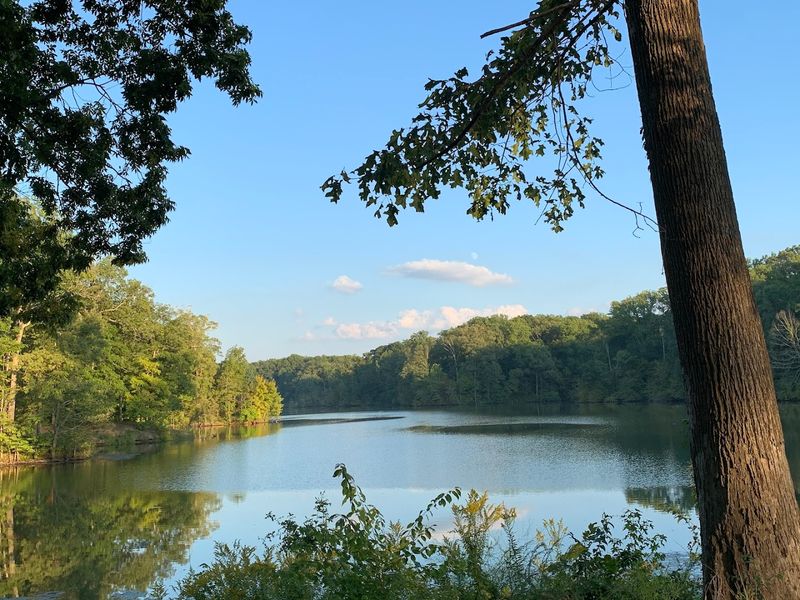
Most people think of the Smokies when they picture Tennessee hiking, but Meeman-Shelby Forest State Park proves that West Tennessee has its own quiet charm. Located just north of Memphis along the Mississippi River bluffs, this park offers more than 20 miles of trails through hardwood forest, around Poplar Tree Lake, and along the dramatic Chickasaw Bluffs that overlook the river valley.
The trails here are less crowded and less steep than what you’ll find in East Tennessee, making them ideal for walkers who want scenery without the climb. The forest is thick and green, the lake is peaceful, and the bluff views offer a perspective you won’t get anywhere else in the state. It’s a different kind of Tennessee beauty, and it’s worth the trip if you’re in the Memphis area.
Because the park is farther from major tourist hubs, it stays quiet even on weekends. You’re more likely to spot wildlife here—deer, turkeys, and a variety of birds—than crowds of hikers. The trails are well-marked and range from short loops to longer routes, so you can pick the distance that suits you.
Meeman-Shelby is a solid reminder that Tennessee’s nature walks aren’t all concentrated in one region. If you’re exploring the western part of the state and want a peaceful forest escape, this park delivers without demanding much effort or planning. It’s just you, the trees, and the quiet.
Share this story