A smaller grocery bill can make a big difference for a Pennsylvania family, especially when food costs start adding up from week to week. Country stores, farm markets, and bulk food shops give shoppers more ways to compare prices, discover local products, and buy useful amounts without automatically reaching for the largest package. The best deal is not always the biggest package or the lowest price on the shelf, since the amount you actually use matters just as much.
A little planning can go a long way, too. Bring a list, check unit prices, compare similar products, and think about which ingredients you are most likely to use before buying in bulk. With a few simple habits, these local shopping stops can make it easier to stretch your grocery budget while still bringing home food your family enjoys. See which of these stops fits the meals your family actually eats and the way you prefer to shop.
1. The Country Store
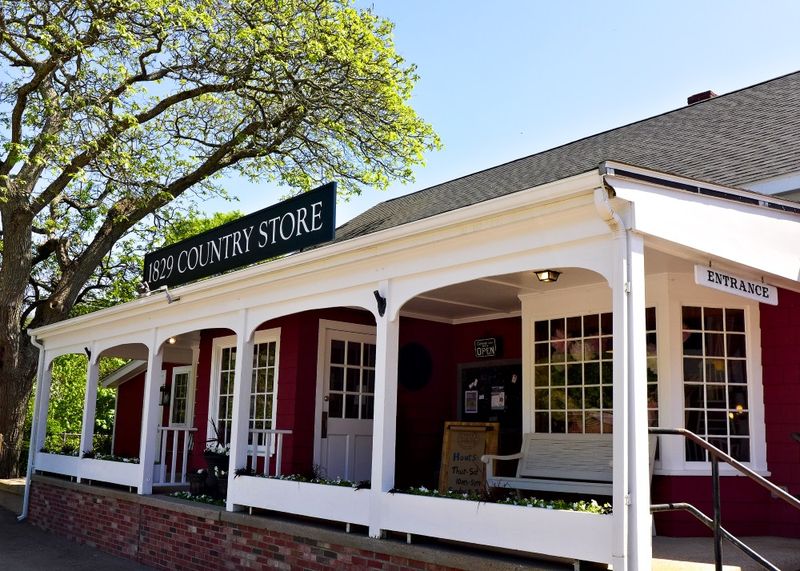
A grocery trip feels easier when the shelves hold foods your family already knows how to use.
Put The Country Store on your Pennsylvania shopping list as a place to compare everyday basics with prices at your usual supermarket.
Before leaving home, write down what you need for three or four meals.
Start with filling foods such as oats, rice, pasta, beans, and potatoes.
Check the price per ounce or pound, not just the number on the tag.
A small package can cost less today but more for each serving.
If a larger bag is cheaper, buy it only if you have room to store it and a plan to finish it.
Country stores can make browsing tempting, so give yourself a spending limit for treats.
Invite older children to help find the lowest unit price on two brands.
Younger children can count apples or help match items to the list.
Turning the trip into a small job keeps everyone involved and helps you avoid rushed choices.
Ask about current specials, but do not assume every sale is a bargain.
Compare the sale price with what you normally pay elsewhere in Pennsylvania.
If an item is new to your household, try a modest amount first.
A giant bag that nobody likes is not a savings.
At home, put older pantry items toward the front of the cupboard.
Plan a simple meal around anything that needs using soon, then store your new purchases behind it.
That one habit cuts waste and makes the next shopping list more accurate.
Keep the receipt for a few weeks.
It will show which purchases truly helped your budget and which looked better on the shelf than they did at dinner.
Over time, those notes can turn a pleasant country store visit into a dependable part of your family’s grocery routine.
2. Countryside Farm Market
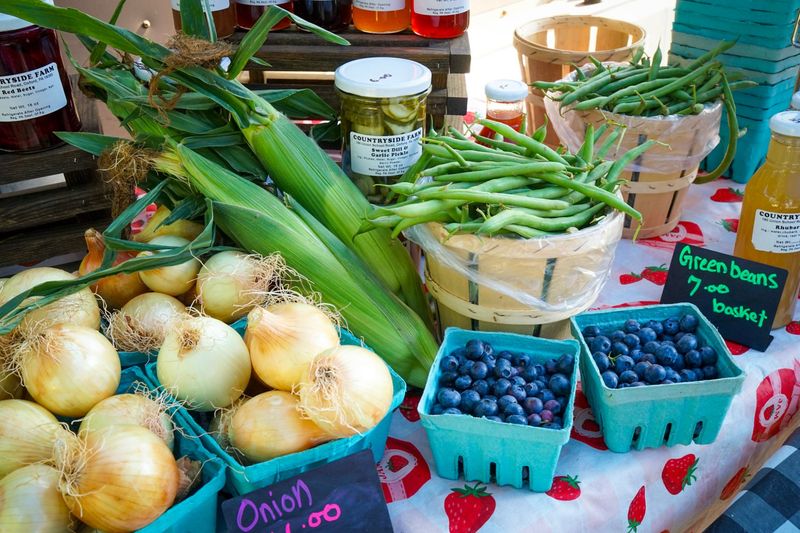
The first colorful pile of produce can make a meal plan change fast.
At Countryside Farm Market, let the season guide part of your Pennsylvania grocery trip, but keep your budget in charge.
Check prices before filling a bag, and decide how many meals each fruit or vegetable will cover.
Seasonal choices may offer good value when nearby growers have plenty to sell.
That does not mean every item is cheaper than a supermarket choice.
Compare prices by weight, look at the size of each piece, and consider how much of it your family will eat.
A large squash can stretch across several dinners if you enjoy squash.
Ask a worker which produce is ready to eat now and which will keep longer.
Ripe fruit can be useful for tomorrow’s snacks, while firmer fruit may last through the week.
If there are discounted items with spots or bruises, check them carefully.
They can work well in soup, sauce, or baked dishes when used soon.
Bring a short menu instead of a strict produce wish list.
Pasta can take tomatoes, greens, or roasted vegetables, depending on what costs less that day.
Eggs, beans, or leftover chicken can turn those vegetables into a full meal.
Flexible recipes help families make the most of changing farm market prices.
Give children a produce task that fits their age.
They might choose one new vegetable or help pick fruit without deep bruises.
Back home, wash only what you will use right away if extra moisture would make the rest spoil faster.
Store tender items where you can see them.
Before the next visit, note what your family finished and what went soft.
Buying the right amount is often a better bargain than buying the lowest-priced pile.
A good farm market stop should leave your kitchen ready for real meals, not crowded with hopeful purchases.
3. Forry’s Country Store

Flour, oats, and beans are not flashy, but they can rescue a busy week.
Forry’s Country Store is worth considering when you want to stock a Pennsylvania pantry without buying food that will sit untouched.
Take a quick look through your cupboards before you go, then list the gaps.
Think in meals, not just ingredients.
Oats can become breakfast, while beans can fill tacos, soup, or a rice bowl.
Flour is useful only if someone at home has time and interest to bake.
Buying a basic food because it seems thrifty does not help if your family never prepares it.
When comparing packages, look for the unit price and check the weight.
Two bags that appear alike may hold different amounts.
If bulk options are available, choose a quantity you can store in a clean, dry container.
Write the purchase date on that container so you know which supply to use first.
Pantry foods still need a plan.
Pick one low-cost dinner before shopping and put every missing ingredient on your list.
For example, a pot of bean soup may need carrots, onions, broth, and bread.
Buying beans alone will not save dinner if another trip is needed for the rest.
Children can help count how many servings a package offers.
It is a useful way to explain why the cheapest sticker price is not always the best value.
Let them choose one affordable ingredient for a meal they will help prepare, then keep the choice within your spending limit.
Prices and stock can change, so treat every visit as a fresh comparison rather than a promise of a deal.
Save receipts or jot down the prices of a few staples.
Once you know what Forry’s does best for your household, you can shop with purpose and leave the extras behind.
4. Fisher’s Country Store

Ever come home with a bargain and wonder where it fits in dinner?
Use a visit to Fisher’s Country Store to practice shopping backward from your family’s meals.
In Pennsylvania, as anywhere, a low price matters most when the food turns into something people will eat.
Begin with your calendar.
A week with school events and late workdays calls for quick meals, not a big cooking project.
List two fast dinners, one meal made from leftovers, and a few breakfasts.
Then search the shelves for ingredients that can do more than one job.
A bag of potatoes might become roasted potatoes one night and soup another.
Plain yogurt, if available at a good price, can serve as breakfast and a dip.
Compare the cost with your normal store before deciding.
Do not buy an unfamiliar size or brand only because its package looks generous.
Look at dates on foods that spoil, especially if you are shopping for several days.
A markdown can be smart when you can cook or freeze the item soon.
It is less helpful when it gets lost behind newer groceries.
Keep a cooler in the car if you have other stops before heading home.
Set aside a small amount for one flexible extra, such as fruit for lunches or ingredients for a family snack.
This leaves room for a genuine surprise deal without opening the door to a cart of unplanned purchases.
If children shop with you, tell them the extra budget before anyone reaches the checkout.
At dinner, notice which foods earned a second use and which did not.
Those little lessons are more useful than any single sale sign.
With a meal-first list and a clear spending cap, Fisher’s can be one stop in a practical Pennsylvania grocery routine rather than another place to overspend.
5. Burkholder’s Country Market
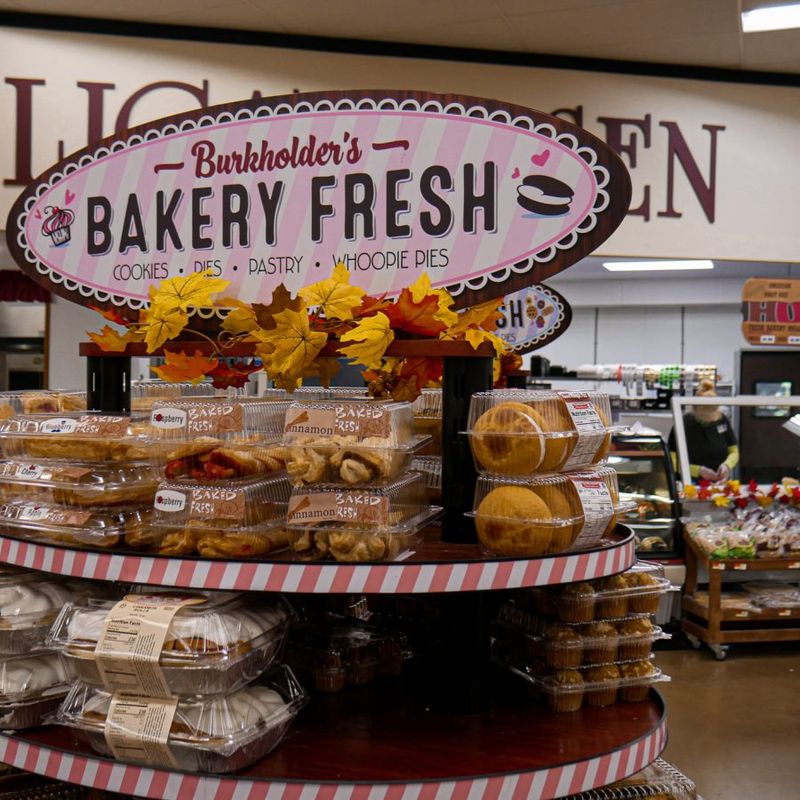
Some of the best grocery savings happen before anyone picks up a basket.
For a trip to Burkholder’s Country Market, check what is already in your refrigerator and build a short list around it.
One leftover ingredient can point you toward an affordable meal instead of another forgotten purchase.
Suppose you have half a bag of carrots and a few potatoes.
You might need only onions, a protein, and a simple seasoning to make soup or a sheet-pan dinner.
Looking for those missing pieces gives your Pennsylvania market visit a clear goal.
It also leaves room to compare any fresh produce that catches your eye.
Pay attention to usable portions.
A produce bag may be well priced, but a smaller amount could suit a family that eats out twice this week.
If loose items are offered, weigh only what you expect to use.
For packaged foods, compare unit prices and read the weight rather than trusting package size.
Make lunch planning part of the trip.
Dinner leftovers can fill a lunch container, but only if enough food is bought and cooked.
Bread, fruit, or simple sandwich fillings can help round out school and work lunches.
Count the lunches you need before placing extras in your cart.
Shopping with children?
Ask them to help choose a side dish from two options that fit the budget.
Their vote gives them a part in dinner without turning the whole store into a debate.
Keep one backup meal, such as pasta with canned tomatoes, on your list for nights when plans change.
Once home, place food that needs eating soon at eye level.
Write down any market prices that beat your regular store, along with the date.
That small record helps you spot real value over time.
A thoughtful visit to Burkholder’s should make the week easier, not simply make the grocery bags heavier.
6. Country Breeze Farm Market
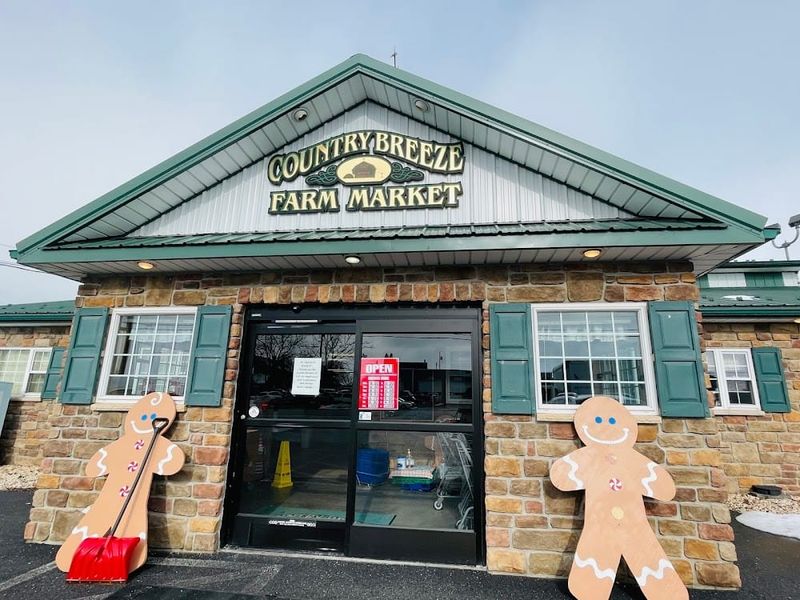
A basket of fresh food can look like the start of a great week.
At Country Breeze Farm Market, the trick is choosing produce that will still look good when your family is ready to cook it.
For a budget-minded Pennsylvania trip, plan what to eat first and what can wait.
Start by counting meals at home.
If dinner is already covered for several nights, you may need only fruit for snacks and vegetables for one recipe.
Choose tender produce for early meals and sturdier choices for later ones.
Ask about storage if you are unsure, since keeping food fresh protects the money you spent.
Compare the cost of buying loose items with any larger packages on offer.
A full bag may be cheaper by the pound but cost more overall.
Families with small kitchens or picky eaters may save more by buying less.
When a good price encourages a larger purchase, plan how to cook, share, or preserve it before paying.
Simple meals give market finds a purpose.
Roast vegetables beside chicken, add chopped greens to pasta, or slice fruit over oatmeal.
Children can help wash sturdy produce and choose which vegetable goes into dinner.
Familiar meals often make a new seasonal item less risky to try.
Keep an eye on the total as you shop.
It is easy to add one more appealing item and lose track of the budget.
Ask for a price or weight when a sign is unclear, and compare your final choices with what you would pay at your usual grocery store.
Good value comes from the full basket, not one bargain.
When you unpack, put the ripest produce where everyone will notice it.
Save a little time to prepare tomorrow’s snack or chop a vegetable for dinner.
Those few minutes can keep a farm market purchase from becoming waste and make the next busy day feel much simpler.
7. Centerville Bulk Foods
Big bags can make shoppers feel clever until there is nowhere to put them.
Centerville Bulk Foods is a place to approach with a tape measure in your mind: think about storage space as carefully as price.
Pennsylvania families can benefit from bulk shopping when the amount matches their habits.
Before your visit, check how much rice, oats, or other dry food you use in a month.
Look at the package weight and unit price for the size you usually buy.
Compare those numbers with the options you find in the store.
A larger package is a bargain only if you can keep it fresh and finish it.
Plan for containers with tight-fitting lids.
Dry foods need a clean, dry spot away from heat and moisture.
Label each container with the food name and purchase date.
If you have an older supply at home, use that first.
Keeping supplies in order helps prevent both waste and surprise double purchases.
Bulk foods can be handy for family cooking projects.
A measured amount of oats makes breakfast easier, while dried beans can stretch a pot of soup.
Still, dried beans require soaking or cooking time.
If your week is packed, a slightly costlier ready-to-use choice might better fit your schedule.
Give each child a small math challenge: work out how many breakfasts a bag might cover.
Then check the answer against your family’s real serving sizes.
That exercise makes unit prices feel less abstract and helps everyone understand why a huge package is not automatically a win.
Bring a firm budget and a list of your most-used pantry foods.
Skip ingredients you are buying for a recipe you might try someday.
Record the best prices you find so you can compare them on your next grocery run.
Bulk shopping works best as a steady plan, not a race to fill every shelf.
8. Esh’s Grocery & Deli
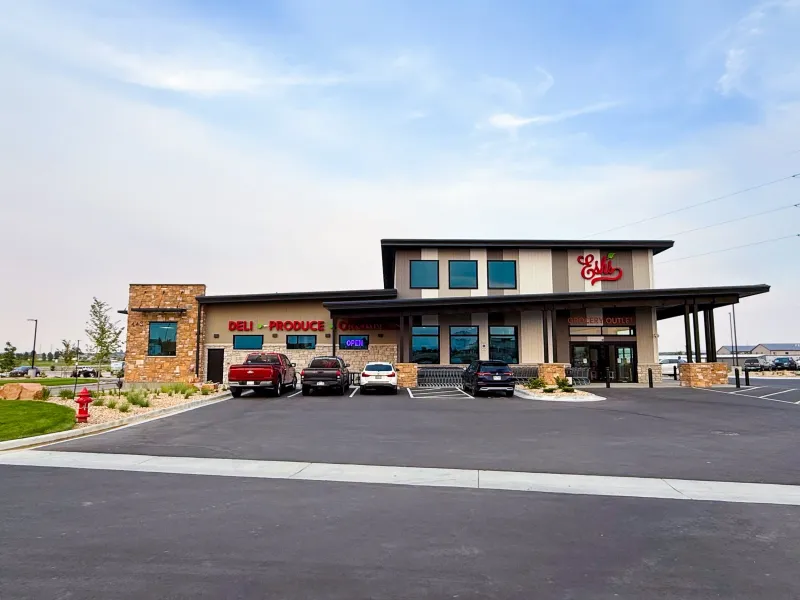
Lunch can quietly eat up a family’s grocery budget.
A stop at Esh’s Grocery & Deli offers a good reason to plan those midday meals before browsing.
Count how many school and work lunches need packing this week, then decide which ingredients can cover them without becoming boring.
If deli foods are on your list, compare prices by weight and ask for an amount your family can finish while it is fresh.
Check dates and storage directions on packaged items.
A lower price on a large portion will not help if part of it spoils.
Keep cold foods chilled on the drive home, especially when making other stops.
Build lunches from a few flexible pieces.
Bread or wraps, a filling, fruit, and crunchy vegetables can be mixed in different ways.
Leftover dinner can replace a sandwich on another day.
Ask children which combinations they will actually eat, then choose within your budget instead of guessing at the counter.
Deli purchases can feel small one at a time.
Watch the running total, including cheese, sides, and any ready-made snacks.
Compare the cost of convenience foods with what it would take to make a similar lunch at home.
Paying for convenience may be worthwhile on a hectic day, but it helps to make that choice on purpose.
While shopping, look for pantry items that can support more than lunch.
A can of beans could become a sandwich filling and later join a dinner bowl.
Use unit prices to check whether the store offers a better deal than your regular Pennsylvania grocery stop.
Once home, portion a few lunches or prep ingredients so they are easy to grab.
That step lowers the chance of buying an expensive last-minute meal.
Keep track of what comes back uneaten, too.
The best lunch plan is not the fanciest one; it is the one your family will finish.
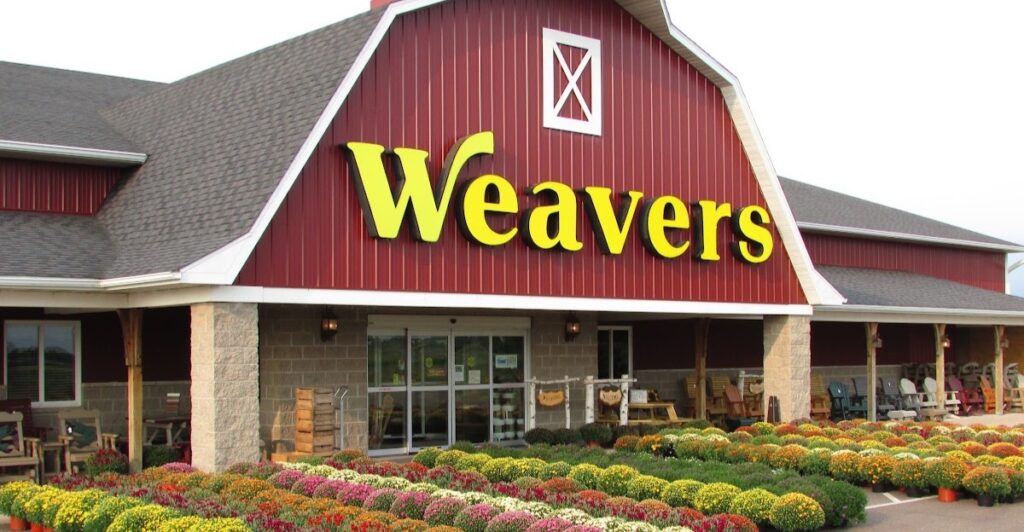
9. Weaver’s Country Store
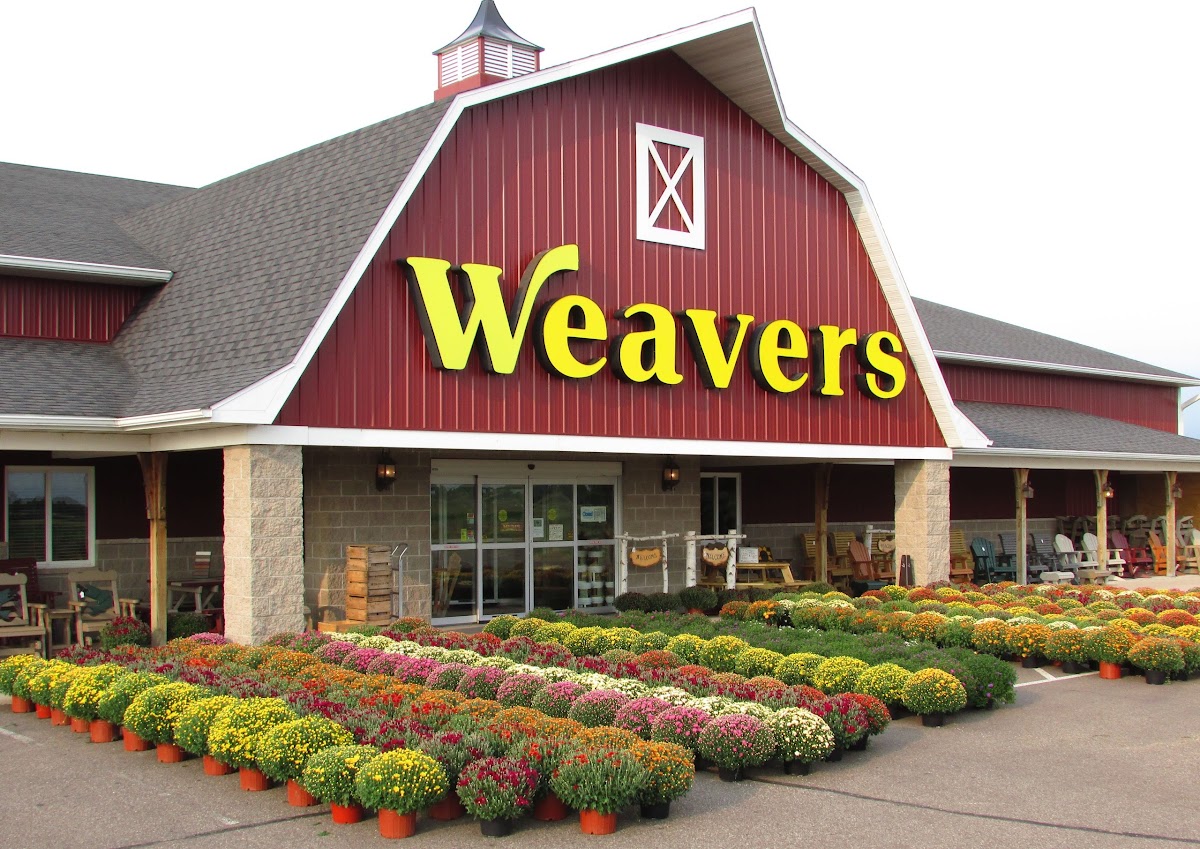
One forgotten ingredient can turn an inexpensive dinner into a second shopping trip.
Before visiting Weaver’s Country Store, pick two or three meals and check every ingredient against what you have.
The goal is a complete plan, not a cart full of foods that merely seem useful.
Try meals with shared ingredients.
Carrots could go into soup and become a lunch side.
A bag of rice might work with beans one night and leftover vegetables the next.
Shared ingredients make it easier to finish packages and can keep a Pennsylvania family’s food spending under control.
Write your list in groups: produce, pantry foods, cold items, and extras.
Shopping in groups may help you notice what you are missing before you reach the checkout.
Keep an estimated price beside expensive items.
If the total climbs too high, you will know which optional purchase to put back.
Compare brands and sizes slowly enough to read the labels.
A familiar package can shrink while keeping a similar price.
Unit prices make that change easier to spot.
For items without a posted unit price, divide the cost by the weight or servings with your phone calculator.
Children who are learning division can help.
Save room for one small pleasure if your budget allows.
Planning for a treat is often easier than pretending nobody will want one.
Let the family choose between a couple of affordable options rather than adding several unplanned snacks to the basket.
At home, group the groceries by meal before putting everything away.
You will quickly see whether dinner ingredients are complete and which foods need refrigeration.
If a planned meal needs changing, do it before a busy evening arrives.
Weaver’s can be useful when its prices fit your list, but the strongest savings come from knowing why each item is going home with you.
10. Hillside Bulk Foods
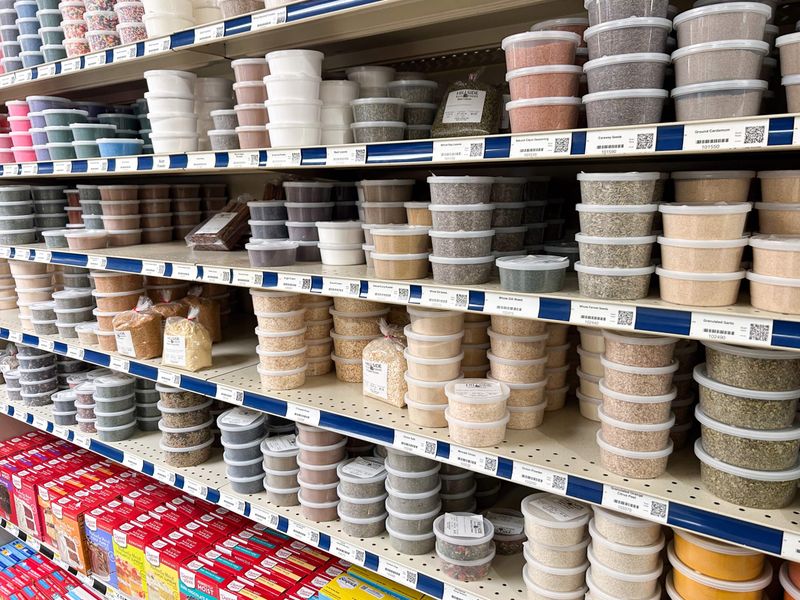
A shelf of baking supplies can inspire cookies for days.
At Hillside Bulk Foods, pause before buying enough ingredients for every idea at once.
A focused list makes a bulk food trip more useful for a Pennsylvania household trying to spend less.
Choose one project and one everyday staple.
You might buy ingredients for weekend muffins along with the oats your family eats each morning.
Check the recipe before leaving home so you know the needed amount.
When shopping, compare the package size with that amount and with the space available in your cupboard.
Price per pound or ounce matters, but so does how long a food will last in your kitchen.
Products with oils can lose quality over time, while other dry foods need protection from moisture.
Read labels for storage guidance.
If you cannot store a large amount well, a smaller purchase may be the sensible choice.
Think about sharing only when it is easy and safe to do so.
Splitting a large package with a relative could lower waste if both households want the same ingredient.
Agree on the cost and division before buying.
For foods sold with ingredient lists, check those lists carefully if anyone in the family has an allergy.
Use a calculator to test tempting deals.
Multiply the unit price by the amount you expect to use, then compare that cost with a smaller package elsewhere.
Children can help count servings or measure ingredients later at home.
It turns bargain hunting into a lesson they can use on future trips.
After shopping, label and store purchases right away.
Put a note on your meal plan so the baking project actually happens.
A pantry full of forgotten good intentions is expensive.
Hillside is most helpful when you leave with the right quantities for meals and activities already on the family calendar.
11. Kauffman Family Marketplace
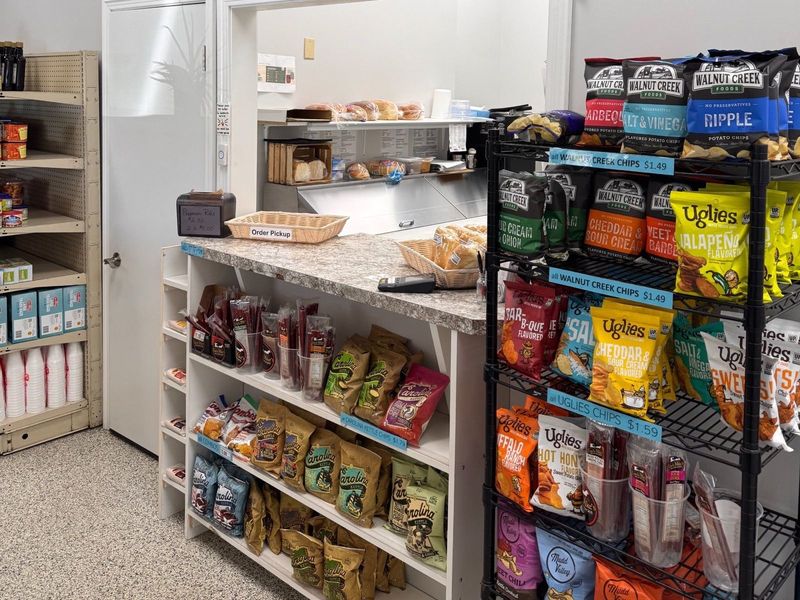
Family shopping goes more smoothly when everyone knows the plan.
Before a trip to Kauffman Family Marketplace, tell your children what is on the list and whether there is room for a snack choice.
Clear limits can make the visit calmer and help protect your Pennsylvania grocery budget.
Give each person a small role.
One child can watch for produce on the list, while another compares the sizes of pantry packages.
Adults can check prices and dates.
Having jobs helps the group move with purpose, but leave enough time to read labels instead of grabbing the first item you see.
Pick a few foods that work across meals.
Eggs, if they fit your needs and the current price is right, can help with breakfast or a quick dinner.
Vegetables can serve as a side, go into soup, or top a simple rice bowl.
Compare any marketplace price with what you usually pay before calling it a deal.
A family outing can invite extras, so set a ceiling for the whole trip.
Keep track of costs as items enter the basket.
If you find a special, ask what it will replace on your list.
Swapping one item for another is different from adding more to an already full plan.
When children request something new, consider a small package first.
It gives everyone a chance to try the food without risking much money.
If it becomes a favorite, you can watch for a better unit price on a later visit.
Use the same careful approach with ready-to-eat foods that seem convenient.
Check your receipt before leaving or soon after you get home.
Mistakes can happen anywhere, and a quick review also shows where your money went.
Talk about one smart choice your family made together.
A marketplace trip can teach lasting shopping skills when the focus stays on meals, value, and teamwork.
12. Miller’s Country Market
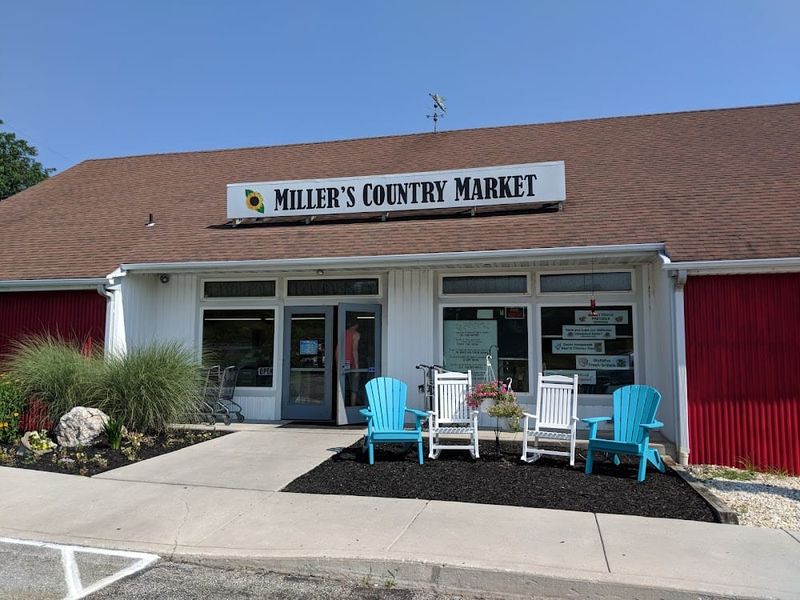
The last stop on a grocery route should earn its place in the weekly plan.
Consider Miller’s Country Market when its selection and current prices match foods your family needs.
A pleasant shop is a bonus, but your Pennsylvania budget depends on what you spend and what you use.
Start with a short list of missing ingredients.
If you already have pasta and canned tomatoes, look for a vegetable and a protein to finish dinner.
If lunch supplies are running low, count the days until your next grocery trip.
Planning around that number helps you avoid buying too little or too much.
Watch for seasonal produce and compare its price with your usual options.
Choose items at different stages of ripeness if you need fruit for several days.
For any packaged food, read the weight, check the unit price, and look at the date.
When signs are unclear, ask before adding something to your basket.
Do not overlook the cost of getting to a store.
A special price may not save money if it requires a long extra drive for one item.
Group errands when possible, and think about the total cost of the trip.
A nearby stop that completes your list can sometimes be the better deal.
Back home, make an easy first meal from the freshest purchases.
Move older food forward in the refrigerator and pantry.
If you bought more of an ingredient than expected, decide now how to use or freeze the extra.
Waiting until it starts to spoil usually means fewer choices.
Keep a simple record of what worked.
Note the price of a few regular foods, whether your family liked them, and how much was left at week’s end.
Over several visits, that record will tell you whether Miller’s fits your routine.
The real grocery gem is the place that helps you feed your family well without wasting money.
Share this story