Pennsylvania makes it surprisingly easy to turn a regular day trip into something that feels like a hands-on quest, especially when museums invite you to build, test, touch, climb, question, and play your way through science, history, art, and everyday wonder. Across the state, you can move from Philadelphia institutions packed with iconic experiments to smaller community spaces in Lancaster, Erie, Bloomsburg, State College, Harrisburg, Washington, Allentown, Pittsburgh, and Punxsutawney, where learning feels less like a lecture and more like a challenge you cannot wait to try for yourself.
What stands out most is how these places meet you where curiosity lives, whether that means a child steering a trolley, launching a design idea, studying weather patterns, exploring the human body, or discovering that creativity and problem solving are often the same adventure wearing different clothes. If you are looking for Pennsylvania experiences that entertain first and educate so naturally you barely notice it happening, these twelve museums prove that the Commonwealth knows exactly how to make discovery memorable.
1. Hands-on House, Children’s Museum of Lancaster – Lancaster
If you want a museum day that feels energetic from the moment you walk in, this Lancaster favorite delivers exactly that.
The experience is built around touching, trying, pretending, and experimenting, so children are never pushed into standing quietly on the sidelines.
Instead, you get an environment where curiosity takes the lead and every corner seems to ask a new question.
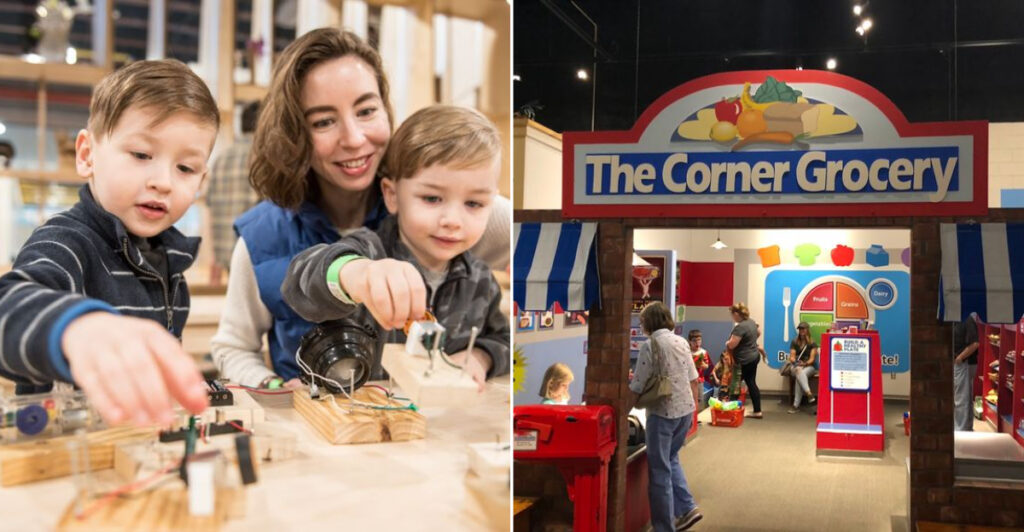
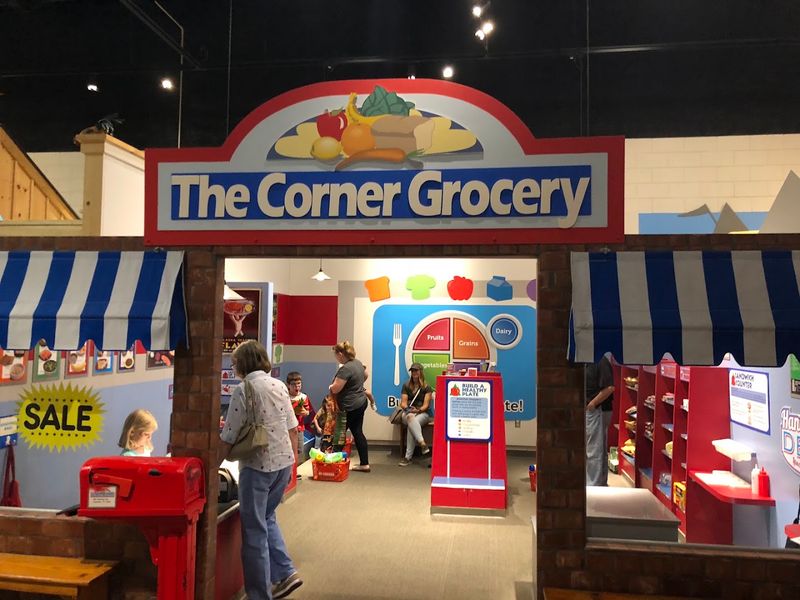
Inside Hands-on House, Children’s Museum of Lancaster, everyday life becomes the starting point for discovery.
Kids can role-play through familiar community spaces, test how things work, and develop confidence by making choices on their own.
That mix of imaginative play and practical learning is what makes the museum so appealing, because lessons about communication, movement, and problem solving are tucked naturally into the fun.
What I like most is how approachable the whole visit feels for families with younger children.
Nothing seems designed to intimidate, and the exhibits encourage participation at different comfort levels, whether your child wants to jump right in or watch first and slowly warm up.
That flexibility makes it easier for you to relax and let the experience unfold.
There is also something distinctly Pennsylvania about finding this kind of community-centered learning space in Lancaster.
The museum reflects the region’s family-friendly spirit while giving children room to explore independence in a safe setting.
You leave with more than photos, because the visit often sparks conversations about neighborhoods, jobs, daily routines, and how people help one another.
For an educational stop that feels playful rather than forced, this museum earns its place on any Pennsylvania list.
It turns ordinary subjects into memorable adventures, and that is exactly why so many families return.
When learning feels this active and welcoming, kids rarely realize how much they are actually absorbing.
2. Children’s Museum of Pittsburgh – Pittsburgh
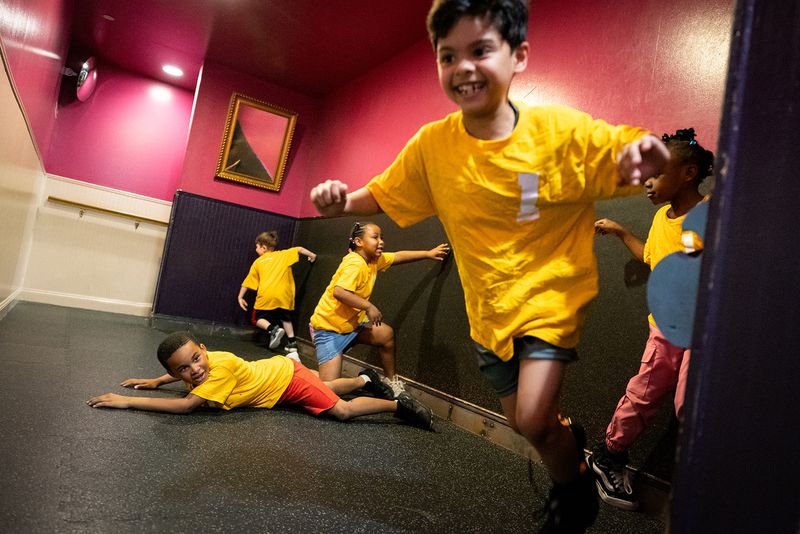
Few places make creative learning feel as exciting as this standout museum in western Pennsylvania.
From the start, the atmosphere encourages kids to move, investigate, and interact instead of simply observing from a distance.
That active approach turns a museum visit into something closer to an unfolding adventure.
At the Children’s Museum of Pittsburgh, art, science, and imaginative play blend together in a way that feels genuinely fresh.
One moment you might find spaces that support engineering-style thinking, and the next you are surrounded by exhibits that invite storytelling, design, and sensory exploration.
Because the museum crosses so many subjects, it reaches children with different interests and gives everyone a reason to stay curious.
I think that variety is part of what makes the visit so rewarding for families.
You are not locked into one kind of educational experience, so children can follow their attention naturally and discover what excites them most.
That freedom often leads to stronger engagement than a more rigid museum format ever could.
The Pittsburgh setting adds another layer, since this is a city known for innovation, culture, and reinvention.
The museum reflects that energy by showing kids that ideas can be playful, collaborative, and hands-on all at once.
It is the kind of place where experimenting feels safe, mistakes are part of the process, and creative confidence grows without much pressure.
For anyone exploring Pennsylvania with children, this museum offers more than a rainy-day backup plan.
It gives you a full experience where learning is built through action, conversation, and discovery.
By the time you leave, you can easily feel that the biggest lesson was not one fact or exhibit, but the realization that curiosity itself can be the main attraction.
3. expERIEnce Children’s Museum – Erie
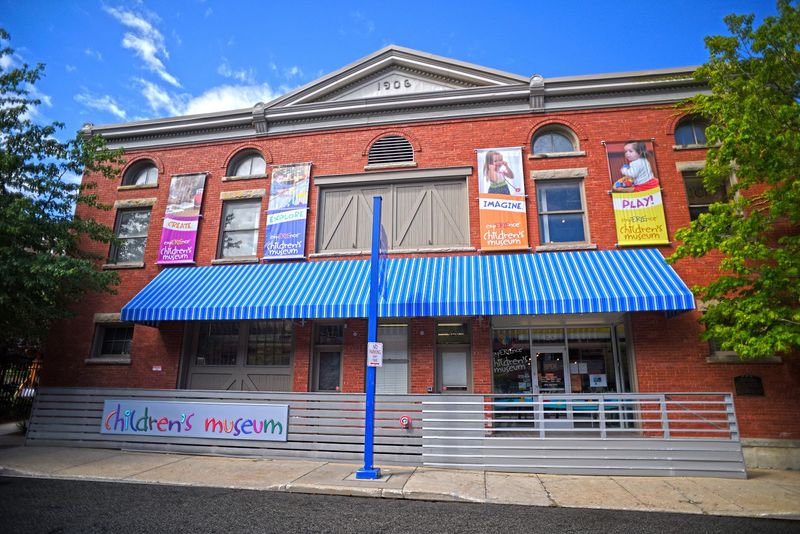
In a city better known to many visitors for its lakefront appeal, this museum adds another reason to plan time in Erie.
The setting is playful, welcoming, and designed to keep children engaged through action rather than passive observation.
That alone makes it a strong stop for families who want something educational without losing the sense of fun.
At expERIEnce Children’s Museum, the exhibits are built to encourage participation, problem solving, and imaginative exploration.
Children can test ideas through movement, role-play, and experimentation, which helps abstract concepts feel real and accessible.
Instead of separating play from learning, the museum treats them as partners, and that choice gives the whole experience a natural rhythm.
What stands out to me is how this kind of museum can turn a simple family outing into a confidence-building experience.
Kids get to make decisions, figure things out, and interact with spaces that respond to their curiosity.
You can see how those small moments matter, especially for younger visitors who learn best when they are physically involved.
There is also value in the museum’s regional identity within Pennsylvania.
Erie has its own pace and personality, and this attraction reflects the community-minded spirit that makes local destinations memorable.
It feels rooted in the idea that educational spaces should be inviting, accessible, and genuinely enjoyable for everyday families.
If you are putting together a Pennsylvania museum list that goes beyond the biggest cities, this one deserves attention.
It proves that adventure does not have to mean giant scale when the design encourages discovery at every turn.
By the end of the visit, children often leave energized, proud of what they explored, and ready to keep asking questions long after the museum day is over.
4. Punxsutawney Weather Discovery Center – Punxsutawney
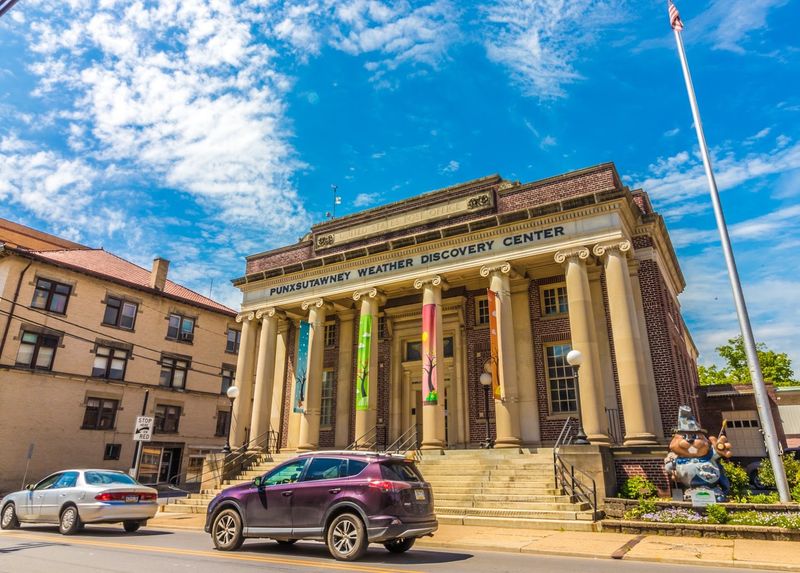
You might expect Punxsutawney to be defined only by its famous weather tradition, but this museum shows there is much more to discover.
Rather than leaning on novelty alone, it turns forecasting, climate, and atmospheric science into something approachable for everyday visitors.
That makes the experience feel both locally distinctive and genuinely educational.
Inside the Punxsutawney Weather Discovery Center, weather is presented as a living subject that shapes routines, travel, farming, safety, and even community identity across Pennsylvania.
Exhibits help visitors connect dramatic ideas like storms and seasonal shifts to the tools and observations used to understand them.
When that science becomes interactive, it is easier for children and adults to see weather as something to investigate rather than just react to.
I find that kind of focus especially memorable because it ties directly to place.
In a state with snowy winters, humid summers, and changing regional conditions, weather is not an abstract school topic.
It is part of daily life, and the museum uses that familiarity to build curiosity in a way that feels relevant right away.
The smaller-town setting also gives this stop a personality you cannot easily replicate in a larger institution.
There is a sense of local pride here, along with the reminder that meaningful educational adventures do not have to happen only in major cities.
Sometimes a specialized museum leaves the strongest impression because it goes deep on one subject and makes it unexpectedly fun.
If you want a Pennsylvania museum experience with a clear identity, this one stands out.
It blends science, community character, and a sense of playful discovery in a way that feels memorable long after you leave.
For families, road trippers, and anyone curious about how weather shapes the Commonwealth, it offers a smart and entertaining detour.
5. The Franklin Institute – Philadelphia
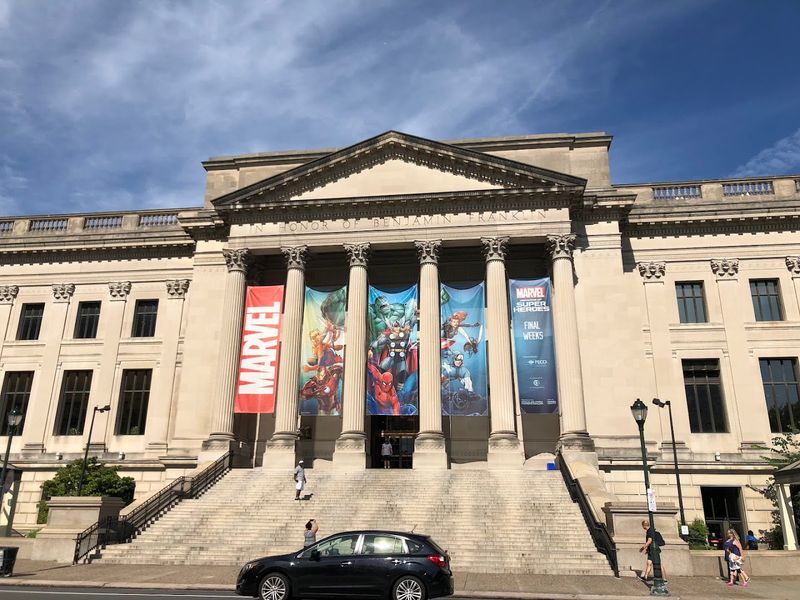
Some museums feel iconic before you even step inside, and this Philadelphia institution absolutely fits that description.
It has the scale, energy, and reputation to attract first-time visitors, yet it still succeeds by making science feel immediate and personal.
That balance is a big reason why it remains one of Pennsylvania’s most exciting educational destinations.
At The Franklin Institute, complex ideas are transformed into experiences you can move through, test, and remember.
Exhibits often encourage visitors to connect with physics, technology, engineering, and the human body through direct interaction rather than abstract explanation.
When you are actively involved, the information tends to stick, and the museum understands that better than most.
What I appreciate is that the experience can work for different ages without losing momentum.
Younger visitors find room for wonder and play, while older kids and adults can dig deeper into the science behind what they are seeing.
That layered design gives families a shared experience instead of forcing everyone into separate levels of engagement.
The Philadelphia setting matters too, because this is a city with deep ties to American history, invention, and intellectual life.
The museum feels connected to that tradition while still staying focused on the future.
It reminds you that curiosity drives progress, and that learning can feel thrilling when it is presented as an open invitation to explore.
If you only have time for one major science museum in Pennsylvania, this is an easy choice.
It combines credibility, imagination, and hands-on discovery in a way that turns a day indoors into a full-scale adventure.
You leave not just entertained, but also energized by the sense that science is everywhere and far more accessible than it sometimes seems.
6. Da Vinci Science Center – Allentown
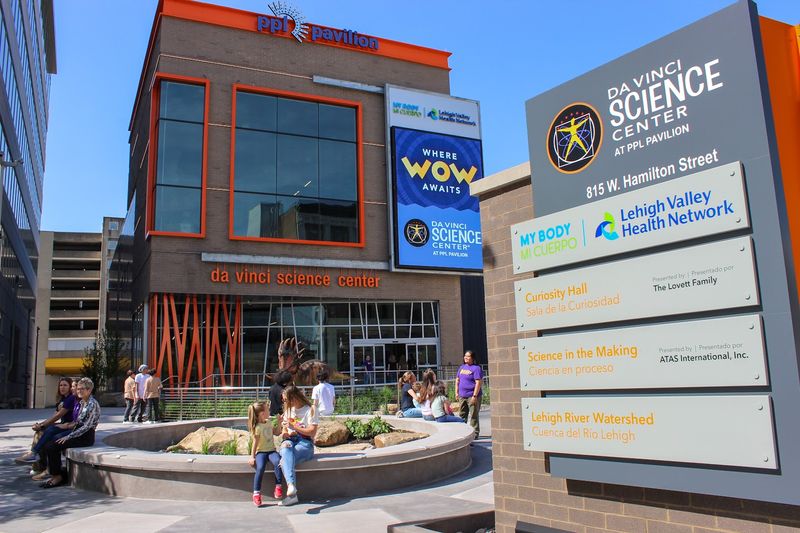
A great science museum does more than explain concepts – it makes you want to test them for yourself.
That spirit runs through this Allentown destination, where hands-on engagement helps children connect with science in a way that feels active and approachable.
The result is a visit that can be both educational and genuinely exciting.
At Da Vinci Science Center, STEM learning is presented through experiences that invite participation, observation, and experimentation.
Instead of asking kids to memorize ideas, the museum gives them ways to build understanding through direct interaction and playful problem solving.
That approach can make intimidating subjects feel much more manageable, especially for visitors who learn best by doing.
I think one of the museum’s biggest strengths is how naturally it encourages confidence.
Children are free to press buttons, test outcomes, and ask questions without feeling as if they need to get everything right immediately.
That atmosphere matters, because curiosity often grows fastest when mistakes are treated as part of discovery rather than something to avoid.
Its place in eastern Pennsylvania also makes it an appealing option for families exploring beyond the biggest metro areas.
Allentown offers a practical and welcoming base, and the museum adds a strong educational anchor to the region’s family attractions.
It feels like the kind of place that serves local communities well while still being worth a special trip.
For visitors looking to turn a Pennsylvania outing into something memorable, this museum has clear appeal.
It shows that science can be playful, social, and relevant to everyday life without losing any of its depth.
By the time the visit ends, children often leave with more than facts, because they have also practiced wondering, testing, and thinking like explorers.
7. Whitaker Center for Science and the Arts – Harrisburg
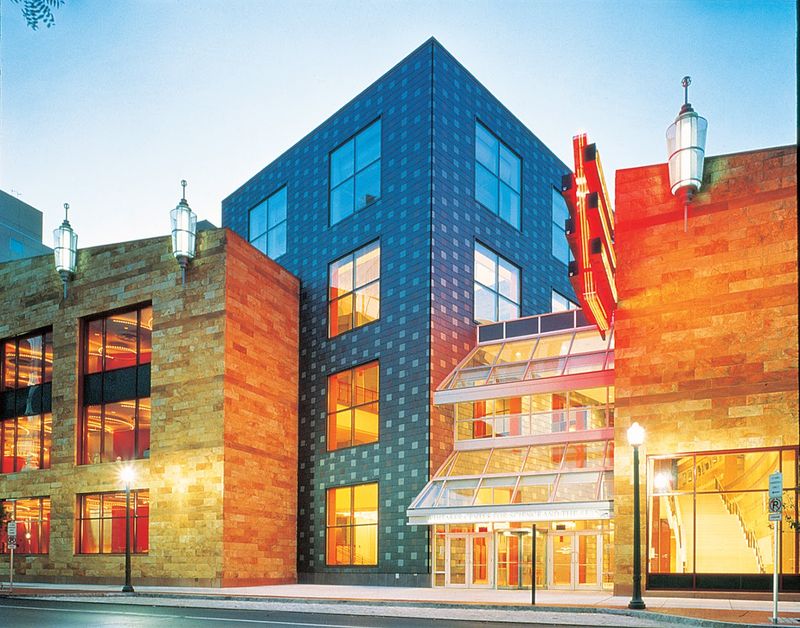
When a destination blends science and the arts under one roof, the day instantly feels broader and more creative.
That is exactly the appeal of this Harrisburg favorite, which gives families a chance to explore different ways of learning in one visit.
Instead of treating disciplines as separate worlds, it invites you to see how they enrich one another.
At Whitaker Center for Science and the Arts, the educational experience goes beyond standard exhibit halls.
Visitors can move between hands-on science exploration and artistic experiences that encourage imagination, interpretation, and expression.
That variety keeps the day dynamic, especially for families with mixed interests who want everyone to feel included.
I like how this setup reflects the reality of how people learn outside school.
Problem solving often needs creativity, and art frequently draws on observation, design, and experimentation.
When a museum embraces that connection, it can help children understand that learning is not boxed into neat categories, but shaped by curiosity across many subjects.
The Harrisburg location adds another advantage, since the state capital already carries a sense of civic importance and regional access.
A museum like this fits well within that setting, offering something enriching without feeling overly formal.
It is the kind of place where a family outing can easily expand into conversations about ideas, culture, and how different talents work together.
If you are building a Pennsylvania itinerary that values both creativity and discovery, this stop deserves a place on the list.
It offers a more layered adventure than a single-focus attraction, while still staying approachable for children.
You leave with the sense that science and art are not competing for attention at all – they are teaming up to make curiosity more powerful.
8. Please Touch Museum – Philadelphia
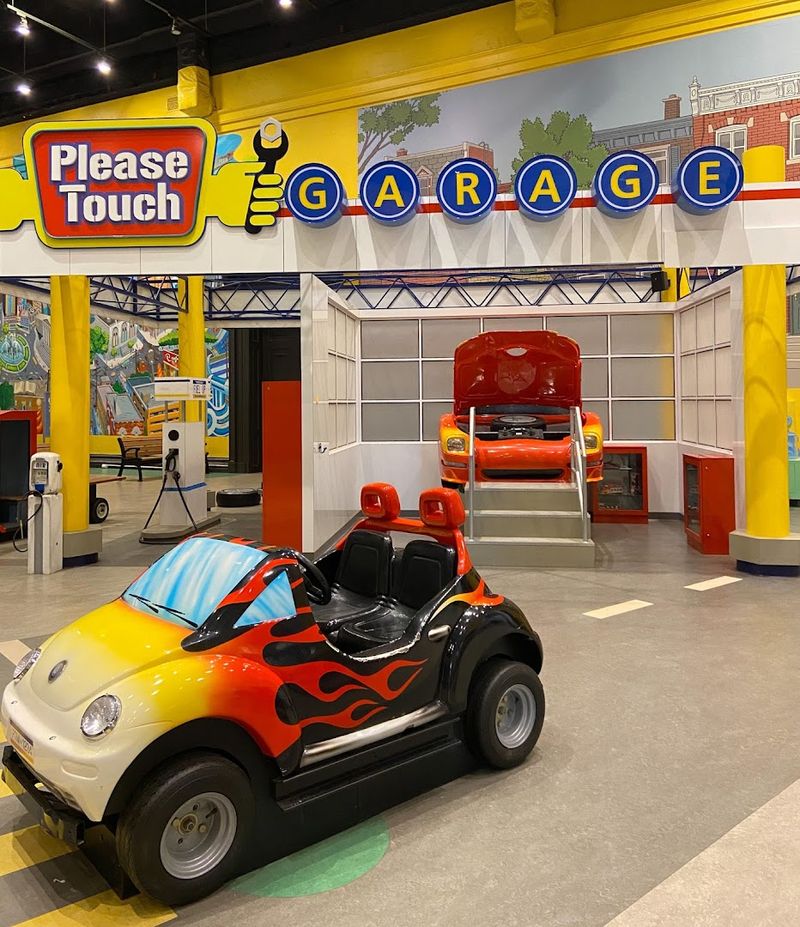
Some museum names tell you exactly how they want you to experience the space, and this one could not be clearer.
The invitation to interact is built into the identity, which makes the whole visit feel welcoming from the start.
For families with younger children, that kind of permission can turn hesitation into excitement almost immediately.
At Please Touch Museum, hands-on engagement is not an extra feature – it is the foundation.
Exhibits are designed around play, movement, role-playing, and discovery, helping children learn through direct contact with the world around them.
That approach works especially well for early learners, who often understand best when they can physically explore ideas instead of only hearing about them.
What stands out to me is how the museum supports both fun and developmental growth without making either feel forced.
Children practice social skills, creativity, coordination, and problem solving while simply doing what comes naturally to them.
You get the sense that the museum respects childhood curiosity instead of trying to control it too tightly.
Its Philadelphia setting adds to the appeal, because it gives families another major educational stop in a city already rich with historic and cultural experiences.
Yet this museum maintains its own distinct personality by focusing so strongly on play-based learning.
It feels less like a formal institution and more like a carefully designed world where exploration is the main rule.
For anyone traveling through Pennsylvania with small children, this is one of the easiest recommendations to make.
It transforms touch, motion, and imagination into tools for discovery, showing that meaningful learning can begin with something as simple as permission to interact.
By the end of the visit, the line between education and adventure feels almost impossible to separate.
9. Pennsylvania Trolley Museum – Washington
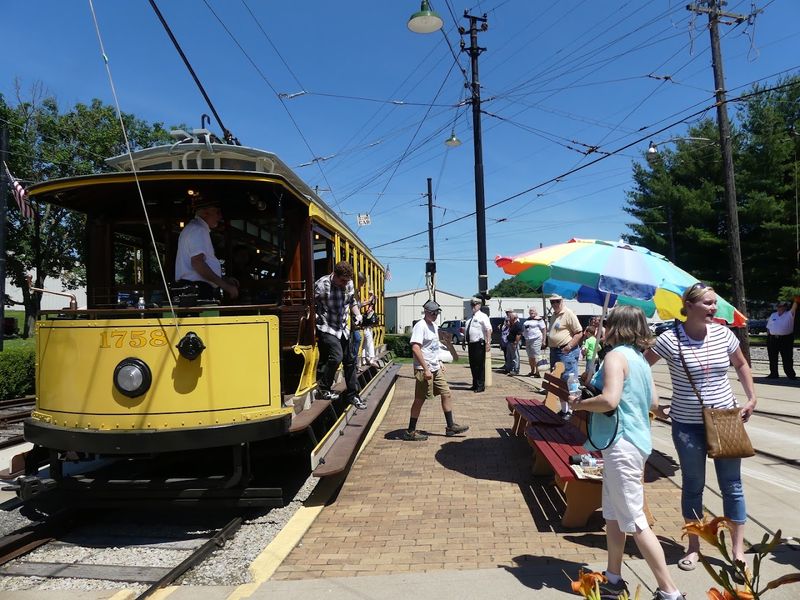
Transportation history becomes much more exciting when you can experience it beyond a display sign, and this museum understands that perfectly.
Instead of keeping the past at a distance, it invites visitors to connect with it in a tactile, memorable way.
That makes the stop feel adventurous even for people who did not expect to be interested in transit history.
At the Pennsylvania Trolley Museum, the story of streetcars opens a window into how communities across the state developed and stayed connected.
Trolleys were never just vehicles, because they influenced work, neighborhoods, leisure, and the shape of everyday life.
When visitors can explore that story through preserved equipment and immersive interpretation, the subject feels surprisingly vivid.
I think the museum works so well because it links machinery with human experience.
Children can be fascinated by wheels, controls, and engineering details, while adults often appreciate the broader historical picture of how travel changed Pennsylvania towns and cities.
That combination creates a visit with real cross-generational appeal, which is not always easy to find.
The Washington location also gives the museum a distinctive regional character.
Western Pennsylvania has a deep industrial and transportation legacy, and this attraction helps make that history visible in an engaging format.
Rather than presenting the past as distant and finished, it shows how infrastructure shaped daily routines, economic growth, and community life.
If you want a museum that proves history can still feel active, this is a strong choice.
It offers movement, storytelling, and mechanical curiosity in one experience, which is a great recipe for family learning.
By the time you leave, it is easy to see trolleys not as relics, but as vehicles that once carried Pennsylvania forward in every sense.
10. Discovery Space of Central Pennsylvania – State College
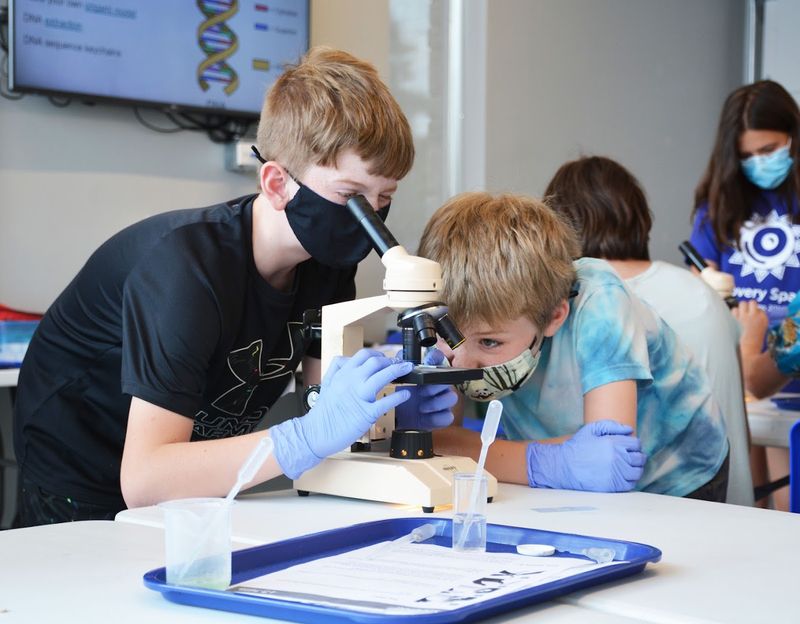
A museum does not need massive scale to create a meaningful adventure, and this State College destination is a great example.
Its strength comes from encouraging active participation and making discovery feel personal, immediate, and fun.
That can be especially valuable for families who prefer spaces that feel approachable rather than overwhelming.
At Discovery Space of Central Pennsylvania, the emphasis is on hands-on learning that invites children to investigate how things work.
Interactive experiences help connect science, creativity, and problem solving in ways that feel natural rather than overly structured.
Because the setting supports exploration, kids often become more invested in figuring things out for themselves.
What I find appealing is the museum’s community-centered energy.
State College is known for education and intellectual curiosity, and this attraction reflects that spirit in a family-friendly format.
It feels like a place where questions are welcome, experimentation is encouraged, and learning happens through participation instead of pressure.
That atmosphere can make a big difference for younger visitors or first-time museum goers.
When children feel comfortable touching exhibits, making guesses, and trying again, confidence tends to grow alongside understanding.
You are not just filling time indoors, but giving them a chance to practice curiosity in a setting built to reward it.
For anyone exploring central Pennsylvania, this museum adds depth to a trip without demanding a full-day commitment to enjoy.
It offers the kind of educational adventure that stays memorable because it feels so active and accessible.
By the end, children usually leave with that satisfying mix of excitement and pride that comes from discovering something on their own.
11. Lancaster Science Factory – Lancaster
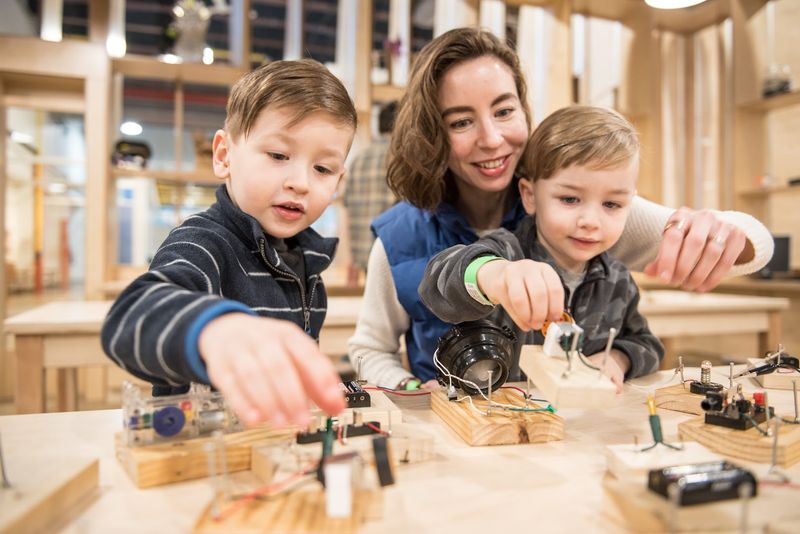
Science feels more inviting when it is presented as something you can build, test, and play with, and that is where this Lancaster museum shines.
The atmosphere is energetic without feeling chaotic, giving families room to explore at their own pace.
It is the kind of place where children can jump into experimentation almost immediately.
At Lancaster Science Factory, STEM concepts become tangible through hands-on activities that reward curiosity.
Instead of keeping ideas locked in textbooks, the museum encourages visitors to manipulate materials, observe outcomes, and connect learning with action.
That process can make a huge difference, especially for children who understand best when they can see cause and effect unfold in front of them.
I like that the museum feels practical as well as playful.
There is a clear sense that the exhibits are designed to help children think through challenges, not just entertain them for a few minutes.
When fun and problem solving are paired so closely, kids often stay engaged longer and come away with stronger confidence in their own abilities.
Its location in Lancaster adds to the appeal by giving the region another smart family destination beyond the area’s better-known attractions.
This museum reflects a hands-on spirit that fits Pennsylvania well, blending curiosity, craftsmanship, and community learning.
It feels rooted in the idea that discovery should be available to everyday families, not reserved for special occasions alone.
If you are looking for a museum that turns science into something active and memorable, this one deserves attention.
It offers a direct, approachable experience that keeps children involved from start to finish.
By the time you leave, the biggest takeaway may be simple but powerful: science is not just something to study – it is something you can do.
12. The Children’s Museum – Bloomsburg
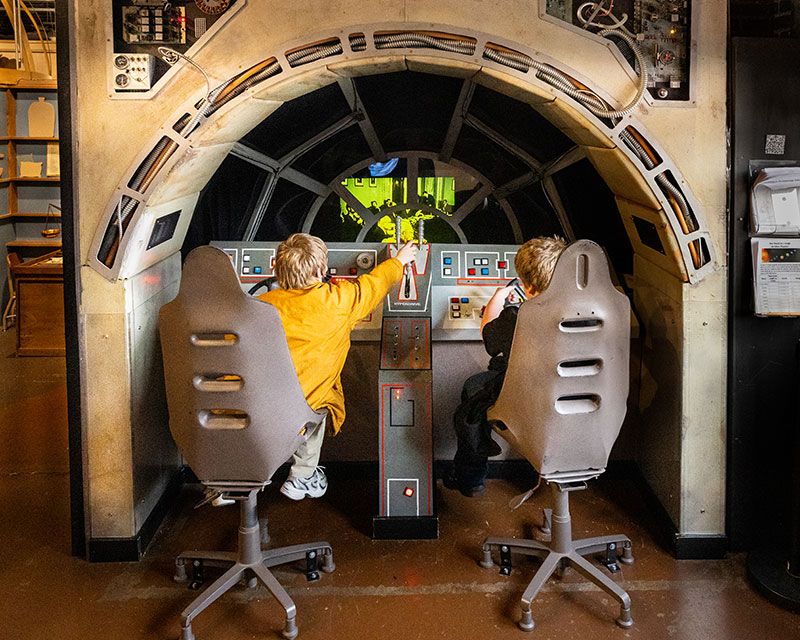
Smaller museums often create some of the most personal and rewarding family experiences, and this Bloomsburg destination proves that point beautifully.
From the beginning, the space feels designed to welcome exploration rather than rush visitors through it.
That slower, more connected pace can make learning feel especially enjoyable for young children and their adults.
At The Children’s Museum in Bloomsburg, hands-on exhibits encourage kids to engage with the world through play, creativity, and experimentation.
Everyday concepts become opportunities for discovery, whether children are pretending, building, or figuring out how different activities respond to their choices.
That direct involvement helps ideas stick because children are active participants in the experience.
What I appreciate most is how these kinds of museums support confidence in subtle but important ways.
A child who solves a small challenge, explores independently, or invents a new game inside an exhibit is practicing real thinking skills.
You can often see that sense of pride grow during the visit, which makes the fun feel even more meaningful.
The Bloomsburg location adds charm and regional value, especially for families exploring beyond Pennsylvania’s major urban centers.
It is a reminder that educational adventures are scattered all across the Commonwealth, not concentrated in only a few famous places.
Local institutions like this help make travel feel more personal because they reflect the communities that sustain them.
If you want a Pennsylvania museum outing that feels warm, accessible, and genuinely family-focused, this stop is well worth considering.
It combines play and learning in a way that respects how children naturally discover the world around them.
By the end of the visit, it is easy to understand why smaller museums can leave such a lasting impression.
Share this story